
#jeddahMassage in #riyadh
مساج في الرياض
Massage in #jeddah
مساج في جدة
wa.me/ 966548017237
😓695🏞️ xxxx russian 🚵♂️🎄
CpeB

2

#Barinas En Sosa y Barinas CPEB retuvo moto y a sujeto solicitado por tribunales
lanoticiadebarinas.com/?p=91…
11


May 23
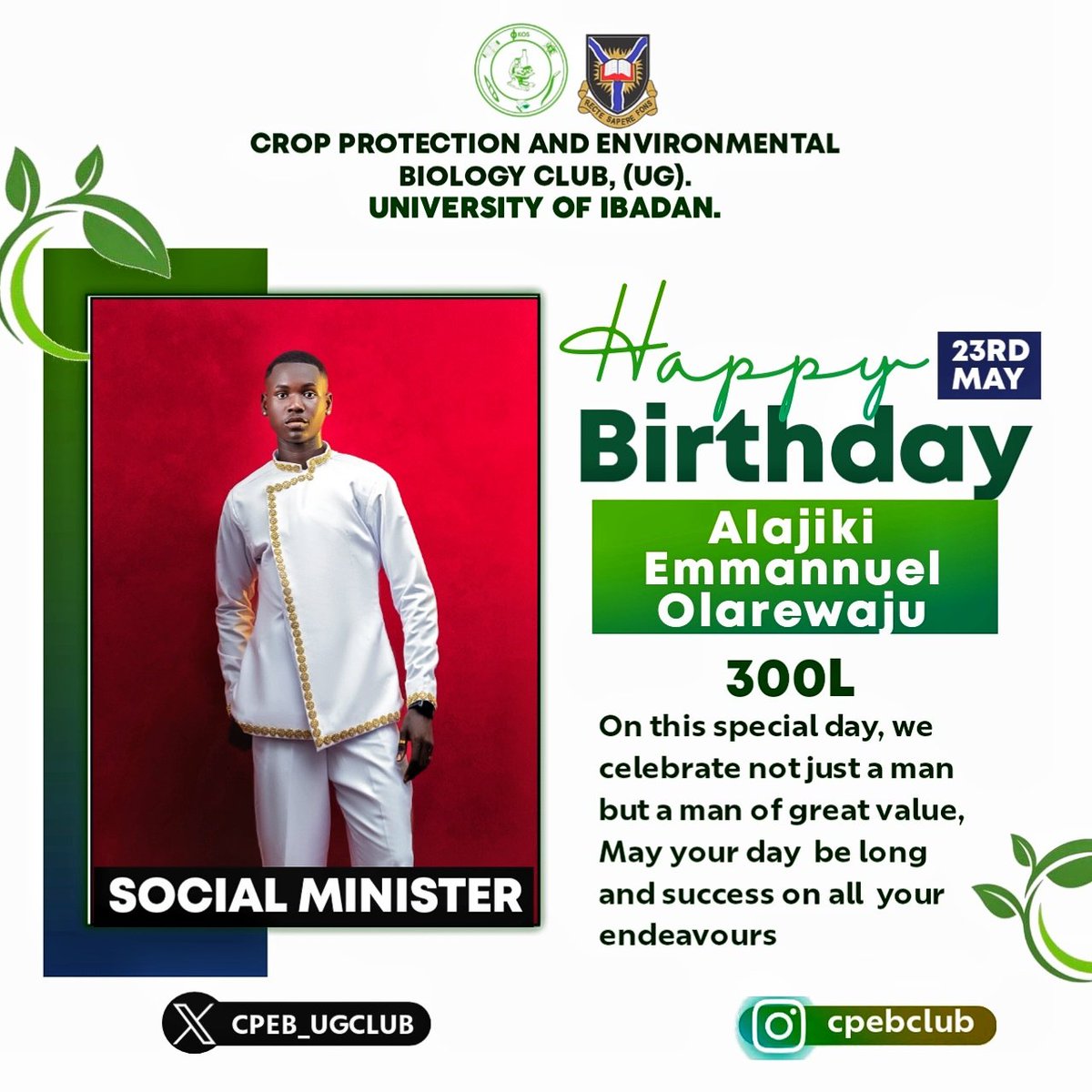
Happy birthday, Emmannuel!
Today is a fantastic day to celebrate the amazing person you are! ✨ As you step into this new year, we wish for you to grow in wisdom, grace, and blessings every day of your life! ✨
Enjoy your special day! 🥂
©️CPEB PUBLICITY TEAM '26🔝
2
9
473

Apr 29
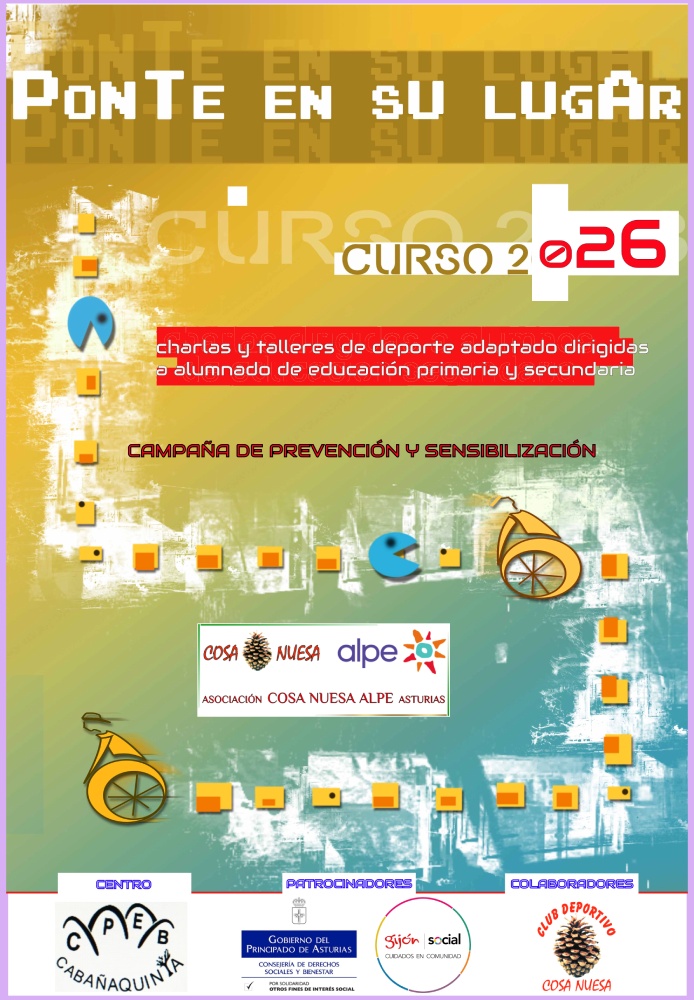
"Ponte en Su Lugar" Campaña de Prevención y Sensibilización
CPEB. Cabañaquinta || #cpebcabanaquinta || #aller || Jueves 30 de abril 2026
#PonteEnSuLugar || @cosanuesa || #cosanuesa || #cdcosanuesa || #cpcabañaquinta ||
socialasturias.asturias.es || sociales.gijon.es ||
5
69

Apr 1
DEAR CPEBITES.
WELCOME TO THE MONTH OF APRIL!🙌🏽
March came, and we marched over to a new one🤭, this is a reminder to keep staying focused until we achieve our wishes for the academic session.
So;
•Stay Focused🤓
•Stay Resilient 💪🏽
•Stay Blessed 🫶🏽
©️CPEB PUBLICITY TEAM🔝
1
1
9
116

Mar 20
Dear muslim Cpebites.
May this Eid bring you abundant blessings and spiritual fulfilment as you celebrate with loved ones.
We pray that Allah (SWT) accepts your fasts, prayers, and all acts of devotion during Ramadan.
Eid Mubarak🌙✨
©️CPEB PUBLICITY TEAM🔝

1
3
63

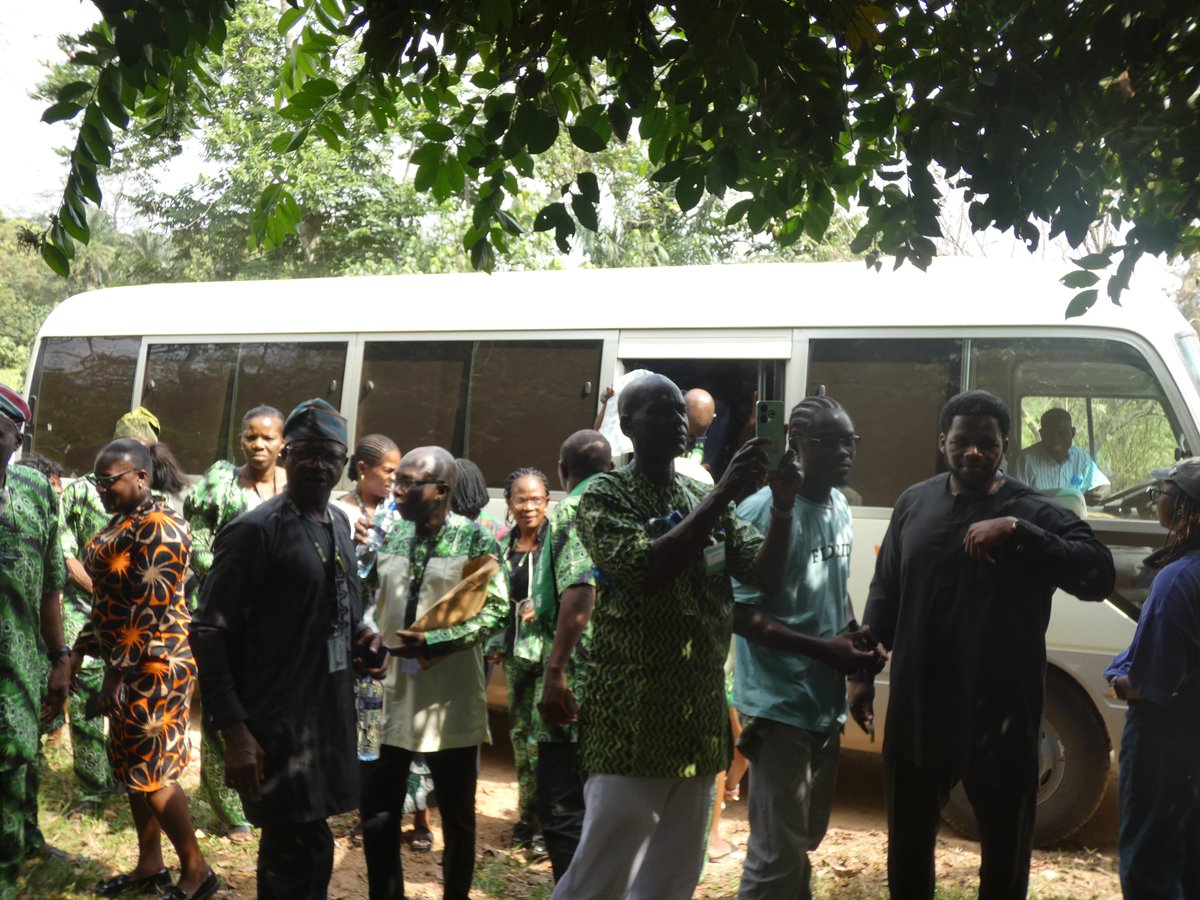
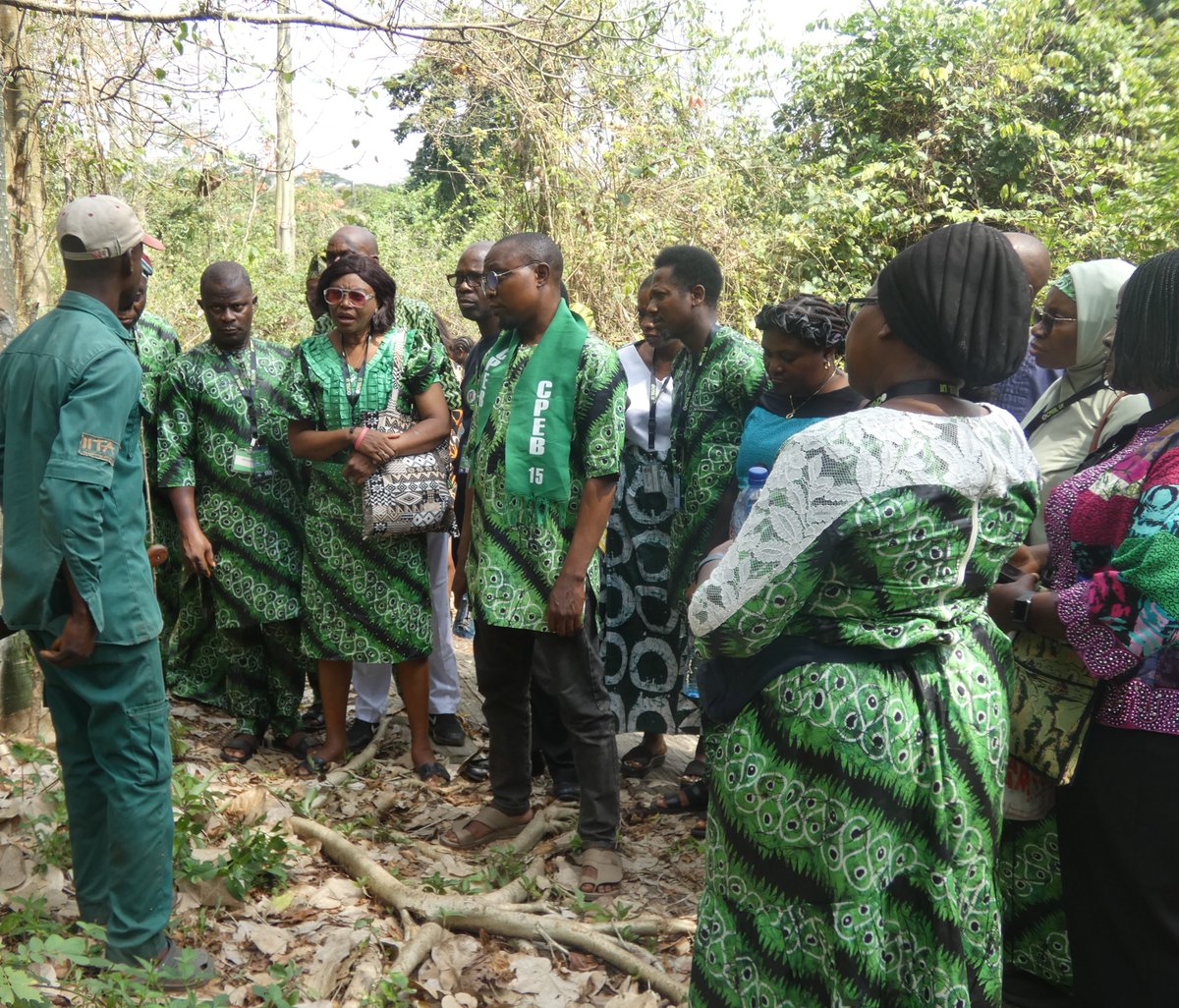
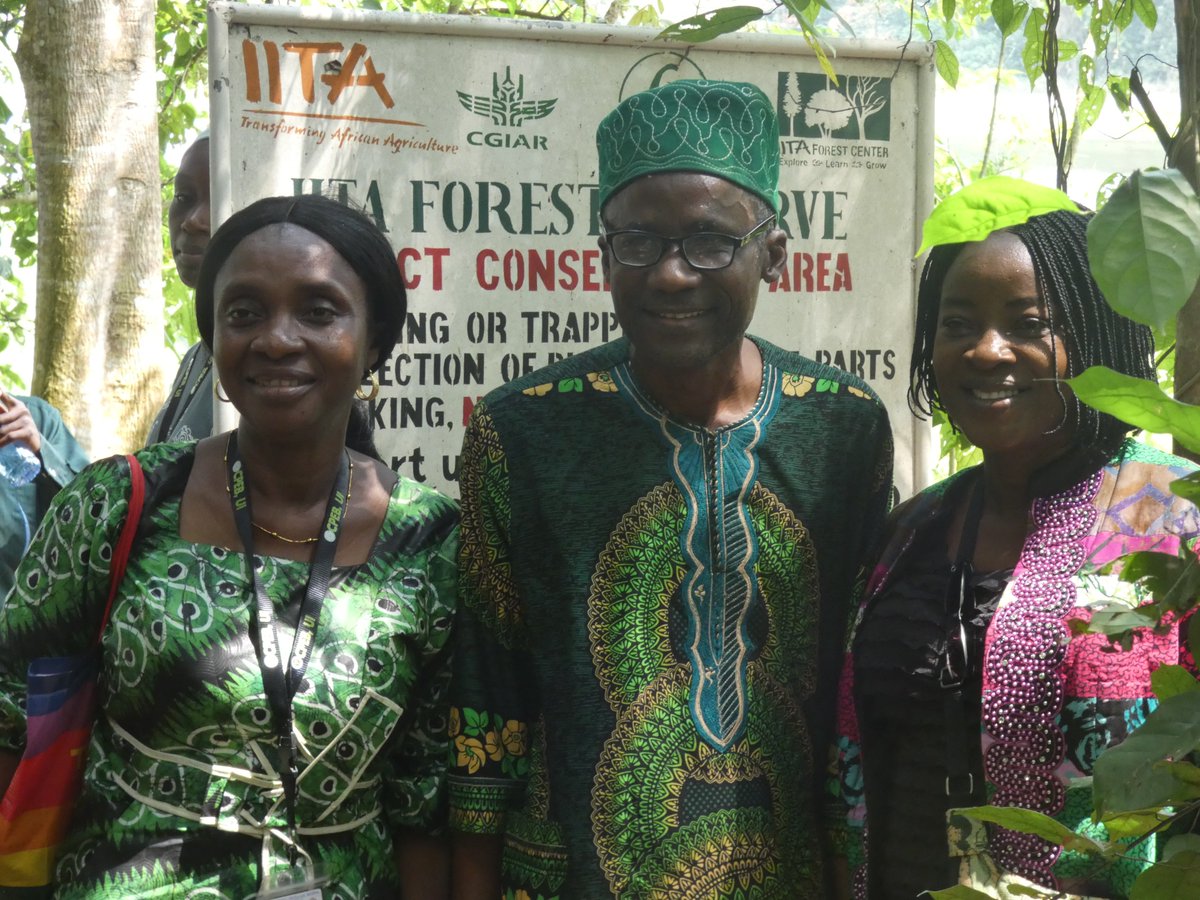
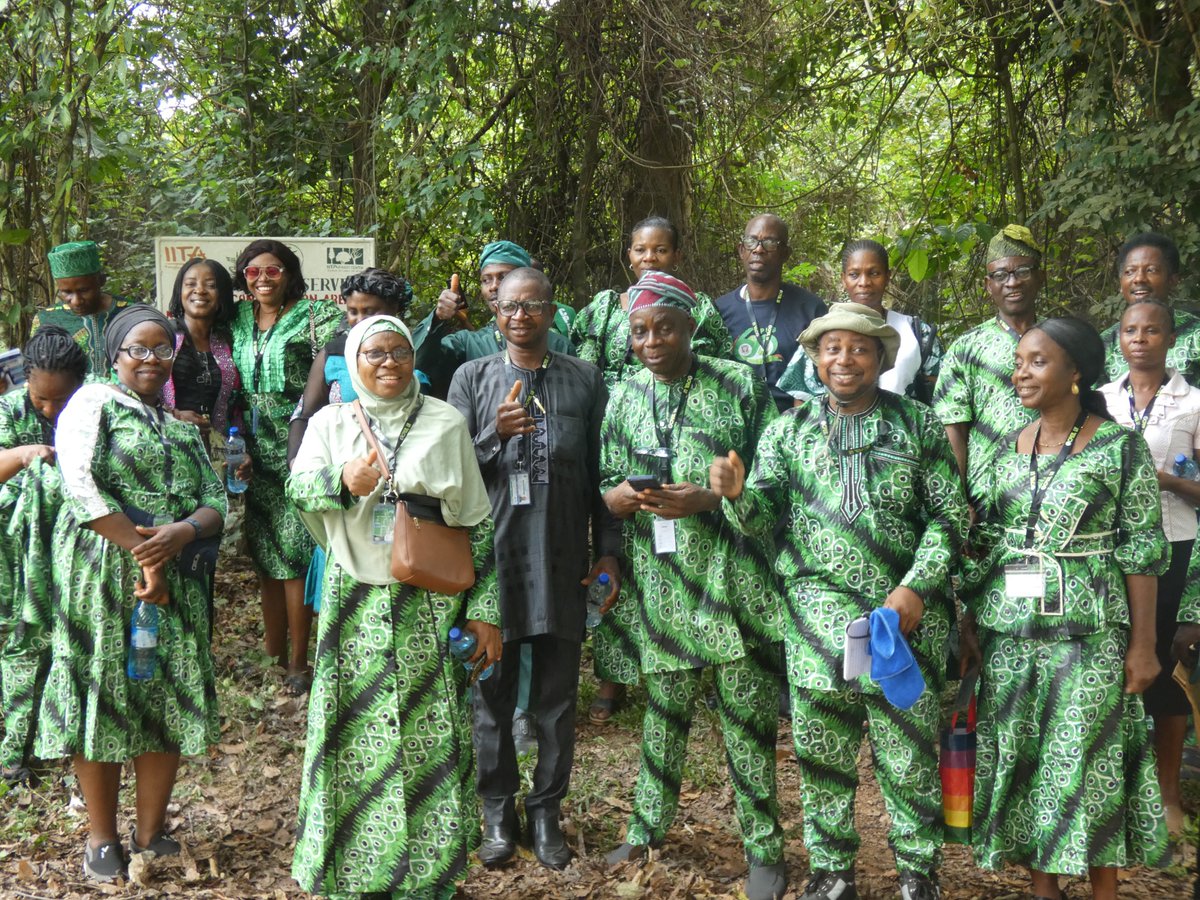
Bridging the gap between the lab and the wild! 🌿 Today, lecturers from the Dept of CPEB, University of Ibadan, joined us for a forest walk at the IITA Forest to explore biodiversity and environmental conservation firsthand.
#IITA #ForestConservation #CPEB #UI #NatureWalk
4
12
119

Mar 1
🚨⛓️ CPEB captura en Santa Inés a “El Gasparín” ( Detalles)
notitarde.com.ve/sucesos/959…
1
240


We have been taught a clean, dogma driven story about life: DNA is the master code, proteins are the output, and if information isn't written in nucleotides, it doesn't persist. But this narrative is incomplete. There is a second information layer in biology that ignores genetic sequence entirely, relying instead on matter choosing a shape, then teaching that shape to other matter. This mechanism is prion like templating, a process where a protein flips into a stable, self replicating conformation that can outlast the molecule that originally carried it. While often associated with pathology, this structural memory is actually nature’s most extreme solution to a problem that plagues modern AI: how to store a permanent signal in a noisy, decaying substrate.
The biological evidence for this hardware level memory is profound. In yeast, we see protein only inheritance, where a cell shifts its operating mode via a prion state and transmits that phenotype to offspring without a single change to its DNA. Even more critical is the Synaptic Seal hypothesis in neuroscience. The brain faces a durability problem; proteins degrade and synapses remodel, yet memories last for decades. The proposed solution is that functional prion like proteins (such as CPEB/Orb2) act as local locks, switching into a self maintaining aggregated state at specific synapses to stabilize the memory against metabolic turnover. This allows the brain to maintain two distinct modes: a plastic mode for rapid learning and a sealed mode for resisting drift.
This biological blueprint offers a radical corrective to how we currently engineer artificial intelligence. In ML terms, a model's weights are effectively crystallized experience; a high dimensional configuration shaped by data. However, current systems are trapped in a binary: they are either static (pre trained and frozen) or plastic (training and risking catastrophic forgetting). We currently try to patch this with external retrieval (RAG), but biology suggests the real answer is selective, local permanence inside the network itself. A prion inspired architecture would allow an AI to think fluidly during inference but, upon crossing a salience threshold, crystallize specific circuits into a protected state.
The implications here extend far beyond biological mimicry; they redefine the roadmap for continual learning. We are currently trying to solve memory by expanding context windows, but biology proves that scalability comes from configuration, not just sequence. By engineering systems that allow for selective crystallization; locking in high value updates without freezing the entire model; we move from static inference engines to agents that genuinely accrue life experience. The future of memory isn't just about reading more text; it's about architectural commitment, where the system’s own structure physically evolves to encode its history.

8
13
4,665

20 Nov 2025
CPEB course was the only course I wrote in 300l, 2 lecturers took the course, during exam, I left one whole sector of one lecturer blank cos I didn’t know jack shit in one of the lecturers part.
2
3
44

19 Nov 2025
Acta de Derechos de la Mujer Víctima de Violencia emitida por funcionarios del CPEB.
Aunque interpuso la denuncia formal y fue informada sobre las medidas de protección contempladas en la ley, la víctima asegura que las amenazas por parte de sus agresores continúan, lo que
1
2
2
98

8 Nov 2025
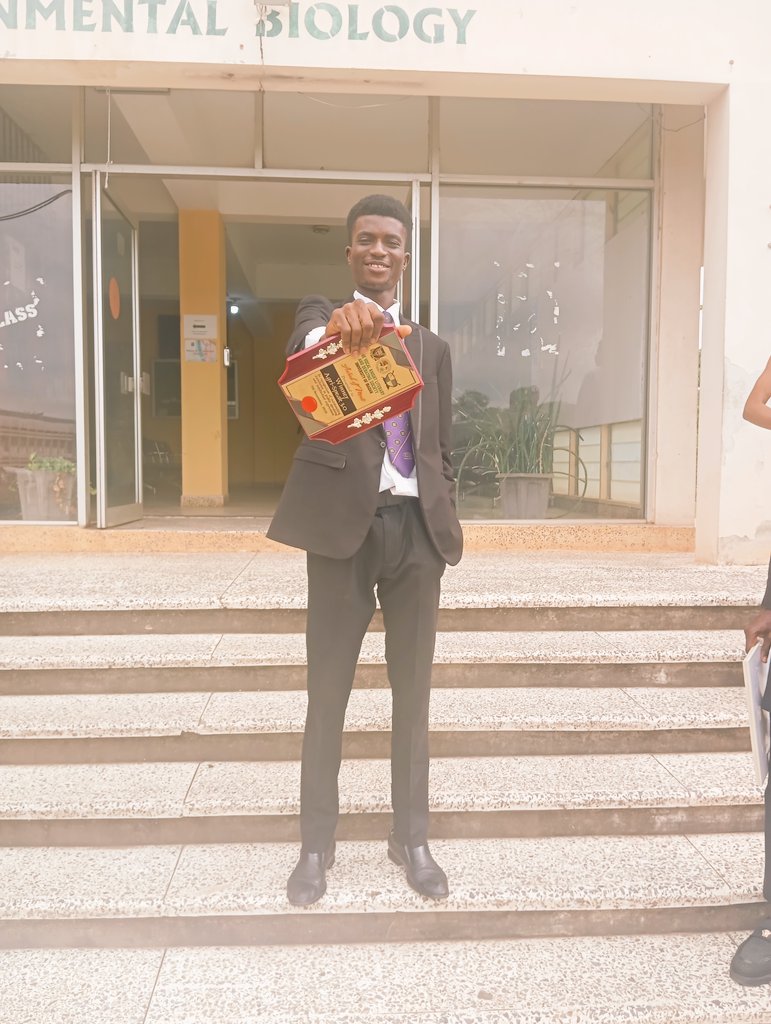
Agrispeak 1.0 — CPEB
Agrispeak 2.0 — CPEB
Agrispeak 3.0 — Still CPEB 💪
We already know who owns 4.0. 😉
#CPEBITES
1
10
97
8 Nov 2025
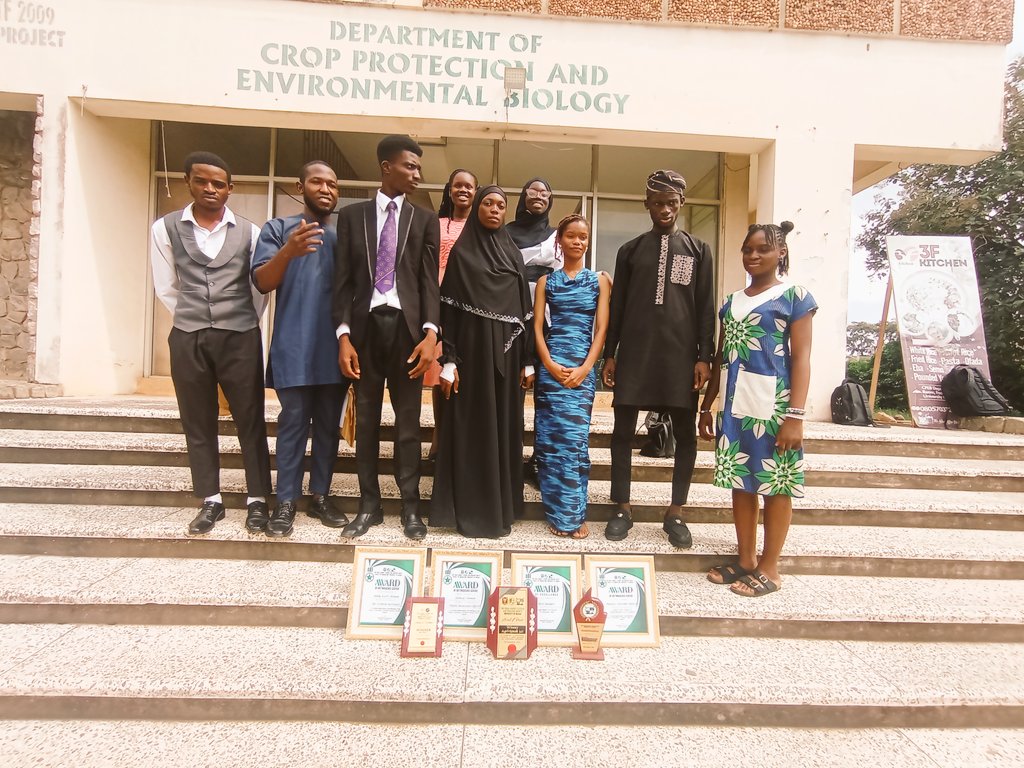
> Friday, Nov 7 was another walkover for CPEB at #Agrispeak3 — the Faculty of Agriculture’s biggest public speaking event.
From debate to spoken word to oratory, CPEB led every round and claimed:
🥇 Best Speaker
🥈 1st Runner-up
🏆 Overall departmental victory
3
4
14
427

8 Nov 2025
Institute list will be released by CPEB so how can one select a low quality one
4
95