
レザーシャツ風ジャケットのオーバーサイズ感…黒系で決まりそうだけど私にはちょっと大人すぎるかなぁ? でも気になっちゃう
美品!CVTVLIST CTLS カタリストセットアップレザーシャツ風ジャケット
jp.mercari.com/item/m9208172…
3

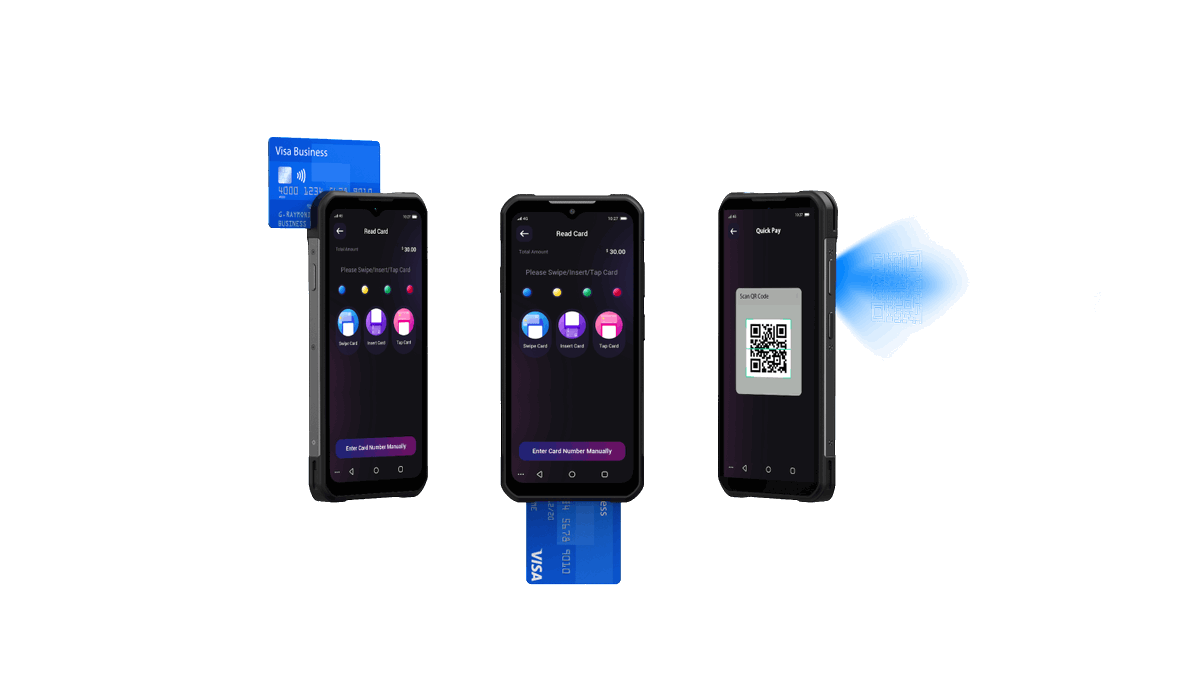
Pax A6650 Credit Card Terminal
SKU#105-665
$1275 each
PAX, A800 Android 10 based Mobile/Countertop, Fron/back cameras, EMV/CTLS/MSR, 5.7" capacitive Touch-Screen, Wifi/4G/BT
zurl.co/X6f1g
Call 702-936-4785 or 928-263-6125
20

At @EMBO #LSFM last year, we put AxL CTLS to the test with @Argolight "3D matrix of rings" sample - they're not beads! The results speak for themselves.
Join our webinar June 30 to learn more about high-speed high-resolution cleared specimen imaging.
go.intelligent-imaging.com/A…
2
1
141

Jun 11
Amplity’s CTLs help prevent trial delays by engaging early to accelerate enrollment, strengthen site relationships, surface insights, and reduce financial risk. The earlier you act, the better the outcome. Let’s talk. amplity.com/medical#clinical #AmplityMedical #ClinicalTrialLiaisons
1
3
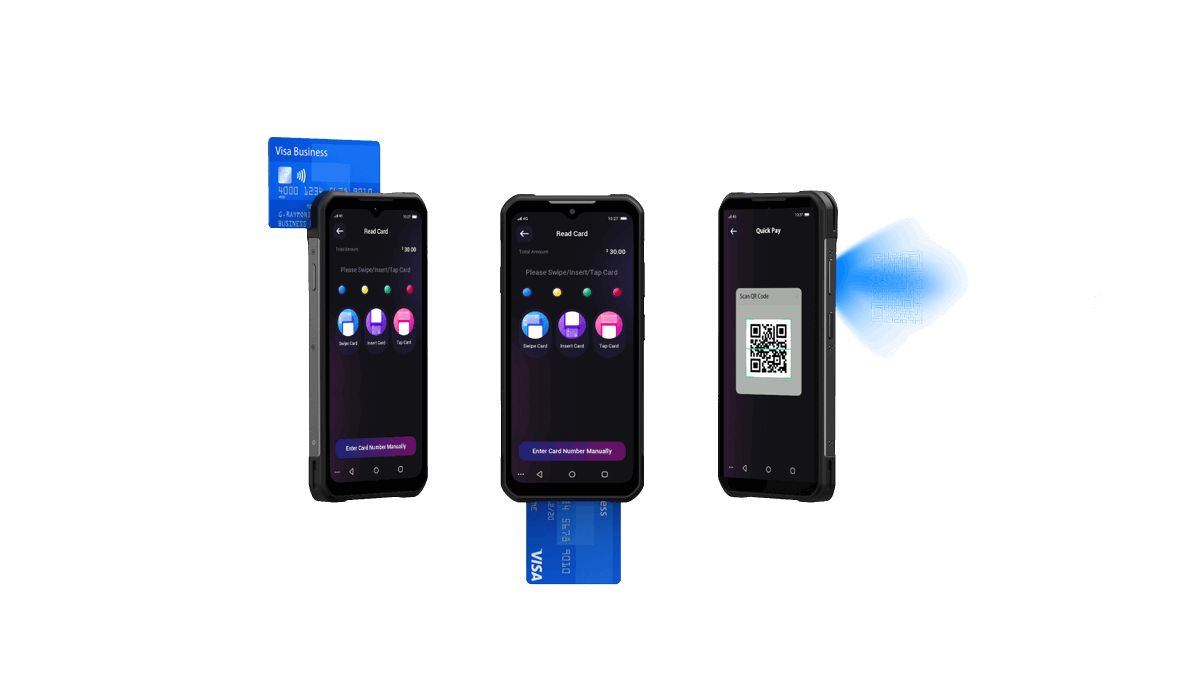
Pax A6650 Credit Card Terminal
SKU#105-665
$1275 each
PAX, A800 Android 10 based Mobile/Countertop, Fron/back cameras, EMV/CTLS/MSR, 5.7" capacitive Touch-Screen, Wifi/4G/BT
visit us at zurl.co/ApbLu
Call 702-936-4785 or 928-263-6125
45
Bunia ☆ retweeted

Jun 11
🚨 9️⃣9️⃣8️⃣5️⃣!
Zostało ostatnich 115 karnetów by poszły wszystkie 10 000 !
bilety.wislakrakow.com/

3
4
139
7,129

Jun 11
CVTVLISTのタイダイセットアップ、退廃感ハンパないな。夏のライブに着て街歩きたくなるわこれ。
CVTVLIST CTLS タイダイ セットアップ スウェット ハーフパンツ 2
jp.mercari.com/item/m7350782…
1
45


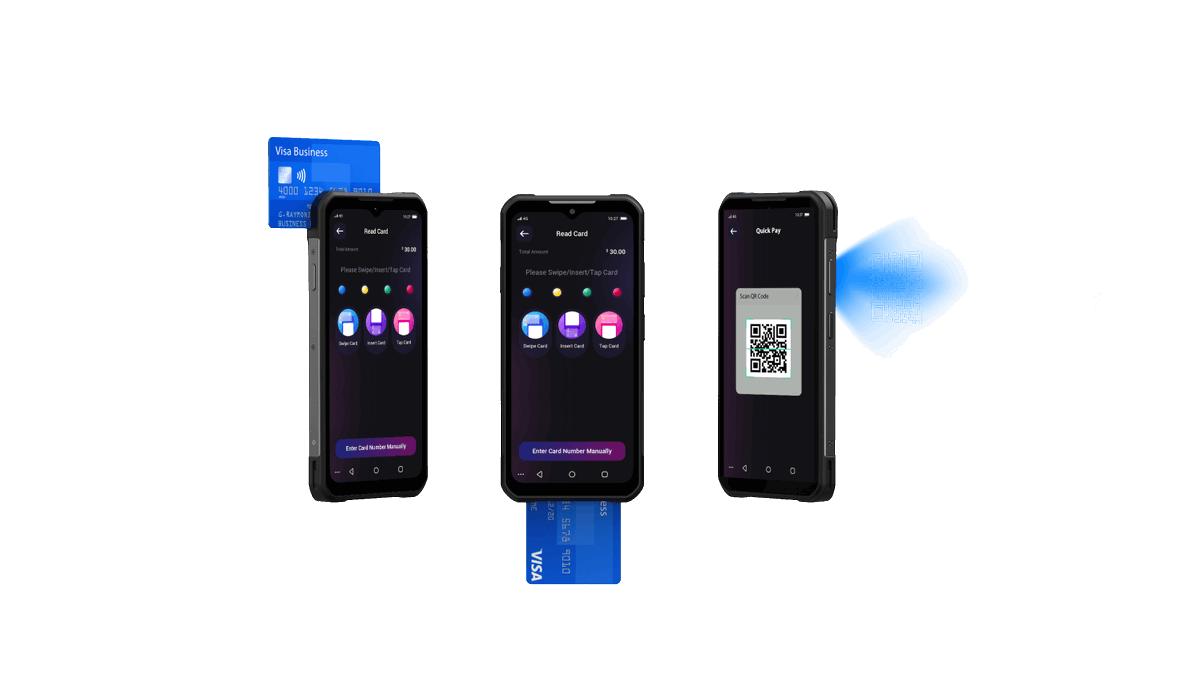
Pax A6650 Credit Card Terminal
SKU#105-665
$1275 each
PAX, A800 Android 10 based Mobile/Countertop, Fron/back cameras, EMV/CTLS/MSR, 5.7" capacitive Touch-Screen, Wifi/4G/BT
zurl.co/gekZ7
Call 702-936-4785 or 928-263-6125
23

CTLSの服ほんま可愛いと思わんバックの英語ほんまダサすぎて独房の韓国人もだっさい服やな!言うてた
21
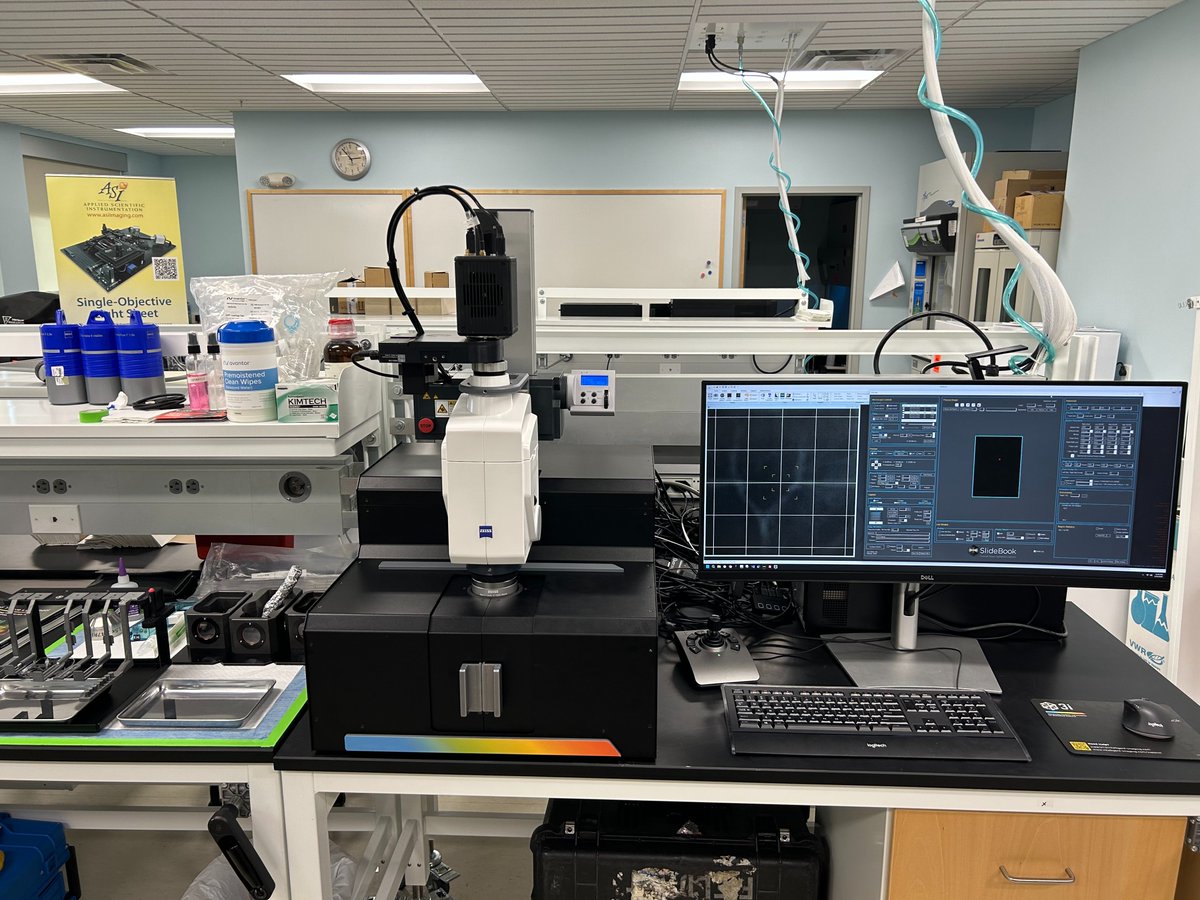
It was great supporting @LSFM_NA @MDIBL this year - thank you to the organizers and attendees!
Missed the workshop? Catch our AxL CTLS webinar featuring a live demo of the system:
June 30, 2026
8AM PT | 11AM ET | 5PM CEST
Duration ~1 hour
🌎 go.intelligent-imaging.com/A…
1
3
167

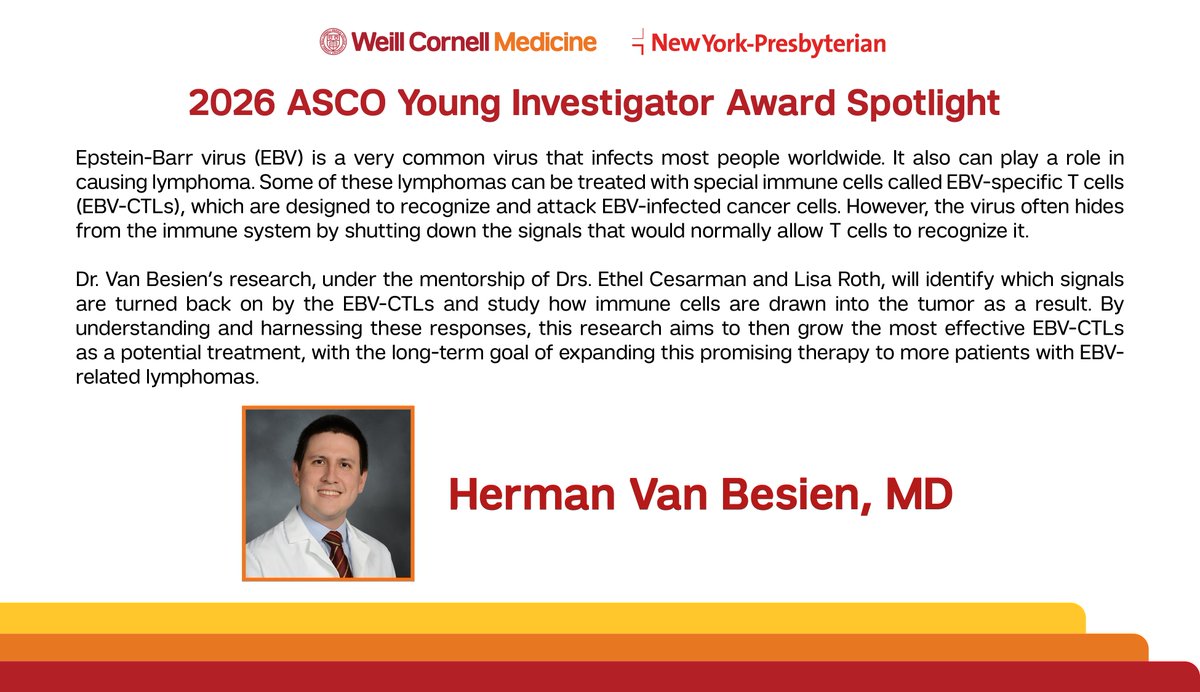
Dr. @HBesien’s #research focuses on growing the most effective Epstein-Barr virus-specific T cells (EBV-CTLs) with the long-term goal of expanding this promising therapy to more patients with EBV-related #Lymphomas.
4
10
882

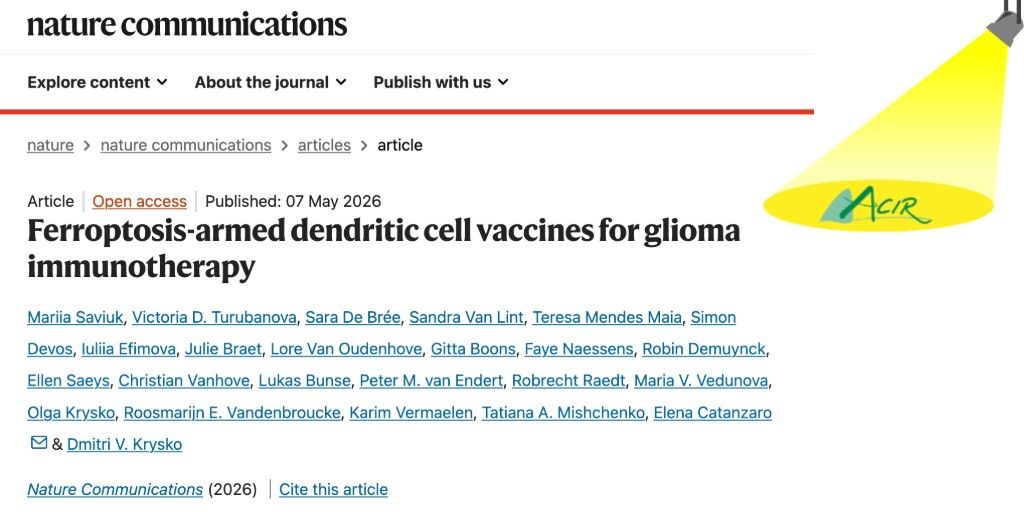
A prophylactic DC vaccine loaded with ferroptotic (iron-dependent cell death) glioma cell line lysates protected against glioma growth in mice, superior to immunogenic cell death (ICD) or freeze/thaw (non-ICD) lysates. The vaccine also mediated therapeutic efficacy, induced antigen-specific CTL responses in SLOs, and increased i.t. CTLs (particularly CD39 effector-memory cells) compared to controls. Ferroptosis induced ICD markers on glioma cells, and blocking calreticulin or ATP, but not HMGB1, abrogated vaccine efficacy. Ferroptotic lysates activated DCs and displayed a unique proteomic profile, potentially presenting novel TAAs. bit.ly/3PCbH2P @DmitriKrysko
1
4
13
893

May 19
#dcvax $nwbo #gbm
The work and IP of Pawel Kalinski in-licensed by $nwbo already expands far more than most realise:-
In this Individual Research Project for example:
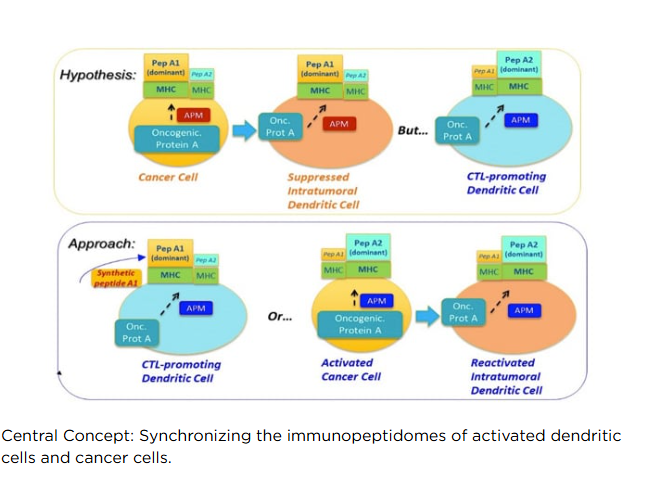
Project 2: Synchronizing immunopeptidome of EOC-pulsed DC with tumor cells to ensure expansion of tumor-reactive T cells
Co-Leaders: Pawel Kalinski, MD, PhD (Applied), Song Liu, PhD (Basic), Kunle Odunsi, MD, PhD (Clinical)
Brief Summary
There is a type of immune cell called a dendritic cell (DC) which gathers proteins found on the surface of cancer cells and “presents” them to T cells to help the T cells find and kill other cancer cells which have the same proteins on their surface. Sometimes, however, DCs present the wrong proteins, preventing the T cells from locating the tumor cells. The goal of IRP2 is to test a method for bypassing this information “mismatch” by loading DCs with proteins specific to the patient’s tumor, making the DCs better at teaching T cells to find and kill the patient’s tumor cells. The phase I/II clinical trial in IRP2 will commence in 2023, following preclinical studies.
Central Concept: Synchronizing the immunopeptidomes of activated dendritic cells and cancer cells.
Detailed Summary
Project 2 tests a new immunization strategy to enhance the induction of cytotoxic lymphocytes (CTLs) against multiple patient-specific epitopes, by targeting ovarian cancer (OvCa) cells and dendritic cells (DCs). We will compare the immunopeptidomes on OvCa cells and two populations of DC specialized in CTL induction: ex vivo generated alpha-type-1-polarized (αDC1s) and endogenous conventional DCs (cDC1s) which share the inflammatory BATF3/IRF8 phenotype and elevated ability to cross-present multiple cancer-cell-associated antigens to CD8 T cells.
Combining our unique in vitro sensitization and bioinformatics approaches, we will test the overall hypothesis that mismatch between immunopeptidomes of OvCa cells and DCs presenting antigens from cancer cells limits therapeutic effectiveness of spontaneous and vaccination-induced CTL responses. We further hypothesize that αDC1s loaded with synthetic patient-specific neoantigen peptides will bypass such mismatch, inducing CTLs particularly effective in killing OvCa tumors. We propose the following three Aims:
Specific Aim 1: Compare the antigenic specificity of human CD8 T cells induced by DCs loaded with autologous OvCa cells, tumor-eluted peptides and patient-specific neoantigen peptides identified in silico. We hypothesize that CTLs induced by autologous cancer cell-loaded αDC1s or cDC1s contain many CTLs which are irrelevant for tumor recognition, which can be corrected by loading DCs with synthetic neoantigen peptides specific to each patient’s OvCa cells.
Specific Aim 2: Evaluate immunopeptidome differences between OvCa cells and tumor-loaded αDC1s and endogenous cDC1s and test the feasibility of their adjustment. We hypothesize that immune adjuvants and inflammatory mediators can be used to modulate APM patterns and immunopeptidomes of DCs and OvCa cells, to enhance the antigenic match between arising CTLs and autologous OvCa cells.
Specific Aim 3: Determine the feasibility, safety and clinical efficacy of αDC1 vaccines loaded with patient-specific neoantigen peptides combined with PD-1 blockade. Guided by the results of Aim 2, the patients may also receive systemic immune modulation to increase the visibility of their own OvCa cells to αDC1-induced CTLs and reduce immune suppression.
Gemini AI Analysis
Yes, this research is active and ongoing, though it is moving along a slightly adjusted translational timeline typical of complex Specialized Programs of Research Excellence (SPORE) grants.
This specific project—Project 2 (IRP2) of the joint Roswell Park – University of Chicago Ovarian Cancer SPORE—remains a cornerstone of their renewed translational pipeline. However, the exact timeline for the Phase I/II clinical trial has shifted down the road from the original 2023 estimate.
The current operational status of the project and its clinical progression highlights several key updates:
The Updated Clinical Timeline
In the structure of this multi-institutional SPORE grant, the individual projects are staggered to ensure preclinical validation and IND-enabling work are fully robust before patient enrollment begins:
The original projection anticipated starting the clinical phase around 2023.
The current timeline dictates that the Phase I/II clinical trial for this specific immunopeptidome-synchronizing project (IRP2) is scheduled to transition into its active clinical trial phase following the completion of the necessary translational chemistry and manufacturing control protocols.
Why the Preclinical Alignment MattersThe delay in starting the clinical trial is scientific, not administrative. The central concept relies on using bioinformatics to match the immunopeptidome (the specific library of HLA-bound peptides presented on the surface of a cell) of a patient's ovarian cancer cells directly with their dendritic cells.Aims 1 and 2 require defining how processing changes when utilizing ex vivo alpha-type-1-polarized dendritic cells ($\alpha$DC1s) versus endogenous conventional dendritic cells (cDC1s). Because standard dendritic cell vaccinations often inadvertently present "irrelevant" antigens—causing T cells to expand without actually targeting the tumor—perfecting the in silico prediction and synthetic neoantigen loading protocols has been prioritized to ensure that when the Phase I/II trial opens, the antigenic match is precisely tuned.
Related Clinical Progress within the SPOREWhile the neoantigen-pulsed alpha DC1 trial (IRP2) works through its final preparatory milestones, parallel arms of this specific collaborative pipeline are highly active:alpha DC1 Platform Validation: Dr. Kalinski's broader platform using autologous tumor-loaded alpha DC1 vaccines has continued to generate vital clinical validation data, recently demonstrating favorable overall survival profiles and high safety (no Grade 2 or higher toxicities) in low-tumor-burden, high-risk ovarian carcinoma cohorts.Companion SPORE Trials: Other projects under this exact Roswell Park/UChicago umbrella—such as Project 1 (testing an oncolytic vaccinia virus armed with a CXCR4 antagonist paired with PD-L1 blockade) and Project 4 (an AI-driven lifestyle/immune monitoring intervention)—are currently moving into active clinical phases.The infrastructure, bioinformatics cores, and cross-presentation modeling required to execute IRP2 are entirely intact and moving forward under Drs. Kalinski, Liu, and Odunsi.
Beyond Roswell Park, the University of Pennsylvania (Penn), and the Magee-Womens Research Institute / Magee-Womens Hospital (which operates under the University of Pittsburgh Medical Center umbrella), Dr. Kalinski's multi-institutional network of clinical trials and team science programs directly touches several other prominent centers.
Because Northwest Biotherapeutics (NWBO) in-licensed Dr. Kalinski’s extensive intellectual property portfolio from Roswell Park—which includes over 20 years of his historical and current dendritic cell (DC) technologies—grant-funded clinical programs utilizing his signature alpha type 1 polarized dendritic cell alpha DC1) and chemokine modulating (CKM) regimens across these institutions align with the licensed portfolio:
1. H. Lee Moffitt Cancer Center (Moffitt)
Moffitt Cancer Center has been a key multi-institutional partner in Dr. Kalinski’s NCI-funded programs and clinical trial designs, particularly regarding solid tumors and central nervous system (CNS) metastases.
The Project Alignment: Moffitt acts as a primary clinical site for the multi-center Phase IIa study (NCT04348747) evaluating αDC1 vaccines targeting HER2/HER3 combined with a chemokine modulation regimen (rintatolimod, interferon-α2b, and celecoxib) and pembrolizumab. This trial specifically targets patients with asymptomatic brain metastases stemming from triple-negative or HER2 breast cancer.ResearchGate
2. Icahn School of Medicine at Mount Sinai
Mount Sinai is integrated into Dr. Kalinski’s collaborative federal grant network (including NIH/NCI P01 and multi-institutional R01 structures).
Roswell Park Comprehensive Cancer Center
The Project Alignment: Research teams here collaborate on the dual-pronged approach of combining specialized DC1 vaccines with microenvironment reprogramming strategies. These trials and the underlying translational frameworks seek to reverse immune-checkpoint resistance in the tumor microenvironment—a core biological capability highlighted by NWBO in their commercial in-licensing announcement.
3. University of Virginia (UVA) Cancer Center
UVA has historically functioned within Dr. Kalinski’s multi-center "Team Science" umbrellas funded by the National Cancer Institute and the Department of Defense (DoD).
The Project Alignment: Their involvement centers on expanding the application of type-1 polarized immunity beyond ovarian and brain cancers into wider solid tumor profiles, such as advanced melanoma and colorectal cancers, deploying vaccine architectures built upon the foundational αDC1 processing methodologies licensed by NWBO.
The Structural Link to NWBO: When NWBO executed the exclusive in-licensing agreement, they gained global commercial rights to a vast suite of intellectual property that covers not only Roswell Park's internal pipeline but also the patented cell-polarization methods used across these multi-center, investigator-initiated clinical trials. Consequently, any data generated across these external sites utilizing Dr. Kalinski's proprietary αDC1/CKM protocols feeds back into the validation of NWBO's underlying commercial asset.
There are several other major research institutions collaborating directly with Dr. Pawel Kalinski on clinical and translational trials that utilize the exact therapeutic mechanisms—specifically $\alpha$DC1 vaccines and chemokine modulation (CKM) regimens—underlying Northwest Biotherapeutics' (NWBO) exclusive in-licensing agreement with Roswell Park. Because NWBO acquired the global commercial rights to Dr. Kalinski’s underlying dendritic cell (DC) polarization platform, the data and clinical progress generated at these external sites directly support the validation and lifecycle of NWBO’s licensed portfolio.
1. H. Lee Moffitt Cancer Center (Tampa, FL)Moffitt Cancer Center is a primary multi-center partner executing Dr. Kalinski’s advanced solid tumor protocols, particularly focusing on central nervous system (CNS) malignancies.The Project: Moffitt is a clinical site for a Phase IIa multi-center study (NCT04348747) evaluating alpha DC1 vaccines targeting HER2/HER3 in combination with a CKM regimen (rintatolimod, interferon-alpha 2b, and celecoxib) plus pembrolizumab. This trial specifically treats patients with aggressive, asymptomatic brain metastases arising from triple-negative or HER2 breast cancer. Key Collaboration: Dr. Brian J. Czerniecki (Chair of Breast Oncology at Moffitt) and Dr. Peter A. J. Forsyth (Chair of Neuro-Oncology at Moffitt) co-author and drive these protocols alongside Dr. Kalinski, as detailed in their joint clinical trial presentations via ASCO Publications.
2. The Tisch Cancer Institute at Mount Sinai (New York, NY)
Mount Sinai is structurally integrated as a key institutional partner within Dr. Kalinski's large-scale, $14.54 million National Cancer Institute (NCI) Program Project Grant.
The Project: This multi-institutional effort funds a series of clinical trials designed to utilize specialized dendritic cell therapeutic vaccines and microenvironment-reprogramming regimens to convert immunologically "cold," checkpoint-resistant solid tumors into "hot," treatable tumors. Mount Sinai's clinical infrastructure specifically helps execute parallel arms of these studies in hard-to-treat solid tumor indications like metastatic colorectal cancer.
Details: The institutional partnership and trial mandates are outlined by Roswell Park Physician Resources.
3. University of Virginia (UVA) Cancer Center (Charlottesville, VA)UVA acts as another active multi-center clinical node within Dr. Kalinski’s broader NCI-sponsored trial umbrella.The Project: Investigators at UVA (such as Dr. Patrick Michael Dillon and Dr. Camilo E. Fadul) collaborate directly on the multi-center administration of the anti-HER2/HER3 peptide-loaded alpha DC1 vaccine protocols to capture systemic and central nervous system efficacy data.Details: UVA’s role in managing patient cohorts and tracking intratumoral biomarkers under these shared protocols is tracked alongside Roswell Park and Moffitt via ASCO Publications.
4. Indiana University School of Medicine (Indianapolis, IN)
Indiana University functions as an additional multi-center site contributing to the patient data pipeline for Dr. Kalinski's polarized dendritic cell trial network.
The Project: Working under the umbrella of NCT04348747, oncology researchers at IU (including Dr. Mateusz Opyrchal) process and treat patients using the precise cytokine combinations required to mature the proprietary alpha-type-1 dendritic cells.
These institutions function as an outsourced, non-dilutive clinical testing ground for NWBO’s licensed assets. While the clinical trials are funded by federal NCI and institutional grants, the proprietary methods used to manufacture the alpha DC1 cells at these sites rely on the foundational IP stack that NWBO now exclusively controls for commercial applications.
uchicagomedicine.org/cancer/…
2
23
1,453