
Jun 6
You & your Legislature support illegal aliens more than citizens.
The CalGuard did their duty and did it as well as they were allowed.
ALL illegal aliens need to be deported.

3
43

Jun 4
6.4.2009 ~ Major Rocco Barnes 🇺🇸
#OpHawkeyeRemembers #RoccoBarnes #CalGuard #ArmyNationalGuard #20thGroup #DeOppressoLiber #supportourSOFcommunity #Operation_Hawkeye
📜 latimes.com/local/obituaries…
📰 latimes.com/local/obituaries…
🎥 vimeo.com/271297927?fbclid=I…
📍 findagrave.com/memorial/3812…




3
27
416

May 22
According to fieldlark produced by Advancing Ag this might be something to look into.
Field bindweed (Convolvulus arvensis) is one of the most stubborn challengers a farmer can face. It’s a perennial with a root system that can go twenty feet deep, and its seeds can stay viable in the soil for decades.
In the regenerative world, we look at weeds as "messengers." Bindweed is often a messenger telling us that the soil is physically congested (compacted), low in available calcium, and perhaps struggling with an imbalance of potassium and nitrogen.
Here is how we tackle it, looking at both the "short-term fire" and the "long-term fix."
1. The Short-Term: Stop the Bleeding
You can’t let bindweed run wild while you wait for the soil to heal.
Don't Just Chop It: Rototilling bindweed is like trying to put out a fire with gasoline. Every little piece of root you cut can grow into a new plant. If you must cultivate, use sweeps that undercut the plant rather than discs that chop it.
Intense Competition: Bindweed hates shade. If you have a bad patch, a dense, tall cover crop like sudangrass or cereal rye can help "choke" it out by stealing the light.
Targeted Foliar Support: While we don't recommend harsh chemicals that kill soil life, you can use high-carbon acids (like humic or fulvic acids) in combination with your fertility passes to help the crop out-compete the weed.
2. The Long-Term: Fix the Root Cause
To get rid of bindweed for good, you have to change the soil environment so it no longer feels "welcome."
Address Compaction: Bindweed thrives in tight, anaerobic (low oxygen) soils. Using a subsoiler or a Yeomans plow to get some air into the profile can make a huge difference. When you open up the soil, you allow the biology to start doing the work for you.
Balance Your Cations: Bindweed is often a sign of "tight" soil caused by high magnesium and low available calcium.
Recommendation: Focus on getting high-quality calcium into the system. Products like HoloCal™ or CalGuard can help improve soil structure and flocculation (making the soil crumbly), which makes life much harder for bindweed.
Manage Potassium and Nitrogen: Bindweed loves "luxury consumption" of potassium and nitrate nitrogen. If your plants are taking up too much nitrate and not enough "complete" proteins, the bindweed will feast. Using Rejuvenate™ at 2-3 gallons per acre on your crop residues can help stimulate the biology that cycles these nutrients properly.
Biological Diversity: Use a seed treatment like BioCoat Gold™ when planting your crops or cover crops. This introduces beneficial fungi that compete with the weed's root zone and help the crop establish dominance early.
The Strategy
If I were standing on your turnrow, I’d suggest this:
Soil Test: See where your Calcium and Magnesium levels are.
Fall Treatment: After harvest, apply Rejuvenate™ and SeaShield™ to help break down any remaining weed pressure and kickstart the "good guys" in the soil.
Spring Competition: Plant a diverse cover crop or a strong cash crop with a solid nutritional package (like MicroPak™ and PhotoMag™) to ensure the crop is the healthiest thing in the field.
Bindweed didn't show up overnight, and it won't leave overnight, but once you fix the soil's physical structure and mineral balance, it will eventually lose its "job" and fade away.
Run this by your local ag advisor to make sure it fits your specific crop rotation and soil type.
03:37 PM
FieldLark
AI powered by Advancing Ag
1
35

Apr 16
How much crop production can your soil support with the nutrients already present in it?
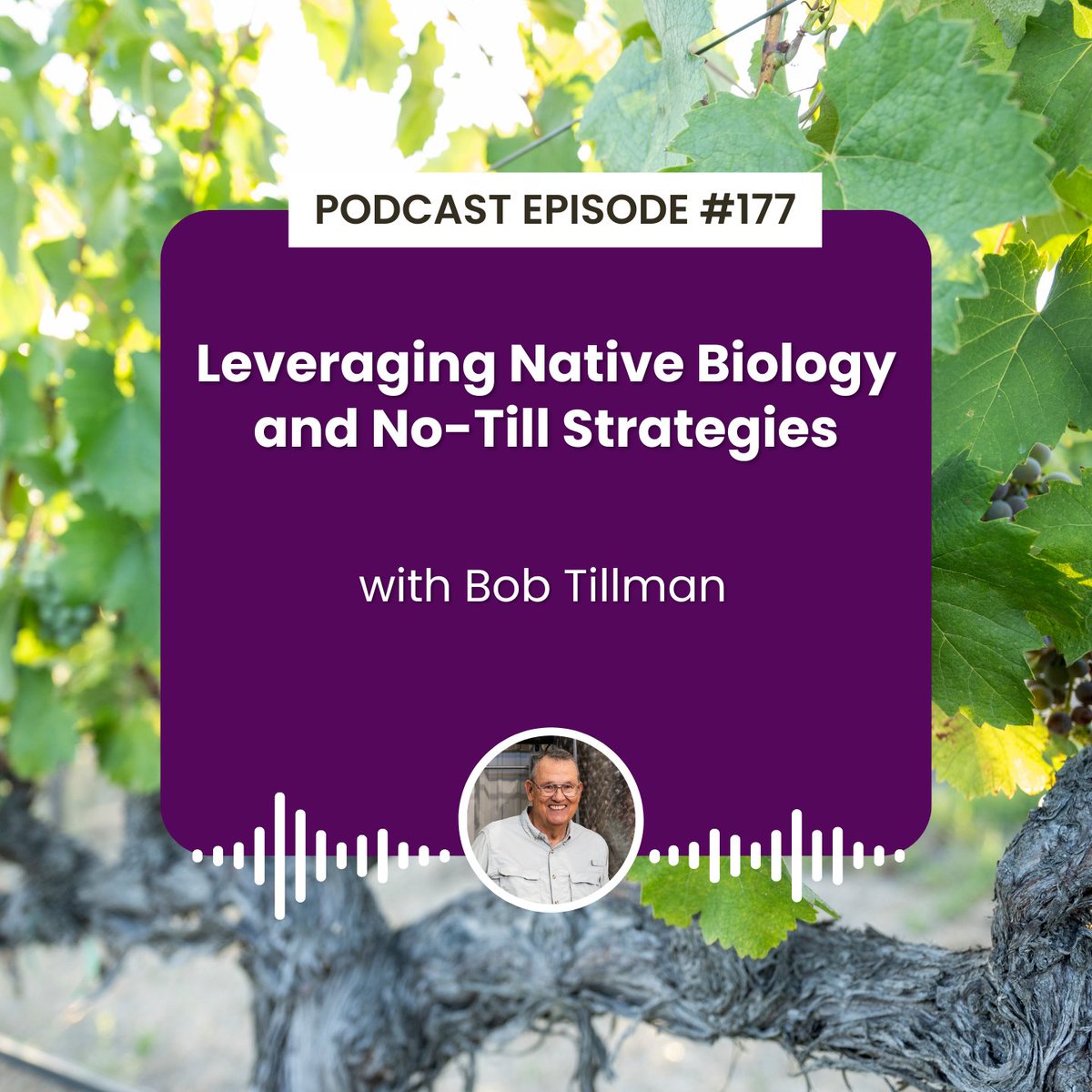
Bob Tillman's soil has enough potassium for 600 YEARS of production, and enough iron for 7 MILLION years. Bob used total nutrient digestion testing to discover the mineral reserves of his soil. And he's using biology to unlock it.
Bob founded @AltaColina Vineyard & Winery in 2003 in the steep terrain of Paso Robles, CA. He has spent two decades transitioning away from conventional methods to a biological approach centered on the natural resilience of his native ecosystem.
Today on the podcast, Bob and @JohnKempf discuss:
➡️ Transitioning to complete no-till after observing that native grasses were more effective than planted cover crops.
➡️ Using compost extracts and teas to inject biological activity directly into the soil through the irrigation system.
➡️ Providing ground cover with high-density native plant populations to support deep-rooted vines while maintaining high soil organic matter.
➡️ Using AEA and sap analysis to identify specific micronutrient deficiencies and adjust nutrition throughout the growing season through foliar applications.
➡️ Applying AEA products like CalGuard and Rebound Boron to address seasonal trending deficiencies in calcium and boron levels .
🎧 Listen: loom.ly/dx4Kot4
7
11
777

Apr 13
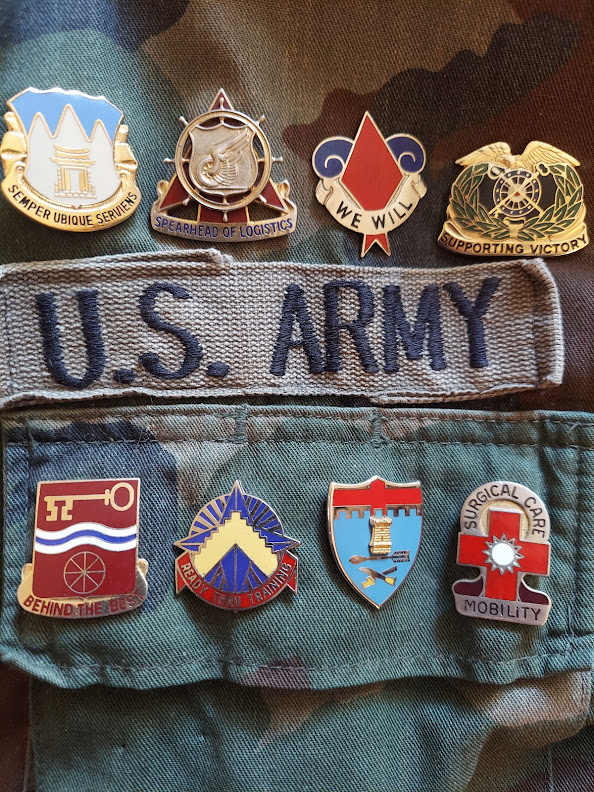
79-83 Active 83-90 Calguard IYKYK 5th ID (Mech) 7th Army Catc 40th ID (Mech)
1
1
17
898
Proud of our CalGuard Counter Drug Task Force members who supported Operation “All-Hands-On-Deck” in San Francisco’s Tenderloin—providing critical intelligence, surveillance, and coordination that helped drive action on the ground.
This effort, led by the Northern CA -High -Intensity-Drug-Trafficking-Areas (HIDTA) SF Metro Initiative, has earned the National HIDTA Award for Community Impact Investigation.
But the true success is in the community—safer streets, and residents reclaiming their neighborhood. @CAgovernor @USNationalGuard
4
5
580

Apr 3
Shame on Gav for his deceptive post.
CalGuard does not make arrests, or seize drugs on its own. It functions as a support agency.
The actual drug seizures and interdictions are carried out by federal agencies like U.S. Customs and Border Protection (CBP), Homeland Security Investigations (HSI), and DEA.
1
185

Apr 3
CalGuard does NOT act independently or lead any investigations
It's a state support agency that relies on CBP, DHS, ICE, DEA and more federal agencies to confiscate drugs
Yet democrats are fighting to defund DHS and ICE, which would increase the flow of drugs into the US
8
71

Apr 3
Local News '25: MULTIAGENCY EFFORT to Seize Fentanyl.
You only provided CalGuard after Trump ordered US Army, DEA, US Navy Surveillance, Border Patrol to monitor the border.
You OPENED THE BORDER with no vetting during Biden yrs.
THANK YOUR @POTUS
youtube.com/watch?v=-LcG2USS…
2
40
Mar 28
Peter Henry shows how he uses MacroPak with other AEA products in a pre-plant tray drip to:
• Reduce transplant shock
• Build stronger roots before planting
• Improve calcium availability early
• Promote microbial colonization
• Reduce need for post-transplant drenches
• Lower disease pressure naturally
Peter says "One of the key benefits of MacroPak is that it’s essentially a calcium-based fertilizer with amino acid nitrogen from corn steep, plus cytokinin-promoting kelp from sea kelp. This balanced nutrition helps drive early root growth, reduce stress, and keep plants pushing forward after transplant."
He loves that MacroPak contains calcium silicate, which helps fortify root and cell structure — making plants more resilient, especially in acidic soils with high aluminum and low calcium relative to base saturation.
Here, Peter's also using:
- CalGuard
- Accelerate
- SeaShield (fish hydrolysate)
- Spectrum PSB (phosphorus-solubilizing microbes)
- BioCoat Gold (microbial seed inoculant)
- Sugar
"I’ve seen excellent results using this approach across Solanaceae crops — tobacco, peppers, eggplants — with disease pressure dropping close to zero. When minor issues show up (leaf spots, insects), plants typically grow out of it quickly once nutrition and biology are in balance."
Check out MacroPak: ow.ly/VC3m50YzqAe
3
3
10
634

“¡Orgullo mexicano! Continuamos y fortalecemos nuestra asociación con @TheCalGuard y @DefensaMX1.
Visita a Sacramento reafirma compromiso en seguridad regional, frontera y combate al crimen transnacional. 🇲🇽💪
#GuardiaNacional #CalGuard”
2
28
1,977
Jan 29
@realJohnKempf explains how different forms of nutrients mobilize with the plant.
If you want foliar nutrients to get into your fruit and improve fruit quality, make sure they're in complexed or chelated forms.
If you're interested in wasting a bunch of money, then definitely don't pay any attention to this.
Want the best foliar calcium?
➡️ HoloCal™: loom.ly/RL1K0ug
➡️ CalGuard™ (non-organic): loom.ly/vFGJN1k
1
32
905

Jan 26
"You're going to go around killing whom exactly?"
"We" probably wont have to do anything. The US military federalizes the National Guards and arrests the governments of the rogue states. I have a friend in the CA Guard who says there is no way that the 'Calguard' follows Newsom into battle against the feds.
You overestimate the amount of actual insurgency there would be because all this bullshit is stirred up by the media far beyond its station.
1
2
245

30 Dec 2025
🍾As we prepare to ring in the new year, let's look back at the challenges we overcame in 2025. From the LA wildfires to food bank support to overwater rescues, your Cal Guard was there protecting our fellow Californians. Together with our family, neighbors, and friends, we're prepared for whatever 2026 has in store. #alwaysreadyalwaysthere #calguard
1
2
11
1,348
15 Dec 2025
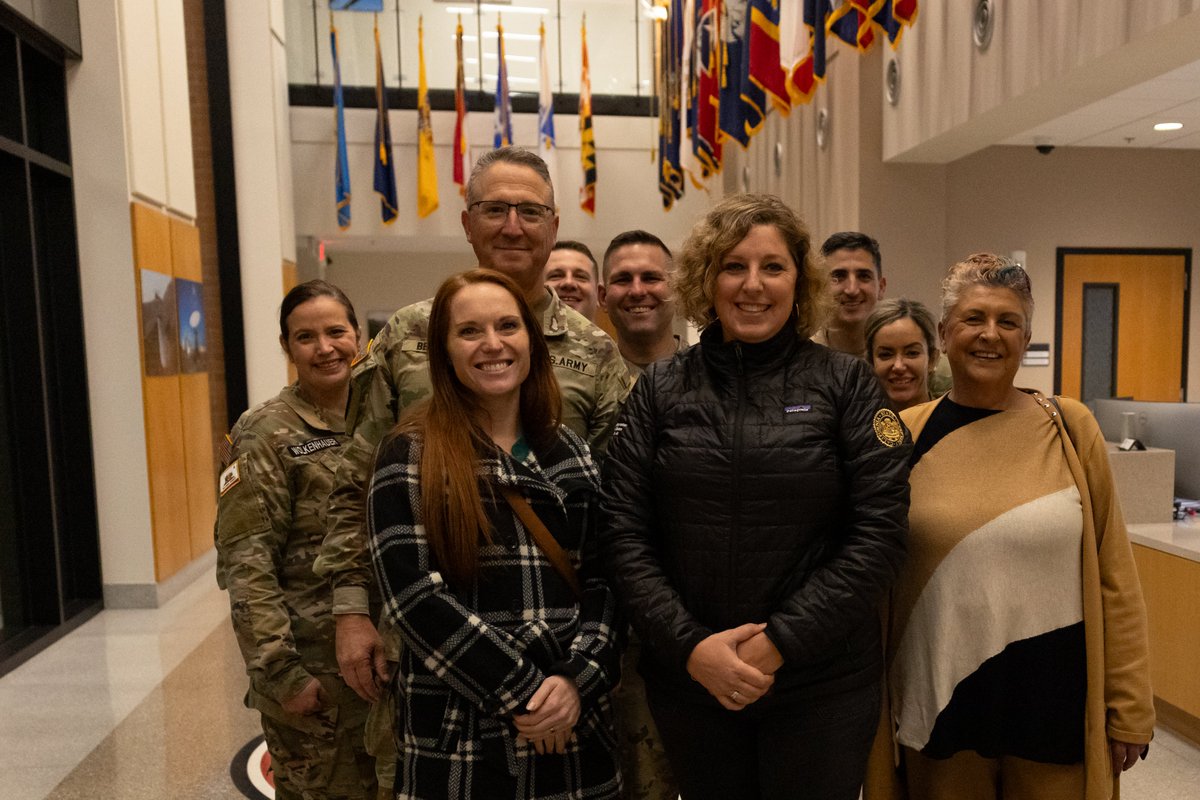
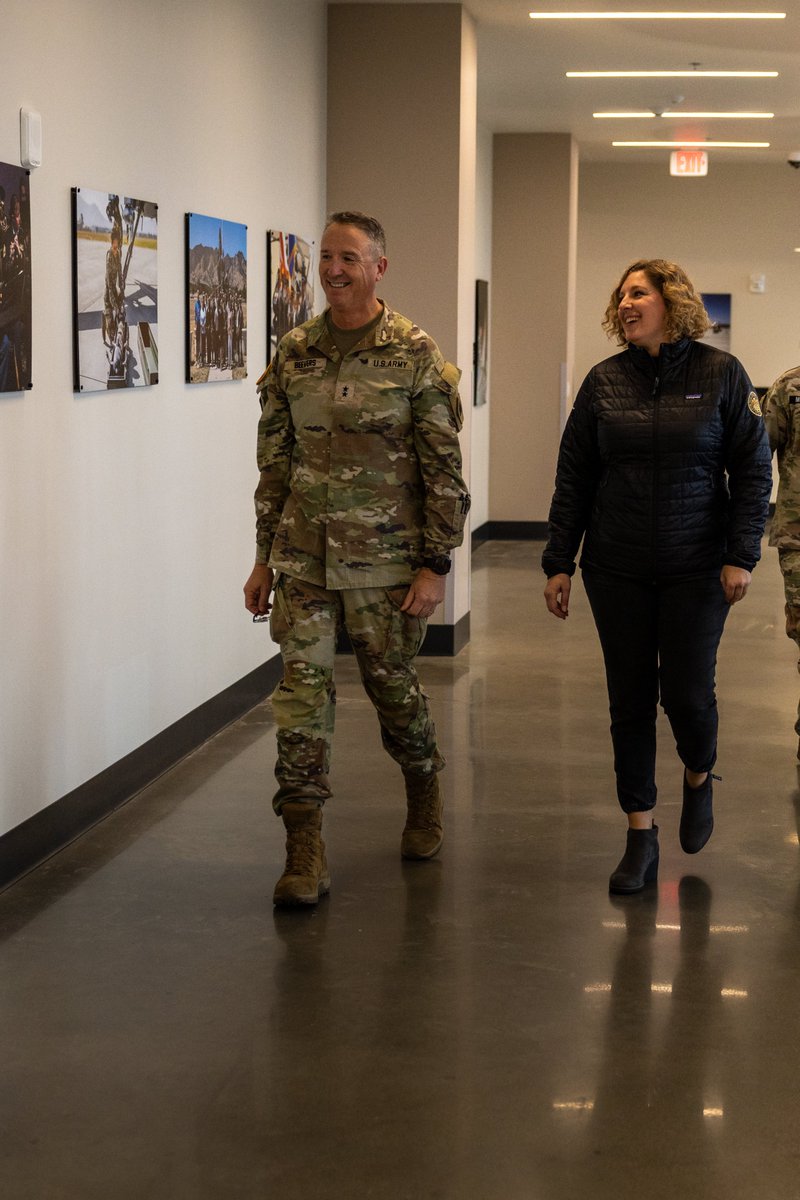
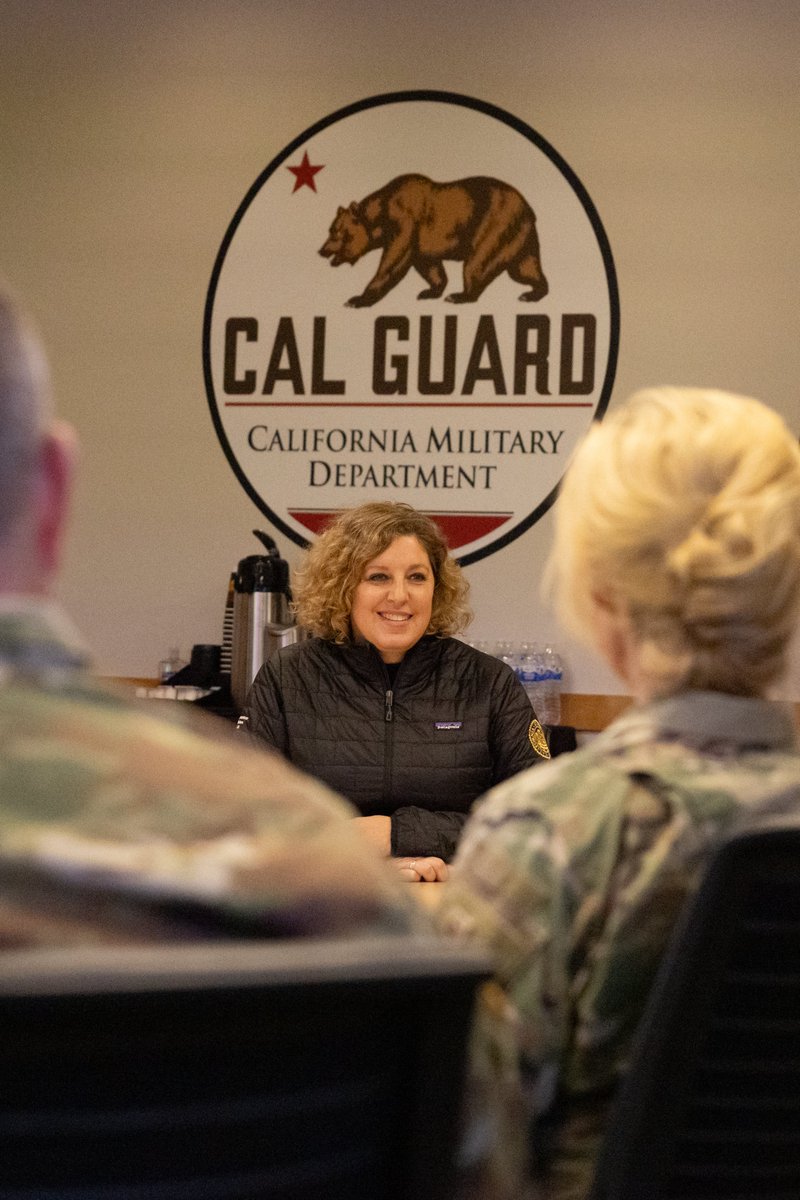
Last week, your Cal Guard welcomed @AsmPilarSchiavo on a tour of the California Military Department. As Assemblymember Schiavo walked the halls with the adjutant general, Maj. Gen. Matthew P. Beevers, she learned more about our air assets and Youth Programs. It was an honor to have such a tireless veteran advocate visit us. Thank you for stopping by, Assemblymember Schiavo! #calguard #ad40

1
2
529

6 Dec 2025
A U.S. Department of Justice attorney is arguing that President Trump can keep CalGuard troops federalized indefinitely, without judicial review. sfchronicle.com/politics/art…
1
890

5 Dec 2025
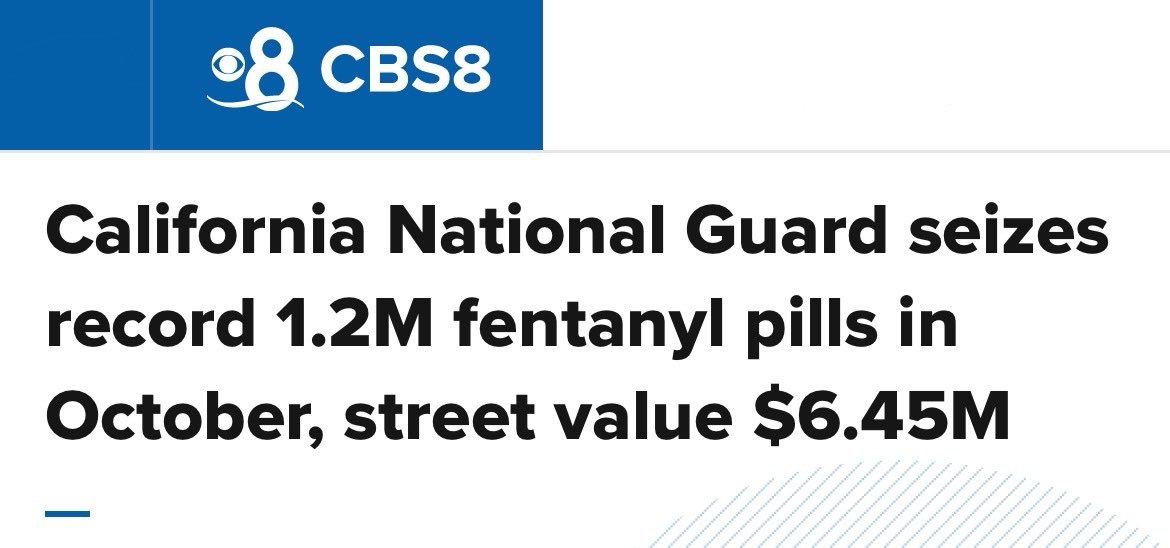
“More than 400 CalGuard servicemembers are currently deployed statewide — including at ports of entry — to target transnational criminal organizations and prevent illegal narcotics from entering communities.”
63
127
711
38,836

4 Dec 2025
CalGuard seized over 1.2M fentanyl pills, worth $6.45M, in a historic October effort. Discover how they battle drug trafficking and more statewide. cbs8.com/article/news/local/…
2
638
27 Nov 2025
🦃Your Cal Guard is thankful to serve our fellow Californians. From wildfires to floods to supporting food banks, we are always there. Happy Thanksgiving!
#CalGuard #Thanksgiving
1
4
14
733