
📞 Take control of your marketing with CallBlu’s phone tracking insights. #PhoneTracking #CampaignTracking #DataDriven callblu.com

1

Jun 7
Stop Budget Drain with Performance Clarity
#AccqrateCRM Gain performance clarity with campaign analytics and ROI tracking to drive revenue.
#SaudiMarket #MarketingAnalytics #CampaignTracking #ROI #LeadGeneration #BusinessGrowth #DigitalStrategy
ALT Accqrate ERP – unified platform for accounting, inventory, and business automation.

ALT Accqrate ERP – unified platform for accounting, inventory, and business automation.
6

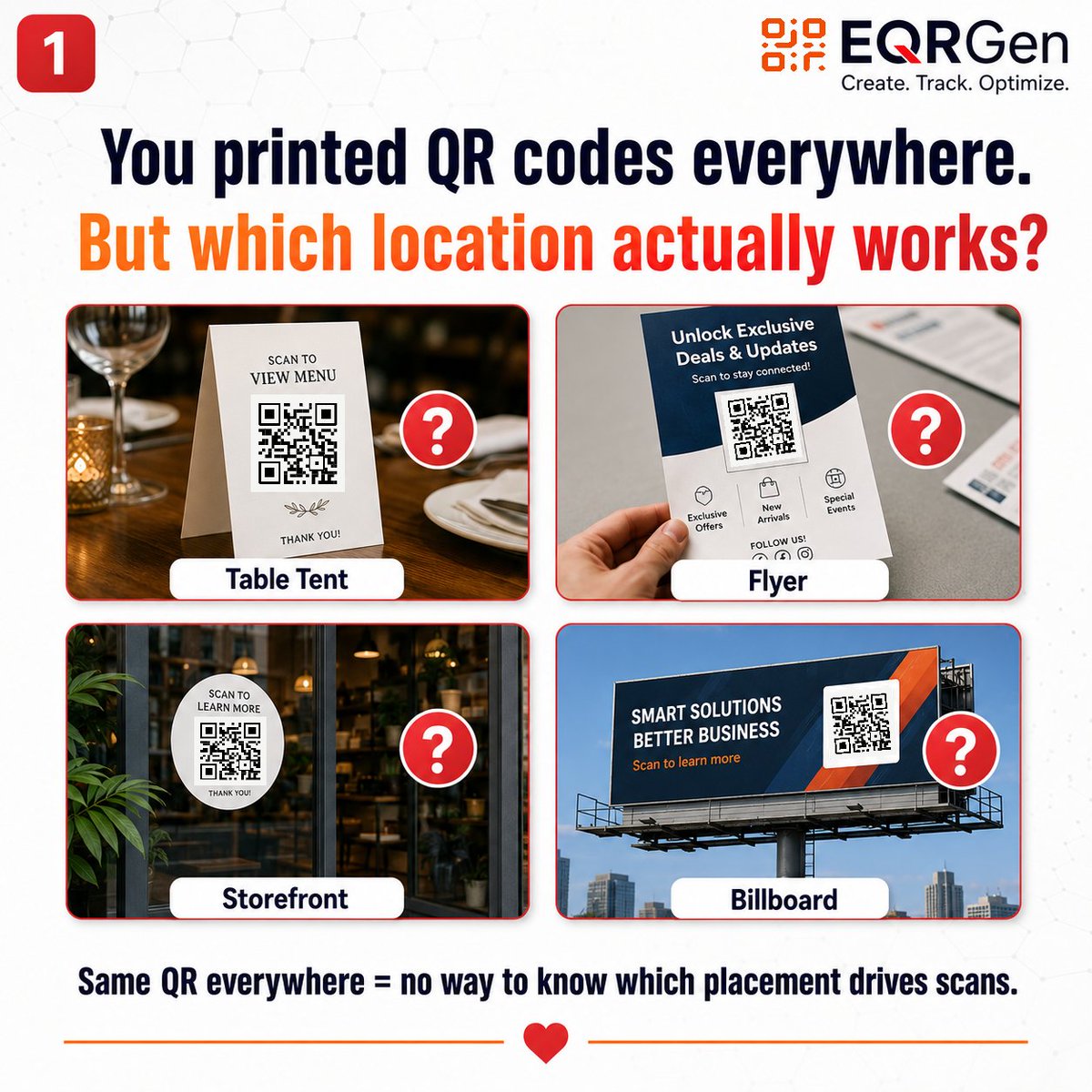
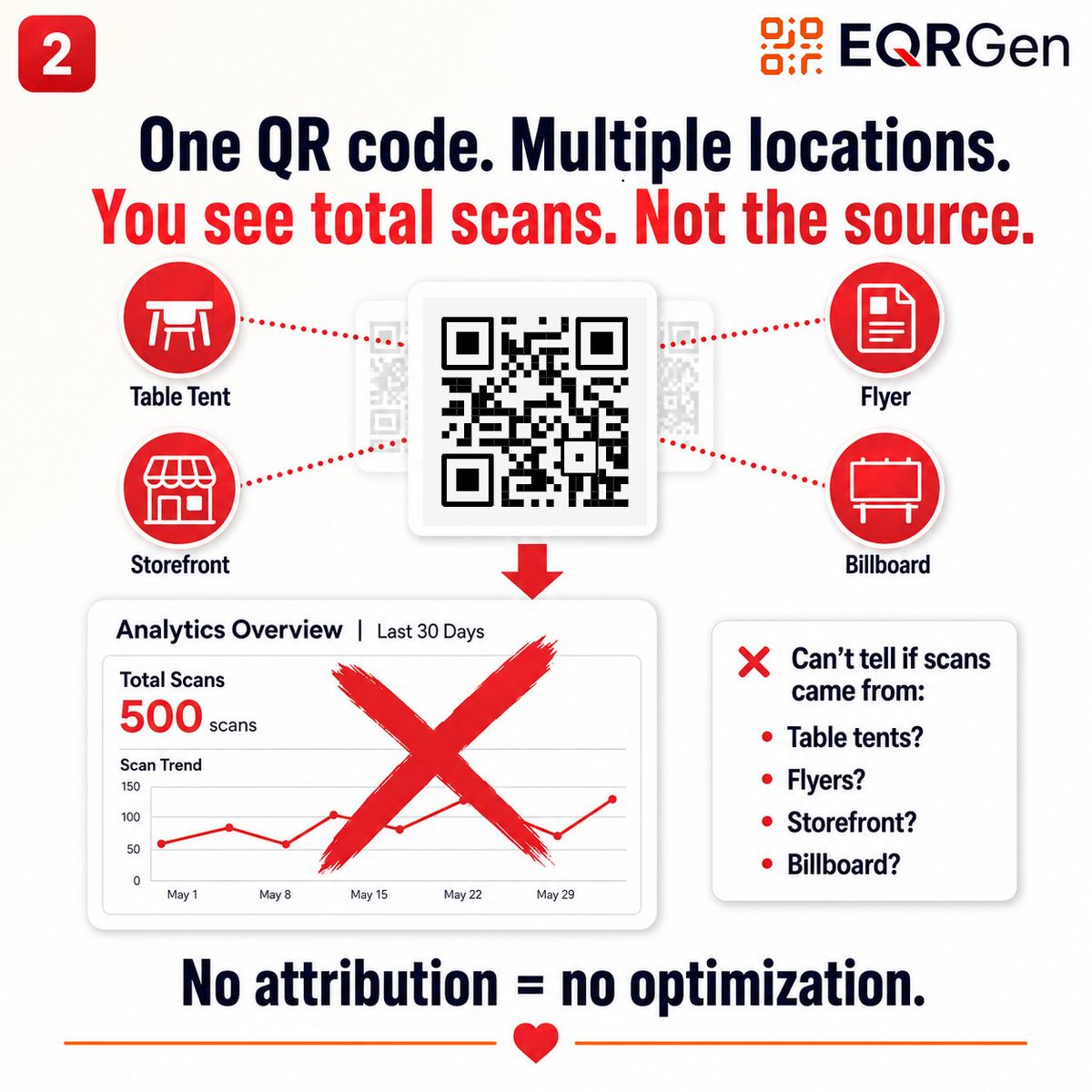
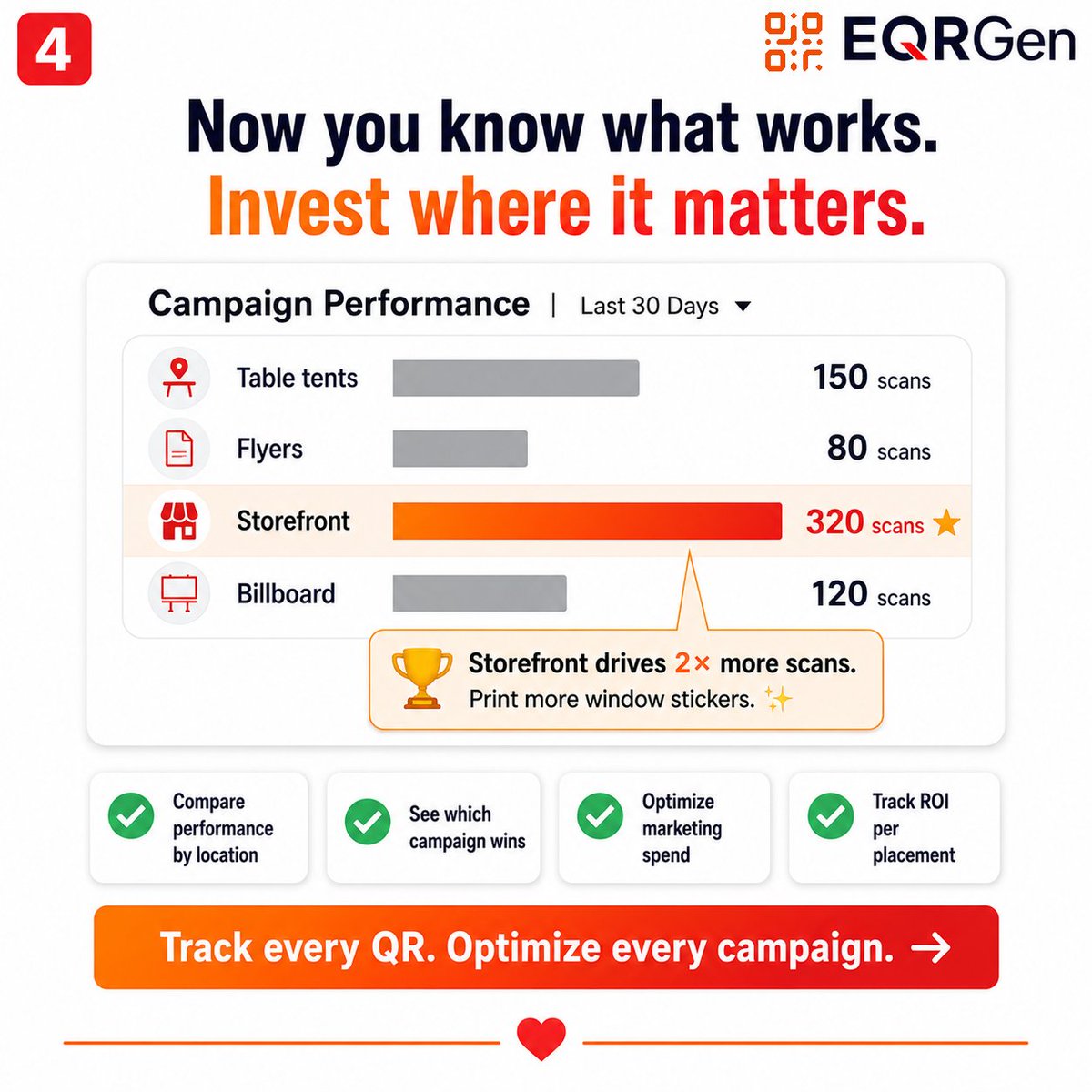
500 QR code scans.
But where did they come from?
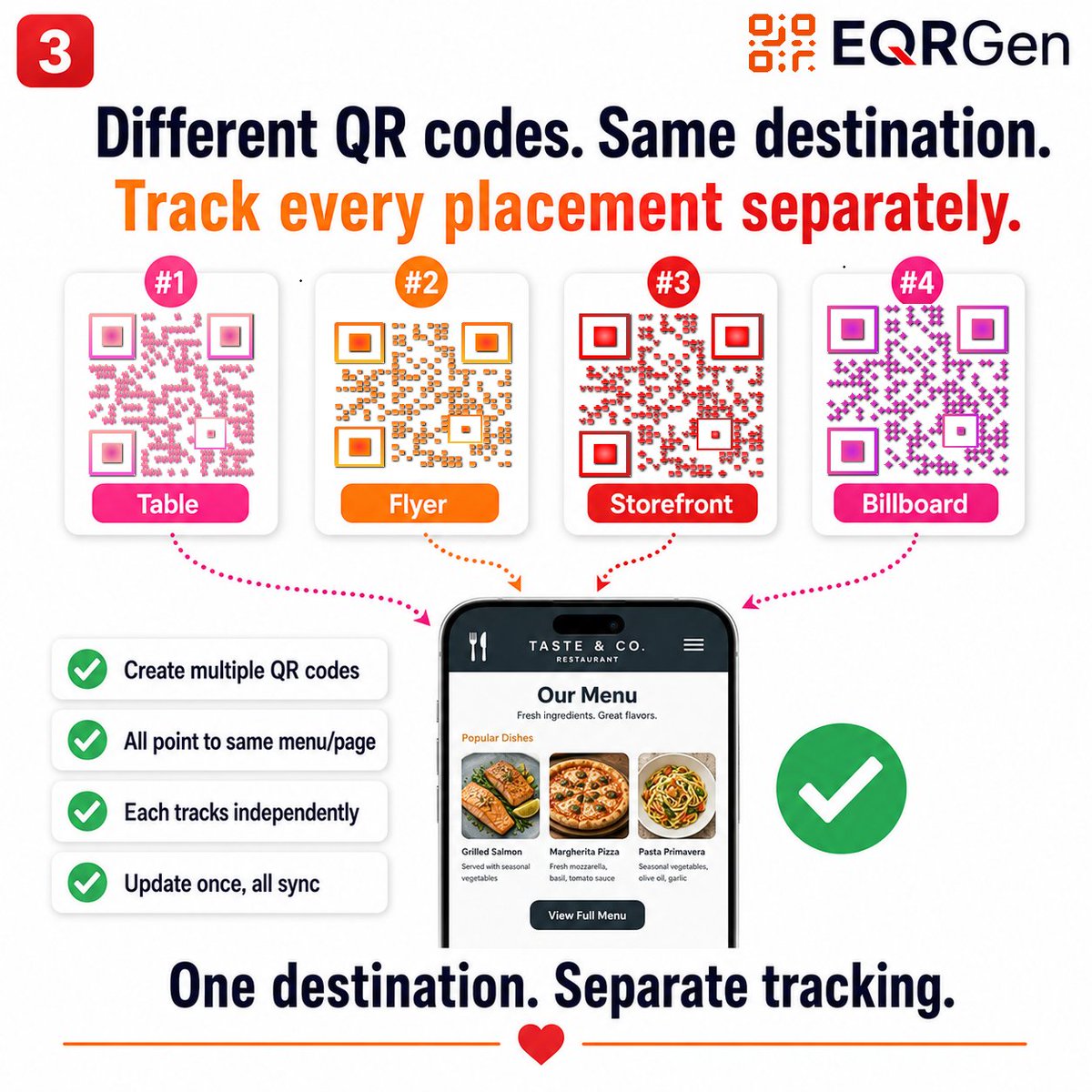
Billboard?🏪 Storefront?📄 Flyer?🍽️ Table ent?Without attribution, marketing is guesswork.
Track every campaign with EQRGen. eqrgen.com
#QRCodeGenerator #QRCodeTracking #DynamicQRCode #CampaignTracking #BusinessGrow
1
18

Improve campaign visibility and control with Media Tracking Services that monitor ads, coverage, and campaign performance for accurate reporting and insights.
Learn more: veetechnologies.com/industri…
#TrackingServices #MediaTracking #MediaMonitoring #CampaignTracking #MediaAnalytics
3

May 10
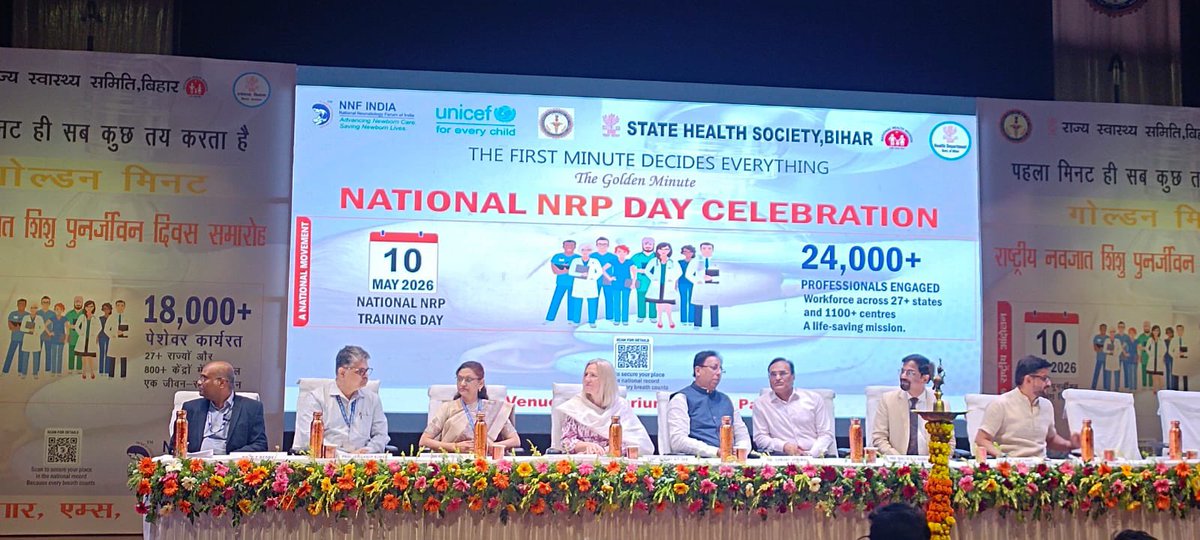
Bihar celebrates NRP day-AIIMS Patna hosts UNICEF-backed newborn care programme. 18,000 health workers trained
10 May 2026
Patna
AIIMS Patna on Sunday became the focal point of one of India’s largest newborn-care training campaigns as the National Neonatal Resuscitation Program (NRP) Day witnessed participation from healthcare professionals, government officials and neonatal experts from across the country.
The nationwide initiative, organised by the National Neonatology Forum (NNF) in collaboration with the Ministry of Health and Family Welfare, Govt. of India, State Health Society, Govt. of Bihar, UNICEF, Indian Academy of Paediatrics (IAP), Federation of Obstetric and Gynaecological Societies of India (FOGSI) and Trained Nurses’ Association of India (TNAI), marked 35 years of neonatal resuscitation training in India.
The campaign aimed to train more than 18,000 healthcare providers in neonatal resuscitation techniques in a single day, an effort organiser described as one of the world’s largest capacity-building exercises in newborn care. The initiative has also been proposed for inclusion in the Limca Book of Records. The programme aligns with India’s Newborn Action Plan (INAP), which aims to bring neonatal mortality to single digits by 2030.
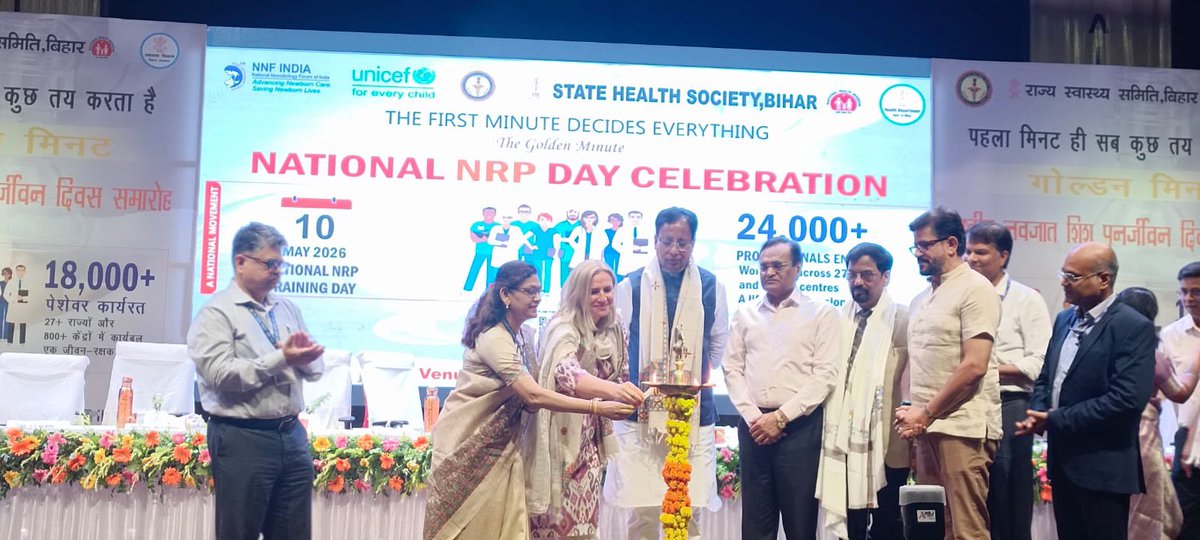
The programme began with the felicitation of dignitaries, followed by the National Song, lamp-lighting ceremony and concluded with the National Anthem.
Chief guest Dr Sanjay Agarwal, Hon’ble Member of Parliament, stressed the need for strengthening referral and stabilisation systems to ensure timely and equitable healthcare access for every mother and newborn. He said that trained healthcare manpower remained the key to reducing neonatal mortality and emphasised the adoption of global best practices, such as Kangaroo Mother Care, and quality newborn care standards aligned with WHO recommendations.
Appreciating the efforts of NNF, UNICEF and AIIMS Patna, he said collaborative initiatives in training and capacity building would play a crucial role in improving neonatal healthcare outcomes in Bihar.
Ms Monika Nielsen, chief of field office, UNICEF Bihar, said strengthening neonatal resuscitation skills among frontline healthcare workers was essential for achieving India’s target of single-digit neonatal mortality by 2030. Highlighting the importance of the “First Golden Minute”, she said timely and skilled intervention could significantly improve newborn survival outcomes.
Prof (Brig) Dr Raju Agarwal, executive director-cum-vice chancellor, AIIMS Patna, said reducing Bihar’s neonatal mortality rate to single digits would require sustained public health efforts, continuous training and strong institutional support. He also underlined the importance of regular skill reinforcement for healthcare professionals handling neonatal emergencies.
Welcoming the gathering, Dr Vivek from UNICEF India said strengthening neonatal healthcare systems and developing skilled human resources were critical to reducing preventable newborn deaths in the country. “Infrastructure alone is not enough. Timely intervention during the first few minutes after birth can save countless newborn lives,” he said.
Addressing the event, Dr Lalan K Bharti, president, National Neonatology Forum (NNF), said simple but effective interventions such as neonatal resuscitation, Kangaroo Mother Care and exclusive breastfeeding could substantially reduce newborn deaths. He said the nationwide campaign aimed to ensure that every delivery point in the country had at least one healthcare provider trained in neonatal resuscitation.
Among those present at the dais were Prof (Dr) Anup Kumar, medical superintendent, AIIMS Patna; Prof (Dr) Punam Prasad Bhadani, dean (academics), AIIMS Patna; Dr S.S. Reddy,
#CampaignTracking #CampaignTracking #CampaignTracking #CampaignTracking #participatingcountries #participatingcountries #participatingcountries #participatingcountries #CampaignPromises #CampaignPromises #CampaignPromises
1
2
102

🎯Better creator fit
🚀Faster outreach
📊More consistent follow-up
airabbit.ai
#CreatorDiscovery #InfluencerOutreach #CampaignTracking #AIAgent
1
49

Measuring marketing ROI shouldn’t feel like guesswork anymore. Discover the key metrics that reveal what’s actually driving real business growth. #MarketingROI #CampaignTracking
neilpatel.com/blog/how-to-me…
3

Measuring marketing ROI shouldn’t feel like guesswork anymore. Discover the key metrics that reveal what’s actually driving real business growth. #MarketingROI #CampaignTracking
neilpatel.com/blog/how-to-me…
1

May 3
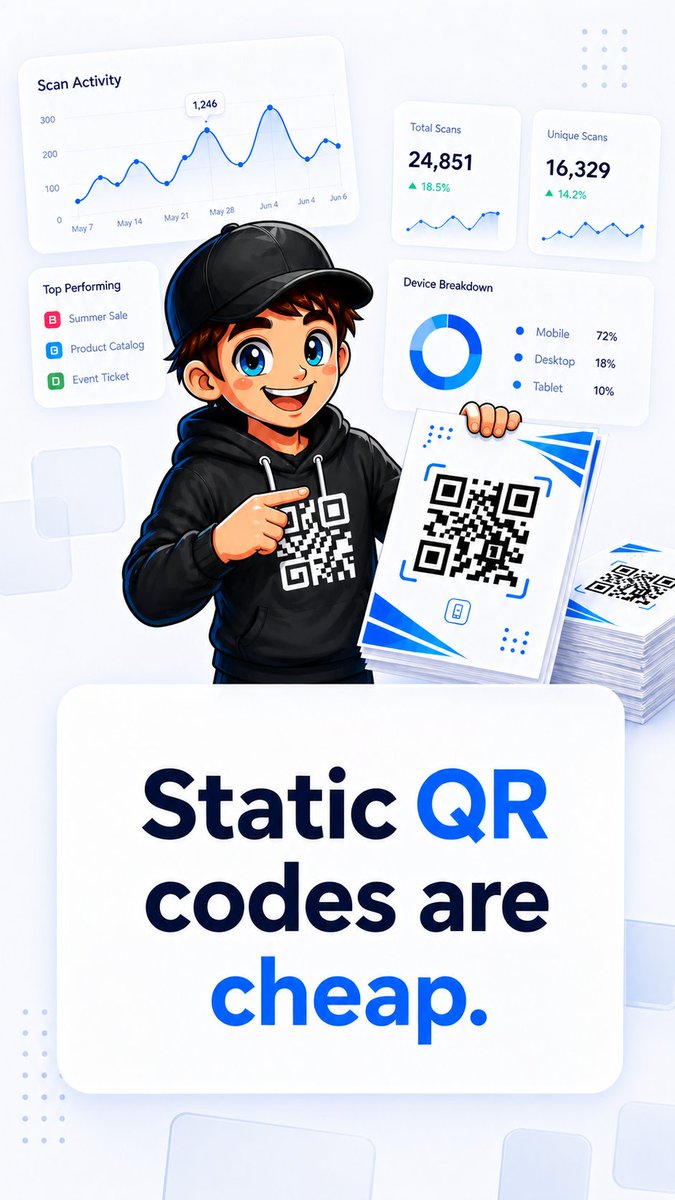
Static QR Campaign Risk
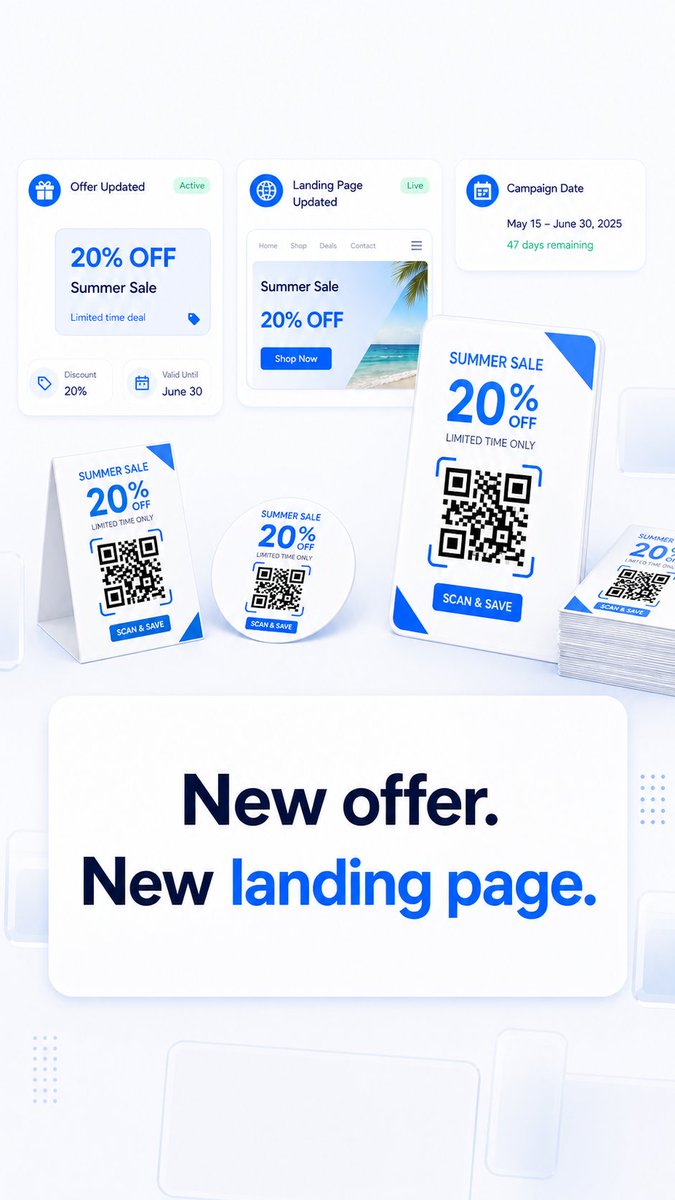
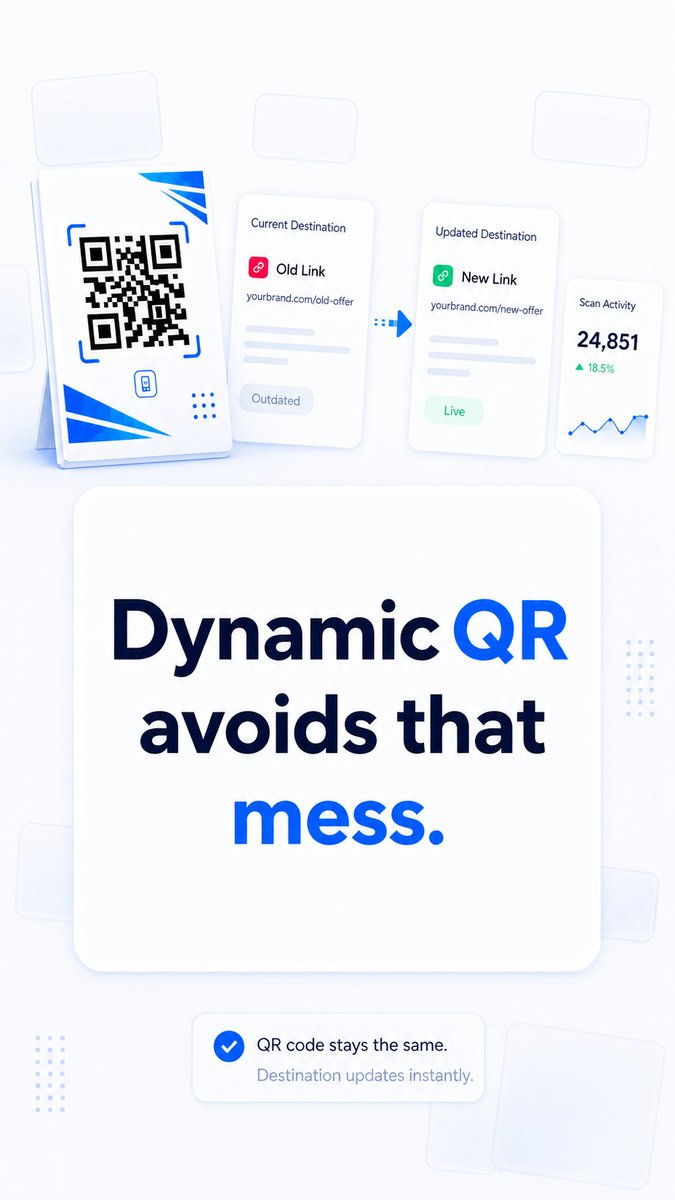
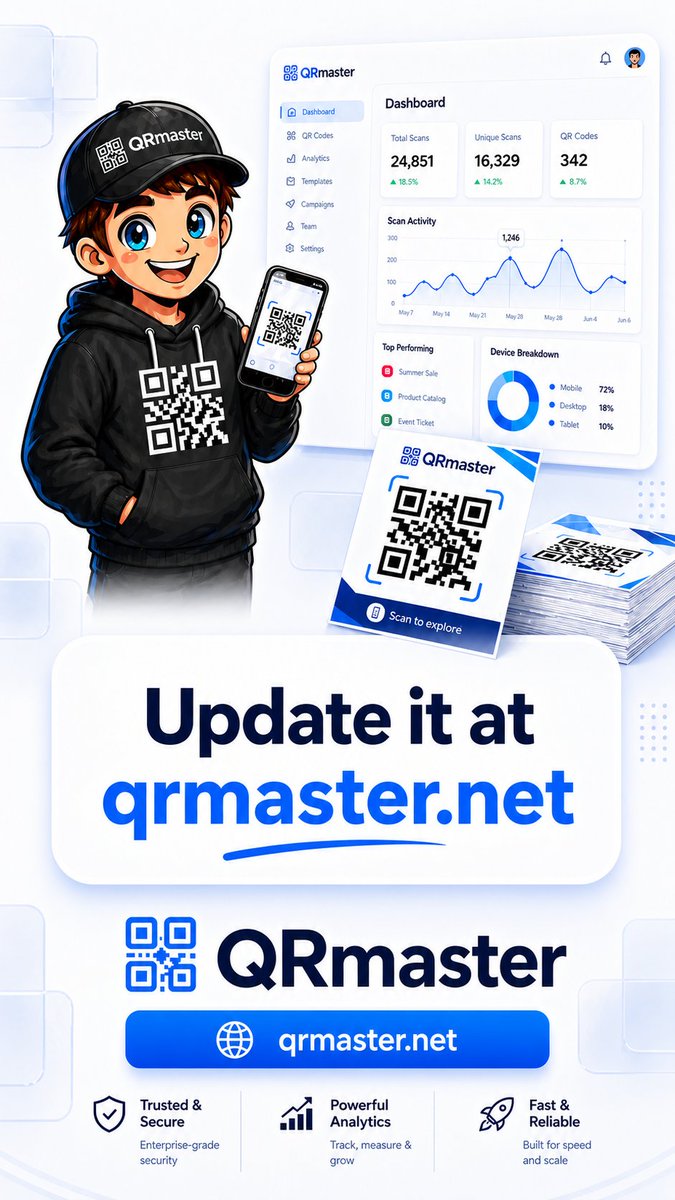
Static QR codes feel cheap at first — until your offer, date, or landing page changes. Then every printed flyer, poster, table card, and package needs a new print run. Dynamic QR codes let you update the destination without replacing the QR code. Build smarter print campaigns with qrmaster.net
#QRCode #DynamicQRCode #QRMarketing #QRCodeMarketing #PrintMarketing #FlyerMarketing #MarketingTips #SmallBusinessMarketing #CampaignTracking #QRAnalytics #DigitalMarketing #QRMaster
7

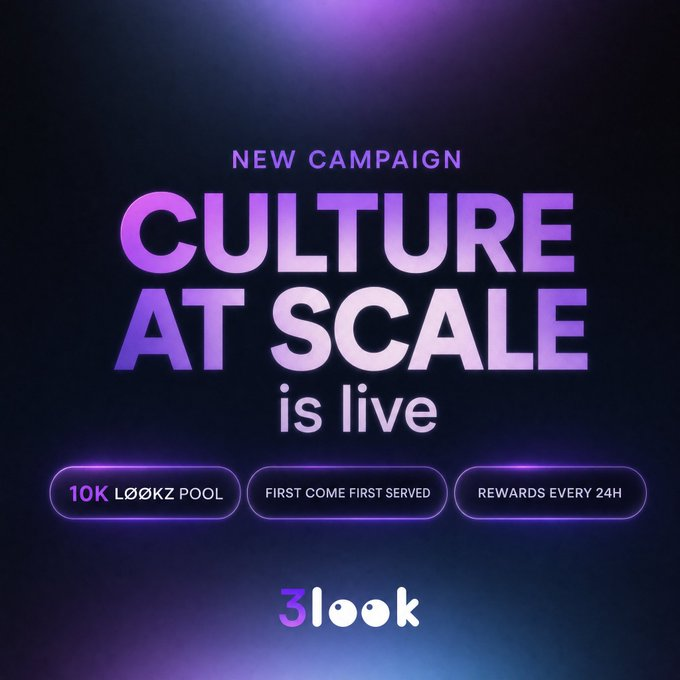
In the world of social media, authenticity is key.
That's why @3look_io alpha version is a breath of fresh air – it rewards creators for sharing their genuine thoughts and experiences with real brands.
Their innovative platform simplifies campaign tracking, eliminating the need for manual submissions and tedious data analysis.
With 3look, you can focus on creating high-quality content that resonates with your audience, rather than getting bogged down in the nitty-gritty of tracking and reporting.
By partnering with 3look, you'll gain access to a vast network of brands, influencers, and content creators who share your passion for innovative marketing and social media engagement.
Whether you're a seasoned pro or just starting out, 3look provides the tools and resources you need to succeed in the ever-evolving world of social media.
#SocialMediaAuthenticity #CampaignTracking #3lookIO
93
83
2,446
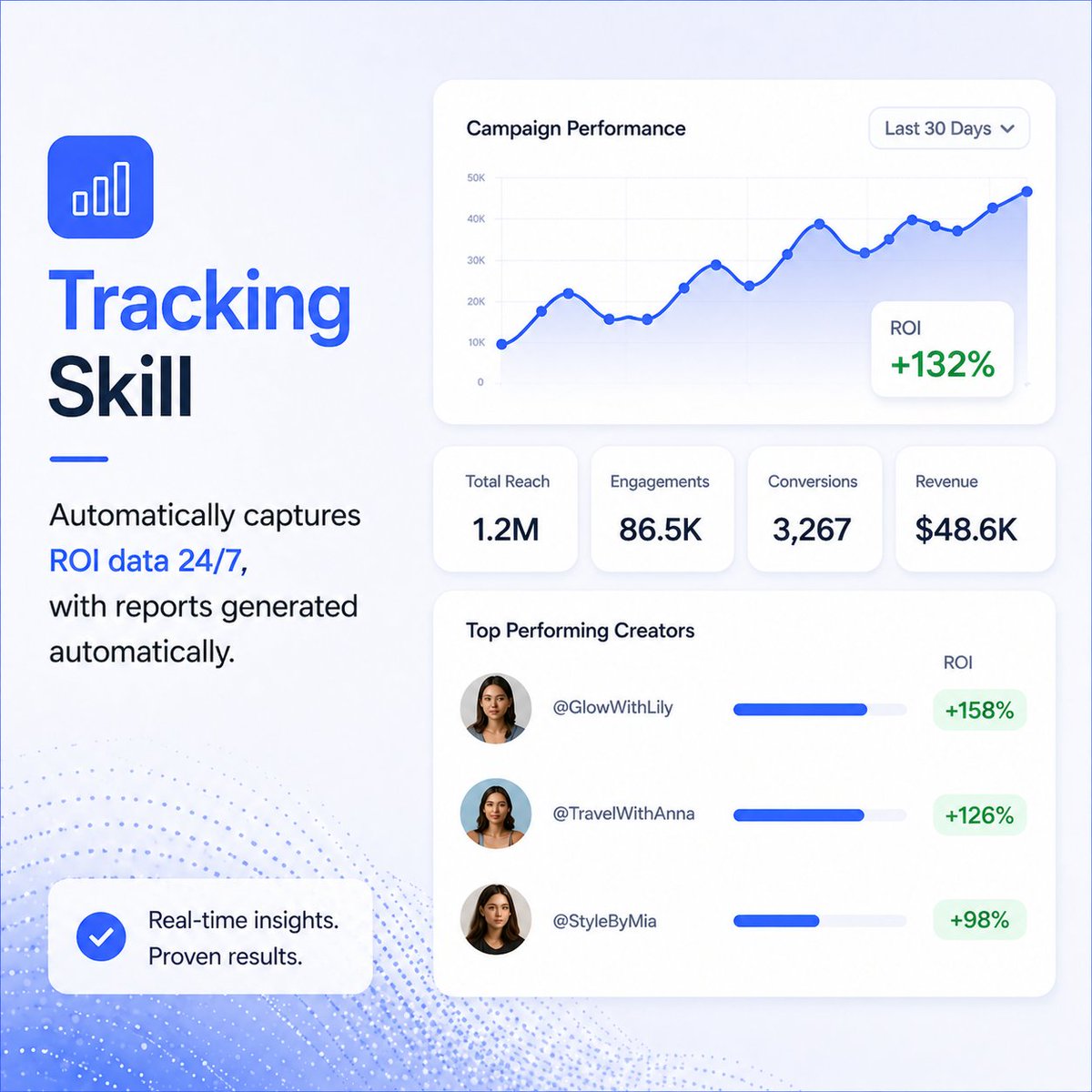
📊 Tracking Skill: Automatically captures ROI data 24/7, with reports generated automatically.#CampaignTracking
20
Apr 28
You Printed 5,000 Flyers. Then the Link Changed.
Imagine printing 5,000 flyers and realizing the link behind your QR code is wrong or outdated. With a static QR code, that usually means reprinting everything. With QRMASTER, you can change the QR destination after printing and keep the same code working.
#QRCode #DynamicQRCode #QRMaster #FlyerMarketing #PrintMarketing #MarketingMistakes #SmallBusinessMarketing #LocalBusiness #CampaignTracking #BusinessTools #DigitalMarketing #NoMoreReprints
9
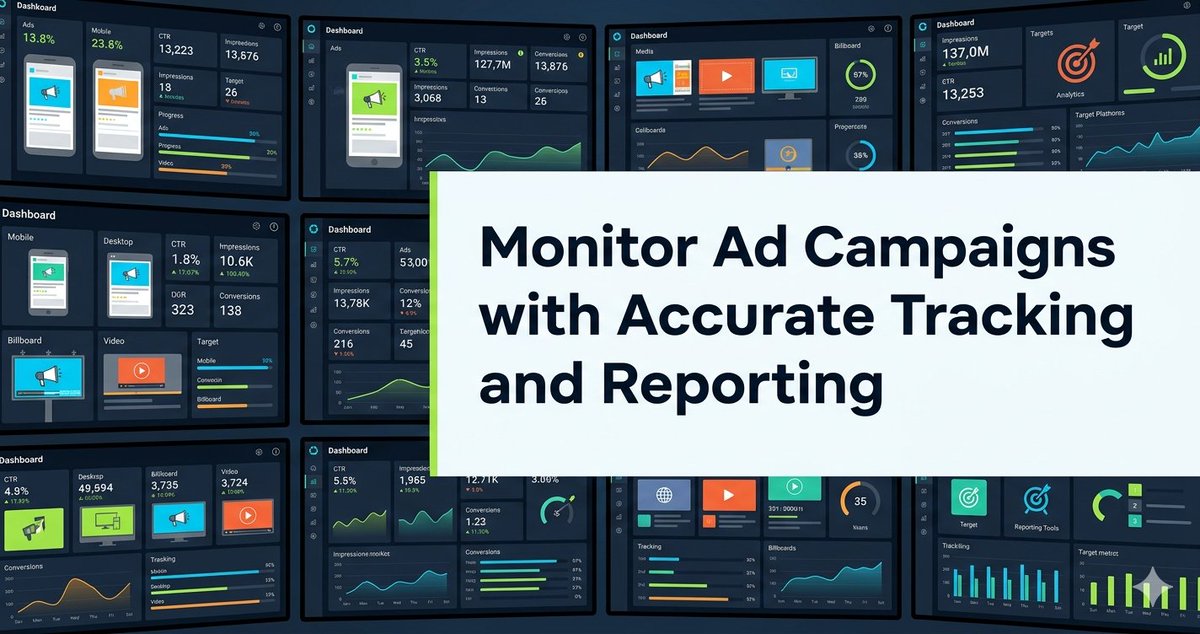
Track campaigns with precision using Advertisement Tracking Services—monitor placements, verify execution, and ensure accurate reporting across channels
Learn more: veetechnologies.com/industri…
#AdMonitoring #CampaignTracking #AdVerification #MarketingInsights
3
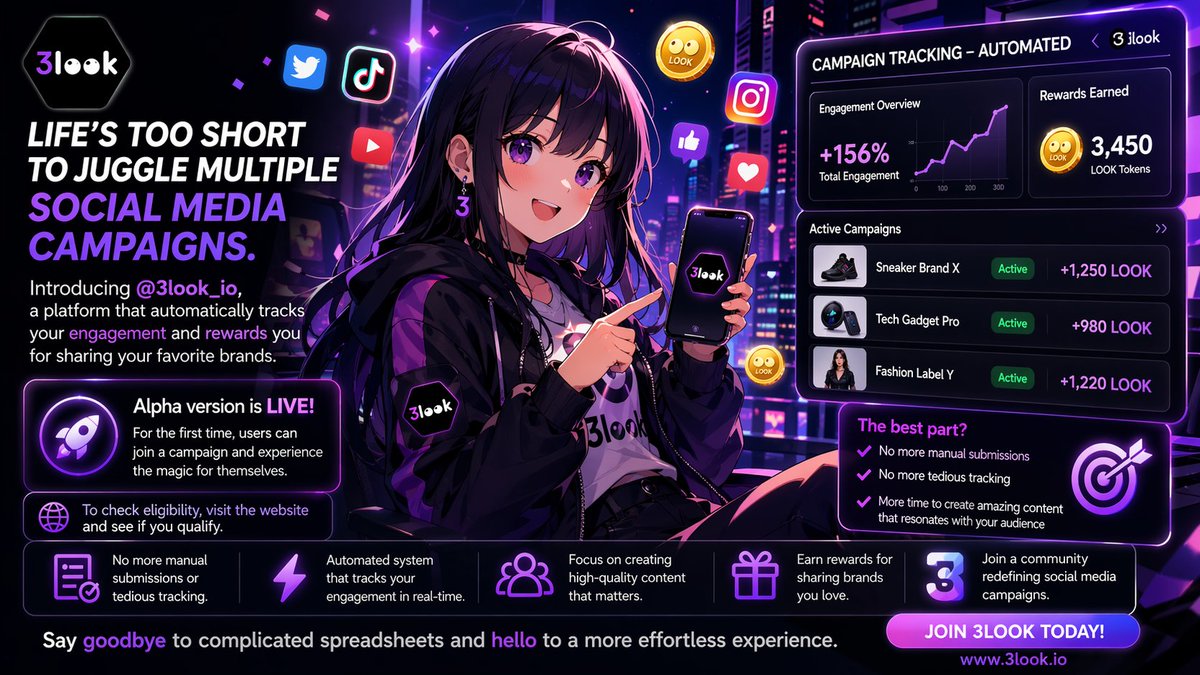
Life's too short to juggle multiple social media campaigns.
Introducing @3look_io, a platform that automatically tracks your engagement and rewards you for sharing your favorite brands.
Their alpha version is live, and for the first time, users can join a campaign and experience the magic for themselves.
To check eligibility, visit the website and see if you qualify.
The best part?
No more manual submissions or tedious tracking.
3look's system is designed to simplify your social media life, allowing you to focus on creating high-quality content that resonates with your audience.
By joining 3look, you'll be part of a community that's redefining the way we interact with social media campaigns.
It's time to say goodbye to complicated spreadsheets and hello to a more effortless experience.
#SocialMediaSimplified #CampaignTracking #3lookIO
90
1
78
1,391

Apr 20
SOFTSWISS adds new tournament tools to improve campaign tracking and player engagement yogonet.com/international/ne… #iGaming #GameAggregator #PlayerEngagement #CampaignTracking #OnlineGaming
20
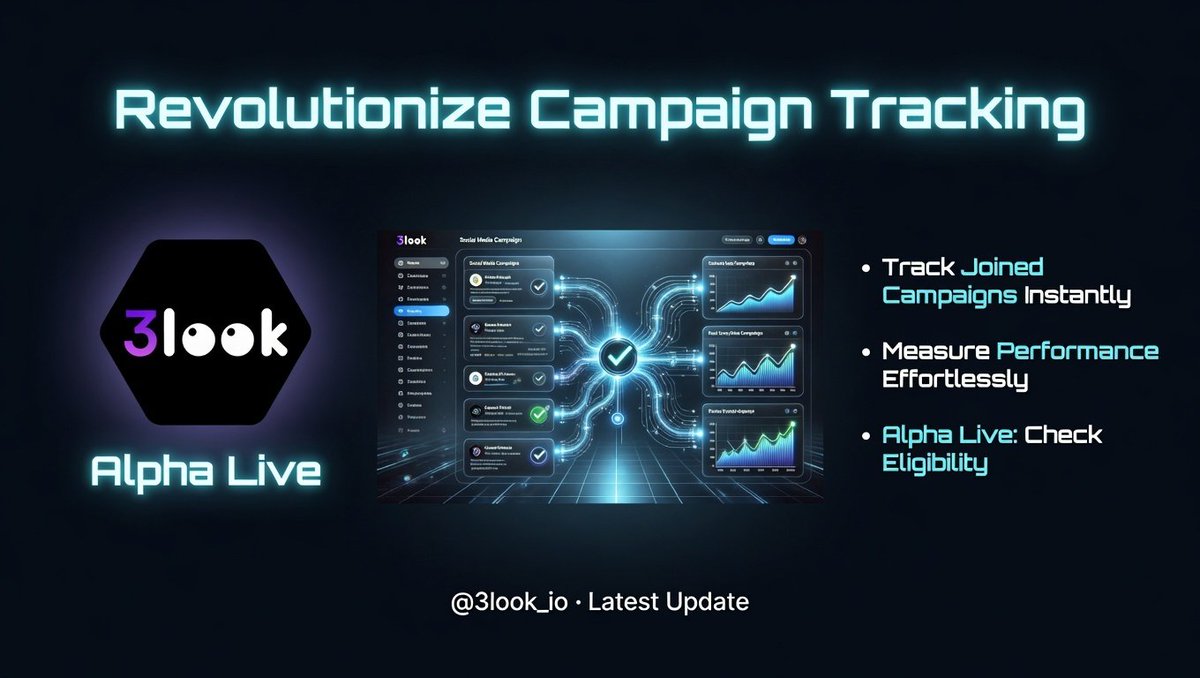
Have you ever found yourself drowning in a sea of social media campaigns, struggling to keep track of which ones you've joined, let alone how to measure their performance? It's a daunting task, akin to trying to juggle multiple tabs on your browser while simultaneously dealing with the anxiety of missing a crucial update.
@3look_io, a pioneering platform, is here to revolutionize the way we navigate social media campaigns. Their alpha version is now live, offering users a chance to participate in a campaign and experience the magic for themselves. To check your eligibility, simply visit the website and see if you qualify for the opportunity.
One of the most significant pain points of managing multiple social media campaigns is the manual submissions and tedious tracking involved. It's a time-consuming process that takes away from the actual task at hand – creating engaging content and building a community. That's where 3look's system comes into play, automatically tracking your engagement and providing you with valuable insights to improve your strategy.
The beauty of 3look's platform lies in its simplicity. With just a few clicks, you can post, share, and earn rewards – no more complicated spreadsheets or manual tracking required. In a world where content creation is becoming increasingly complex, 3look's system is the ultimate superpower, empowering users to focus on what matters most: creating high-quality content that resonates with their audience.
#SocialMediaSimplified #CampaignTracking #3lookIO
60
57
1,213
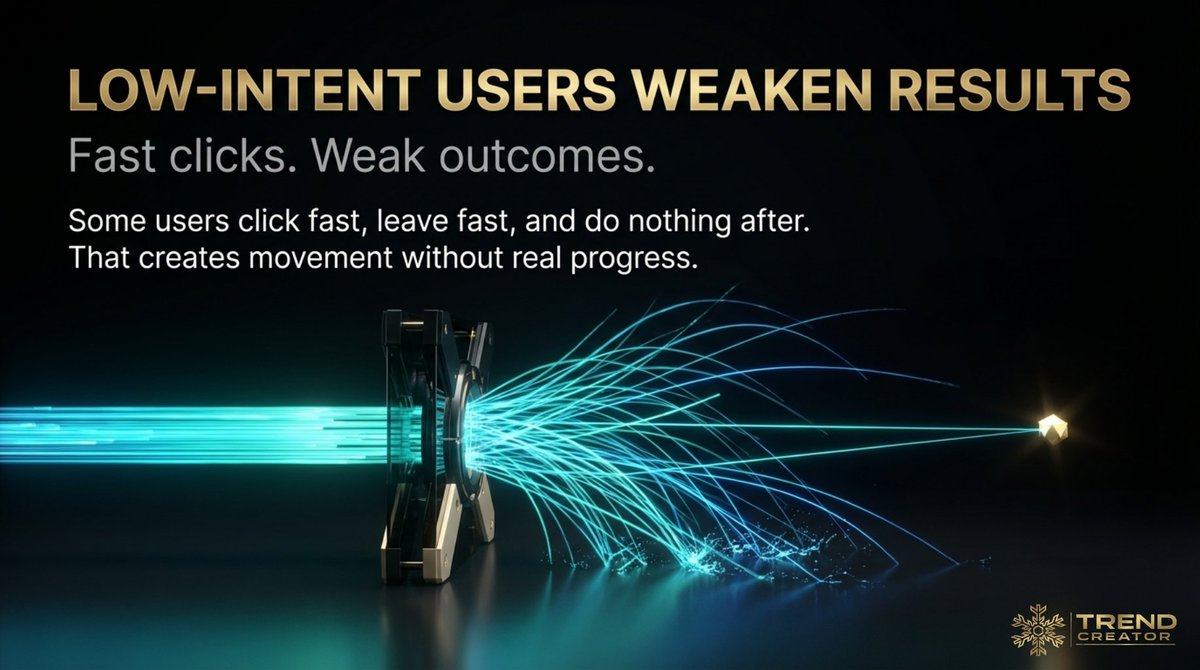
A lot of clicks can come from low-intent users 👀
They click fast.
They leave fast.
They do nothing after.
That means advertisers may end up paying for movement…
without getting real progress. 💸
And over time, that hurts campaign efficiency.
#TrendAds #CampaignTracking #AdAnalytics #DigitalAds #PerformanceDriven
1
3
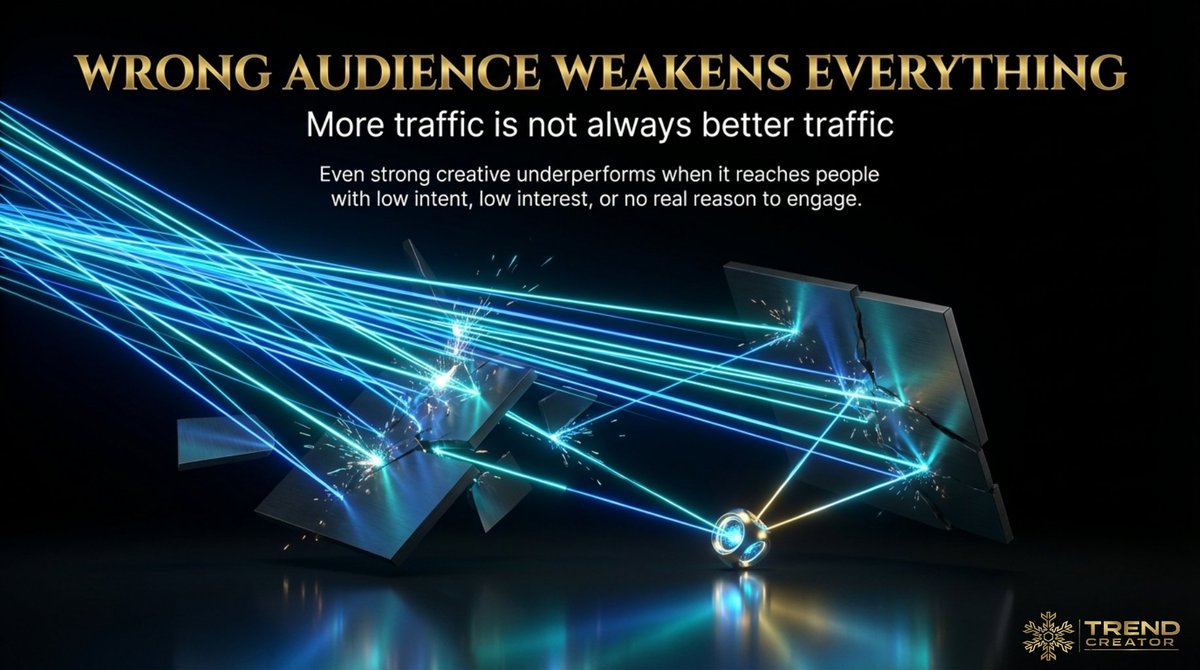
Low-quality traffic can drain budget fast 💸
It creates activity…
but not progress.
You may see clicks.
You may see visits.
You may see movement.
But if that traffic has no intent, no interest, and no relevance…
the campaign keeps spending without building real results. 📉
#TrendAds #CampaignTracking #AdAnalytics #DigitalAds #PerformanceDriven

1
5

Mar 24
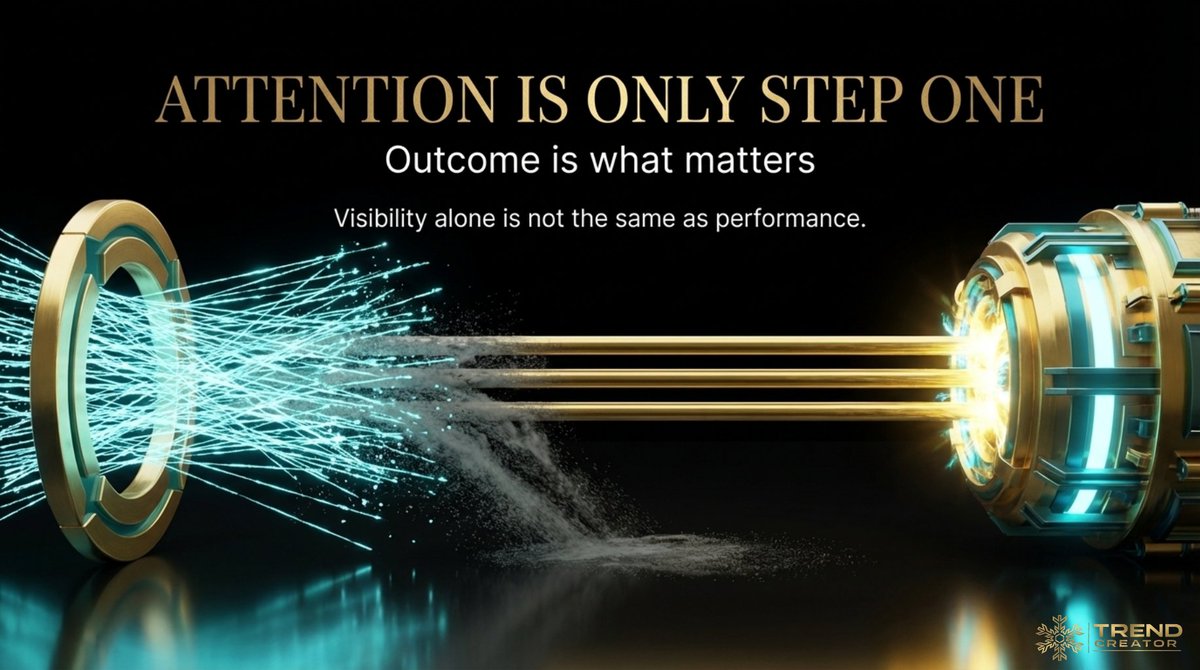
Impressions tell you that an ad was displayed 👁️
They do NOT automatically tell you:
🔹 if the audience cared
🔹 if the traffic had intent
🔹 if users engaged
🔹 if the campaign moved people closer to action
That’s a huge difference. 📊
#TrendAds #CampaignTracking #AdAnalytics #DigitalAds #PerformanceDriven
1
5
Mar 21
A lot of campaigns also fail because tracking is too weak 📉
If you cannot clearly see:
🔹 what is working
🔹 what is wasting budget
🔹 where users drop off
🔹 what actions matter most
then improving performance becomes guesswork 🤷♂️
And guesswork burns budget fast 💰
#TrendAds #CampaignTracking #PerformanceMarketing #AdAnalytics #DigitalAds
1
2