
Halil ibo retweeted

Baltık navlun endeksi capesize ile geriledi
Baltık Kuru Yük Navlun Endeksi, capesize ve panamax segmentlerindeki zayıflıkla Salı günü 50 puan düşerek 2.670'e geriledi.
(1/2) 🧵
1
1
14
414

VESSEL TYPE FOCUS: The Bauxite Liquefaction Nightmare ⚓🌋 How a solid mineral cargo can secretly turn into a deadly liquid simulator inside a Panamax/Capesize hold—and how we protect traders from multi-million dollar port standoffs. A forensic thread. 🧵👇 #ShipWithMarcenta

1
4

Port Hedland, güçlü demir cevheri ihracatı sayesinde istikrarlı bir işlem hacmini koruyor.
#PortHedland #DemirCevheri #KuruYük #Avustralya #Capesize
Kaynak Linki = denizticaretgazetesi.org/hab…
1
29

Greece's Cape Shipping shifts newbuilding focus to dry bulk with Capesize pair at Hengli dlvr.it/TT4FJ0
3

George P. Bassakos 😷🎗️ retweeted

BCI today: 31,968 -1,285
MTD 38,558
YTD 29,306
2026 FFA 32,000
$HSHP
#himalayashipping #dividends #capesize #shipping #drybulk #yield
1
10
345

Capesize spot -1300 today to 32,000
FFAs flattish
#DRYBULK
3
994

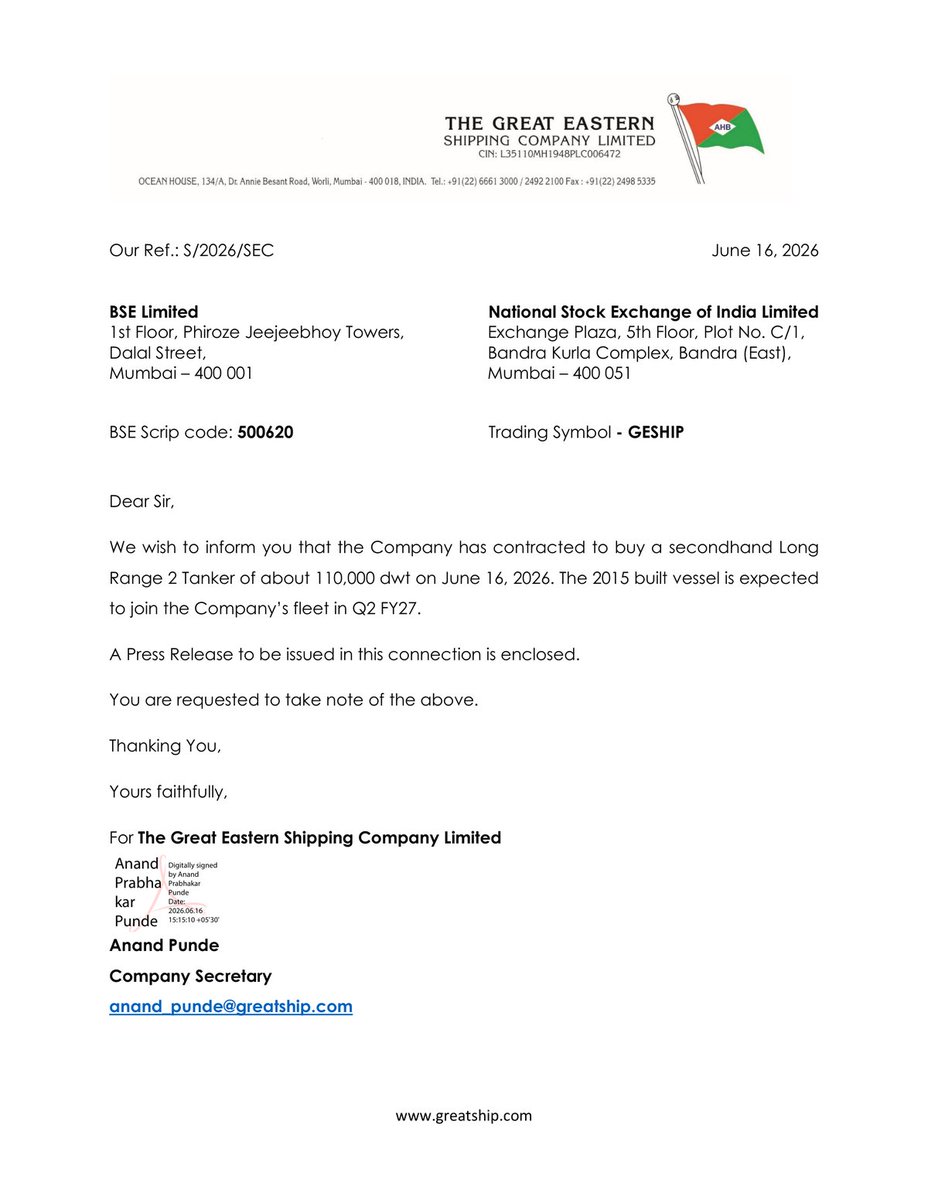
🚢 GE Shipping Expands Fleet with Strategic Tanker Acquisitions | MCap 20,503.29 Cr
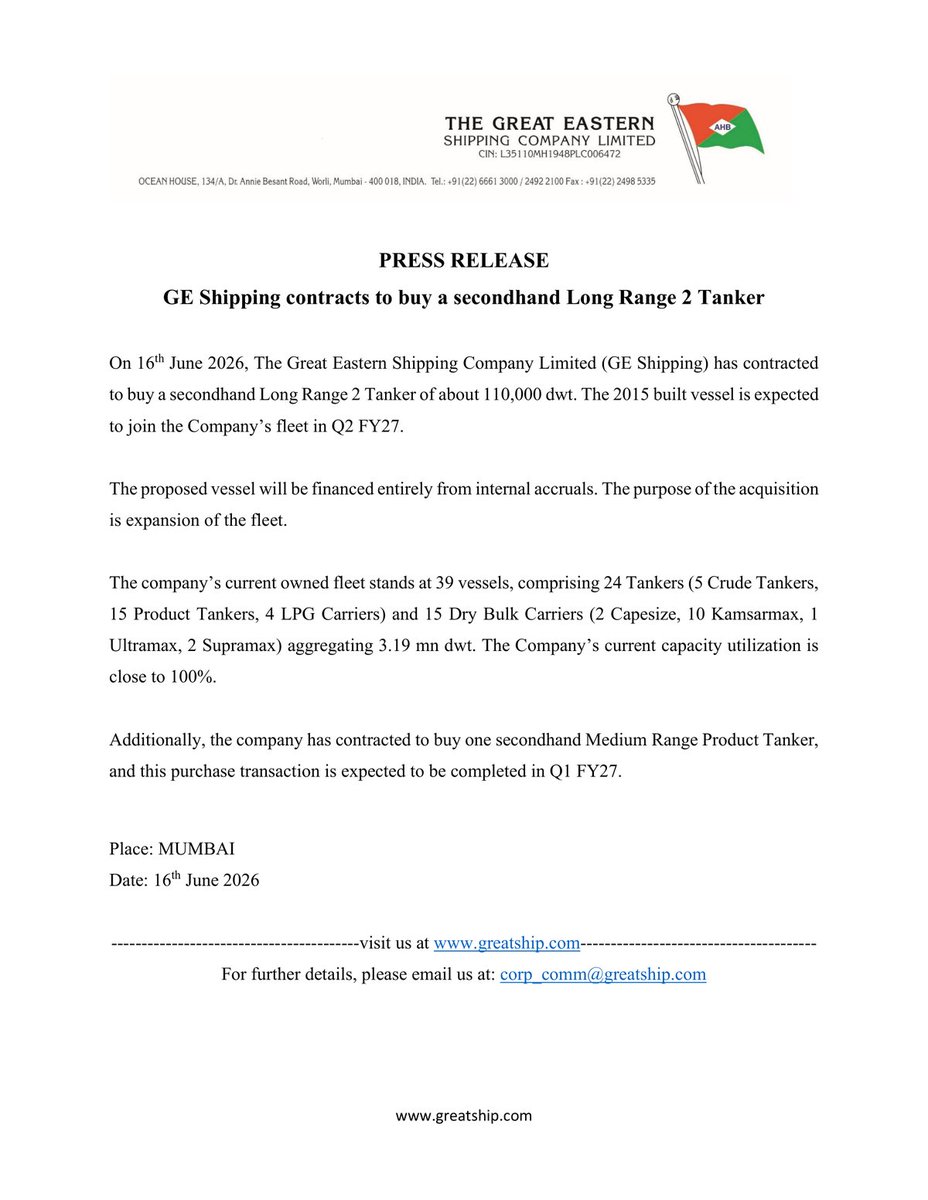
- GE Shipping contracted a secondhand Long Range 2 Tanker (110,000 dwt) on June 16, 2026, built in 2015, expected fleet induction in Q2 FY27.
- Also acquiring a secondhand Medium Range Product Tanker, completion slated for Q1 FY27.
- Both acquisitions funded via internal accruals.
- Current fleet: 24 Tankers (5 Crude, 15 Product, 4 LPG) 15 Dry Bulk Carriers (2 Capesize, 10 Kamsarmax, 1 Ultramax, 2 Supramax).
- Total fleet capacity: 3.19 mn dwt at near 100% utilization.
Disc: Information provided in above tweet can be inaccurate, verify through the source i.e. attached image(s) & in reply before making any investment decision.
1
234

12h
The Great Eastern Shipping Company Limited (GE Shipping) has announced its contract to purchase a secondhand Long Range 2 Tanker 🚢.
Key Details:
- 𝗩𝗲𝘀𝘀𝗲𝗹 𝗧𝘆𝗽𝗲: Long Range 2 Tanker
- 𝗖𝗮𝗽𝗮𝗰𝗶𝘁𝘆: Approx. 110,000 dwt
- 𝗕𝘂𝗶𝗹𝘁 𝗬𝗲𝗮𝗿: 2015
- 𝗘𝘅𝗽𝗲𝗰𝘁𝗲𝗱 𝗙𝗹𝗲𝗲𝘁 𝗔𝗱𝗱𝗶𝘁𝗶𝗼𝗻: Q2 FY27
- 𝗙𝗶𝗻𝗮𝗻𝗰𝗶𝗻𝗴: Entirely from internal accruals 💰
- 𝗣𝘂𝗿𝗽𝗼𝘀𝗲: Fleet expansion 📈
𝗙𝗹𝗲𝗲𝘁 𝗘𝘅𝗽𝗮𝗻𝘀𝗶𝗼𝗻 & 𝗖𝘂𝗿𝗿𝗲𝗻𝘁 𝗦𝘁𝗮𝘁𝘂𝘀:
This acquisition will increase GE Shipping's owned fleet to 39 vessels. The current fleet comprises:
- 24 Tankers:
▸ 5 Crude Tankers
▸ 15 Product Tankers
▸ 4 LPG Carriers
- 15 Dry Bulk Carriers:
▸ 2 Capesize
▸ 10 Kamsarmax
▸ 1 Ultramax
▸ 2 Supramax
The total deadweight tonnage (dwt) of the current fleet is 3.19 million. The company is currently operating at close to 100% capacity utilization.
𝗔𝗱𝗱𝗶𝘁𝗶𝗼𝗻𝗮𝗹 𝗔𝗰𝗾𝘂𝗶𝘀𝗶𝘁𝗶𝗼𝗻:
Furthermore, GE Shipping has also contracted to buy a secondhand Medium Range Product Tanker. This transaction is anticipated to be completed in Q1 FY27.
📊 GREAT EASTERN SHIPPING COMPANY LTD | 🏷️ Press Release / Media Release
🌐 Details: wegro.app/F3n8Ec
⚡️Instant stock alerts on WhatsApp - Try FREE 👉 wegro.app/go
80
12h
The Great Eastern Shipping Company Limited (GE Shipping) has announced its contract to purchase a secondhand Long Range 2 Tanker 🚢.
Key Details:
- 𝗩𝗲𝘀𝘀𝗲𝗹 𝗧𝘆𝗽𝗲: Long Range 2 Tanker
- 𝗖𝗮𝗽𝗮𝗰𝗶𝘁𝘆: Approx. 110,000 dwt
- 𝗕𝘂𝗶𝗹𝘁 𝗬𝗲𝗮𝗿: 2015
- 𝗘𝘅𝗽𝗲𝗰𝘁𝗲𝗱 𝗙𝗹𝗲𝗲𝘁 𝗔𝗱𝗱𝗶𝘁𝗶𝗼𝗻: Q2 FY27
- 𝗙𝗶𝗻𝗮𝗻𝗰𝗶𝗻𝗴: Entirely from internal accruals 💰
- 𝗣𝘂𝗿𝗽𝗼𝘀𝗲: Fleet expansion 📈
𝗙𝗹𝗲𝗲𝘁 𝗘𝘅𝗽𝗮𝗻𝘀𝗶𝗼𝗻 & 𝗖𝘂𝗿𝗿𝗲𝗻𝘁 𝗦𝘁𝗮𝘁𝘂𝘀:
This acquisition will increase GE Shipping's owned fleet to 39 vessels. The current fleet comprises:
- 24 Tankers:
▸ 5 Crude Tankers
▸ 15 Product Tankers
▸ 4 LPG Carriers
- 15 Dry Bulk Carriers:
▸ 2 Capesize
▸ 10 Kamsarmax
▸ 1 Ultramax
▸ 2 Supramax
The total deadweight tonnage (dwt) of the current fleet is 3.19 million. The company is currently operating at close to 100% capacity utilization.
𝗔𝗱𝗱𝗶𝘁𝗶𝗼𝗻𝗮𝗹 𝗔𝗰𝗾𝘂𝗶𝘀𝗶𝘁𝗶𝗼𝗻:
Furthermore, GE Shipping has also contracted to buy a secondhand Medium Range Product Tanker. This transaction is anticipated to be completed in Q1 FY27.
📊 GREAT EASTERN SHIPPING COMPANY LTD | 🏷️ Press Release / Media Release
🌐 Details: wegro.app/F3n8Ec
⚡️Instant stock alerts on WhatsApp - Try FREE 👉 wegro.app/go
64

📊 GREAT EASTERN SHIPPING COMPANY LTD - 500620 | 🪒 Press Release / Media Release
Great Eastern Shipping Company Ltd has contracted to buy a secondhand long range 2 tanker of about 110,000 dwt on June 16, 2026, as part of its fleet expansion strategy. This acquisition will enhance the company's operational capacity and strengthen its market position in the shipping industry.
Current owned fleet consists of 39 vessels, comprising 24 tankers (5 crude tankers, 15 product tankers, 4 LPG carriers) and 15 dry bulk carriers (2 capesize, 10 kamsarmax, 1 ultramax, 2 supramax) aggregating 3.19 mn dwt. The company’s current capacity utilization is close to 100%.
Key Highlights:
Fleet Expansion:
- Contracted to buy a secondhand long range 2 tanker of about 110,000 dwt.
- Acquisition expected to complete in Q2 FY27.
Additional Acquisition:
- Also contracted to buy one secondhand medium range product tanker.
- This purchase transaction is expected to be completed in Q1 FY27.
Current Fleet Status:
- Owned fleet stands at 39 vessels.
- Fleet composition includes 24 tankers and 15 dry bulk carriers.
Financial Strategy:
- Proposed vessel will be financed entirely from internal accruals.
Core Growth Triggers:
- Fleet Expansion: Acquisition of secondhand long range 2 tanker to enhance operational capacity.
- New Vessel Addition: Purchase of medium range product tanker to diversify fleet offerings.
What's Already in the Price:
The market is likely aware of the company's ongoing fleet expansion strategy, but the specific details of these acquisitions provide new insights into its growth trajectory.
Key Risks to Trigger Thesis:
- Dependence on internal accruals for financing may limit future expansion opportunities.
- Market volatility in shipping rates could impact profitability.
Executive quote:
Anand Punde, Company Secretary, stated, "The purpose of the acquisition is expansion of the fleet."
The strategic outlook remains positive as these acquisitions are expected to bolster the company's operational capabilities and market presence.
💰 CMP: ₹1,416.00 ( 2.28%)
🏢 MCap: ₹20,810 Cr
🌐Details: tinyurl.com/2ylnfply
⚡️Instant stock alerts on WhatsApp - Try FREE 👉 speedystox.com
27

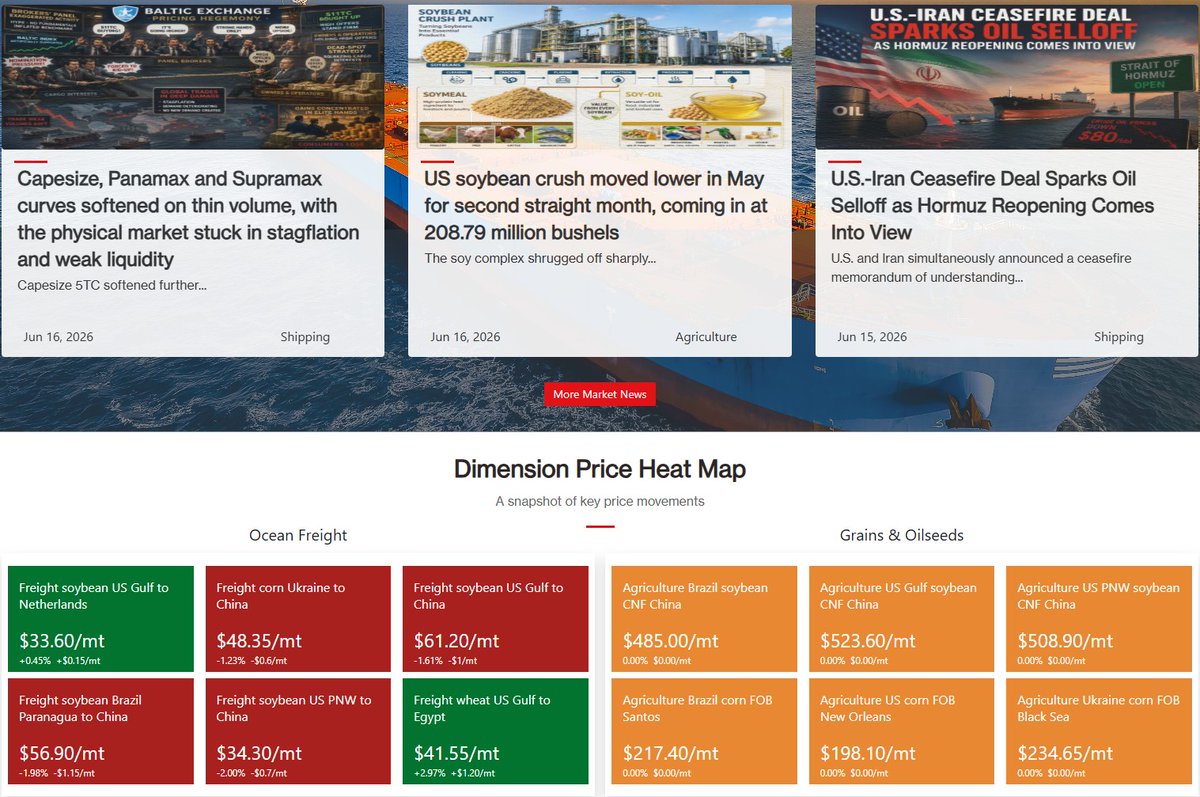
#freight #Capesize, #Panamax and #Supramax #curves softened on thin volume, with the physical market stuck in #stagflation and weak #liquidity
#agribusiness #US #soybean #crush moved lower in May for second straight month, coming in at 208.79 million bushels
#China #RMB #人民币
1
17

The Hormuz blockade is lifting and the strait goes toll-free, so the tanker war-risk premium finally starts to come off. Slowly though. ADNOC sees full flows only by 2027, the threat board still reads severe, Iran keeps charging tolls. Forward rates lower, not collapsing.
Dry freight has the opposite problem, and the deal does nothing for it. The Baltic dry index sank to 2,720 Monday, a five-week low, off its 2.5-year high of 3,227. The driver is China sitting on a near-record ore pile and drawing from it instead of chartering fresh cargoes, the summer lull on top. A peace deal in the Gulf doesn't put a single capesize back to work.
Two freight markets sitting heavy for opposite reasons. The wet one deflates as the war-risk drains over the coming months. The dry one stays down because mills are working off the pile, not the berth, and no Gulf deal changes that. When they meet it's the tanker grinding down to the cape, not the cape climbing to the tanker. Watch the freight.
27