
Jun 9
Big news for Cardano developers! 🔥
TxPipe just launched **Dolos** a lightweight, Rust-based **Data Node** that changes the game for dApp infrastructure.
Unlike traditional full nodes, Dolos focuses purely on keeping an updated ledger and serving queries using only a fraction of the resources. This means faster, cheaper, and more efficient access to on-chain data.
This is exactly the kind of developer tooling Cardano needs to scale. Lower barriers, better performance, real utility.
Huge win for the ecosystem.
#Cardano #CardanoNews $ADA #CardanoDevelopers
via Cardano News
songmarketcap.com/cardanonew…
2
28
331


1 Nov 2025
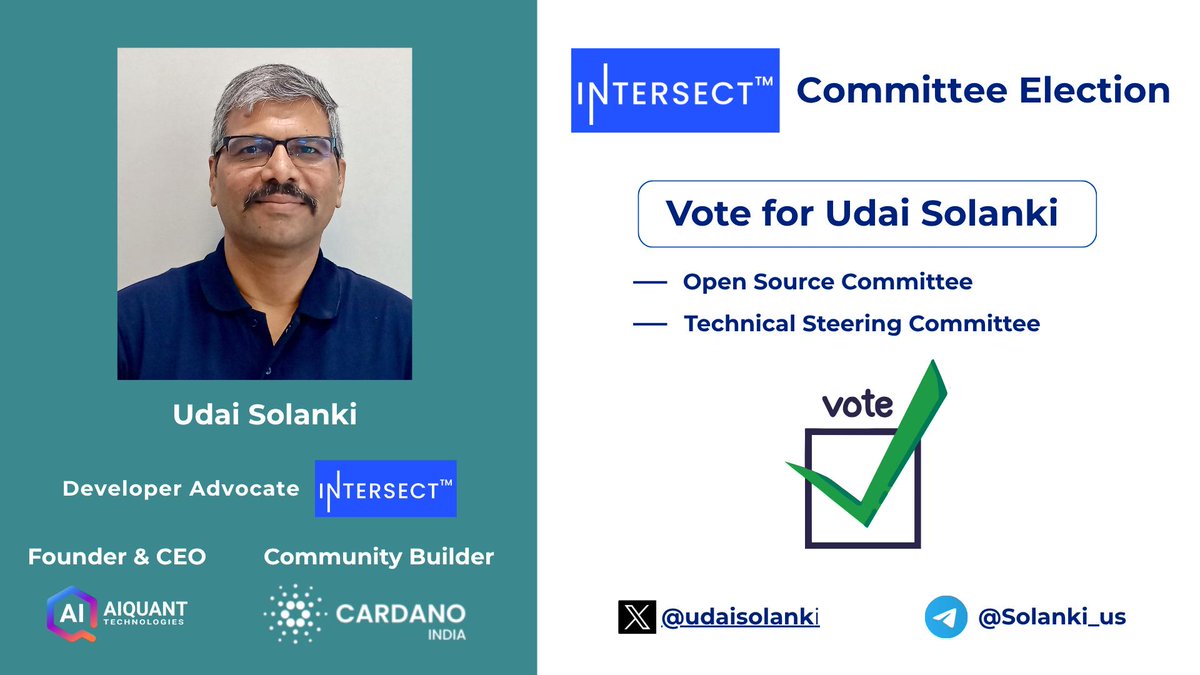
With 20 years as technology leader and 4 years of active involvement in the Cardano ecosystem, @udaisolanki brings tech expertise and open-source development engagement to Cardano. Udai has contributed extensively to build Cardano Developers Community as Developer Advocate (OSC Cohort #1) and community lead of Cardano India. He, along with the team, has delivered multiple Cardano based dApp and developers tool projects.
Voting link:
Open Source Committee -
members.intersectmbo.org/das…
Technical Steering Committee -members.intersectmbo.org/das…
@Cardano @Cardano_CF @CardanoIndia @IntersectMBO @udaisolanki
#CardanoCommunity #Cardano #ADA #CardanoDevelopers
#Blockchain
3
7
15
861

29 Oct 2025
Cardano APIs as Community Service. Free. Forever. Dandelion Lite’s wizard makes it easy: clone, run, connect your keys, and you’re live.
Backend DevOps just got way more accessible. 💻
#GimbalabsTechTips #CardanoDevelopers
dandelion.link/
4
8
302
16 Aug 2025
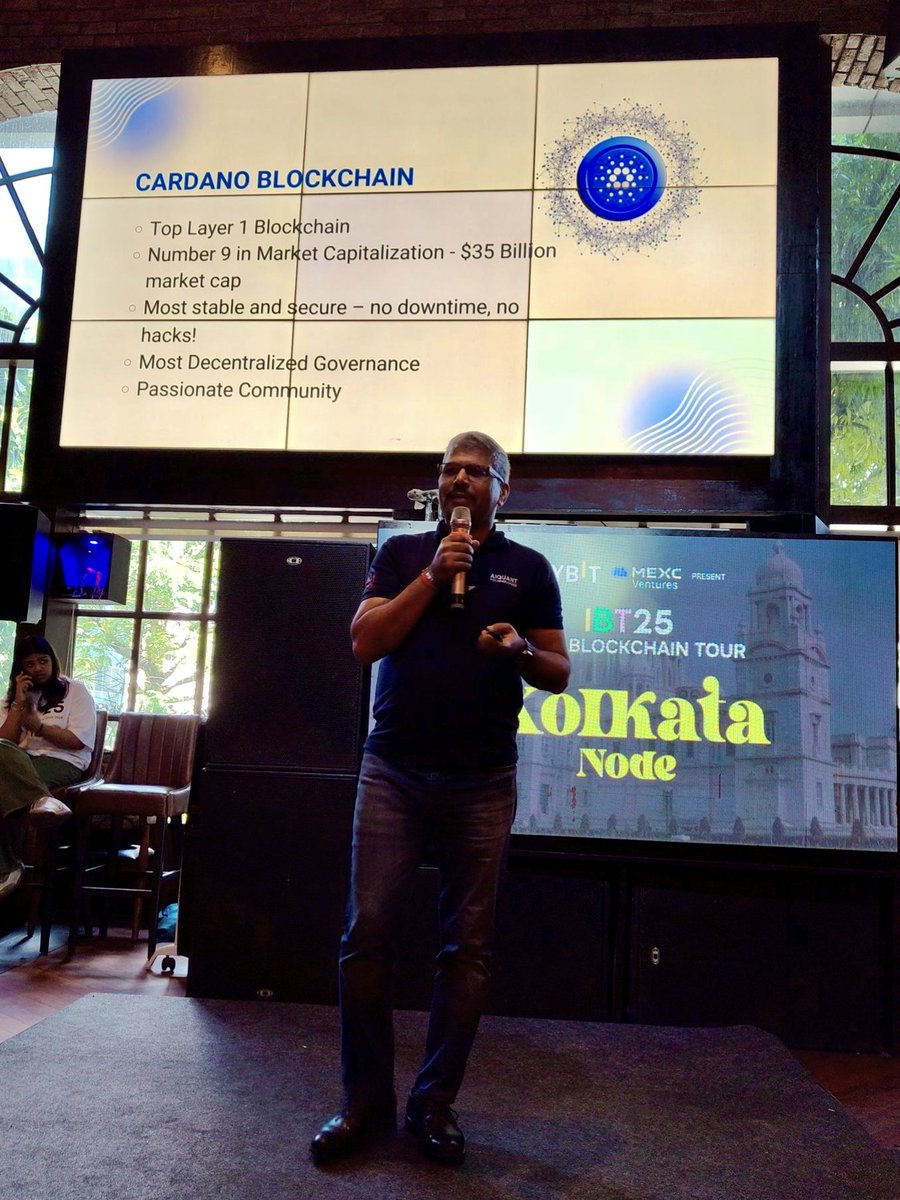
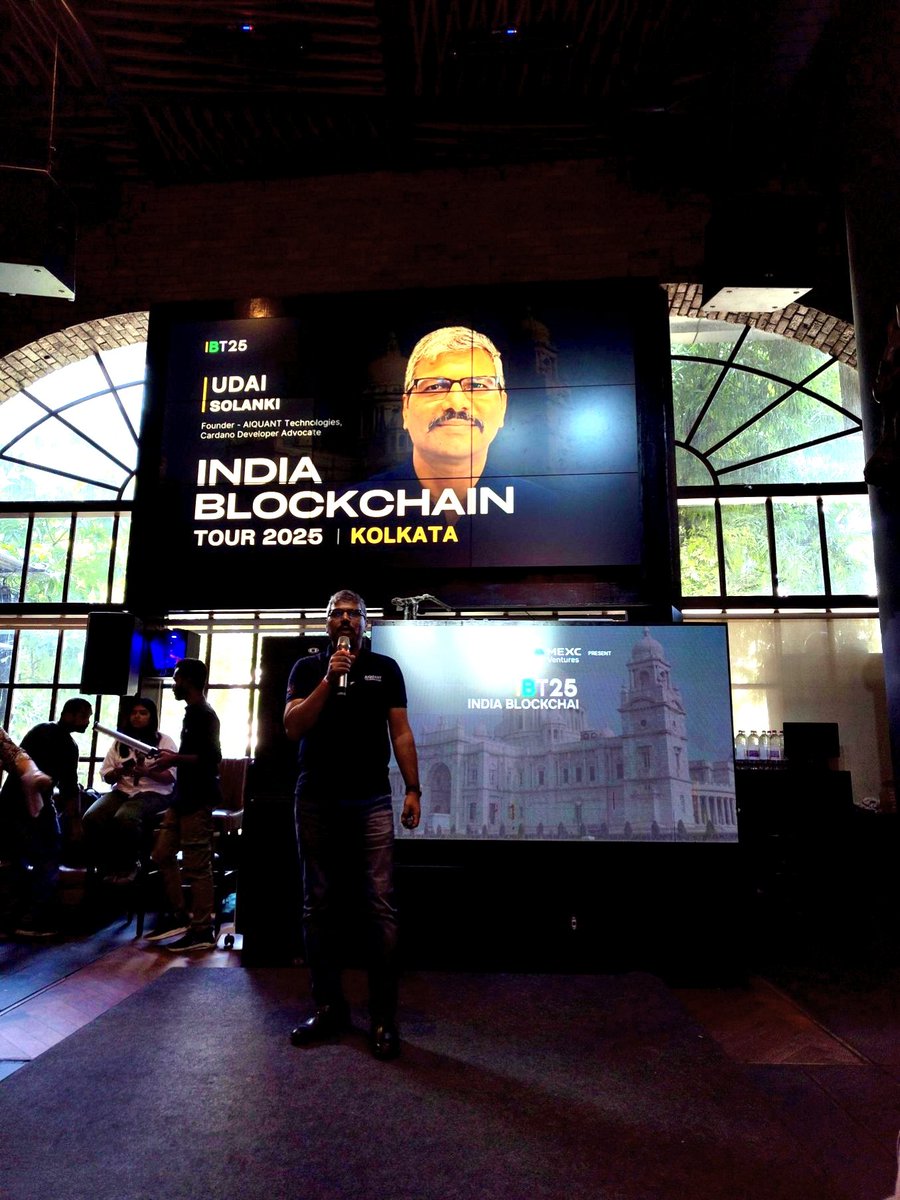
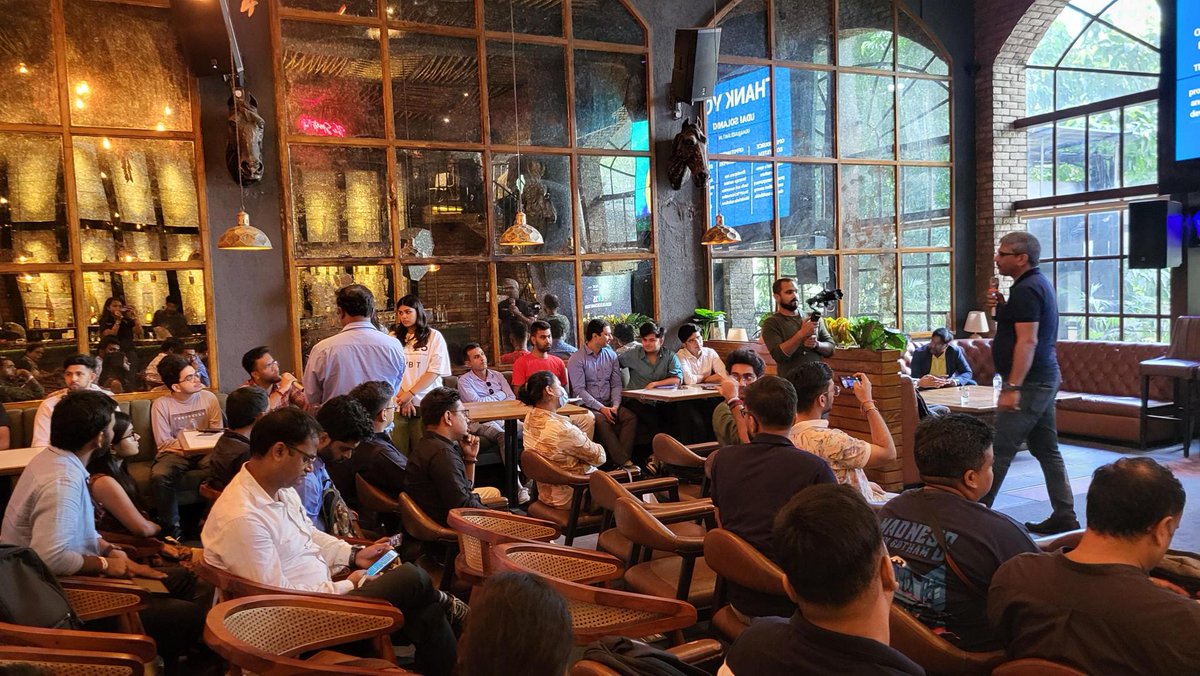
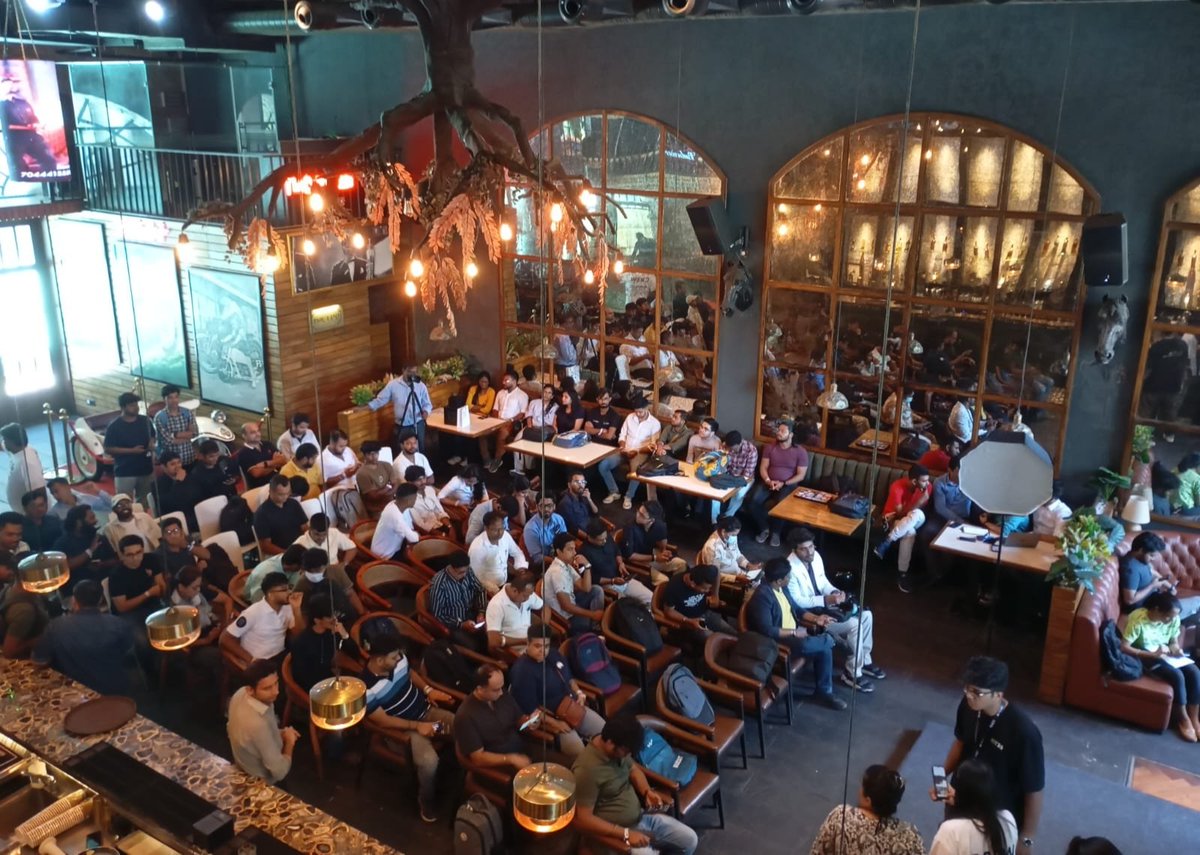
The energy at the India Blockchain Tour was amazing! The focus on empowering developers is so crucial for the future of Web3.
@udaisolanki @IBTxOfficial
#Cardano #CardanoCommunity #Cardanodevelopers #ADA #Blockchsin
4
1
6
194

25 Jul 2025
Arrival scenes. The energy is real.
Builders are here. The future is loading, powered by Cardano.
#NextGenHackathon
#CardanoAfrica
#BuildOnCardano
#PoweredByCardano
#CardanoCommunity
#CardanoDevelopers
#CardanoInnovation
#ProjectCatalyst
#CatalystAfrica
#Web3Africa
2
1
2
76

11 Apr 2025
6/ I also manage the Goma Stake Pool and host learning meetups around #Blockchain and #WEB3—bridging non-technical learning and local ownership. 🧑🏽💻⚙️ #CardanoDevelopers #AfricaBuildsOnCardanode
2
1
6
91

7 Sep 2024
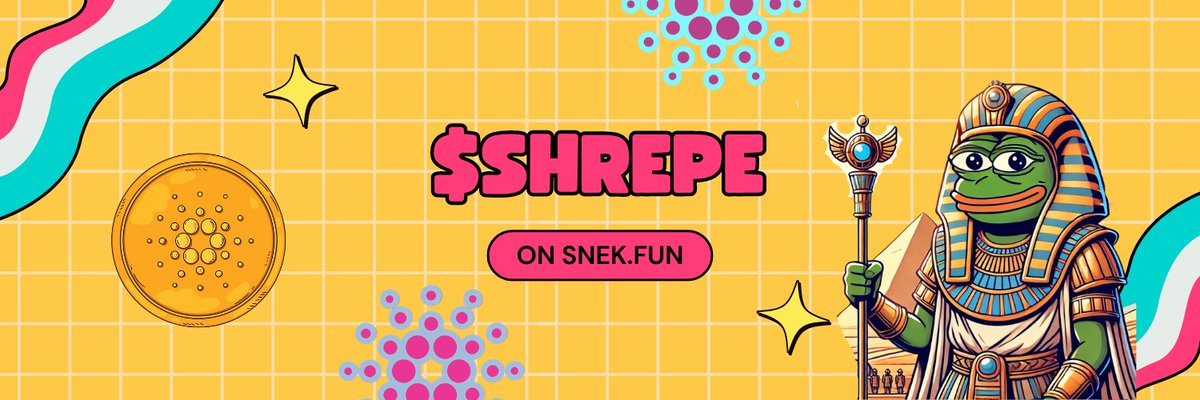
Launch'n in few minutes in Cardano's snek.fun
#Cardano #ADA #CardanoCommunity #Blockchain #DeFi #Staking #CardanoUpdate #CardanoDevelopers #CardanoNFTs #Shelley #Goguen #Basho
#MemeCoin #CryptoMemes #Altcoins #CryptoCurrency #HODL #ToTheMoon #ShibaInu #DogeCoin
8
11
233

29 Aug 2024
Love love love 🫶 our #CardanoDevelopers! The fact that they took interest in understanding UTXO development and excel at it clearly demonstrates that they are a cut above the rest! But what is more amazing is that every one of them can explain any concept to the #CardanoCommunity with a lot of ease! 🔥🔥🔥👌👌👌
29 Aug 2024

TRENDING ON CARDANO:
Cardano devs are Cooking hot 🔥🔥🔥
@cardano_whale raises an important point after the $TON shutdown yesterday.
This was what happened:
TON recently experienced a "P2P storm," a type of network assault that disrupts operations by flooding the network with transactions rather than traditional DDoS attacks. This attack exploited the peer-to-peer (P2P) network architecture, significantly slowing down block creation times from 5 seconds to 20-30 seconds. The attack could be intended to degrade performance, impact economic value, or serve as a stress test to reveal vulnerabilities.
The incident highlights the evolving nature of cyber threats, which are becoming more nuanced and difficult to detect. It has prompted discussions in the tech community about improving network architecture, enhancing real-time monitoring, and developing effective response strategies. The attack serves as a wake-up call for all blockchain networks to reassess their security measures and adapt to the changing landscape of cyber warfare.
@cardano_whale asked the dev community to comment on how this attack vector relates to Cardano.
@MicheleHarmonic the wizard dev replied: In Cardano, transactions are kept in the local node's mempool until other nodes request them, preventing immediate network-wide flooding. To overwhelm Cardano's network, an attacker would need access to most nodes, not just one. This design makes it more resilient against flooding attacks.
@SebastienGllmt replied and said:
Unlike push-based networks, where transactions are immediately shared with peers, Cardano uses a pull-based system where nodes request transactions as needed.
This approach prevents network flooding and ensures smooth block production even during congestion. Because Cardano nodes don't implement a fee market by default, this makes flooding attacks less effective, as nodes aren’t constantly polling for new transactions to maximize fees.
Does this certify Cardano as the most unhackable Blockchain on earth?


1
2
9
443
1 May 2024
#Cardano - The best blockchain for builders/developers!!
There is no better blockchain than #Cardano to build/implement your creative ideas! Here is why…
👉 #Catalyst
👉 #Treasury
👉 #MultiLanguageSupport
👉 #CardanoCommunity
👉 #eUTXO
👉 #Vision
👉 #Voltaire
There is no better multidimensional blockchain than #Cardano for builders!
Last but not least we love 🫶 all the developers building on and for #Cardano! You are our heroes! #CardanoDevelopers FTW!
9
39
1,164

3 Feb 2024
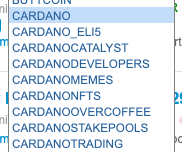
there's the main Cardano subreddit: r/Cardano
and also
r/CardanoNFTs
r/ada_meme
r/CardanoDevelopers
r/CardanoStakePools
& more
all of these have been a bit fragmented over the years, & quality is not always the best. but reddit can be what you make it if people contribute
1
4
41
26 Jan 2024
Highly recommend this spaces! This is our own #CardanoMinds & #CardanoDevelopers talking about their upcoming projects & #Fund11 proposals!
One thing I can see... mfrs outside #Cardano will be on-boarding to #Cardano without even knowing that it is #Cardano! And that is exactly the goal! Simply mind blowing!! $ADA FTW!! Very excited!!
This tweet is unavailable
2
7
527

10 Jan 2024
Exciting news for #erlang developers! 🎉
We're thrilled to announce the launch of our latest SDK in Erlang.
github.com/blockfrost/blockf…
Get it while it's fresh! And don't hesitate to report any bugs. 🐞 #CardanoDevelopers
2
8
1,305

14 Nov 2023
Cardano Unveils Ledger Sync: A Game-Changer for Developers crypto-news-flash.com/cardan… #BuyCardano #Cardanoblockchain #CardanoDApps #Cardanodevelopers
crypto-news-flash.com/cardan…
1
2
255

14 Nov 2023
Which language are you most familiar with? Share your experience with us below!
Explore more about the languages behind Cardano on-chain code at emurgo.io/press-news/the-pro…
#Cardano #EMURGO #CardanoDevelopers
1
8
863

19 Oct 2023
19 Oct 2023

And we just finished the paper for Mithril 2!
1
3
320

12 Oct 2023
🚨🚨🚨#CardanoCommunity #CardanoDevelopers If I wanted to start a small project on #Cardano that I will be funding myself and I need #Cardano #Developers where would I look to find these freelance individuals? Recommendations Please❗️❗️🚨🚨🚨Feel free to Msg and leave your info❗️❗️
1
3
4
317
3 Oct 2023
Working a 9-5 as a Senior Project Manager & Estimator, I always thought that was my path. 🕰️ Not wealthy, just an everyday retail investor like many of you. Then, I stumbled upon #Crypto, #Blockchain, and especially #Cardano. 🌍 My perspective shifted. The more I delved into it, the less it became about me and more about the immense potential to transform our world. We stand on the cusp of a revolution that can reshape humanity. Any regrets? Absolutely none. With #Cardano, my future shines brighter, and dreams feel possible again. 🚀✨ #EverydayInvestor #ChangeIsComing #Cardano $ADA #CardanoCommunity #CardanoEcosystem #CardanoDevelopers
5
157
11 Sep 2023
This tweet is unavailable
1
146
25 Aug 2023
#CardanoDevelopers The best part of #Cardano is also its various development teams. Being in software development for nearly 25 years in various roles, I can confidently say that software development is taken for granted and its a thankless job. When everything goes fine, its "expected" and when things don't go well, developers get the most blame in many situations! I have a very special respect to each and everyone developing on #Cardano! Developers contributing to core #Cardano and its incredible features as well as #Cardano dapp developers! It would be very unfair to name only some. So I don't want to mention anyone specific! But dear #CardanoDevelopers Cardano would not be what/where it is today without each one of you! Huge respect! Your ideas and dreams are what makes us all successful! If you are developing anything on core #Cardano or any dapps on #Cardano this tweet is a salute for you! $ADA FTW!
2
1
8
923