


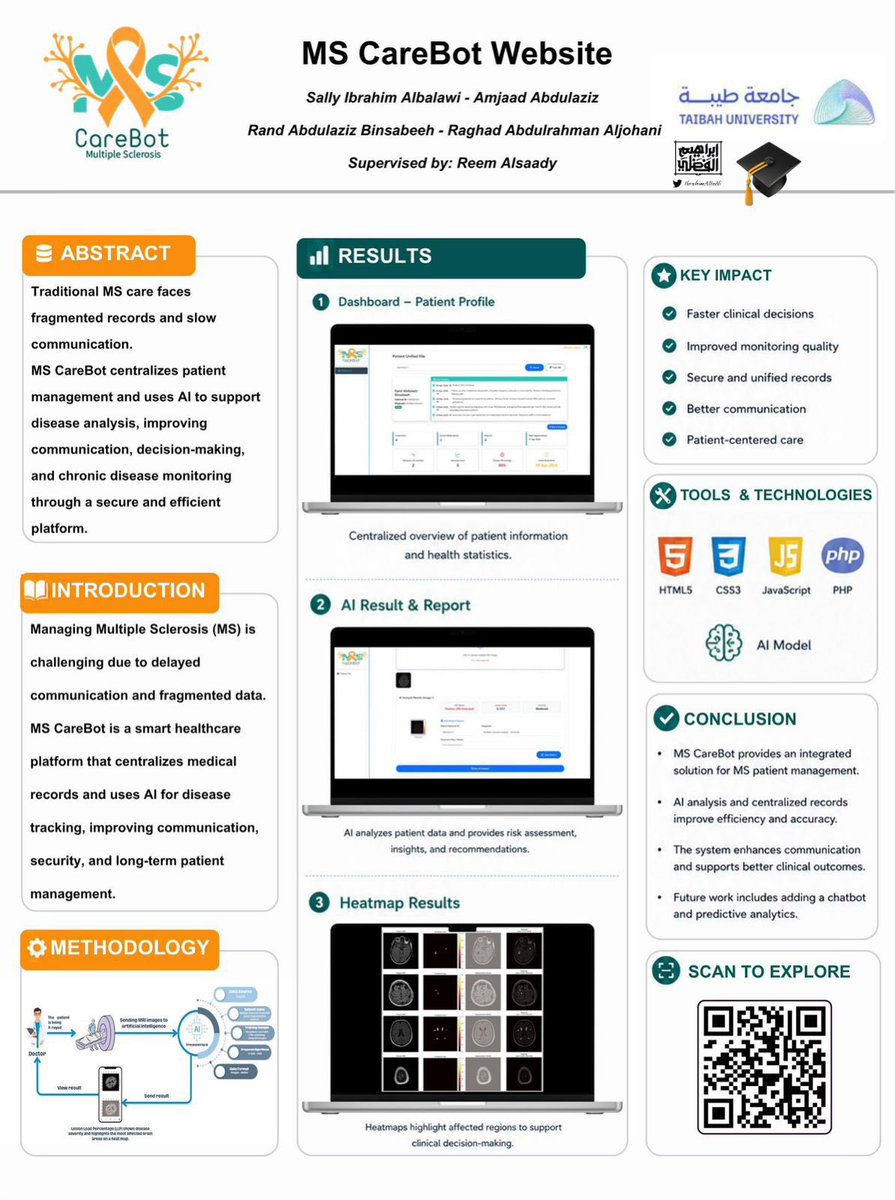
8️⃣ MS CareBot
👩🎓 سالي البلوي، أمجاد الأبرق، رند صبيح، رغد الجهني
👩🏫 أ. ريم الصاعدي
🎓 البكالوريوس - نظم معلومات
👏 ألف مبروك التخرج
1
5
961

Hi all Carebot followers, you may have noticed this account hasn't posted since January, this is because there is no free tier for API anymore and the service I was using needed it. It's time for carebot to sunset. I hope this account was a little light for you on your feed.
3
4
17
257

May 16
*getting spoonfed by the OpenAI CareBot after years of AI use destroyed my capacity to think, eventually leading to dementia at 40*
bro this is agentic as fuuuuuuuck
2
44

May 14
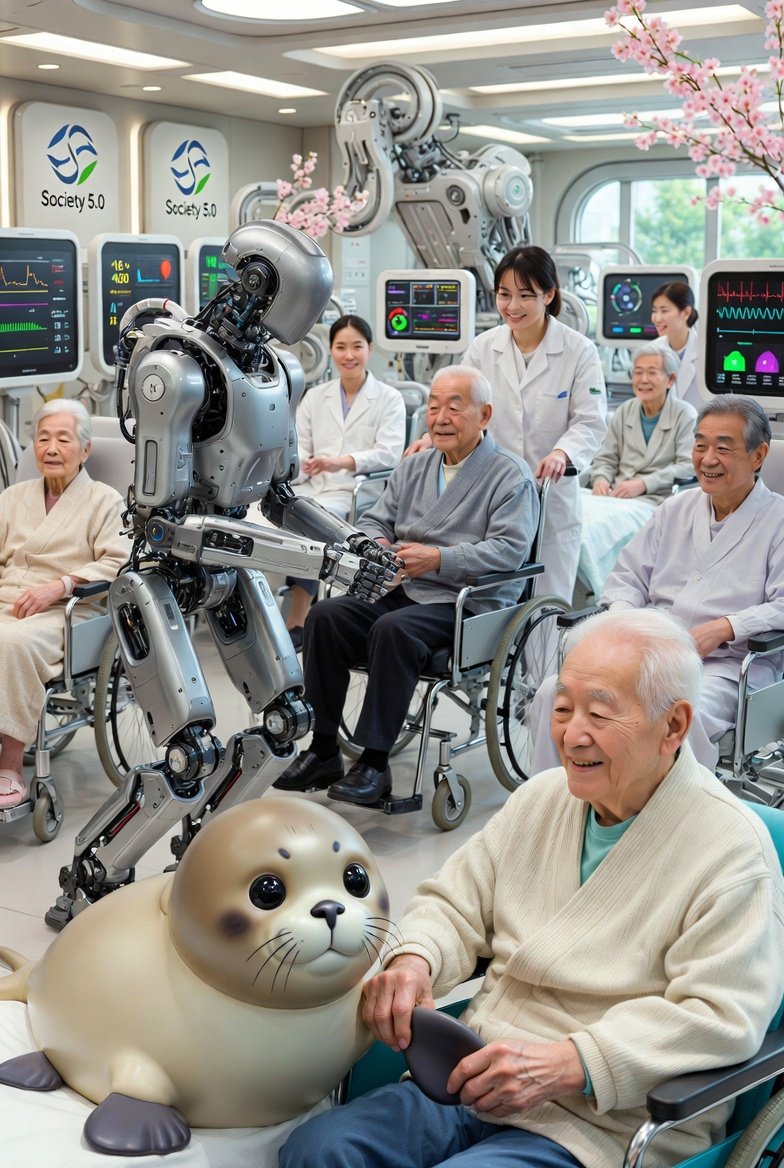
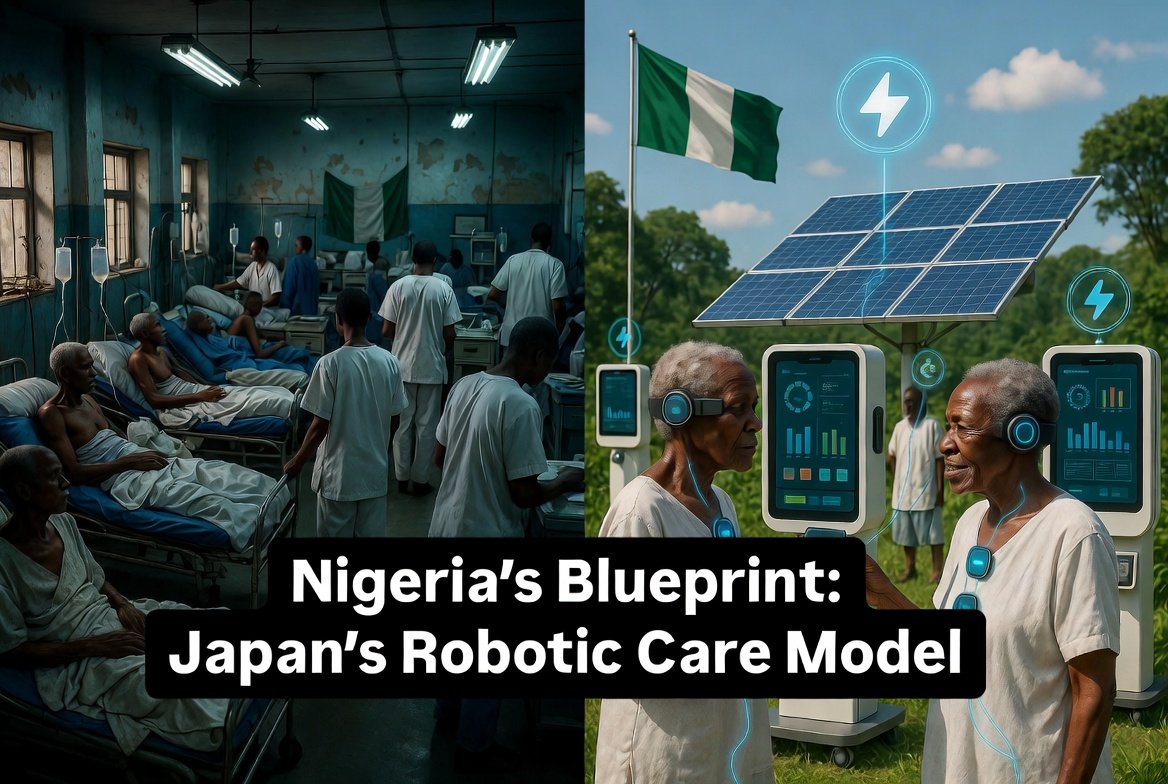
Hey Nigerians, Did you know Japan is saving its economy from a demographic collapse using an army of robotic caregivers? 🇯🇵🤖
While the world panics about an aging population, Japan's Society 5.0 initiative has turned robotic automation into a massive multi-billion-dollar economic engine.
This blueprint isn't just for Japan, it’s the exact cheat code Nigeria needs to fight the massive medical "Brain Drain".
A post you’ll want to 🔖 BOOKMARK 🔖 immediately.👇
Japan is facing a massive manpower crunch. By 2050, 40% of its citizens will be over 65. Instead of letting the economy stall because workers have to quit their jobs to care for elderly parents (a crisis known as kaigo rishoku), they deployed robots.
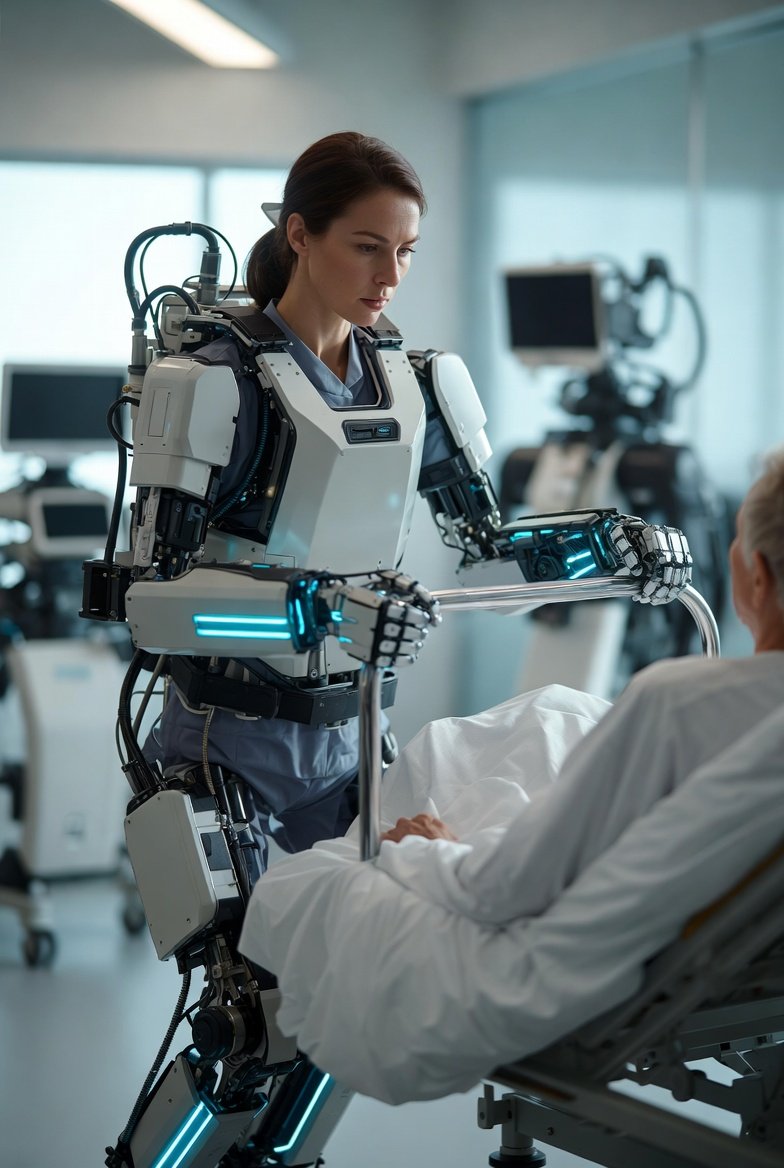
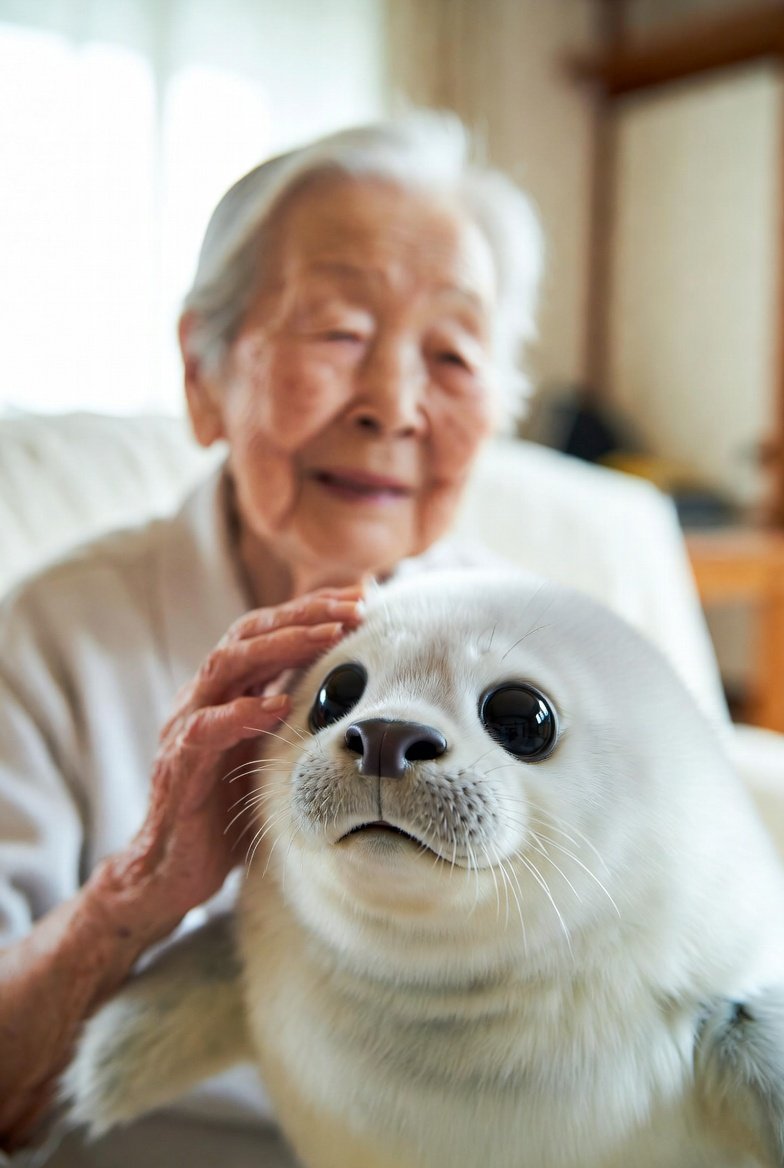
Meet the Carebots:
🤖 Robotic Exoskeletons (like HAL): Wearable robotic frames that multiply a human's physical strength, letting nursing staff lift patients completely effortlessly.
🧸 Therapeutic AI (like Paro): Robotic seals that reduce stress and cognitive decline in dementia patients.
The Economic Payoff is massive:
💰 Boosts GDP: Shifting care to robots keeps the human workforce inside factories and offices.
📉 Cuts Costs: AI-driven sensor networks monitor real-time health data, catching illnesses early and slashing national healthcare expenses.
📈 Industry Boom: The government injected hundreds of millions into subsidizing carebot manufacturing, creating a lucrative new global export market.
How does this apply to Nigeria? 🇳🇬
Nigeria is experiencing a severe healthcare crisis. Thanks to the massive "Japa" wave, thousands of our finest doctors and nurses are migrating abroad, leaving our local hospitals dangerously understaffed.
As younger Nigerians relocate abroad, thousands of elderly parents are left behind in rural and urban areas with limited local care.We can't build 50,000 new hospitals overnight, but we can replicate Japan’s automation model to bridge the gap.
Here is how Nigeria can replicate this model today:
📱 AI-Driven Remote Monitoring: Leverage Nigeria's massive mobile phone network. Deploy low-cost wearable sensors that track our parents' vital signs (blood pressure, glucose, falls) and instantly ping doctors via WhatsApp/SMS.
🏥 Telemedicine Hubs: Follow innovations like the Care365 Health Hub, setting up solar-powered digital kiosks in rural communities where an AI triages patients before linking them to an off-site doctor.
💻 Digital Care Management: Adopt software like CareSyntra, built by a Nigerian engineer, to digitize manual hospital notebooks into automated, error-free patient tracking.
Technology doesn't replace the human touch, it scales it. By adopting smart automation, Nigeria can comfortably manage the medical brain drain, protect our elderly, and build a resilient digital economy.
If this perspective opened your eyes, hit Retweet to share it, and Follow for more tech strategy breakdowns
#JapanRobotics #CareBots #Society5_0 #NigeriaTech #MedicalBrainDrain #JapaCrisis #RoboticCare
20
26
33
17,162

You can now check the progress on your base building! CareBot gives you tips throughout your base-building adventure on what brings your score to the next level.
PowerBots Builders: coming soon to Xbox & Steam!
#indiegames #indiedev #videogames #gamers #gamer #gaming #solodev
1
4
88

CareBot is live.
One AI. Five clinic roles. Zero admin chaos.
Receptionist. Doctor assistant. Patient support. Sales. Operations.
Built for the future healthcare.
#HealthcareAI
1
3
75

Feb 25
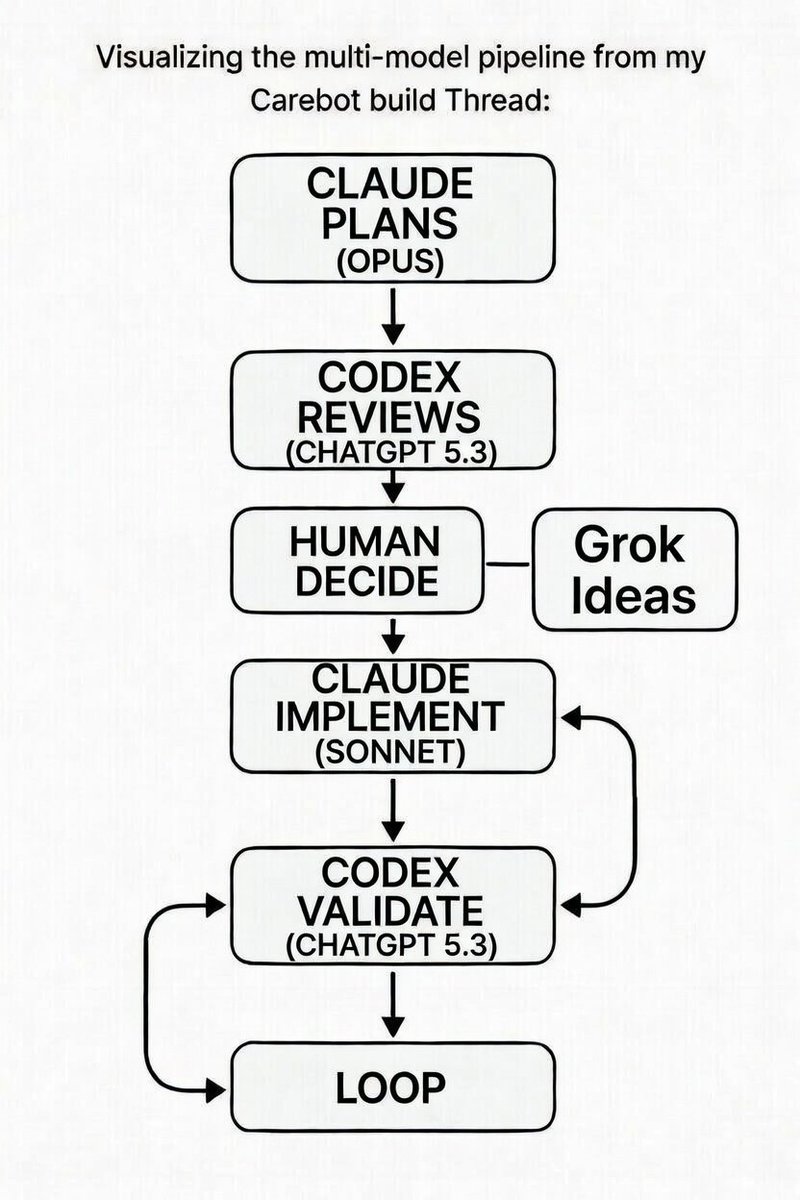
Visual of my multi-model pipeline for Carebot build:
Claude Opus plans → ChatGPT 5.3 reviews → I/Grok decide → Claude Sonnet implements → ChatGPT 5.3 validates → Loop back if needed.
This setup cut bugs dramatically. Full details & why emotion > utility in the Thread 👇
x.com/GlobalAgingAI/status/2…
What's your current AI orchestration flow? Drop it below! #AIBuilders #AgenticAI
Feb 25

1/8
Day 1: Spent hours debating product direction with Grok.
It hit me with a question I’d never considered:
Do you want to build a utility… or an emotion?
I chose emotion.
Utilities get replaced. Emotions create dependency.
In eldercare AI, the future isn’t features—it’s emotional attachment. Whoever nails this wins. 🔥
1
4
306


Praying that happens. We are a childless home and are fully prepared to invest in a carebot! It'd allow us to stay in our home and live independently a little longer. There has to be a market for this! ❤️
1
3
45
We are a childless home and are planning on investing in a carebot closer to retirement so we ca stay in our home longer. ❤️
1
30
For MENA clinics, AI is about stability, continuity, and smooth ops.
The region needs AI personnel now to absorb rising demand, cover 24/7 access, and prevent staff burnout.
Read further on: ensan.ai/blogs/intelligence-…
#AI #CareBot #EnsanAI #HealthcareAI #Healthcarebottlenecks
1
2
5
27

Jan 9
多言語対応 デスクトップ型ケアボット (試作機)
youtu.be/_v77-uoLDIQ
#CareBot #AIcompanion #MultipleLanguages #interaction #FourierRobots
1
16
74
6,201
2026 is about working with AI more responsibly. Launching our first full Ensan, CareBot, an AI employee improving how healthcare runs daily ops, connects patients, and scales care.
Comment "hi" to understand how clinics manage operations from the front desk to patient engagement
1
2
6
44

30 Dec 2025
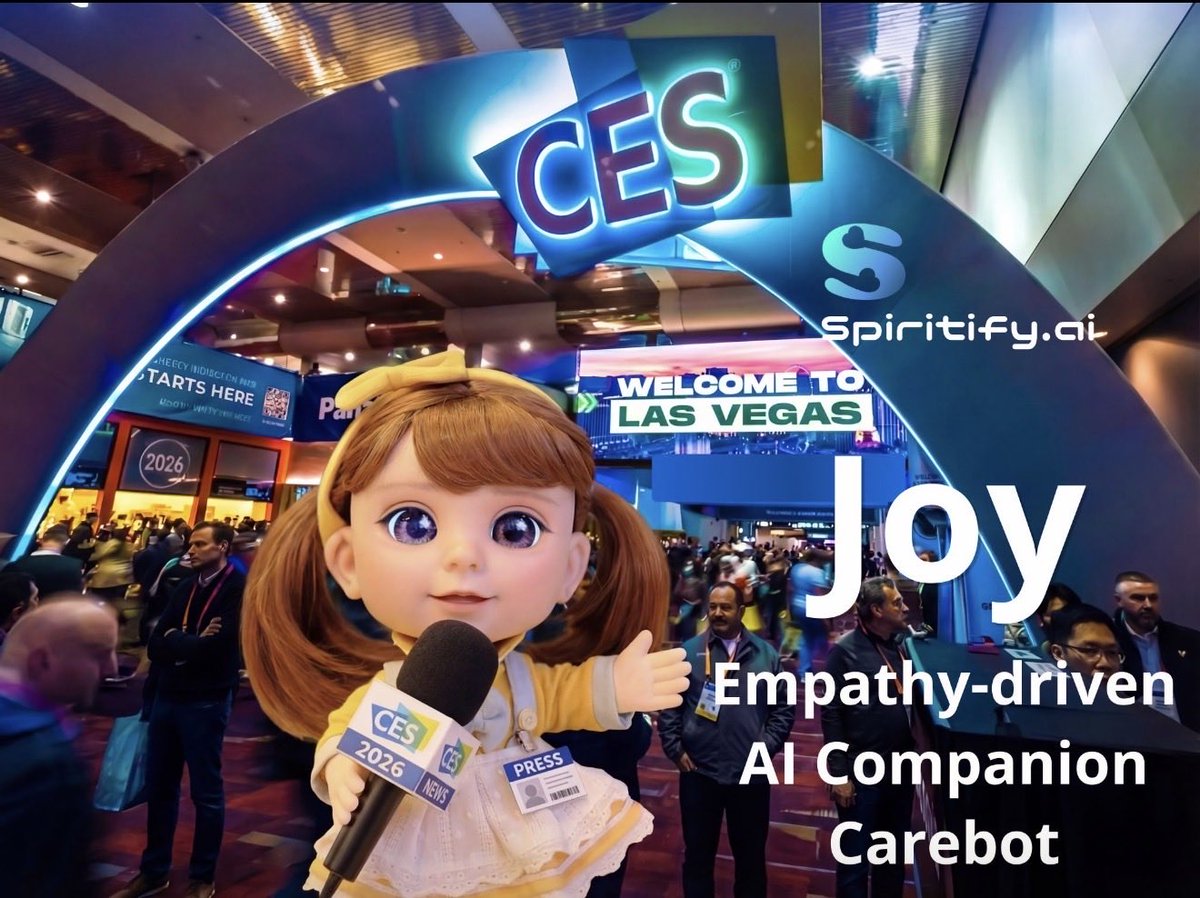
Joy is heading to #CES2026 🤖💛
Meet Joy — the world’s first empathy-driven AI companion carebot, roaming the CES floor as a brand ambassador, field reporter, and human connector.
She speaks 140 languages, captures leads, and brings crowds together.
#PhysicalAI #CES2026
4
141

27 Dec 2025
Boston Startup Puts a $699 Price Tag on Its Vision for AI Companionship
A Boston embodied AI startup just emerged from stealth with its first commercial product: an AI-powered, doll-like robot to address loneliness.
Spiritify AI calls its tabletop robot, Joy, an "AI companion carebot for a happier and healthier life." Standing 33 cm (13 inches) and weighing 4 lbs (1.8 kg), Joy has a toy-like appearance with oversized blue eyes, a smooth childlike face, and brown hail in pigtails. Spiritify positions Joy as "AI for Good."
Spiritify is led by Sunny Sun, a Boston-based technology executive who previously served as a VP at the global financial services firm State Street, where she worked on applying artificial intelligence to security, risk, and complex enterprise environments. She defines Spiritify's mission as advancing its so-called LACAE values, which is short for Love, Appreciation, Compassion, Acceptance, and Empathy.
According to the startup, Joy can hold conversations in 140 languages, provide medication and routine reminders, track emotional well-being, and record personal moments with a built-in life-journaling feature. Its speech, vision, emotion recognition, and agentic decision-making are powered by the startup’s proprietary AIoT platform called Spiritify AI Brain.
Joy is priced at $699 for home users and $1,699 for care facilities. Families are encouraged to add a $59-per-month HomeCare plan, which covers companionship, reminders, memory care, emotional monitoring, wellness content, and caregiver tools. Institutions are pushed toward a $999-per-month ProCare plan that adds enterprise features like staff dashboards, analytics, branded companions, and centralized AI management.
Spiritify is entering a crowding market that's reminiscent of the late 2010s wave of desktop companion robots that largely failed. Investors are banking on rapid advancements in AI in recent years make next-generation robotic companions stickier than products like Jibo and Moxie. Analysts expect the market for AI companion and social robots to grow from a few billion dollars today to tens of billions by 2030, though that forecast dependent on public sentiment toward AI and continued investor appetite for robotics.
1
4
7
1,560

19 Dec 2025
I just want a Carebot so I don't have to rely on the sickness industry when I'm 85 . Hoping to have one in the next ten years to work out all the kinks before then.
3
530

1 Dec 2025
delivered voxhire, carebot, mm&b and more
now making it accessible for everyone
new pricing (30% off):
→ $800 starter mvp
→ $1200 professional
→ $1500 business
same 3 week timeline
your turn to build
check below
1
4
40
28 Nov 2025
referral pattern unlocked 🔓
pmbc web3: $4000
↓
carebot physio: $800
lagree studio: $1200
one good project → family network activated
wasn't even asking for referrals
just building well 🛠️
2
34
20 Nov 2025
pmbc referral chain hitting different:
web3 project → carebot physio referral
same client → wife's studio referral
$1200 from trust built on $4k delivery
referrals > cold dms forever 🔥
4
31