
Feb 9
🔍🤔 Ever zoomed into a chip and thought, “There’s data in there somewhere?”
Join @reivilo_t at #hw_ioUSA2026 to learn how ROM circuitry works, how scrambling is implemented, and how to recover the original data.
👉hardwear.io/usa-2026/trainin…
#ROM #reverseengineering #chipsecurity

2
10
919

10 Dec 2025
🚀 NvidiaがAIチップ追跡ソフトをテスト中
密輸疑惑を受け、位置追跡できる新ソフトを試験導入
まずは「Blackwell」チップで展開予定
国ごとの所在確認が可能に
🔗 techcrunch.com/2025/12/10/nv…
#Nvidia #AI #半導体 #ChipSecurity
2
52

10 Dec 2025
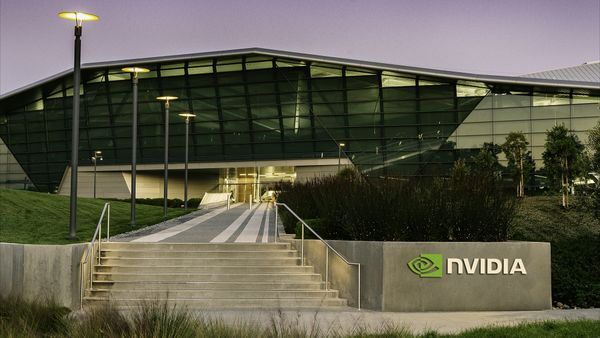
Exclusive: Nvidia has developed location-verification tech for its AI chips.
It can confirm which country a GPU is running in. The goal: stop export-banned chips from being smuggled into restricted regions.
A major shift in AI hardware security.
#AI #Nvidia #ChipSecurity #TechNews #Semiconductors
5
38

13 Aug 2025
Latest fron #DRGlobal: China Questions Security of AI Chips From NVIDIA, AMD darkreading.com/cyber-risk/c… #darkreading #cybersecurity #chipsecurity
1
1
4
2,573

13 Aug 2025
Intel, AMD, and Nvidia issued multiple advisories addressing vulnerabilities in processors, drivers, and AI frameworks. Issues include privilege escalation, remote code execution, and side-channel attacks. #ChipSecurity #TechVulnerabilities #USA
ift.tt/dEgWAax
1
2
90

10 Aug 2025
🚨 LEAKS: China Flags Nvidia H20 Chips as Unsafe — Security Concerns Ignite Tensions $NVDA
Chinese state media, via a WeChat account linked to CCTV, has publicly questioned Nvidia’s H20 AI chips, calling them “neither technologically advanced nor environmentally friendly,” and raising alarms over alleged hardware “backdoors” that could enable remote shutdowns or tracking.
This critique follows a formal summons by China’s Cyberspace Administration, which demanded explanations from Nvidia about potential vulnerabilities in its H20 chips—despite the U.S. recently lifting its export ban on these units.
Nvidia swiftly and forcefully responded:
Its Chief Security Officer denied any inclusion of backdoors, kill-switches, or spyware in its GPUs.
Calls for these features, particularly in U.S. legislation like the Chip Security Act, were labeled dangerous and counterproductive—echoing past industry failures like the Clipper Chip incident.
Why This Matters — A Tech, Trade, and Trust Flashpoint
Geopolitical ripple effects: Nvidia’s H20 chips sit at the crossroads of U.S.–China tech tensions—influence over AI dominance hinges on access to deep-pocket GPU technology.
Security vs. commerce: China’s wariness signals the fragility of tech trust in contested markets; even renewable approvals can unravel quickly.
Market risk exposure: While Nvidia’s AI leadership remains strong ($NVDA), any shift in Chinese demand or regulatory posture could introduce substantial volatility.
Key Related Tickers:
$NVDA – GPU titan, AI infrastructure backbone
$INTC, $AMD – U.S.-China chippower competitors
$TSM, $ASML, $AVGO – semiconductor supply chain links
Bottom Line:
Nvidia is under the microscope—literally. Even as H20 exports resume, concerns about embedded surveillance controls threaten its standing in China. This is more than a tech feud—it’s a geopolitical trust test.
#NVDA #ChinaTech #ChipSecurity #AIGeopolitics #TechTrust #USChina #H20Chips #TradeLeaks
2
4
355

9 Aug 2025
4/5 : Action 2: Push DoD to prioritize Intel for Secure Enclave deals. If Apple or Qualcomm commit to 18A node, Intel’s valuation could jump $10B. That’s $2.38/share, boosting stock 10%. #ChipSecurity #Trump
1
1
92

6 Aug 2025
Taiwan has detained three individuals for allegedly stealing trade secrets from TSMC.
The case underscores rising tension over intellectual property i.e. semiconductor.
Reuters 🔗 reuters.com/video/technology…
#TSMC #Semiconductors #ChipSecurity #AIchips #TrendingTech
3
74

2 Aug 2025
China’s CAC Summons NVIDIA Over H20 Chip Backdoor and Tracking Concerns
According to PandoraTech News, China’s Cyberspace Administration (CAC) summoned NVIDIA on July 31 regarding serious security concerns with its H20 AI chips sold in China. The regulator cited potential “backdoors” and tracking functionalities, demanding technical explanations and risk documentation in accordance with China’s Cybersecurity Law, Data Security Law, and Personal Information Protection Law.
This follows calls from U.S. lawmakers urging mandatory inclusion of tracking and remote shutdown functions in advanced chips exported abroad. Chinese AI security experts have also warned about these capabilities being “technically mature” in NVIDIA hardware.
The CAC’s move signals heightened scrutiny of foreign critical infrastructure suppliers and a more assertive approach to national data and AI security.
Full Article & Analysis Here 👇
pandoratech.com/newsDetail/1…
PandoraTech - Unlocking the Pandora Box of Blockchain
#NVIDIA #H20Chip #BackdoorVulnerability #ChinaCybersecurity #CAC #AIHardware #ChipSecurity #TrackingTechnology #RemoteShutdown #ExportControls #DataSovereignty #AIRegulation #SupplyChainSecurity #TechGeopolitics #PandoraTechNews
1
2
89

31 Jul 2025
国家网信办约谈英伟达:H20芯片存安全风险
哈世链闻消息,近日,国家互联网信息办公室就英伟达H20算力芯片的安全漏洞问题进行了约谈。此前,美国议员要求出口的先进芯片具备“追踪定位”功能,而这一技术已经成熟。网信办要求英伟达公司对向华销售的H20算力芯片漏洞问题做出说明,并提交相关证明材料。
#Cybersecurity #TechNews #NetworkSecurity #Innovation #ChipSecurity
3
3
1,613

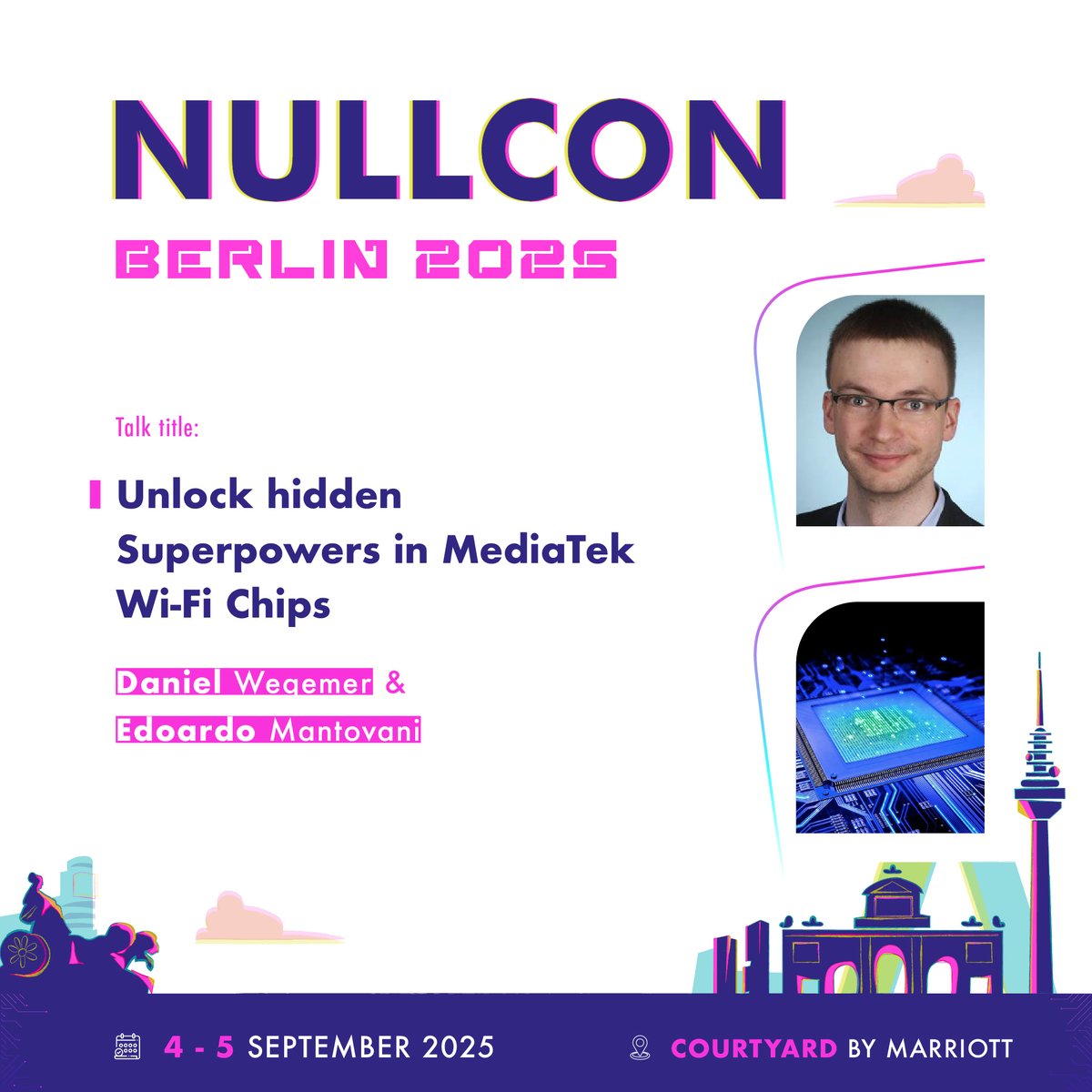
What's inside the #MediaTekchips powering your Wi-Fi?
🤔 At #NullconBerlin2025, Daniel Wegemer & Edoardo Mantovani reveal how they reverse engineered the firmware, cracked hidden security, and discovered secret features like ICAP & CSI
👉 nullcon.net/berlin-2025/spea…
#chipsecurity
1
2
6
1,271
30 May 2025
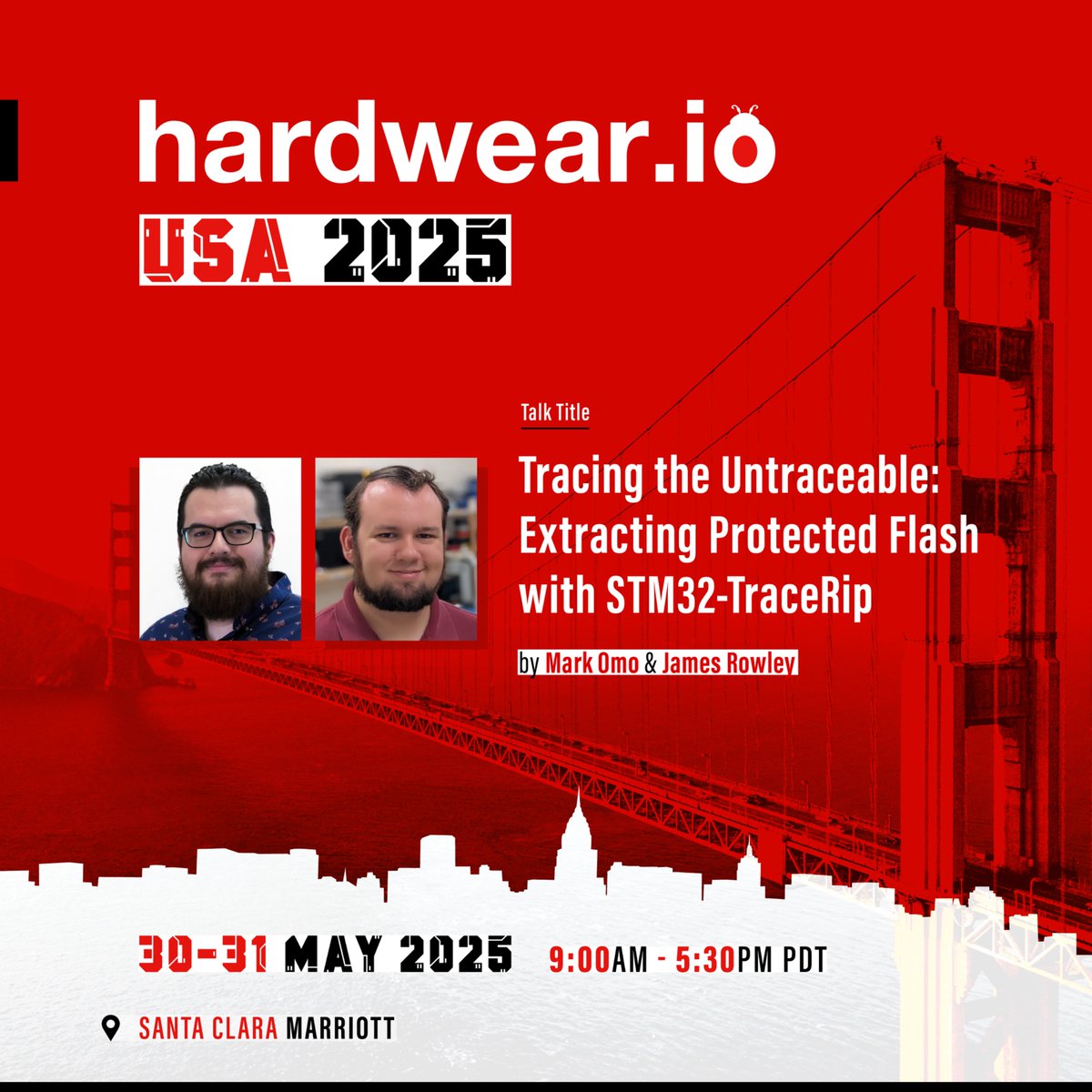
This isn’t just a bug—it’s a blueprint🧠📘
Mark Omo; James Rowley reverse-engineered protected flash on STM32G0, F0, F1, & more using CRC boot traces
Millions of devices rely on these chips. Thats why this work matters at #hw_ioUSA2025
👉hardwear.io/usa-2025/speaker…
#chipsecurity
1
2
544
2 May 2025
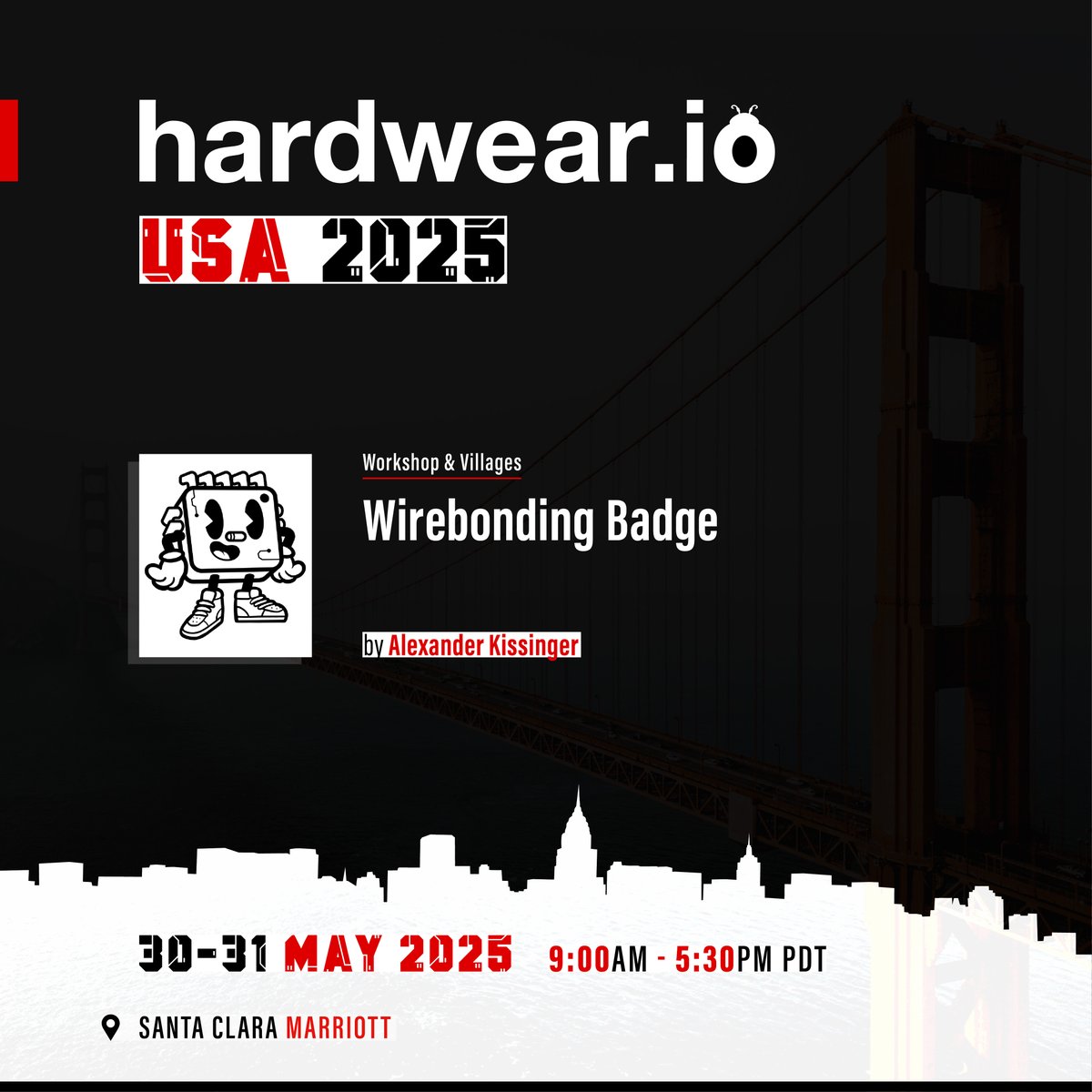
👀 Take a Peek Inside a Chip—Then Build One!
Join Alexander Kissinger at #hw_ioUSA2025 for his workshop that will give you real hands-on experience with silicon dies, packing, and wirebonding.
Know More: hardwear.io/usa-2025/speaker…
#chipsecurity #microchip #hardwaresecurity
4
9
1,298
1 May 2025
🧨 We Broke STM32 RDP—With Boot-Time CRCs and a Bit of Creativity
Say hello to Mark Omo and James Rowley at #hw_ioUSA2025. They’re bringing STM32-TraceRip: a tool for grabbing traces even when protection’s on.
Know More: hardwear.io/usa-2025/speaker…
#STM32TraceRIP #chipsecurity
3
464
25 Oct 2024
🌐 Dive into the fascinating world of side-channel analysis! Discover how to extract cryptographic keys 🔑 and why real-world hardware security testing is crucial.
@jzvw at #hw_ioNL2024
Know More: hardwear.io/netherlands-2024…
#chipsecurity #sandbox #faultinjection

1
2
6
657
12 Sep 2024
🚀🛡️ Push the boundaries of chip security: How to leverage gate-level simulation and triple modular redundancy (TMR) to enhance picorv32 core for rigorous testing
Join @jzvw at #hw_ioNL2024
Learn More: hardwear.io/netherlands-2024…
#chipsecurity #sandbox #faultinjection

4
7
1,002

28 Aug 2024
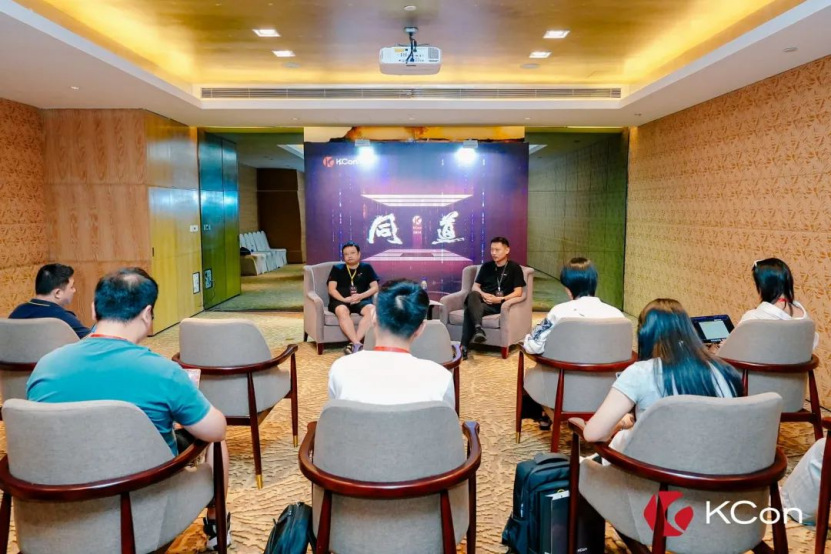
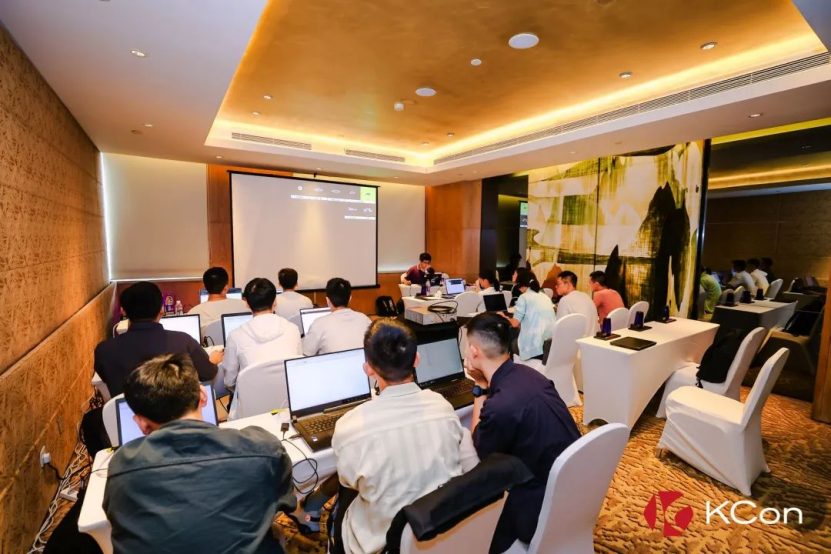
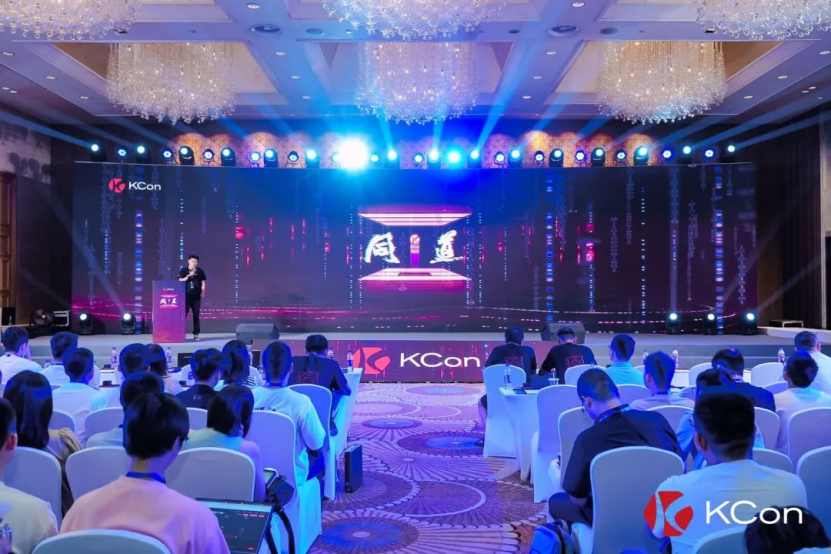
🚀 Exciting News from #KCon2024! 🎉
Aladdin Cyber Security, in collaboration with our esteemed partner Knownsec, is thrilled to be part of this groundbreaking event! 🌟
At this year’s KCon, we’re diving deep into the future of cybersecurity with a dynamic Show Case featuring 20 expert speakers. From the latest in AI large models and vehicle networks to cutting-edge discussions on chip and cloud-native security, and insights on APT attacks – we've got it all covered! 🤖🔒
Our speakers include a mix of front-line cybersecurity professionals, academic researchers, and independent security analysts, each bringing unique perspectives and hands-on experience to tackle today’s most pressing cyber challenges. 🔍💬
A huge thank you to our media partners and security tech communities for their unwavering support! 🙌 With coverage from top outlets like China Information Security, IT168, and Lei Feng Net, and backing from 13 influential security tech communities, we’re all set for an insightful and impactful event. 🌐
Join us in pushing the boundaries of cybersecurity and embracing the wave of digital innovation! 💪
#AladdinCyberSecurity #Knownsec #TechInnovation #CyberSecurity #KCon2024 #AI #CloudSecurity #VehicleNetworks #ChipSecurity #APT #CyberTrends #Kcon
4
136
5 Aug 2024
This #BHUSA research reflect on past chip vulnerabilities and explore emerging threats. Could Intel Have Fixed Spectre & Meltdown Bugs Earlier? informatech.co/3StI2Hd #firmware #chipsecurity
3
6
2,735
30 Jul 2024
This #BHUSA research reflect on past chip vulnerabilities and explore emerging threats. Could Intel Have Fixed Spectre & Meltdown Bugs Earlier? informatech.co/3StI2Hd #firmware #chipsecurity
2,690
29 Jul 2024
This #BHUSA research reflect on past chip vulnerabilities and explore emerging threats. Could Intel Have Fixed Spectre & Meltdown Bugs Earlier? informatech.co/3StI2Hd #firmware #chipsecurity
4
3
2,643