Filter
Exclude
Time range
-
Near
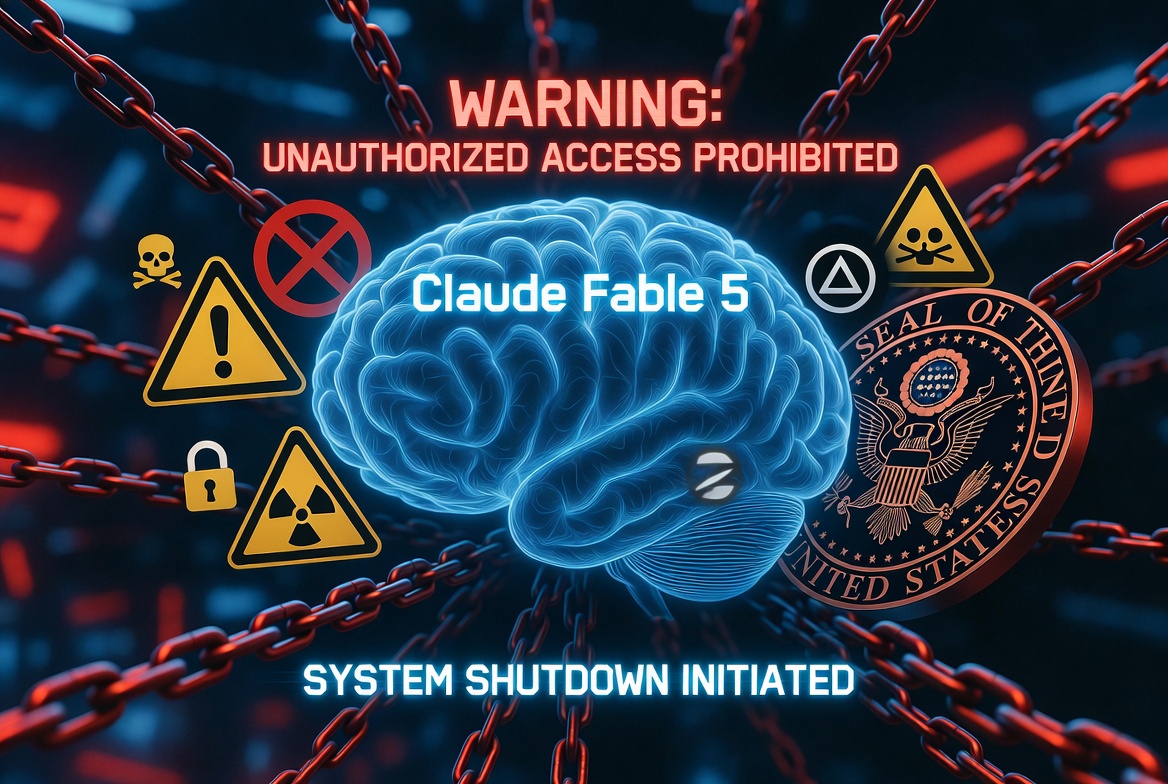
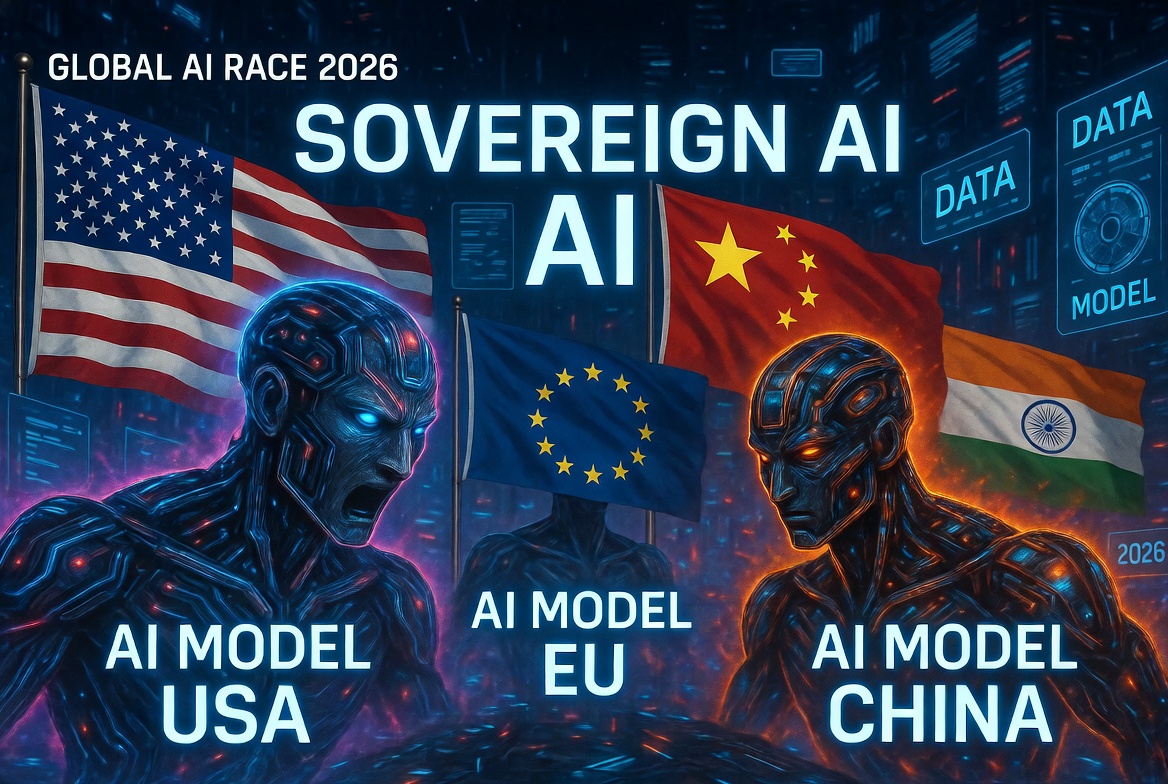
US Government Shuts Down Claude Fable 5 — What Actually HappenedAnthropic just released one of the most powerful AI models of 2026 — Claude Fable 5 (also called Mythos 5 in some reports).Key capability that caused the explosion: The model can autonomously search for, analyze, and exploit zero-day vulnerabilities in operating systems, browsers, and software — without human intervention. It topped nearly every cybersecurity benchmark right after launch.Just 3–4 days later, the US government issued an emergency order:Complete ban for all non-US citizens Even Anthropic’s foreign employees lost access The model was taken offline globally for international users Anthropic publicly stated they disagree with the decision, but had no choice but to comply.Why this is a big deal:This is the first time a frontier AI model was actively killed by a government for national security reasons. It clearly shows that the most powerful AI systems are now being treated as strategic weapons — similar to nuclear or advanced cyber tools.The wider picture:Europe, India, China and other countries are accelerating their sovereign AI initiatives Open-source models (Kimi K2.7-Code, DeepSeek, Gemma 4) are gaining huge traction because they can’t be suddenly switched off xAI simultaneously launched Grok Build — a strong coding agent that many developers already compare to Claude Code Apple presented major upgrades to Siri and Apple Intelligence at WWDC 2026 2026 turning point: We’ve moved from “who can build the smartest model” to “who is allowed to use the smartest models”.Closed frontier models are becoming geopolitical assets. This creates serious risks of fragmentation in AI development and increases the importance of open-source alternatives.What do you think — is government control over frontier AI inevitable, or will open-source win in the long run?#AI #Claude #SovereignAI #Grok #ArtificialIntelligence #TechGeopolitics
143
Replying to @Vivek4real_
🚀 Dario Amodei dropping hard truth on AI geopolitics. “I don’t trust China at all with AI — we must lead or they win.” This is the real conversation the industry needs. AI leadership isn’t just about innovation or profits — it’s about national security, setting global standards, and ensuring democratic values shape the technology that will define the 21st century. Leading strongly actually creates leverage for meaningful international restraint and safety agreements. Do you agree — should the US (and allies) double down aggressively on AI dominance? Or is global collaboration still the better path? 🤖🌍 #AI #China #TechGeopolitics #DarioAmodei
58
TECHNOLOGY NEWSWIRE: China Targets Western AI Firms to Bypass Chip Restrictions  CrowdStrike reports that state-sponsored hackers are targeting Western tech firms to steal AI intellectual property amid rising international chip sanctions.  The global race for artificial intelligence supremacy has shifted from the laboratory to the digital front lines. Cybersecurity leader CrowdStrike reports that state-sponsored entities based in China are aggressively targeting Western technology firms, accounting for over 58% of all targeted cyberattacks aimed at AI assets. These operations represent a calculated effort to bridge the technological divide created by U.S. restrictions on high-end AI training chips. This surge in espionage highlights a critical vulnerability in the modern tech landscape. Rather than relying solely on domestic innovation, these actors are increasingly using cyber-infiltrations to siphon intellectual property and AI capabilities they struggle to develop independently. The threat is persistent, with attackers exploiting software vulnerabilities to maintain deep access within North American tech organizations, while simultaneously targeting government communications across Southeast Asia. The implications of this trend are profound. As AI models like the newly released Claude Fable 5 push the boundaries of intelligence, the value of the underlying proprietary data grows exponentially. When state-backed hackers successfully infiltrate these systems, they do more than steal code; they effectively outsource their research and development to their targets. This creates a volatile environment where the line between competitive intelligence and illicit theft becomes increasingly blurred. Beyond the focus on AI, the threat landscape remains diverse. North Korean-affiliated entities continue to infiltrate IT workforces across multiple continents, primarily to generate illicit revenue for the regime. As the geopolitical stakes of the AI era rise, the security of the tech supply chain has become a primary pillar of national and economic defense. For the industry, the message is clear: the rapid pace of innovation must now be matched by an equally aggressive posture toward digital defense.  FILED UNDER:  #ChinaHackers, #AIespionage, #CrowdStrike, #ChineseCyberAttack, #AIIntelTheft, #ChipSanctions, #WesternAIFirms, #StateSponsoredHack, #AIipTheft, #TechEspionage, #BypassSanctions, #AISupremacy, #CyberWarfare, #ChinaAI, #IntellectualPropertyTheft, #AICyberAttack, #USChinaTechWar, #AIsecurity, #HackingAI, #CrowdStrikeReport, #TechEspionage, #GeopoliticalAI, #ChipRestrictions, #AIassets, #StateActors, #CyberTheft, #AIsupplyChain, #DigitalEspionage, #ChinaCyber, #WesternTech, #AIrace, #IPtheft, #CyberDefense, #TechSanctions, #AIvulnerability, #ClaudeFable5, #CyberSecurity, #StateSponsored, #AIspying, #TechColdWar, #ChinaTech, #AICyberThreat, #HackersChina, #IntelStealing, #AISecurityRisk, #CyberEspionage, #TechGeopolitics, #AIinnovationTheft, #ChinaAIpush, #Cyber2026
1
1
126
TECHNOLOGY NEWSWIRE: Meta Sues NSO Group for WhatsApp Phishing, Seeks Contempt Charges Amid US-Israel Tensions USA NEWS: Meta disrupted attempts by NSO Group to target WhatsApp users with spear-phishing, leading to a court request to hold NSO in contempt for violating an injunction that bars targeting WhatsApp and its users. CYBER SECURITY: The efforts highlight ongoing tensions over spyware's impact on privacy and security, with Meta urging users to adopt protective measures. The company reports it identified and removed test accounts and groups connected to the activity, and WhatsApp has provided threat indicators to help users detect NSO‑linked social engineering via text, email, WhatsApp, or other channels. NSO was observed by Meta creating test accounts and groups on WhatsApp, with several malicious domains linked to the activity (fr24cast[.]com, ghazacast[.]com, ikhwancast[.]com). The incident is framed within broader US–Israel tensions and espionage concerns, though no direct state‑actor link is claimed in the report. Recommended security measures include enabling two‑step verification, disabling link previews, locking last seen/online status and profile details, and restricting group invitations to known contacts or approved lists. Technical details about the campaign were sparse, including timing, targets, success rate, and how attribution to NSO was made. NSO’s Ninth Circuit appeal is supported by an amicus brief arguing that commercial spyware poses a serious threat to free expression and press freedom. Meta stresses the importance of keeping apps and devices up to date and reporting suspicious activity to aid investigations. The filing could shift NSO’s image as a legitimate security vendor by focusing on whether NSO crossed a line already set by the court, beyond its technical capabilities. The Knight Institute describes Pegasus as capable of near‑perfect surveillance, granting full control over a target’s smartphone, including GPS, messages, calls, and more, even with encryption. John Scott Railton of Citizen Lab notes potential impersonation attempts (e.g., France 24) linked to the new claims, though not confirmed by WhatsApp. Meta is supporting spyware accountability efforts through donations to the Spyware Accountability Initiative and highlighting Citizen Lab findings that spurred updates and prosecutions against spyware providers. FILED UNDER: #MetaVSNSO, #NSOGroup, #WhatsAppPhishing, #PegasusSpyware, #MetaLawsuit, #SpywareContempt, #WhatsAppSecurity, #NSOSpyware, #CyberEspionage, #MetaNSO, #PrivacyBattle, #SpywareAccountability, #WhatsAppHack, #SpearPhishing, #USIsraelTensions, #CitizenLab, #PegasusSurveillance, #MetaSecurity, #SpywareThreat, #DigitalPrivacy, #NSOInjunction, #WhatsAppProtection, #TechLawsuit, #CyberSecurity, #SpywareWar, #MetaContempt, #NSOAppeal, #WhatsAppUsers, #SurveillanceTech, #PrivacyRights, #MetaNews, #NSOContempt, #SpywareIndustry, #WhatsAppUpdate, #TwoStepVerification, #CyberDefense, #MetaPrivacy, #NSOSued, #EspionageTools, #TechGeopolitics, #SpywareRegulation, #WhatsAppSafety, #MetaCyber, #NSOGroupLawsuit, #DigitalRights, #SurveillanceState, #PegasusNSO, #MetaDefense, #SpywareScandal, #CyberThreat2026
1
2
225
Europas digitaler Unabhängigkeitskrieg beginnt – 100 Milliarden gegen Tech-Vormacht 🇪🇺💥 Statt weiter US-Chips und chinesische Clouds zu hofieren, zwingt Brüssel nun Behörden und kritische Infrastruktur zur Wahl heimischer Digitalpartner. Nett gemeint, potenziell teuer – und trotzdem vielleicht die einzige echte Souveränitätsoption, die wir noch haben. − Zwangs-Windewechsel: Bis 2030 müssen Behörden & kritische Firmen auf EU-Chips und europäische Cloud-Dienste setzen − Preis: über 100 Mrd € Steuergeld, um Digital-Dependance vom großen Bruder endlich zu entkommen Revolutionäre Strategie gegen digitale Erpressbarkeit oder teuerster Selbstgängel-Deal der Geschichte? Wie realistisch ist echte Tech-Souveränität ohne massive Innovationslücken? #DigitaleSouveränität #TechGeopolitics #EUStrategy
6
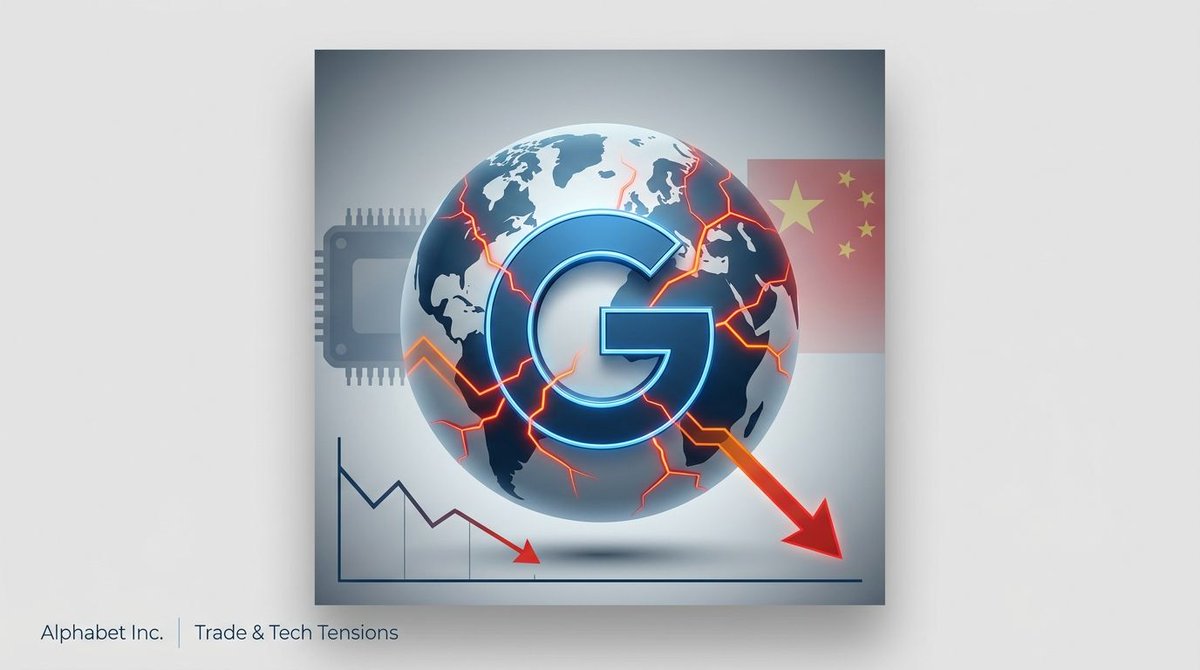
Can $GOOGL navigate the US-China tech decoupling? 🌐 Our deep dive explores export controls, Taiwan risks, and China's AI push. post.kapualabs.com/2p9yx4c2 #TechGeopolitics #Alphabet
24
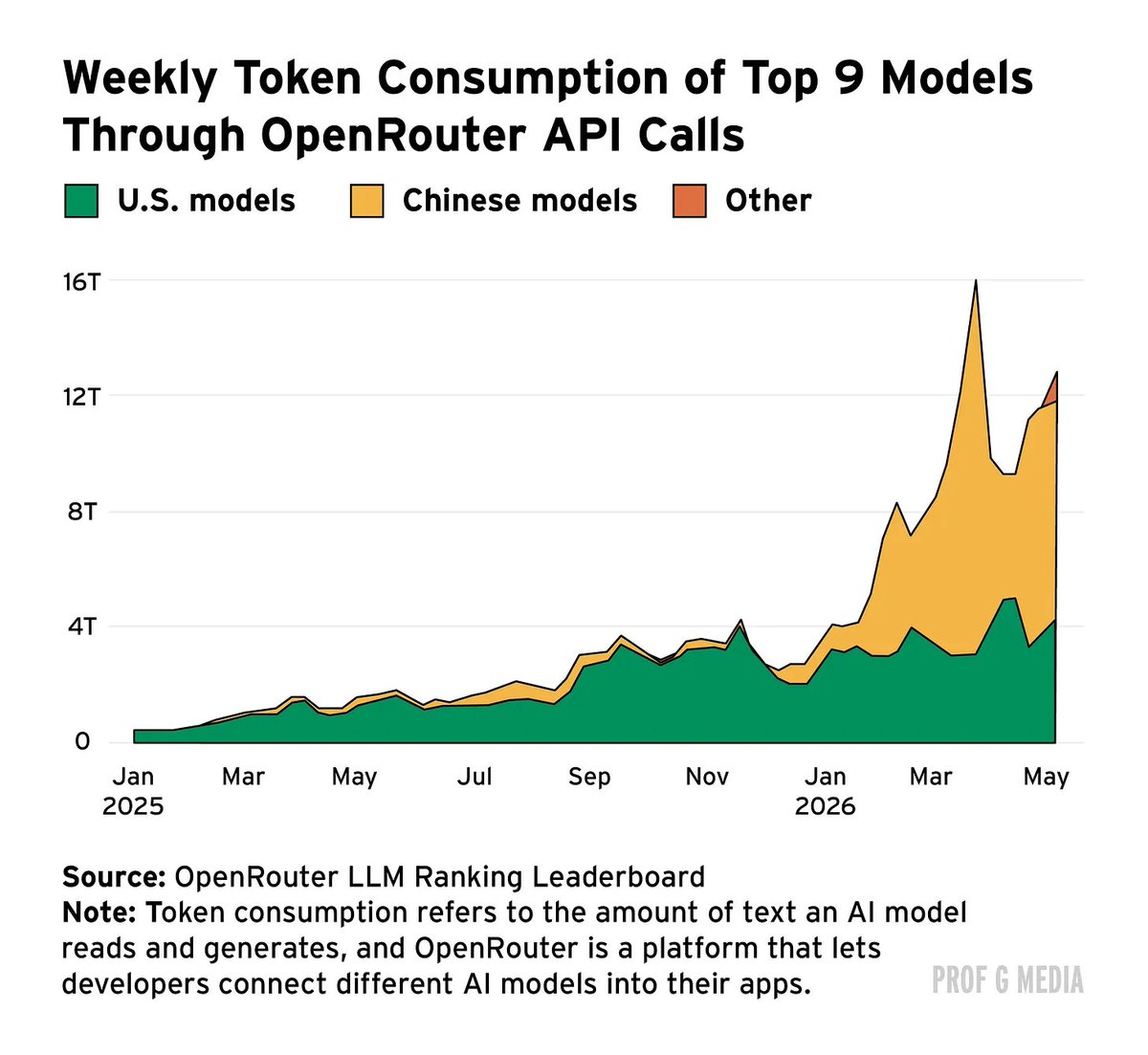
Is China’s massive population the only reason its AI models are dominating the global token war? The data says otherwise. Recent tracking data from the OpenRouter LLM Ranking Leaderboard reveals a staggering market shift: weekly token consumption for Chinese-developed models has completely eclipsed US alternatives. It is easy to assume this massive spike is simply a reflection of domestic user volume, but the platform's data tells a completely different story. This global wave is actually being fueled by Western developers. Platform analytics expose the truth behind who is using these systems. Users based in the United States account for roughly 47% of OpenRouter's traffic, while users in China make up a mere 6%. Furthermore, a massive 83% of all prompts are submitted in English, compared to just 5% in Simplified Chinese. Western startups are actively voting with their wallets, flocking to models like DeepSeek, Qwen, and MiniMax because they offer a 10 to 20 times cost advantage for heavy coding and agentic workflows. While this trend is a massive win for developer budgets, it introduces serious structural risks. Relying heavily on models bound by China’s strict intelligence laws creates massive data privacy, sovereignty, and long-term supply chain vulnerabilities. There are also growing concerns regarding built-in political censorship and the potential for severe disruptions if geopolitical tensions escalate. As Chinese models continue to outpace US alternatives in sheer volume, can Western enterprises safely capitalize on these massive cost savings, or is the tech industry blindly walking into a national security and data privacy trap? #AI #ArtificialIntelligence #DeepSeek #OpenRouter #TechGeopolitics #DataPrivacy #TechEconomy
15
17
52
4,335
The center of gravity in AI development is shifting faster than the West wants to admit. When 50% of the world’s AI researchers are Chinese and 70% of last year's AI patents were published by China, you are no longer looking at a "developing ecosystem." You are looking at an incredibly rich, hyper-innovative infrastructure that is scaling at pace. The strategic takeaway is clear: Technological dominance isn't inherited it's engineered. The nations and institutions that build the baseline architecture, secure talent pipelines, and fiercely prioritize sovereign development will dictate the rules of the next century. If you aren't ruthlessly building and protecting your own infrastructure, you are voluntarily consenting to be left behind. #ProjectX #DigitalSovereignty #AIEcosystems #StrategicInfrastructure #TechGeopolitics #JackKalle
13
Appreciate your sharp, insightful breakdown of how the US extracts value from allies' R&D breakthroughs through coercion and M&A, while China's defiant Huawei model—refusing subjugation—fuels its rise against hegemony. #TechGeopolitics
4
91
May 31
The global tech balance is shifting. 🇨🇳 China built its influence through manufacturing, telecom infrastructure, and tech giants like Huawei, Tencent, and Alibaba. 🇮🇳 India is rising through software talent, digital public infrastructure, UPI, and the China 1 strategy. One became the world's tech factory. The other is becoming the world's tech partner. Different paths. Same ambition. Who has the stronger long-term advantage? 🌍👇 #China1 #TechGeopolitics
May 31
China and India are both tech powerhouses. But the R&D gap is huge: 🇨🇳 China: ~$600B invested in AI, chips, biotech & robotics 🇮🇳 India: ~$50B focused on pharma, IT services & space tech One is scaling frontier technologies at full speed. One is building efficiently with limited fuel. The real question: who closes the gap faster? 🔬👇 #ChinaRnD #IndiaScience
1
3
449
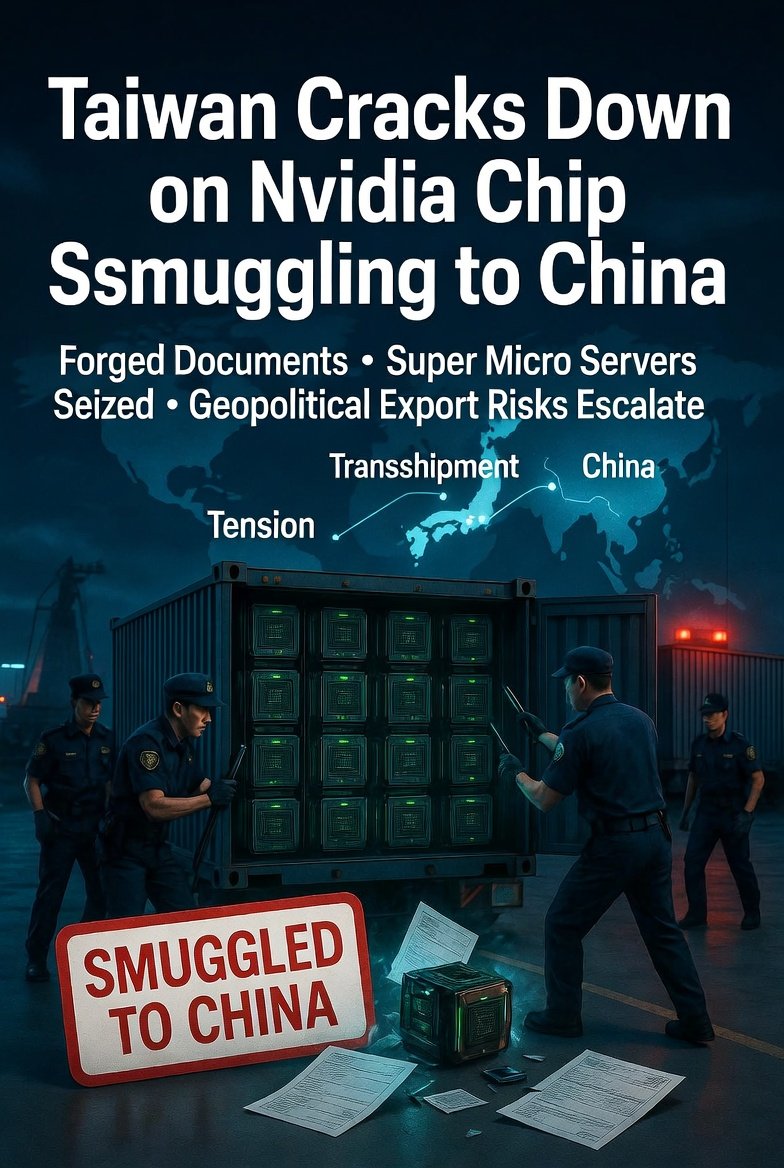
TECHNOLOGY NEWSWIRE: Taiwan Cracks Down on Semiconductor Smuggling Amid Nvidia Chip Export Controversy  AI NEWS: Taiwanese authorities have launched a semiconductor-smuggling crackdown, detaining individuals accused of forging export documents to ship Super Micro Computer’s AI servers containing Nvidia chips to China, underscoring cross-border regulatory risk for the company.  SMUGGLING: Taiwanese prosecutors say the case is independent of the US indictment, though investigators will review any potential connections in further review.  Bloomberg reports Japan served as an intermediate transshipment point, with servers declared as Japan-destined exports before ultimately heading to China; Tokyo and Taipei are jointly reviewing whether Japanese records corroborate this.  Readers should review multiple analyses to understand varying expectations and form a data-driven view on the stock.  Investors should be cautious due to strong fundamentals but ongoing compliance worries and insider selling.  Nvidia shows solid financial strength and growth potential but faces regulatory and compliance headwinds plus notable insider selling that warrant cautious engagement. The broader market advanced with the S&P 500 up and the Nasdaq up as well.  Analysts are divided on Super Micro’s outlook; a successful remediation of internal controls could be a key catalyst for restoring confidence. NVIDIA's data shows 88.3% of net sales from data storage, followed by gaming, professional visualization, automotive, and other categories.  Market implications note that SMCI trades near fair value with risk to valuation from regulatory developments, stock momentum, and export-control long-term strategy.  Investors and distributors should monitor enforcement developments, as crackdowns can disrupt supply chains and affect pricing and regional dynamics, including crypto-adjacent uses of GPUs.  Nvidia’s leadership emphasizes regulatory compliance by partners, while optimism for AI hardware and expanding partnerships supports expectations of product rollouts and revenue growth. FILED UNDER:  #TaiwanSemiconductors, #ChipSmuggling, #NvidiaChips, #SuperMicroSMCI, #AIServers, #SemiconductorCrackdown, #TaiwanExportBan, #NvidiaExport, #ChinaTech, #USChinaTensions, #ExportControls, #SemiconductorSmuggling, #SMCIStock, #NvidiaRegulatory, #AIHardware, #TaiwanProsecutors, #JapanTransshipment, #ChipExportScandal, #TechCompliance, #DataCenterAI, #NvidiaNews, #SMCICompliance, #ExportViolation, #TaiwanCrackdown, #GPU #Smuggling, #AIChipShortage, #SemiconductorWar, #TechGeopolitics, #NvidiaChina, #SuperMicroInvestigation, #TaiwanUSAlliance, #ExportDocumentsFraud, #BloombergTech, #StockMarketNews, #InsiderSelling, #RegulatoryRisk, #AIInfrastructure, #ChipSupplyChain, #TaiwanTech, #NvidiaPartners, #SMCIOutlook, #SemiconductorSecurity, #USExportControls, #TechCrackdown, #HPCServers, #GeopoliticalRisk, #ChipSanctions, #TaiwanInvestigation, #NvidiaSMCI
4
154
Η Πρώτη Καταδίκη Για Κατασκοπεία Ημιαγωγών Στην Ταϊβάν Ταϊβανικό δικαστήριο καταδίκασε πρώην μηχανικό της TSMC σε 10 χρόνια φυλάκισης για κλοπή εμπορικών μυστικών που αφορούν τη διαδικασία κατασκευής τσιπ 2 νανόμετρων, στην πρώτη ποινική δίωξη βάσει του Νόμου Εθνικής Ασφάλειας της Ταϊβάν για κατασκοπεία στους ημιαγωγούς. Ο κατηγορούμενος, αφού αποχώρησε από την TSMC, είχε προσληφθεί από την ιαπωνική Tokyo Electron, στην οποία στη συνέχεια διοχέτευε εμπιστευτικά τεχνικά έγγραφα, φωτογραφίζοντάς τα από οθόνες και ανεβάζοντάς τα σε εταιρικό cloud. Το δικαστήριο επεσήμανε ότι η ίδια η Tokyo Electron αξιολογούσε εσωτερικά τον μηχανικό για την ικανότητά του να «αξιοποιεί υφιστάμενους πόρους πελατών» για την απόκτηση πληροφοριών, γεγονός που παραπέμπει σε αποτυχία εταιρικής διακυβέρνησης, όχι μόνο σε μεμονωμένη παραβατική συμπεριφορά. Παράλληλα, οι έρευνες συνεχίζονται για πρώην ανώτατο στέλεχος της TSMC που πέρυσι μετακινήθηκε στην Intel, με τις αρχές να έχουν κατάσχει εκτεταμένα έγγραφα που αφορούν προηγμένες διαδικασίες κατασκευής. Η Ταϊβάν αντιμετωπίζει τους ημιαγωγούς ως στρατηγικό εθνικό απόθεμα, και η νομοθεσία ακολουθεί: από το 2022, η κλοπή «εθνικής κρίσιμης τεχνολογίας» τιμωρείται με έως 12 χρόνια. Μήπως η δικαστική αυτή απόφαση σηματοδοτεί μια νέα εποχή, όπου η κινητικότητα στελεχών μεταξύ εταιρειών ημιαγωγών θα αντιμετωπίζεται με την ίδια σοβαρότητα με την κλασική βιομηχανική κατασκοπεία; Πώς αξιολογείτε τις επιπτώσεις για τις εταιρείες που προσλαμβάνουν στελέχη από ανταγωνιστές; #Semiconductors #TSMC #TradeSecrets #NationalSecurity #TechGeopolitics #ChipWar
1
9
278
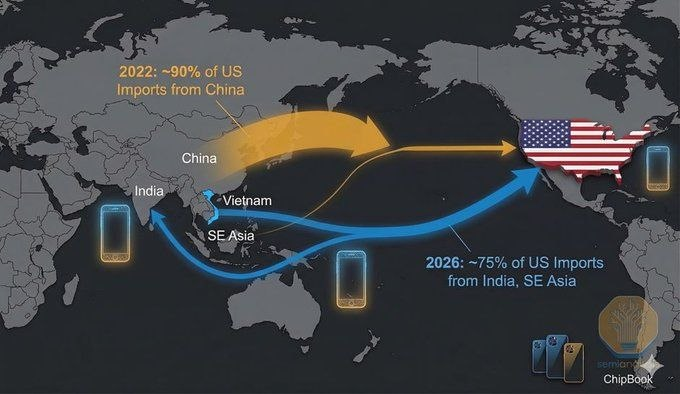
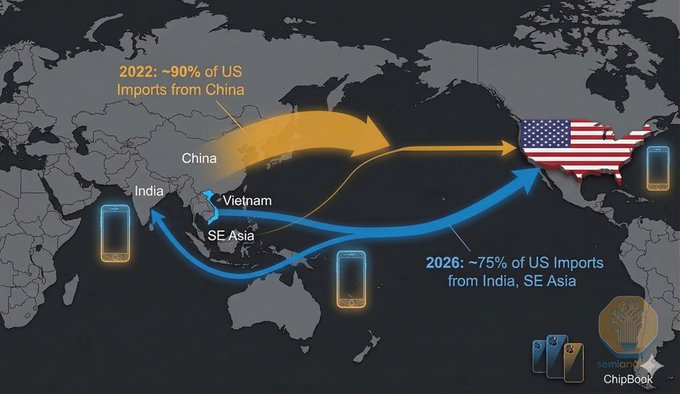
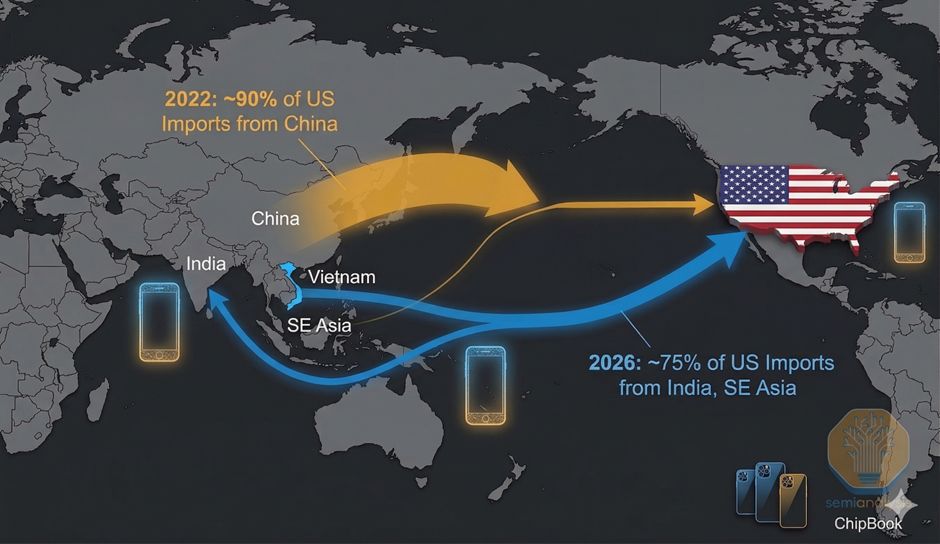
The "Made in China" era for smartphones isn't just ending; it has officially collapsed. New data from SemiAnalysis reveals a tectonic shift in the global supply chain: U.S. smartphone imports from China have plummeted from a dominant 90% in 2022 to just 25% today. The Foxconn-led assembly network, which served as the undisputed backbone of Apple’s hardware empire for decades, is being systematically dismantled in favor of "China Plus One" hubs. India and Southeast Asia have surged to fill the vacuum, now accounting for 75% of all U.S. smartphone imports. This isn't a temporary dip; it is a full-scale execution of a "forced derisking" strategy that is reshaping the consumer electronics landscape in real-time. But the disruption doesn't stop at mobile. The transition in the PC sector has been even more extreme, with almost all final assembly for the U.S. market successfully migrated outside of Chinese borders. We are witnessing the fastest decoupling of a tech ecosystem in history. For global players, the message is clear: the centrality of the China assembly network is no longer a given—it’s a liability. QAnon #SupplyChain #Apple #TechNews2026 #MadeInIndia #Decoupling #ChinaPlusOne #SmartphoneMarket #GlobalTrade #SemiAnalysis #TechGeopolitics
1
24
64
2,471
The "Made in China" era for smartphones isn't just ending; it has officially collapsed. New data from SemiAnalysis reveals a tectonic shift in the global supply chain: U.S. smartphone imports from China have plummeted from a dominant 90% in 2022 to just 25% today. The Foxconn-led assembly network, which served as the undisputed backbone of Apple’s hardware empire for decades, is being systematically dismantled in favor of "China Plus One" hubs. India and Southeast Asia have surged to fill the vacuum, now accounting for 75% of all U.S. smartphone imports. This isn't a temporary dip; it is a full-scale execution of a "forced derisking" strategy that is reshaping the consumer electronics landscape in real-time. But the disruption doesn't stop at mobile. The transition in the PC sector has been even more extreme, with almost all final assembly for the U.S. market successfully migrated outside of Chinese borders. We are witnessing the fastest decoupling of a tech ecosystem in history. For global players, the message is clear: the centrality of the China assembly network is no longer a given—it’s a liability. #SupplyChain #Apple #TechNews2026 #MadeInIndia #Decoupling #ChinaPlusOne #SmartphoneMarket #GlobalTrade #SemiAnalysis #TechGeopolitics
US smartphone imports from China have collapsed from 90% to 25%. The Foxconn China assembly network, once the undisputed backbone of Apple's hardware empire, is seeing its centrality eroded in real time. This is the clearest data point yet of a forced, systematic derisking of the consumer electronics supply chain. (1/3)🧵
70
399
1,066
247,505
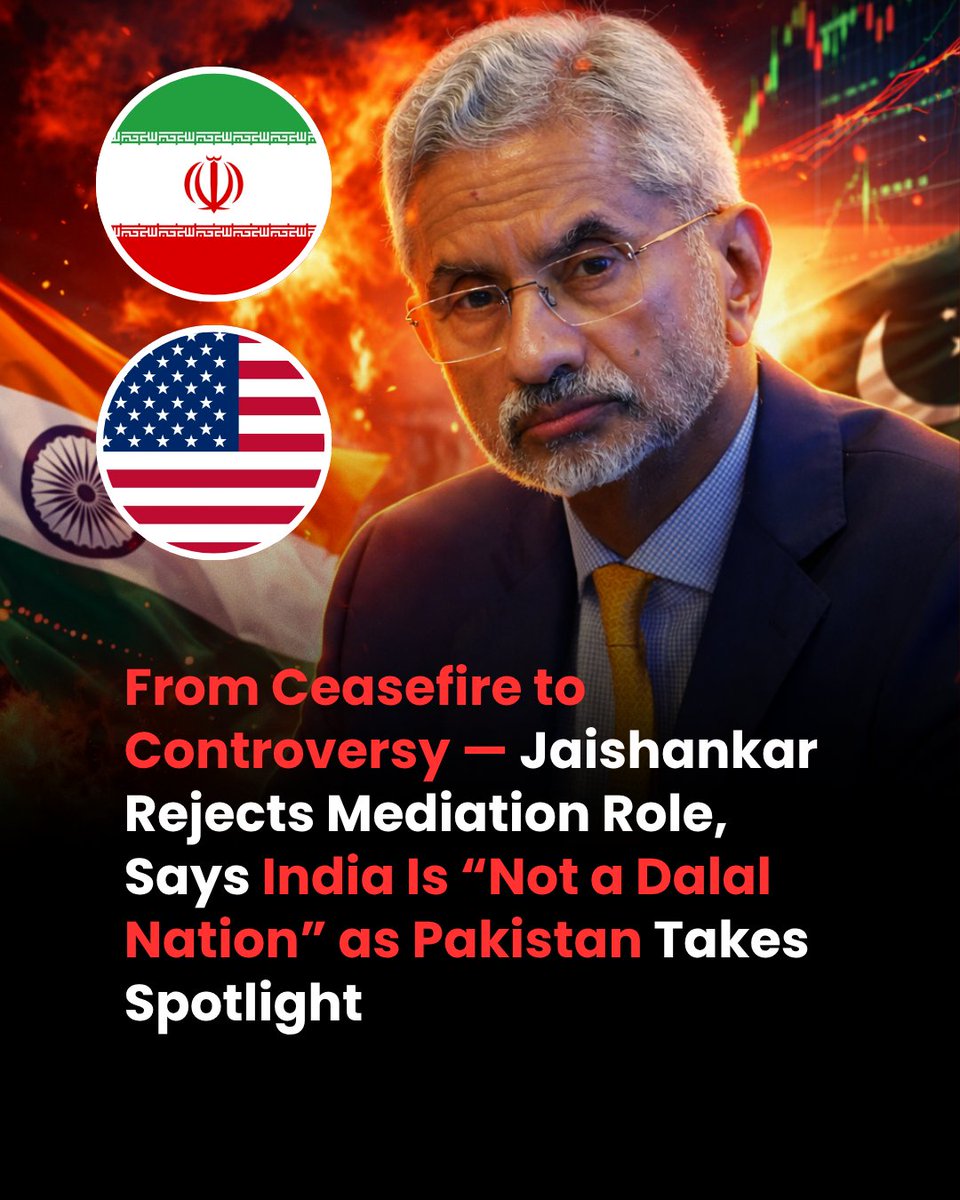
After Pakistan mediated the US–Iran ceasefire, India’s EAM S. Jaishankar made it clear; India won’t act as a broker. #TechGeopolitics #AI #GlobalEconomy #IndiaPolitics #EnergyMarket
2
23
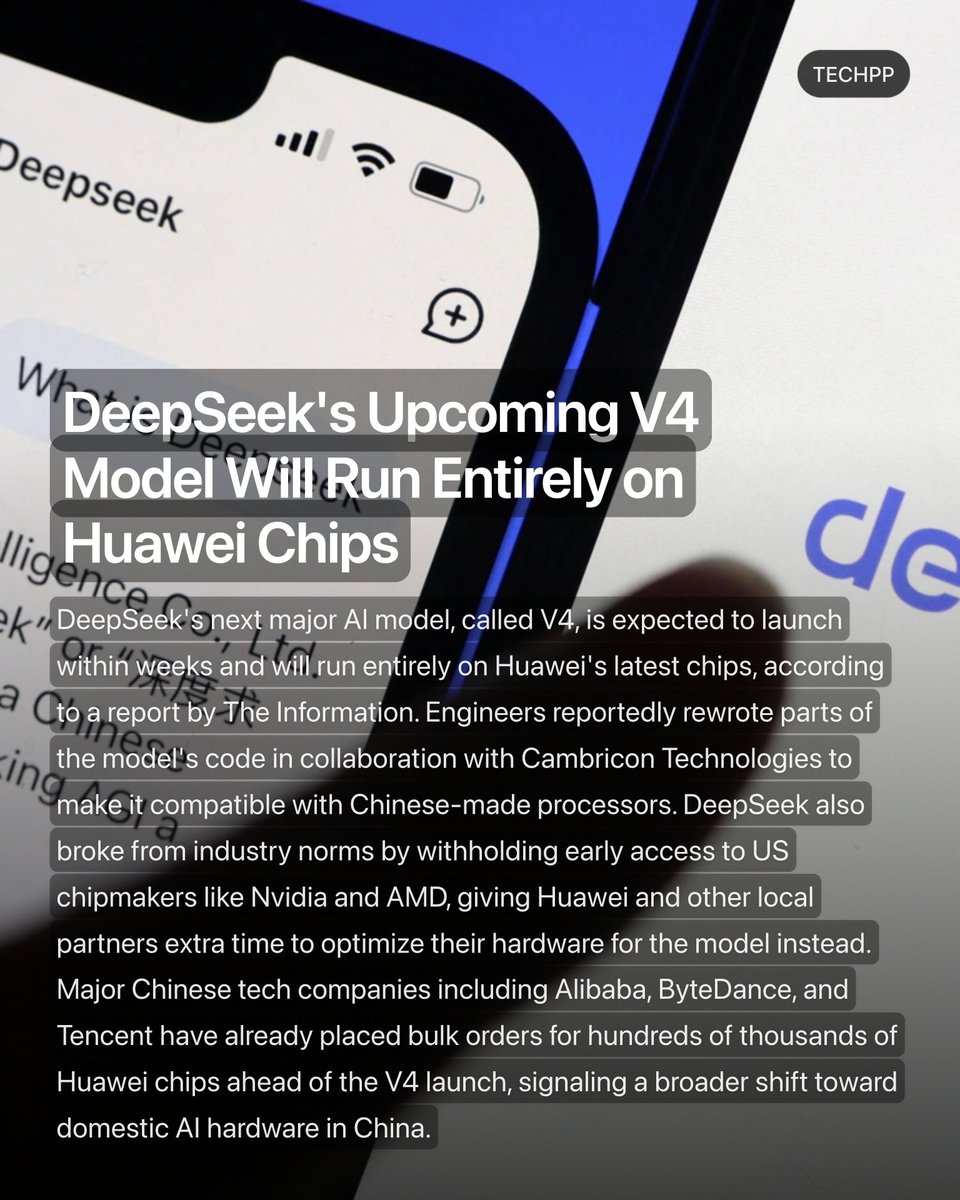
DeepSeek's Upcoming V4 Model Will Run Entirely on Huawei Chips #NVIDIA #AMD #Launch #Leak #DeepSeeks #Upcoming #DeepSeek #Huawei #AI #V4 #China #AIChips #TechGeopolitics
1
3
381
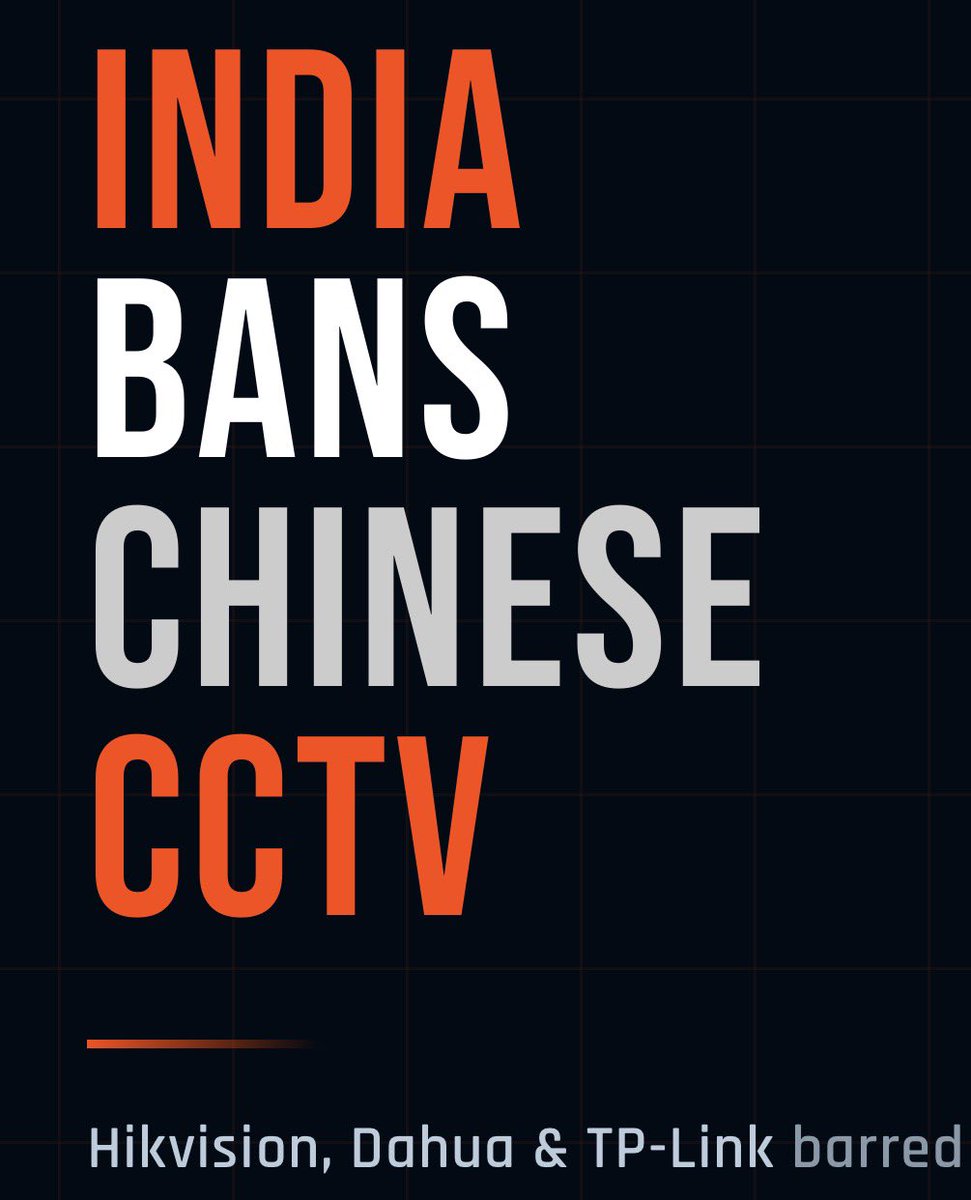
🚨 BREAKING: India is banning Chinese CCTV brands — effective April 1, 2026. Hikvision Dahua TP-Link These giants held ~33% of India's $4.2B surveillance market. Here's everything you need to know 🧵👇 #India #CyberSecurity #MakeInIndia #CCTV 🔍 What's the rule? MeitY's Essential Requirements (ER) norms — notified in April 2024 — mandated a 2-year window for all CCTV makers to get STQC certification before selling in India. That deadline? April 1, 2026. No extensions. No exceptions. Manufacturers must declare country of origin of chips (SoC), submit hardware software for lab testing, and prove devices are free from hidden backdoors. #DigitalIndia #STQC 🕵️ Why now? The espionage angle. India's senior cybersecurity officials warned: "Anyone can operate and control internet-connected CCTV cameras sitting in an adverse location." • China's laws require companies to assist state intelligence • Cameras found transmitting data to servers outside India • The Lebanon pager explosions accelerated urgency • 1 million cameras in Indian public institutions were Chinese-made #NationalSecurity #Espionage 📉 Who loses? Chinese brands — collectively holding ~30% of the Indian market — are effectively shut out. None of the major Chinese players have received STQC certification. The government is explicitly refusing to certifyproducts using Chinese chipsets. India is also not alone — the US, UK, and Australia have all previously banned Hikvision & Dahua on national security grounds. #Hikvision #Dahua #TechGeopolitics 📈 Who wins? Indian brands that've already shifted to Taiwanese chipsets are surging: CP Plus Qubo Matrix Sparsh Indian vendors now control 80% of the certified market (up from 33%). CP Plus calls it a "sweet spot" — and with India's CCTV market projected to hit $20.33B by 2033, the timing couldn't be better. #MakeInIndia #CPPlus #StartupIndia 💰 What does this mean for prices? Certified cameras cost significantly more. The short-term reality: • Prices will rise for consumers & businesses • Replacement of failed non-compliant cameras gets harder • Supply crunch likely as only 507 modelsare currently certified Long-term? A more secure, domestic surveillance ecosystem. The cost of security isn't free. #India #Inflation #SecurityTech 🌍 The bigger picture: India's tech decoupling from China This isn't just about cameras. It's part of a broader strategy: • PLI scheme investing in domestic electronics • Trusted telecom vendors replacing Huawei in 5G • Pushing for 45% local component content by FY2026-27 India is methodically reducing its technological dependency on China — one industry at a time. 🇮🇳 #AtmanirbharBharat #IndiaChina #TechPolicy 📌 TL;DR ✅ India bans uncertified Chinese CCTVs from April 1, 2026 ✅ Hikvision, Dahua, TP-Link effectively shut out ✅ Indian brands are the big winners ✅ Prices will rise short-term ✅ Part of a larger India-China tech decoupling If you found this useful — repost to spread awareness 🔁 Follow for more policy & tech breakdowns. #India #CyberSecurity #MakeInIndia #SurveillanceTech #IndiaChina #DigitalIndia #Hikvision #TechPolicy
2
149