
Mar 17
Gold mining doesn’t have to rely on toxic chemicals. Through our partnership with Dundee Sustainable Technologies, ESGold is advancing a closed-loop, non-cyanide recovery method known as the CLEVR Process™.
Independent metallurgical testing shows:
• greater than 90% gold recovery
• Sulphide content reduced from 29% to just 0.48% — a near-total environmental win.
Clean chemistry. High yields. Real remediation.
👉 ESGold is proving that responsible mining doesn’t mean lower performance — it means better technology.
#ESGold #CleanMining #CyanideFree #GoldRecovery #GreenTech #CLEVRProcess #Metallurgy #SustainableMining
4
29
969

Feb 22
Uranium mining today uses in-situ recovery — dissolving uranium underground and pumping it up.
No giant open pits required.
#Uranium #MiningInnovation #FunFact #CleanMining
1
4
94

Surface miners are transforming coal production by lowering noise, reducing dust, and limiting ground vibrations creating a safer environment for miners and less disturbance for nearby communities.
#SurfaceMining #SustainableMining #CoalIndustry #WorkerSafety #CleanMining
1
2
58

6 Nov 2025
L'incident de Lubumbashi souligne le besoin urgent de réglementations environnementales plus strictes en RDC. Nous devons faire passer notre environnement avant les profits. Unissons-nous pour protéger notre maison. #CleanMining
1
4
428

31 Oct 2025
ESGold Corp. CSE: $ESAU | OTCQB: $ESAUF | FSE: $Z7D
Fully Permitted & Funded! Recent company interview was 🔥
🌟 Big win for ESGold! Metallurgical tests validate Montauban strategy—full Merrill Crowe processing as mill nears completion. Exploration ramps up with 3D modeling for deeper strikes. 2026 production on horizon! Who's investing? #CleanMining #SilverGold #ESAU @ESGold_Corp @Exploringmining
esgold.com/esgold-confirms-f…
28 Oct 2025

@ESGold_Corp $ESAUF $ESAU Power Play: Fully Permitted & Funded
- Ocean Partners Backed… full interview out soon 🚀
⛏️CEO Gordon Robb, and Paul Mastantuono, Founder of ESGold Corp (CSE: ESAU | OTCQB: ESAUF | FSE: Z7D) ; a near production-ready powerhouse fully funded with $10.5M in the bank, and backed by Ocean Partners’ game-changing investment! Discover how this fully permitted gem is poised to capitalize on the booming commodities market with its sustainable, low-capex mining strategy.
1
4
9,879

27 Oct 2025
Thanks @stockhouse for covering #EnviroGold and the momentum in tailings reprocessing.
"Mining technology stocks driving the green energy transition"
Read here: stockhouse.com/news/newswire…
$NVRO #CleanMining #CircularEconomy
2
4
117

18 Oct 2025
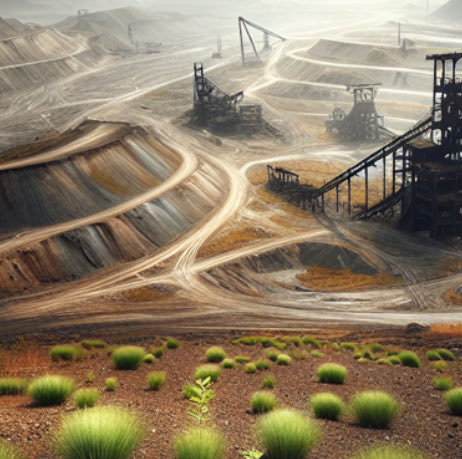
🔔 $ESAUF | ESGold Corp. — advancing toward near-term gold production!
✅ Fully funded Montauban Gold-Silver Project (Quebec)
✅ Clean-mining tech reprocessing historical tailings
✅ C$9 M strategic partnership with Ocean Partners
✅ Expansion into Colombia 🇨🇴 for tailings JV
⚡️ Sustainable. Innovative. Ready for the next phase.
🌐 esgold.com
#OTCMarkets #GoldMining #CleanMining #ESAUF #ESAUF
5
3
4
664

22 Jul 2025
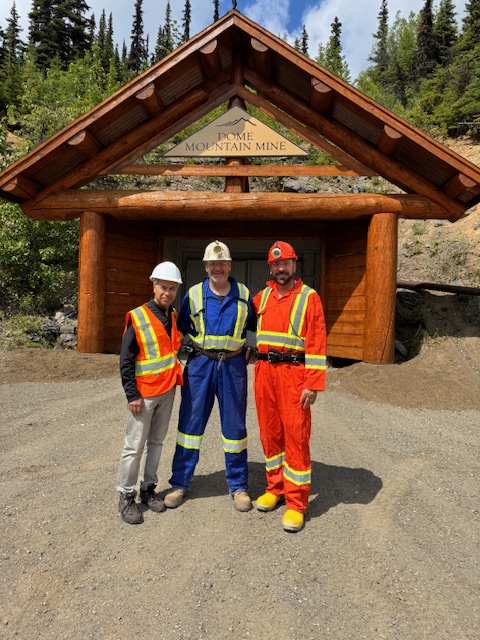
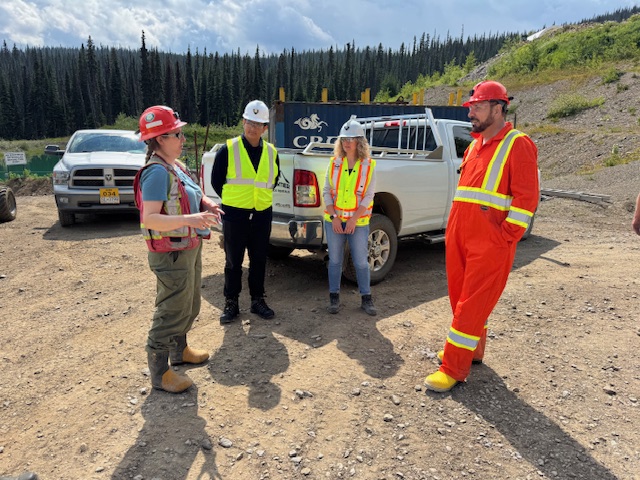
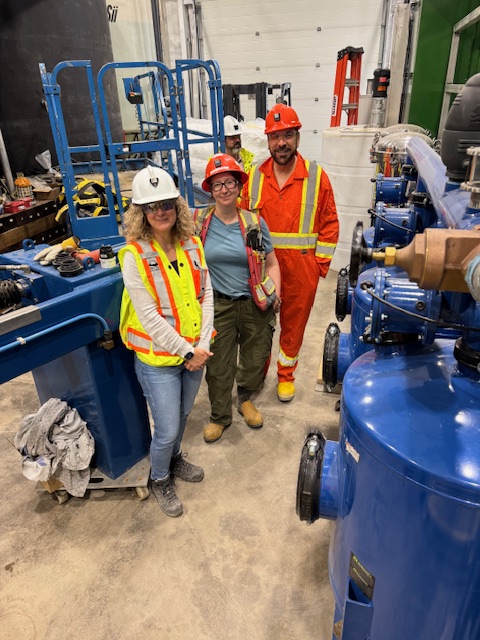
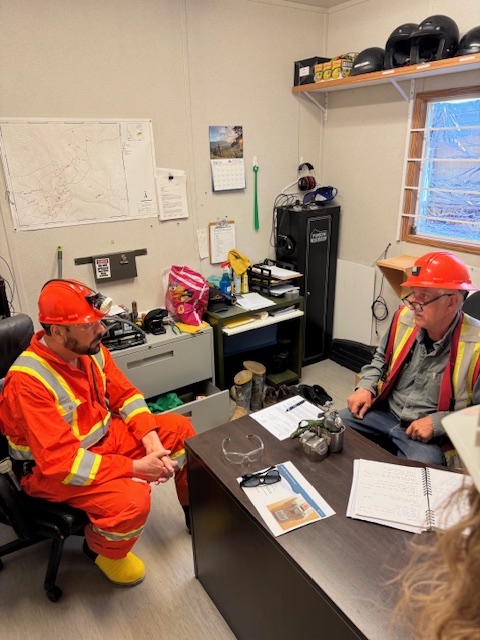
Honoured to host BC’s Minister of Mines today at Dome Mountain — one of only 9 mines permitted in the past decade. A great visit highlighting clean, responsible mining and strong partnerships with the Lake Babine Nation. #BCMines #Gold #CleanMining #DomeMountain
2
9
599

22 Jul 2025
$LKY | $LKYRF Locksley Resources’ Allister Caird joins @MarketOpen to discuss ESG, clean mining, and U.S. critical mineral funding alignment
@LocksleyResLKY @nathanlude @Stew_Walters
#LKYRF #CriticalMinerals #CleanMining #ESG #USMining #Sustainability
2
2
11
1,106

22 Jul 2025
Earlier this month Bitcoin’s network smashed a new 1.22 ZH/s hashrate 🚀—yet only ~52 % of mining is renewable. Tatari’s hydro miners push that needle higher every block. Green watts → orange coins. 🌊⚡ #Bitcoin #CleanMining #Sustainability
1
3
44

12 Jul 2025
🌍 Minerales críticos y transición energética: una visión regional desde #Ecuador
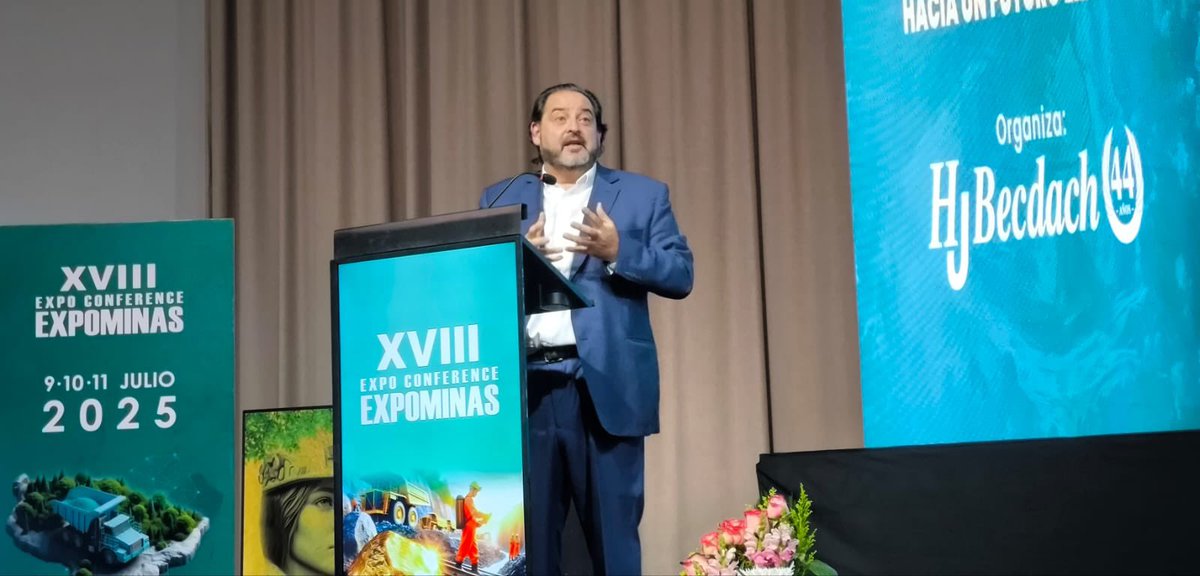
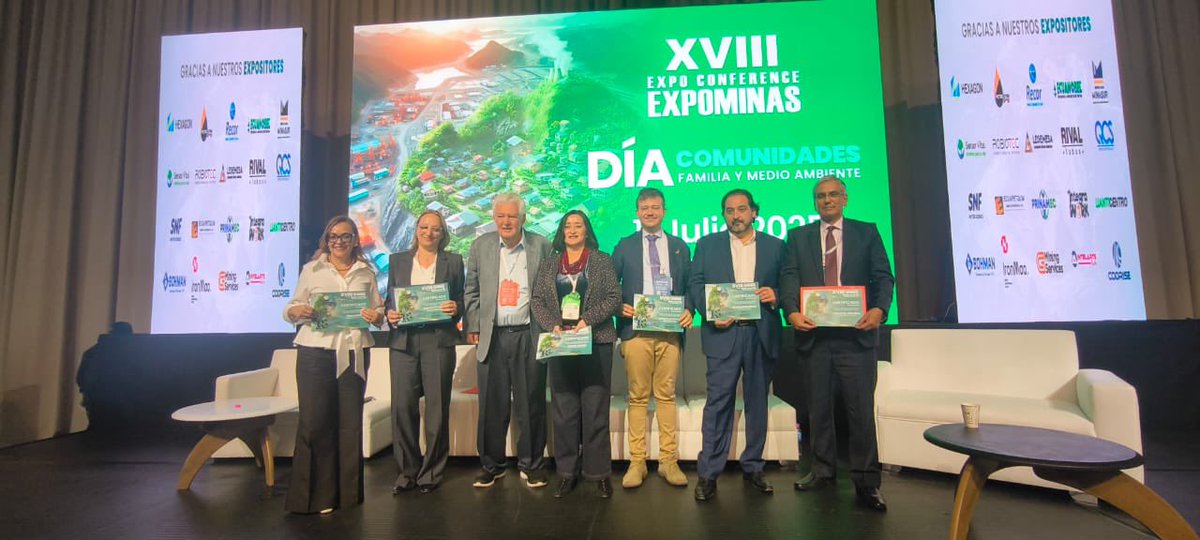
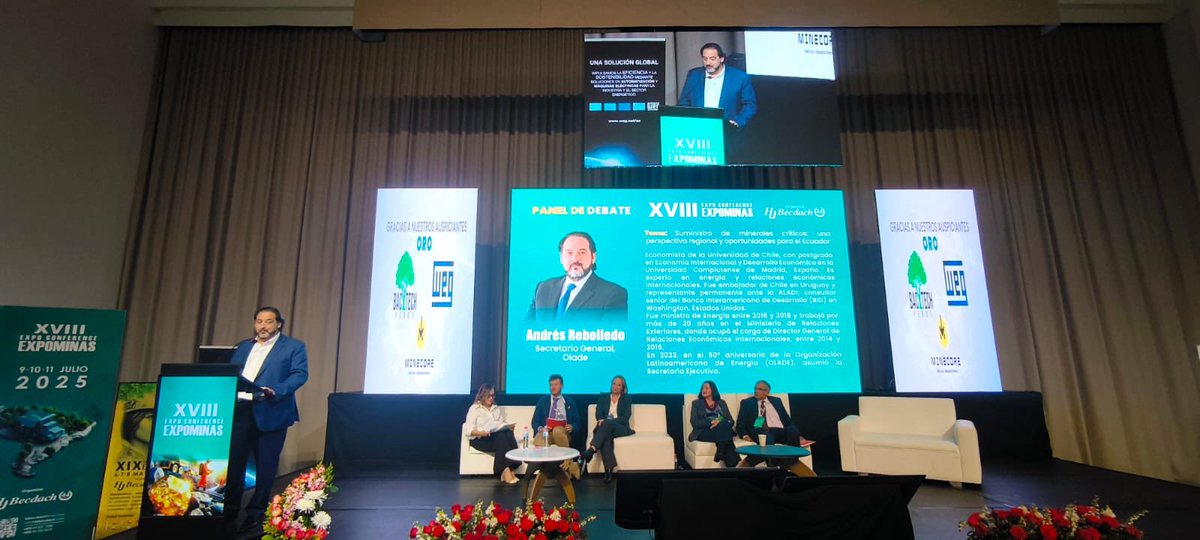
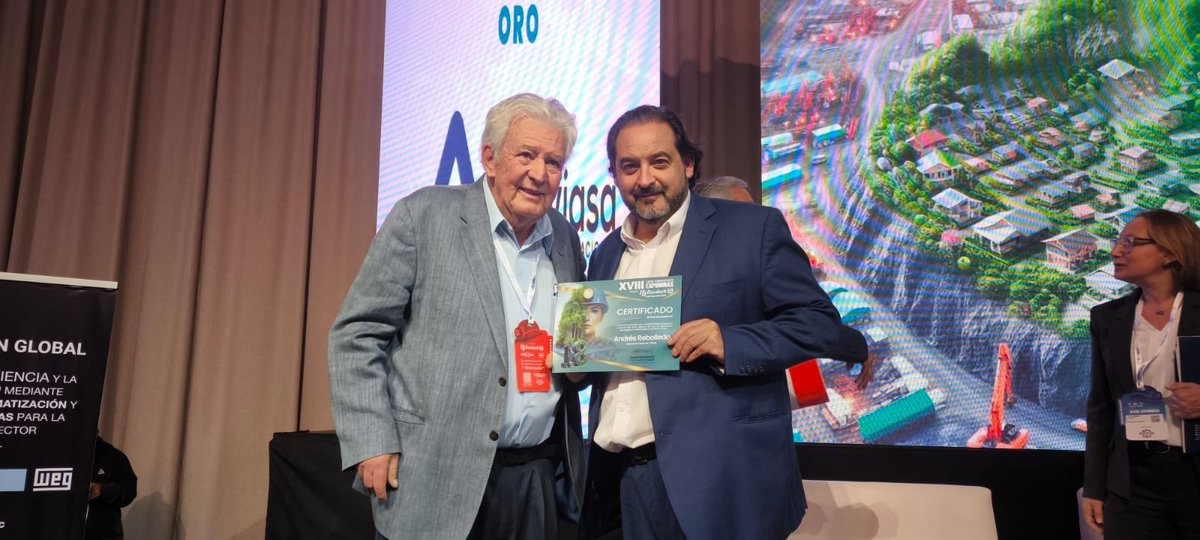
En el marco de la XVIII #Expominas, el Secretario Ejecutivo de #OLADE, Andrés Rebolledo @AndresReboll , participó en el panel “Suministro de Minerales Críticos: Una Perspectiva Regional y Oportunidades para el Ecuador”, junto a autoridades y representantes del sector público y privado.
🔎 El debate giró en torno al papel de los minerales en la #TransiciónEnergética y cómo la #CooperaciónRegional puede fortalecer #CadenasDeValorSostenibles para #AméricaLatinaYElCaribe.
🗣 "América Latina y el Caribe representan el 25% de todos los minerales del mundo. Nuestra región no solo impulsa el #DesarrolloProductivo, hoy es parte de la solución a la #TransiciónEnergética global."
🗣 "Electrificar el sector minero es un desafío enorme, pero necesario para avanzar hacia una minería más limpia, competitiva y alineada con la #AgendaClimática."
#OLADE #Expominas2025 #MineralesCríticos #MineríaSostenible #Descarbonización #IntegraciónRegional #EnergíaLimpia #Sostenibilidad #AméricaLatinaYElCaribe #CooperaciónEnergética #MineríaDelFuturo
🌍 Critical minerals and the energy transition: a regional perspective from #Ecuador
As part of XVIII #Expominas, the Executive Secretary of #OLADE, Andrés Rebolledo @AndresReboll , participated in the panel “Supply of Critical Minerals: A Regional Perspective and Opportunities for Ecuador”, alongside public and private sector representatives and regional authorities.
🔎 The discussion focused on the role of minerals in the #EnergyTransition and how #RegionalCooperation can strengthen #SustainableValueChains for #LatinAmericaAndTheCaribbean.
🗣 “Latin America and the Caribbean hold 25% of the world’s mineral resources. Our region is not only driving #ProductiveDevelopment — we are now part of the global solution to the energy transition.”
🗣 “Electrifying the mining sector is a major challenge, but essential to advance toward a cleaner, more competitive, and #ClimateAligned industry.”
#OLADE #Expominas2025 #CriticalMinerals #CleanMining #Decarbonization #RegionalIntegration #CleanEnergy #Sustainability #LatinAmericaAndTheCaribbean #EnergyCooperation #FutureOfMining
5
242

11 Jul 2025
🔚 Conclusion
TMC is a moonshot bet on a rewired resource future.
If the political winds hold, it could be one of the decade’s most important (and profitable) commodity plays.
I’m long. DYOR.
#TMC #DeepSeaMining #NOAA #EVMetals #NextGenMining #CleanMining #GreenMetals
4
3
17
921

25 Jun 2025
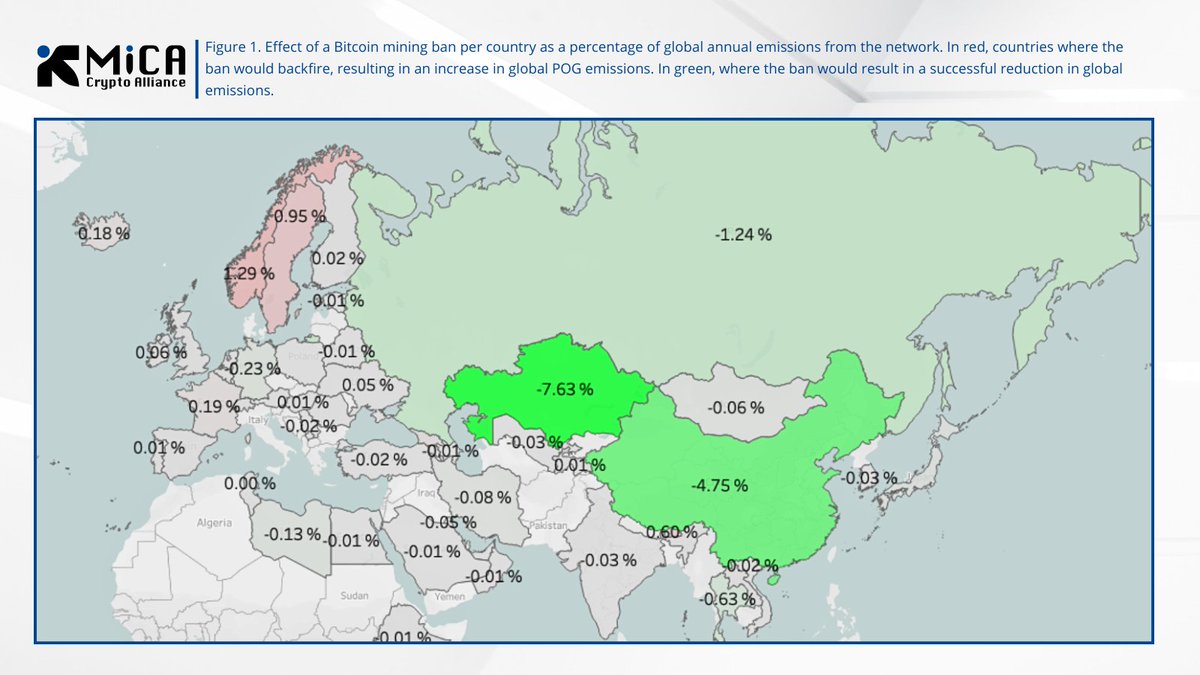
🇳🇴 Norway plans to ban new #Bitcoin mining data centers, citing energy use and minimal local benefit, according to a recent article from @CoinDesk .
But while the policy may appear climate-driven, the global impact could be the opposite.
Minister Karianne Tung stated “The Labour Party government has a clear intention to limit the mining of cryptocurrency in Norway as much as possible. It is very power-intensive and generates little in the way of jobs or income for the local community.”
At first glance, this might sound like a win for sustainability.
But our research shows that if Norway ever implements a full #Bitcoinmining ban, global emissions would rise by more than 576,000 tonnes of CO₂ each year.
This increase is not hypothetical.
In our report, The Unintended Carbon Consequences of Bitcoin Mining Bans, we modeled what happens when clean mining is removed from the global system.
The result: emissions go up, not down.
When miners are pushed out of low-carbon grids, they do not stop, they move.
And most often, they move to countries with far more carbon-intensive electricity. This is known as #carbonleakage.
Norway’s electricity mix is nearly 100% #renewableenergy. Eliminating mining there doesn’t reduce emissions. It displaces them to dirtier grids with fewer safeguards, often outside of Europe altogether.
Mining is mobile. The hardware is designed to move. Operators follow the cheapest electricity, wherever it is.
If clean grids opt out, fossil-heavy grids fill the gap. And global climate goals take a hit.
Norway could take a leadership role on #cleanmining.
With the right mix of surplus energy programs, transparency requirements, and smart policy, it could show what sustainable proof-of-work looks like.
Instead, this policy risks sidelining a country that has both the tools and the credibility to shape the future.
At a time when global standards are still emerging, Norway’s leadership could make a difference.
We are not arguing for unchecked mining. But bans in low-emission countries can be among the most environmentally damaging decisions governments can make.
A smarter approach is needed.
📄 Read the full research paper:
lnkd.in/eXrTwTWb
6
324

19 Jun 2025
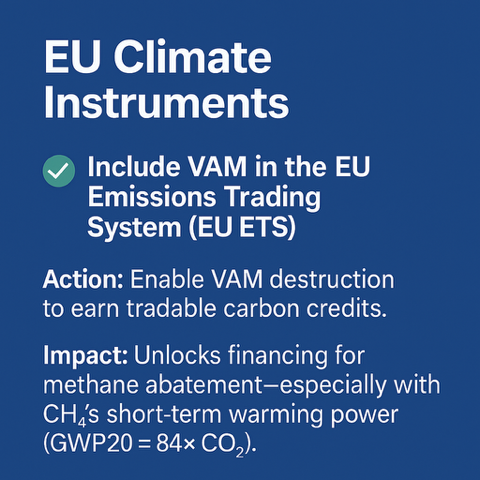
Find out more about @ bit.ly/45qxr7j
@WeDontHaveTime @FridayForFuture @Fridays4future
#CleanMining #MethaneCapture #EnergyTransition
#RTOtechnology #TechForClimate
4
3
282

6 Jun 2025
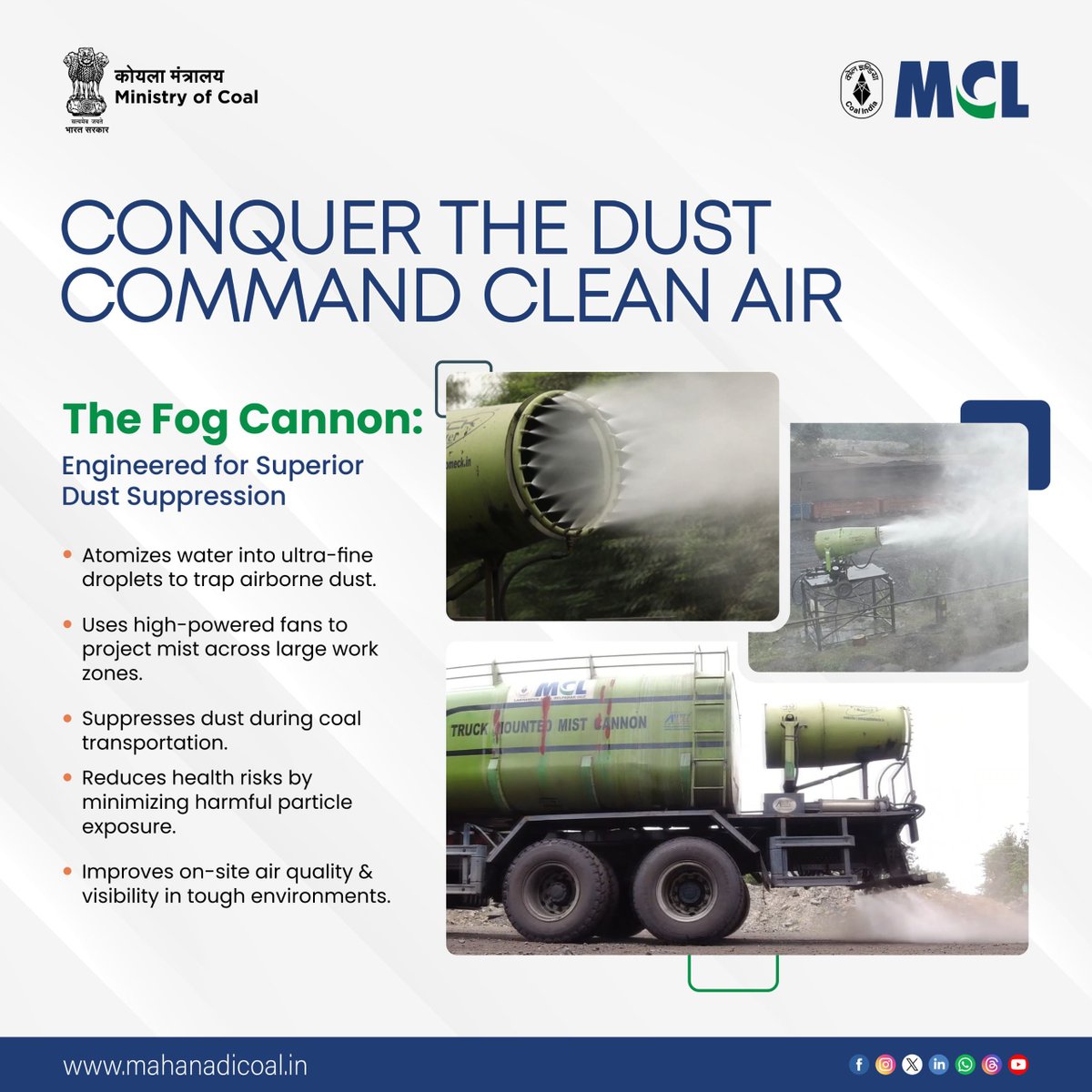
HERO IN THE FIGHT AGAINST DUST!
The Fog Cannon is transforming mining areas into a cleaner and healthier environment, by trapping micro dust particles. In order to minimise air pollution during coal transportation, MCL has deployed fixed and mobile fog canons at railway sidings as well as it's mining areas.
#DustControl #CleanMining #MyMCL #FogCannon #AirQuality #SustainableFuture
@CoalMinistry @CoalIndiaHQ @kishanreddybjp @satishdubeyy @PIB_Coal
1
3
109

30 May 2025
We’re building something bigger than an app — a platform that connects solar power with crypto mining, creating passive income and clean blockchain energy.
💡Follow us & stay tuned for updates.
#Crypto #SolarEnergy #CleanMining #StartupJourney #Theronix
1
3
224

21 May 2025
“You can’t have innovation with less power.” – @johnlilic, CEO | @HelloTelos
In this thought-provoking conversation from Crypto Newsie, hosted by @Kevin_Soltani, CEO & Founder | #GIMAGroup, collaboration with the #GlobalBlockchainShow & @GlobalAIShow , #JohnLilic dives deep into the ongoing debate around blockchain energy consumption.
🔍 Key points from John’s perspective:
•Innovation requires power — not less of it
•The environmental critique of Proof of Work is fundamentally flawed
•How clean Bitcoin mining is becoming reality (e.g. Sustainable Bitcoin Protocol)
•The role of miners in strengthening energy grids (like in Texas)
•Why market dynamics — not limitations — will drive sustainable solutions
💬 “There’s no such thing as a rich country that’s energy poor.”
A timely reminder that real innovation in crypto and climate will come from bold thinking and better infrastructure — not fear-driven narratives.
#JohnLilic #KevinRSoltani #CryptoNewsie #GlobalBlockchainShow #Web3Energy #SustainableCrypto #ProofOfWork #BlockchainLeadership #CleanMining #BitcoinInnovation #CryptoNarratives
5
27
87
3,875

9 Nov 2024
12/ In summary, Bitcoin doesn't just consume energy; it can be a key player in optimizing, stabilizing, and economically enhancing our transition to green energy. This could redefine how we think about energy production, consumption, and wealth creation in a sustainable future. #DigitalCurrency #EcoFriendlyMining #RenewableBitcoin #SustainableCrypto #EcoBitcoin #GreenCrypto #BitcoinGreen #CryptoEcology #CleanMining #EcoBlockchain #SustainableFinance #GreenTech #FutureOfEnergy #EnergyEfficiency #CryptoSustainability #MiningInnovation #EcoMining #GreenInfrastructure #SustainableWealth #CleanEnergyEconomy #RenewableTech #BitcoinEconomy #CryptocurrencySustainability #EcoEconomy #GreenInvestment
1
8
299

26 Sep 2024
🌿 Green energy meets gold mining: @MandalayAuAg 's Swedish ops use low-cost renewable power. Along with high-grade gold antimony production in Australia, $MND delivers critical metals for the green revolution. #CleanMining
Listen here: 👇👇👇
share.transistor.fm/s/9f5148…
2
1,232
23 Aug 2024
Responsible gold production meets growing global demand as @PerseusMining $PRU adapts to local contexts while maintaining core values 🔄🌿 #CleanMining
cruxinvestor.com/posts/perse…
4
1,383