
Seaspan’s 10,800 CEU LNG car carrier delivery sharpens the race for cleaner auto logistics business-news-today.com/seas… #HyundaiGlovis #AutomotiveLogistics #MaritimeShipping #CleanShipping #KRX #GlovisLighthouse #Seaspan #AsianStocks
14

Jun 11
#RINA certifies #BakerHughes' NovaLT16 gas turbine for #marine propulsion, capable of running on 100% #hydrogen. The 12-17 MW turbine offers 35k-hour maintenance intervals, supporting #maritime #decarbonization. #CleanShipping
inspenet.com/en/news/turbine…
25
Jun 11
#LloydsRegister, #KSOE & #HHI collaborate to design a 185k m³ hybrid electric #LNG carrier. The JDP aims to boost efficiency & cut emissions via battery-integrated propulsion, setting new standards for #CleanShipping. #EnergyTransition
inspenet.com/en/news/lr-and-…
9
Jun 9
#Seaspan & #HapagLloyd complete first #methanol retrofit of the Seaspan Yangtze under the #SAVER CleanBlue program. The conversion cuts 30-50k tCO₂e/year per vessel, extending asset life & boosting #CleanShipping.
inspenet.com/en/news/seaspan…
4
Jun 8
#BHP & #GCMD pilot a B100 marine biofuel blend (used cooking oil animal fats) aboard the bulk carrier Berge Lyngor. The trial aims to cut emissions by ~79% vs VLSFO. #MaritimeDecarbonization #CleanShipping
inspenet.com/en/news/bhp-and…
13
Jun 5
#Wattlab launches #WEstack, a standardized marine #battery system for inland vessels, cutting generator use by 80-90%. The 1-day install reduces emissions, noise & maintenance. #CleanShipping #EnergyTransition
inspenet.com/en/news/wattlab…
1

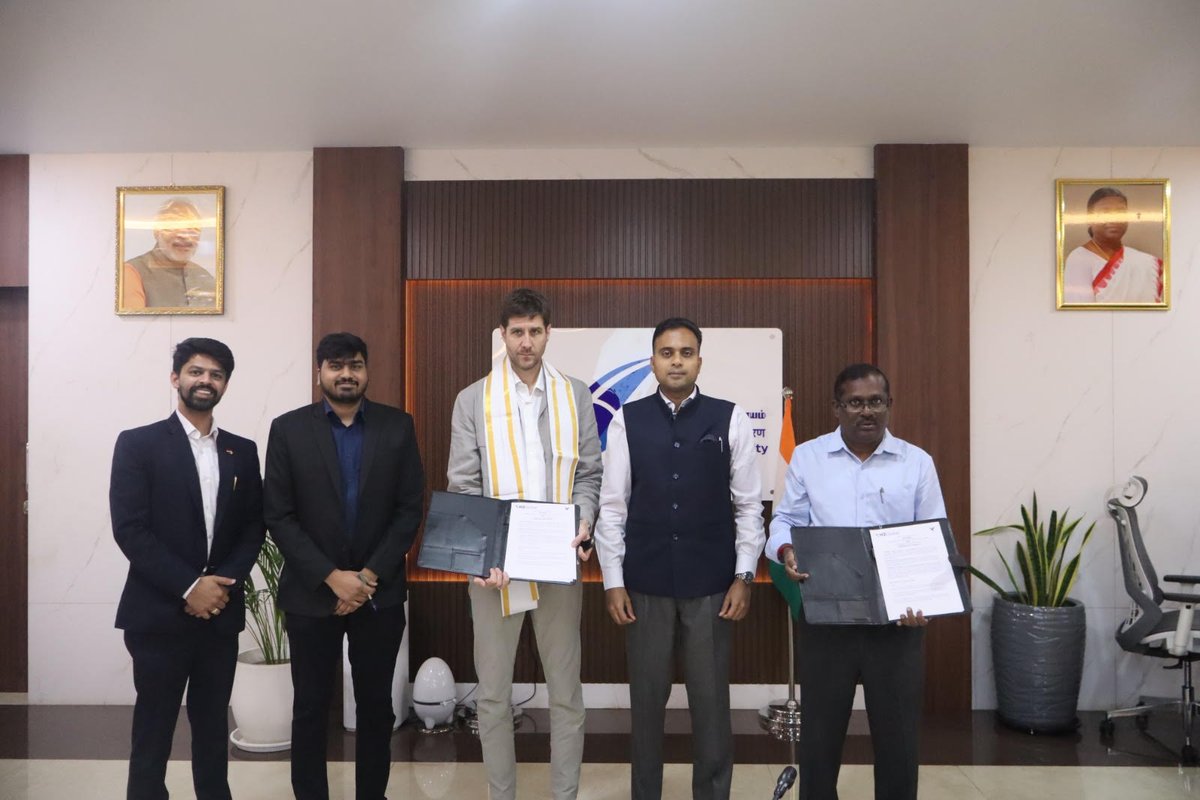
VOCPA has become the first Indian port to partner with H2Global, advancing #greenhydrogen exports from India to Europe and supporting sustainable shipping fuel corridors.
#HydrogenNow #EnergyTransition #CleanShipping
fcw.sh/UDgzPv
3
198
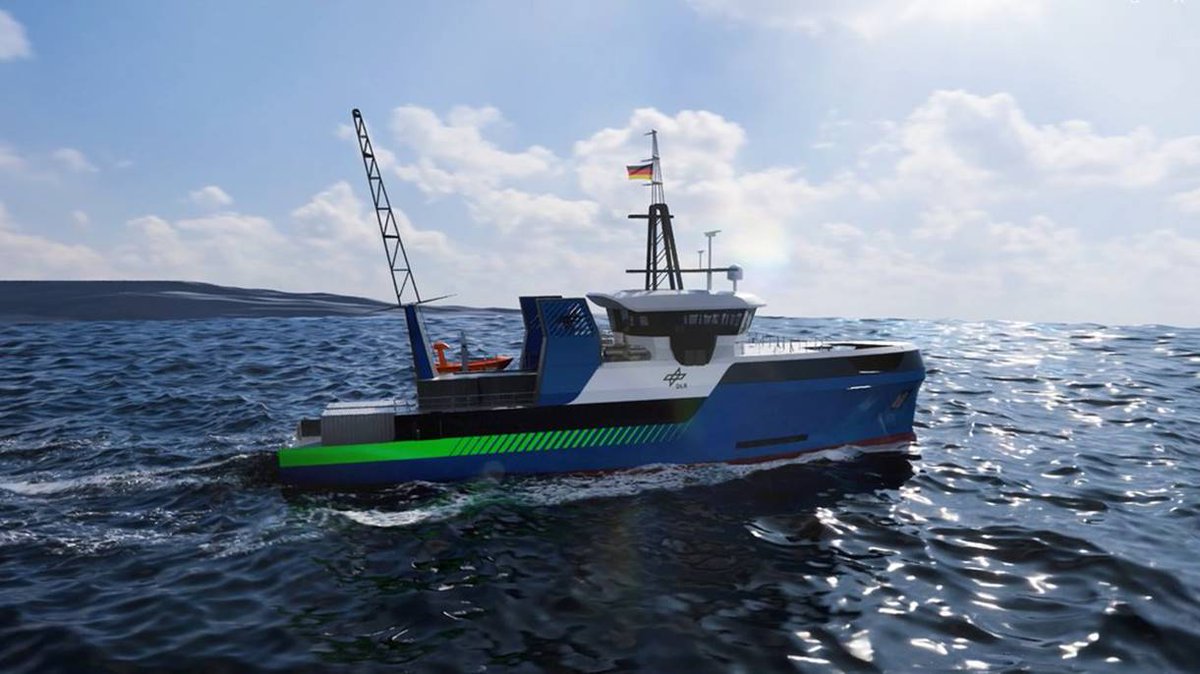
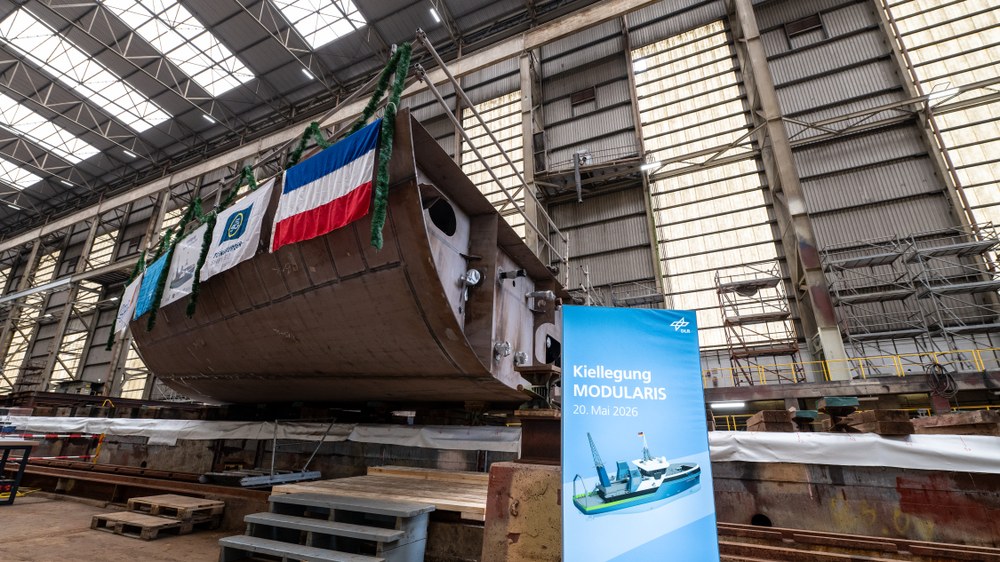
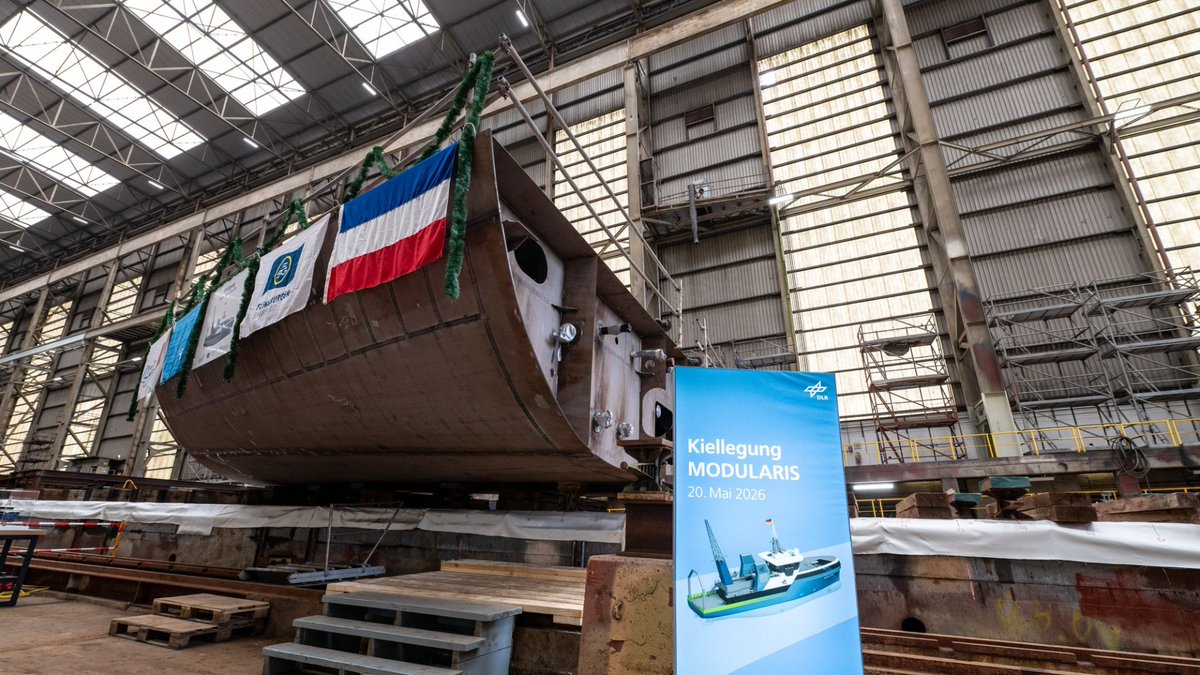
Germany's new floating lab, MODULARIS, will test #hydrogen propulsion and autonomous navigation technologies at sea. The DLR vessel aims to accelerate cleaner, smarter shipping and maritime innovation.
#HydrogenNow #CleanShipping
fcw.sh/v0RaB4
1
3
4
789

The Directorate General of Shipping has marked a landmark achievement with the issuance of India’s first Ship Recycling Credit Note, reinforcing the nation’s commitment to sustainable ship recycling and a circular maritime economy.
As the first country in the world to operationalise a Ship Recycling Credit Note system under the framework of the Hong Kong International Convention, India continues to strengthen its position as a global leader in environmentally sound ship recycling.
Under the Shipbuilding Financial Assistance Policy (SBFAP) 2.0, eligible ship owners can receive credit incentives linked to responsible ship recycling, encouraging investment in new vessel construction and supporting the growth of India’s shipbuilding sector.
The fully digital Unified Ship Recycling Portal enables seamless application, processing, tracking, and issuance of digitally signed credit notes, bringing together DG Shipping, State Maritime Boards, and ship recycling yards on a single integrated platform.
This milestone represents another significant step forward in advancing India’s maritime sustainability agenda and promoting environmentally responsible growth within the maritime sector.
@sarbanandsonwal | @shipmin_india | @JNPort
#DGShipping #ShipRecycling #ShipRecyclingCreditNote #MaritimeSustainability #CircularEconomy #GreenShipping #HongKongConvention #SBFAP #Shipbuilding #MaritimeIndia #SustainableDevelopment #DigitalTransformation #UnifiedShipRecyclingPortal #BlueEconomy #AtmanirbharBharat #MaritimeSector #ResponsibleRecycling #CleanShipping #IndianMaritime #MaritimeLeadership #SustainableMaritimeGrowth #GovernmentOfIndia #ShippingIndustry #MaritimeInnovation #ViksitBharat
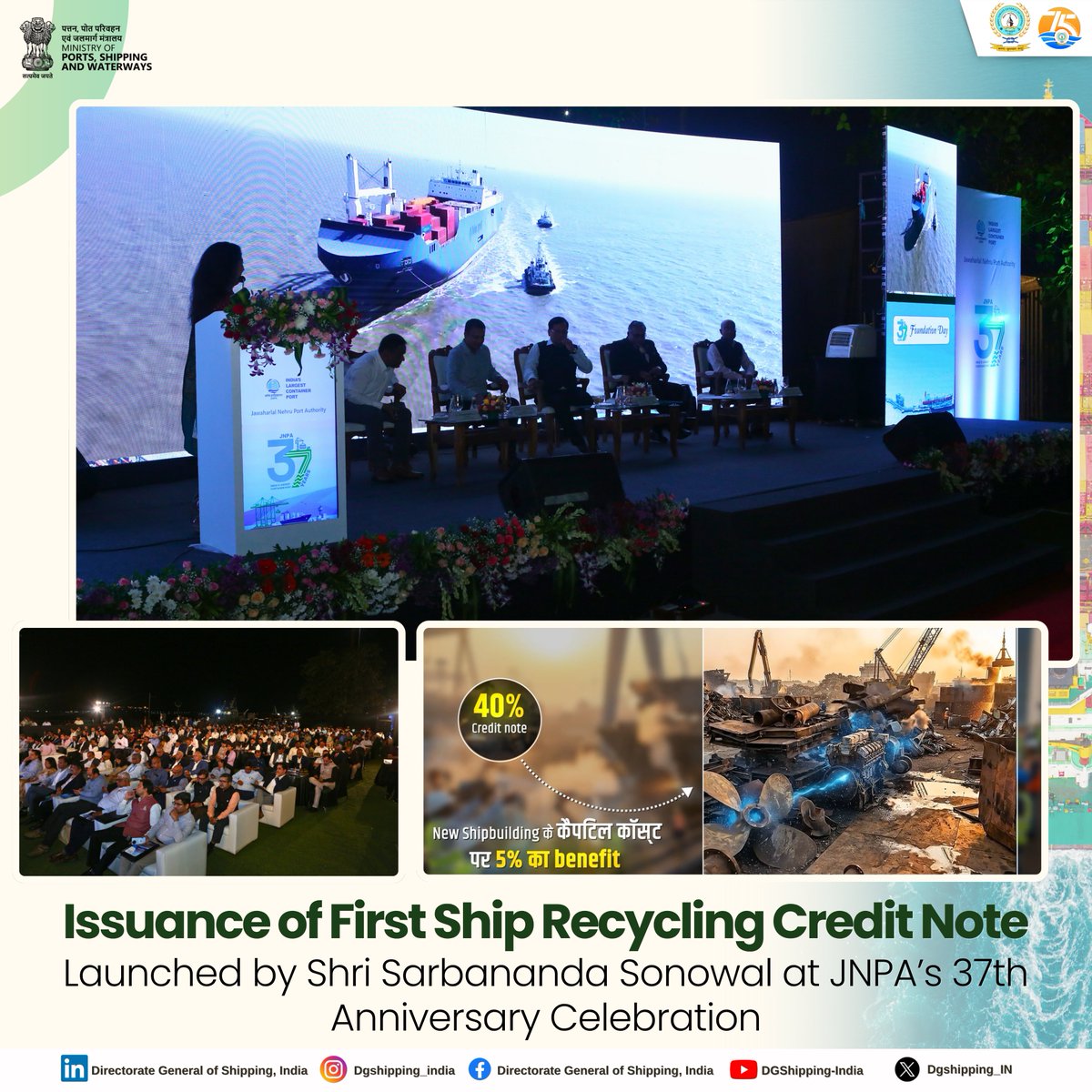
1
2
12
527

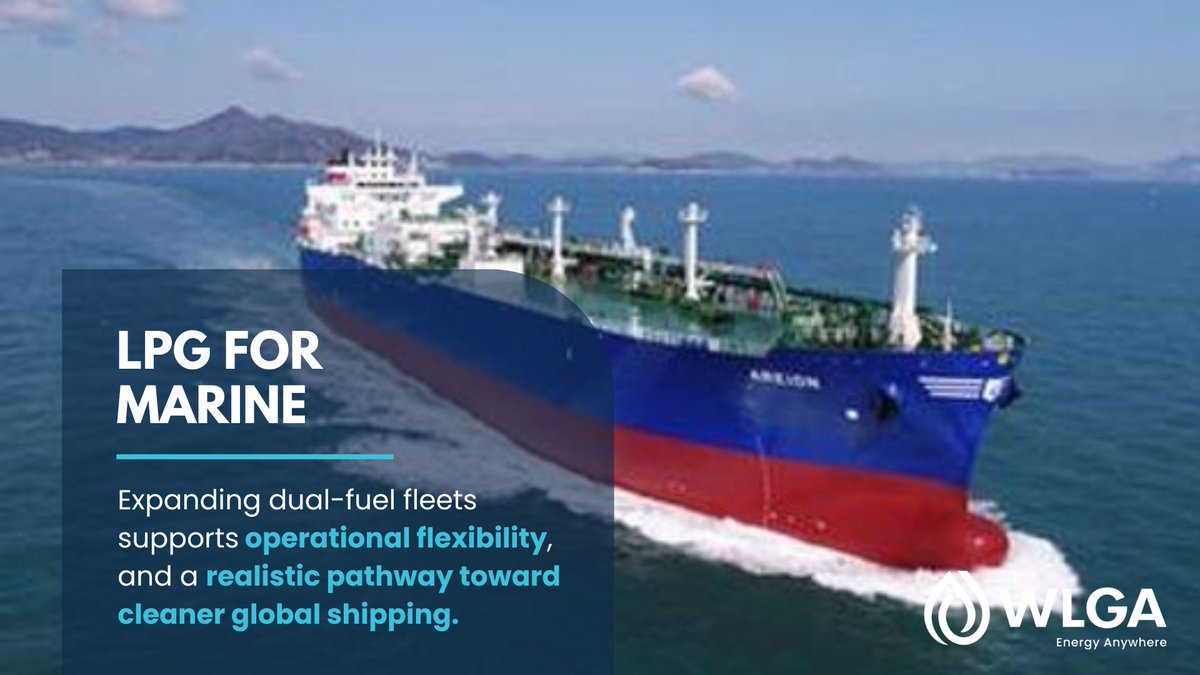
Another strong signal of momentum for #LPG as a #MarineFuel. @DorianLPG1 is expanding its fleet with the new dual-fuel gas carrier “Areion”, reinforcing the growing adoption of LPG-powered vessels across the #maritime sector.
Find out more: marinelink.com/news/dorian-l…
#Shipping #AlternativeFuels #CleanShipping
15
13
1,049

May 25
Shipping is quietly bringing wind power back 🌬️🚢
Not old sails.
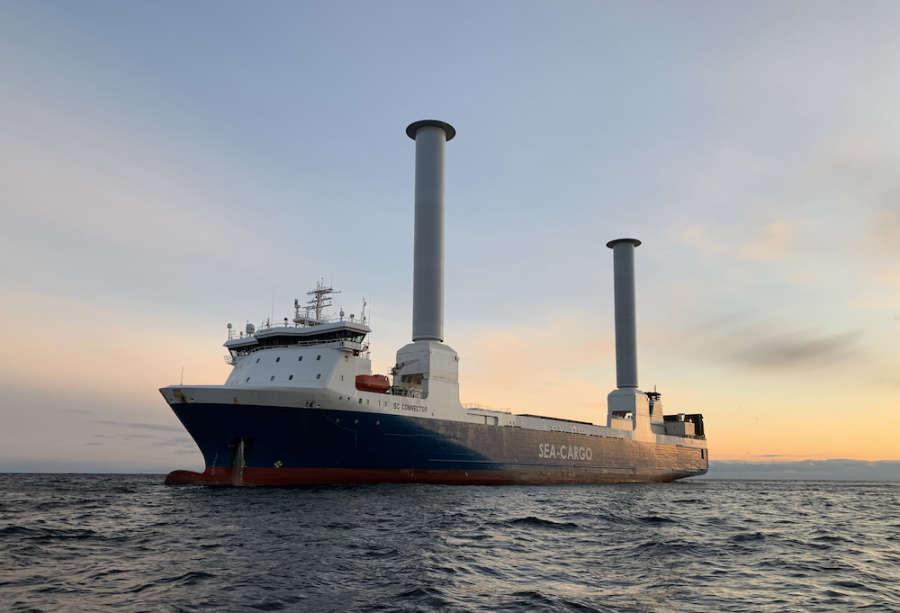
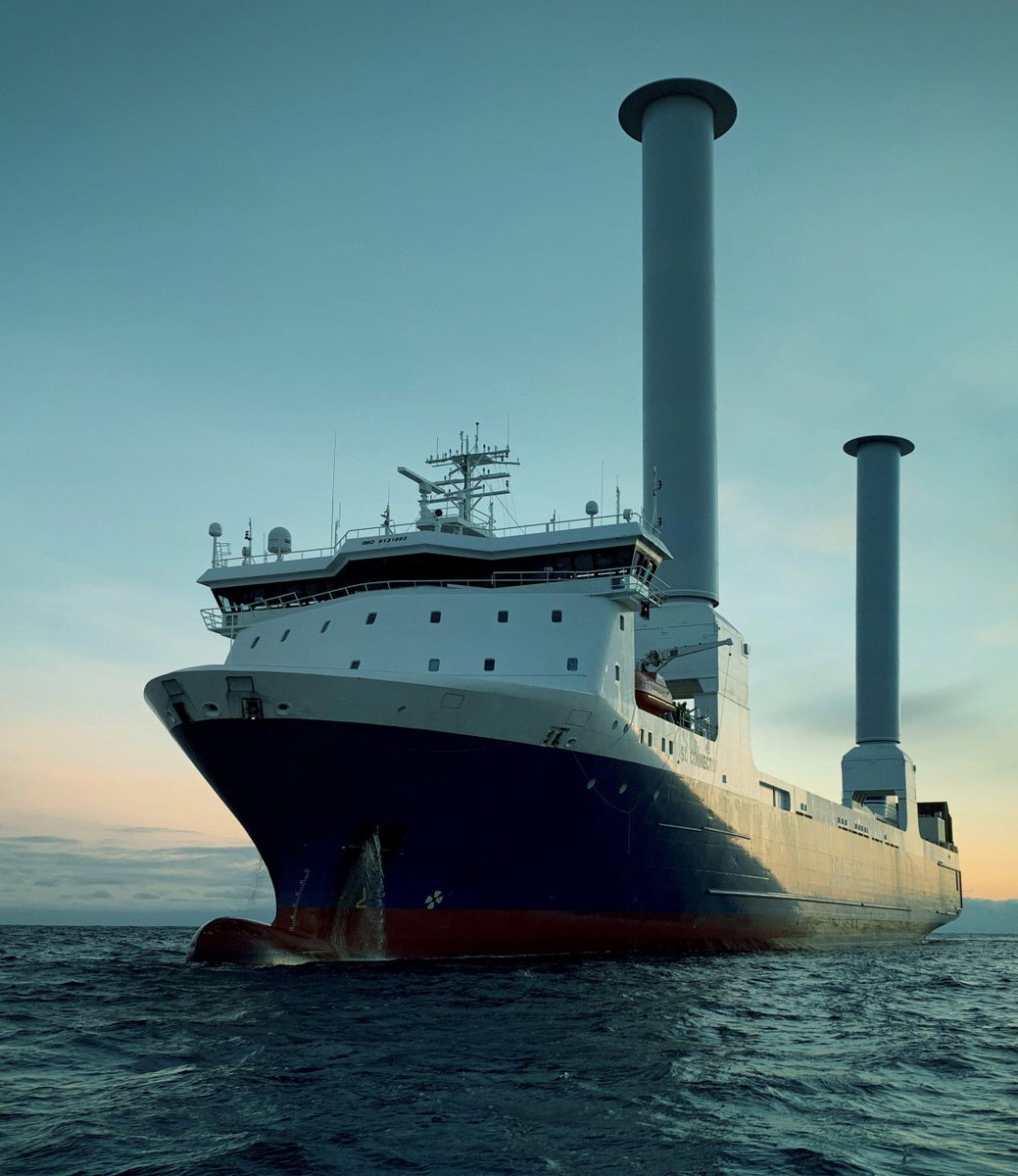
Now, giant rotor sails and wind-assist systems are being used on modern cargo ships to reduce fuel consumption and emissions.
More than 100 vessels worldwide are already using or preparing wind propulsion systems, with many shipowners now ordering them for entire fleets instead of just testing one ship at a time.
Some vessels are reporting fuel savings of between 5% and 20% and some routes have even seen higher numbers in strong wind conditions.
#Maritime #Shipping #WindPropulsion #CleanShipping #Decarbonization #RotorSails
2
21
66
2,928

May 25
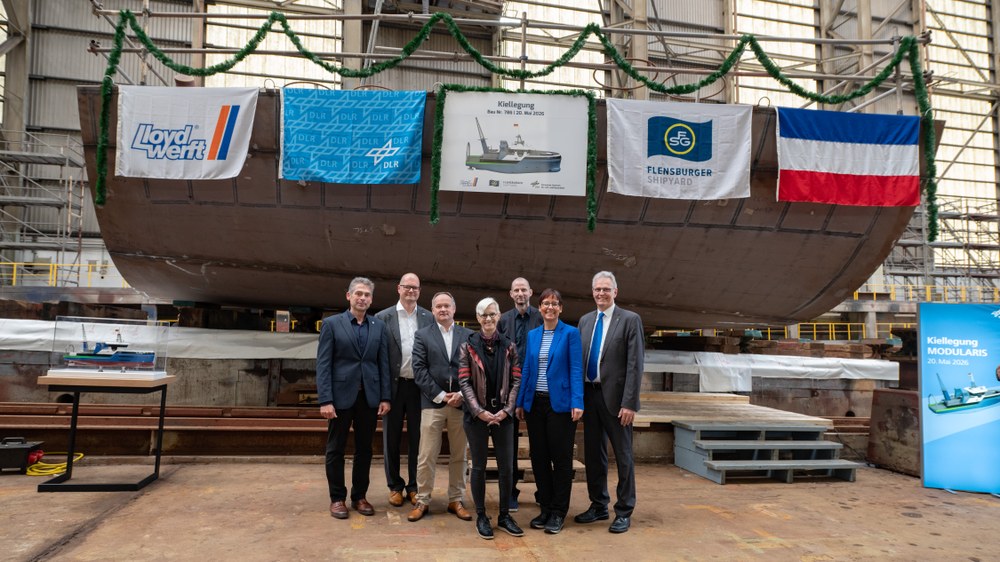
Germany's DLR Lays Keel of €36 Million MODULARIS Floating Laboratory for Hydrogen and Clean Maritime Technology
Read More: onestopesg.com/esg-news/dlr-…
#dlr #modularis #maritimeinnovation #hydrogen #cleanshipping #alternativefuels #climatetech
11

Fueling the future of #cleanshipping: Seaspan Energy and MOL sign annual #LNG #bunkering agreement for car carriers in Port of Vancouver
hellenicshippingnews.com/fue…
128

May 21
Jotun's Hull Skating Solutions Receives DNV Verification ift.tt/U6V7leM Big news! Jotun's Hull Skating Solutions receives DNV verification, ensuring clean hulls and no speed loss. 🌊⚙️ #JotunHSS #DNV #SpeedEfficiency #CleanShipping ift.tt/t7kHw1c
2
2
206

Bound4blue and Cryosafe Partner for eSAIL LNG Carrier Integration
@bound4blue
#bound4blue #Cryosafe #eSAIL #LNG #WindPropulsion #MaritimeTech #Decarbonisation #ShippingInnovation #CleanShipping #RobbanAssafina
assafinaonline.com/en/articl…
11
@nyklineofficial Conducts First Onboard Test of LNG Methane Oxidation System
#NYK #LNG #MethaneSlip #MaritimeDecarbonization #GreenShipping #CleanShipping #MarineTechnology #LNGFuel #RobbanAssafina
assafinaonline.com/en/articl…
19

May 12
⛴ Low-carbon fuels are reshaping maritime transport
Ports play a key role in enabling infrastructure for clean energy in shipping.
The fuel transition is also a port transition.
Source: European Commission – FuelEU Maritime
🤝 @InterregMedGLA
🤝 @InterregEuroMED
#RENEWPORT #CleanShipping #EnergyTransition
1
1
16
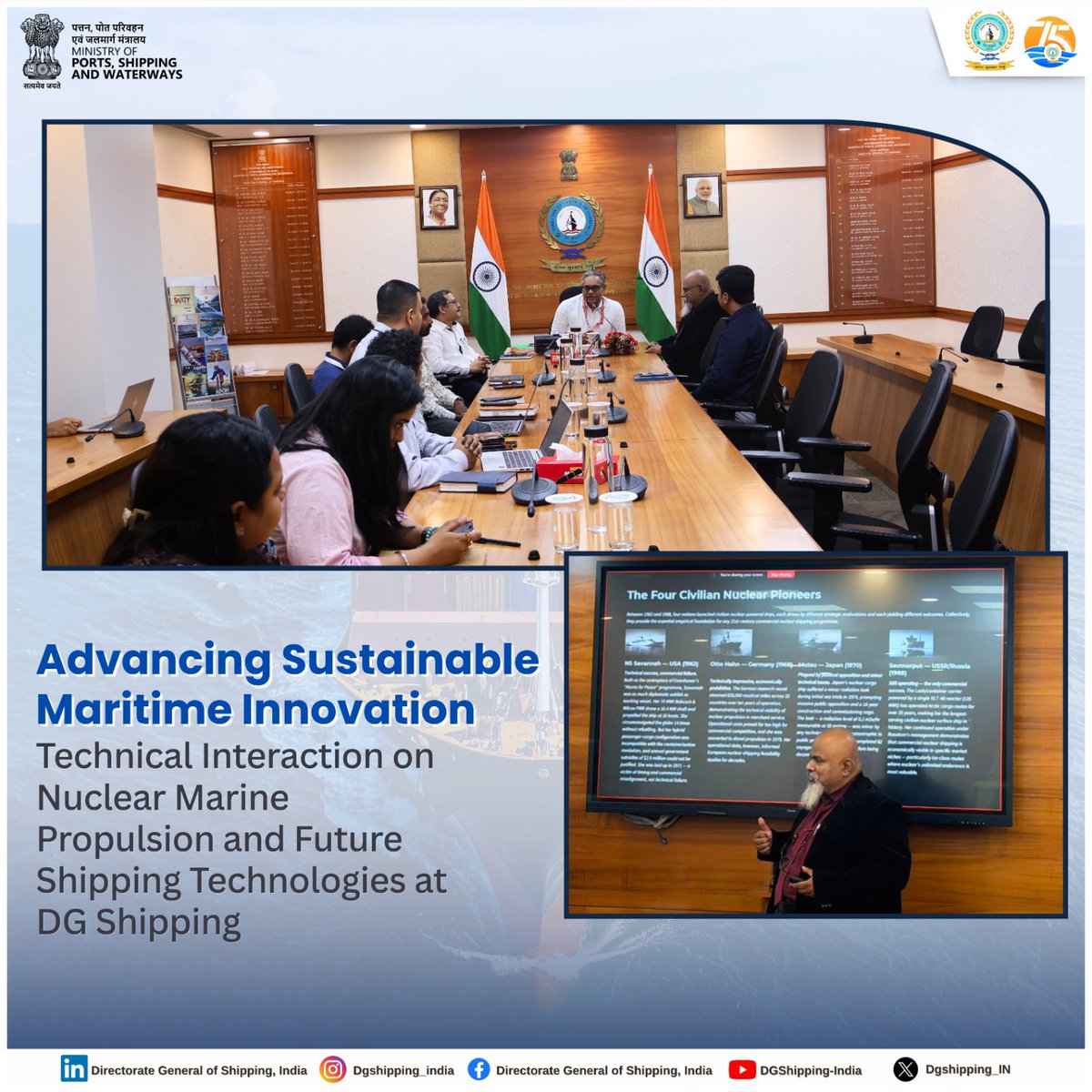
The Directorate General of Shipping had the privilege of hosting Dr Saptarshi Basu for an insightful technical interaction on advanced maritime propulsion technologies and the future of sustainable shipping.
During the session, Dr Basu delivered a detailed presentation on “Nuclear Marine Propulsion for the 21st Century: A National Imperative for India”, covering global developments in nuclear-powered maritime systems, advanced reactor technologies, alternative marine propulsion concepts and India’s strategic opportunities in the domain of clean and energy-efficient shipping.
The discussions highlighted the growing importance of alternative fuels and next-generation propulsion pathways in supporting maritime decarbonisation, long-term energy security and sustainable shipping objectives. Key aspects relating to advanced marine reactor systems, thorium-based fuel, indigenous technological capabilities and future-ready maritime infrastructure were also deliberated during the interaction.
The interaction provided valuable technical insights into emerging propulsion technologies and their potential relevance in the context of India’s evolving green shipping and maritime sustainability initiatives under Maritime India @ Net Zero.
#DGShipping #GreenShipping #SustainableShipping #MaritimeIndiaAtNetZero #AlternativeFuels #CleanShipping #MaritimeDecarbonisation #NuclearMarinePropulsion #InnovationInShipping #MaritimeSustainability #FutureFuels #BlueEconomy
5
494
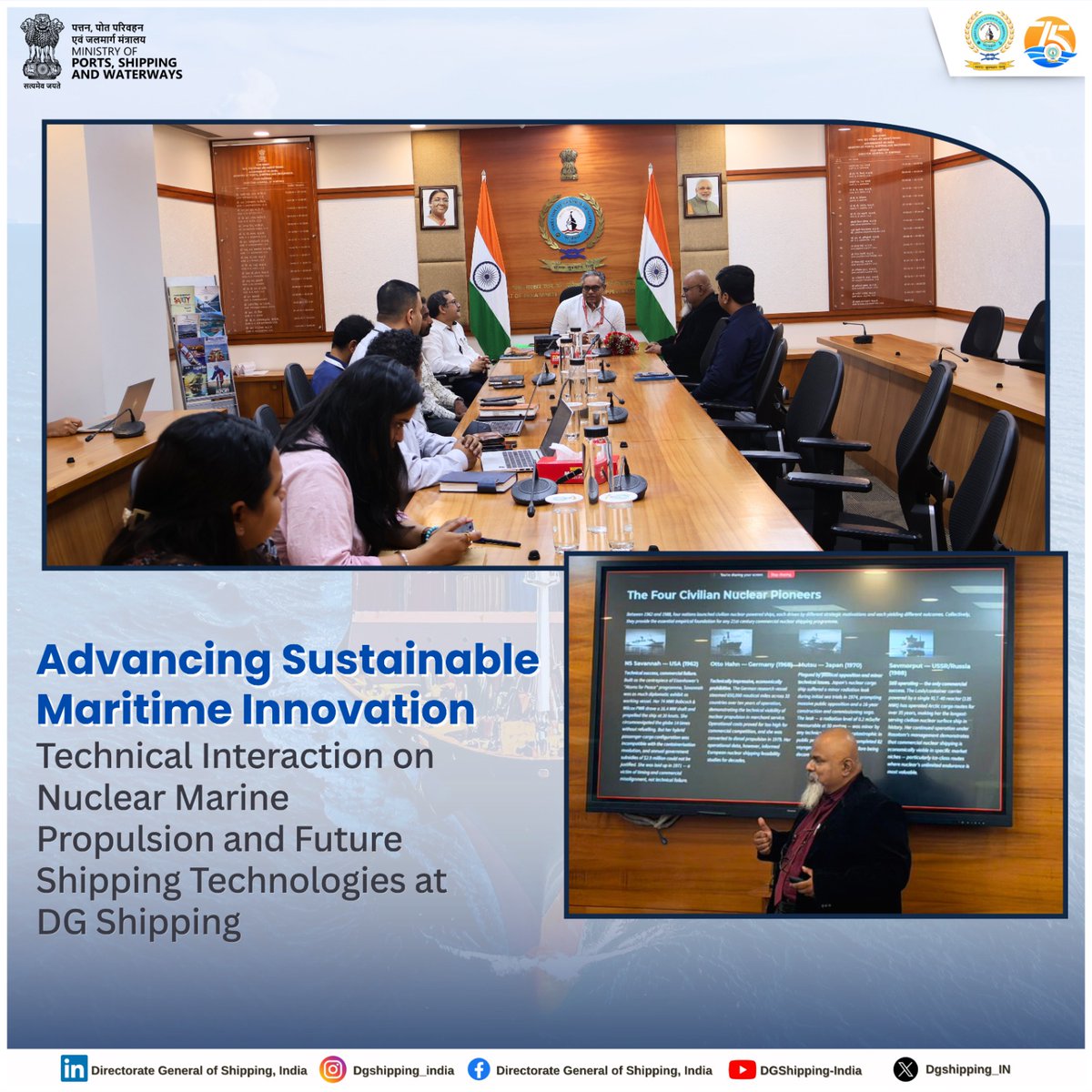
The Directorate General of Shipping had the privilege of hosting Dr Saptarshi Basu for an insightful technical interaction on advanced maritime propulsion technologies and the future of sustainable shipping.
During the session, Dr Basu delivered a detailed presentation on “Nuclear Marine Propulsion for the 21st Century: A National Imperative for India”, covering global developments in nuclear-powered maritime systems, advanced reactor technologies, alternative marine propulsion concepts and India’s strategic opportunities in the domain of clean and energy-efficient shipping.
The discussions highlighted the growing importance of alternative fuels and next-generation propulsion pathways in supporting maritime decarbonisation, long-term energy security and sustainable shipping objectives. Key aspects relating to advanced marine reactor systems, thorium-based fuel, indigenous technological capabilities and future-ready maritime infrastructure were also deliberated during the interaction.
The interaction provided valuable technical insights into emerging propulsion technologies and their potential relevance in the context of India’s evolving green shipping and maritime sustainability initiatives under Maritime India @ Net Zero.
#DGShipping #GreenShipping #SustainableShipping #MaritimeIndiaAtNetZero #AlternativeFuels #CleanShipping #MaritimeDecarbonisation #NuclearMarinePropulsion #InnovationInShipping #MaritimeSustainability #FutureFuels #BlueEconomy
2
10
498
May 7
#Bound4blue installs four 24m #eSAIL suction sails on #MaerskTankers' vessel Maersk Tahiti. The wind-assisted tech cuts fuel use & emissions, improving #CII & helping meet #FuelEU Maritime targets. #CleanShipping #Decarbonization
inspenet.com/en/news/bound4b…
9