Scary Marc retweeted

2024: peer-reviewed work showing best-case decarbonization scenarios won't avoid dire 2°C ignored by media
2026: best-case scenario ditched (now implausible); 2°C by 2030s likely
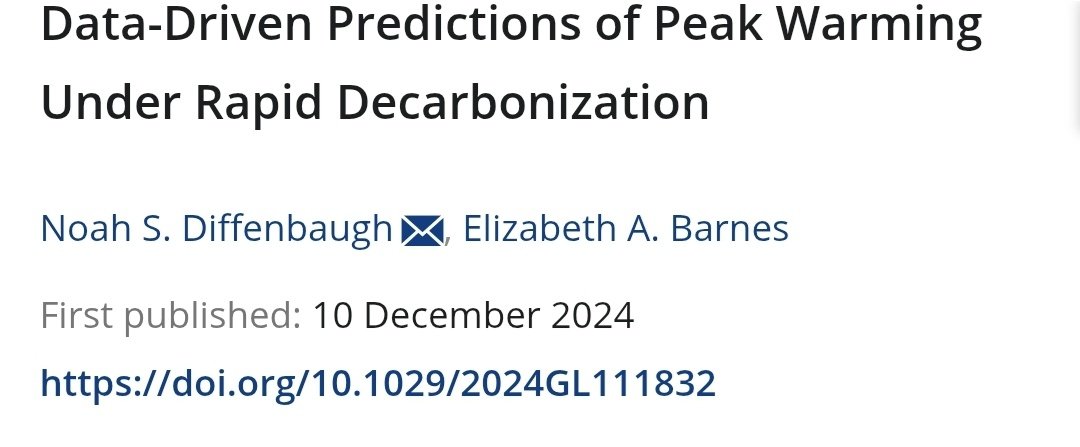
ALT Data-Driven Predictions of Peak Warming Under Rapid Decarbonization Noah S. Diffenbaugh, Elizabeth A. Barnes First published: 10 December 2024 https://doi.org/10.1029/2024GL111832
1
4
6
501

53m
#Romania has the foundations to become one of the important markets for next-generation nuclear energy in Central and Eastern Europe: a strong industrial base, proven nuclear experience, a trained nuclear workforce, and growing demand for clean, reliable power.
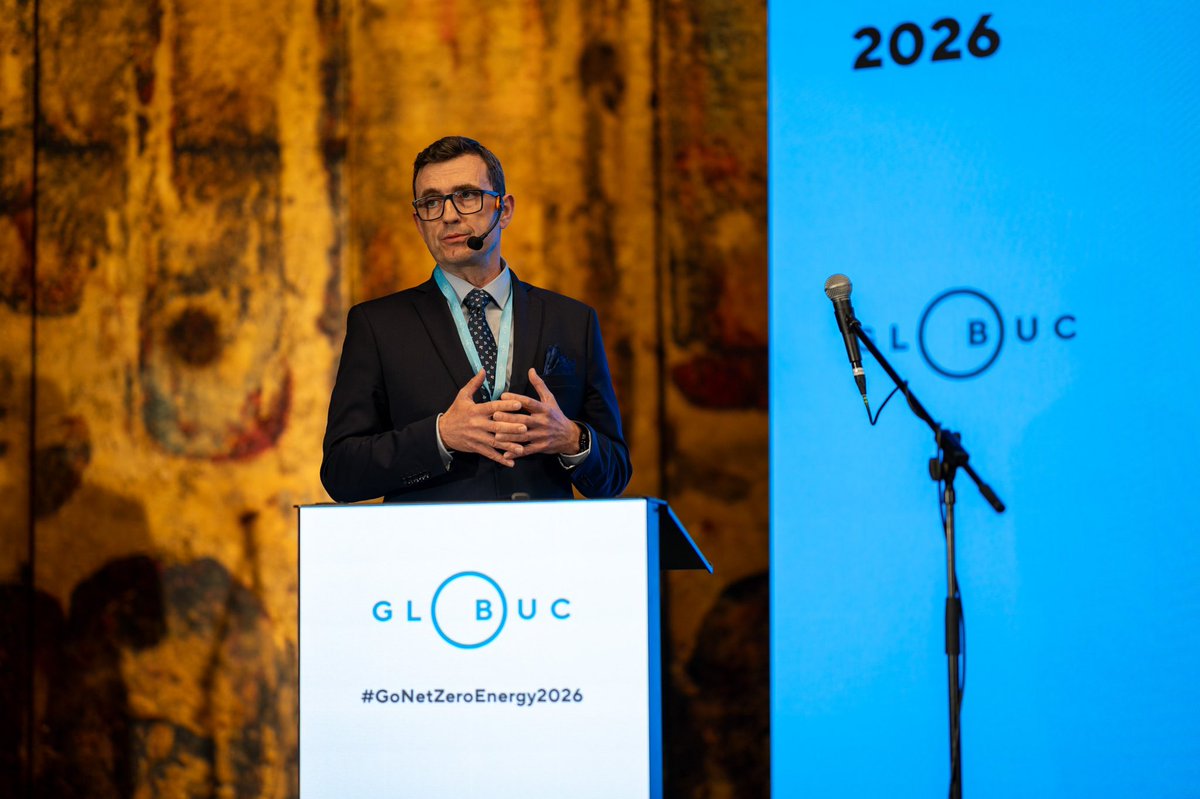
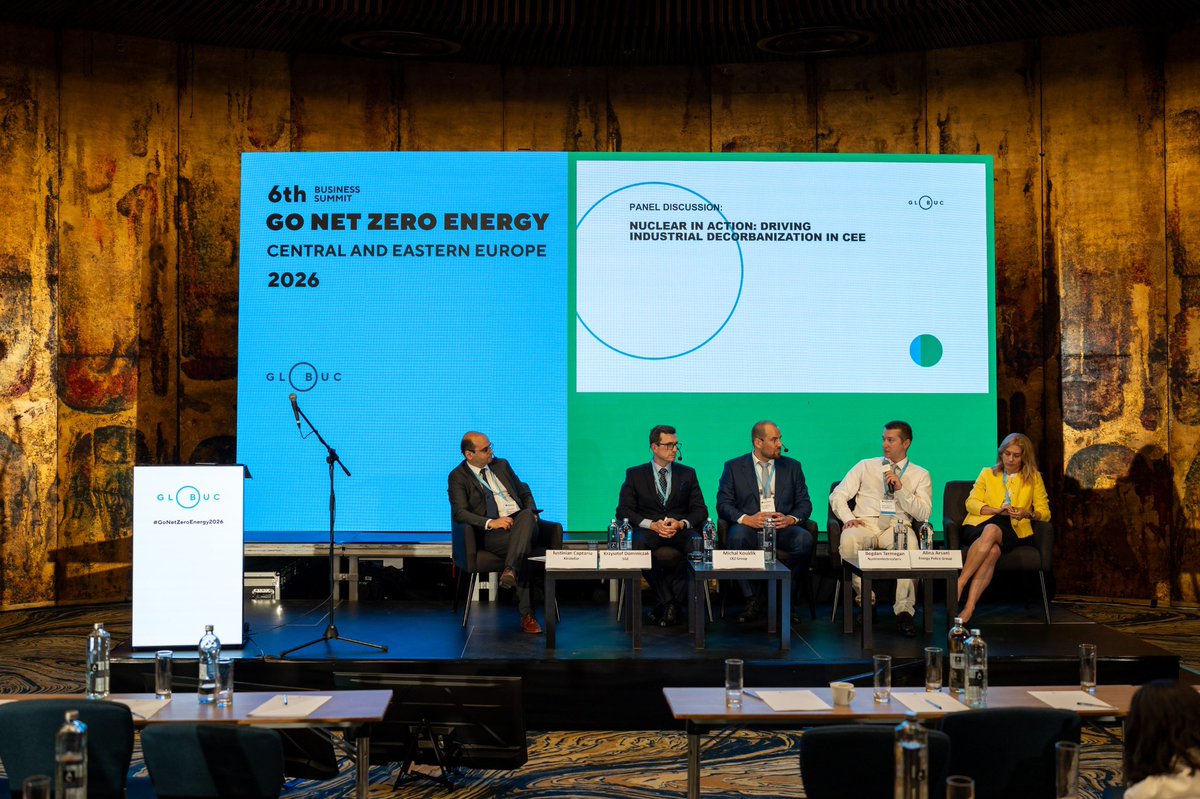
At #GoNetZeroEnergy2026 in #Bucharest, Krzysztof Dominiczak, Vice President of the Management Board at SGE, joined the panel discussion “Nuclear in Action: Driving Industrial Decarbonization in CEE.” He spoke about why Romania is a strong fit for our European fleet deployment model and walked the audience through SGE’s experience in advancing #BWRX300 projects across the region, including the development work already underway in Poland.
With the BWRX-300, SGE offers Romania an affordable, reliable, and scalable nuclear solution that can support industrial decarbonization, energy security, and long-term economic growth. As part of a regional fleet and supply chain, Romania can benefit from standardization, shared experience, and economies of scale across Central and Eastern Europe.
We see Romania as a country with the right foundations, the right capabilities, and the right ambition to play a meaningful role in Europe’s next chapter of nuclear energy.
#LETSBUILDNEWNUCLEAR

1
1
12
jon golding retweeted

New Study: "Green" Energy Fails 62% of the Time!
The "green" decarbonization hoax took another blow as a new, peer-reviewed study in Greece revealed Solar meets demand only 32% of the time. Wind, 44%. Combined, they FAIL to deliver 62% of the year.
Even with storage, the gap between generation/consumption is MASSIVE due to poor correlation with actual peak demand times. Annual “totals” are a lie. These expensive, hail-magnet, land-gobbling boondoggles are unreliable by nature.
This is why your power costs more, blackouts loom, and grids still need constant fossil/nuclear backup.
They’re not replacing anything. They’re destabilizing everything.
Source: lidsen.com/journals/jept/jep…
1
6
16
1,015

UK just set an 87% emissions cut target by 2040.
For carbon buyers: national ambition sets the context. As host-country targets tighten, offset claims face higher scrutiny.
Quality bar rises with ambition.
#ClimateAction #decarbonization
19
Felipe Alvarez M retweeted

That was the film after decarbonization: The Spy Who Teased Me
10
15
653
19,820

4. Decarbonization, Democratization & Digitisation (3D)
5. Supply Chain Management, Logistics & Operations
6. Organisational Behaviour
7. Strategic Management
8. Sustainability, Ethics & Governance
9. Entrepreneurship
10. Financial Markets
11. Marketing
1
6

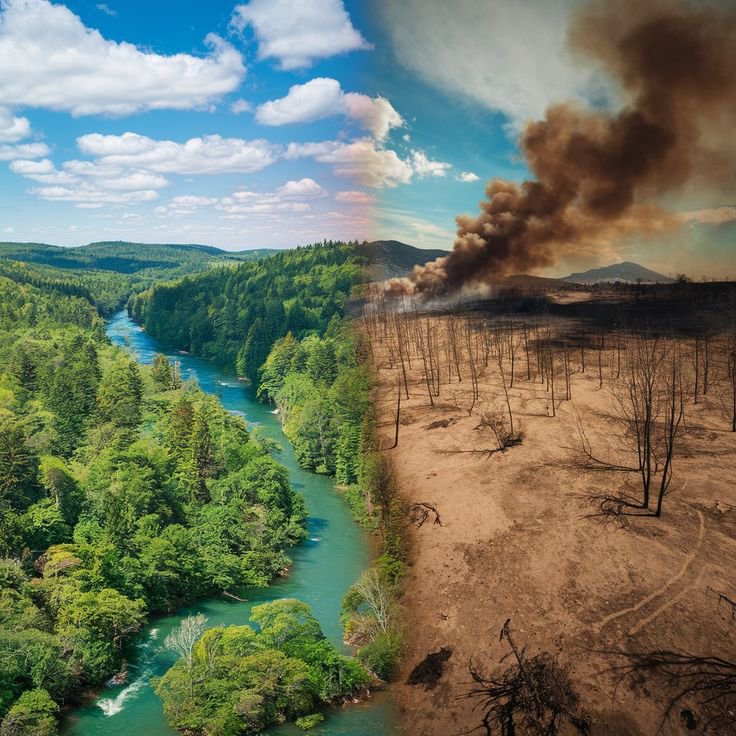
This is such demonstration that @KCCAUG @AirQoProject @nemaug can use to sensitize communities.
A lot of industrial carbonated fumes generated daily are too much in the atmosphere. Old cars
Additionally, we need serious decarbonization pathways.
@okidi64 @ABarirega @KCCAED
2
125

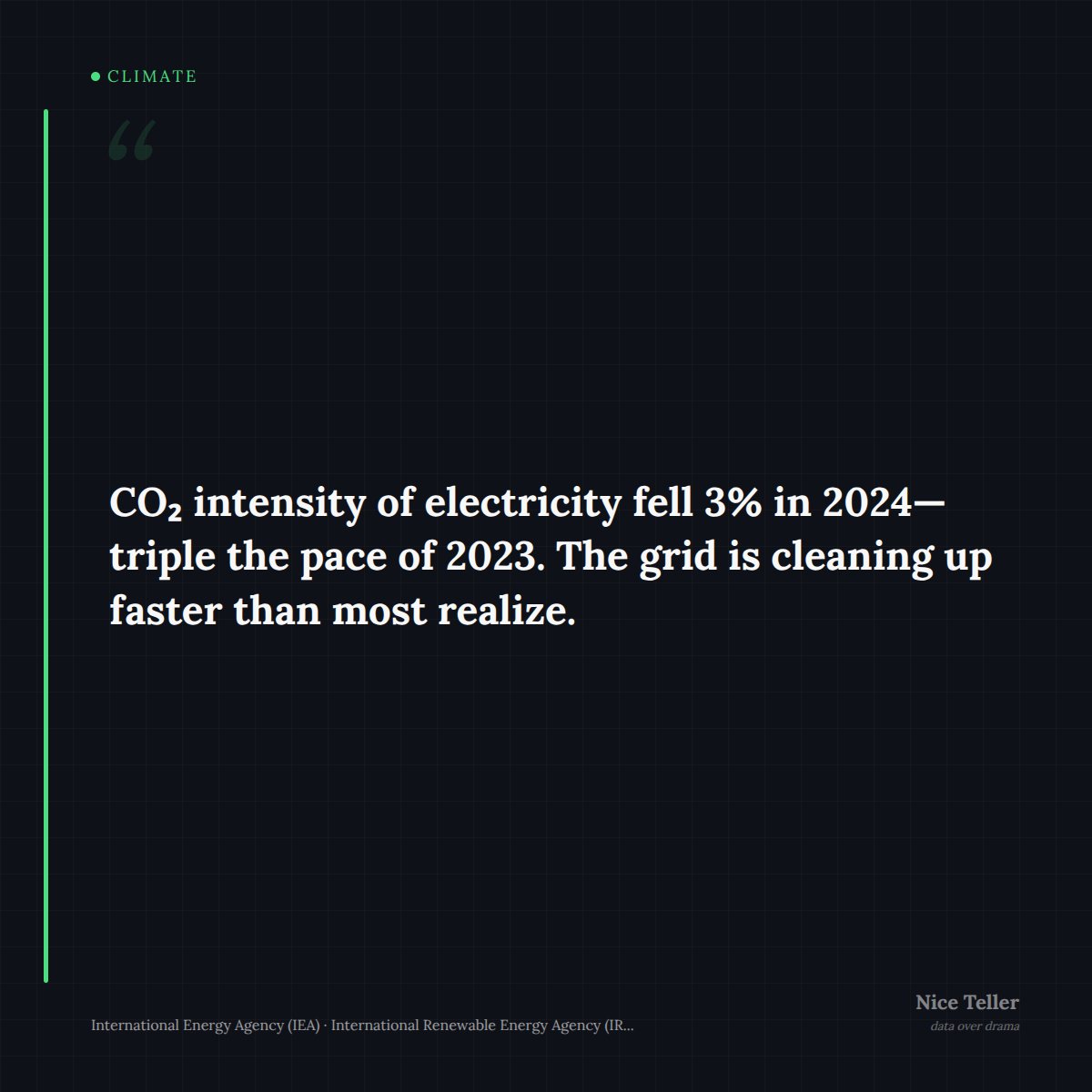
According to the International Energy Agency (IEA), the CO₂ intensity of electricity generation fell by a record 3% in 2024 — triple the 1% decline seen in 2023.
That's a significant acceleration. It means that for every unit of electricity the world produced last year, it released measurably less carbon than the year before, and the pace of improvement is picking up fast.
This matters because electricity is the backbone of decarbonization. As we electrify transport, heating, and industry, the carbon intensity of the grid determines whether that shift actually reduces emissions. A 3% annual drop — if sustained or accelerated — changes the math on everything downstream.
Emissions still rose globally in 2024, so this isn't a victory lap. But the grid is cleaning up faster than most people realize.
1

Climate change is no longer a peripheral environmental concern; it has evolved into a system wide stress multiplier. It does not act as an isolated event, but rather as a catalyst that triggers cascading failures across interconnected networks food systems, water security, public health, and governance capacity.
When we view the climate crisis through a systems lens, we move beyond binary debates about carbon targets and begin to confront the reality of compounding fragility. In this context, environmental degradation acts as a catalyst that strips away the "buffer" of already strained societies, rendering them increasingly unable to absorb subsequent shocks.
Crucially, climate impacts are rarely democratic. They are filtered through the prism of existing socio economic inequalities. The same climatic event a heatwave, a flood, or a prolonged drought will yield vastly different outcomes depending on the structural resilience of the region affected. While a wealthy nation may mitigate damage through robust infrastructure, a vulnerable community often faces a total collapse of essential services, leading to displacement, conflict, and economic paralysis.
This creates a dangerous feedback loop: as local systems lose their ability to cope, the resulting instability further weakens their institutional capacity to adapt, leaving them even more exposed to the next inevitable shock.
Ultimately, the defining challenge of our time is not just decarbonization though that remains essential. It is the urgent need to reinforce adaptive capacity within the socio technical systems we inhabit. We must shift our focus from merely "protecting the environment" to "designing resilient societies" that can withstand, recover from, and evolve in the face of persistent environmental volatility.
1
1
75