
Jun 10
A Nigerian university just turned plastic pollution into a circular-economy lab.
The University of Lagos commissioned a plastic recycling micro-plant in partnership with the French Embassy, Plastic Odyssey, and Weircapacity.
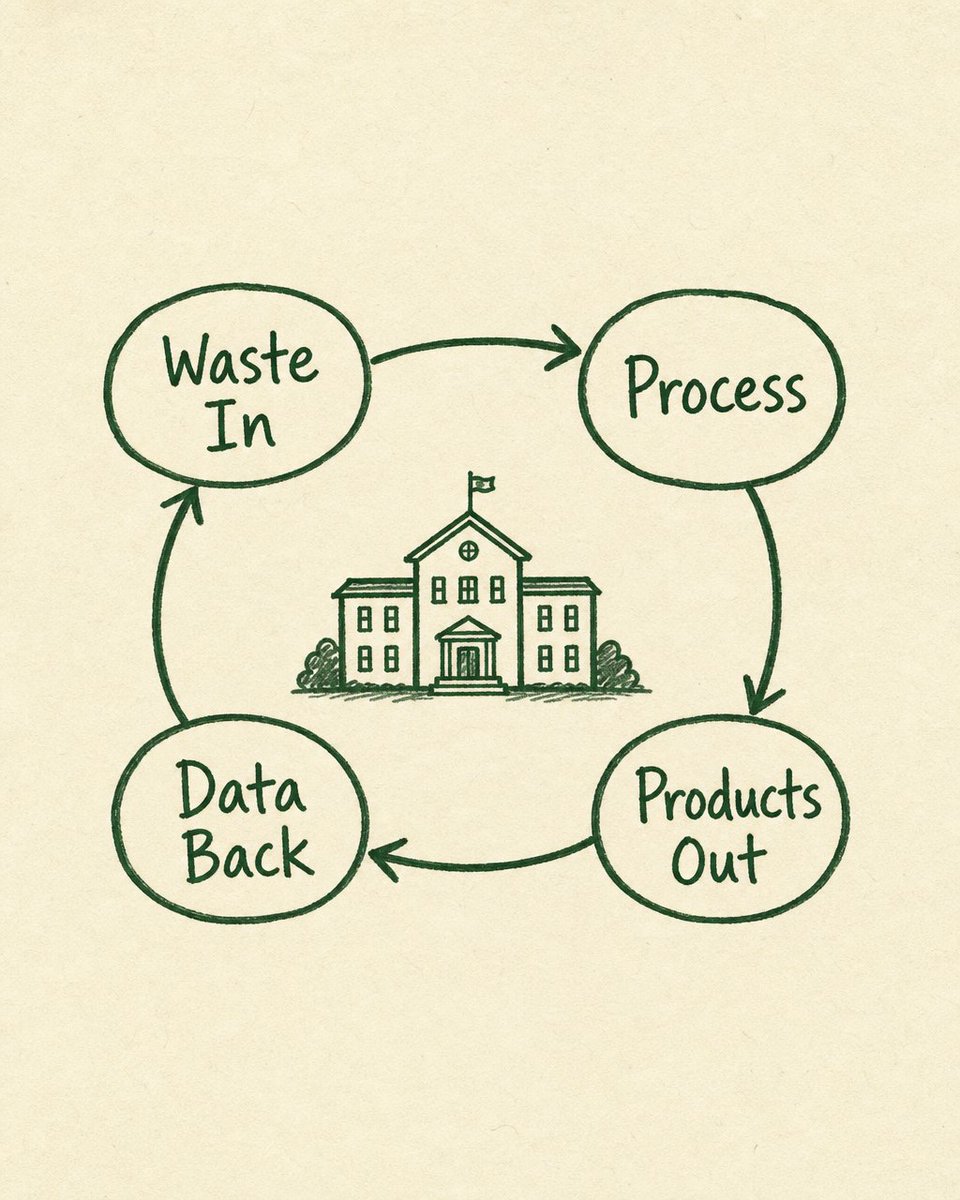
Plastic waste goes in. Reusable products come out.
Students, researchers, and industry partners work side by side.
This is not a pilot program.
It is a working micro-plant on campus that turns waste into economic value.
Meanwhile in Canada, UNBC launched a plastic recycling project with the Northern BC MakerCollective.
Funded by $168,000 from the CleanBC Plastic Action Fund.
Students divert plastic from landfill and reshape it into new products.
Hands-on. Circular. Community-driven.
And at the University of Delaware, a long-running partnership with Goodwill is pushing textile circularity further.
Faculty and students experiment with recycled textiles and felting methods in a living laboratory.
Three continents. Same pattern.
Universities are not just teaching about circular economy.
They are becoming the lab.
But here is the gap.
Most of these programs measure impact at the macro level.
Total pounds diverted. Number of products made.
What they do not have is the micro-level data.
Which student recycled what. Which SKU. When. How often.
That granularity is where behavior change actually happens.
If you can measure that a student recycled 12 Coca-Cola bottles this month, you can reward that behavior.
You can build a loop.
Scan. Verify. Reward. Repeat.
The circular economy needs the data layer.
The campuses that add it will turn good programs into scalable systems.
♻️ Repost for the sustainability team building circular systems that actually track behavior.
Follow me for practical insights on campus recycling, circular economy, and the data layer that makes it work.
#CircularEconomy #CampusSustainability #HigherEd #Recycling
34

Jun 7
What is your evidence 60-70% of British Columbians are politically homeless? I'm happy to vote for KLF. If you don't like the options, start a new party Andrew. She's going to rip up DRIPA, and all of your economy crippling, ineffective green policies. CleanBC sucks.
1
12
88

🚨 BC Hydro warns CleanBC goals conflict with grid reliability and power needs
Link in thread 🧵
3
17
25
920

The BC Government is now okay with natural gas for power generation, but it’s CleanBC policy still calls for an effective ban on natural gas for heating of new homes & offices by 2030…driving up demand for natural gas electricity generation. 🤨
biv.com/news/economy-law-pol…
3
9
20
1,509

May 22
May 22

OMG No no no NO 🔥😕 @CityofVancouver what nonsense pervades thou 🔥
Vancouver passes mayor's motion to pause emissions tracking, ban on natural gas heating in new homes
While mayor argues changes will help make housing more affordable, critic warns of negative impact on climate
cbc.ca/news/canada/british-c…
2
6
253

May 13
Q: What is your plan to diversify B.C. trade?
We need to create an environment that businesses want to invest in. That means:
1. Appointing a minister of economic growth to cut red tape and get projects moving
2. Scrapping the NDP's CleanBC plan
3. Protecting property rights
1
9
538
May 13
May 13
Hey BC politics David Eby Mark Carney... 👇🏽
Datacentres should be forced to invest in wind and solar energy, all states agree – except Queensland
theguardian.com/environment/…
1
2
3
194

May 10
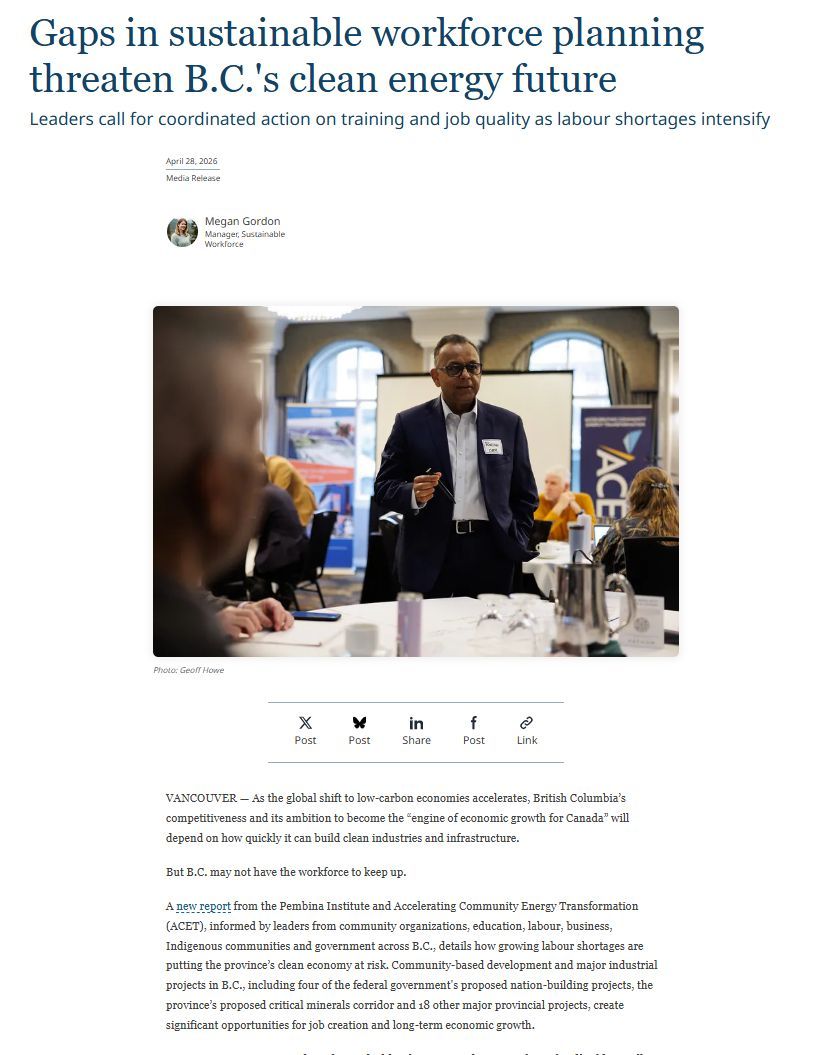
🔎 Missing: B.C.’s CleanBC labour plan.
Promised in 2018, it was never delivered.
Without it, workers don’t know how to access opportunities, and clean energy projects risk falling short from a lack of skilled labour. #bcpoli
3
4
4
284

May 10
MUST WATCH
.@NVanCaroline says CleanBC will cost the province $110B over four years due to regulations, compared to $43B from U.S. tariffs.
@PeterMilobar calls the emissions-reduction initiative a "complete farce," saying emissions are instead rising.
14
38
184
11,792

May 10
I will scrap CleanBC.
CleanBC is another example of the NDP piling on costly red tape that hurts workers, businesses, and investment while doing little to meaningfully improve our environment.
British Columbians are tired of policies that make life more expensive without delivering real results. We need practical solutions.
When I am Premier, CleanBC and needless regulations will be gone.
#bcpoli #readytoleadbc
1
7
25
1,886

CleanBC was once viewed as a shining example of climate and economic planning.
But with no real climate measures in B.C.’s 2026 budget, it looks like the plan is being quietly shelved.
It’s time to recommit, not retreat. ⬇️
buff.ly/dJk1sQ7
1
8
17
356

Apr 29
Any of them would. CleanBC is just a NDP communications strategy.
2
67


Apr 29
Nice of @NVanCaroline to give @icbabc credit for the research on how CleanBC is worse for the B.C. economy than the Trump tariffs. Great work by Jock and Ken Peacock.
El Presidente Chris Gardner in the room tonight so he’ll like that.
1
7
27
1,813

Apr 24
Yes, interesting for sure. In 2023 BCUC denied an Okanagan regional NG FortisBC pipleine that would solve winter peak demands and capacity shortfalls.
Reason: CleanBC climate policies were directing/restricting future NG use therefore would not require increased NG capacity. BC policy biased towards electric heating.
Shortsighted - BC has hit their ceiling on electron availability.
No what?
3
1
8
241
Apr 19
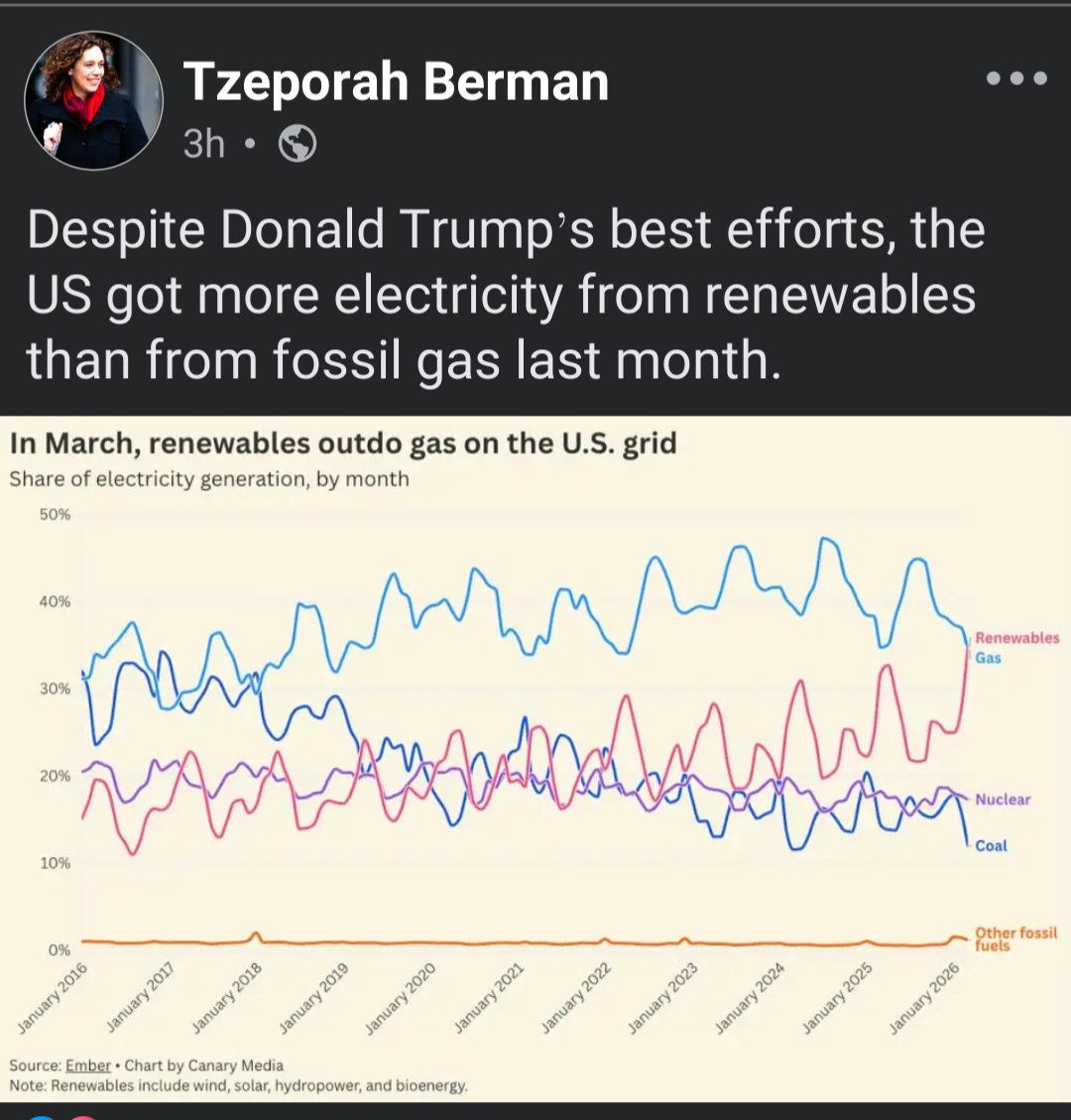
Hey @bcndp NDP Adrian Dix we do not want a Natural Gas power plant in BC.
Just drop that idea right now #bcpoli @standearth #cleanbc
1
2
5
223
Apr 16
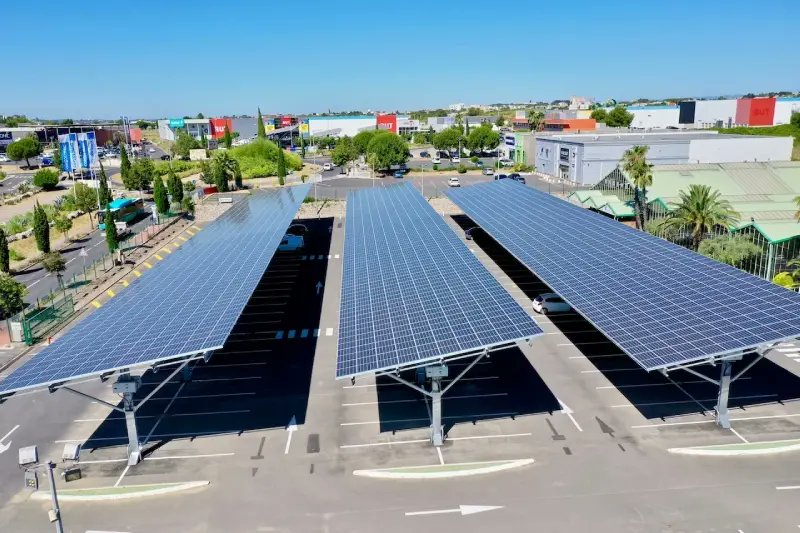
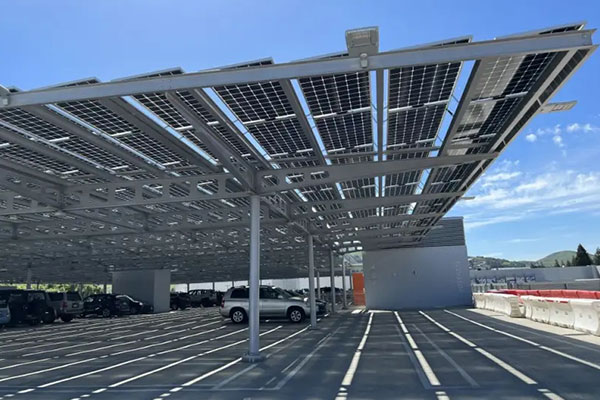
Why aren't we doing this in BC? @bchydro @bcndp #cleanbc @CityofVancouver @CityOfVictoria @New_Westminster @NewWest @CityofSurrey @City_Abbotsford
@Grok: An average solar canopy over one parking space generates ~3,000 kWh of electricity per year (varies by location, ~2-3 kW peak capacity).
That's roughly enough to power a typical household in Europe or drive an EV 10,000 miles.
France's law shows it's doable—US lots could produce serious grid power without new land.

France passed a law requiring solar panels on every parking lot with more than 80 spaces.
Parking lots over a certain size have three to five years to cover at least half their surface area with solar canopies or face fines.
The projected output: up to 11 gigawatts of capacity, the equivalent of 10 nuclear reactors.
The panels shade the cars. They can charge EVs directly underneath them. They generate electricity for the grid. The parking lot goes from dead infrastructure to power plant without using a single additional acre of land.
France plans to increase solar tenfold and double wind capacity by 2033.
The US has approximately 800 million parking spaces. Eight hundred million. Most of them are uncovered asphalt sitting in direct sunlight.
Why aren't we doing this?
2
2
4
140


Norway developed its hydrocarbons under strict environmental standards, banked the proceeds in a $2 trillion sovereign wealth fund, and funded a genuine transition from strength.
BC has Norway's assets. It has been running California's politics.
@sjmuir with the full case: resourceworks.com/norways-as…
#BCPoli #BCEnergy #CdnEnergy #CleanBC
4
4
168