
I completely agree with this post that one of the biggest challenges in sustainable finance is not a lack of sustainability activity.
Across businesses of all sizes, organisations are already investing time, effort, and resources into improving environmental performance, supporting their people, strengthening governance, and building more resilient operations. However, the real challenge is helping financial institutions understand which of those activities genuinely matter.
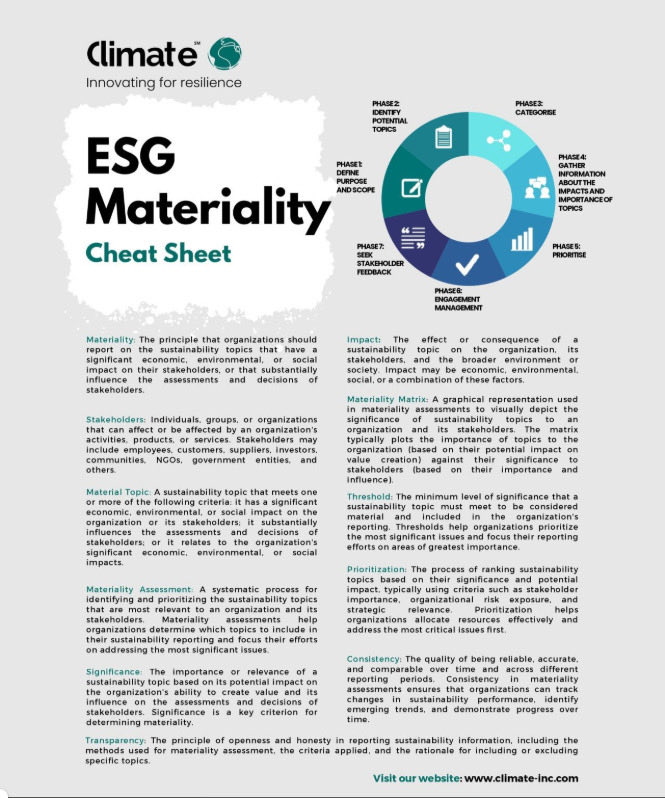
This is where ESG materiality becomes so important. Materiality helps organisations identify the sustainability issues that are most relevant to their business, stakeholders, risks, and long-term value creation. It brings focus to what truly matters rather than treating every ESG issue as equally important.
However, even when businesses understand their material priorities, there is often a second challenge, which is translating that information into something lenders, investors, and corporate partners can consistently use within their decision-making processes.
At JusKel - Sustainability Finance Hub, this is the gap we are focused on solving. We believe sustainable finance becomes more effective when material sustainability performance can be converted into structured, credible, and decision-ready insights. Not more reporting for the sake of reporting, but clearer signals that help financial institutions understand risk, resilience, progress, and future potential.
Because sustainability only creates its full value when the information that matters most can travel beyond reports and into real-world financial decisions. That is how sustainable finance becomes practical, scalable, and impactful.
#ESG #Fintech #AI #OpenBanking #Sustainability #SMEs #ClimateFinance #ClimateStrategy #GreenEconomy #ClimateAction #ESGReporting #JusKel
1

Jun 12
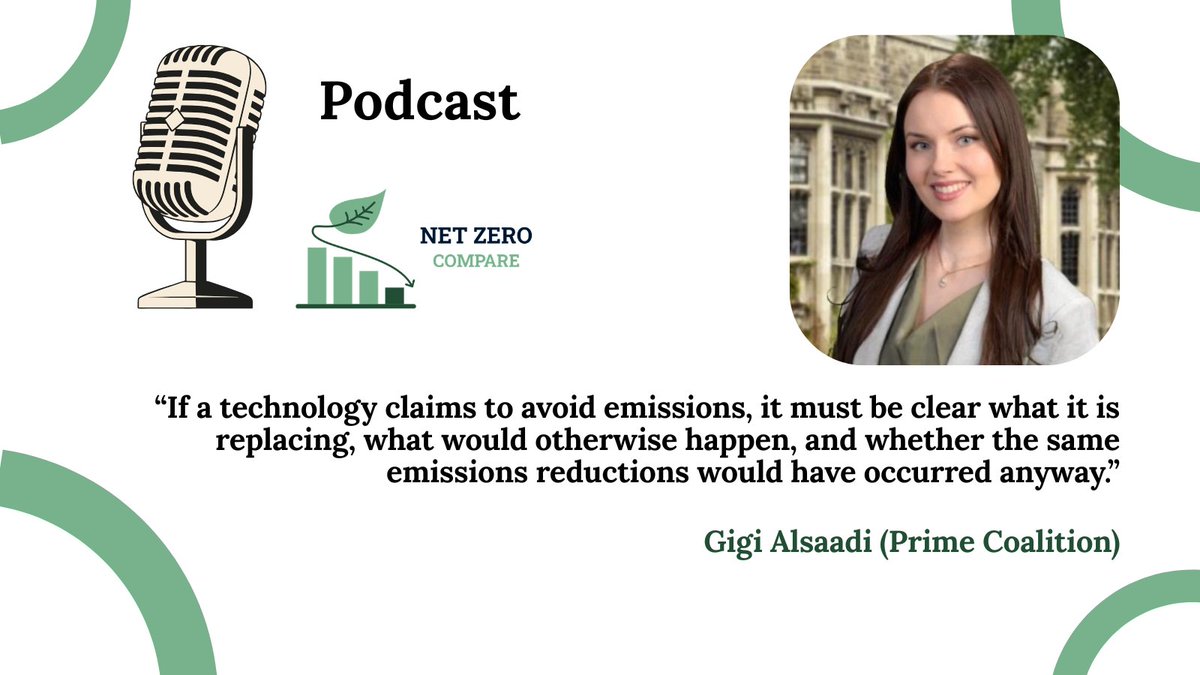
🎙️ New Net Zero Compare Podcast episode!
We speak with Gigi Alsaadi, Co-Founder of KanataQ and CRANE Fellow at Prime Coalition, about how forward-looking GHG impact modeling can help companies and investors assess the future emissions impact of climate solutions.
This episode explores avoided emissions, carbon accounting, credible baselines, additionality, double counting, impact investing, and CRANE, an open-access tool supporting transparent climate impact assessment.
🎧 Listen here: netzerocompare.com/podcasts/…
#AvoidedEmissions #CarbonAccounting #ClimateTech #ImpactInvesting #ClimateStrategy #Sustainability #NetZero #NetZeroCompare
@NetZeroCompare
1
1
16


⚡For many large facilities, the challenge is not whether to reduce emissions, but which opportunities to prioritise first. NSW EPA's CCMAP require...
#CCMAP #IndustrialDecarbonisation #NetZero #CarbonManagement #EnergyEfficiency #ClimateStrategy 100percentrenewables.com.au/…
1
104

Jun 10
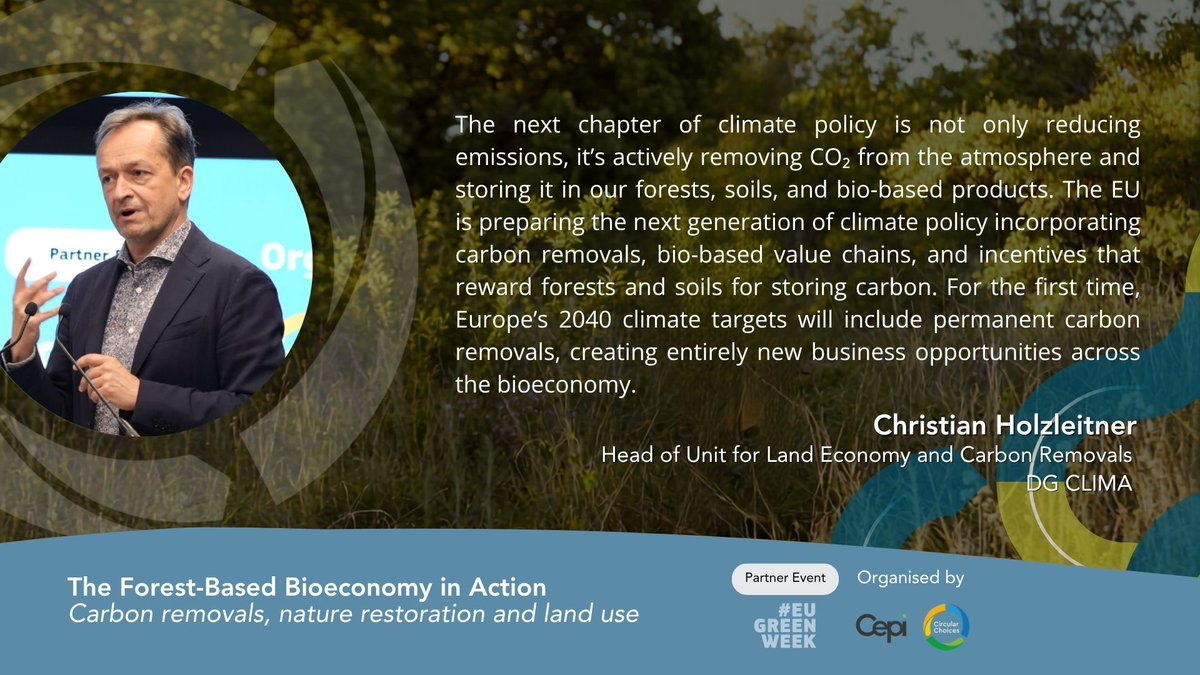
📣 For our keynote speaker Christian Holzleitner, Europe’s #ClimateStrategy is entering a new phase: one that goes beyond reducing emissions and starts treating carbon as something to actively manage, capture, and store.
@ETSchoices @EUSTAFOR @FEFCO @ForestETP
@IntergrafAISBL @Pro_Carton @FBCAglobal @bioenergyEU @ceettar @CEIBois
1
30
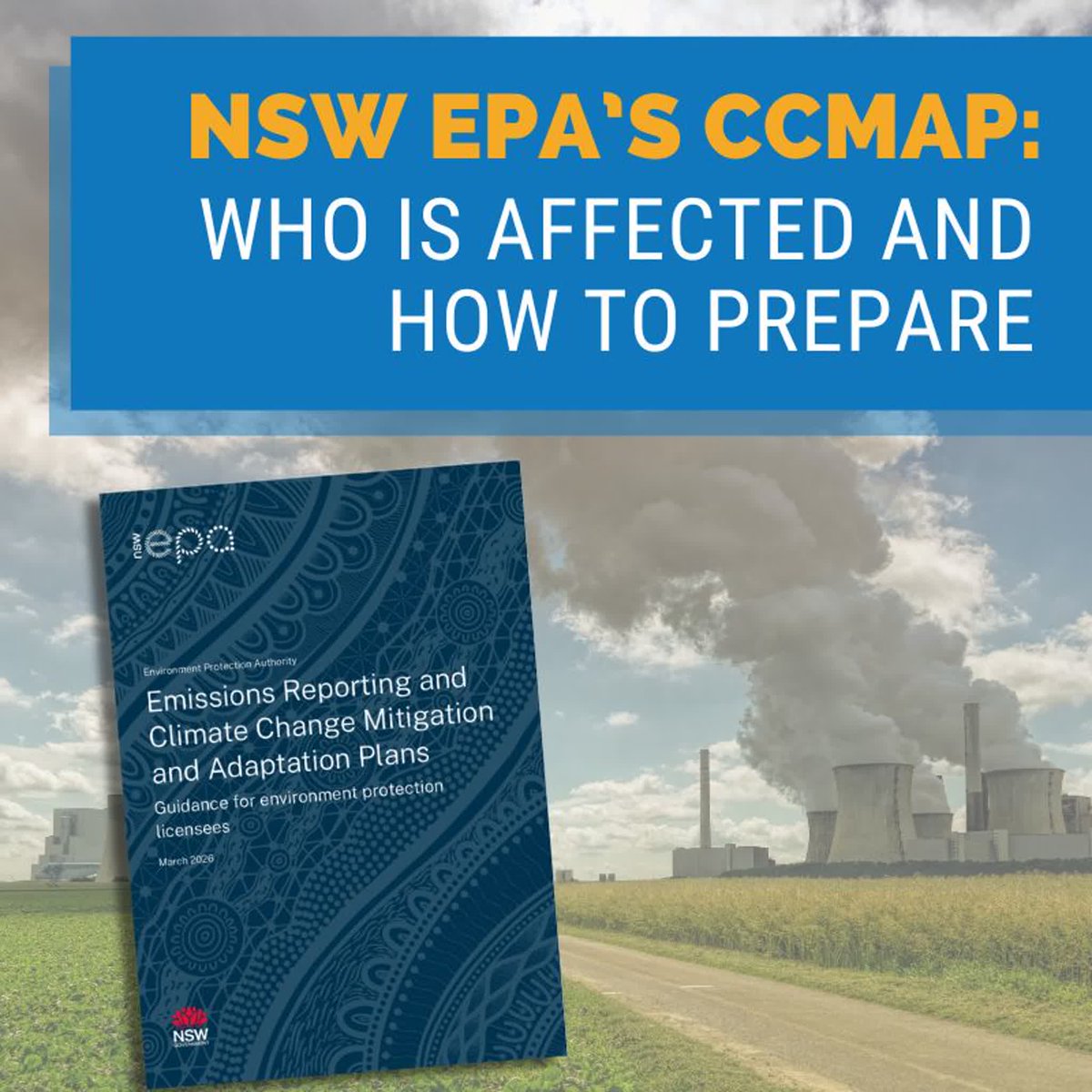
🏭 NSW EPA's Climate Change Mitigation and Adaptation Program (CCMAP) is expected to affect around 10% of EPL holders in NSW. The scheme will require these EPL holders to assess e...
#CCMAP #IndustrialDecarbonisation #NetZero #CarbonManagement #EnergyEfficiency #ClimateStrategy
1
22

It’s no longer about replacing carbon markets, it's about making credits a tool within a broader strategy, not the entire strategy itself. Stakeholders want direct impact, resilience, and true transparency.
#CarbonMarkets #ClimateStrategy #Sustainability #Scope3 #NetZero
3
207

'Organizations Must Plan for Climate Tipping Points' by Torolf Hamm underscores the urgency of preparing for nonlinear climate risks. A strong reminder that proactive planning—not reaction—is key in today’s environment. #Risk #ClimateStrategy #Insurance
bit.ly/4uHsh0g

2
71

May 6
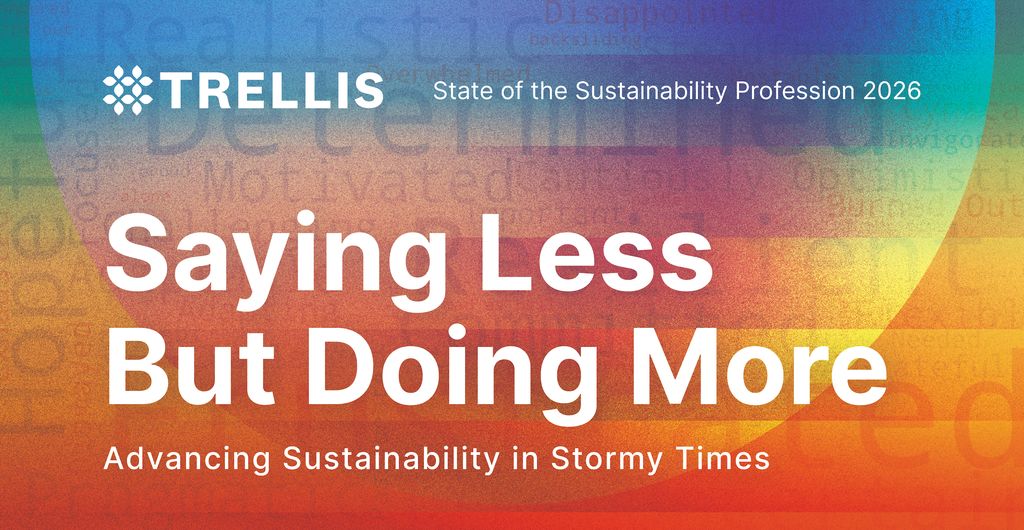
The State of the Sustainability Profession in 2026 is here. This is one of the most important snapshots of the profession right now.
Get the full report: buff.ly/1FtyFZP
#Sustainability #ESG #ClimateStrategy #CorporateSustainability
1
1
2
147
May 5
If you want it first thing in your inbox, subscribe to the Trellis Briefing today: buff.ly/THdKyt7
Because the leaders who understand where this space is going…
are the ones who stay ahead of it.
#Sustainability #ClimateStrategy #CorporateSustainability #ClimatePolicy
48
May 4
Ford’s reset = a reality check for sustainability strategy.
Ambition alone isn’t enough. Execution has to work financially too.
Read more: buff.ly/rax3Pq2
#Sustainability #Leadership #ClimateStrategy #Business

1
95
Apr 23
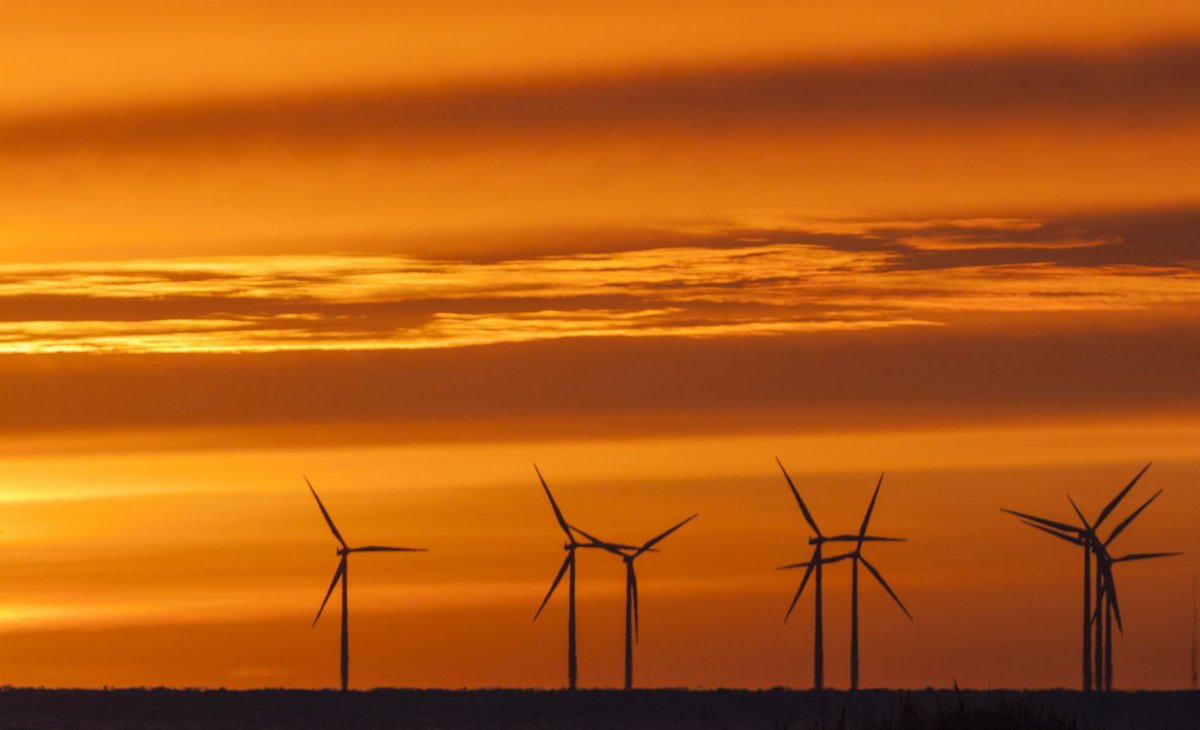
Corporate clean energy demand has helped finance 100 GW of new power in the U.S.
But new GHG accounting rules could make those deals harder to justify.
What happens next? 👇
buff.ly/XgFLqJt
#Sustainability #ClimateStrategy #Business
1
1
122

Apr 9
COP31 is looming on the horizon for Turkey, but are we focusing on the wrong things? 🧵
If we treat COP31 as a 14-day summit in Antalya, we miss the forest for the trees. It is a multi-year climate process that demands a total overhaul of our economic and operational strategies. Sustainability isn't a PR move; it's a survival strategy.
beforethelastglaciermelts.bl…
#COP31 #ClimateAction #Sustainability #Turkey #ClimateStrategy
1
8
820
Apr 9
Most suppliers don’t lack intent.
They lack:
→ resources
→ knowledge
→ support
That’s where better engagement strategies come in: buff.ly/FovMJyg
#Sustainability #SupplyChain #ClimateStrategy

1
1
67

Apr 8
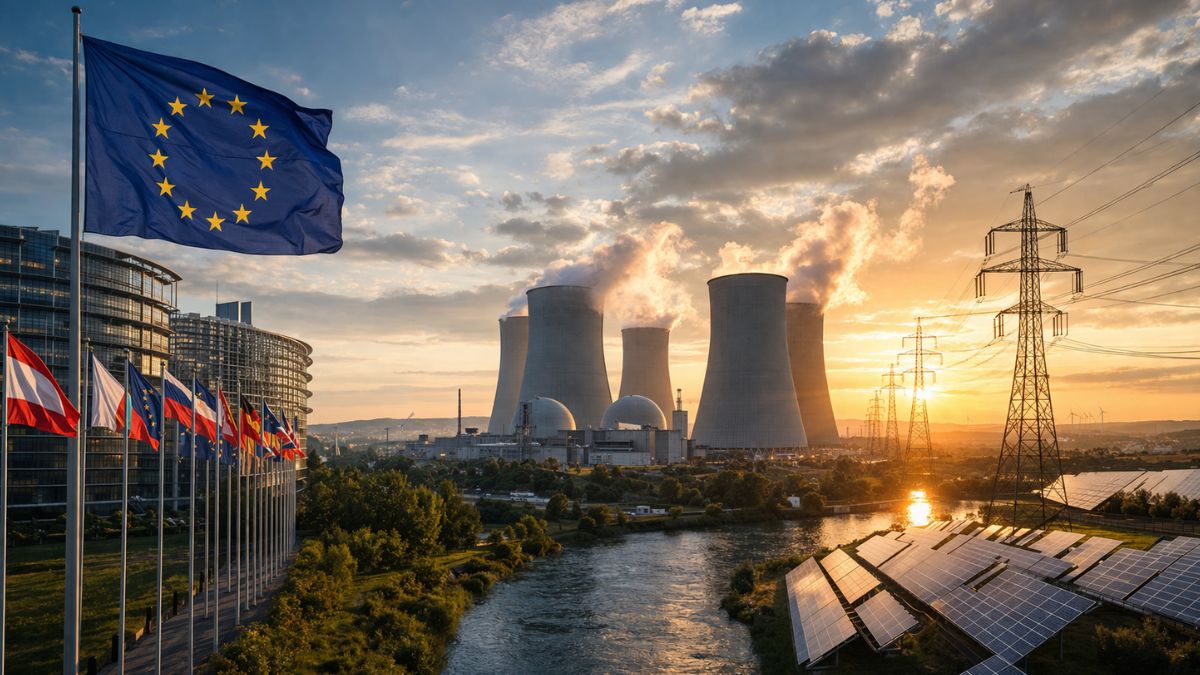
🔴ANALYSIS – State Aids, Energy Sovereignty and the Nuclear Renaissance: The European Union put to the test by the EDF Case and States Responses
By François Souty
➡️lediplomate.media/analysis-s…
Executive Summary
The possible opening of an investigation by the European Commission into the French state’s public support for EDF for the construction of new nuclear reactors raises issues that go beyond the traditional framework of state aid control and European competition policy. It highlights a growing tension between the requirements of the internal market and the imperatives of energy security and sovereignty, in a context of strong geopolitical instability and acceleration of the climate transition.
Faced with the serious risk of significant delays in the implementation of the French nuclear programme, several levers of action can be mobilised. From a legal point of view, France has substantial room for manoeuvre by relying on the exceptions provided for in Article 107 §3 TFEU, in particular those relating to the development of certain economic activities and the achievement of objectives of common interest, such as security of supply and decarbonisation. The qualification of nuclear power as a service of general economic interest is also a structuring axis for framing public compensation mechanisms.
At the same time, the use of the British precedent of Hinkley Point C and the Commission’s recent decision-making practice offers solid arguments in favour of the compatibility of the measures envisaged, in particular if they are designed in a logic of proportionality and limitation of distortions of competition reviewed in the light of geopolitical events.
Beyond the legal register, a proactive political strategy appears to be decisive. It presupposes the creation of broader alliances between Member States in favour of nuclear power, the mobilisation of the European Council and a requalification of the debate at EU level, insisting on the strategic and urgent dimension of energy security.
Finally, controlling the time factor is a central issue: France will have to anticipate the procedure, structure its mechanisms upstream and, if necessary, consider transitional solutions or adaptations to its financing mechanisms in order to limit the delaying effects of an in-depth investigation.
All these actions are part of an integrated approach aimed not at circumventing EU law, but at making full use of its resources in order to reconcile competitive discipline and strategic imperatives. If the search for a rapid consensus with the Commission does not materialise, there will inevitably be other much more aggressive courses of action.
#EUStateAid,#EDF,#NuclearRenaissance,#EnergySovereignty,#EUCompetitionLaw,#EnergySecurity,#EuropeanUnion,#NuclearPolicy,#Decarbonization,#EnergyTransition,#Geopolitics,#IndustrialPolicy,#ElectricityMarket,#ClimateStrategy,#StateIntervention,#StrategicAutonomy,#EnergyCrisis,#UkraineWarImpact,#EnergyIndependence
2
51
Apr 8
Scope 3 isn’t just a measurement challenge.
It’s a collaboration challenge.
This breakdown of Thrive Market’s supplier engagement approach is worth your time 👇
🔗 buff.ly/FovMJyg
#Sustainability #SupplyChain #ClimateStrategy

91

The Iran conflict may have just accelerated the global energy transition more than a decade of climate negotiations.
Reported by the @FinancialTimes, Chinese clean energy giants like CATL, BYD and Sungrow have added over $70 billion in market value since the US–Israel strikes on Iran. What is striking is not just the scale, but the signal: they have outperformed major oil companies even as oil prices surged nearly 50%.
Markets are telling us something very clearly. This is no longer just an energy crisis. It is a turning point in how the world defines energy security.
For decades, energy security meant securing access to oil and gas. Today, it increasingly means reducing dependence on them altogether.
Countries that rely heavily on imported fuels, particularly across Asia, are now facing a harsh reality. A disruption thousands of kilometres away can instantly translate into inflation, industrial slowdown and external account pressure. Attacks on LNG infrastructure and supply chains have exposed just how fragile the current system is.
The response is already visible. China is doubling down on electrification. Japan, South Korea and Taiwan are expected to follow. The logic is simple: the less you depend on imported fossil fuels, the less exposed you are to geopolitical shocks.
This is where batteries and grid-scale storage become strategic assets. They are not just enabling renewables. They are enabling resilience. From stabilising power systems to supporting data centres and industrial operations, storage is becoming as critical as generation itself.
The key lesson for policymakers is clear. Energy transition is no longer a climate agenda. It is an economic security strategy.
Those who move early to build domestic renewable capacity, electrify demand and invest in storage will be better positioned to withstand volatility, protect competitiveness and maintain macroeconomic stability.
Those who delay will remain exposed to recurring shocks, each more disruptive than the last.
In a world where geopolitical risk is rising, energy independence is no longer optional. It is the foundation of long-term economic sovereignty.
Source: Financial Times share.google/E1mv6IclZtgA7b4…
#EnergySecurity #Geopolitics #CleanEnergy #EnergyTransition #GlobalEconomy #Renewables #BatteryStorage #LNG #OilMarkets #EconomicResilience #IndustrialPolicy #ClimateStrategy
1
4
899
Mar 19
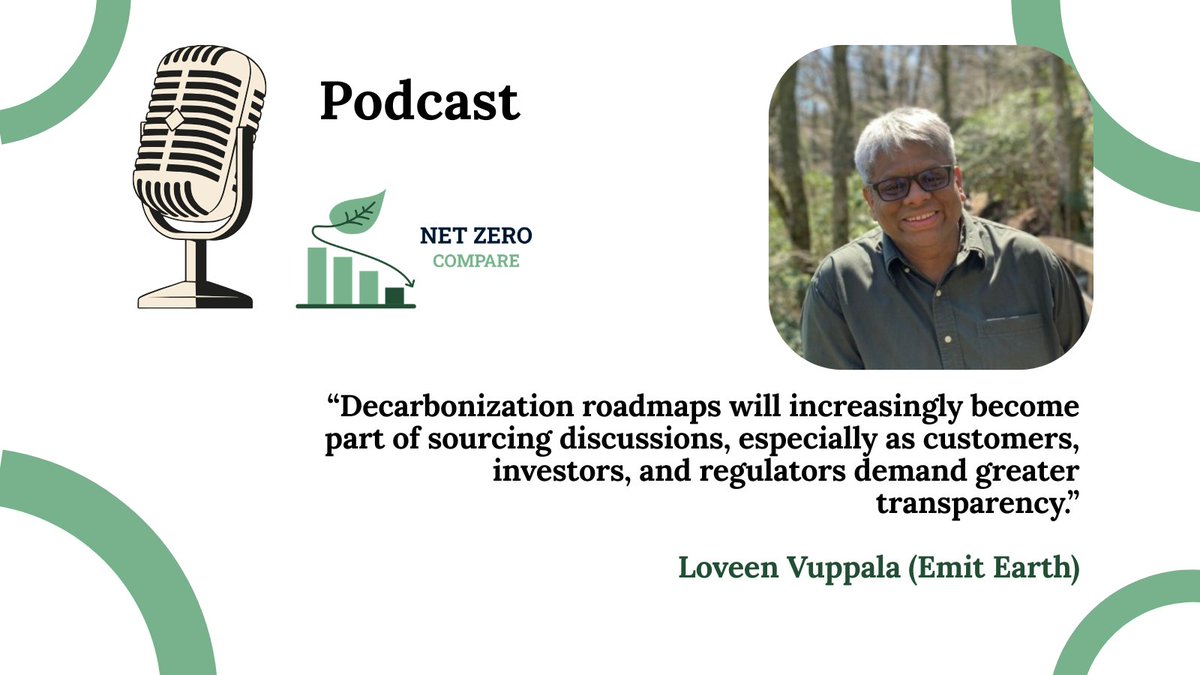
🎙️ New Net Zero Compare Podcast episode!
We speak with Loveen Vuppala, Founder of Emit Earth, about why Scope 3 emissions should be treated as operational intelligence, not just a reporting requirement 🌍📊. From supplier risk and energy cost exposure to procurement strategy and regulatory pressure, this episode explores how carbon data can drive better sourcing decisions.
🎧 Listen here:
netzerocompare.com/podcasts/…
#Scope3 #Decarbonization #SupplyChain #Procurement #NetZero #Sustainability #ESG #ClimateStrategy #EnergyTransition #NetZeroCompare
@NetZeroCompare
2
2
30
Mar 16
Is hitting a net-zero target the best measure of climate ambition? Maybe not.
Some of the most effective climate actions companies can take don’t count toward corporate emissions targets.
New perspective from Trellis: buff.ly/kMA8flV
#ClimateStrategy

1
92

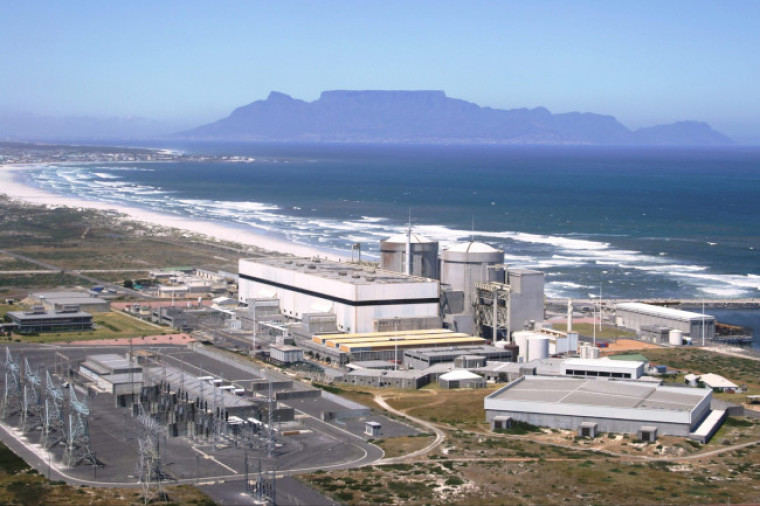
Africa’s Biggest Economy Just Backed the Nuclear Revival ⚡🌍
South Africa has officially signed the global pledge to triple nuclear power capacity by 2050, joining more than 30 nations pushing nuclear expansion to meet climate and energy security goals.
Why this matters:
🔹 Nuclear is returning to the center of global energy strategy
🔹 Africa’s largest economy is reinforcing long-term baseload power plans
🔹 Reliable, low-carbon electricity is becoming critical for industrial growth
🔹 The momentum behind nuclear deployment is becoming global
For a continent where energy demand is rising rapidly, firm and scalable power sources will be decisive for economic transformation.
The nuclear resurgence is no longer regional — it’s global.
👉 Read more: nuclearbusiness-platform.com…
#NuclearEnergy #SouthAfrica #EnergyTransition #CleanEnergy #EnergySecurity #NetZero #GlobalEnergy #AdvancedEnergy #ClimateStrategy #NuclearExpansion
2
3
78