
Jun 12
Proposed EU State aid rules threaten regional connectivity and risk leaving Europe’s regions behind airport-suppliers.com/propos… @ACI_EUROPE #ACI #AirportsCouncilInternational #ACIEurope #Airports #Aviation #EUStateAid
1
33

Jun 11
' @ACI_EUROPE Warns EU State Aid Rules Could Hit Regional Airports buff.ly/ijPl1vx #ACIEurope #EUStateAid #RegionalAirports #AirConnectivity #AviationPolicy #AviationRegulation #EUAviation #AirportFunding #RegionalDevelopment #TerritorialCohesion #TransportPolicy
64

Apr 16
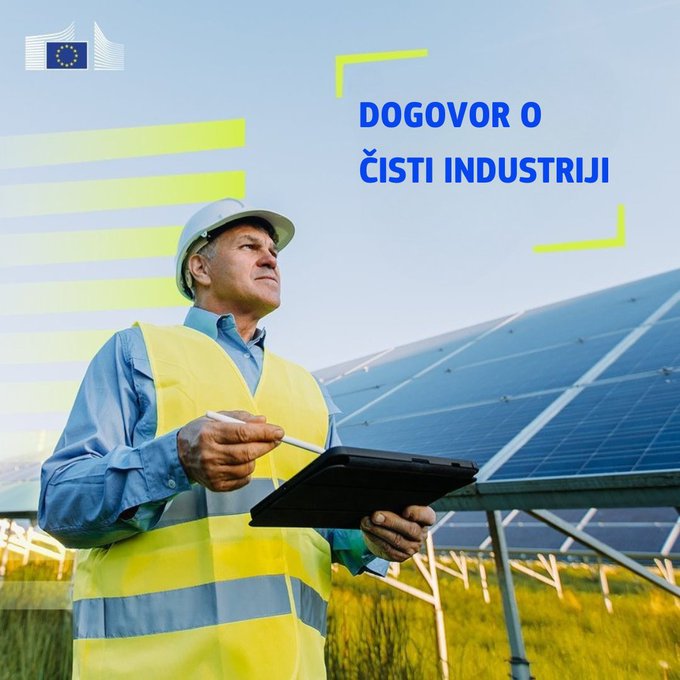
⚡🇪🇺Komisija je odobrila sheme #EUStateAid za začasno olajšavo cen električne energije za energ. intenzivna podjetja v 🇧🇬,🇩🇪 & 🇸🇮 v skladu s cilji dogovora o čisti industriji.
Slovenska bo trajala od 1.1.2026 do 31.12.2028, pomoč pa bo izplačana 2x letno➡️ec.europa.eu/commission/pres…
1
2
111

Apr 8
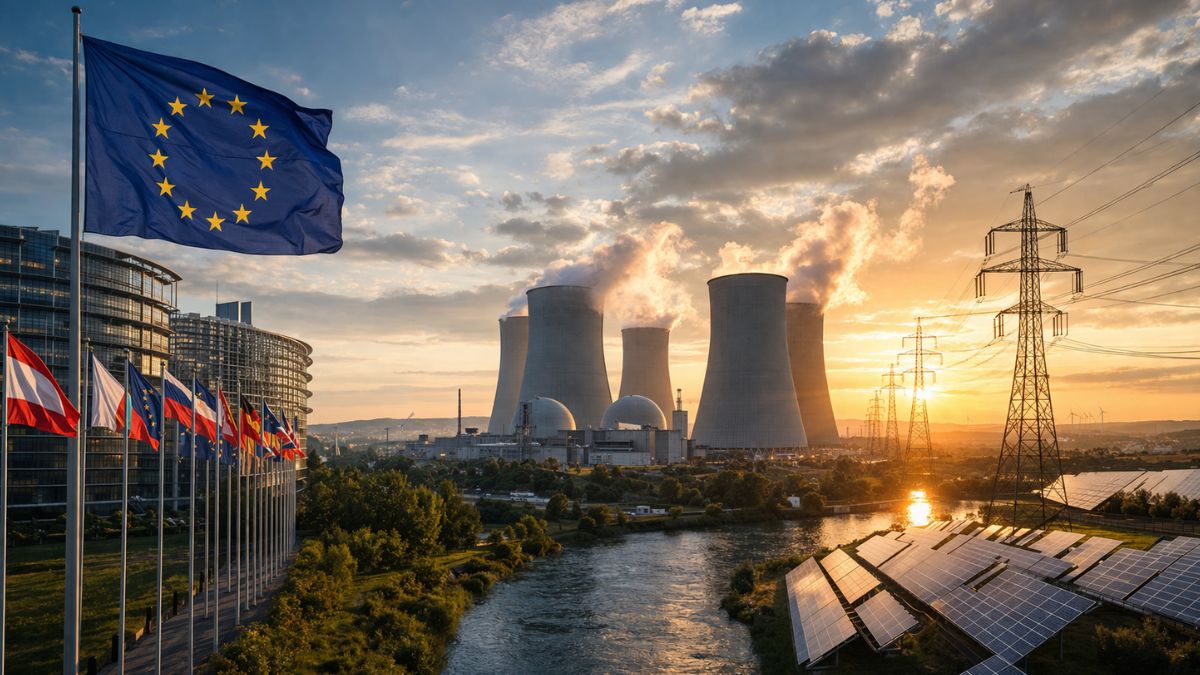
🔴ANALYSIS – State Aids, Energy Sovereignty and the Nuclear Renaissance: The European Union put to the test by the EDF Case and States Responses
By François Souty
➡️lediplomate.media/analysis-s…
Executive Summary
The possible opening of an investigation by the European Commission into the French state’s public support for EDF for the construction of new nuclear reactors raises issues that go beyond the traditional framework of state aid control and European competition policy. It highlights a growing tension between the requirements of the internal market and the imperatives of energy security and sovereignty, in a context of strong geopolitical instability and acceleration of the climate transition.
Faced with the serious risk of significant delays in the implementation of the French nuclear programme, several levers of action can be mobilised. From a legal point of view, France has substantial room for manoeuvre by relying on the exceptions provided for in Article 107 §3 TFEU, in particular those relating to the development of certain economic activities and the achievement of objectives of common interest, such as security of supply and decarbonisation. The qualification of nuclear power as a service of general economic interest is also a structuring axis for framing public compensation mechanisms.
At the same time, the use of the British precedent of Hinkley Point C and the Commission’s recent decision-making practice offers solid arguments in favour of the compatibility of the measures envisaged, in particular if they are designed in a logic of proportionality and limitation of distortions of competition reviewed in the light of geopolitical events.
Beyond the legal register, a proactive political strategy appears to be decisive. It presupposes the creation of broader alliances between Member States in favour of nuclear power, the mobilisation of the European Council and a requalification of the debate at EU level, insisting on the strategic and urgent dimension of energy security.
Finally, controlling the time factor is a central issue: France will have to anticipate the procedure, structure its mechanisms upstream and, if necessary, consider transitional solutions or adaptations to its financing mechanisms in order to limit the delaying effects of an in-depth investigation.
All these actions are part of an integrated approach aimed not at circumventing EU law, but at making full use of its resources in order to reconcile competitive discipline and strategic imperatives. If the search for a rapid consensus with the Commission does not materialise, there will inevitably be other much more aggressive courses of action.
#EUStateAid,#EDF,#NuclearRenaissance,#EnergySovereignty,#EUCompetitionLaw,#EnergySecurity,#EuropeanUnion,#NuclearPolicy,#Decarbonization,#EnergyTransition,#Geopolitics,#IndustrialPolicy,#ElectricityMarket,#ClimateStrategy,#StateIntervention,#StrategicAutonomy,#EnergyCrisis,#UkraineWarImpact,#EnergyIndependence
2
51

9 Dec 2025
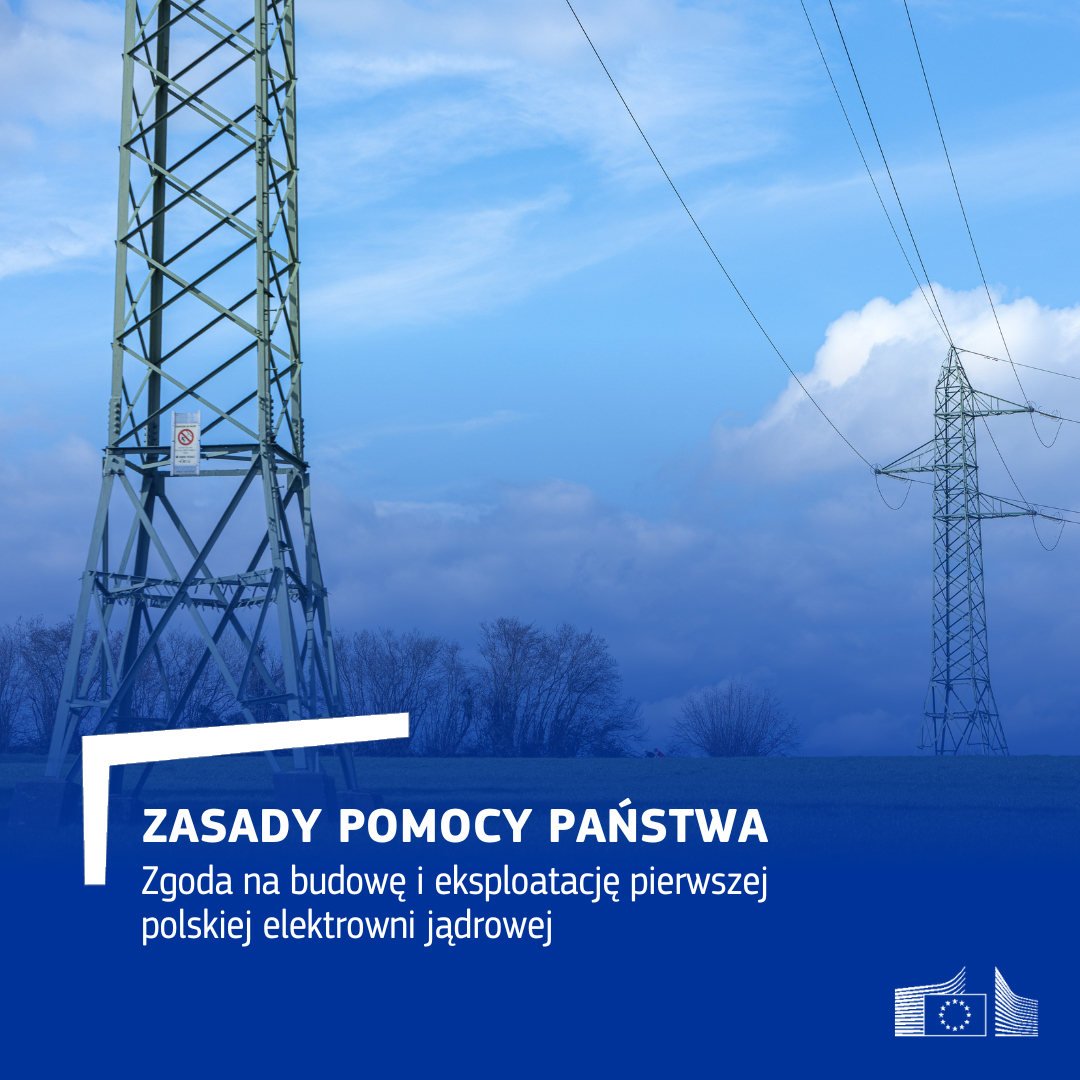
Jest zgoda na pomoc państwa dla @PEJ_PL na budowę i eksploatację pierwszej elektrowni jądrowej w Polsce🇵🇱. Projekt odgrywa kluczową rolę w polskiej strategii dekarbonizacji produkcji energii elektrycznej. #EUStateAid
Poznaj szczegóły → link.europa.eu/4689nD
4
2
5
212

29 Jul 2025
The 🇪🇺 Commission finds Czech 🇨🇿 support for insurance premiums for large agricultural firms incompatible State aid❎
For more information👇
🔗europa.eu/!NP4j6Q
#EUStateAid
2
2
607
22 Jul 2025
The 🇪🇺 Commission approves €84 million Czech 🇨🇿State aid scheme to improve animal health and support agricultural resilience✅
For more information👇
🔗europa.eu/!fh4Wng
#EUStateAid
3
1,630
22 Jul 2025
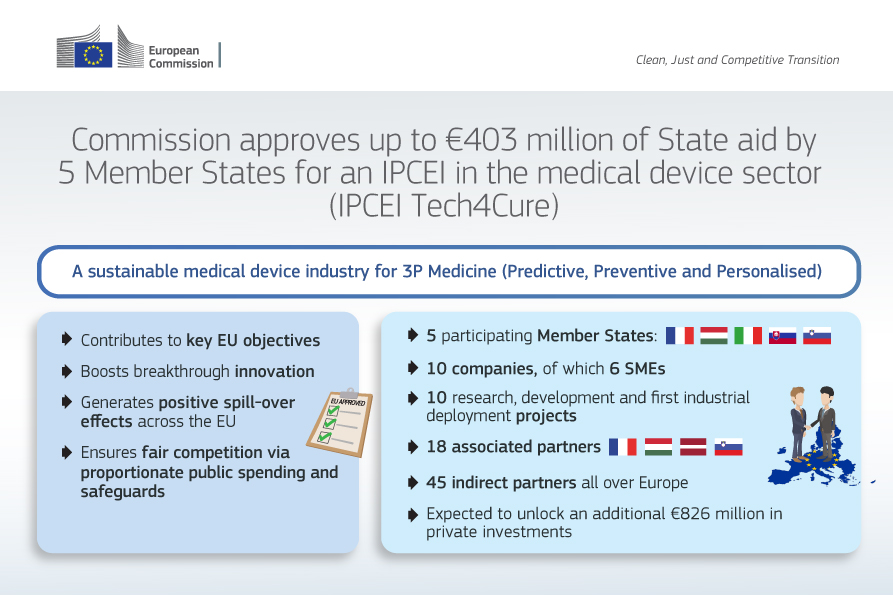
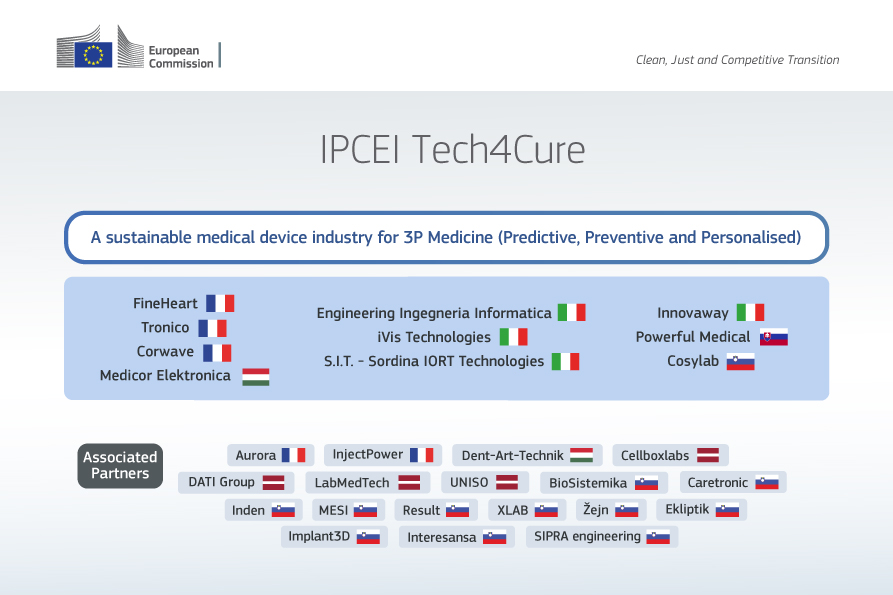
The 🇪🇺 Commission approves up to €403 million of State aid by five Member States 🇫🇷🇭🇺🇮🇹🇸🇰🇸🇮 for the second Important Project of Common European Interest in the healthcare sector🩺
For more information👇
🔗europa.eu/!nGFyQk
#EUStateAid #IPCEI
2
7
974
18 Jul 2025
Commission 🇪🇺 approves Greek 🇬🇷funding for the construction of part of Cretan motorway ✔️
For more information 👇
🔗europa.eu/!wtTxgJ
#EUStateAid
1
2
610

25 Jun 2025
🇩🇪 Germany’s Energy Subsidy Plans Gain EU Backing Under New State Aid Rules
📍Brussels, Belgium –
• The EU has approved Germany’s proposal to subsidize electricity costs for energy-intensive industries, aligning with new state aid guidelines.
• The updated rules permit temporary electricity price relief, allowing reductions of up to 50% of the annual average wholesale price for eligible companies.
• This move aims to bolster the competitiveness of sectors like steel and chemicals amid high energy costs and global competition.
• The revised framework also facilitates support for clean energy projects, including renewable energy and hydrogen initiatives.
• The endorsement reflects the EU’s shift towards more flexible industrial policies to support member states’ green transitions.
#Germany #EUStateAid #EnergySubsidies #GreenTransition
2
19
20 Jun 2025
The 🇪🇺 Commission approves €192 million Polish 🇵🇱State aid measure for the construction of a gaming and technology hub☑️
For more information👇
🔗europa.eu/!wwGC6R
#EUStateAid
1
1
4
753
5 Jun 2025
The 🇪🇺 Commission approves €211 million Irish 🇮🇪 State aid measure to support the production of unscripted audiovisual programmes with Irish and European cultural content🎦
For more information👇
🔗europa.eu/!rqPBXt
#EUStateAid
1
2
680
5 Jun 2025
🔴Today, we launch a call for evidence and a public consultation on State aid rules to facilitate support to access to affordable housing 🏠
🗣️Have your say until 31 July 2025📆
🔗europa.eu/!dyGxGC
For more information👇
🔗europa.eu/!rqPBXt
#EUStateAid

2
2
2,208

24 May 2025
Yes, the tax breaks in UK Freeports are typically set for specific terms, often spanning years or decades, as part of the legal agreements for each tax site.
The £64 billion pledged by 2048 suggests a 25-year commitment, locking in reliefs like NIC exemptions and rates relief for investors like BlackRock.
Exact terms vary by Freeport, but they’re designed to guarantee long-term corporate benefits, often at the expense of taxpayers.
If the government walked these back early, say, to align with EU state aid rules for rejoining, they’d likely face a legal firestorm.
Investors are protected by ISDS and LCIA clauses, meaning they could sue for billions in compensation, as I mentioned earlier.
Look at cases like Ireland’s €13 billion Apple clawback in 2017, corporates don’t back down easily. This is why the UK’s Freeport model is such a mess for EU reentry: it’s a corporate handcuff, prioritising profit over public good. #UKFreeports #EUStateAid
4
7
158
22 May 2025
The 🇪🇺 Commission approves increase of €78 million for Dutch 🇳🇱 State aid scheme to reduce nitrogen deposition on nature conservation areas ✅
For more information 👇
🔗europa.eu/!drjmk4
#EUStateAid
2
3
643

20 May 2025
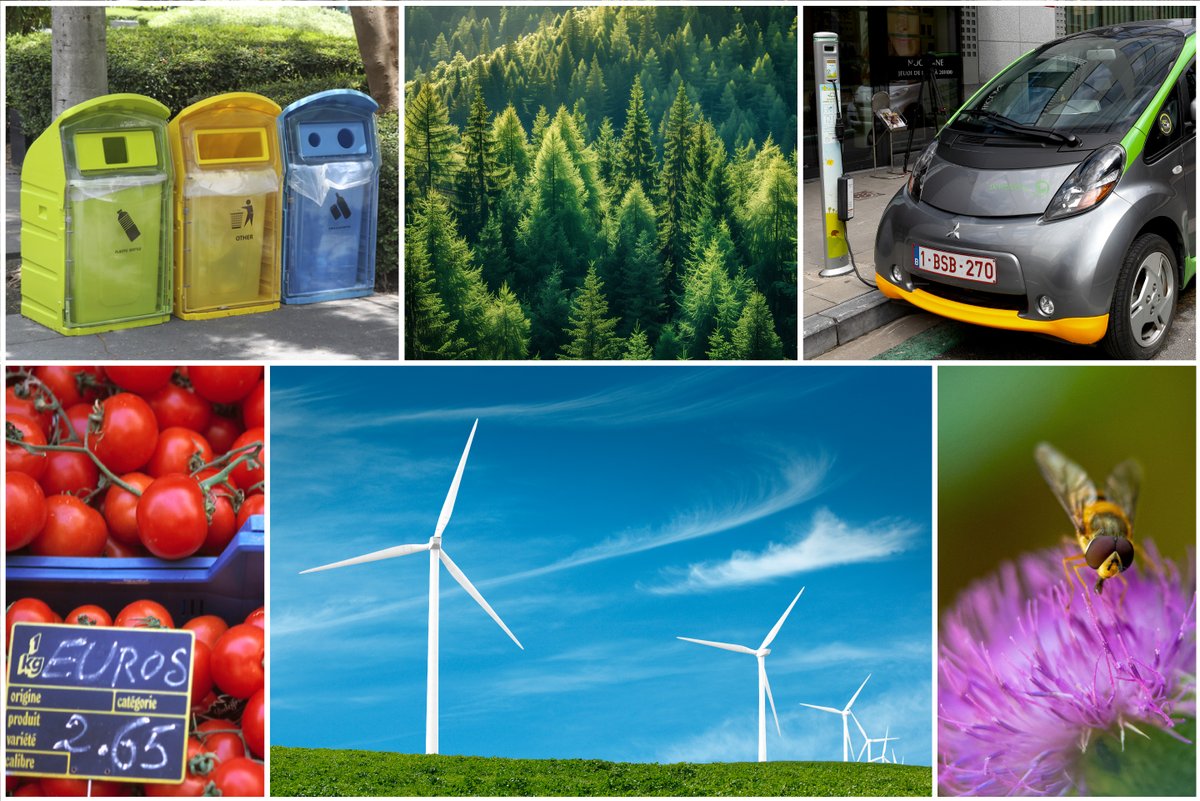
Commission 🇪🇺 approves €1.2 billion Dutch 🇳🇱 State aid scheme to support industrial decarbonisation 🌱
for more information 👇
europa.eu/!TCK6M4
#EUStateAid
3
21
20 May 2025
Commission 🇪🇺 approves €1.2 billion Dutch 🇳🇱 State aid scheme to support industrial decarbonisation 🌱
for more information 👇
europa.eu/!TCK6M4
#EUStateAid
1
7
604
13 May 2025
The 🇪🇺 Commission approves €60 million Italian 🇮🇹State aid measure to support Nestlé Italiana's construction of a wet pet food production plant in Lombardy🐕
For more information👇
🔗europa.eu/!YWP7vD
#EUStateAid
1
2
734
12 May 2025
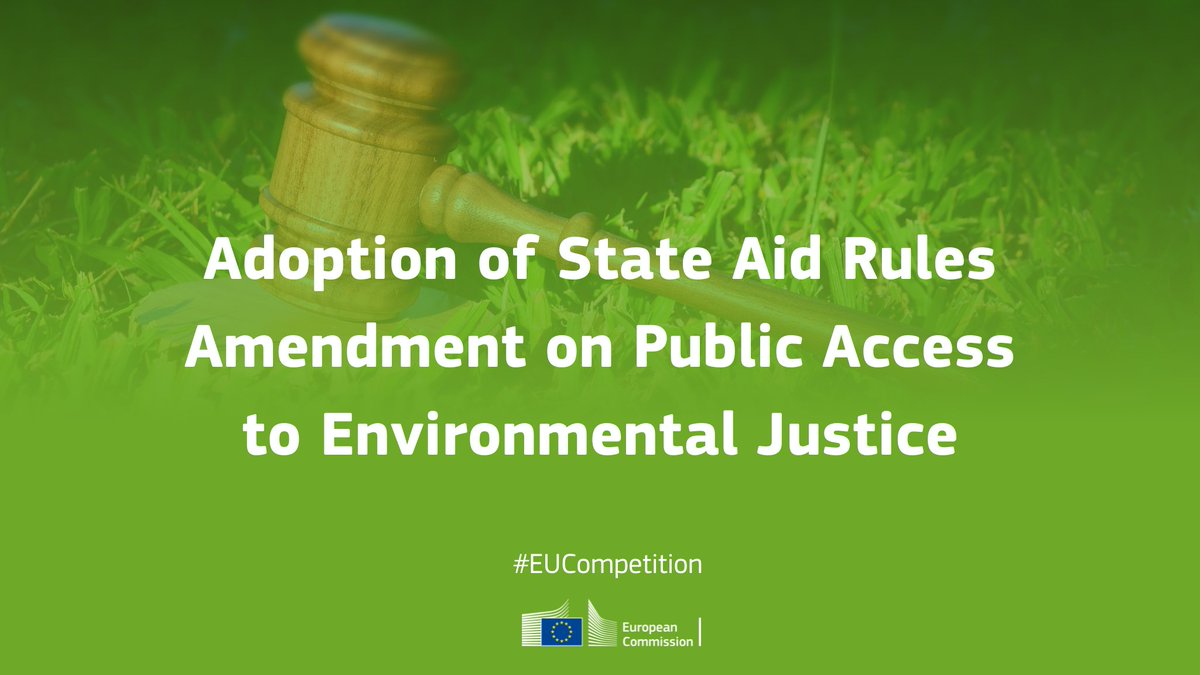
Commission 🇪🇺 amends State aid rules to provide public access to justice ⚖️ in environmental 🌱matters
More information 👇
🔗europa.eu/!8Hmjy6
#EUStateAid
1
6
29 Apr 2025
The 🇪🇺 Commission approves €110 million French 🇫🇷 aid for infrastructure in the port of Le Havre⛴️
For more information👇
🔗europa.eu/!JcRKHh
#EUStateAid
2
533