
broooo can you guys stop asking Me to write another frankange fanfic it’s clogging up my dmsss 😂😂😂🤣🤣🤣
7

I don't need LeBron to tell me anything about a mental lapse when I have footage of Udonis Haslem standing in the short corner clogging the lane as Wade and LeBron clutter the wings with horrible offensive initiation
1
5

I've been reading.
There's a lot of parallels in your research with ours.
We're trying to incorporate into spike protein exposure patients as well as treating existing blood supplies, histotripsy ultra sound around 1 MHz.
Amyloid Plaque targeting, post disaggregation, is beneficial
to prevent clogging and fouling of the design of the filtration matrices.
Yours is so much less invasive and anyone can reach it to help themselves.
Sequestration is my next concern specifically for amyloid, then ensuring excretion.
You've touched in so many benefits, I'm not addressing as the parallels for me are in the clearance of Amyloid and the neurological aspects you've cited in other posts

5


14m
Elon Musk isn't the one repeatedly clogging and vandalizing the toilets at my local parks.
Jun 13

Elon Musk is a trillionaire but it’s def the people on SNAP ruining your life
1
2
20

Rubber Screen Plate, Impact Resistant & Anti-Clogging
#DingyuanRubber
#miningindustry #RubberProducts #RubberManufacturing
#vibratingscreen
#PuRubberScreenMesh
#sieveplate
#screening
#Sourcefactory
#constructionmachineryindustry
#buildingmaterialsindustry #china #Customized
2

#ThroughConduitGateValve CTZ73H-10C Carbon Steel Manual Knife Gate Valve Anti-Clogging Wear Resistant-DLK

People going to and from the suburbs clogging up the city and creating the traffic. If you want freer streets then its far more effective to promote mass transit(which is 100% more effective than cars) than just saying "more lanes" which will not solve anything.
3
Wittemores' Rage retweeted

My reaction to Pakistani rape gangs and gay murdering baby molesters clogging my timeline.
6
111
1,080
10,034

• Our standard screenings fall short because
1. ECG: It maps electrical rhythm right now. It cannot see a plaque that hasn't ruptured yet.
2. Echo: It maps heart muscle mechanics. It usually detects damage after it has already occurred.
3. LDL: We obsess over LDL-C (cholesterol concentration), but that only tells us the total weight of the cargo. It doesn't tell us how many trucks are on the road.
• And now to answer the above question, the better modalities are:
1. ApoB (Apolipoprotein B): Every single atherogenic, artery-clogging particle carries exactly one ApoB protein. Measuring ApoB counts the total number of "loaded trucks' on the highway. It is a far superior predictor of future events than standard LDL-C.
2. Coronary Artery Calcium (CAC) Score: A non-contrast CT scan that visualizes calcified plaque buildup in your arteries in real-time. It provides your "arterial age" and reveals the actual disease burden not just a guess based on risk factors.
3. hs-CRP (High-Sensitivity C-Reactive Protein): It measures systemic inflammation. It identifies the "fire" that makes a stable plaque turn into a volatile, rupturing one.
4. CT Coronary Angiography: This is the definitive non-invasive gold standard. It doesn’t just show calcification (like the CAC); it visualizes the soft, non-calcified, high-risk plaques and accurately defines the severity of stenosis. It tells us exactly what is happening inside the lumen.
• While ApoB is easy to order, advanced imaging (CAC/CTCA) is not yet mainstream. Barriers like cost, radiation exposure and accessibility mean we don't order them for every patient.
Hi, I am Dr. Priyam. I break down complex medical science. Follow me for more clinical posts like this.
3
11
421

Buddy had a cleaning company at JFK, flights to and from india would always end up clogging toilets.
6
℧ ͓B͓͓R͓͓A͓͓T͓͓-B͓͓U͓͓R͓͓R͓ ℧ retweeted

2 Apr 2025
Whose womb is he clogging with cum and smegma next?~

1
8
43
2,635

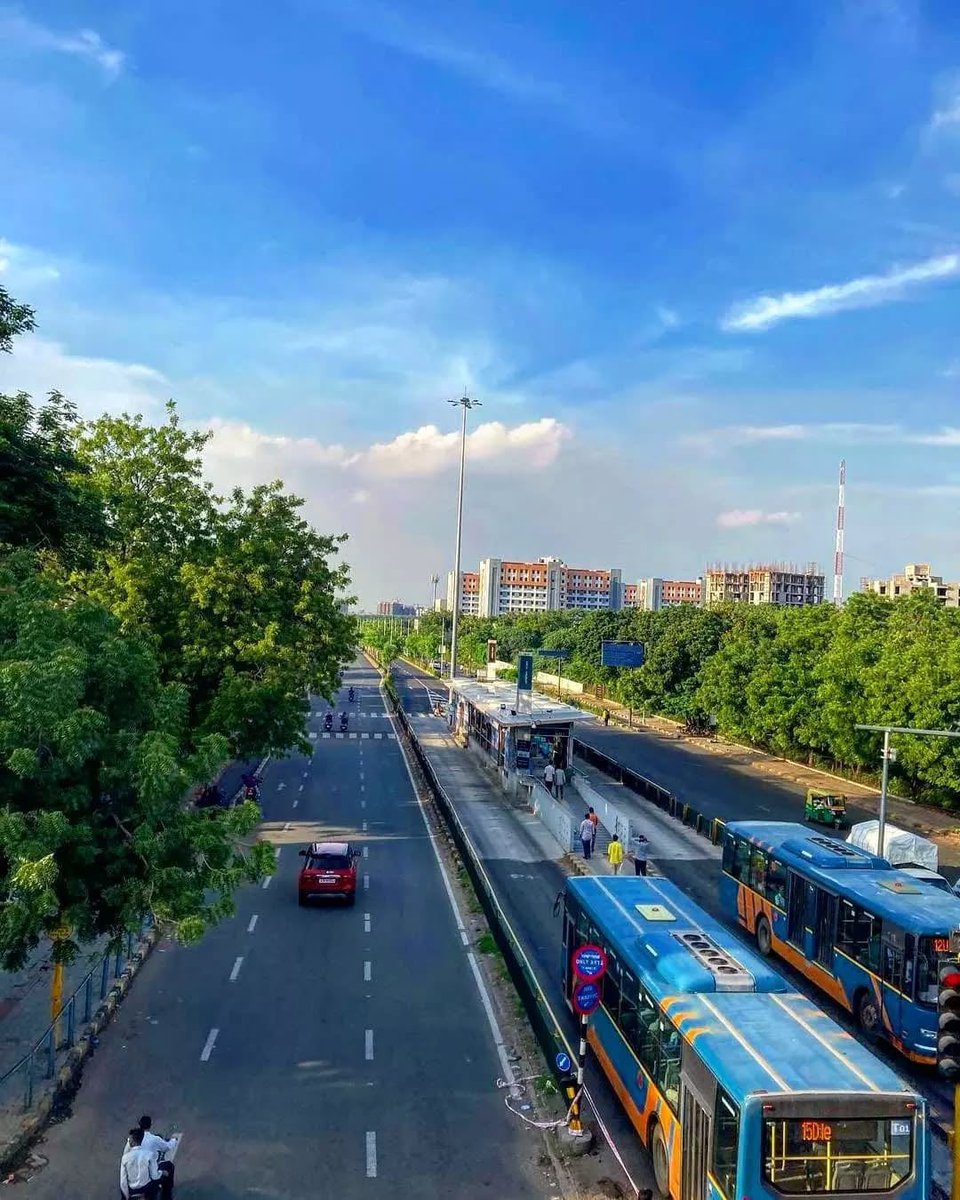
This is a unworkable solution. We don’t have enough lanes for dedicated buses nor the frequency to keep it occupied. Will end up clogging the road.
This should be tried only after building metro lines fully to take traffic off the roads

🚨CM Vijay endorses Bus Rapid Transit System (BRTS). Has told the transport department to further work on feasibility of it. CUMTA has already proposed a few corridors in Chennai as part of its future mobility plan...#TN #BRTS 🚌
12

36m
Posts like this never get the likes and recognition they deserve for the time investment and commitment involved. Congrats on the DFH man, extremely well deserved! Keep clogging
7
Amber BC retweeted

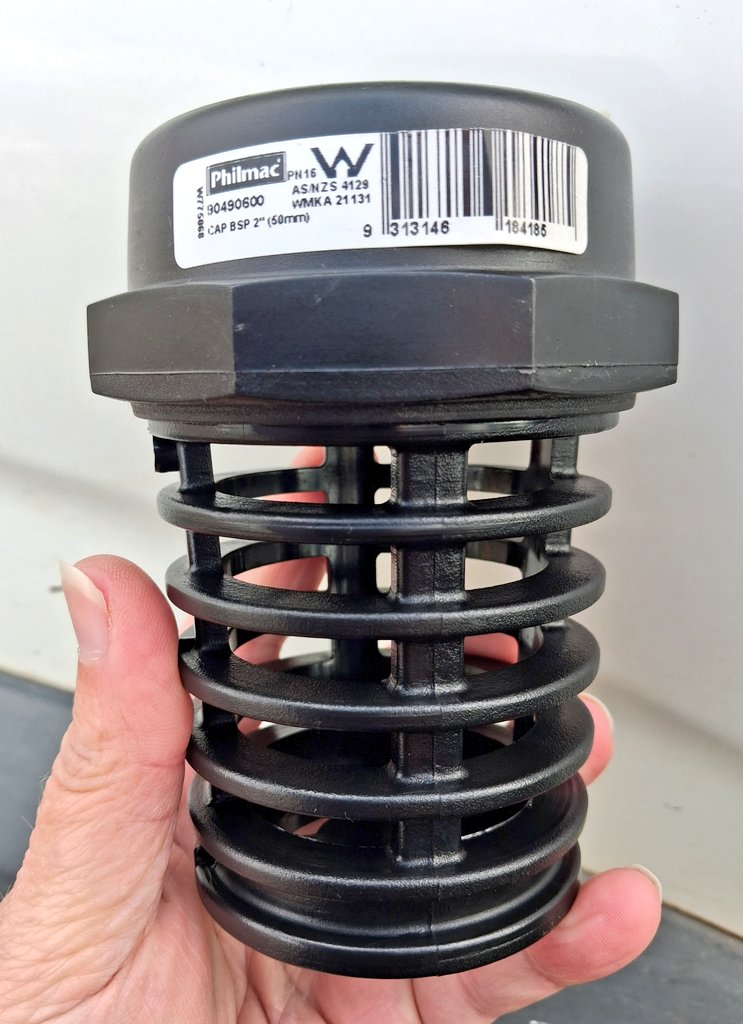
Nobody wants 50 trillion photos of rats eating the lure set to bring for rare things & clogging up a trail camera sd card.
How I make these lure holders even more rodent & picky small brown bird proof.
Easy.
Jun 5

Philmac 50mm foot valve filter plus screw end cap. $20 approx.
Tethered & with a strip of scent lure hanging inside, they are the best long working, weather & rodent resisting rigs for drawing both foxes, feral cats & natives like Bandicoots to a trail camera.
1
2
93

If it's over for you, then be done, but let others fight without your bullshit clogging up their brain.
1
44

Majority of Portugal’s passing was going to the left because Bernardo was offering nothing for the right side of the field. He was just drifting back and clogging up space.
2
15