
Several Milwaukee rental properties could be placed into court-appointed receivership after their landlord failed to meet a deadline to address ongoing housing code violations. The case highlights how local governments can use legal tools to protect tenants and ensure landlords maintain safe, habitable living conditions. Read more: jsonline.com/story/news/loca…
#TenantRights #HousingJustice #LandlordAccountability #RentalHousing #SafeHousing #CodeEnforcement #RentersRights #HousingAdvocacy #PropertyManagement #Milwaukee
3


The City of Fairburn Code Enforcement Department introduces the Love Thy Neighbor Program 🫂—strengthening neighborhoods through service, support & pride. 🏘️ Tune in for the next episode👀
fairburn.com/450/Love-Thy-Ne…
#OneFairburn #FairburnGa #CodeEnforcement #CommunityPrograms
38

Mobile access to your critical data including GIS mapping, building codes, interactive inspection checklists & more. ow.ly/m9Ih50OFOHx
#CodeEnforcement #Mobile #BylawEnforcement #GIS #Inspections

11

Mar 25
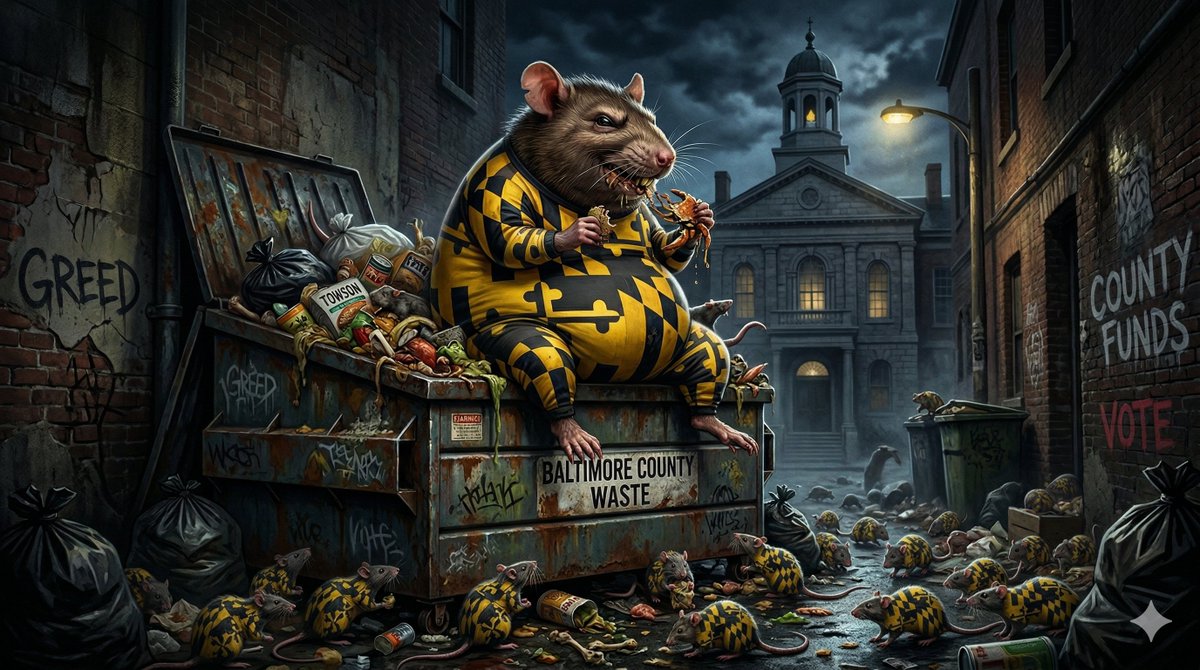
HOT OFF THE DIGITAL PRESS! Let's talk about Baltimore County's rat problem.
#BaltimoreCounty #CodeEnforcement #RateAbatement #Maryland
baltimoreinformer.com/2026/0…
3
1
4
83

Mar 22
The Robert Taylor homes again?
Like other high-rise public housing developments in Chicago, such as Cabrini–Green, Robert Taylor Homes was subject to municipal disinvestment, which led to widespread poverty, infrastructure neglect, illegal drug activity, and violence associated with gangs. Originally designed to accommodate about 11,000 residents, the population at its peak reached around 27,000.[6] At one point, six of the poorest U.S. census tracts with populations over 2,500 were located within the development.[7]
Many residents relied on public assistance as their sole source of income, with about 95 percent of the population unemployed, including non-working-age children.[8]Roughly 40 percent of households were headed by single women earning less than $5,000 per year. Around 96 percent of residents were Black.
The physical conditions of the buildings reflected prolonged neglect, with many structures bearing fire damage and surrounded by littered streets. Building codeenforcement was minimal, and there were few commercial or civic amenities in the area. Safety concerns were prominent, and police officers often reported being targeted by gunfire from the high-rises and avoided patrolling poorly lit hallways.[9]
A survey found that many households had a family member who was incarcerated or expected to return from prison within two years. These dynamics complicated relocation efforts, as returning individuals often faced barriers related to family responsibilities, mental health issues, or housing eligibility.[10]
Gang violence and drugs
edit
The Mickey Cobras (MCs), Gangster Disciples(GDs), and Black Disciples (BDs) were active gangs within the Robert Taylor Homes.[11][12]According to the Chicago Police Department, many homicides in the area were attributed to conflicts between these groups, as they competed for control of territory and drug distribution in various Chicago neighborhoods. The CHA estimated that about $45,000 worth of drug transactions occurred daily within the development.
Former residents reported that disputes among drug dealers often centered around control of specific buildings. During one weekend, over 300 separate shooting incidents were reported in the vicinity of the Robert Taylor Homes.[13]
Crime
edit
Crime in the Robert Taylor Homes, mostly associated with drug trade and gang-related violence, peaked in the mid-1970s.
Notable incidents include the October 1976 case of 22-year-old Denise Dozier, who was thrown from the 15th floor of an apartment building and survived.[14] On June 25, 1983, 18-month-old Vinyette Teague was abducted from the development after her grandmother briefly left her unattended in a hallway. Despite an estimated 50 people being present in the hallway at the time, police were unable to identify a suspect, and the child was never found.[15]
On August 15, 1991, CHA police officer Jimmie Haynes was fatally shot by a sniper at the development. He died two days later at Mercy Hospital and Medical Center, and three people were later charged in connection with his death.[16][17] In February 1993, a maintenance worker was beaten to death by gang members after providing police access to a building where a gang meeting was taking place.
Mar 22

🚨HUGE: In a historic move, Illinois’ Governor, JB Pritzker, says he has a solution for high rent and houses out of reach: He’ll create TENS OF THOUSANDS of new homes:
His plan cuts red tape, increases supply, and lowers costs. Democratic governors will SAVE this country. LFG.
3
1
4,043

San Bernardino County is strengthening its commitment to public safety and operational excellence through a new five-year partnership between the Land Use Services Code Enforcement Division and Public Works. Formalized through a memorandum of understanding, the collaboration combines education, enforcement and coordinated operations to protect the county’s road system, especially during critical times. ❄️
A primary focus of the partnership is the county’s mountain communities, where winter storms can quickly turn improperly parked vehicles into serious public safety hazards. Vehicles that block snowplows delay emergency response, prevent access for residents and significantly slow snow removal efforts. 🛡️
Read the full story: bit.ly/3OlIus2
#publicsafety #countypartnership #roadsafety #publicworks #codeenforcement
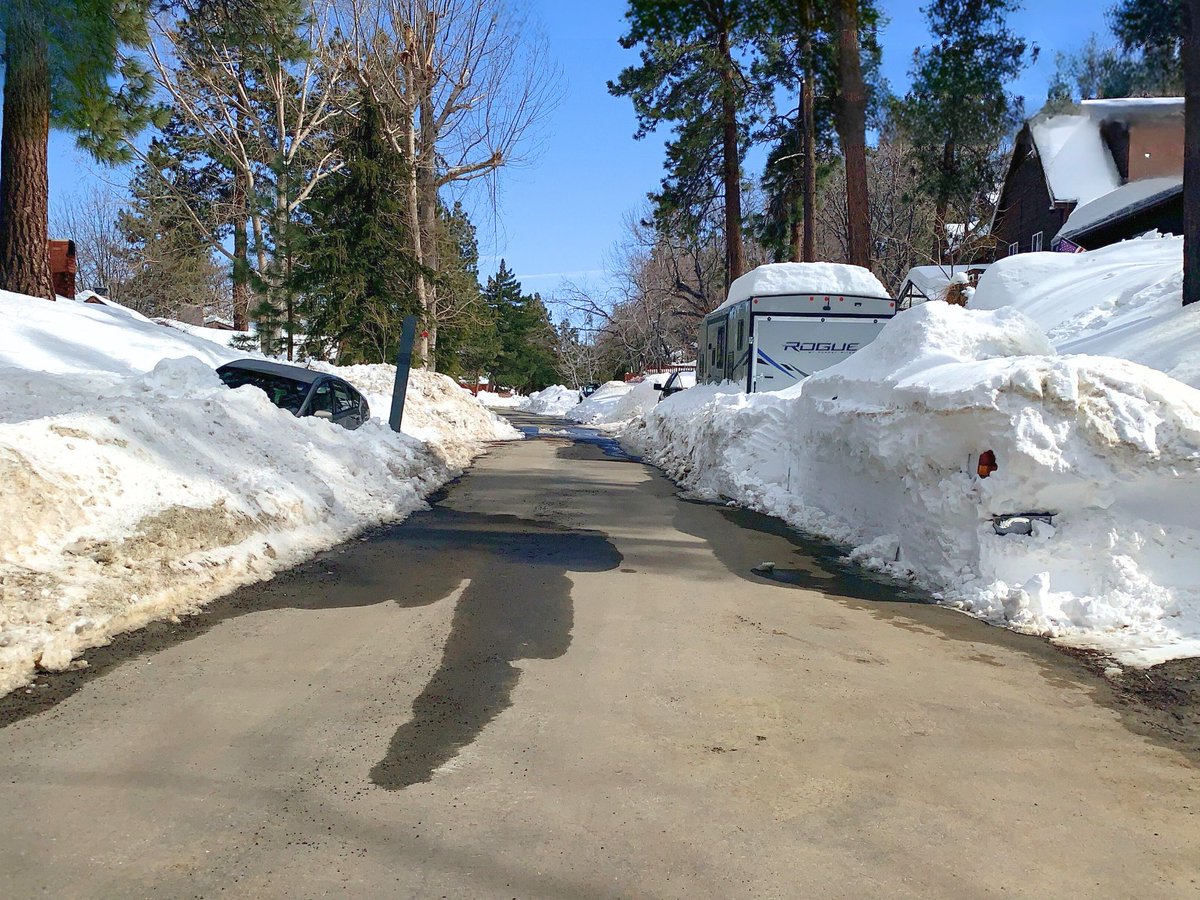
ALT A snow-covered neighborhood street with high snowbanks on either side, some melting on the road. Trees and a Rockwood RV are visible. It is a clear day with a blue sky.
2
3
10
329

Feb 12
Most communities don’t fail because of lack of rules. They fail because of lack of solutions. This book shows code professionals how to fix that. 🔗 a.co/d/053I0UYC
#CodeEnforcement #PublicServiceLeadership #CommunityDevelopment #SolutionsBasedLeadership
1
2
11

Jan 11
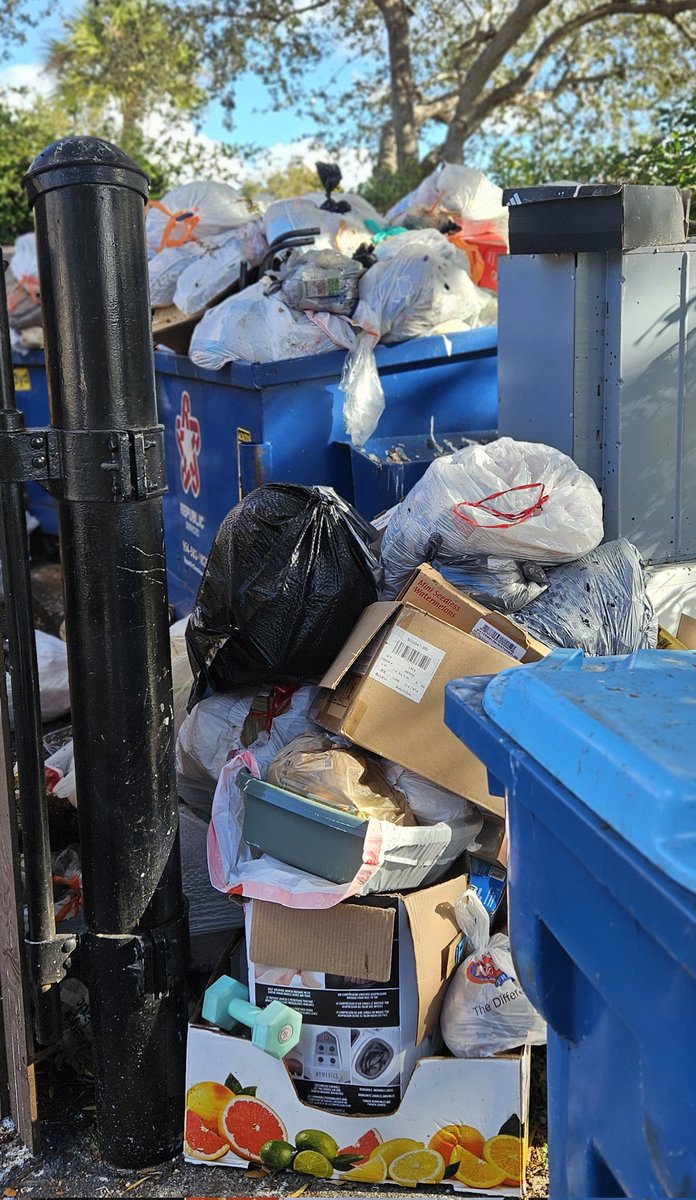
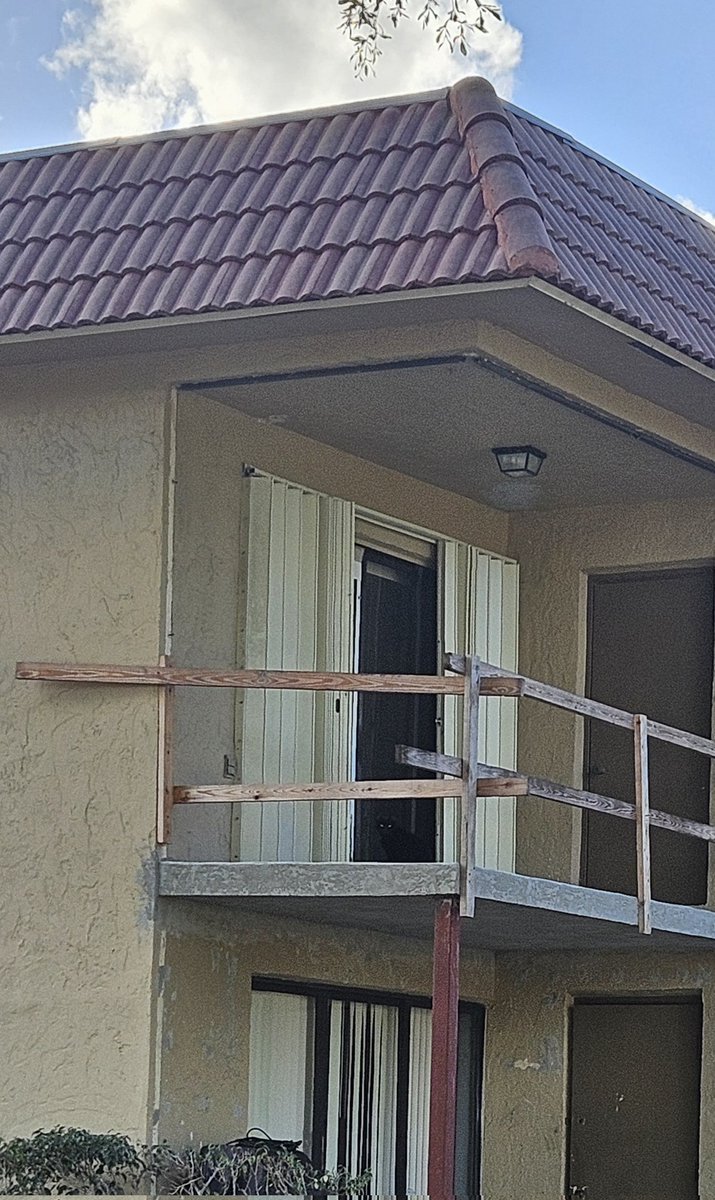
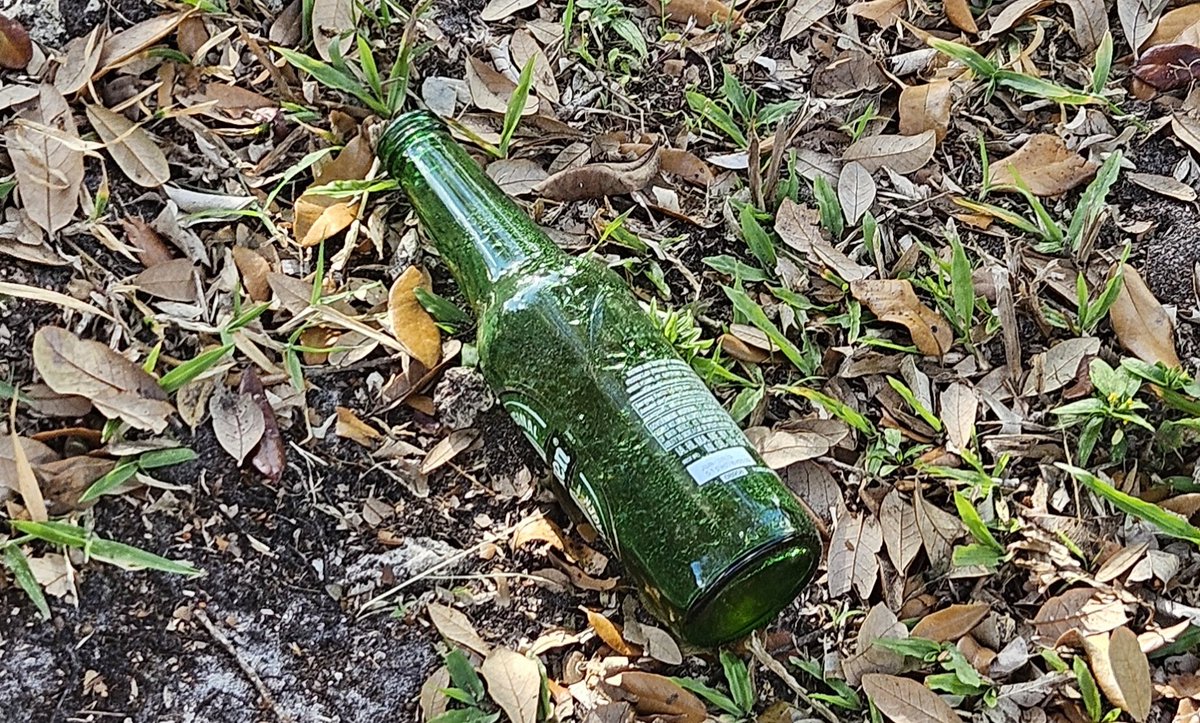
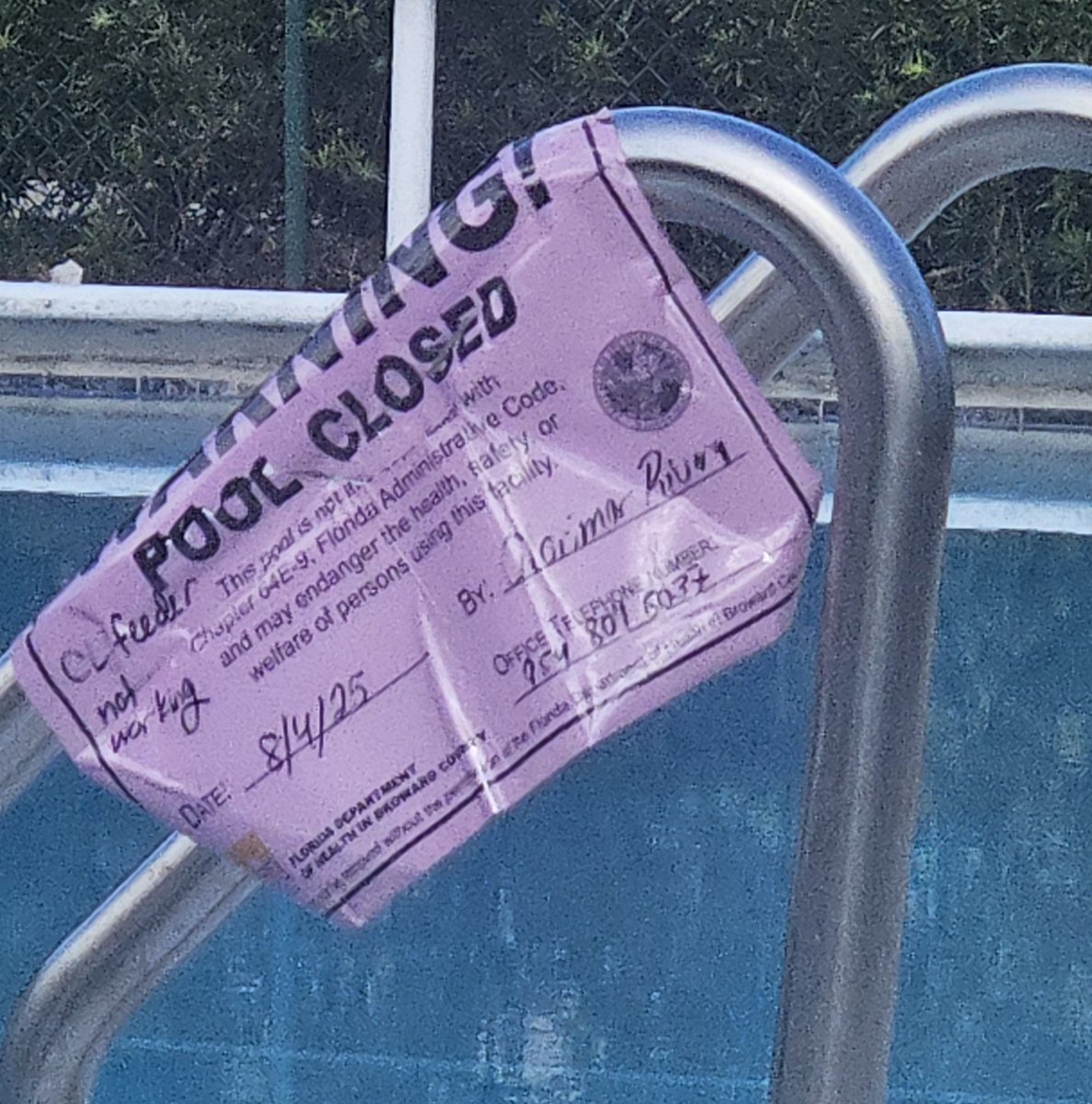
Even if this is within an HOA there are standards that must be maintained. We recommend contacting Code Enforcement at codeenforcement@westonfl.org

@CityofWeston It's unbelievable to see something like this in our city. It gets worse every day. So sad that no one cares about it. ❌️❌️❌️
2
8
2,360
🚗 Ready. Set. Abate. 🚗
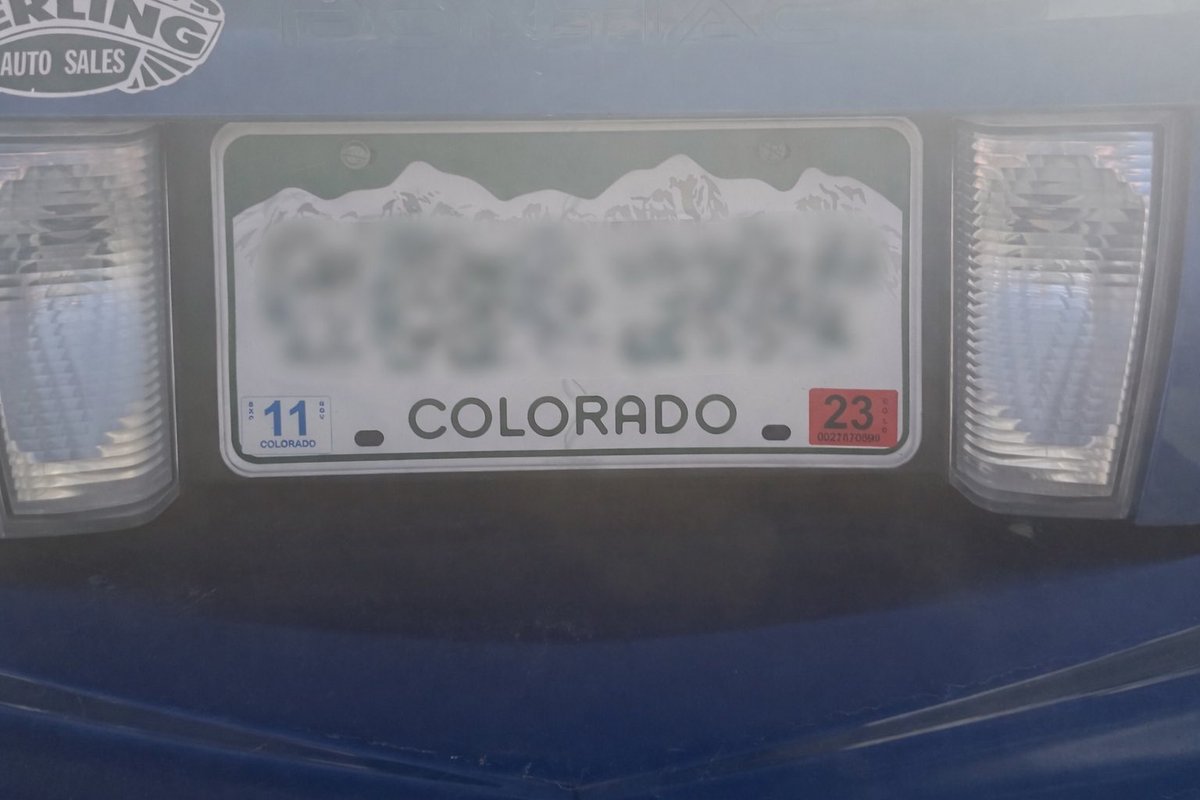
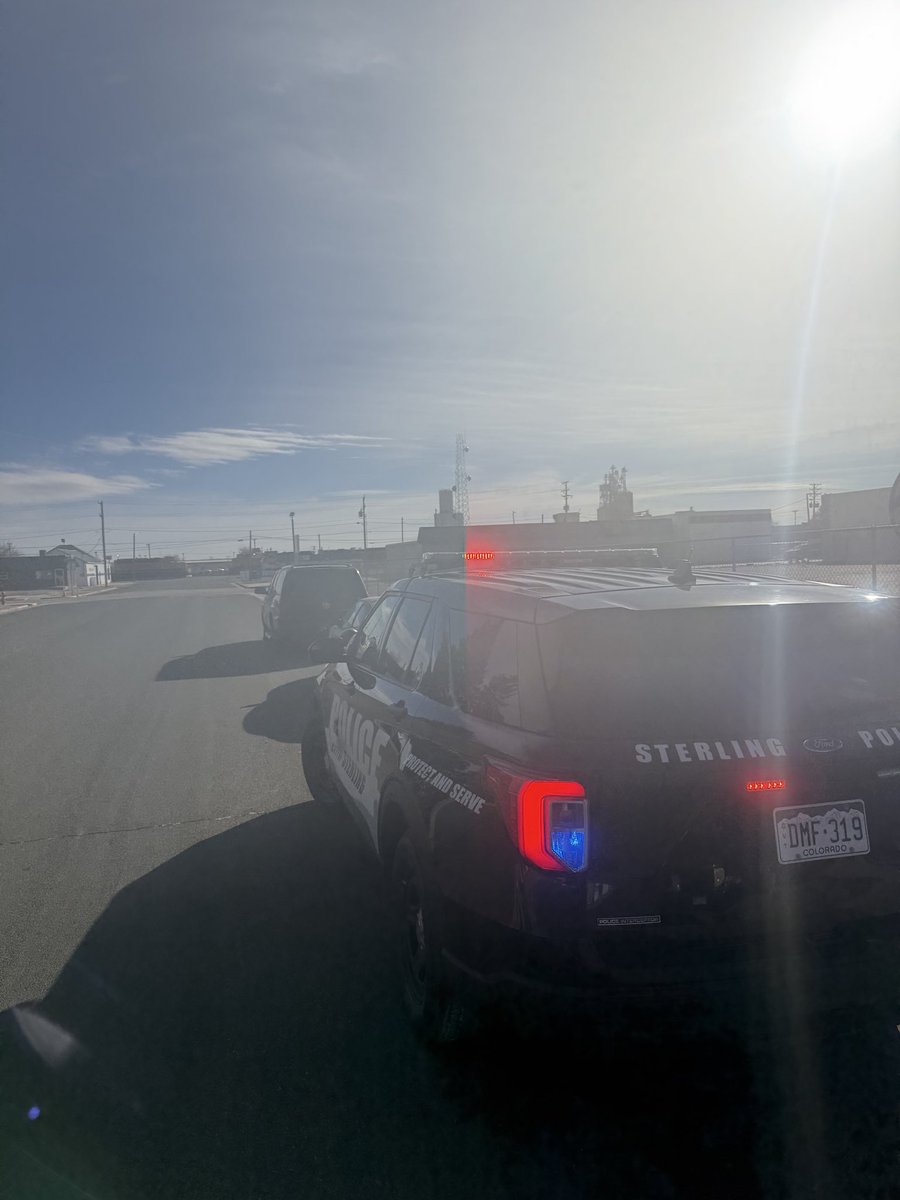
A vehicle in the 300 block of Elm Street was abated under Code 11-12 (unlicensed or inoperable vehicle) after displaying license plates expired in 2023… over two years past due.
Reminder: tags don’t age like fine wine. 😉
🚓✔️
#SterlingPDCO #ReadySetAbate #CodeEnforcement #ProactivePolicing #CommunityPride
1
2
309

Our experts address persisting questions within the HVAC industry and building code enforcement world with regards to the HFC refrigerant phasedown and the subsequent transition to A2L refrigerants, here: iccsafe.org/building-safety-… #HVAC #CodeEnforcement #BuildingSafety365
2
2
105

29 Oct 2025
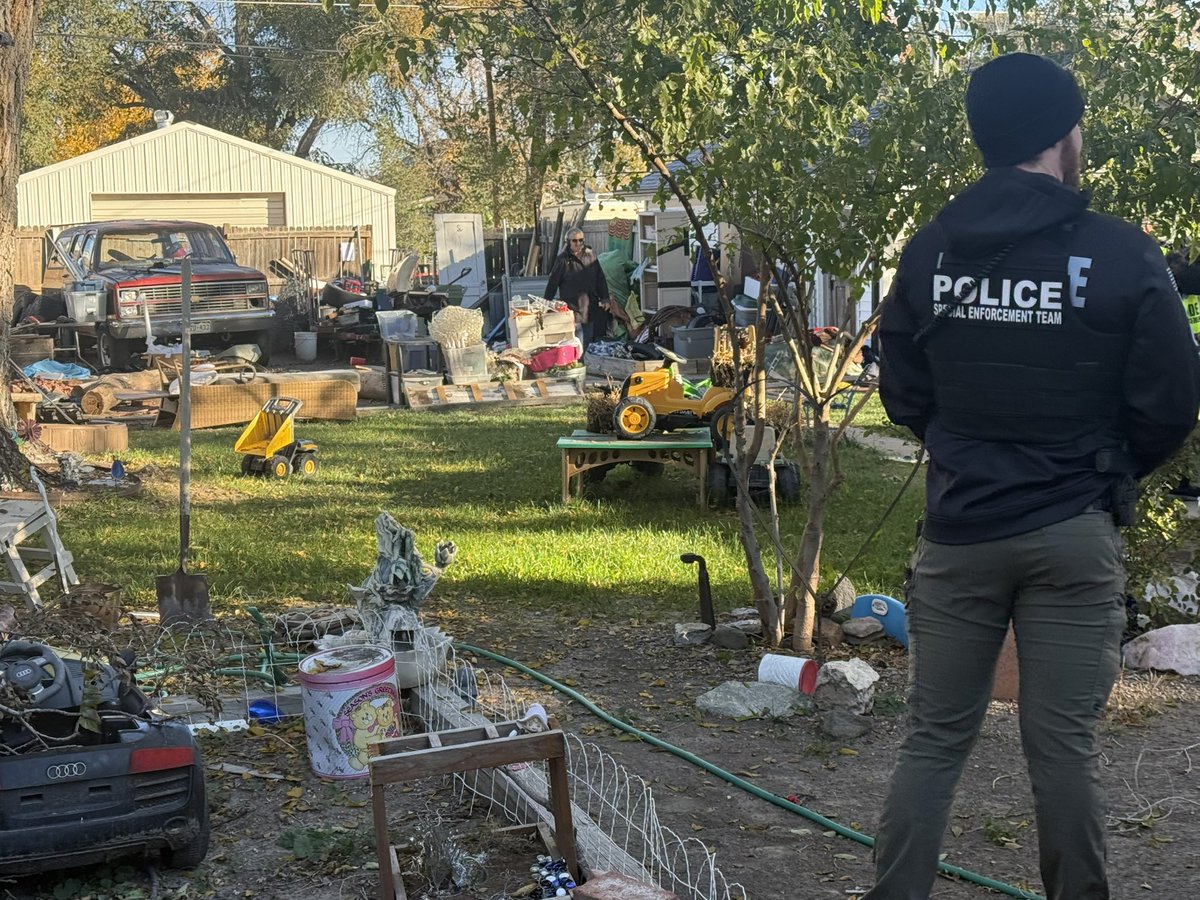
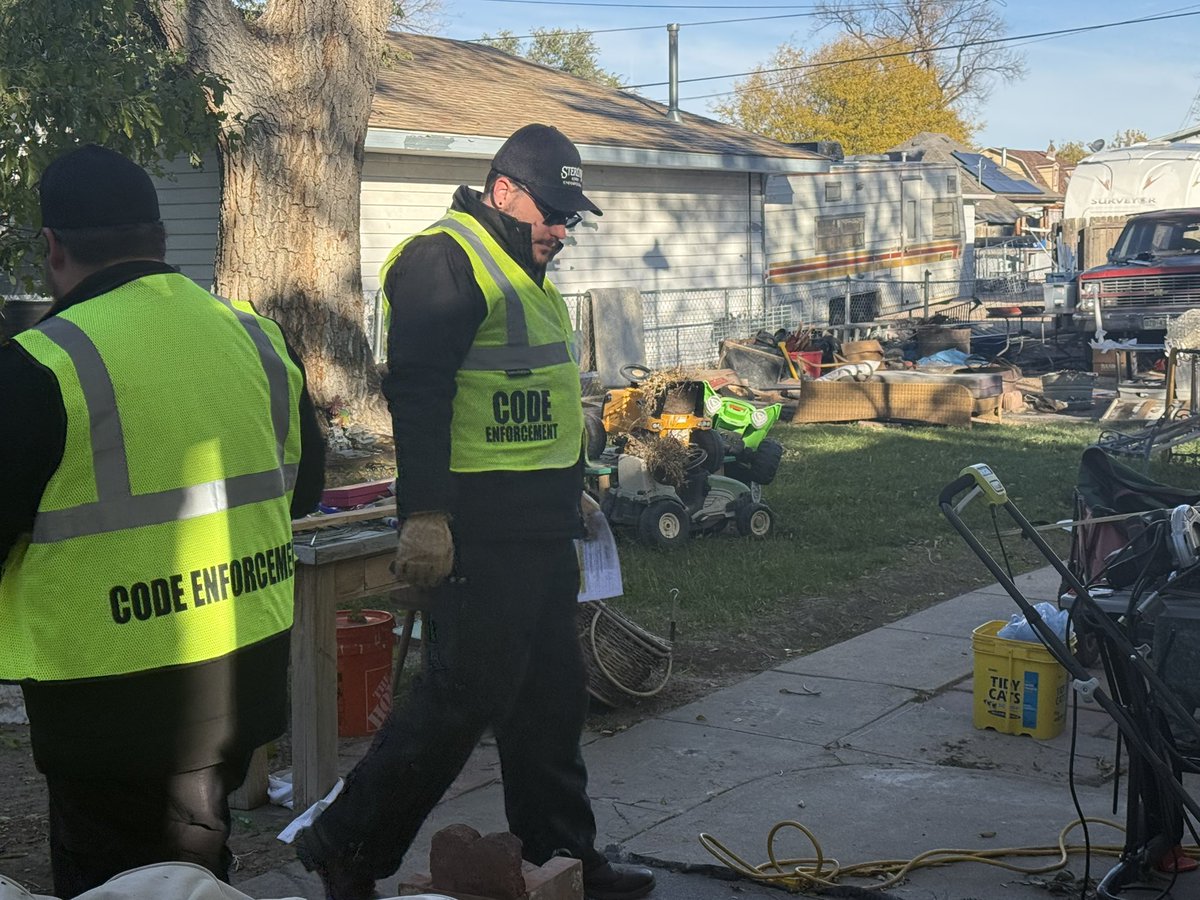
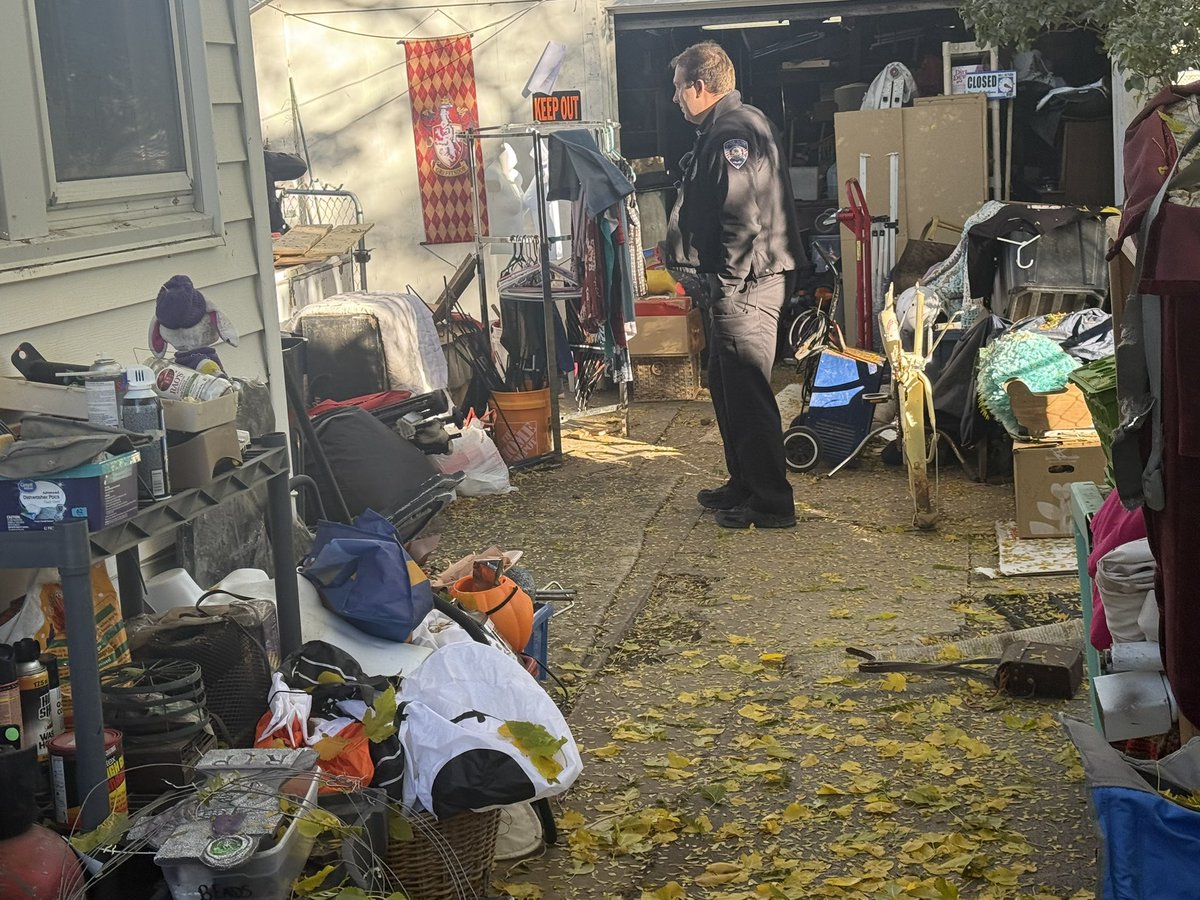
🚔 Sterling Police officers are on scene in the 300 block of State St. providing security for Code Enforcement and City clean-up crews during a property clean-up operation.
🧹 A friendly reminder to keep your property maintained and free of debris — it helps our community look great and prevents potential fines or visits from Code Enforcement.
#SterlingPDCO #CommunityCleanUp #CodeEnforcement #SterlingCO #PublicSafety #Teamwork
3
329

17 Oct 2025
Shoutout to Pueblo's Code Enforcement Unit this National Code Enforcement Month! 💜 Huge thanks to our dedicated officers, clerks, and abatement crew for their hard work, rain or shine! #CodeEnforcement #PuebloProud
1
3
207
14 Oct 2025
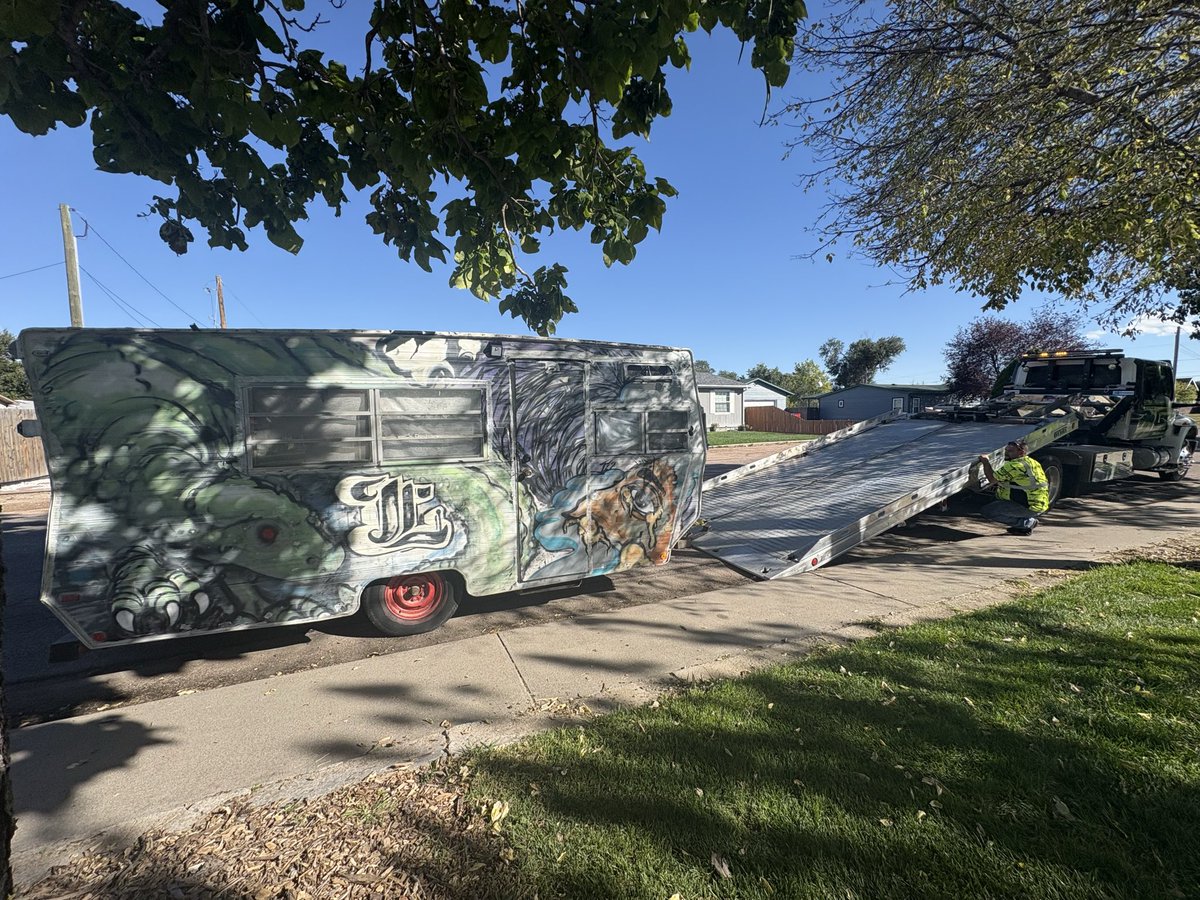
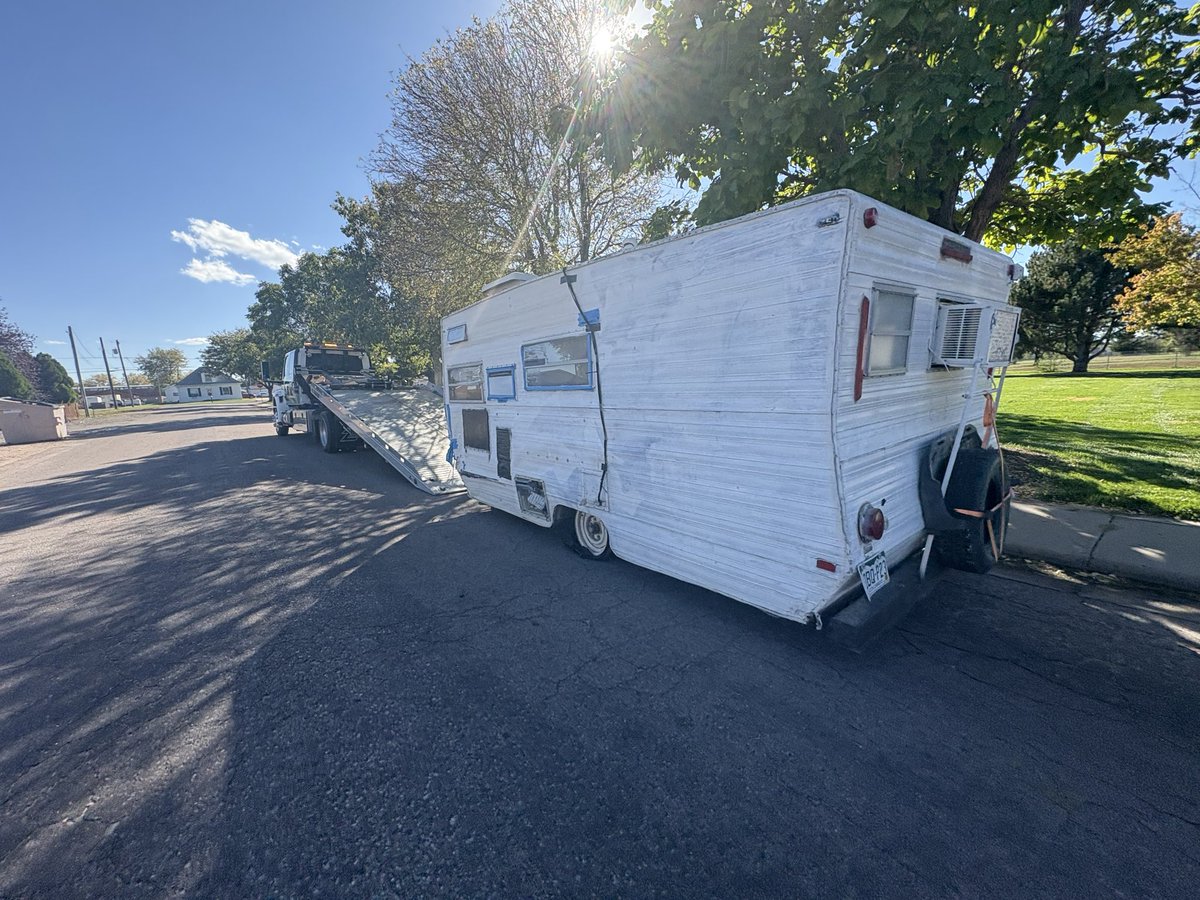
🚔 #SterlingPDCO officers assisted Code Enforcement today in the 1200 block of Dawes St with towing a trailer that had a flat tire and was being lived in on a public roadway.
Just a reminder — you can’t live in a trailer or camper on a public street unless you’ve obtained a limited permit 📝.
Code Enforcement and #SterlingPDCO continue working together to keep our city clean and safe for everyone! 💪🌆
#CommunityPartnership #CityCleanUp #SterlingColorado #CodeEnforcement #TeamWorkMakesTheDreamWork
4
259

Dallas is bringing AI and cameras to garbage trucks to catch code violations on your street — yes, your trash day might now include a little surveillance. Curious what they’ll spot, how it works, and where it’s rolling out first?
Get the full story here:
audacy.com/krld/news/local/d…
#Dallas #CodeEnforcement #SmartCity #KRLD
3
8,161

25 Aug 2025
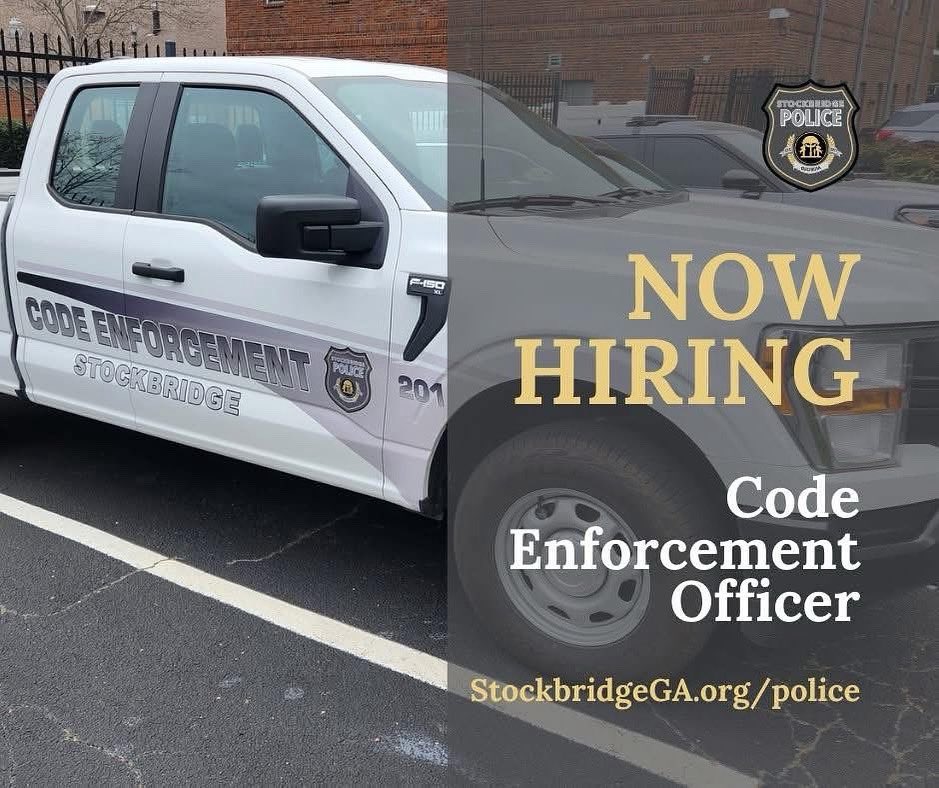
🚨 We’re Hiring: A Code Enforcement Officer for the City of Stockbridge 🚨
🔗 Apply now at shorturl.at/gvXec! Join #StockbridgeGA and help keep our city a great place to live, work, and thrive.
#CodeEnforcement #CityofStockbridge
1
1
3
333
2 Aug 2025
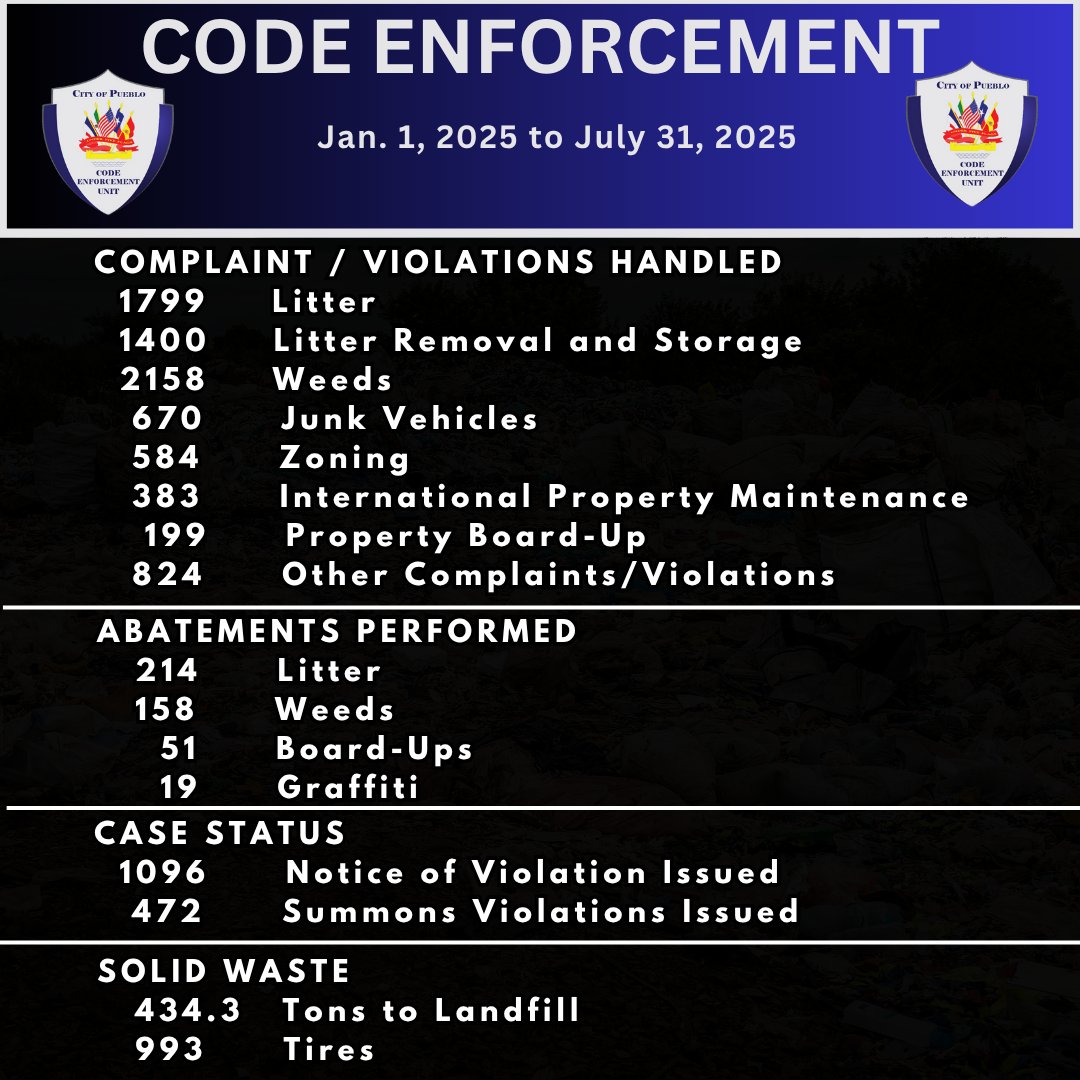
Code Enforcement Update (Jan - Jul 2025):
- Complaints: 1799 Litter, 1400 Litter Removal, 2158 Weeds, 670 Junk Vehicles
- Abatements: 214 Litter, 158 Weeds, 51 Board-Ups 🔧
- Solid Waste: 434.3 tons to landfill, 993 tires ♻️
#CommunityCleanup #CodeEnforcement
3
417

21 Jul 2025
It’s Beginning to Look a Lot Like Back-to-School!
This past Saturday, July 19th, the community came together for the Project Backpack Giveaway hosted by Andrew Picket Law and what a great way to get ready for the upcoming school year!
As always, the Titusville Police Department was proud to participate. Officers engaged with families, answered questions, and showcased two crowd favorites: our marked patrol Ford Mustang 5.0 and our Tactical Rescue Vehicle
Our Code Enforcement team also made a big impact by handing out over 20 bicycle helmets to children ranging from ages 3 to 10, helping keep our youngest riders safe as they gear up for the year ahead.
Check out the video recapping the event and see the smiles, excitement, and strong sense of community that made the day so special.
Events like these highlight the power of community partnership and support — thank you to Andrew Picket Law for hosting and inviting us to be part of this amazing day!
#projectbackpack2025 #backtoschoolready #TPDCommunityStrong #CommunityFirst #promotingteamworkwithinourcommunity #andrewpickettlaw #fordmustangpatrol #tacticalrescuevehicle #Mustang #terradynegurkha #codeenforcement #service #bicyclesafety #communitysupport #policeandproud #brevardcounty #backtoschool2025 #lawenforcement #titusvillepd #tpdproud #brevardcountyfl
2
3
298
16 Jul 2025
Abatement starts with your report. Learn how to file one & help keep Pueblo beautiful! ✨
Report a property:
📞 719-553-2592
📩 pdcode@pueblo.us
Anonymously online: pueblo.us/389/Code-Enforceme…
#CodeEnforcement #KeepPuebloBeautiful #Pueblo #PuebloStrong
1
7
446

24 Jun 2025
You can email them at codeenforcement@carlsbadca.gov
20
1,553