6 Oct 2025
Day 27: Concurrency vs Parallelism Explained
🔥 Concurrency vs Parallelism: The Ultimate Task Battle
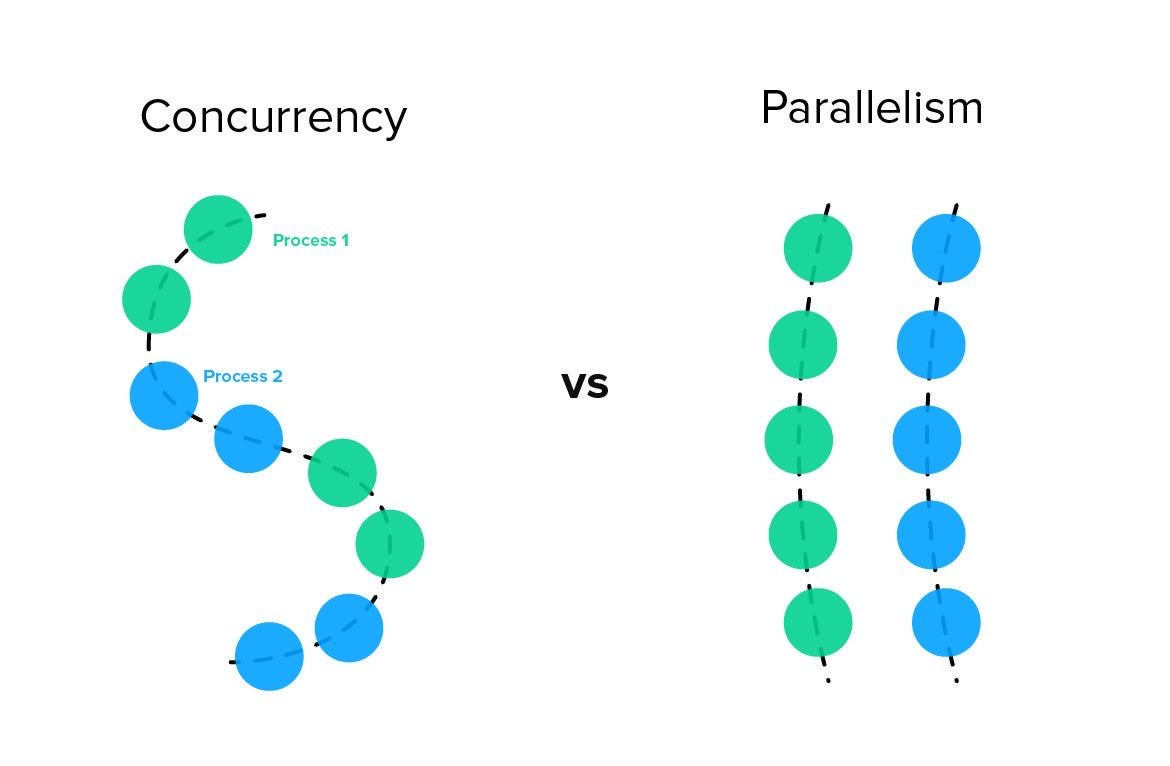
Think of concurrency as a solo chef flipping between dishes in the kitchen. Parallelism? That’s a full kitchen crew cooking multiple meals at the same time!
📌 Concurrency • MANAGING several tasks simultaneously • Single core rapidly context-switching • Gives the appearance of everything happening together • Focuses on organization and flow
📌 Parallelism • EXECUTING several tasks at the exact same time • Multiple cores working in unison • Genuine multi-tasking in real-time • Leverages hardware power for speed
🌟 Everyday Analogies:
Concurrency - Solo Chef in a Busy Kitchen: • Chops veggies → Starts boiling water → Checks oven → Finishes chopping • One chef, juggling steps across recipes
Parallelism - Team of Chefs: • Chef 1: Handles salads • Chef 2: Grills meats • Chef 3: Bakes desserts • Team effort, all prepping concurrently
🛠️ Coding Snippets:
Concurrency:
// Async in JS
async function loadData() {
const users = await fetch('/users'); // Waits without blocking
const posts = await fetch('/posts'); // Handles in sequence but non-blocking
}
Parallelism:
# Using threads in Python
from threading import Thread
thread1 = Thread(target=heavy_computation_a)
thread2 = Thread(target=heavy_computation_b)
# Threads run on multi-cores for true parallelism
🚀 Ideal Scenarios:
Concurrency Shines In: • Waiting-heavy ops (API calls, disk I/O) • Keeping apps responsive (GUIs) • Servers managing client requests • Async event loops
Parallelism Excels At: • Heavy number-crunching (simulations) • Media rendering (graphics, audio) • Data analysis on large sets • Machine learning training
🌟 Practical Cases:
GoLang: Concurrency pro • Goroutines for lightweight threading • Efficiently manages massive concurrent ops
Rendering 3D Graphics: Parallelism powerhouse • GPUs with thousands of cores dividing frame workloads • Multi-core setup speeds up by factors
🔥 Core Distinctions: • Concurrency: Software strategy (promises, coroutines) • Parallelism: Hardware-dependent (multi-threading on cores) • Concurrency: Possible on single-core systems • Parallelism: Thrives with concurrency underneath
🗝️ Combined Power: Today’s apps blend them - concurrent code optimized for parallel execution!
#Concurrency #Parallelism #TechTips #CodingEssentials
5 Oct 2025

Day 25: Idempotency
🔄 Idempotency: Your “Repeat Without Regret” Safety Net
Think of idempotency like flipping a light switch—doing it once or a dozen times yields the exact same outcome!
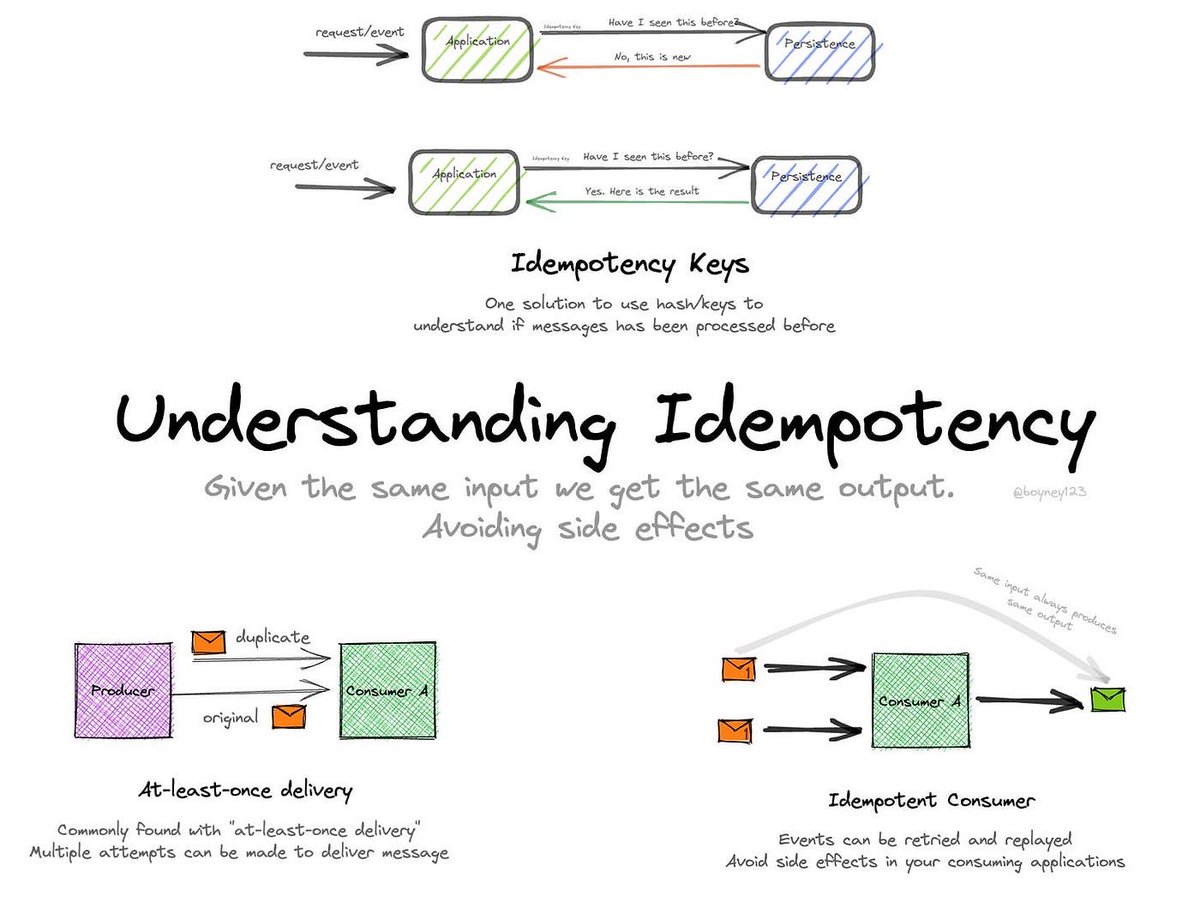
🎯 Defining Idempotency: • An operation that delivers identical results no matter how many times it’s run • Essential for building robust distributed systems • Avoids unintended duplicate impacts
💡 Idempotent Operations vs. Non-Idempotent Ones:
Idempotent ✅ • GET /user/123 → Always fetches the same user info • DELETE /post/456 → Removes the post (or confirms it’s already deleted) • PUT /user/123 {name: “John”} → Consistently updates the name to John
Non-Idempotent ❌ • POST /users → Generates a fresh user every attempt • PATCH /account/balance/ 100 → Increments the balance by $100 each time • POST /orders → Submits a new order with every call
🔧 Idempotency in HTTP Methods: • GET, PUT, DELETE: Inherently idempotent by design • POST, PATCH: Typically not idempotent • HEAD, OPTIONS: Idempotent since they cause no changes
💡 Turning POST into Idempotent Magic:
POST /orders
Headers: Idempotency-Key: uuid-12345
Body: {item: "laptop", price: 1000}
Initial request: Order created
Follow-up request: Retrieves the original order (matching key)
🚀 Ways to Implement It:
1️⃣ Idempotency Keys • Client creates a unique identifier • Server caches the outcome tied to that ID • Popular in systems like Stripe and PayPal
2️⃣ Built-in Idempotency • Leverage specific resource IDs • PUT /users/123 reliably targets and updates one user
3️⃣ Pre-Action State Verification • Evaluate the current setup before proceeding • Act only if conditions permit
💡 Practical Applications:
Payments: • Safely retry incomplete transactions • Eliminate accidental overcharges
Messaging Systems: • Manage repeated messages gracefully • Achieve Kafka’s exactly-once processing
Databases: • Use UPSERT for seamless updates or inserts • Block unwanted duplicates
⚡ Advantages: • Enables worry-free retries • Boosts resilience against failures • Streamlines error management • Maintains system consistency
⚠️ Potential Hurdles: • Extra storage needed for records • Handling key expiration timelines • Mitigating concurrency issues in distributed setups
Idempotency turns chaotic connections into dependable ones!
#Idempotency #DistributedSystems #Reliability #APIDesign
3
74

28 Jan 2025
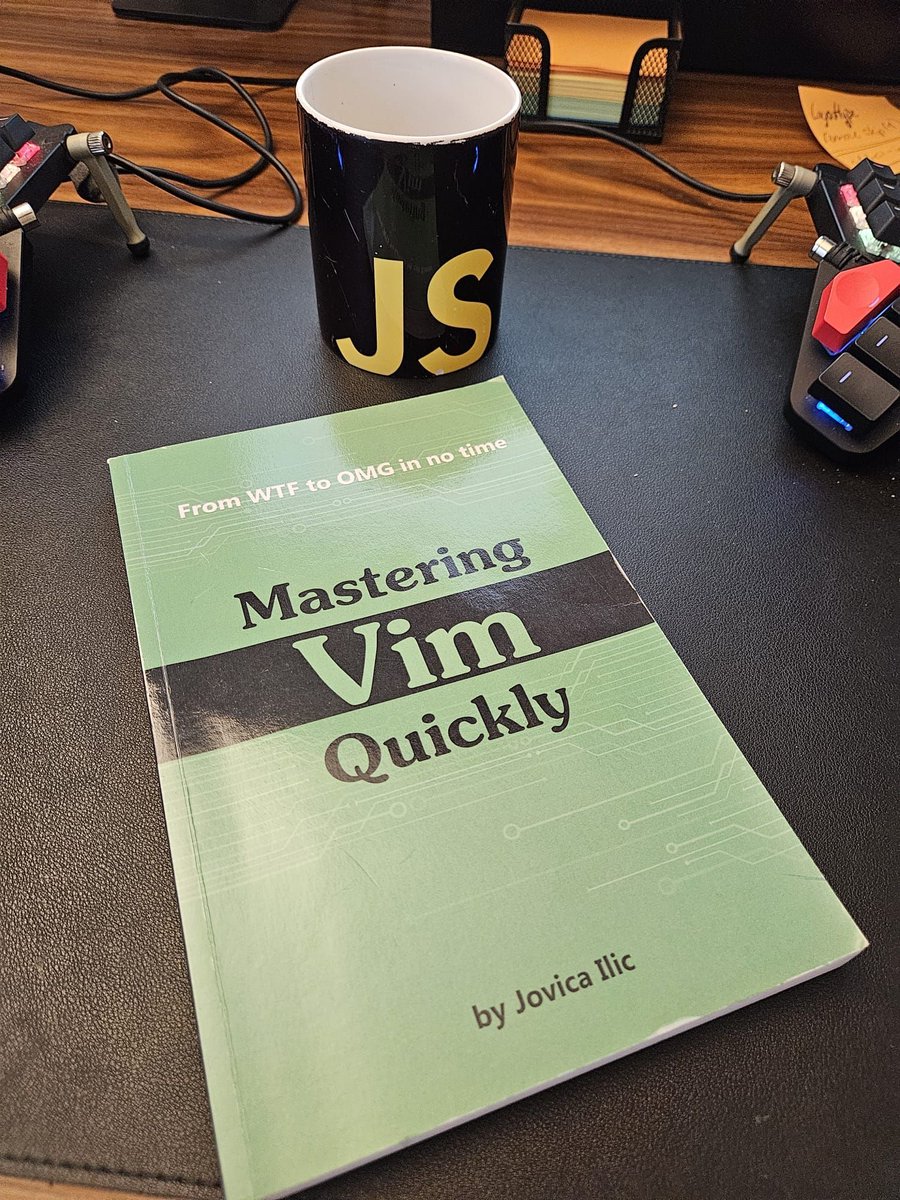
A must-read for those interested in beginning their journey with #Vim #CodingEssentials
1
6
677

13 Nov 2024
Today in class! We explored loops in control structures & I used the mortar&pestle vs electric grinder analogy to drive the point home! Students saw the power of loops in action!
Sometimes, a funny gesture goes a long way #TechProvee #FrontendTutor #CodingEssentials




3
11
190

23 Jun 2024
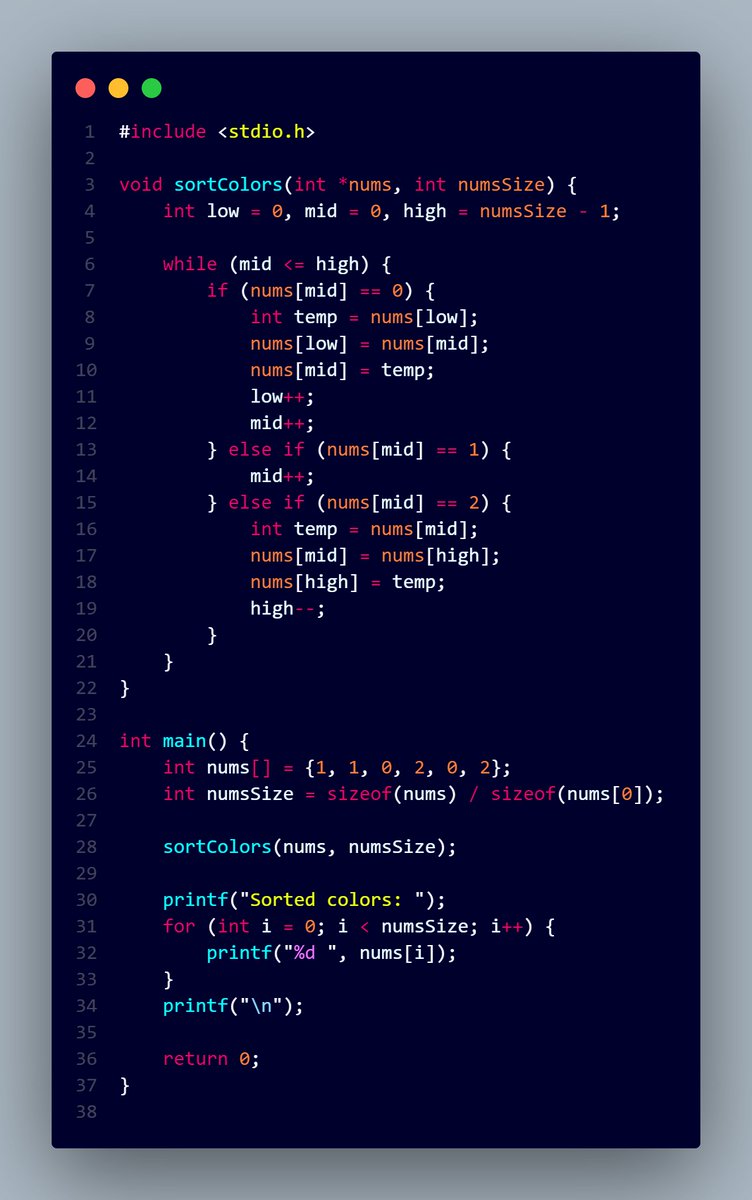
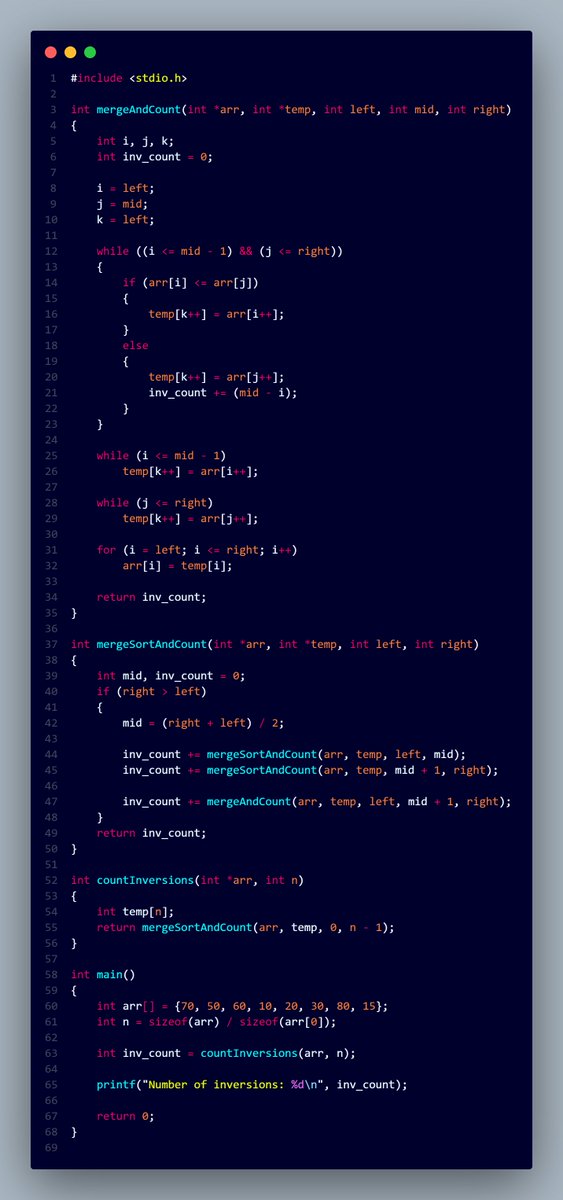
Day 8 of #30DaysOfCoding complete!
Reviewed the basics with functions for even/odd check, rectangle calculations (area & perimeter!), and grade conversion.
Building a strong foundation is key!
#CodingEssentials #BuildingBlocks #CodingChallenge #LearningByDoing

34

10 May 2024
🚀 New on YouTube: "Dive Deep into Blockchain Development: React Native Edition" 🎥 Led by @synesthesiait's tech lead and dev Umberto Lanno & Mirko Quaglia.
🔗youtu.be/oE5Aej-eaeU
#BlockchainDev #TechInnovation #Developers #CodingEssentials #WatchNow
5
89

18 Dec 2023
🌟 Master Python's Built-in Functions! 🐍
Python enriches your coding experience with over 60 essential built-in functions.
Here's a glimpse into five powerful ones, each accompanied by a practical example:
1️⃣ Length Calculation (len()):
len(["apple", "banana", "cherry"]) - Measures the number of items in a list.
2️⃣ Sorting Mechanism (sorted()):
sorted([3, 1, 4]) - Organizes numbers in ascending order.
3️⃣ Maximum Value Finder (max()):
max(10, 20, 30) - Identifies the largest number among the given values.
4️⃣ Minimum Value Finder (min()):
min(10, 20, 30) - Determines the smallest number in a set of values.
5️⃣ Summation Tool (sum()):
sum([1, 2, 3, 4, 5]) - Adds up a series of numbers in a list. Which function do you find most useful? 💡
#PythonProgramming #CodingEssentials #TechTips
3
100

20 Sep 2023
The three essential elements for coding success: patience, pizza, and perseverance. Without them, you're bound to encounter endless syntax errors! 🍕🧠🔍 #CodingEssentials #CodeSuccessFormula #100DaysOfCode #buildinpublic
1
13
493

31 Aug 2023
"HTML tags are the backbone of web content! From <head> to <body>, <p> to <img>, they structure, format, and display information. Mastering these tags is key to creating captivating and functional websites. #HTML #WebDevelopment #CodingEssentials #AI
14

13 Aug 2023
🔧 Demystifying Makefile's .PHONY: Why and When to Use It 📚 #DevTips #CodingEssentials #MakefileMagic
In make, the .PHONY target is used to specify that a certain target is not associated with a file. This is useful because make is designed to build files from other files. By default, make uses the timestamps of files to determine whether they need to be rebuilt. If there's a file with the same name as a target, make can become confused and may not execute the target when expected.
The .PHONY declaration helps you avoid this issue.
Here are a few reasons to use .PHONY:
============================
=> Non-File Targets: In many makefiles, there are targets that do not produce a file. Common targets like clean, all, and install might not correspond to actual files, but are instead just commands you want to run.
=> Force Execution: Even if there is no dependency change, marking a target as .PHONY will ensure its commands get executed every time it's called.
=> Avoid File/Target Name Confusion: If by any chance a file with the same name as the target gets created, it would prevent make from running that target. Declaring the target as .PHONY avoids this problem.
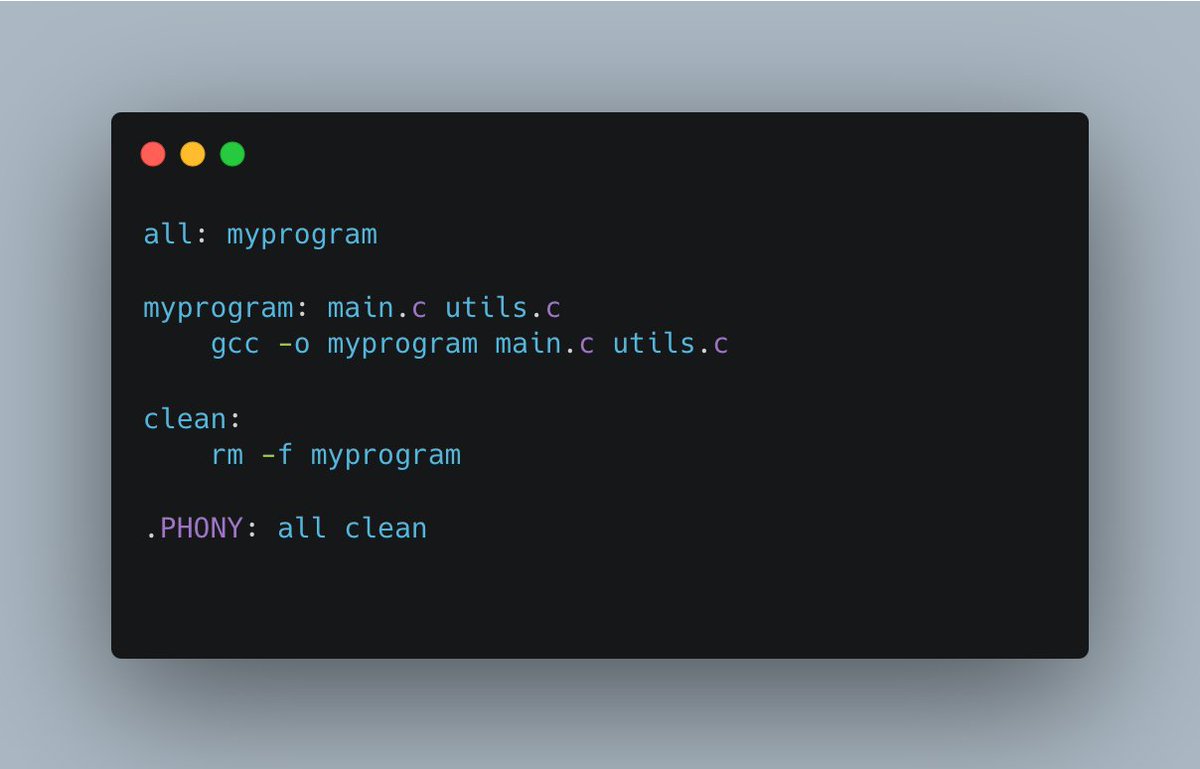
Here's an example: (see attachment)
==============
In this example, all and clean are declared as .PHONY targets. This means:
=> When you run make or make all, it will always try to build myprogram, even if there's a file named all in the directory.
=> When you run make clean, it will always run the rm command, even if there's a file named clean in the directory.
=> It's a good practice to use .PHONY for any target that does not produce a file to avoid unexpected behaviors.
1
354

5 Apr 2023
Hey, fellow devs! What are the essential components for a cool setup for coding? Share your recommendations! #developerlife #codingessentials #techgear"
2
45

4 Jan 2021
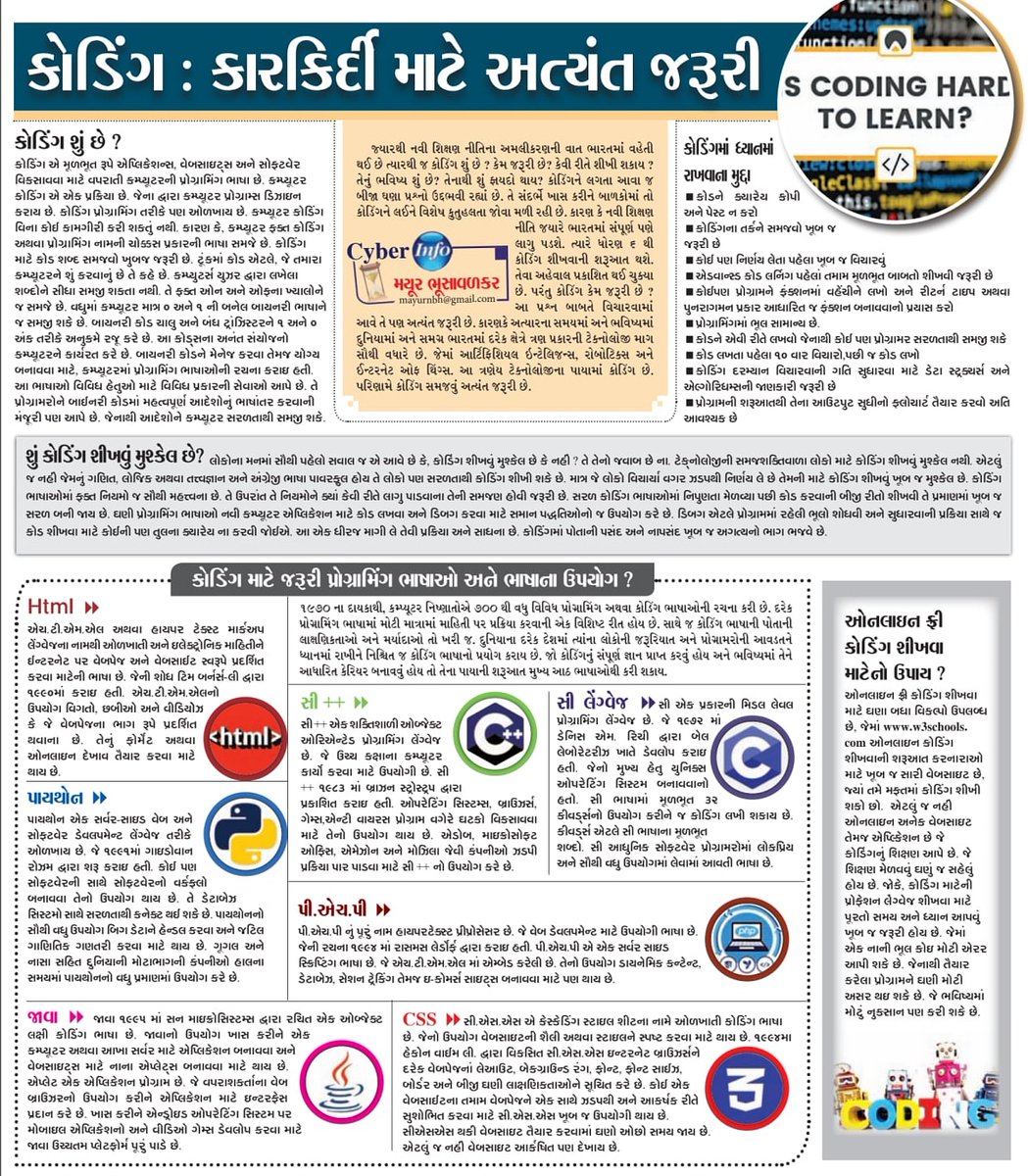
Coding
My column in today's cyberspace-Sandesh
#mayurbhusavalkar
#mayurbhusavalkarcyberexpert
#cyberinfo
#cyberspace
#CyberAwareness
#codingessentials
#sandesh
#sandeshnewspaper
3

1 May 2020
From #CodingEssentials
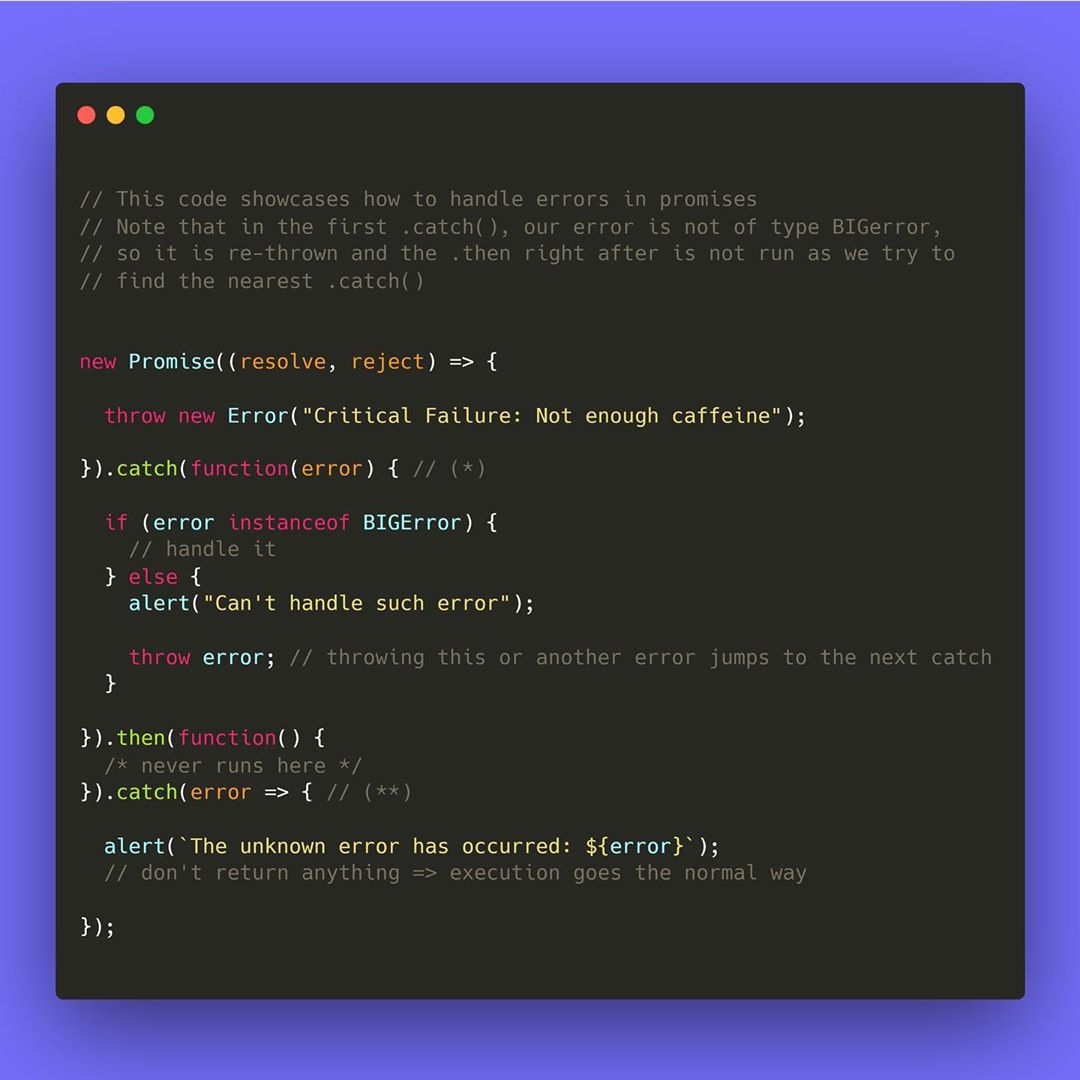
Showcasing how to handle errors in promises
#coding #100DaysOfCode #laravel #301DaysOfCode #programming #html #javascript #programmer #developer
6
4