
Jun 12
There's no reason to impose suit ideas on other aesthetics. Instead of being motivated by your disinterest in suits, or belief that suits are dead and thus mostly costume-y, I encourage you find an area of aesthetics that you like. Perhaps that's 1930s workwear; perhaps it's 1980s counterculture; perhaps it's 1970s hiking style. Find outfits in that aesthetic that you like. Then consume a bunch of images and try to draw themes. Perhaps you'll find that a lot of 1960s workwear had rounded tops; perhaps you'll see that 1990s counterculture relied on a lot of colorblocking. Or whatever the themes may be.
You can then try to find ways to use these concepts in ways today to retain some of that spirit in a way that looks contemporary and not too historical reenactment.
If your belief is that suits are dead and no longer relevant, you don't have to study suits anymore than you have to study Latin. You can simply find literature you like — German, French, Japanese — and study those languages.
Workwear does not follow the same concepts as tailoring. The concept of "flattering" is not the same. You can't build up and extend a workwear jacket's shoulder because it does not have should padding and wading. This is obvious in real life but unfortunately not obs over social media because this format is useless for learning things. But if you could feel a suit jacket shoulder between your fingers and squeeze a button up shirt (your Ralph photo) or the Belstaff jacket, it would be immediately obvious.
But again, no reason to harp on about dead clothing. I don't talk about monocles and top hats to discuss how to dress today. So is the suit is indeed the new frock coat, you have been liberated from them and can now move on to whatever aesthetic excites you.
1
4
417


Jun 11
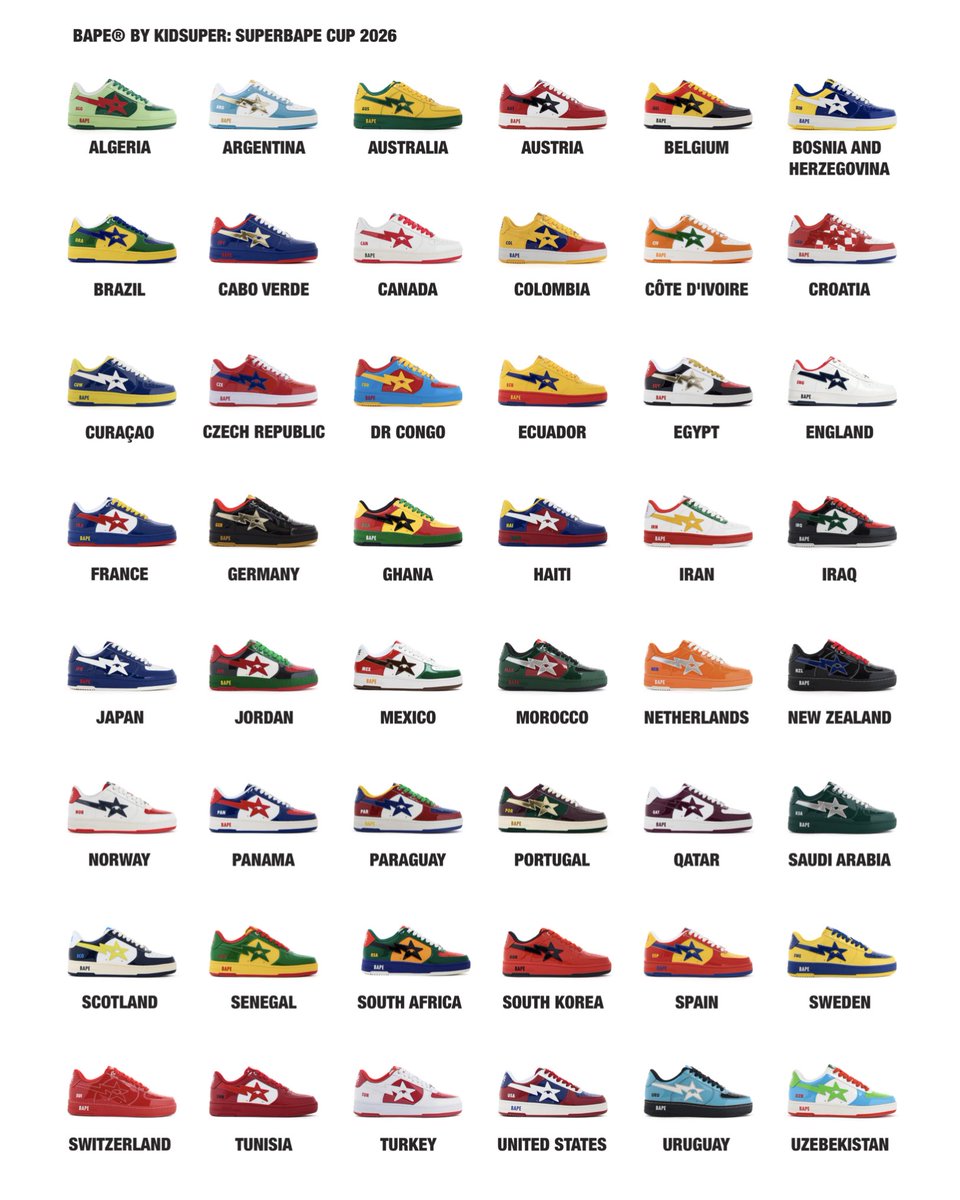
the part that makes this collab so ill is that 48 teams meant 48 colorways, so we get to see some of the unconventional (even awkward) colorblocking on the bapesta that made that sneaker special in the 2000s 💫

KIDSUPER X BAPE 48 COUNTRIES FOR THE WORLD CUP DROPPING TOMORROW FOR PRE ORDER
3
9
895

Jun 9
Nah, not a fan of the colorblocking on any of em lol. What about you?
1
36

Jun 8
Most men who see a runway shot think the same thing:
"I could never wear that. No one actually looks like that."
They're right. And also, completely missing the point.
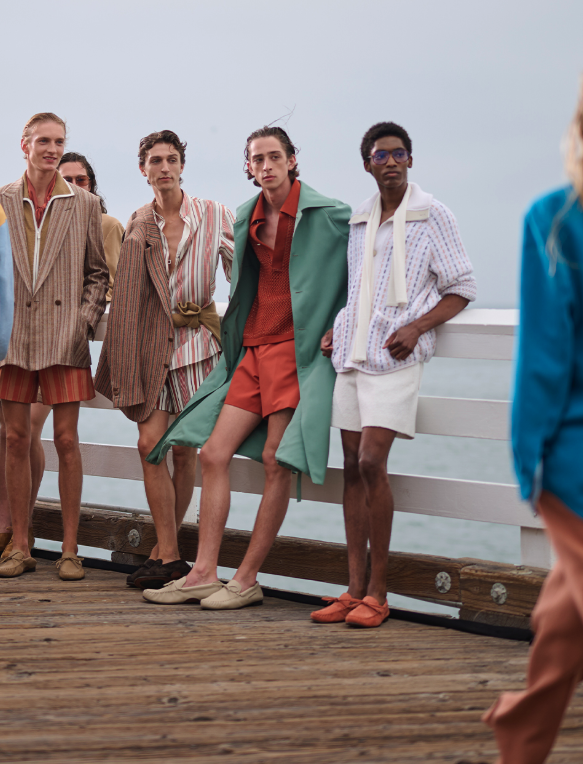
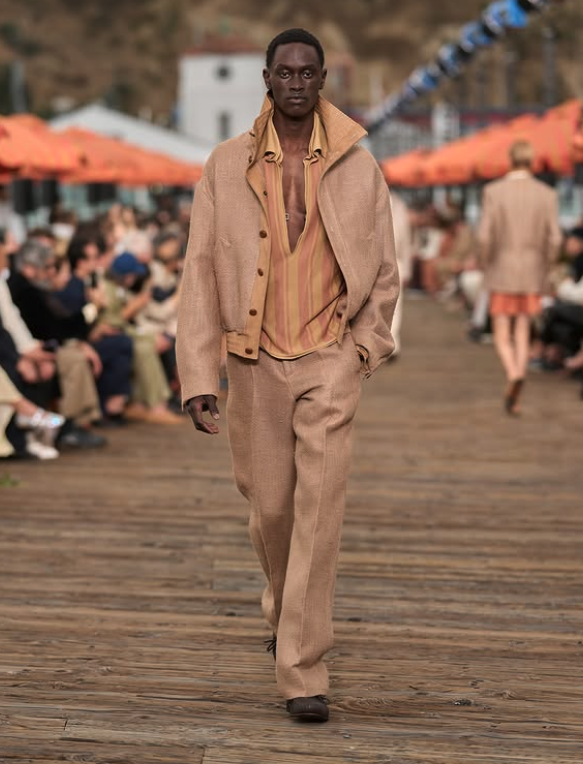
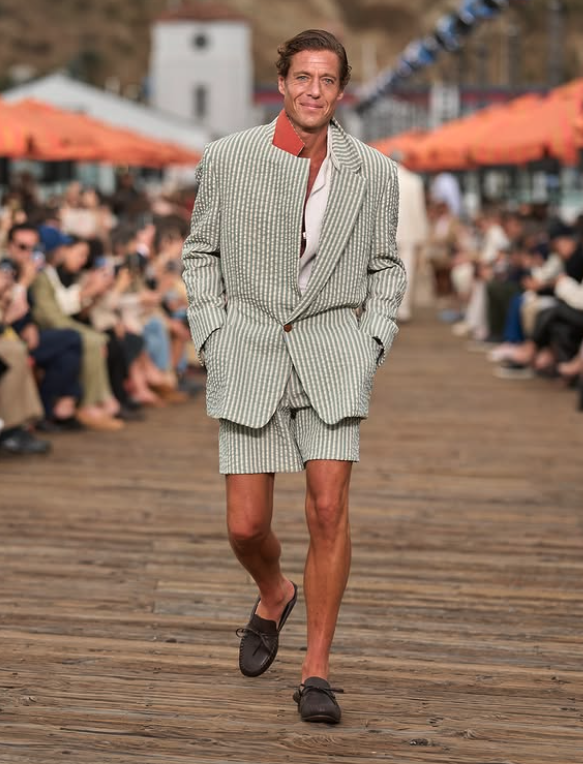
Last Friday, @Zegna ran its Summer 2027 show. Striped suits, boxy leather jackets, colorblocking, you name it.
Not many founders will be wearing that to meet the team on Monday morning.
A few men might, and they likely fall into one of these buckets:
• It's their job
• They're dressing for the camera
• Style is their identity, their hobby, their DNA
None of those is you. That's fine.
And also exactly where it goes wrong: thinking that copying these 1:1 is the only way to "get it right."
That's the trap. You write it off as impossible and take nothing from it.
Sure. No full Zegna look to your investor pitch.
But maybe it's the color combinations you bring to work. Maybe it's one piece you haven't tried before, but has a lot of potential. Maybe it's the way two certain pieces are combined. Or maybe it's a new type of shoe.
A runway show is inspiration, not an instruction manual.
And in my book, it's never copying. Just taking what works for your life and leaving the rest on the runway.
A few examples of ideas to try, inspired by the show:
• Ton-sur-ton (tonal) color combinations
• Retro colors
• Matching sets that aren't a classic suit
• A cardigan under a sports jacket instead of a shirt
• Popover shirts instead of button-ups
2
28
7,254



May 30
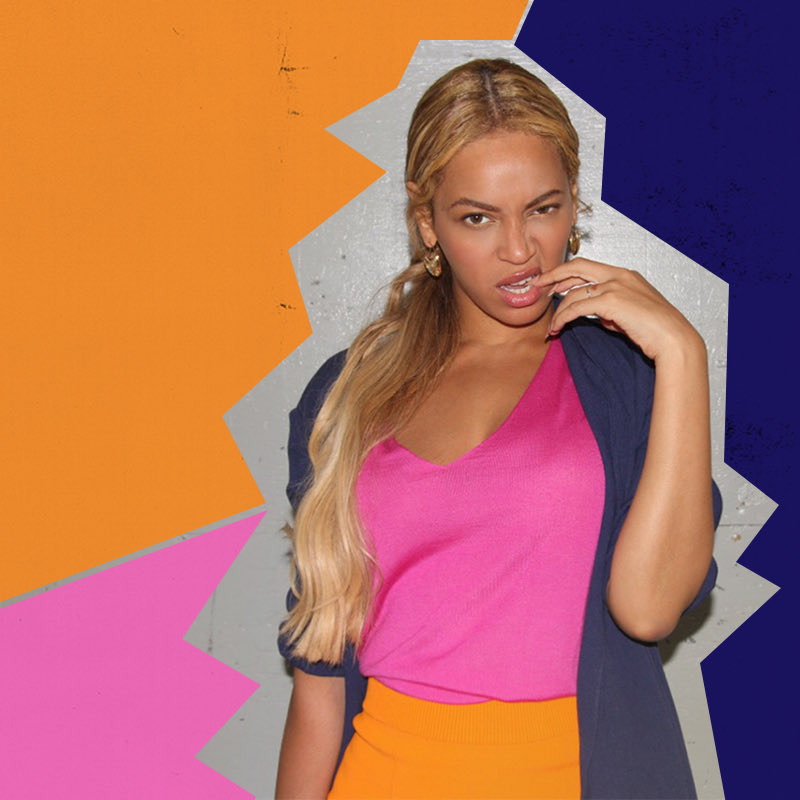
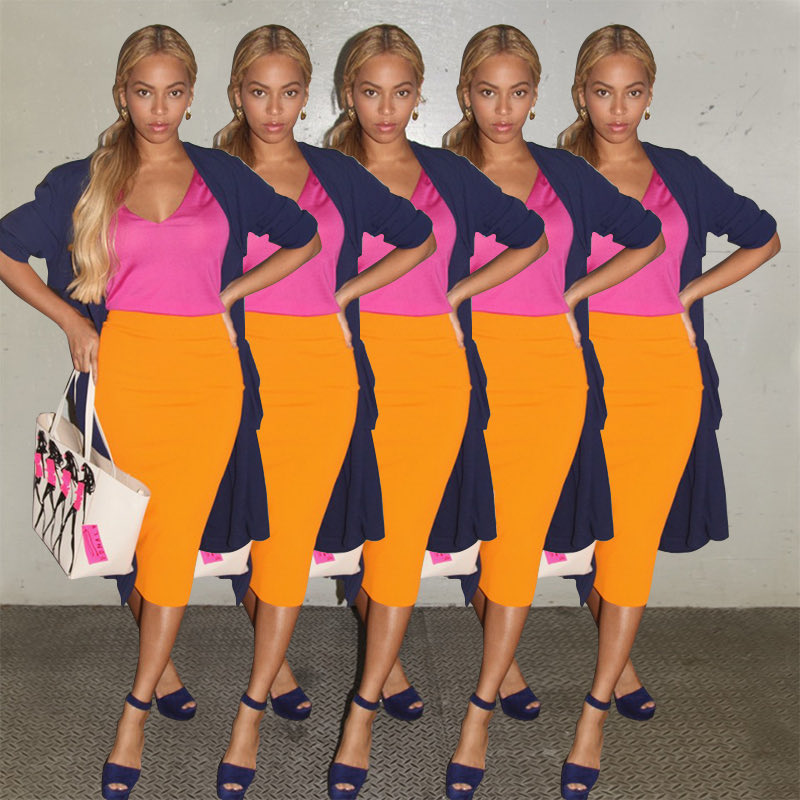
Denim on top, hot pink on the bottom 💫🌟
Serving bold color energy with a smile! Casual never looked this cute 🌸✨💕
#HijabFashion #DenimHijabLook #PinkLeggings #ColorBlocking #HijabiStyle #CasualHijab #ModestFashion #BrightVibes #HijabOOTD #ChicHijabi #EverydayStyle #FashionInspo #BlueHijab #ConfidentLook #ModestOutfit

1
2
5
25,350
May 30
Soft pink, bold red, and a whole lot of confidence 💕Cozy on the couch but still serving elegance 🌟✨
#HijabFashion #PinkHijab #ModestStyle #RedSkirt #ColorBlocking #HijabiLook #CozyVibes #HijabOOTD #ChicHijabi #ModestFashion #HomeElegance #HijabiStyle #ConfidentModest #FashionInspo #SoftAndStrong

1
3
7
20,944
May 30
Serving looks & lunch at the same time
Rose, cream & emerald hitting all the right notes Who else loves a pop of color? 💕✨
#HijabFashion #ModestStyle #ColorBlocking #HijabiLook #GreenSkirt #RoseHijab #StyleAndGrace #FoodieHijabi #HostingVibes #ModestOutfit #ChicHijabi #FashionInspo #HijabDaily #ConfidentStyle #OOTD

3
5
16,218

May 28
w/ @sneakermarketro
Nike will be working with both Martine Rose and Supreme to release a Dunk Low for Supreme's FW26 season. Appearance and colorblocking is currently unknown.
Martine Rose x Supreme x Nike Dunk Low SP
JA1868-001
Black/White
$150
FW26
9
10
120
37,552


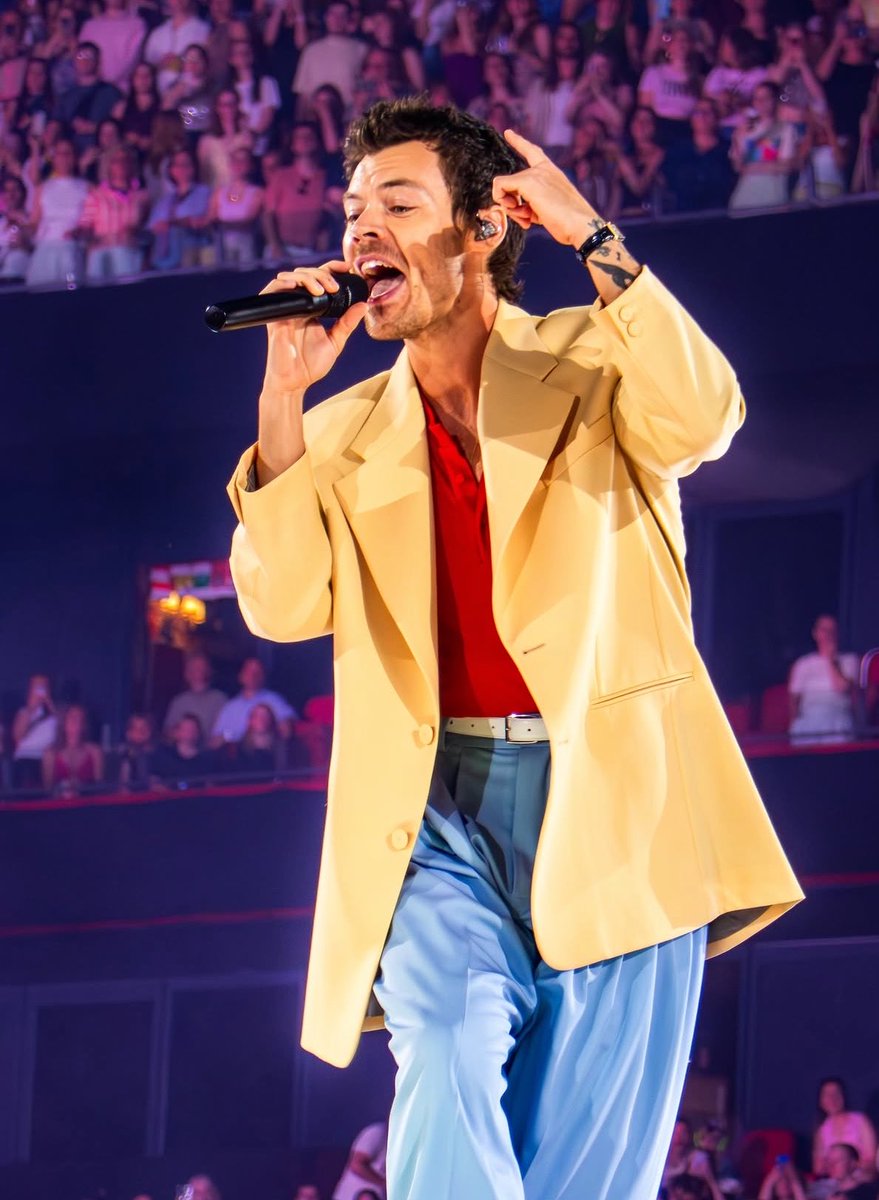

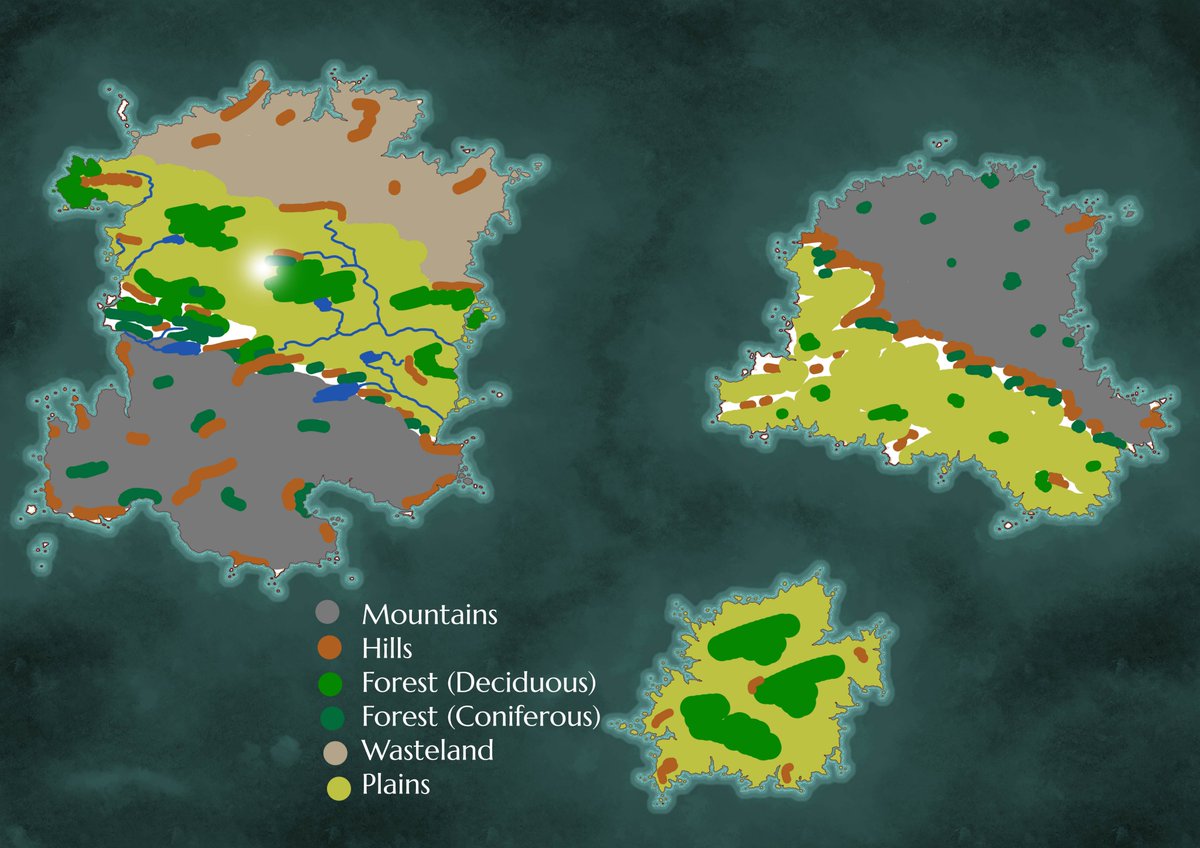
Everyone has their own way to plan and work on a map together with a client. For me, once the general position of landmasses is settled, a simple colorblocking for the major elements (mountains, hills, forests, etc) before doing the lineart is the way to go.
3
179

May 14
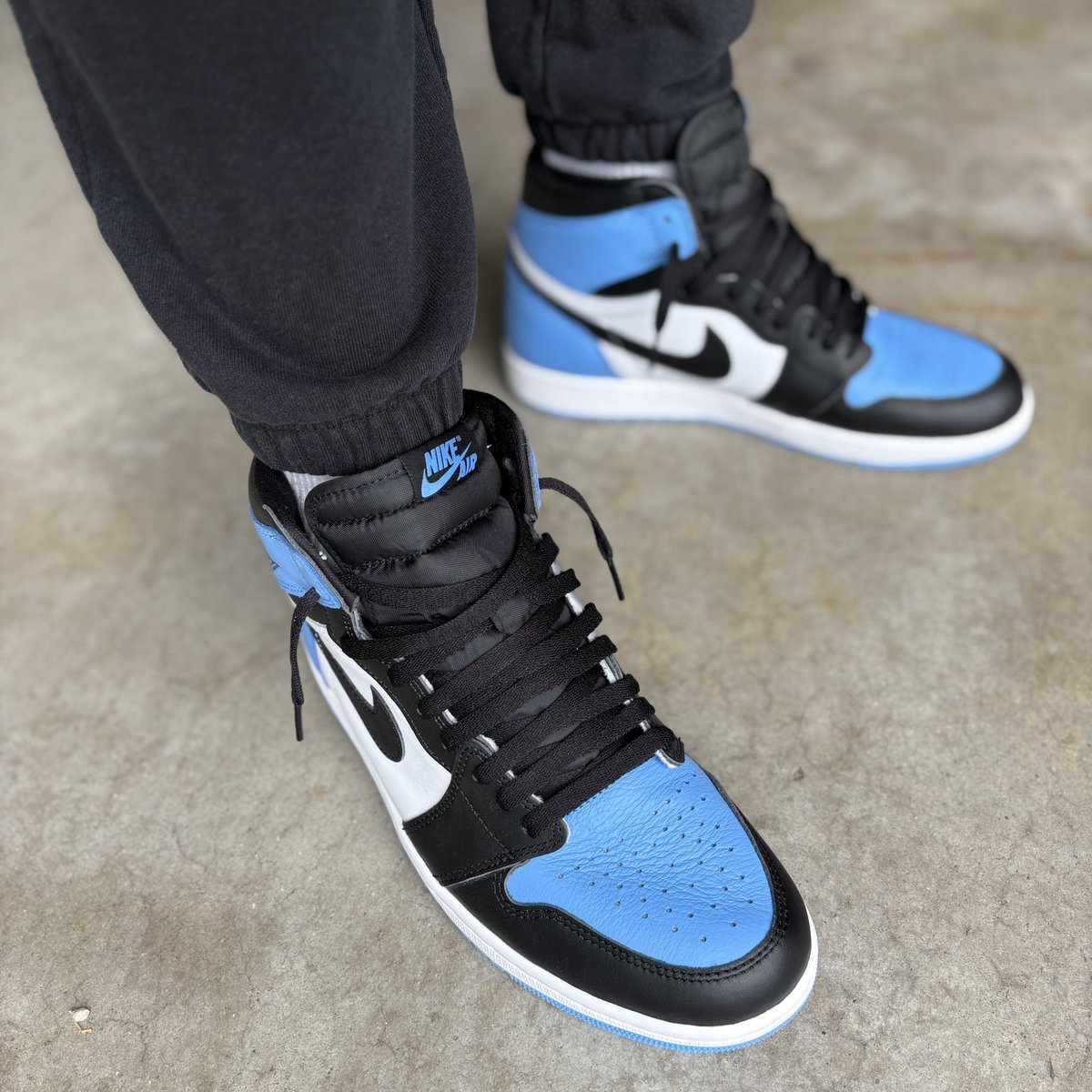
I will always rock the with the @Jumpman23 1 High (Color) Toe, the colorblocking just works so well😍
Jordan 1 Retro High OG - “UNC Blue”
#KOTD #YourSneakersAreDope #WearYourShoes
2
52
1,163

May 12
If they wish to be so flat out black and white, tell them colorblocking and sketching also fall under tracing (especially if you do these things on different layers).
1
2
216

^ disc. i was having with oomfs about kurara's fashion sense under her shell and mask and its parallels/contrasts with yugamu especially in terms of placement of family crests and vulnerability/lackthereof of underlayers (ygm's kimono notably has similar colorblocking 2 her coat
1
3
58

Apr 29
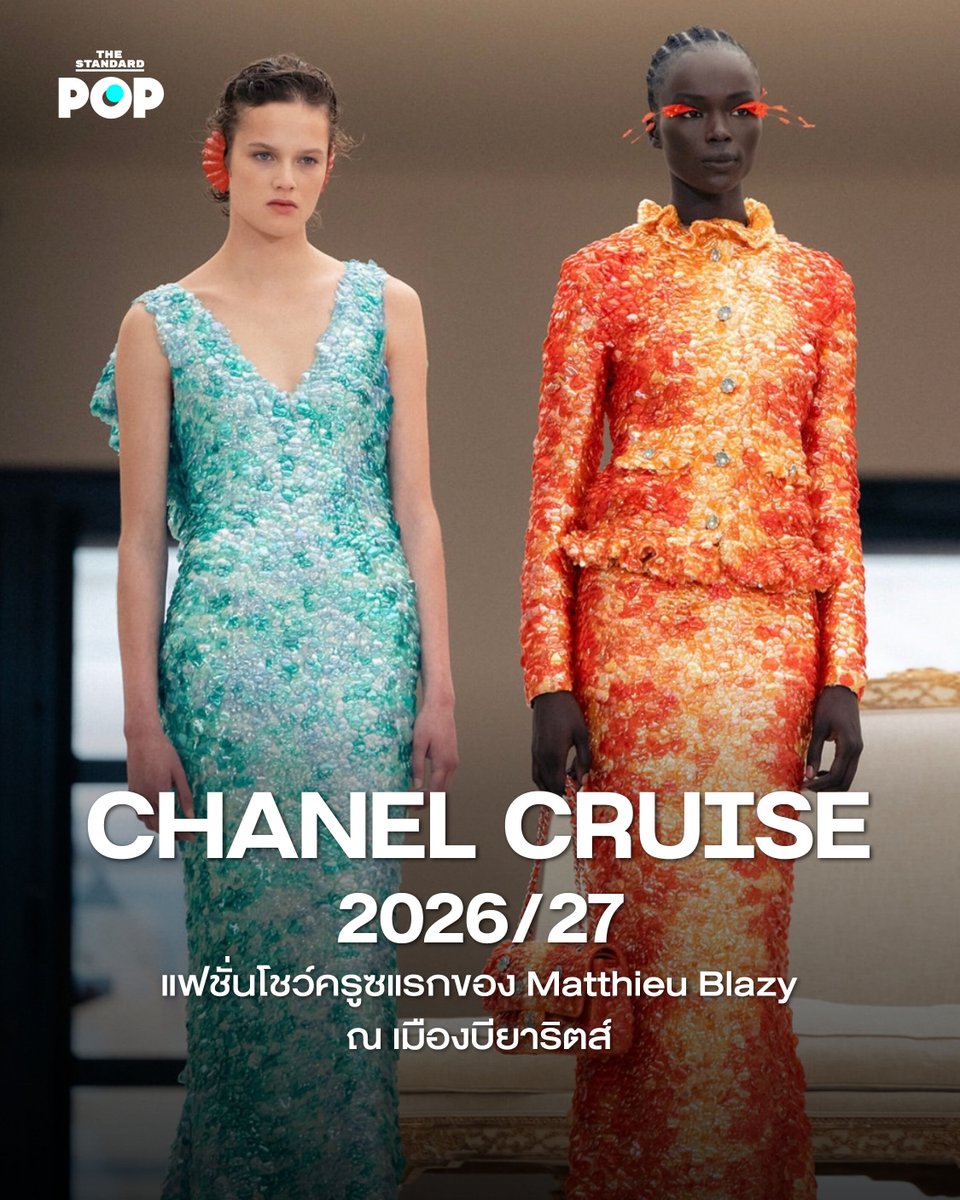
CHANEL CRUISE 2026/27 แฟชั่นโชว์ครูซแรกของ Matthieu Blazy ณ เมืองบียาริตส์
Matthieu Blazy เดินหน้าครีเอตโมเมนต์ที่น่าจดจำสำหรับประวัติศาสตร์แฟชั่นอีกครั้งกับรันเวย์ CHANEL Cruise 2026/27 ซึ่งเป็น Cruise Collection แรกของเขาในฐานะครีเอทีฟไดเรกเตอร์ของแบรนด์ โดยสำหรับ Destination Show ครั้งที่สองของ Matthieu ต่อจากคอลเล็กชัน Metiers D’Art ที่ไปจัดที่นิวยอร์กช่วงเดือนธันวาคมปีที่แล้ว คราวนี้เขาก็ขอกลับมายังจุดเริ่มต้นการเปิดห้องเสื้อกูตูร์แรกในชีวิตของของ Gabrielle Chanel ณ เมืองบียาริตส์ ประเทศฝรั่งเศส เมื่อปี 1915
โดยแฟชั่นโชว์ CHANEL Cruise 2026/27 ได้จัด ณ อาคาร Casino Barrière Biarritz ติดชายทะเลใจกลางเมืองบียาริตส์ ซึ่งทางแบรนด์ก็ได้ Takeover ทั้งตึก พร้อมปรับเปลี่ยนด้านในให้จำลองเป็นเหมือนบูติกของ CHANEL ที่ล้อมรอบไปด้วยกระจก พรมสีเบจ และ เฟอร์นิเจอร์ที่ตกแต่งด้วยชิ้นงานรูปปั้นต่างๆ เหมือนในอพาร์ตเมนต์ของ Gabrielle Chanel ณ 31 Rue Cambon ในปารีส
CHANEL Cruise 2026/27 มีทั้งหมดกว่า 70 ลุค ซึ่งเปิดด้วยลุค Little Black Dress ที่ได้ตีความใหม่เพื่อฉลองอายุครบ 100 ปีของเดรสตัวนี้ที่ Gabrielle Chanel ได้ดีไซน์และสามารถปฏิวัติสังคมได้อย่างไม่รู้จบ ซึ่ง Matthieu ก็ได้เปรียบเทียบว่าชุดนี้คือ Prototype ของ “Revenge Dress” ส่วนลุคอื่นๆ ก็สะท้อนความเหนือจินตนาการของ Matthieu Blazy ที่อยากสนุกของคอนเซปต์ Sporty Allure ตามดีเอ็นเอเสื้อผ้า CHANEL, เล่นกับ Freedom of Movement เพื่อให้ผู้หญิงทุกคนมีเสรีภาพในการแต่งตัว, นำงานดีไซน์ยุค Art Deco ที่เห็นรอบๆ เมืองบียาริตส์มาผสมผสาน และ รวมถึงยังนำความเป็น Under The Sea เอาเรื่องราวของนางเงือกมาเล่นครั้งแรกที่ CHANEL อีกด้วย
ส่วนบรรดาแอ็กเซสซอรีก็มีไฮไลต์เป็นรองเท้าบูตยางที่มาในสี Colorblocking, ต่างหูเปลือกหอยที่มาทั้งแบบสีทองและสีส้ม, กระเป๋าสาน Raffia ลายแบบโอเวอร์ไซส์ที่ใส่เอกสารทั้งชีวิตได้ และยังมีหมวกทรงว่ายน้ำที่ประดับด้วยโลโก้ CC โดย คอลเล็กชันนี้ทาง Matthieu ก็ถือว่าใช้โลโก้ CC มากสุดเท่าที่เคยทำมา ซึ่งก็น่าจะช่วยขับเคลื่อนเรื่องการขายได้อย่างดี เพราะคอลเล็กชัน Cruise จะวางขายยาวนานสุดในร้านหากเทียบกับซีซันอื่นๆ
ท้ายสุดแล้ว ตอนนี้ Matthieu Blazy ก็ถือว่าดีไซน์ครบทุกคอลเล็กชันหลักของ CHANEL ทั้ง Ready-to-Wear, Haute Couture, Metiers D’Art และ Cruise ซึ่งก็ต้องบอกว่าในระยะเวลาไม่ถึง 6 เดือน การที่ Matthieu สามารถกวาดคำชื่นชมและประสบความสำเร็จขั้นนี้อย่างรวดเร็ว ท่ามกลางความท้าทายของอุตสาหกรรมแฟชั่นที่กำลัง Slow Down ก็ถือว่าเขานี่แหละน่าจะเป็นวีรบุรุษตัวจริงคนต่อไปของวงการ
ภาพ: Courtesy of CHANEL
#TheStandardPOP
#CHANEL
#CHANELCruise
#MatthieuBlazy
1
3
1,420

i often wear their color coord in daily outfit! most of them would tends to look more on the basic style but i do layering, colorblocking, accessories & texture mixing :'D
3
263

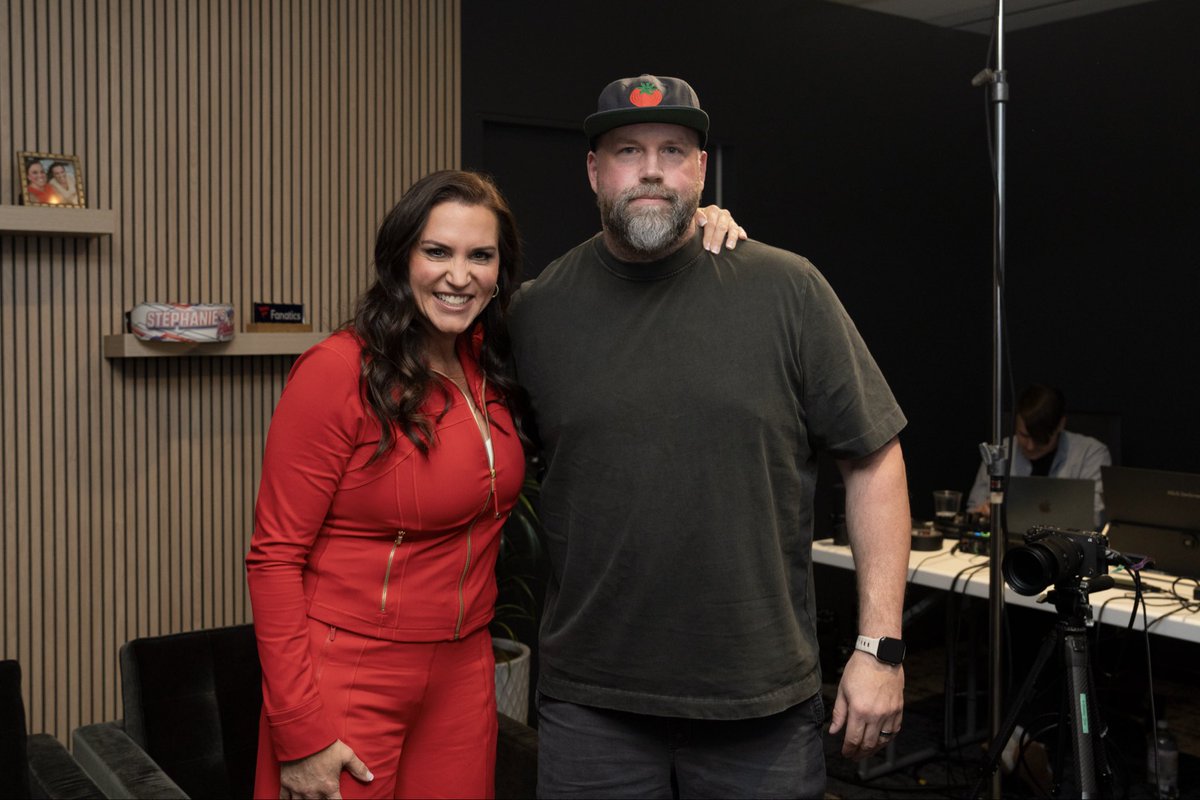
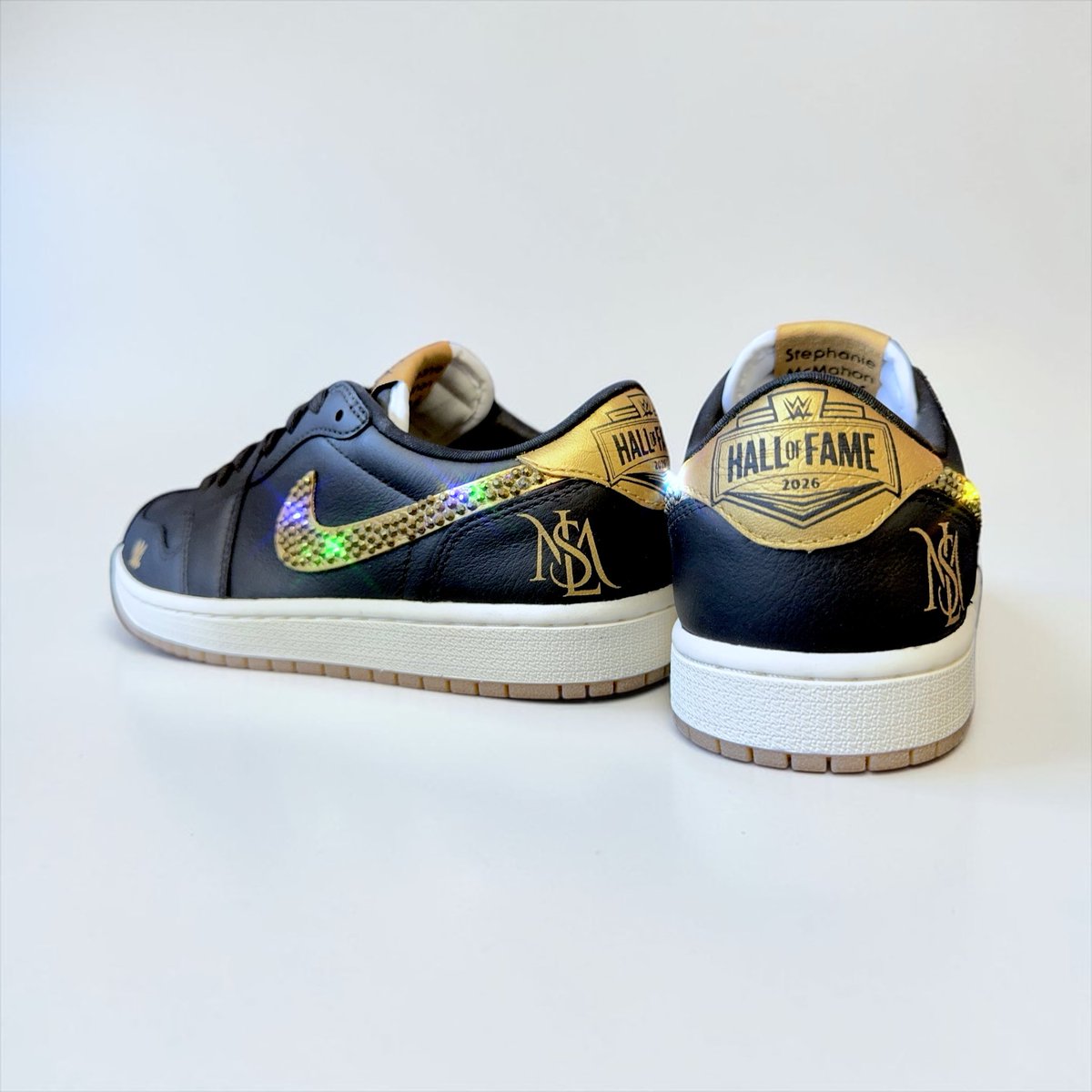
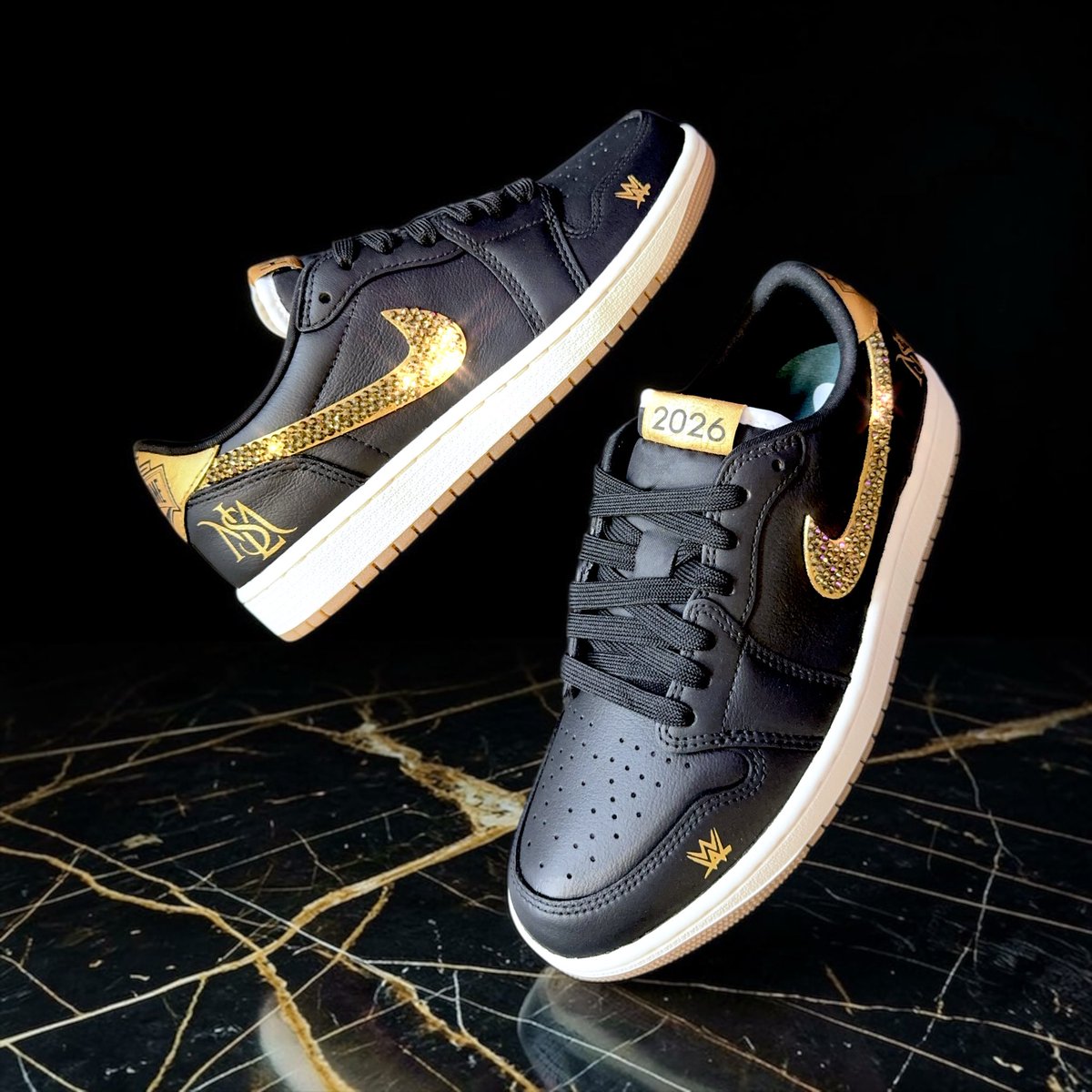
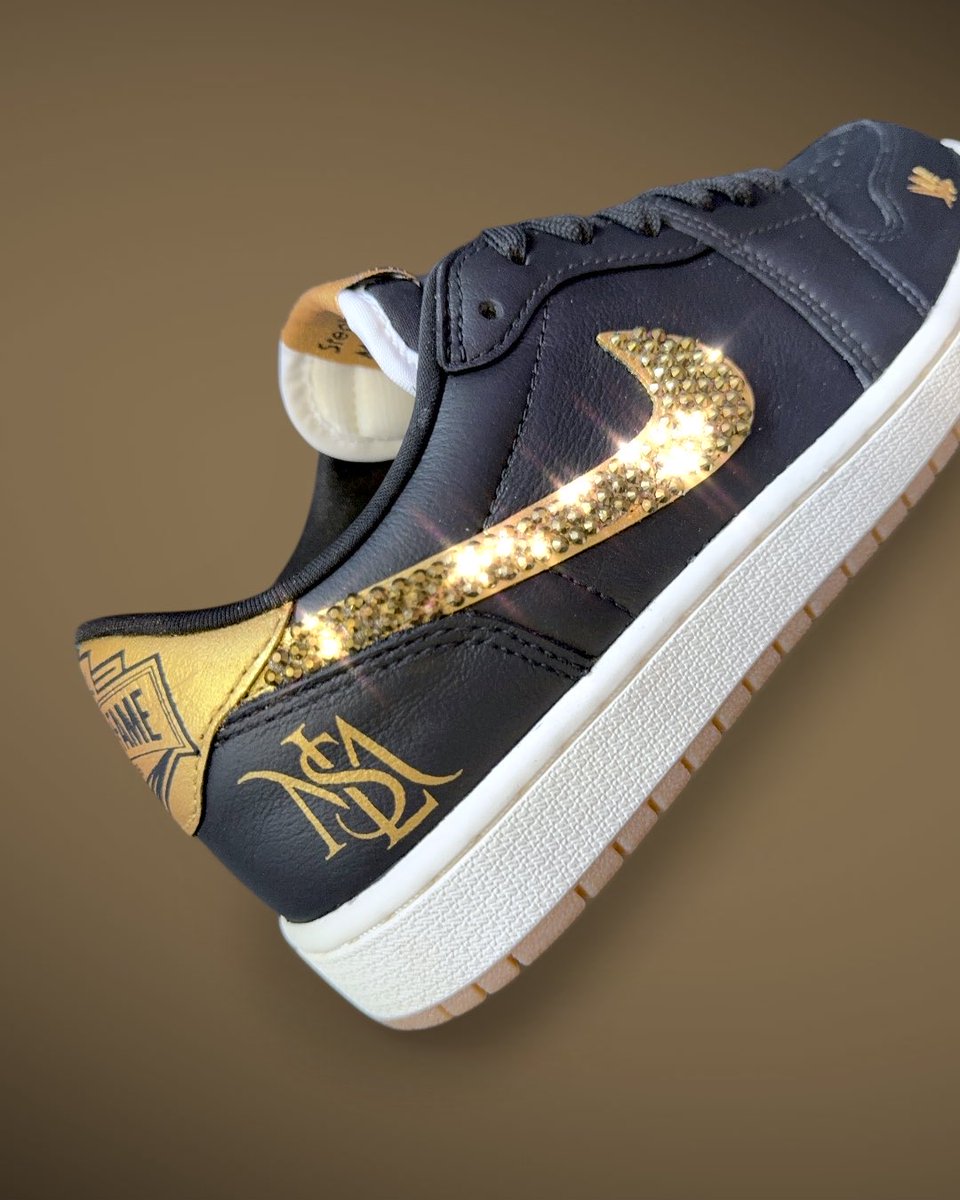
Before she’s inducted into the #wwehof this weekend I had the honor to create these custom Jordan 1s for @StephMcMahon. Kept them clean with the black and gold colorblocking and added Swarovskis to the swooshes to give them just a little something more.
📸 @WWE
3
28
2,827

Apr 14
drive.google.com/drive/folde… <- the recents i added but i still use the rest, been using thick knife and heavy hand, grass stain for colorblocking. (also brush_01-brush_06)
if u want a more indepth guide/explanation lmk anon i love getting asked about my art brushes/processes💗💗💗

1
2
519