William The Old West Outlaw retweeted

- St. Paul the Apostle criticized Pope St. Peter
- St. Columbanus criticized Pope Boniface IV
- St. Bernard of Clairvaux criticized Pope Eugenius III
- St. Bruno of Segni criticized Pope Paschal II
- St. Catherine of Siena criticized Pope Gregory XI and Pope Urban VI
-St. Vincent Ferrer criticized Pope Benedict XIII (Avignon claimant)
1
1
5
68

Columbanus disrupted an offering of beer to the god Wodan. It is also mentioned that the people believed Wodan was somehow embodied in the drink, probably because beer makes you "go mad", which is in the very name.
1
20
233
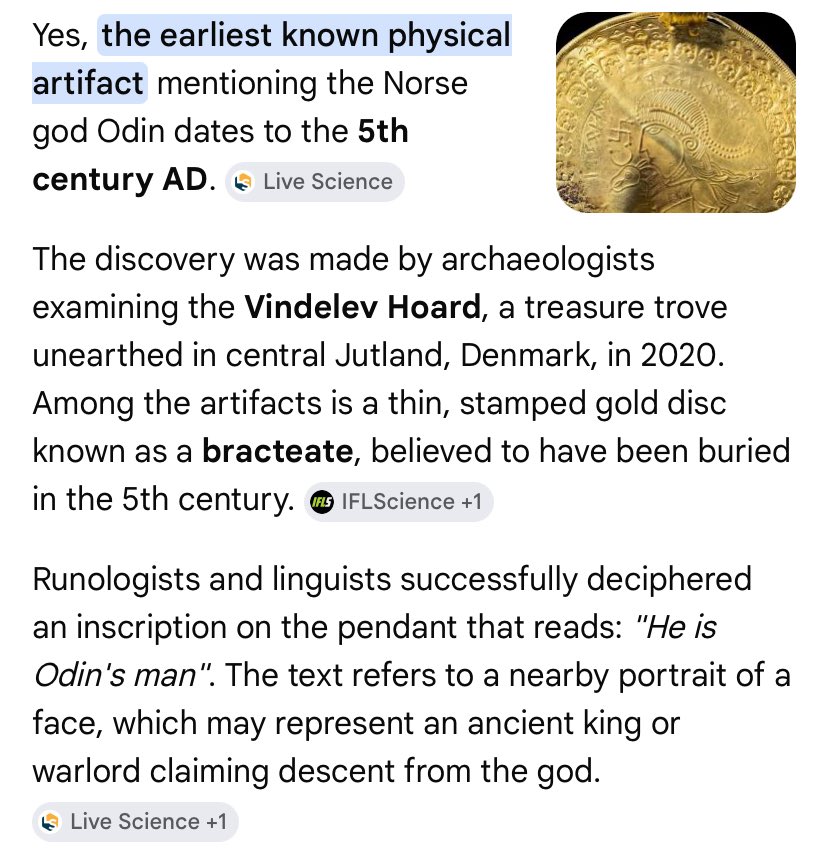
Odin's man is how you refer to a worshiper of Odin. Just like there are rarely attested Old Norse names like Odinkarr(Odin's man) and Odindisa(Odin's woman).
Also leaving out the earlier literary mention in the Life of Columbanus where Odin is a god.

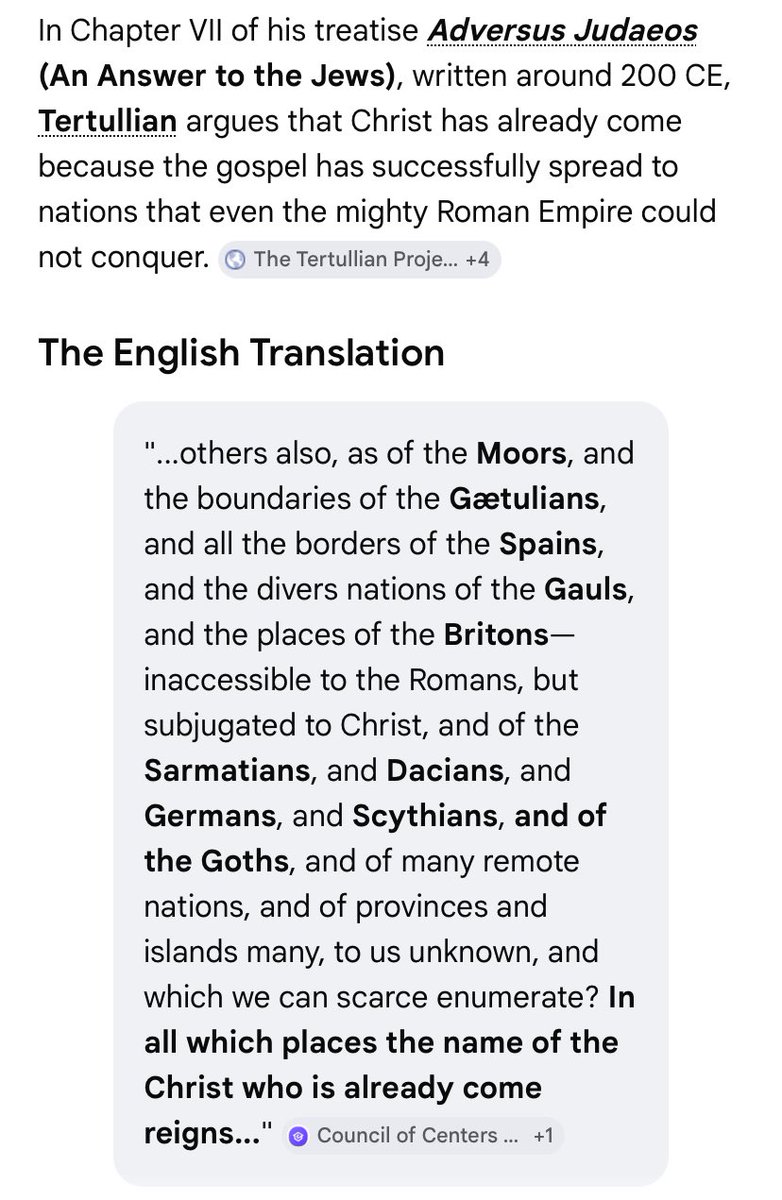
The Germans were already Christian b4 Odin was even a Chieftain & in the earliest mention we have of Odin there’s nothing there about him being worshipped as a god.
If the Vikings never converted they would have allied with the Muslims forever & got browned out like the Moors.
3
2
58
1,608

Jun 15
Pagans were peacefully converted in early Middle Ages in huge numbers, whole villages at a time by Irish & English missionaries to the Continent
Like Columbanus, Gallus, Boniface
Violence was rare and it was worldly rulers never clergy
pagans were often the aggressors
Facts
1
2
25
The Pope is a man who can be tempted by Satan and is prone to error. Even Christ himself was tempted by Satan.
But he is not Christ, a Saint, or a demigod. I can list a littany of Popes loaded with scandal and error.
And because he is prone to error, he is also not infallible. Paul criticized Peter and St Catherine of Sienna publicly criticized Pope Gregory XI and Pope Urban VI.
Other Saints that criticized Popes included:
- St. Columbanus criticized Pope Boniface IV
- St. Bernard of Clairvaux criticized Pope Eugenius III
- St. Bruno of Segni criticized Pope Paschal II
- St. Vincent Ferrer criticized Pope Benedict XIII (Avignon claimant)
2
2
222


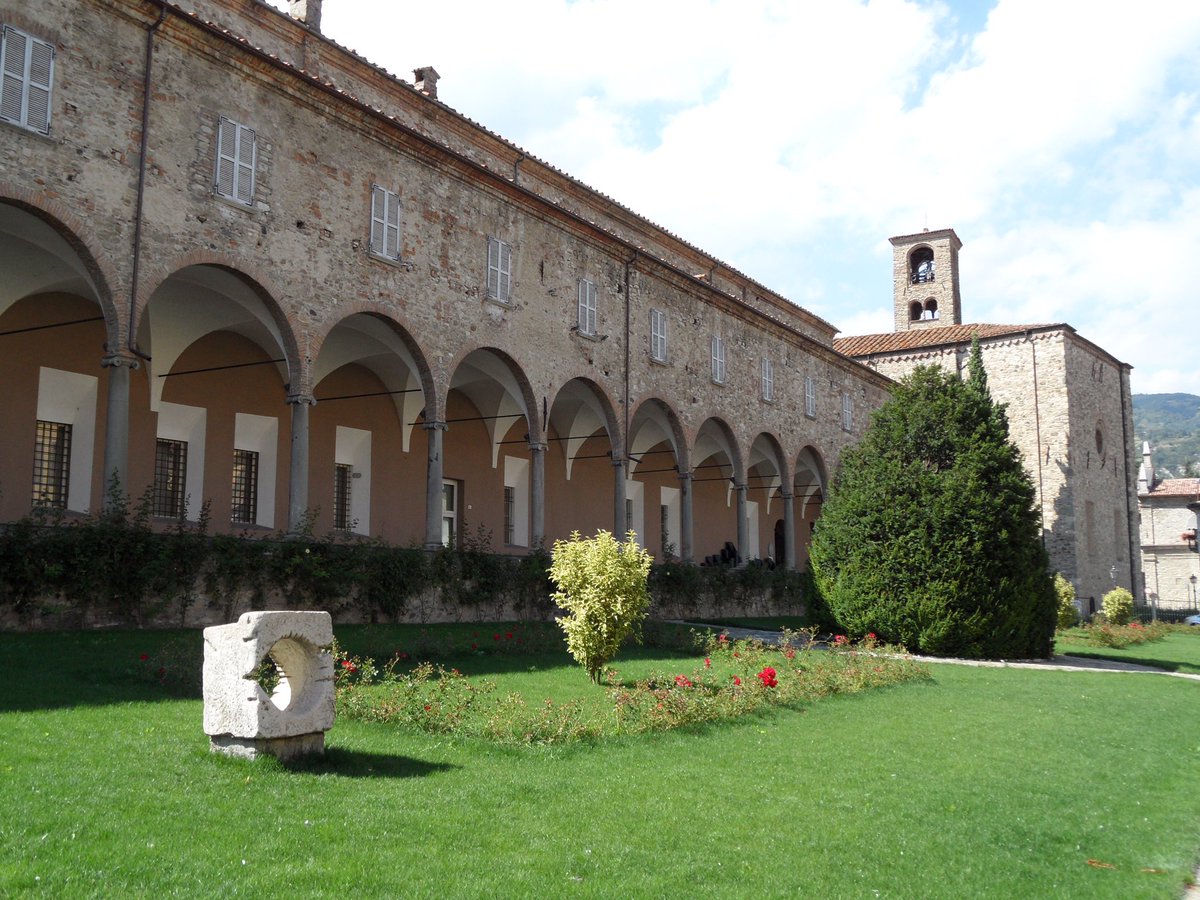
Monastery of San Colombano, Bobbio, Italy. Founded in 612 by the Irish Saint Columbanus, one of several Irish monks to travel to the Continent during the Dark Ages.
1
63


Jun 6
D-DAY
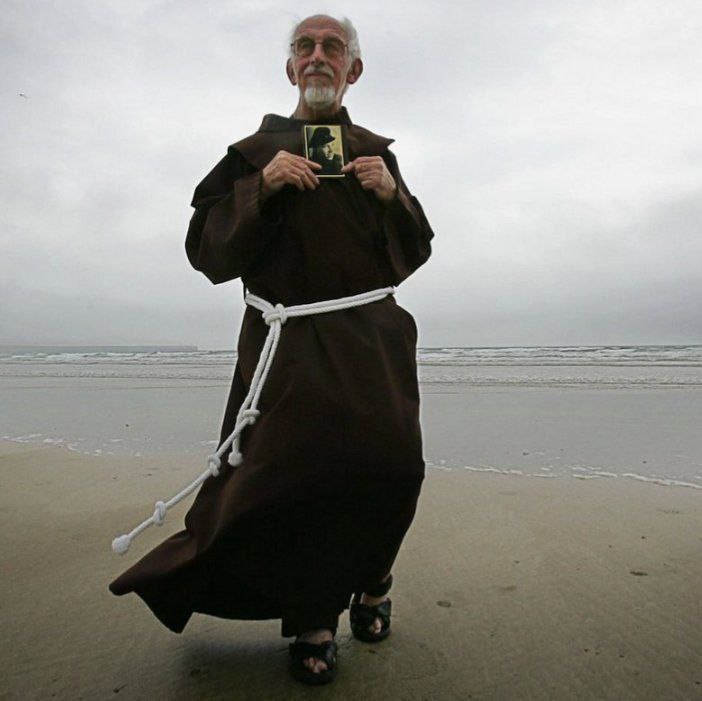
Sean Deegan was part of the landing force at Normandy
He later became a Franciscan Friar in Waterford, assuming the name Bro. Columbanus Deegan
2
104
811
11,976

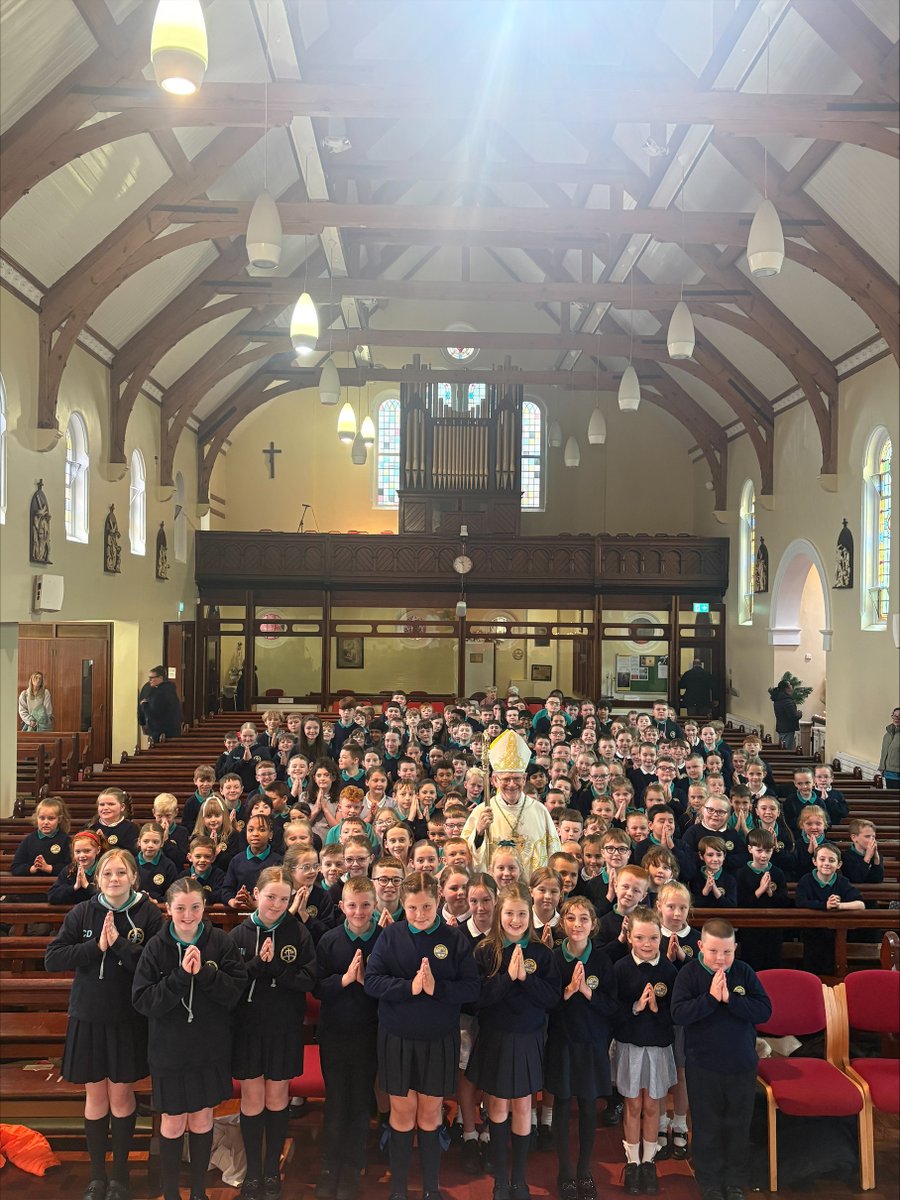
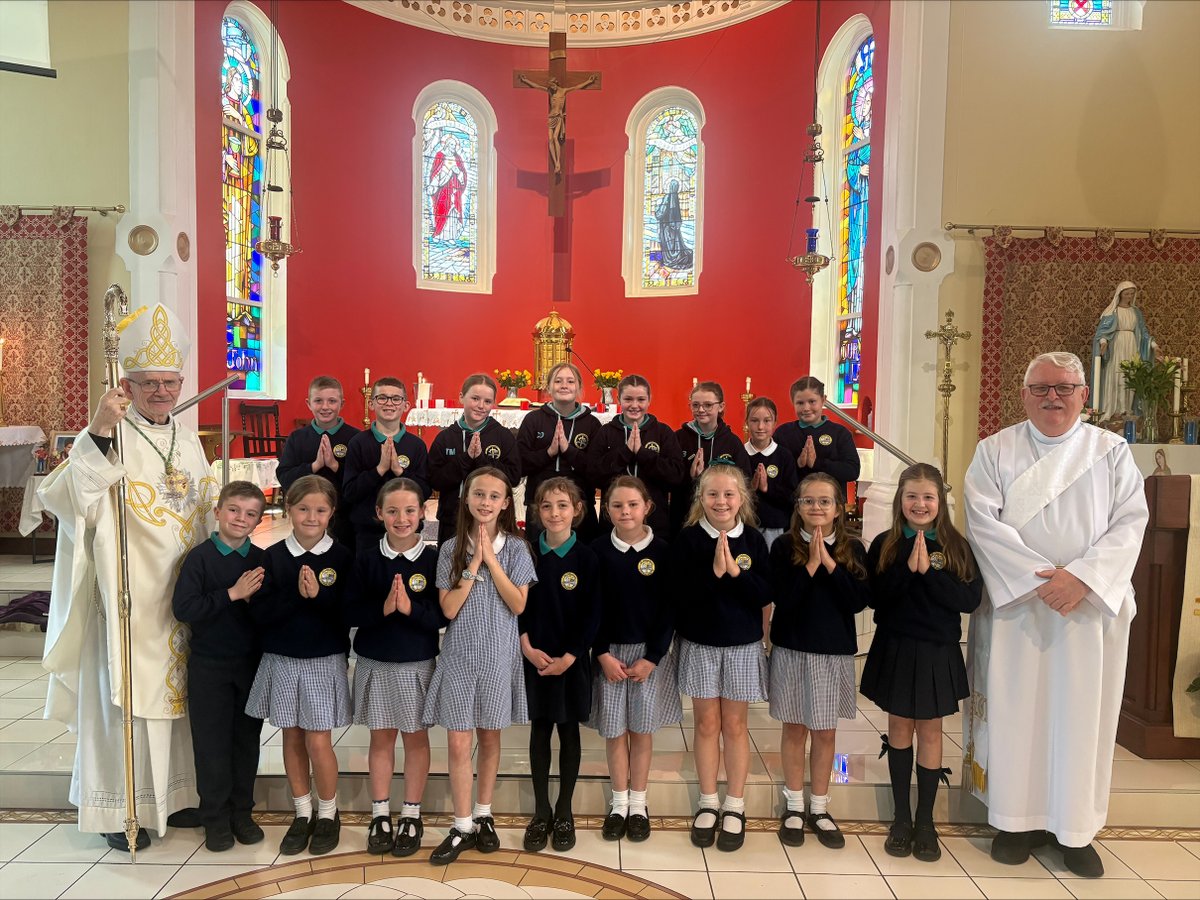
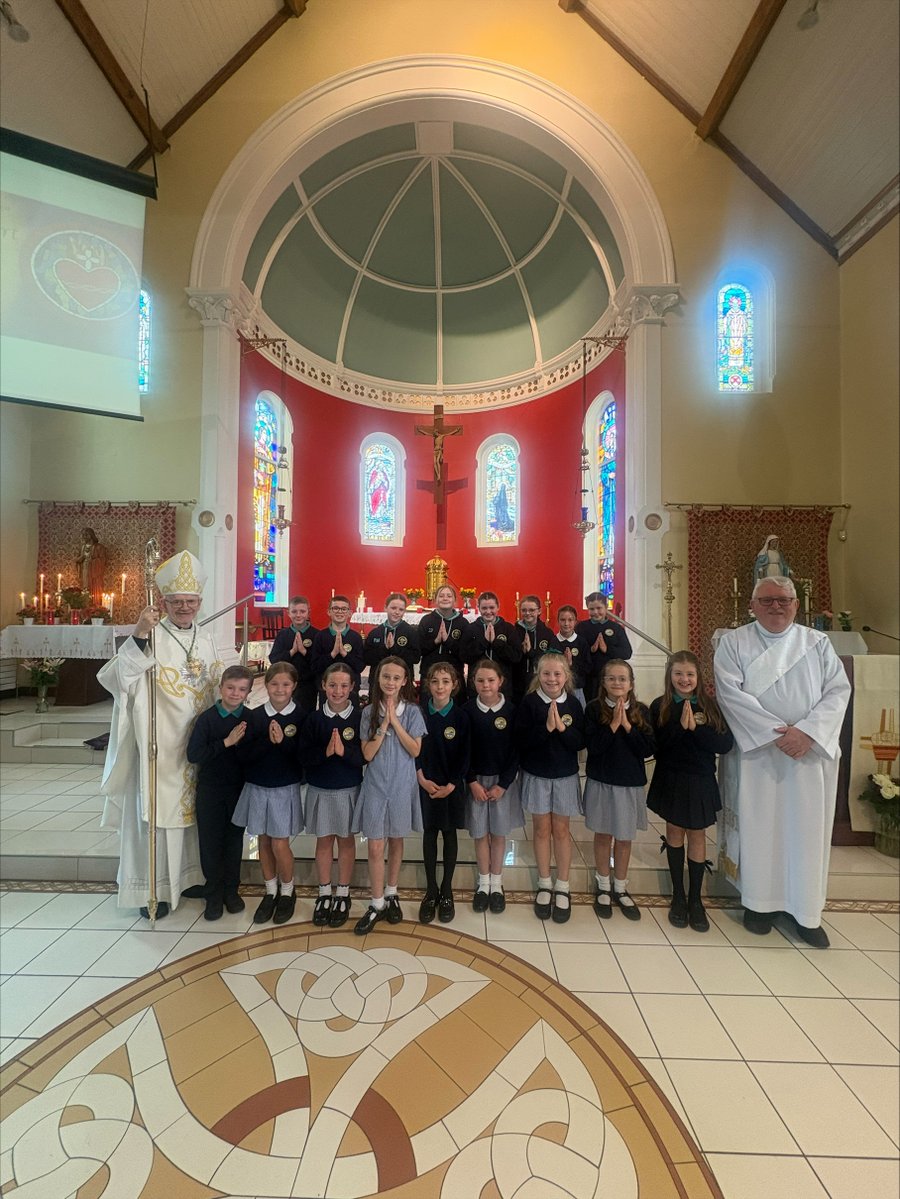
Bishop Alan McGuckian opened the Annual Sacred Heart Novena yesterday morning in Sacred Heart Church, Belfast. Children from St Columban's PS sang at the Mass and performed a debut of their new School Hymn in honour of St Columbanus.
Join in the Novena
downandconnor.org/blog/2026/…
5
10
523

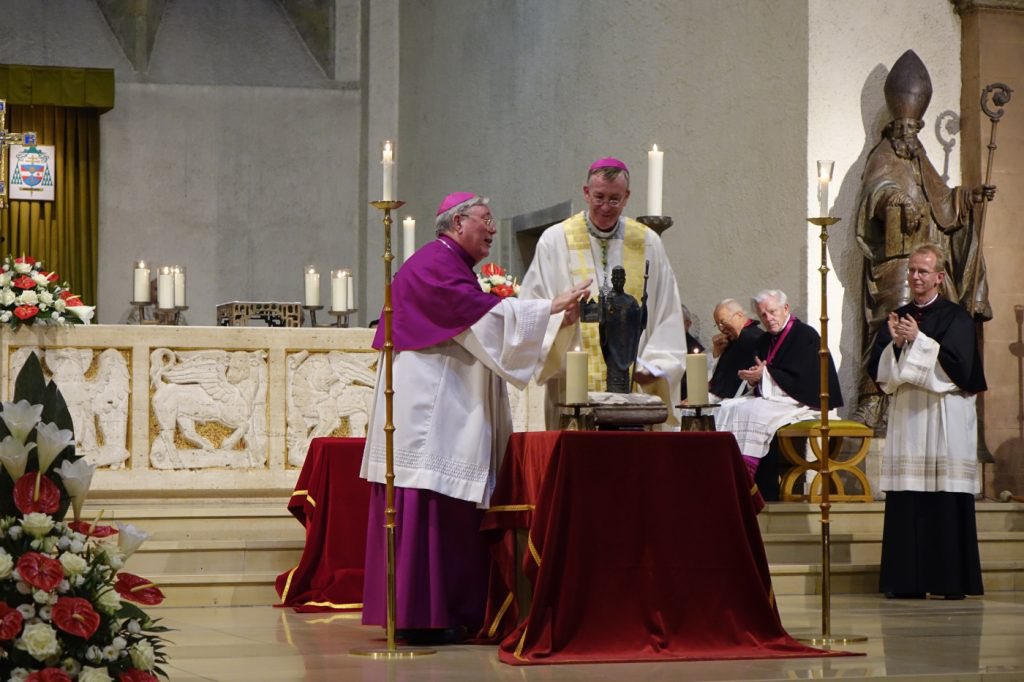
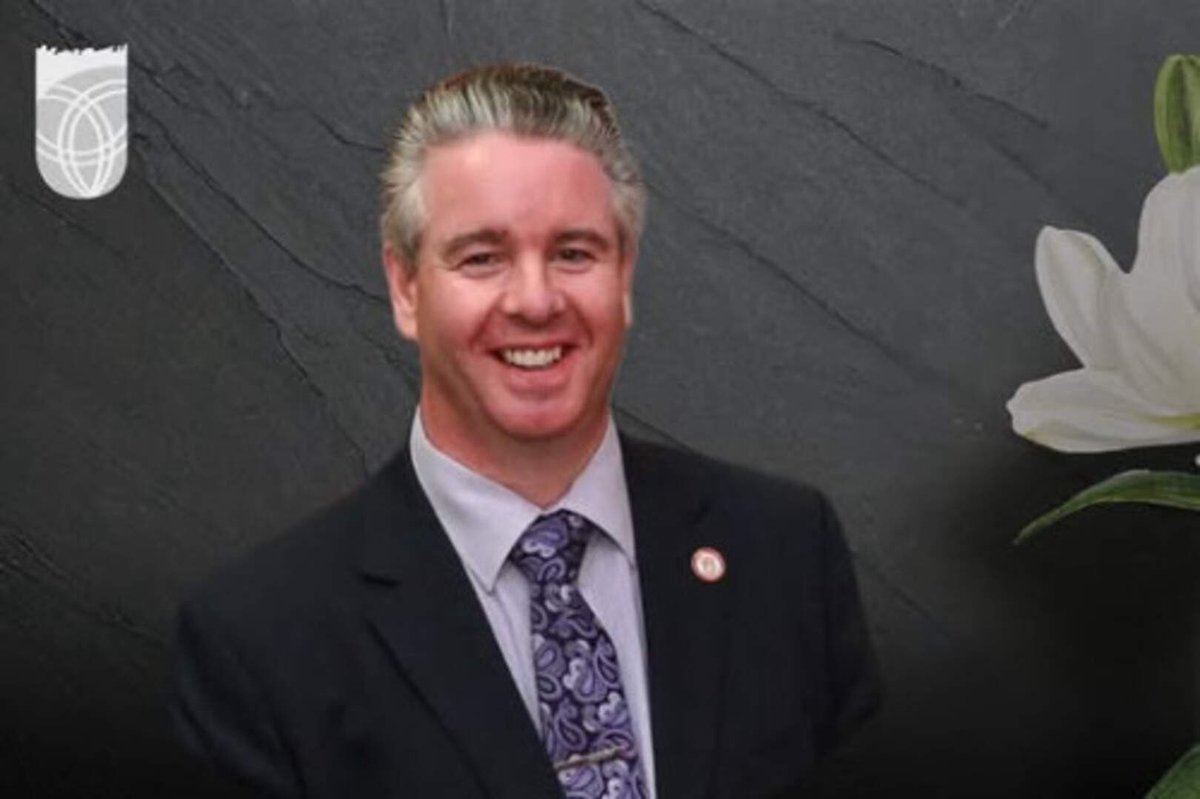
On this very day June 5th 2017 we were presented with the Relic of St. Willibrord in Echternach, Dermot Mulligan was central in establishing the Willibrord connection with Carlow, today June 5th, nine years later, we will lay Dermot to rest where he will be reunited with his dad, his brother Fergal, St. Willibrord, St. Columbanus and all who rise in God’s glory. Ar dheis Dé go raibh a anam dílis @KANDLEi @CarlowCathedral @theway_ie
1
2
33
1,315

Jun 4
Here in Ireland we are known as the Knights of Saint Columbanus
1
6
137

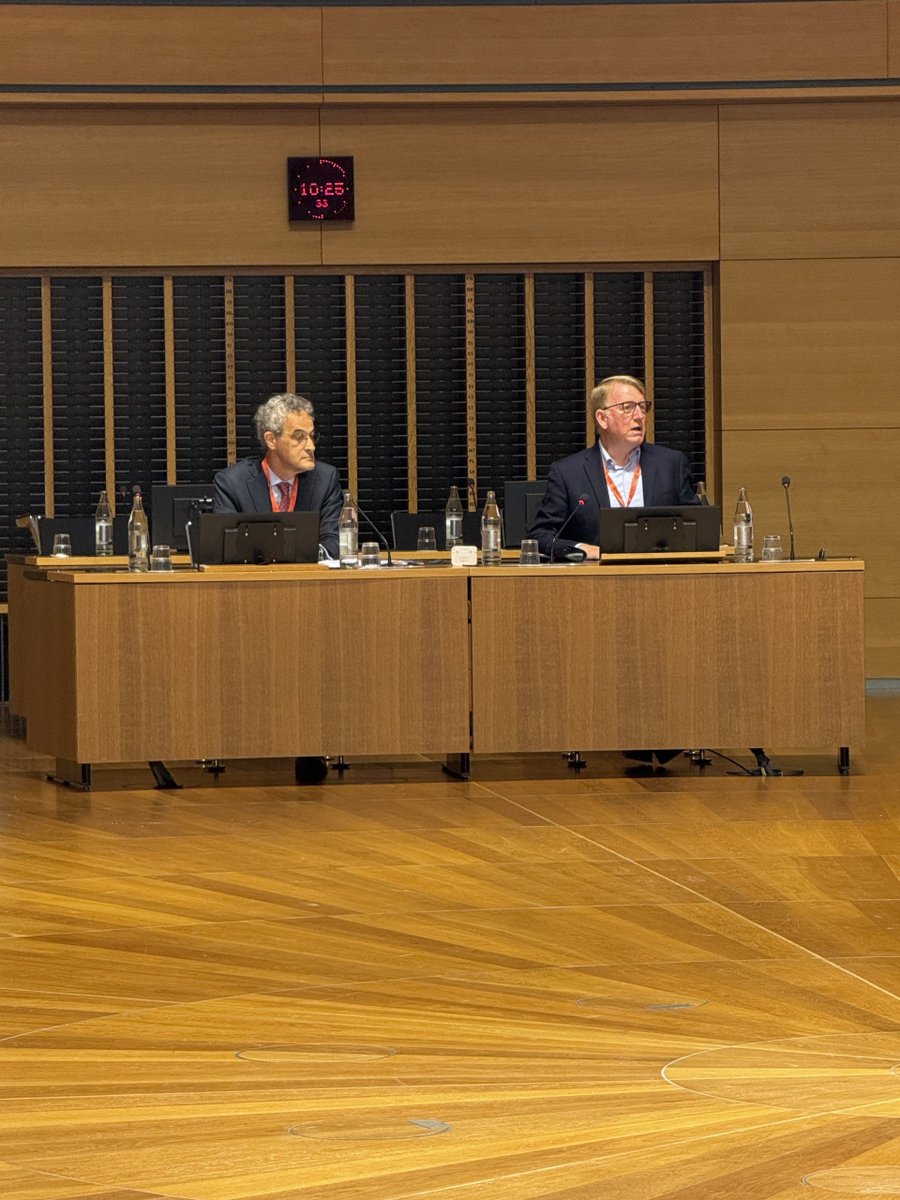
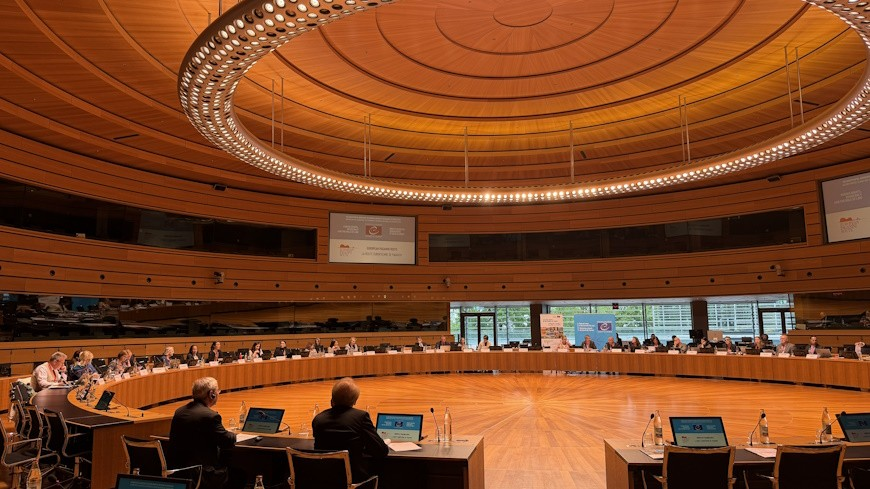
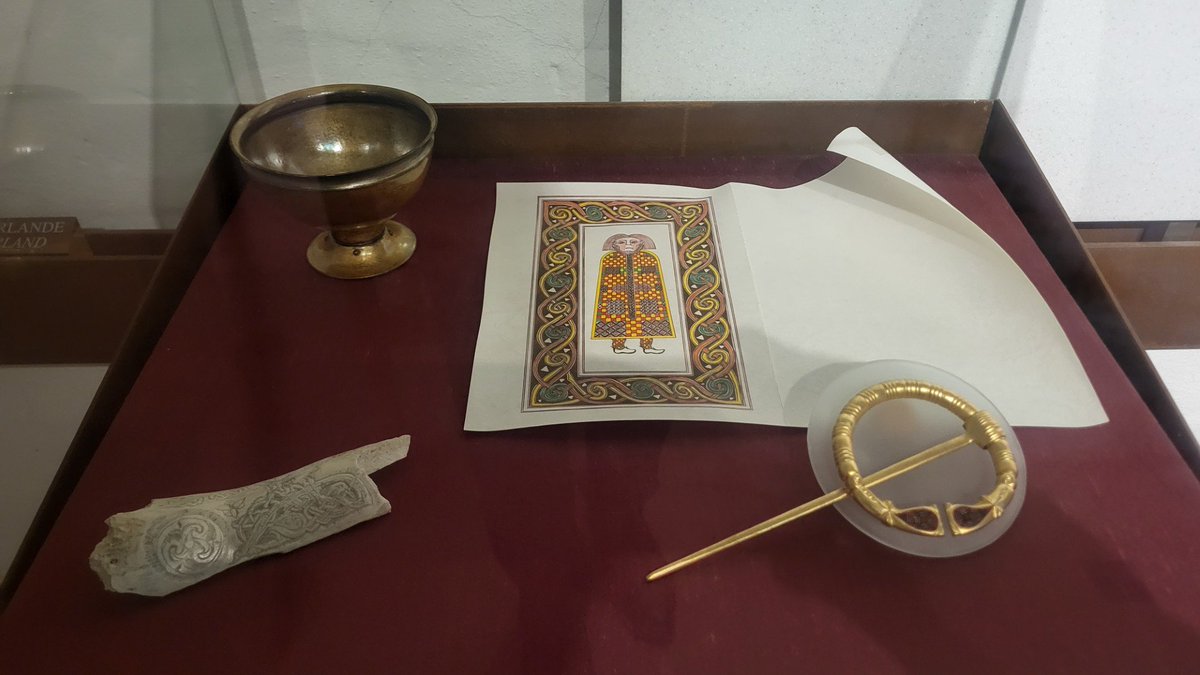
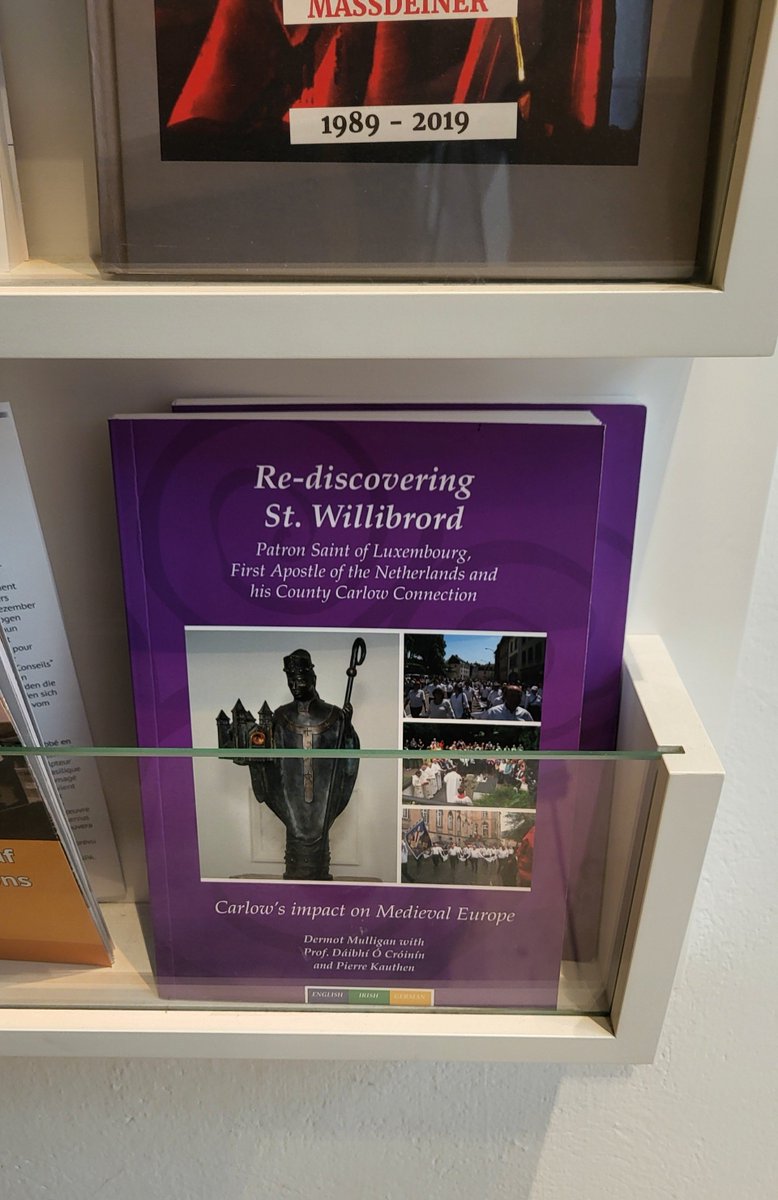
History’s Dr Damian Bracken talked recently on St Columbanus at the Council of Europe for the European Association of the Columban Way seeking recognition for the Columbanus Route. Also a great opportunity to see St Willibrord’s Carlow cousins commemorated in Echternach museum.
2
3
1,198

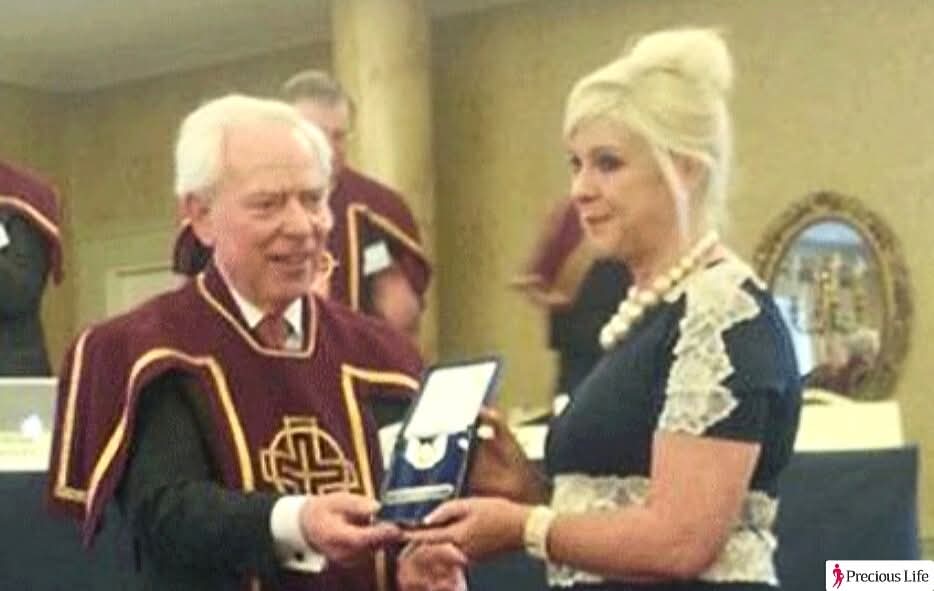
📰 Throwback to 2013, when Bernadette Smyth, Director and Founder of Precious Life was selected by Our Sunday Visitor Magazine (OSV) as one of their “Catholics of the Year 2013” for her outstanding leadership in the church.
In the same year, Bernadette was also awarded the Honours Award by the Knights of St. Columbanus.
🔗
preciouslife.com/news/72/dir…
1
3
10
171

St Columbanus NS in Ballivor, Co Meath had to contact parents to collect their children saying that the school had no water and had to close.
breakingnews.ie/ireland/stud…
1
2
2,513

May 28
The dumbing down of the great Irish educational institutions…..! Irelands educational legacy reaches as far back as St. Columbanus and St. Columcille, who brought learning to Europe in 6th century….!
16
232

May 26
“Ugly and futile: lean neck and thick hair and a stain of ink, a snail's bed. Yet someone had loved him, borne him in her arms and in her heart. But for her the race of the world would have trampled him underfoot, a squashed boneless snail. She had loved his weak watery blood drained from her own. Was that then real? The only true thing in life? His mother's prostrate body the fiery Columbanus in holy zeal bestrode. She was no more: the trembling skeleton of a twig burnt in the fire, an odour of rosewood and wetted ashes. She had saved him from being trampled underfoot and had gone, scarcely having been. A poor soul gone to heaven: and on a heath beneath winking stars a fox, red reek of rapine in his fur, with merciless bright eyes scraped in the earth, listened, scraped up the earth, listened, scraped and scraped.” (Joyce, 26)
2
485

May 24
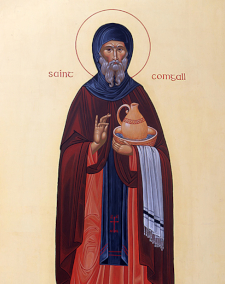
Today is Venerable Comgall (†602) of Bangor, Ireland
Saint Comgall (Comhghall), “the Father of Monks,” was born in Ireland at Dalaradia, Co. Ulster sometime between 510 and 520. Unlike many of the early Irish saints, Saint Comgall was not of noble birth. He served as a soldier, then studied with Saint Finnian of Moville (September 10). He was ordained to the holy priesthood by Bishop Lugaid before the age of forty.
Saint Comgall and several companions lived for a time on an island in Lough Erne in the county of Ulster, where they lived a very strict ascetical life. Although his desire was to be a missionary in Scotland, Bishop Lugaid asked him to stay in Ireland and establish a monastery at Bangor (Bennchor) on the southern shore of Belfast Loch (in modern Co. Down). The monastery was founded sometime between 552-555.
It is believed that over four thousand monks were trained by Saint Comgall at Bangor, including Saint Columbanus of Luxeuil (November 21, or 23) and Saint Moluag (June 25). Saint Comgall often prayed while standing in the water for several hours. Sometimes at night his cell seemed to be ablaze with a heavenly radiance.
Later Saint Comgall did visit Scotland, where he became very close to Saint Columba of Iona (June 9), by whose prayers Comgall was once saved from drowning.
Saint Comgall lived to an advanced age, then suffered from a prolonged illness. He completed the course of his earthly life at Bangor on May 10, 602, after receiving Holy Communion from Saint Fiacre (August 30).
oca.org/saints/lives/2024/05…
4
21
731

May 17
Irish Christianity developed largely outside the later Protestant evangelical traditions that gave rise to modern Christian Zionism. Historically, the spiritual tradition of Ériú was shaped far more by early monastic Christianity, Latin scripture, ascetic scholarship, pilgrimage, and the preservation of learning than by the prophetic dispensational theology that emerged centuries later in Britain and America.[1]
The earliest Irish Christian tradition emerged between the 5th and 7th centuries through monastic networks associated with figures such as Saint Patrick, Saint Columba, and Saint Columbanus.[2] These communities were rooted in the Latin Church and drew heavily from the Latin Vulgate Bible translated by Saint Jerome in the 4th century.[3] Their focus was spiritual discipline, scholarship, penitence, missionary work, and the creation of monastic centres that preserved scripture, law, and literacy during periods of instability across Europe.[4]
The theological worldview of early Irish Christianity was not centred on modern geopolitics, prophetic nation states, or restorationist ideas about Israel. The “Kingdom of God” was understood spiritually and sacramentally rather than as a modern political project.[5] Early Irish monks interpreted scripture through allegory, morality, and spiritual symbolism in line with broader patristic Christianity.[6]
Modern Christian Zionism, by contrast, emerged primarily from Protestant evangelical theology in the 19th century, especially through dispensationalism and literalist readings of prophecy tied closely to the King James Bible tradition.[7] The King James Version itself was produced in 1611 within the context of English Protestantism under King James I of England.[8] Centuries later, many evangelical movements using the King James Bible and related Protestant interpretations began reading biblical prophecy as a roadmap for modern geopolitical events involving Israel and the Middle East.[9]
This theological framework was largely foreign to historic Irish Christianity. Ireland remained predominantly Roman Catholic for centuries, and Catholic theology generally rejected the dispensational separation between the Church and ethnic Israel promoted by later evangelical Protestant movements.[10] Eastern Orthodox Christianity similarly rejected these doctrines and maintained older patristic interpretations of scripture rather than modern prophetic nationalism.[11]
Irish Christianity historically looked toward:
the Latin Church,
the Desert Fathers,
the monastic tradition,
pilgrimage,
saints,
natural theology,
scholarship,
and spiritual transformation.
It did not historically revolve around modern Zionist political theology or prophetic interpretations tied to modern nation states.[12]
Even many Protestant denominations in Ireland historically did not hold the fully developed Christian Zionist worldview seen later in American evangelicalism. The modern movement is therefore better understood as a product of Anglo American Protestant revival culture and apocalyptic theology rather than as an extension of ancient Irish Christianity itself.[13]
2
3
8
493