ECHO-PPI: Trustworthy AI for Evidence-Bundled Detection of Overlapping Protein Modules in Protein–Protein Interaction Networks
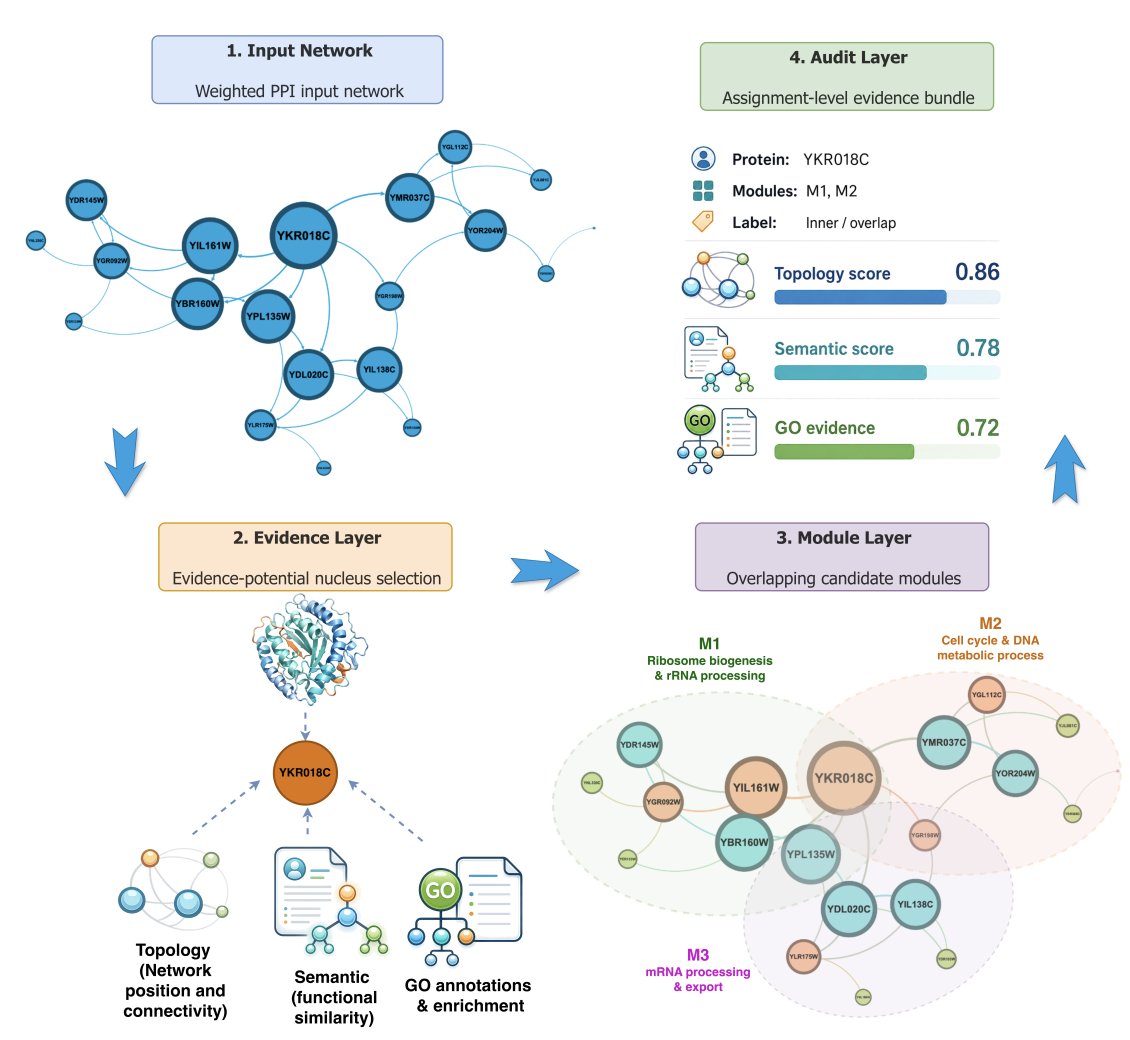
1. ECHO-PPI is an evidence-bundled framework for overlapping module detection in PPI networks that explicitly targets curator-facing interpretability: every protein–module assignment is exported with an auditable bundle of topology, semantic, and Gene Ontology (GO) evidence, plus a hierarchical confidence label (core/inner/outer/uncertain).
2. The key design shift is from “module lists” to “assignment-level decision support”: instead of only returning overlapping communities, ECHO-PPI records why a specific protein is placed into a specific module, and whether that membership should be treated as strong (core) or boundary/triage (inner/outer/uncertain).
3. The workflow integrates three evidence channels: (i) weighted PPI topology, (ii) semantic protein profiles (TF–IDF SVD embeddings of text/GO labels; Sentence-BERT is optional but not used in reported benchmarks), and (iii) GO evidence via module-specific GO TF–IDF “functional signatures,” while treating missing GO as missing evidence rather than biological absence.
4. For overlap-aware membership scoring, ECHO-PPI combines a boundary-sensitive topology metric (permanence) with functional dependency (alignment of a protein’s GO terms to a module’s GO TF–IDF signature) using a transparent mixture score M(p, C) = α Perm(p, C) (1−α) fd(p, C). Overlaps are added only if they improve the best existing assignment by a margin (gain threshold), with a conservative transfer rule for likely misplacements.
5. Candidate generation is broadened beyond a single clustering output: starting from MCL modules, ECHO-PPI adds nucleus-centered ego neighborhoods (1–2 hops), greedy topology–semantic expansions, semantic kNN sets that pass a graph-support filter, and hybrid unions when candidate Jaccard overlap is high; candidates are then scored with penalties for uncertainty and fragmentation.
6. A distinctive component is the deterministic “evidence-potential nucleus” score (BH), inspired by gravity-based representative selection, to prioritize high-support local nuclei using weighted degree, clustering coefficient, k-core, semantic neighborhood coherence, GO richness, and an annotation-sparsity penalty. Importantly, nuclei guide candidate construction and ranking rather than defining the final partition alone.
7. ECHO-PPI adds “recall-safe supplementation” to avoid the common failure mode of naive boundary expansion: it limits growth (≤15% relative size increase, at most two added proteins per module) and requires gated evidence gain, so expansions remain conservative and reviewable.
8. Confidence labeling is hierarchical and evidence-based: core requires both topology and semantic support above thresholds; inner/outer require weaker support; uncertain captures boundary cases. The paper emphasizes these labels as triage metadata (especially core vs non-core), not as calibrated probabilities, and reports how label distributions can shift with preprocessing and embedding normalization.
9. Benchmarking on yeast (Gavin socioaffinity network; plus a Krogan 2006 BioGRID-derived transfer benchmark) shows ECHO-PPI largely preserves the predictive behavior of the MCL overlap seed rather than outperforming the strongest baseline (ClusterONE). On Gavin full-gold, ClusterONE leads (F1 0.270) while ECHO-PPI matches MCL-scale performance (F1 0.162) but uniquely delivers complete required-field evidence-bundle coverage (1.00 vs 0.00 for baselines).
10. The paper’s central claim is therefore complementary to pure F1 optimization: ECHO-PPI makes overlapping module predictions inspectable, confidence-aware, and reproducible. Case studies (e.g., YKR018C, YIL161W) illustrate multi-membership outputs where semantic evidence can dominate topology in some assignments, explicitly signaling “hypotheses for manual review” rather than silently promoting all overlaps to equally strong complex memberships.
💻Code: github.com/MehrdadJalali-AI/…
📜Paper: arxiv.org/abs/2605.21216
#computationalbiology #bioinformatics #PPI #proteininteractions #networkscience #communitydetection #interpretableAI #trustworthyAI #GeneOntology #reproducibility
3
14
1,234

30 Sep 2025
MolCluster: Integrating Graph Neural Network with Community Detection for Coarse-Grained Mapping
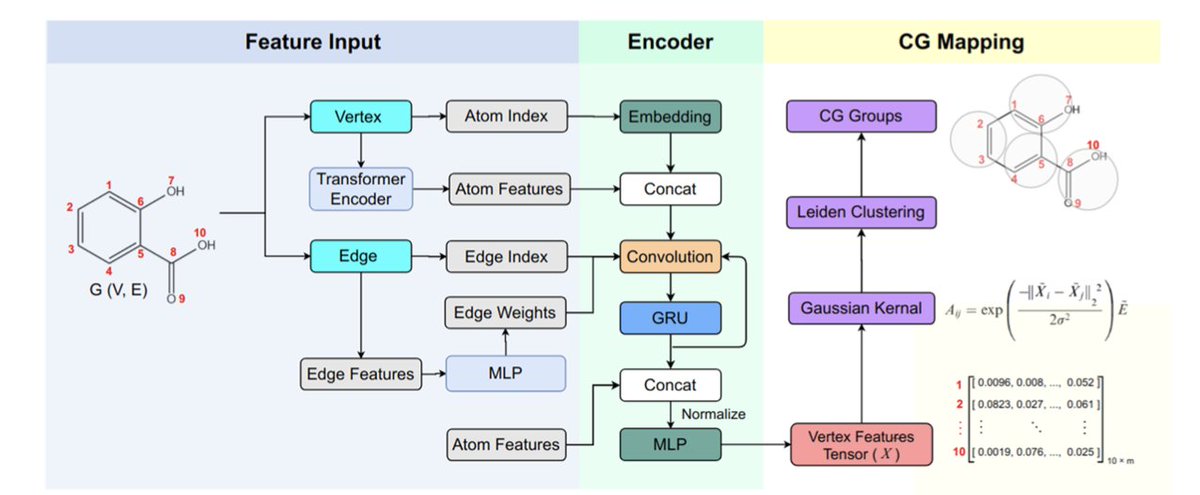
1. A novel approach in coarse-grained (CG) modeling has been proposed in the form of MolCluster. This model integrates graph neural networks (GNNs) with community detection algorithms to create CG representations of molecular systems in an unsupervised manner. It’s a significant leap forward in automating and adapting CG mapping for diverse chemical systems.
2. One of the core innovations of MolCluster is its ability to preserve chemically meaningful substructures through a predefined group pair loss. This ensures that important functional groups remain intact during the CG mapping process, leading to more accurate and chemically consistent representations.
3. MolCluster introduces a bisection strategy that allows for customizable CG resolution. This feature is crucial for multiscale molecular modeling, as it enables researchers to balance computational efficiency with structural fidelity according to their specific needs.
4. The model demonstrates superior performance compared to traditional clustering methods and supervised baselines. Evaluations on the MARTINI2 dataset show that MolCluster outperforms both unsupervised clustering techniques and supervised models, highlighting its potential as a powerful tool in CG modeling.
5. MolCluster can also serve as a label-free pretraining model for supervised CG mapping approaches. This capability enhances the performance of supervised methods by providing transferable molecular embeddings, even when labeled datasets are limited.
6. The architecture of MolCluster is based on an improved GNN that effectively captures both local chemical features and global molecular representations. It uses a Transformer encoder and a Gaussian kernel to compute edge weights, forming a weighted adjacency matrix that is then used for community detection.
7. The training process of MolCluster is guided by a loss function that combines triplet loss and predefined group pair loss. This dual-loss approach ensures structural consistency and group preservation, allowing the model to learn chemically reasonable CG mapping rules.
8. The study was supported by the National Natural Science Foundation of China, and the source code and dataset are available on GitHub, allowing researchers to explore and build upon this innovative work.
📜Paper: arxiv.org/abs/2509.20893v1
💻Code: github.com/JiangGroup/MolClu…
#MolCluster #CoarseGrainedModeling #GraphNeuralNetworks #CommunityDetection #MolecularDynamics #MachineLearning #ComputationalBiology
1
3
16
1,202

14 Aug 2025
🔥 Read our Paper
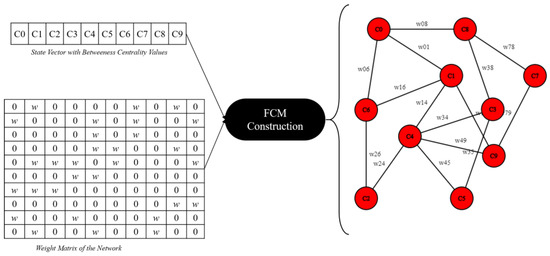
📚#DistributedGeneticAlgorithm for Community Detection in Large Graphs with a Parallel Fuzzy Cognitive Map for Focal Node Identification
🔗mdpi.com/2076-3417/13/15/873…
👨🔬by Haritha K. et al.
🏫Cochin University of Science and Technology; University of Thessaly
#communitydetection #focalnodes #socialnetworks
4
43

22 May 2024
🎉CDlib v0.4.0 is out 🎉
This release comes with:
📌Novel #CommunityDetection algorithms
📌Additional #ClusteringSimilarity measures
📌Support for #CommunityEvents analysis/validation and visualization
Check it out: cdlib.readthedocs.io
>> pip install cdlib==0.4.0
#netsci

9
16
759

30 Apr 2024
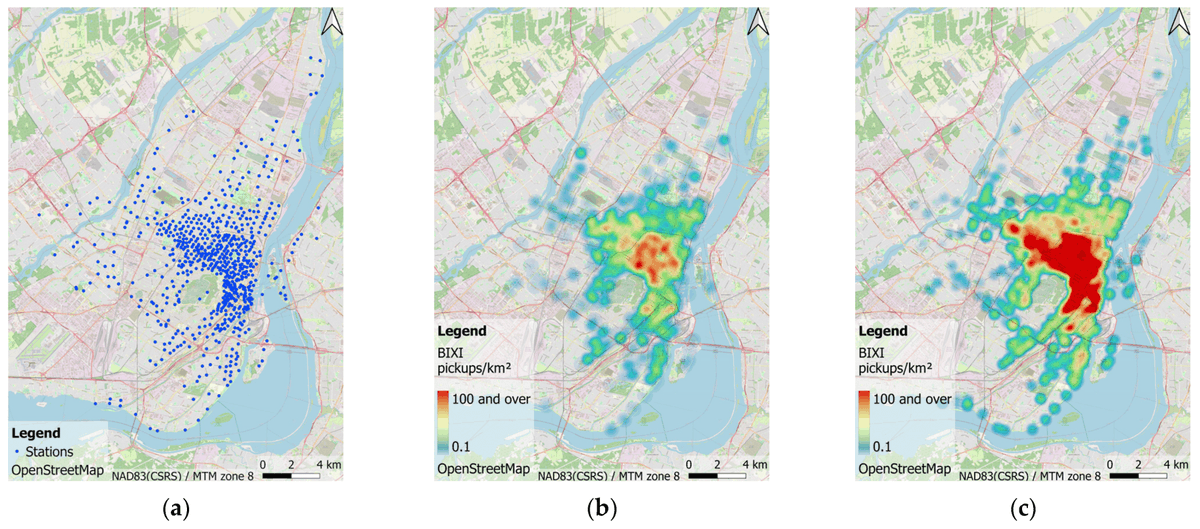
Bike-Sharing Demand Prediction at Community Level under COVID-19 Using Deep Learning
mdpi.com/1424-8220/22/3/1060
#Bike-Sharing #CommunityDetection #Short-TermPrediction #LSTM #COVID-19
1
73

7 Dec 2023
#ApplyNow @isidore_eu #SocialSciences
Design #CommunitySurveillance activities #HumanHealth #AnimalHealth
@aighd @institutpasteur
Develop plans for #CommunityDetection of #EpidemicOutbreaks #PublicHealth #RiskIdentification facilitate #CommunityEngagement
sonar-global.eu/community-su…

1
2
172

6 Nov 2023
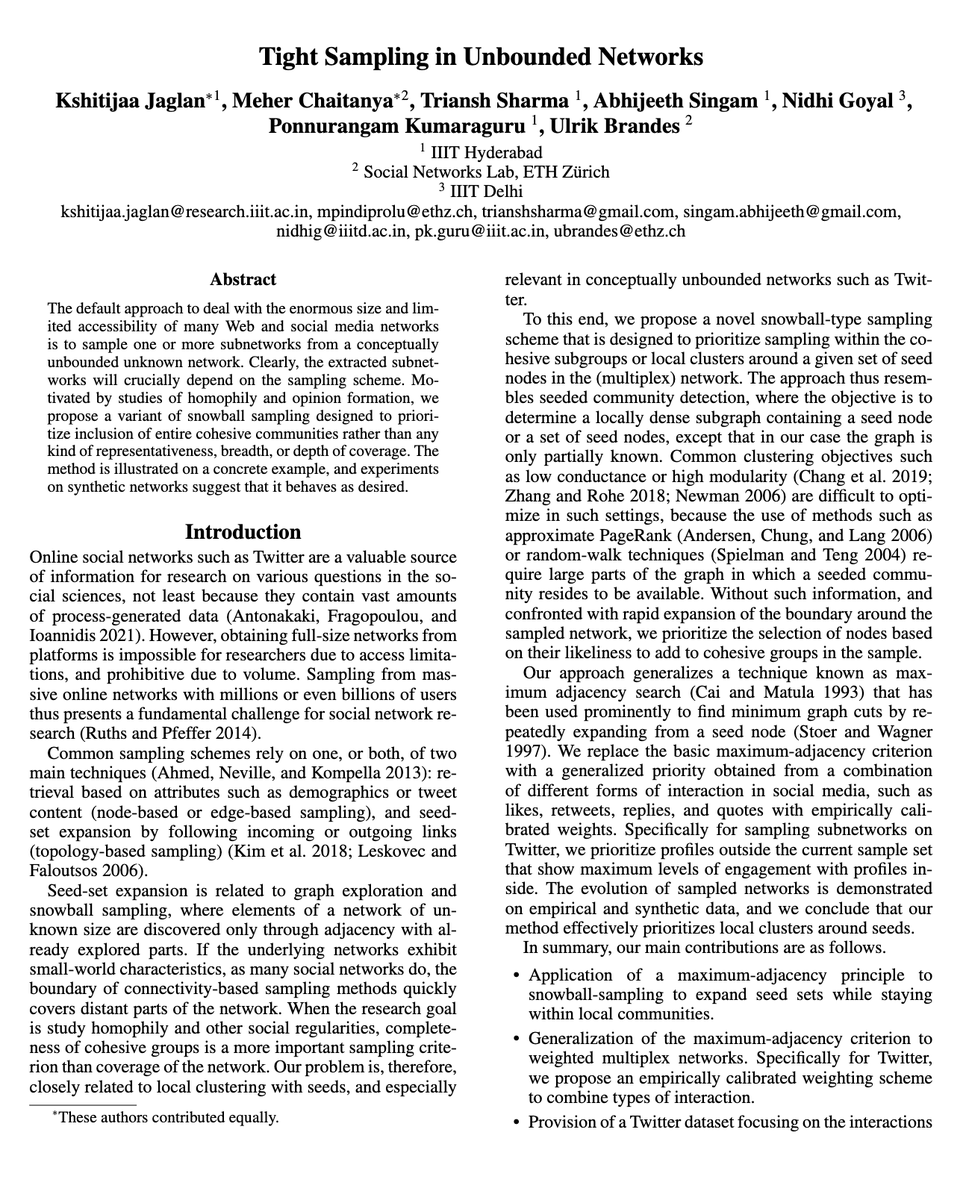
Our recent paper “Tight Sampling in Unbounded Networks” W/
@deutranium, Meher Chaitanya, @ts_triansh @AbhijeethSingam @NidhigoyalGoyal & @UlrikBrandes (@sn_ethz)
Paper: arxiv.org/abs/2310.02859 #SocialNetworks #sampling #CommunityDetection #Twitter
Findings🧵👇
1
7
11
5,828

14 Aug 2023
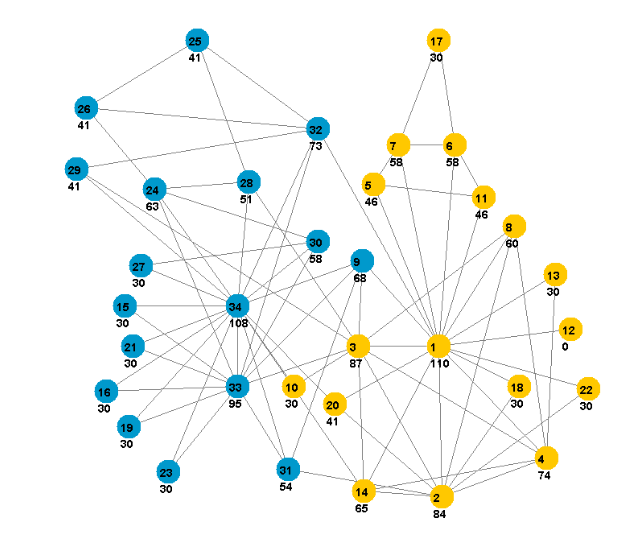
Read #NewPaper "Density-Based Entropy Centrality for Community Detection in Complex Networks" from Krista Rizman Žalik and Mitja Žalik. mdpi.com/1099-4300/25/8/1196
#networks
#undirectedgraphs
#communitydetection
#nodecentrality
#labelpropagation
3
246

3 Aug 2023
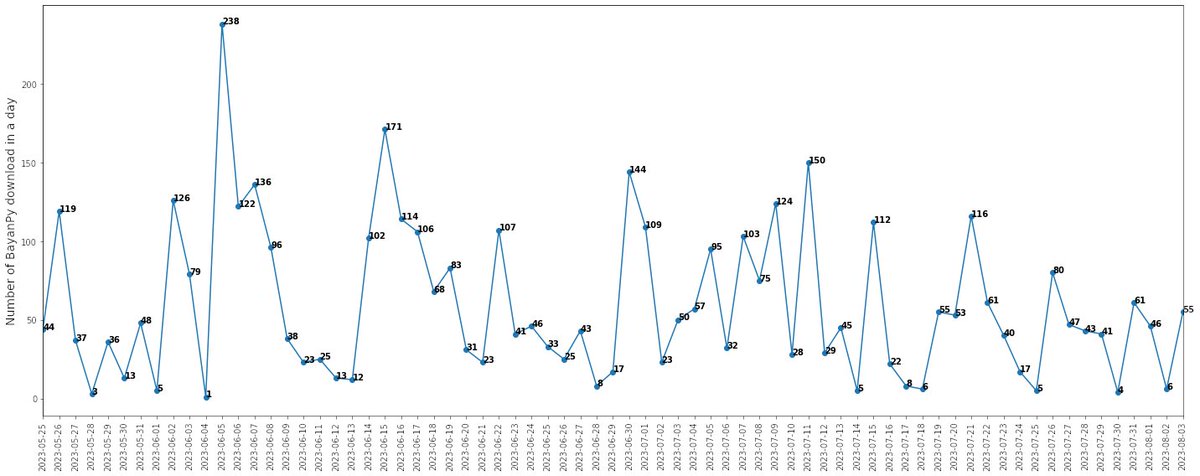
📢 The Bayan Python package for #CommunityDetection has been downloaded over 4100 times in the past 70 days!
We are very excited to see our little software package is making new computations possible for other researchers.
>>>pip install bayanpy
More info:
20 Jul 2023

Are you at @IC2S2 and tied of randomly picking a #CommunityDetection algorithm and eyeballing the results on a network visualization? Join my #IC2S2 talk on July 20th at 12:15 at Room E where I'll present a comparison of 30 algorithms on standard LFR and ABCD benchmarks.
1
10
1,110
27 Jul 2023
👏👏 Louvain was 10 years ahead of its time. It led to many other methodological advances and is still not easy to beat. If you're interested in a comparison of 30 #CommunityDetection algorithms on standard benchmarks, please feel free to check out this🧵
20 Jul 2023
Are you at @IC2S2 and tied of randomly picking a #CommunityDetection algorithm and eyeballing the results on a network visualization? Join my #IC2S2 talk on July 20th at 12:15 at Room E where I'll present a comparison of 30 algorithms on standard LFR and ABCD benchmarks.
2
278
20 Jul 2023
Are you at @IC2S2 and tied of randomly picking a #CommunityDetection algorithm and eyeballing the results on a network visualization? Join my #IC2S2 talk on July 20th at 12:15 at Room E where I'll present a comparison of 30 algorithms on standard LFR and ABCD benchmarks.
1
5
25
4,480

22 Jun 2023
Betweenness centrality measures the extent to which a node or edge lies on paths between nodes, and it's very valuable when it comes to community detection.
Check out our blog post on community detection.
memgraph.com/blog/community-…
#memgraph #communitydetection #python #networkx
2
70

15 Jan 2023
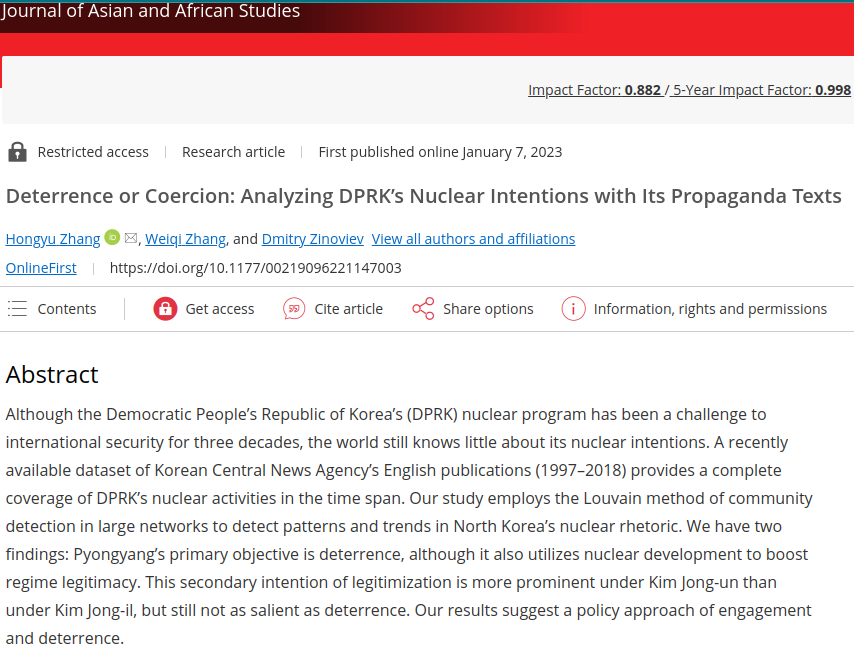
My recent paper with Weiqi Zhang and Hongyu Zhang "Deterrence or Coercion: Analyzing DPRK’s Nuclear Intentions with Its Propaganda Texts." #dprk #northkorea #textanalysis #communitydetection #clustering #networkanalysis #nuclearweapons
1
138
14 Jan 2023
The Girvan-Newman algorithm relies on the iterative elimination of edges with the highest number of shortest paths between nodes passing through them.
Read more about it 👇
memgraph.com/blog/community-…
#memgraph #communitydetection #python #networkx
2
100
22 Dec 2022
#mdpientropy #topcitedpaper: "LPA-MNI: An Improved Label Propagation Algorithm Based on Modularity and Node Importance for Community Detection", by Huan Li et al.
See more details at: mdpi.com/1099-4300/23/5/497.
#communitydetection #randomness #labelpropagation #modularity
1
5
329

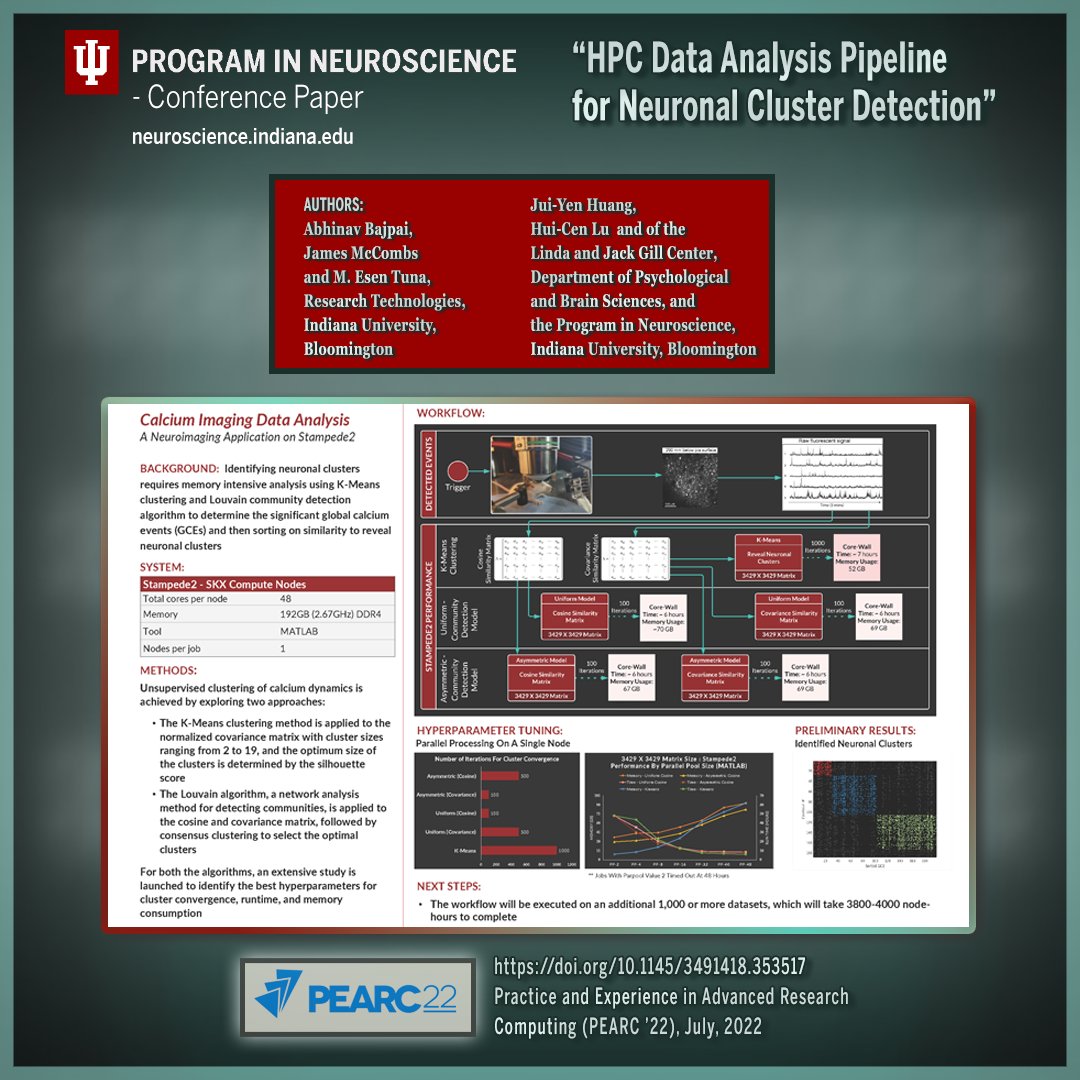
Conference paper from July 2022 with authors Jui-Yen Huang, Hui-Chen Lu @IUB_PNS & co-authors from @iu_pti IU’s Research Technologies, Abhinav Bajpai, James McCombs and M. Esen Tuna. #neuronalclustering #analysispipeline #communitydetection #highperformancecomputingm #IUImpact
2
1
3 Nov 2022
#Communitydetection is a powerful tool for graph analysis. From terrorist detection to healthcare initiatives, these algorithms have found their place in many areas.
Take a look at how #NetworkX and #Memgraph work together.
memgraph.com/blog/community-…
#python
1
1
23 Oct 2022
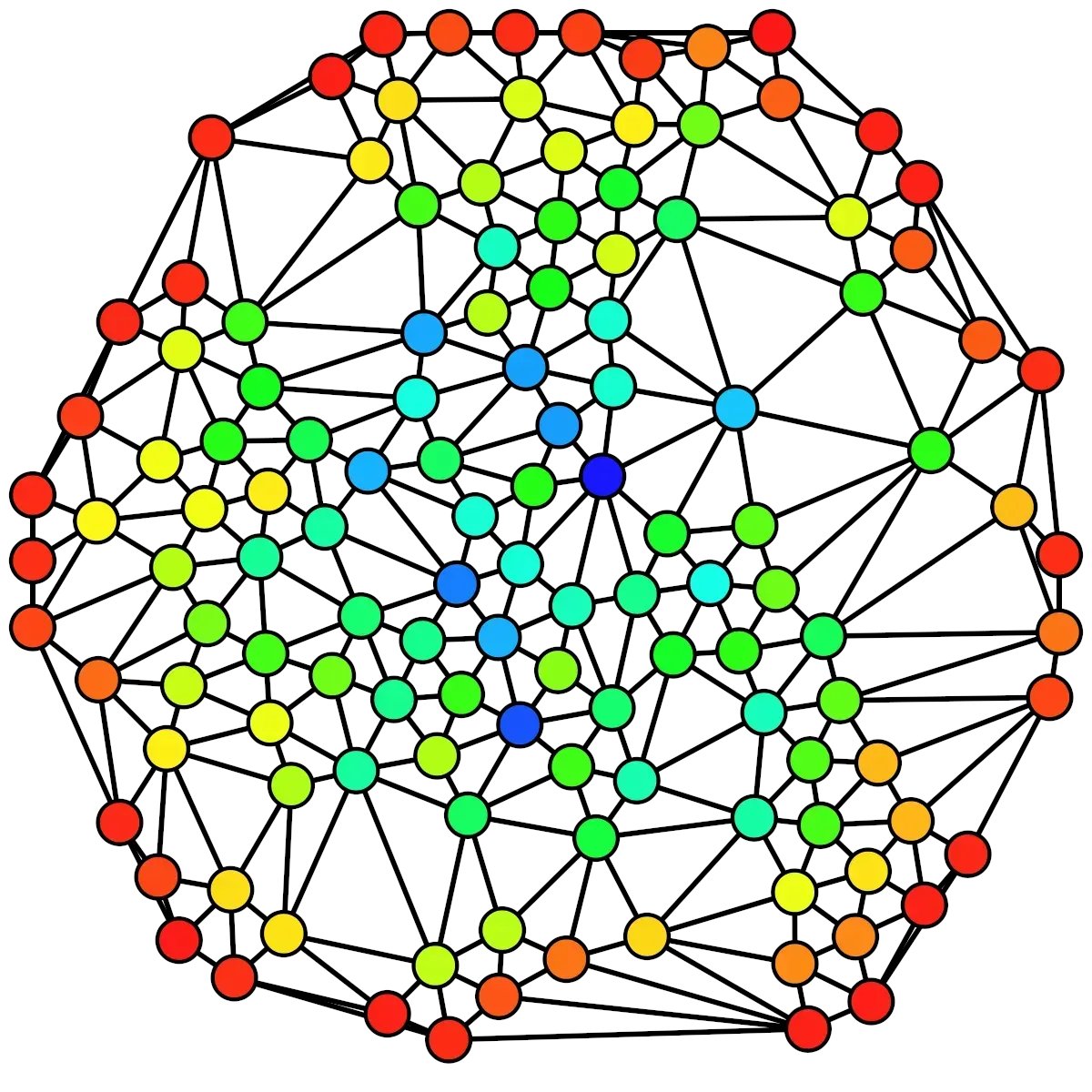
#Communitydetection is a powerful tool for graph analysis. From terrorist detection to healthcare initiatives, these algorithms have found their place in many areas.
Take a look at how #NetworkX and #Memgraph work together.
memgraph.com/blog/community-…
#python

1
2
5 Sep 2022
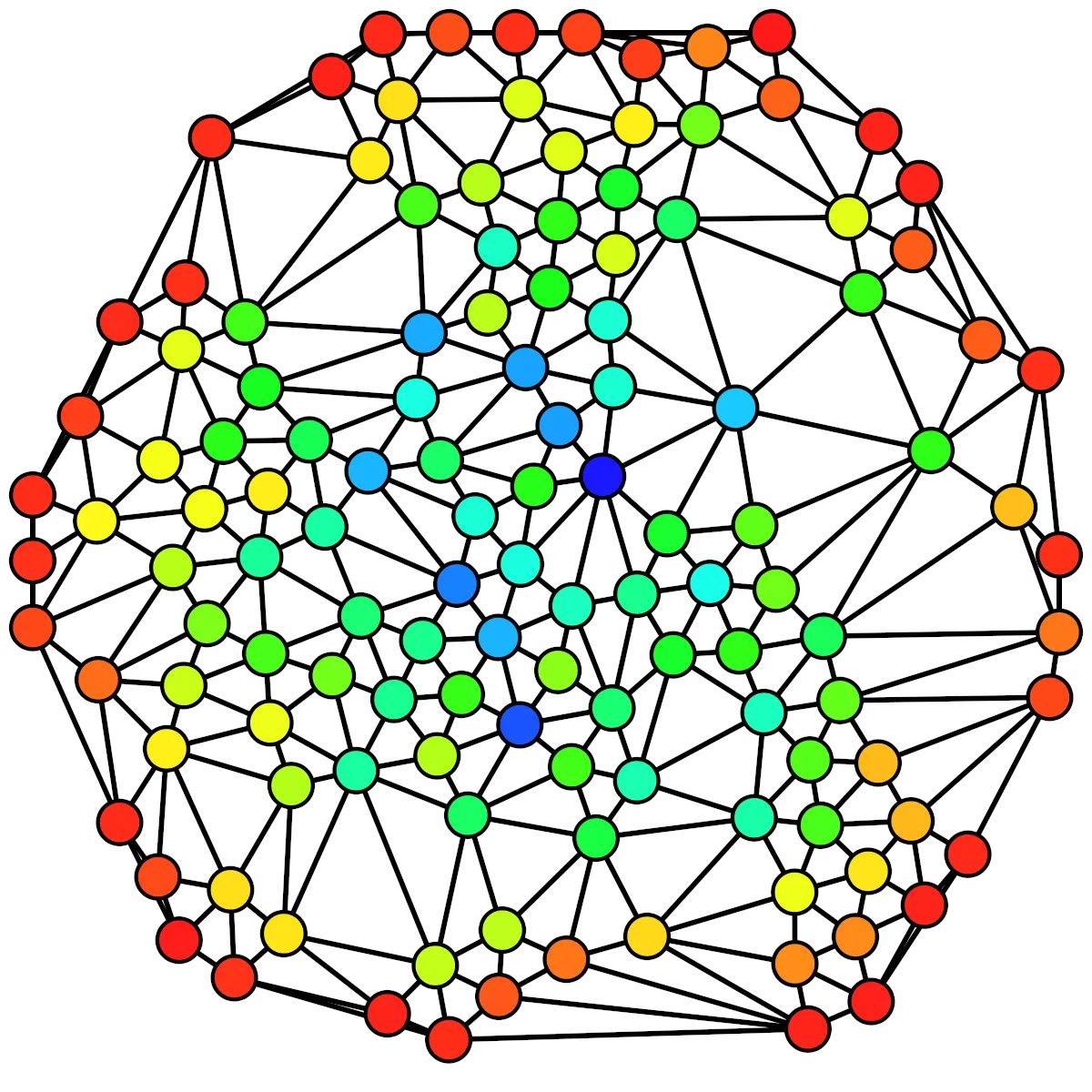
Betweenness centrality measures the extent to which a node or edge lies on paths between nodes, and it's very valuable when it comes to community detection.
Check out our blog post on community detection.
memgraph.com/blog/community-…
#memgraph #communitydetection #python #networkx

4
5
3 Sep 2022
The Girvan-Newman algorithm relies on the iterative elimination of edges with the highest number of shortest paths between nodes passing through them.
Read more about it 👇
memgraph.com/blog/community-…
#memgraph #communitydetection #python #networkx

1
2