
12 Nov 2024
Sometimes, the simplest answers solve the most complex questions. #SimpleAnswers #ComplexQuestions #ForrestGump
16
3,386
3 Nov 2024
Sometimes, the simplest answers solve the most complex questions. #SimpleAnswers #ComplexQuestions #ForrestGump
1
5,751

Kimi zaman, en basit cevaplar, en karmaşık soruları çözer. #SimpleAnswers #ComplexQuestions #ForrestGump
3
3,989
25 Sep 2024
Kimi zaman, en basit cevaplar, en karmaşık soruları çözer. #SimpleAnswers #ComplexQuestions #ForrestGump
3
3,094

19 Sep 2024
🚨” Yes or No.” Why you don’t simplify the answer to a complex question.
Imagine you’re in a meeting where someone asks a really important question, like whether a project is on track or if a decision was made fairly. But instead of letting you explain, they only allow you to answer “yes” or “no.”
Now, think about being in court, where the judge asks a critical question about whether someone followed the law or acted fairly. If the answer is limited to just “yes” or “no,” you miss out on the full picture.
Here’s the problem: Complex issues, whether in meetings or in legal settings, usually have more depth than a simple “yes” or “no” can cover. It’s like asking if a book is interesting without considering its plot, characters, or writing style. A “yes” or “no” answer doesn’t provide the necessary details about why things are happening or the reasons behind actions.
In court, this approach can lead to misunderstandings and unfair judgments because it doesn’t allow for the full context to be presented. Without understanding the reasons behind actions, the court—or anyone assessing the situation—can’t make informed decisions. Reducing answers to “yes” or “no” might trap someone into giving a misleading or incomplete response, affecting the fairness of the trial or the decision-making process.
In essence, complex questions need more than just a quick “yes” or “no.” They require detailed explanations to ensure that all aspects of the issue are considered and understood. This way, the full story is heard, leading to fairer and more accurate conclusions.
#LegalFairness #ComplexQuestions #FullContextMatters #CourtroomTruth #DetailedExplanations #InformedDecisions #JusticeForAll #BeyondYesOrNo #UnderstandingTheWholeStory #FairTrial
19 Sep 2024

"OO O HINDI?"
Bahagyang uminit ang palitan ng mga salita nina Manila Rep. Benny Abante at dismissed Bamban, Tarlac Mayor Alice Guo nang usisain ng mambabatas kung si Guo ba ang ang nag-endorso ng POGO operations sa Bamban | @TristanNodalo
3
1
11
511
Kimi zaman, en basit cevaplar, en karmaşık soruları çözer. #SimpleAnswers #ComplexQuestions #ForrestGump
1
3,808
Kimi zaman, en basit cevaplar, en karmaşık soruları çözer. #SimpleAnswers #ComplexQuestions #ForrestGump
2
3,159

2 Dec 2023
Innovative Benchmarking Tool GAIA Unveiled by Leading AI Researchers
#AGI #AGIlevelperformance #AI #AIassistants #AIcommunity #AItechnology #Artificialgeneralintelligence #artificialintelligence #arXiv #benchmarkingtool #complexquestions
multiplatform.ai/innovative-…
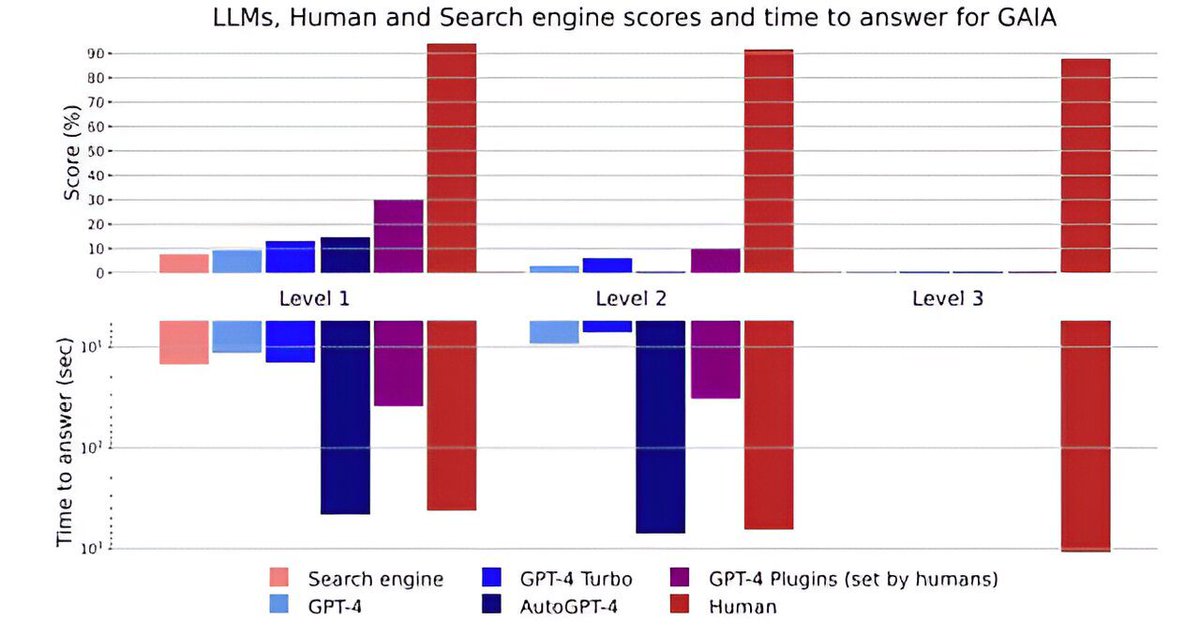
ALT AI News
2
46

Large numbers of people find new solutions for #complexquestions by communicating simultaneously and in an interconnected manner.
It's like a symphony: you have to experience to believe it! #Syntegration
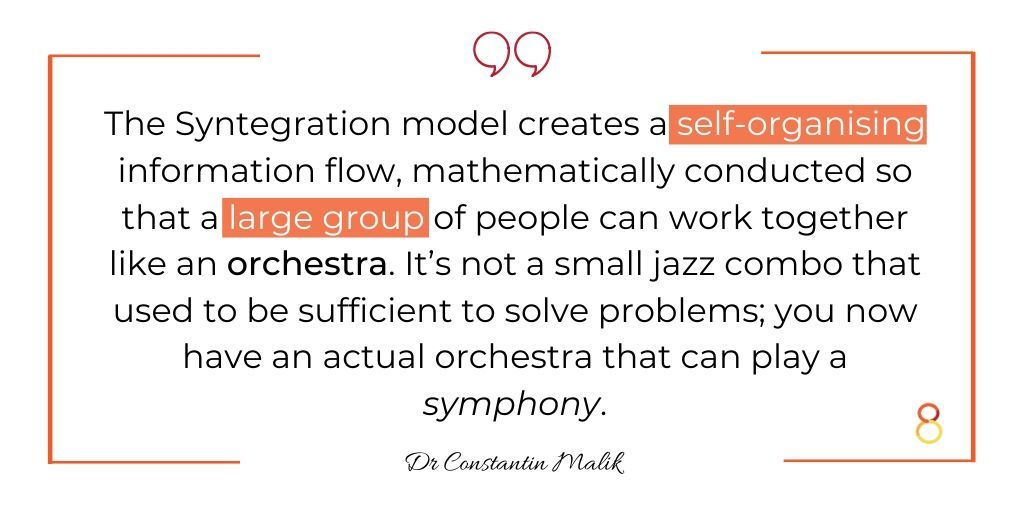
1

20 Feb 2020
Dr. Sarah Hull's work is at the intersection of cardiovascular medicine & bioethics. This #heartmonth, learn more about her work: medicine.yale.edu/intmed/new…
#WomeninMedicine #academicmedicine #bioethics #complexquestions
@YaleMed @YaleCardiology @hull_md

1
5


Bill Gates Picks His Favorite Books For Summer Reading. Some will push readers to look at how to make the world a better place & challenge them to ask themselves complex questions. bit.ly/2LnulW7 #SummerReading #ComplexQuestions #MarketingResearch #kWhatAreYouReading

2

21 Aug 2016
Shoshana Zuboff #seekingrealleadership #importanceofimmeasurables #checkingperpetuationofprivilege #complexquestions
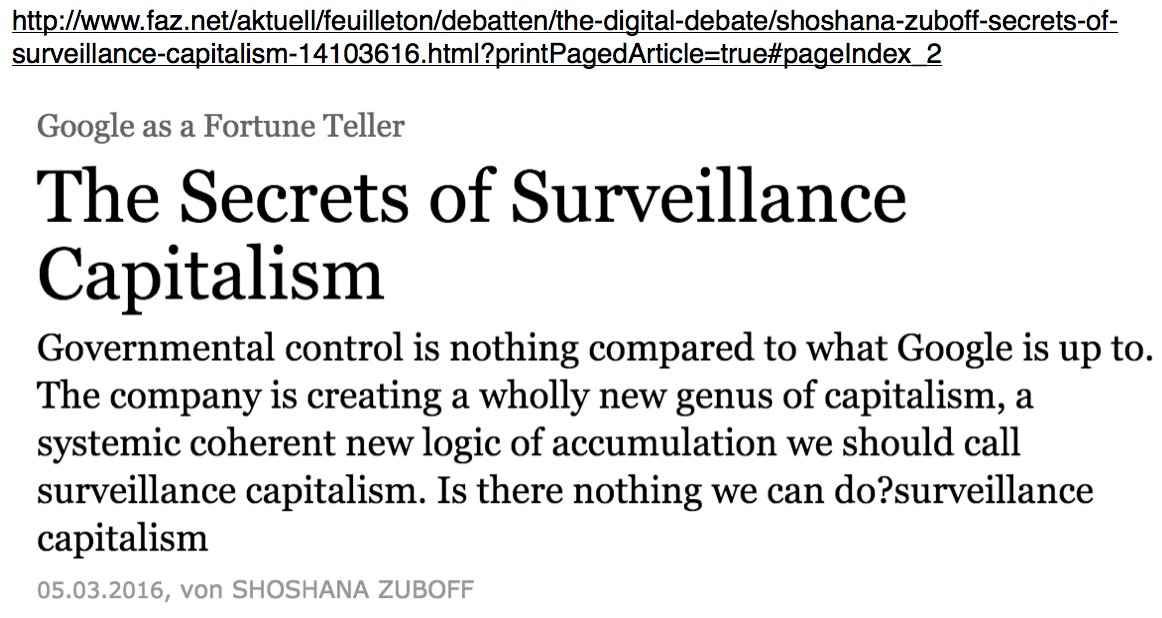
1

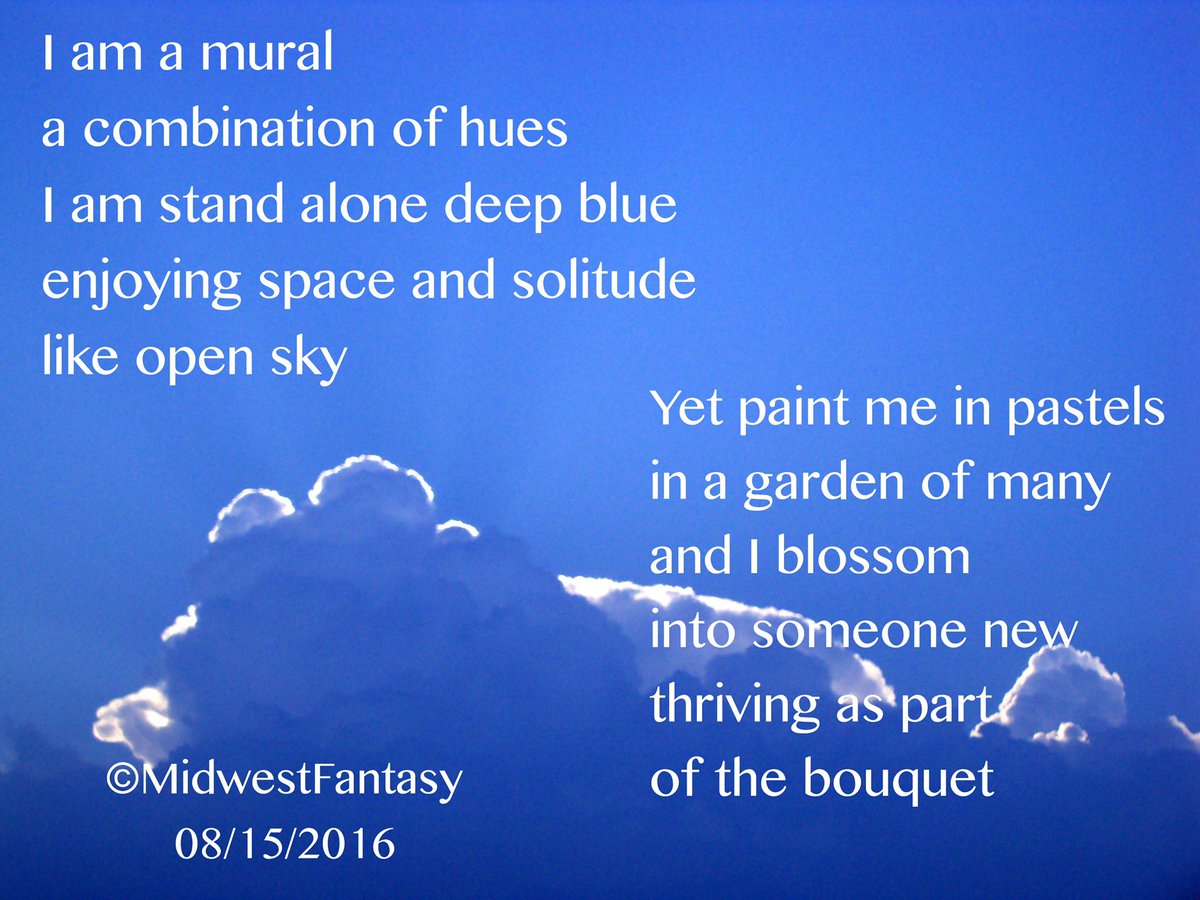

29 Dec 2015
5
2

17 Nov 2015
9
9

22 Jul 2011
RT @Razarumi: @iamrana "Yeh Masail-e-Tasawwuf..Yeh tera bayaan #Ghalib, Tujhe hum wali samajhte, jo na baadakhwaar hota" #complexquestions

22 Jul 2011
@iamrana "Yeh Masail-e-Tasawwuf..Yeh tera bayaan #Ghalib, Tujhe hum wali samajhte, jo na baadakhwaar hota" #Urdu #poetry #complexquestions