
Re-potted two of my bigger boy succulents, now need more compost for my two cacti 🌵
Now the rest of the evening will be spent watching more of The Boroughs 👌👌

Maybe in Meurica you are that dysfunctional, this I don't know. In developped countries, recycling is very useful. We do consignation even with plastic bottles and also do compost....
1


❓ if someone broke in and attacked u, what would u do?
💬 One less living person in the world and I got human compost for my garden #tellonym tellonym.me/Kazuki.Sakura/an…
3
5

No error messages?
Also, yes, it’s AI. I don’t type that much for free.
Yes, modern dishwashers generally clean less effectively when you completely rinse the dishes first.
Why Pre-Rinsing Hurts Performance
Modern dishwashers (especially Energy Star models from roughly the last 10–15 years) use two key technologies optimized for dirty dishes:
1. Soil/Turbidity Sensors
Most machines have a sensor that measures how cloudy (“turbid”) the water is during the initial pre-wash or rinse. This tells the dishwasher how dirty the load is so it can automatically adjust cycle length, water temperature, number of rinses, and spray pressure/intensity (on some models).
2. If you completely rinse the dishes, the water stays relatively clear. The machine thinks the load is lightly soiled or clean, so it runs a shorter, gentler cycle and may not remove stuck-on food as well.
3. Enzyme-Based Detergents
Almost all good modern detergents (especially pods like Cascade Platinum) contain enzymes (protease for proteins, amylase for starches, sometimes lipase for fats). These enzymes are designed to latch onto food particles and break them down. Without food soil present, the enzymes have nothing to “attack” and are underutilized. Some sources note they can even start working on dish surfaces or plastic parts instead (though this is a secondary concern).
What the Experts Say
• Wirecutter (NYT): Their testing shows even mediocre dishwashers clean unrinsed dishes well. They recommend scraping only—not pre-rinsing—because it wastes water and starves the enzymes.
• Consumer Reports: Multiple articles and videos state that pre-rinsing tricks the soil sensor into running a lighter cycle, which can leave dishes dirtier. Their headline advice: “Don’t bother pre-rinsing.”
• GE Appliances (Director of Engineering): Pre-rinsing causes the sensors to underestimate soil levels, leading to less effective cleaning. It also wastes significant water (a faucet can use as much water in ~2 minutes as a full dishwasher cycle).
• Cascade (detergent manufacturer): Their enzymes “work better if you don’t pre-wash” because they need food to latch onto.
What You Should Do Instead
• Scrape, don’t rinse. Knock large pieces of food into the trash or compost.
• Load the dishwasher normally.
• Use a quality enzyme detergent (pods are convenient and effective for most people).
• Let the machine’s Auto/Sensor/Normal cycle do its job.
When Pre-Rinsing Might Still Make Sense
• You have a very old dishwasher without soil sensors.
• Dishes will sit for several days before running (to prevent odors)—though running a short “rinse only” cycle or the dishwasher sooner is usually better.
• Extremely large/hard items (bones, etc.) that could clog the filter.
Bottom line: Completely rinsing dishes before loading a modern dishwasher is counterproductive. It wastes water, can make your dishes come out less clean, and defeats the purpose of the technology designed to handle real food soil. Just scrape and let the machine do its job.
14
Church of the Almighty Pit Bull retweeted

China is using AI to process its garbage and recycle or compost it.
It is currently going through old landfill sites and expects to be able to reduce their size by at least 60%.
This is because China is a functioning country not crippled by Capitalism.
25
262
1,054
10,767

地球村 retweeted

Jun 8
Kitchen waste can be turned into compost and construction waste can be reused as building materials. The "zero-waste city" initiative is making the dream of "turning waste into treasure" a reality.
15
1
11
90
Graciela Melgarejo retweeted

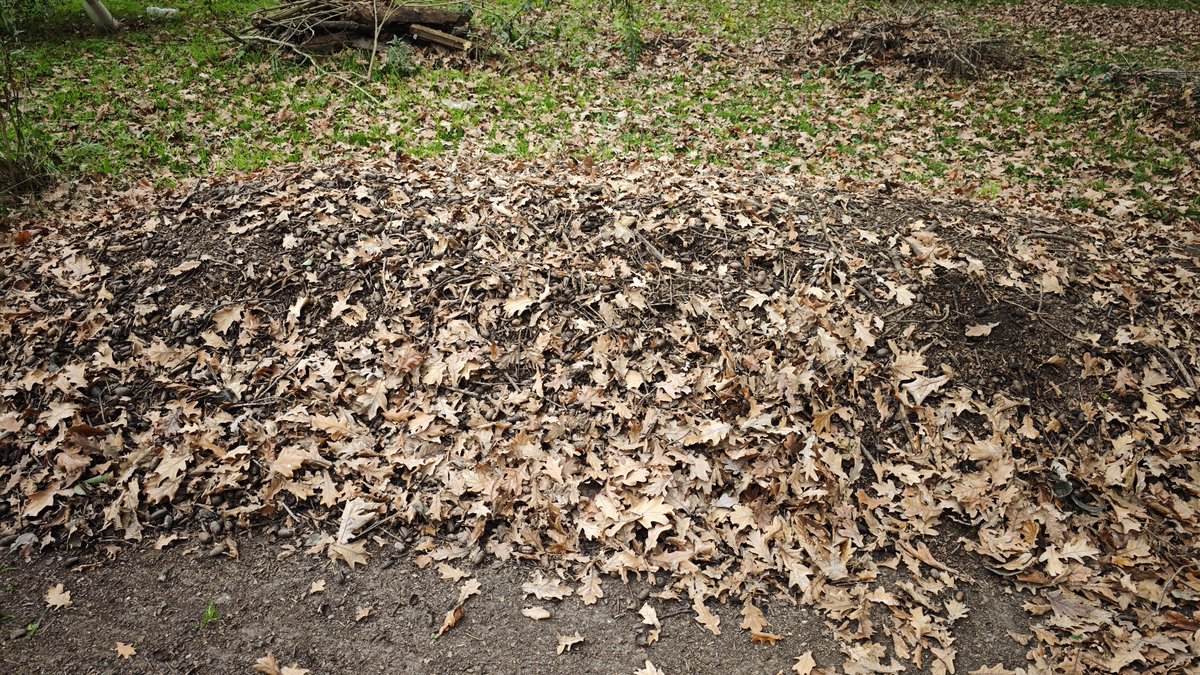
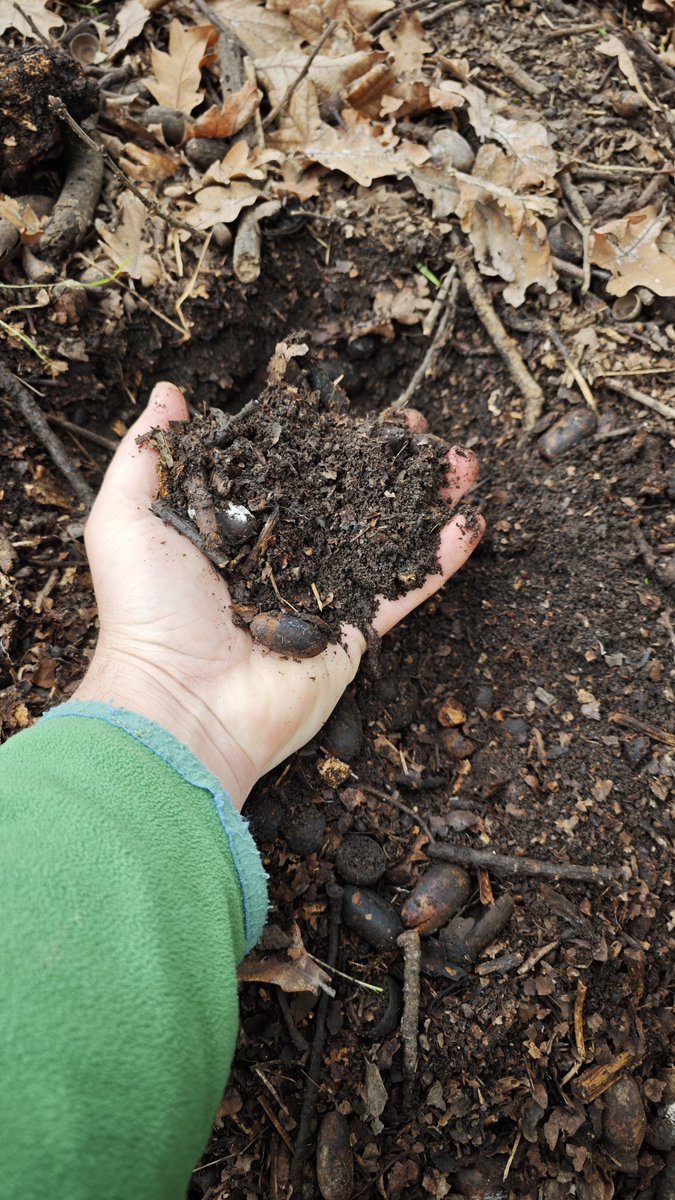
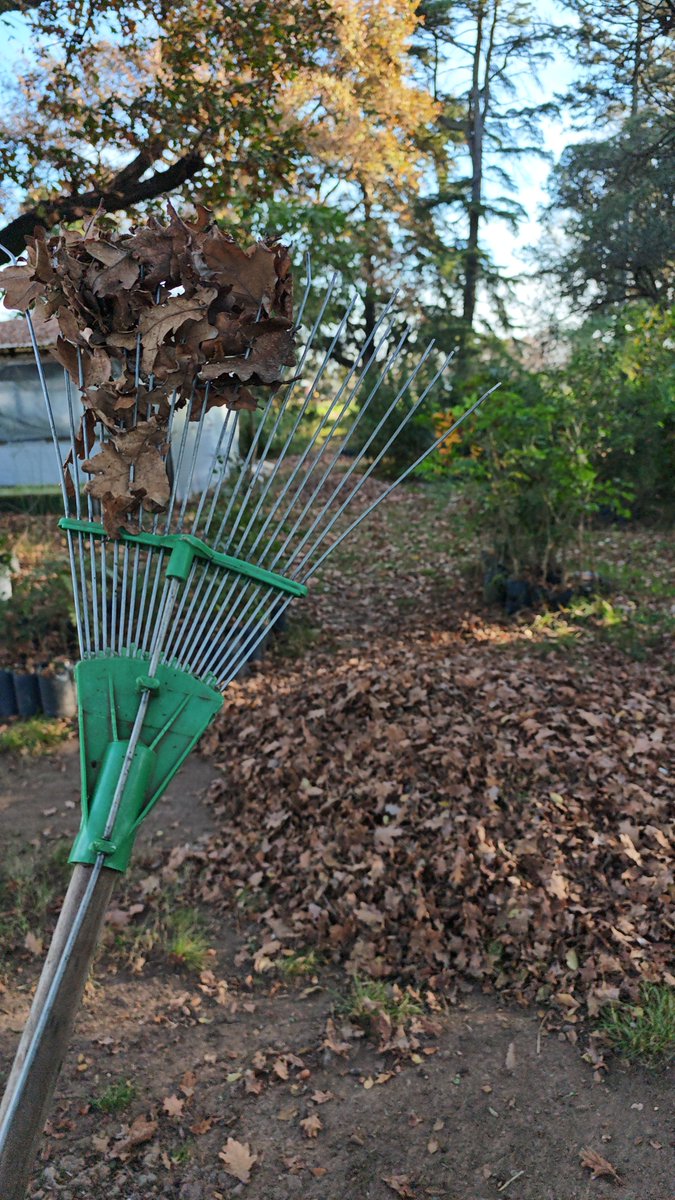
Las hojas de este otoño comenzando a cubrir el montón de hojas del año pasado, ya transformado en compost.
Un ciclo perfecto año a año.
Barrer, amontonar, esperar, cosechar, volver a empezar.
3
9
103
2,074

We had a few clients who gave us a chance (Sinza bars), shit was butter smooth. Clients begged for these new "dig in" bins we made for recycling glass.
We were trying to recycle plastic & turn it into paving brick.
Rentable compost bins, etc.
It was beautiful.
But unregistered..
1
1
32

29m
I told you yesterday- your conditions are acceptable to some of us, I am ready to mulch them into compost and feed them to our Oaks and Yews.
21h

You know the answer, the exact people who will do it- the military.
And frankly I am open to the idea of a letter of marque for citizen militias to assist (and sink foreign boats).
The problem was created with force (by state) the problem can be ended with force.
1
85

Kingsley Egbonyi 🐐 retweeted

Vegetables. I agree that fresh poultry manure can be too hot, which is why it’s advisable to cure or compost it before use. From my perspective, that’s probably its main drawback. Aside from that, I still rate poultry manure very highly based on the results I’ve seen.

Chicken manure is always "hot" because of its high NITROGEN content. ASK AROUND BRO.
I won't lie...poultry manure performs very well, especially when properly COMPOSTED, cos on a Normal Fresh chicken manure is very strong ("hot") and can burn crops except you combine it with other things like leaves, grass or other Manure. But tell us, which crops have you practically used it on...?
When it comes to overall NPK value and long-term soil improvement, GOAT manure is right at the top of the list. It's rich in nutrients, improves soil structure, and releases nutrients more steadily.
Chicken manure is powerful, no doubt, but it's so concentrated that it can burn plants if not properly aged or composted. Goat manure, on the other hand, is easier to handle and can often be applied with less risk.
1
2
2
46


At #Cimerwa Pitch , Murabyo village ,Shara Cell ,Muganza Sector, Jeannine&Emmanuel Foundation launches its activities include taking care of community hygiene where they will collect rotting waste and produce compost to take care of community agriculture .@RusiziDistrict




2