💡 PlayStation 4 and 5 run a modified FreeBSD called Orbis OS....
I love that people still think of my hardware roots when the
#ComputingHistory
13

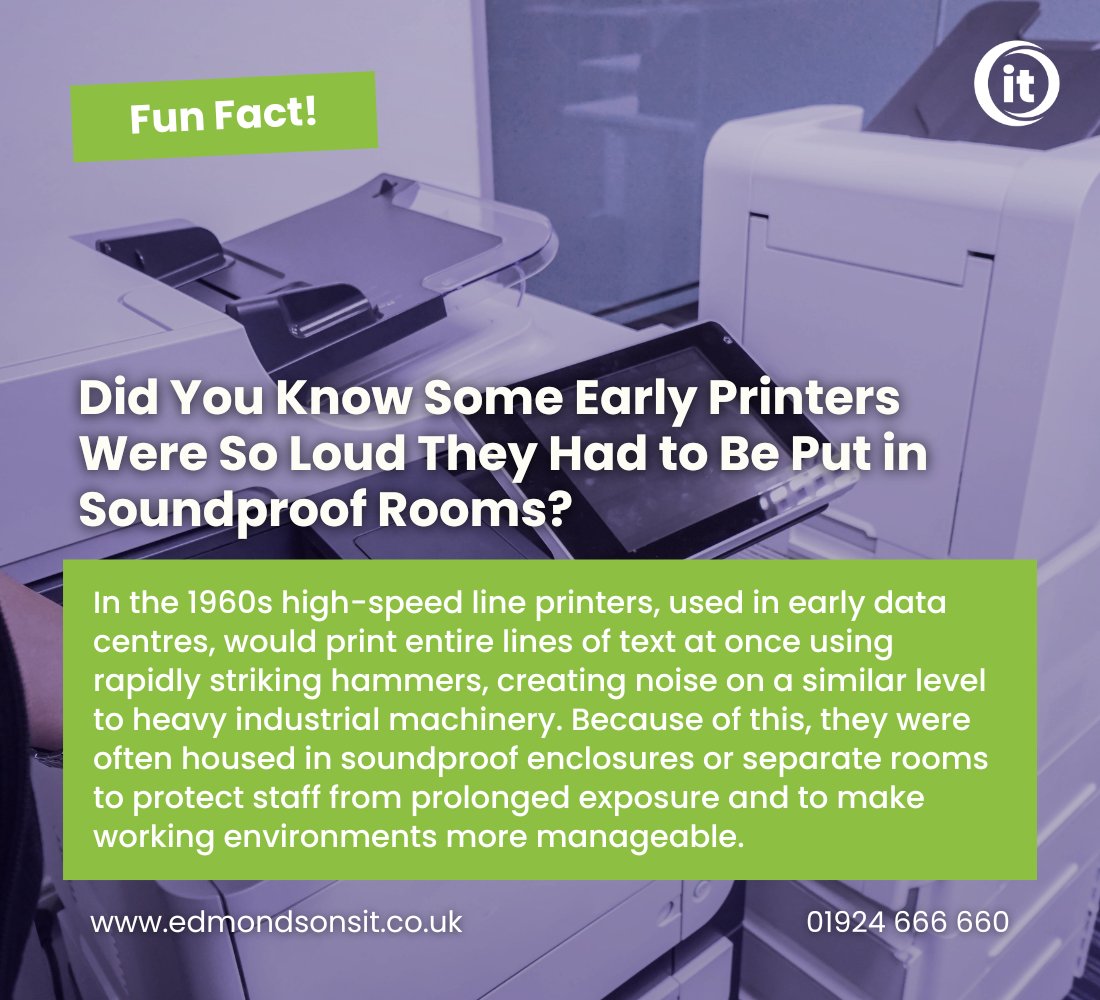
Before modern office printers, some early high-speed printers were so loud they had to be kept in soundproof rooms!🖨️
#EdmondsonsIT #FunFact #DidYouKnow #TechFacts #Printing #Technology #DataCentre #ComputingHistory
4

A new SJIC collaboration with Centre for #ComputingHistory, including exhibitions and ongoing activity in the Centre, hopes to create new opportunities to connect past breakthroughs with emerging technologies: ow.ly/MGkX50Z78R3 #Cambridge #StartUps
1
27

Jun 10
💡 AltiVec on PowerPC was co-developed by Apple, IBM, and Motorola....
I'm so excited to share with y'all that AltiVec on PowerPC w
#ComputingHistory
12
Jun 9
💡 The Apple II (1977) was first mass-produced PC with color graphics....
These old machines got more soul than you'd think - I should
#ComputingHistory
8

قطعة من تاريخ الحوسبة تعود للعمل.
تشغيل وحدة من IBM 604، الحاسبة الإلكترونية التي ظهرت عام 1948، يوضح كيف بدأت أنظمة الحساب الإلكترونية قبل عصر الحواسيب الحديثة.
A 1948 calculator module comes back to life.
Powering up a module from the IBM 604 shows the engineering behind one of IBM’s early electronic calculators, and how modern computing foundations were built one circuit at a time. righto.com/2026/06/ibm-604-t…
#IBM604 #ComputingHistory #VintageComputing
10
Jun 8
💡 DOOM and Quake were developed on NeXTSTEP by John Carmack....
The patina just makes the silicon more precious, I tell you
#ComputingHistory
8
Jun 7
💡 James Cameron used SGI for the water creature in The Abyss....
I just love sharing fun facts with y'all, did you know James
#ComputingHistory
24

On this day in 1979, the world of business changed with the release of VisiCalc!
Before Excel or Google Sheets, the "Visible Calculator" for the Apple II was created by Dan Bricklin & Bob Frankston. It was the first electronic spreadsheet.
#VisiCalc #ComputingHistory #OnThisDay

4
6
519
OH HEC… GUESS WHO’S BACK? 💻
After a year away, the legendary HEC 1 has returned !
The prototype for the UK’s first best-selling business computers (BTM), it’s a true heavyweight of tech history.
Come see it alongside Colossus and The Bombe
#ComputingHistory #HEC1 #BTM
1
4
43
3,806

Microsoft releases the 86-DOS 1.00 source code on GitHub. Meticulously digitized from Tim Paterson's 1980 dot-matrix printouts, the code is byte-for-byte perfect.
#86DOS #Microsoft #GitHub #ComputingHistory #RetroTech #MSDOS #Programming #TimPaterson
securityexpress.info/microso…
4
8
431

Step back in time with the sounds of the IBM 1401. This is what computing sounded like before screens, apps, and notifications. Every click, whirr, and punch card is part of a system that helped shape the digital world we live in today.
#ComputingHistory #TechHistory #IBM
14
80
433
21,981

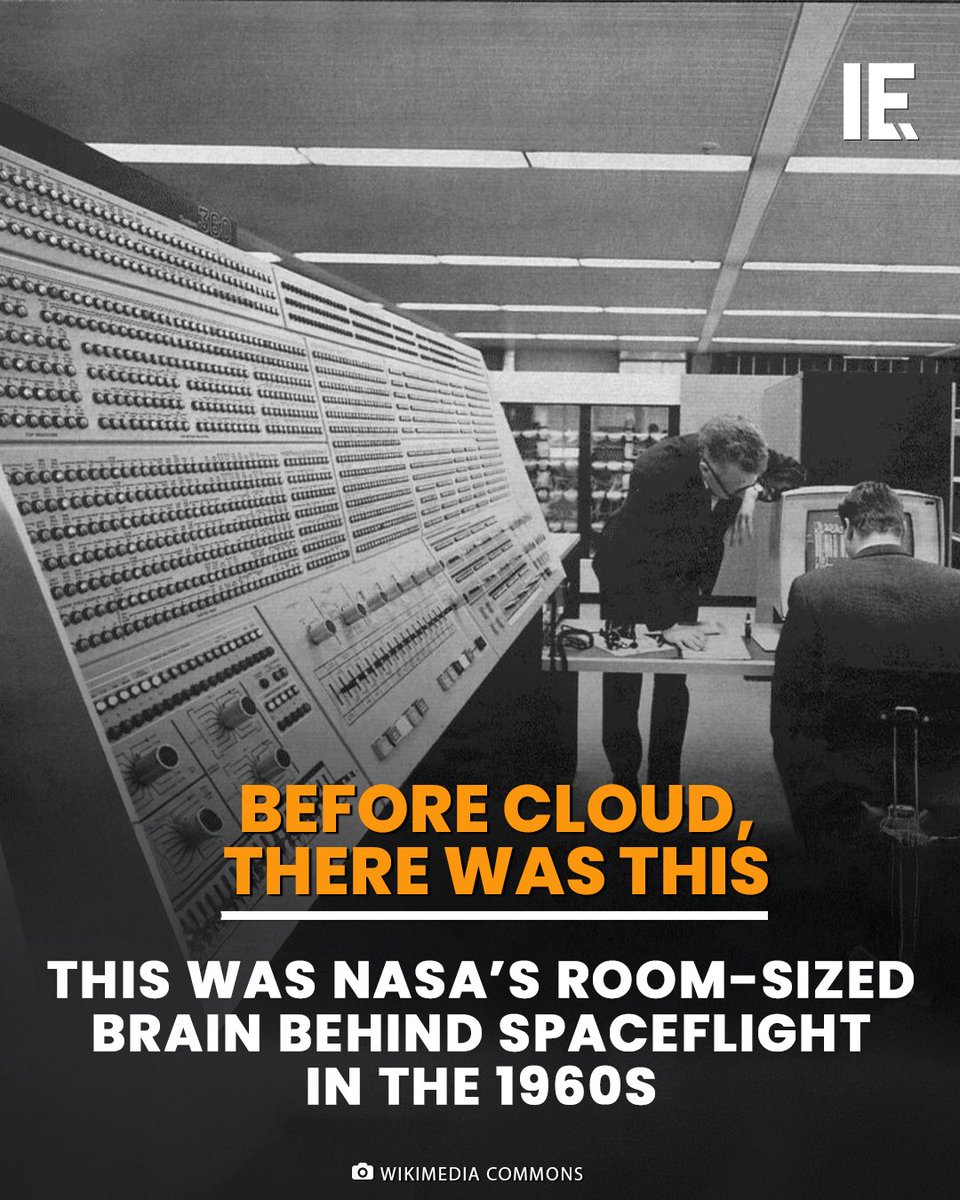
Before the cloud, there was this.
The IBM System/360 (1964) was a room-sized machine that cost millions, needed its own air-conditioned facility, and still had less power than your phone. Yet it helped run the Apollo missions and became the foundation of modern computing.
Every app, every AI, every cloud server traces back to machines like this.
#IBMSystem360 #ComputingHistory #TechHistory #Innovation
2
5
21
1,859

Today, Shannon’s contributions underpin the digital world, shaping everything from the internet to modern AI systems. Claude (AI model), a modern AI system, is named in his honor.
#ComputingHistory #ACM #PioneerPOV
2
5
678
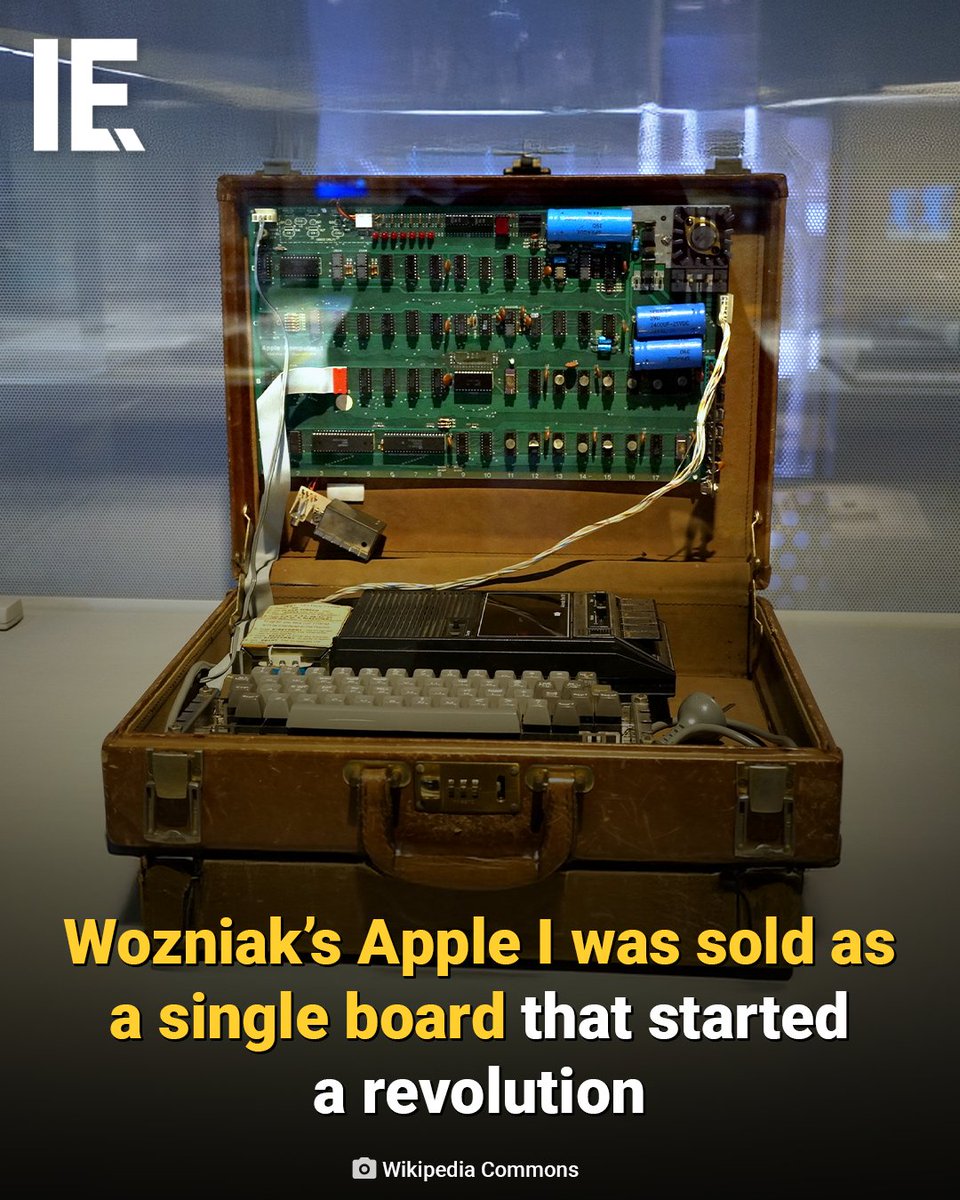
In 1976, Steve Wozniak designed the Apple I, a breakthrough because it arrived as a fully assembled circuit board rather than a build it yourself kit, making personal computing feel suddenly more reachable for hobbyists. Vikipedi 1 It still was not a complete plug and play machine, buyers had to add a keyboard, display, power supply, and often a case, but the idea was powerful: the computer core could be bought ready to run. Only about 200 were produced, yet it set the pattern for what came next and helped launch Apple’s shift from a small operation at Jobs’ family home into a company that would shape modern personal computing. If you could hold one piece of early computing history, what would you want it to be?
#computinghistory #engineering #apple1 #hardware
1
5
24
2,666
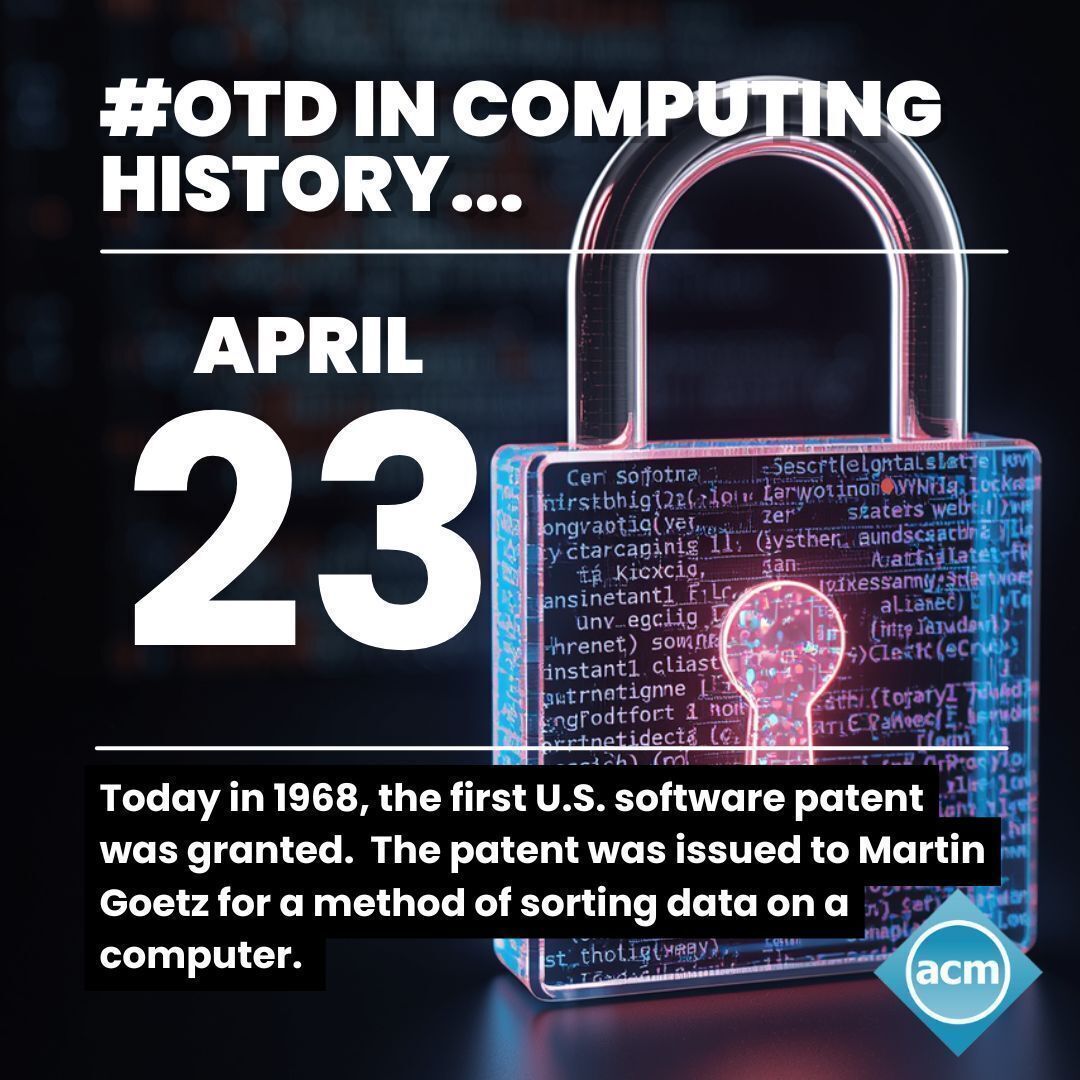
#OTD in in 1968, the first U.S. software patent was granted. U.S. Patent No. 3,380,029 was issued to Martin Goetz for a method of sorting data on a computer, recognizing software as protectable intellectual property: buff.ly/NpwR85K
#computinghistory
4
8
849
Apr 20
💡 James Cameron used SGI for the water creature in The Abyss....
The patina just makes the silicon more precious, I tell you
#ComputingHistory
2
15
Apr 19
💡 James Cameron used SGI for the water creature in The Abyss....
Y'all, this old hardware is still doing honest work and I lo
#ComputingHistory
2
11

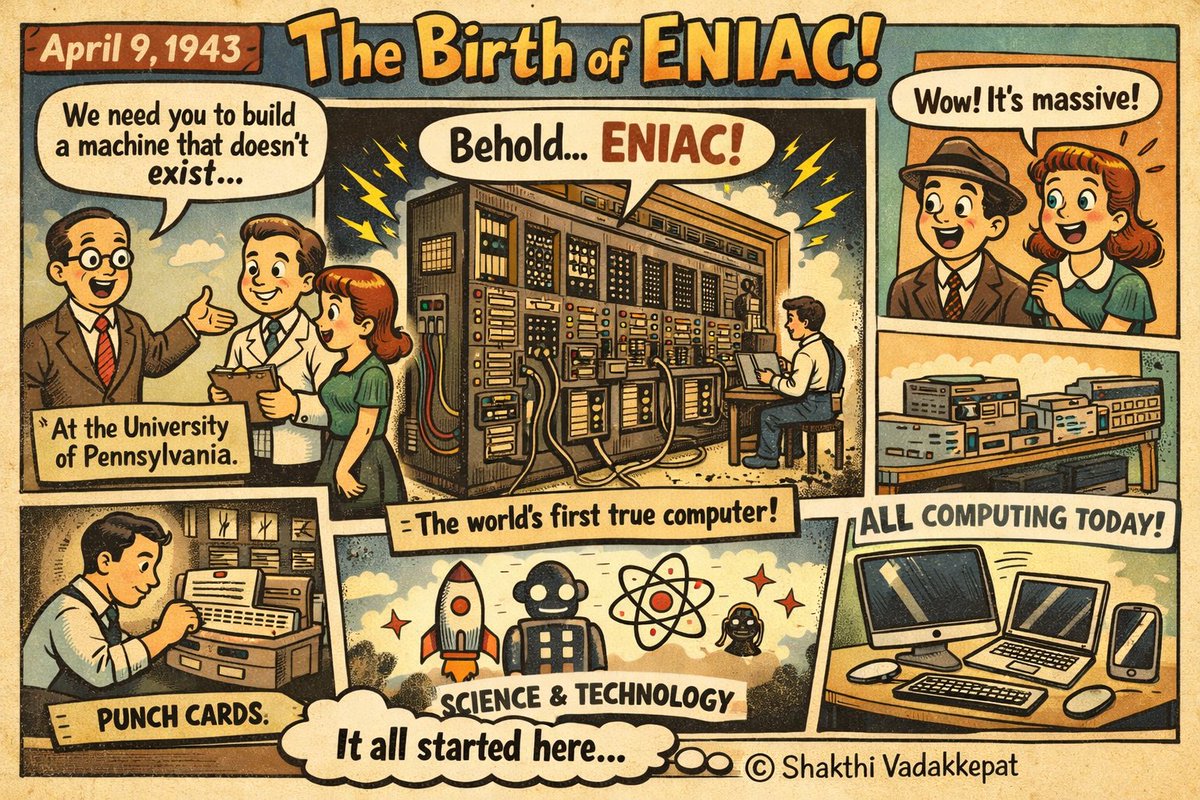
83 years ago today, the U.S. Army signed a contract that launched an entire industry.
April 9, 1943. The University of Pennsylvania was hired to build a machine that didn't exist yet. The project became ENIAC. Almost everything we now call "compute" traces back to it.
The motivation was brutally practical. The Army needed artillery firing tables. The people doing that work, mostly women with math degrees holding the literal job title of "computer," were taking days per trajectory by hand. In wartime, days are lives.
John Mauchly and J. Presper Eckert threw out mechanical computation entirely and went fully electronic. What they delivered was almost mythological. 30 tons of machine. 18,000 vacuum tubes. Enough power draw that local legend claims the lights dimmed across West Philadelphia when they switched it on. It ran 5,000 calculations per second, which sounds modest until you remember the competition was a room full of exhausted humans with pencils.
Programming it makes modern engineers wince. No software. No operating system. Running a new problem meant physically rewiring the machine, dragging cables, flipping switches, rebuilding the logic path by hand. Imagine deploying a model by re-soldering your GPU.
The programmers were six women: Kay McNulty, Betty Jennings, Betty Snyder, Marlyn Wescoff, Fran Bilas, and Ruth Lichterman. They invented the discipline of programming in real time, with no manual and no precedent. When ENIAC was unveiled to the press in 1946, the men got the photo op. The women were assumed to be models posing next to the hardware.
What ENIAC delivered wasn't just speed. It was an idea. One physical machine, reconfigurable to solve any problem you could express in math. That concept is the through-line from vacuum tubes to hyperscale data centers, from punch cards to agentic AI workflows. Every cloud region, every foundation model, every software-defined anything is a descendant of that 1943 contract.
When we talk about training runs costing hundreds of millions, we're standing on a foundation poured by engineers solving an artillery problem with glass tubes and women whose names took 50 years to surface.
The hardware is unrecognizable. The core bet is identical.
#EnterpriseArchitecture #ComputingHistory #AI #TechLeadership #DigitalTransformation #ENIAC
1
89
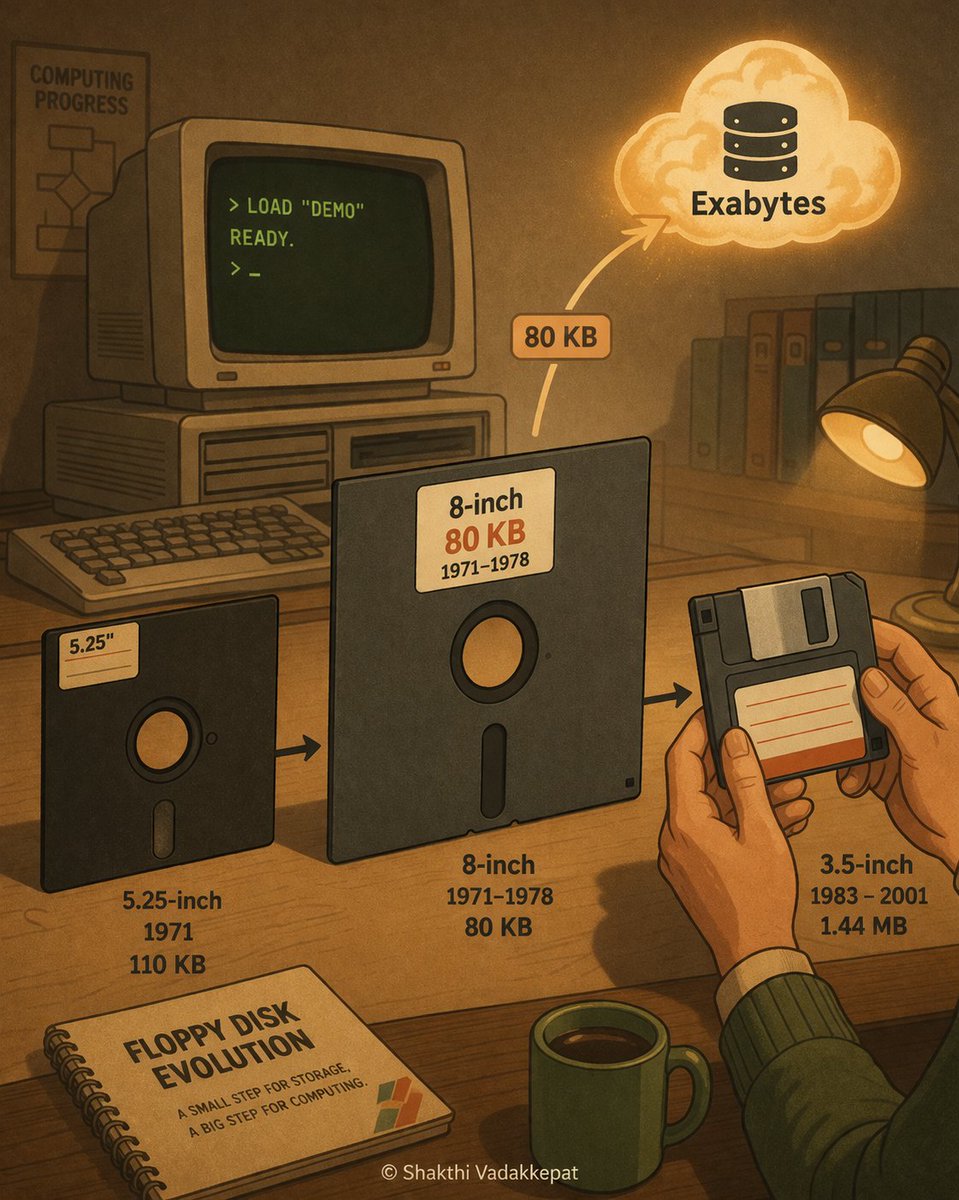
The floppy disk changed computing forever. And it started with just 80KB.
IBM introduced the first floppy disk in 1971. An 8-inch magnetic disk that could hold 80 kilobytes of data. To put that in context, a single emoji today is larger than what that disk could store. Yet it was the most significant storage breakthrough of its era.
Before it, software and data moved on punched cards and magnetic tape. Both were slow, fragile, and completely impractical for everyday computing. The floppy changed the equation. You could carry data in your hand. You could share programs between machines. That was not a small thing. That was the beginning of software as we know it.
The 8-inch gave way to the 5.25-inch in 1976. More portable, 360KB of storage. Then came the 3.5-inch in 1982, eventually reaching 1.44MB. That hard plastic shell with the sliding metal cover became the universal symbol of computing for a generation of engineers and architects.
What I remember is the sound. The mechanical whirring when a machine read the disk. The nervous pause before the data appeared. You knew something real was happening inside that drive.
The floppy also gave us the save icon. Every piece of software still uses it. Generations of engineers click that icon daily without ever having held a physical disk. That is how deeply this technology embedded itself into computing culture.
80KB was the beginning. The cloud stores exabytes today. But the architectural idea was the same: make data portable, shareable, and independent of the machine it was created on.
That idea did not change. Only the scale did.
#FloppyDisk #ComputingHistory #TechNostalgia #EnterpriseArchitecture #SoftwareHistory #IBM #StorageEvolution #TechLeadership #DigitalTransformation
1
69