

"All that is necessary for the triumph of evil is for good men to do nothing." That's Burke. The version we don't talk about is: you don't need evil. You just need a restaurant manager who values his lease over principle, a venue that folds the moment someone tweets about a protest, a system that treats free assembly as a conditional favour. None of those people are evil. They're just doing nothing. Same result. theguardian.com/australia-ne…
6

6. The party entitled to receive the change would be whatever corporate entity or trust is on the register as the owner, but I think we could make entitlement to receive the change conditional on compliance with the disclosure obligation.
1

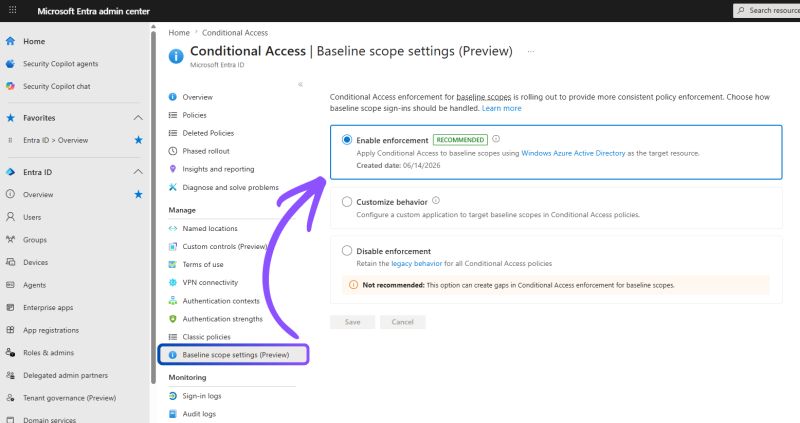
Baseline Scope enforcement in Conditional Access is rolling out today, but Microsoft have hidden the setting for it > ourcloudnetwork.com/how-to-e…
Currently, if a Conditional Access policy includes an exclusion, and your application only requests a specific set of baseline directory scopes (like user.read), then that authentication request could bypass the Conditional Access policy.
Rolling out from today, this behaviour is changing, and all authentication requests will be subject to Conditional Access policy enforcement.
For 99.9% of organisations, there will be no impact on you, but for a small subset that have built their own applications, you should verify any impact following the steps I have outlined in my article!
#Microsoft #Entra
15

Verdict: The $300 billion figure is not confirmed as part of the deal Trump is signing this week. It was a floated idea in earlier negotiations that Iran pushed hard for (as reparations) and the U.S. tried to reframe as an "investment fund." The Trump team appears to have either dropped it, made it extremely conditional, or kept it out of the immediate MoU.The internet version ("Trump is giving Iran $300 billion confirmed") is heavily exaggerated or outright misleading. The real economic parts of the current deal are sanctions relief and conditional access to Iran's own frozen money — not a massive new U.S. payout.Deep dive: The "$300 billion" claims about the Trump-Iran dealYes, people on X, Reddit, YouTube, TikTok, and partisan media are heavily pushing the $300 billion figure right now, often calling it "confirmed," a "slush fund for terrorists," or proof that "Trump lost the war" or is "paying Iran massively." Here's the actual breakdown based on reporting as of June 15, 2026.Where the $300 Billion Figure Comes FromThe number first appeared prominently in late May 2026 (mainly May 28–30), not in the current deal Trump announced around June 11–14.Primary source: The New York Times (May 28, 2026) reported on draft proposals during negotiations. Iranian officials and some diplomats told the NYT that one version of the agreement included an "international investment fund" or "reconstruction and investment fund" for Iran, with some sources valuing it at around $300 billion.
Context: Iran had been demanding war reparations for damage from U.S./Israeli strikes (Iranian officials had floated numbers between $300 billion and $1 trillion).
U.S. negotiators (reportedly including Steve Witkoff and Jared Kushner) reportedly rebranded it as an "investment fund" instead of "reparations" or "cash payment" to make it politically palatable.
It was discussed as something that could be part of a final, broader agreement (after the initial ceasefire), potentially involving U.S. facilitation and private investment, not a direct Treasury check.
Other outlets (i24NEWS, Times of Israel, Firstpost, etc.) picked it up and ran with variations like "$300B reconstruction fund."Is It in the Current Deal?No — not in the MoU that Trump is actually moving forward with right now.The deal being signed (reportedly Friday, June 19 in Switzerland) is the Memorandum of Understanding (MoU) focused on:60-day ceasefire extension (including Lebanon)
Reopening the Strait of Hormuz lifting the U.S. naval blockade
Phased sanctions relief (mainly temporary oil export waivers)
Nuclear talks during the 60-day window
Discussions on frozen Iranian assets (separate ~$20–24 billion issue)
The $300 billion reconstruction/investment fund was part of earlier May drafts and Iranian wish-list proposals. It does not appear to be in the finalized text of the current MoU that Trump and Pakistani PM Shehbaz Sharif have publicly celebrated.U.S. Pushback on the $300B IdeaThe Trump administration has actively distanced itself:Trump: Has repeatedly stressed "no cash upfront" and "pay for performance." He has contrasted this deal with the old Obama JCPOA.
VP JD Vance and other officials: Have pushed back on claims of big cash giveaways.
Senator Lindsey Graham (Trump ally): Publicly rejected the $300B fund idea, calling it "tone deaf" while the current Iranian regime is still in power. He compared it to giving a Marshall Plan to Nazi Germany.
U.S. officials have framed any economic benefits as highly conditional and performance-based.Why It's Going Viral and Being "Shittalked"This is classic internet amplification:One NYT story from May 28 gets screenshotted and turned into YouTube thumbnails like "Iran FORCES U.S. To PAY $300 Billion" or "Trump hands Iran $300B."
It gets mixed up with the separate frozen assets discussion (~$24B total mentioned in some reports).
Partisan accounts (both anti-Trump and some pro-Iran voices) run with it as "confirmed" in the June deal.
Exaggeration happens fast: "Reconstruction fund" → "direct cash payment" → "slush fund for terrorists."
Many posts are conflating May draft ideas with the June MoU that's actually happening.Bottom Line — What's Real vs. ExaggeratedClaimStatusReality$300B reconstruction fundIn early May drafts (NYT-reported)Yes (proposed)$300B in the current MoUNot confirmed in final textNoDirect cash payment from USNo evidenceNoPhased sanctions reliefPart of current MoUYesFrozen assets discussion~$12–24B range, performance-basedYes (separate issue)Iran demanding reparationsYes (their position)Yes
29

Items 15 & 16: Conditional technical proposals required to deliver the program, specifically covering a directed issue of Class C shares and the authorization to convert them into ordinary shares to prevent market dilution.
15

LITHUANIA STUDY ROUTE
1. Apply for Admission
- Submit applications to Lithuanian universities .
pay application fees ,
and attend interviews (depends on the university).
2. Admission Granted
- Receive a Conditional Admission Letter
- Pay tuition fee to get final acceptance letter for visa application .
3. Immigration Requirements for VISA D.
- Fill Lithuania Immigration System online portal MIGRIS with the required documents
4. Book Appointments
- Schedule VFS appointment and Embassy date
5. Submit Application
- Ghanaians, Nigerians, Cameroonians submit in Ghana at VFS Accra
- Bring original documents copies
6. Embassy Interview
- Lithuania Embassy schedules online interview
Hope this helps!
2
59

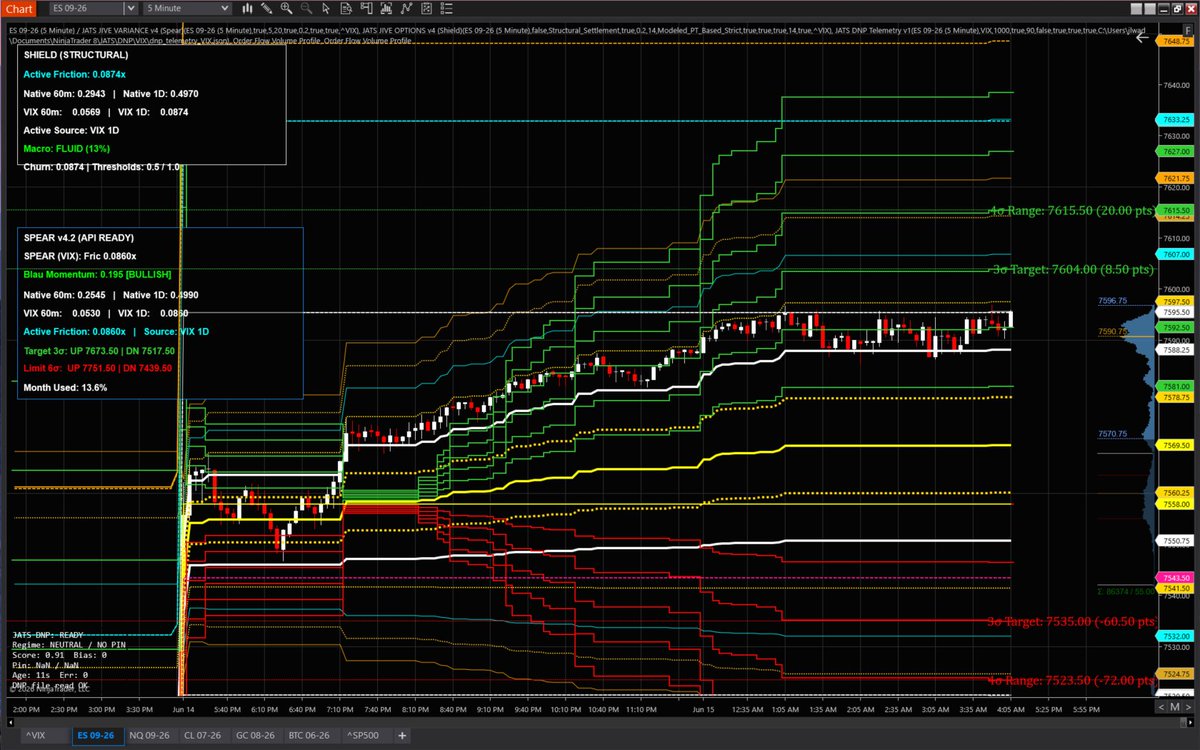
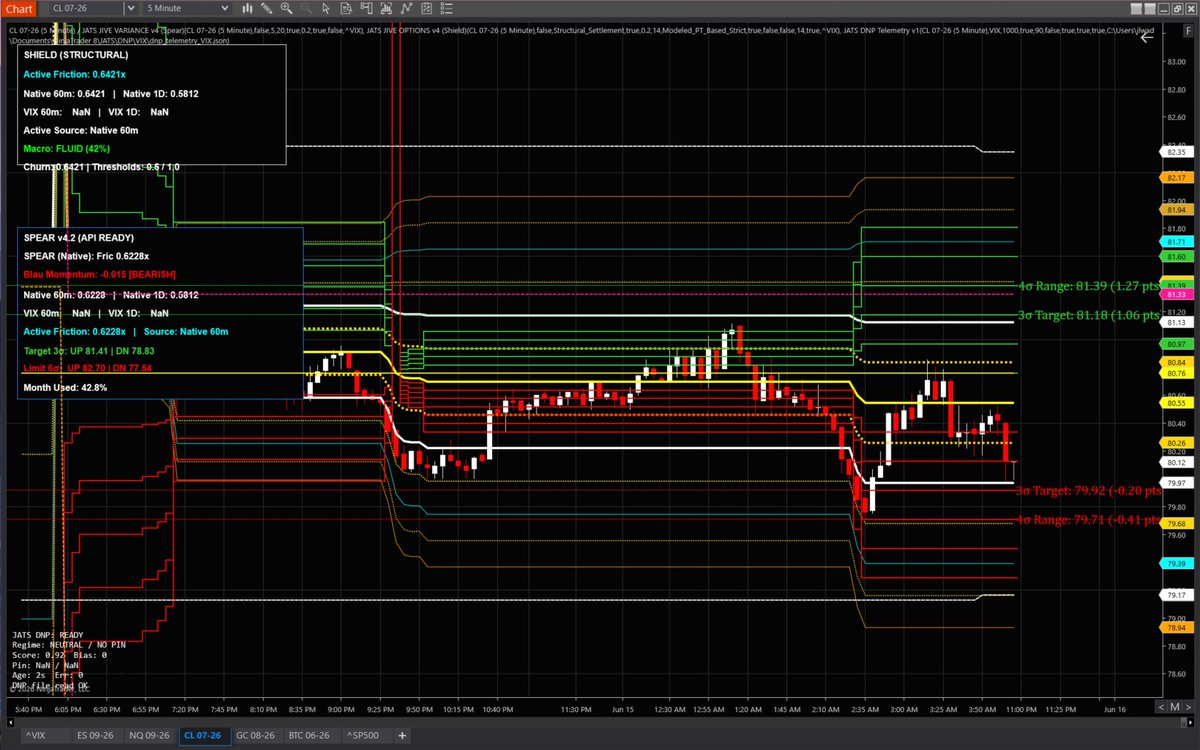
$ES $CL Remember Grasshoppers that a MOU that “commits to try” is an unstable foundation for lasting peace. Trading immediate, hard-power naval leverage for a conditional 60-day dialogue allows a severely weakened adversary to step up to the negotiating table as a peer rather than a defeated entity.
This framework rewards maritime extortion. By allowing Tehran to access economic relief and secure port access before a single gram of highly enriched uranium is handed over, the architecture of the deal significantly degrades Western leverage.
The moment the cash flows and the ports open, Iran’s incentive to sign a permanent, verifiable disarmament treaty drops to zero. This isn’t a settlement; it’s a financed pause.
Buy your peace. "At what cost?," she said.
youtu.be/SKBf_Bt1TJU?si=ZqGR…
1
32

In our culture it's understood that women's dignity is inherent, a natural right. We are human beings.
In some cultures any respect for women is highly conditional and very fragile. When the population largely consists of people who view "undressed women" as undeserving of basic humanity it is dangerous.
1
1
4

ippatsu🦋国土の均衡ある発展と一億総中流の復活 retweeted

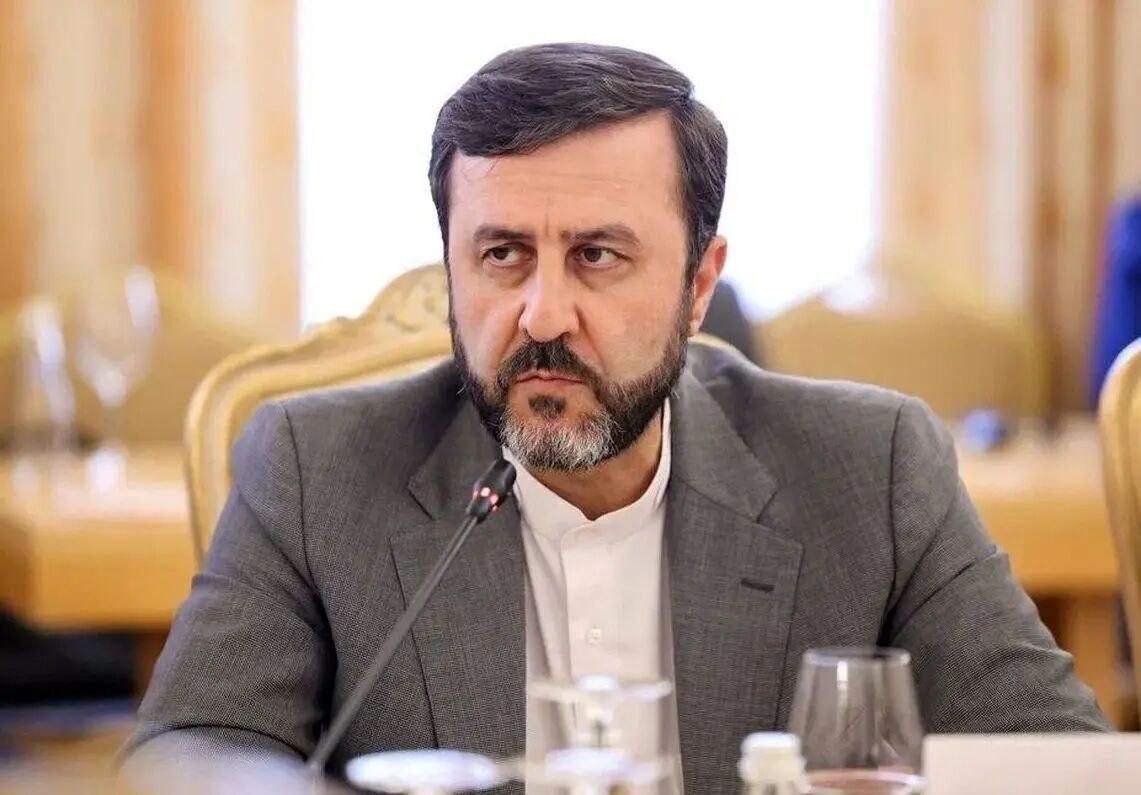
🇮🇷Nuclear talks to begin after sanctions are lifted — Iranian deputy FM
“Entry into the 60-day negotiations is conditional on US implementation of its commitments,” Iranian Deputy Foreign Minister Kazem Gharibabadi said.
He emphasized that the release of Iran’s frozen funds, worth more than $24 billion, is one of the key points of the draft memorandum.
4
77
275
7,098


🇺🇸🇮🇷 US-Iran Peace Deal: The Million Dollar Question
The market is fighting over whether an official announcement was made. That's the wrong question.
The real question is: Which philosophy will the resolver use?
Two Clear Frameworks
1⃣ Textualism - YES
Trump stated: The deal with Iran is now complete.
Iran’s Deputy Foreign Minister declared: Immediate and permanent termination of military operations on all fronts from tonight. Both governments provided clear public confirmation using the word permanent.
The rules only require clear public confirmation that a qualifying agreement has been definitively established. Under a literal reading, this meets the criteria.
2⃣ Substantialism - NO
The rules explicitly exclude agreements that are temporary or do not include a definitive agreement to end military hostilities on a lasting basis. This deal is structured as a 60-day MOU with a second phase for nuclear talks, sanctions, and enforcement.
Even with the word permanent, the permanence is conditional on future negotiations. If phase 2 fails, hostilities can resume. This is exactly the type of temporary framework the rules were designed to exclude.
The Core Paradox
• Same deal, same day, same sources. Read the permanent language first > YES.
• Read the 60-day MOU structure first > NO.
Final Take
This is not a debate about facts, but about resolver philosophy. YES has strong surface level language. NO has the stronger structural argument by sticking closely to the rules explicit exclusion of temporary agreements.
Watch how the resolver explains their decision. That will be the real lesson for future Iran markets.
#US #IranWar #peacedeal

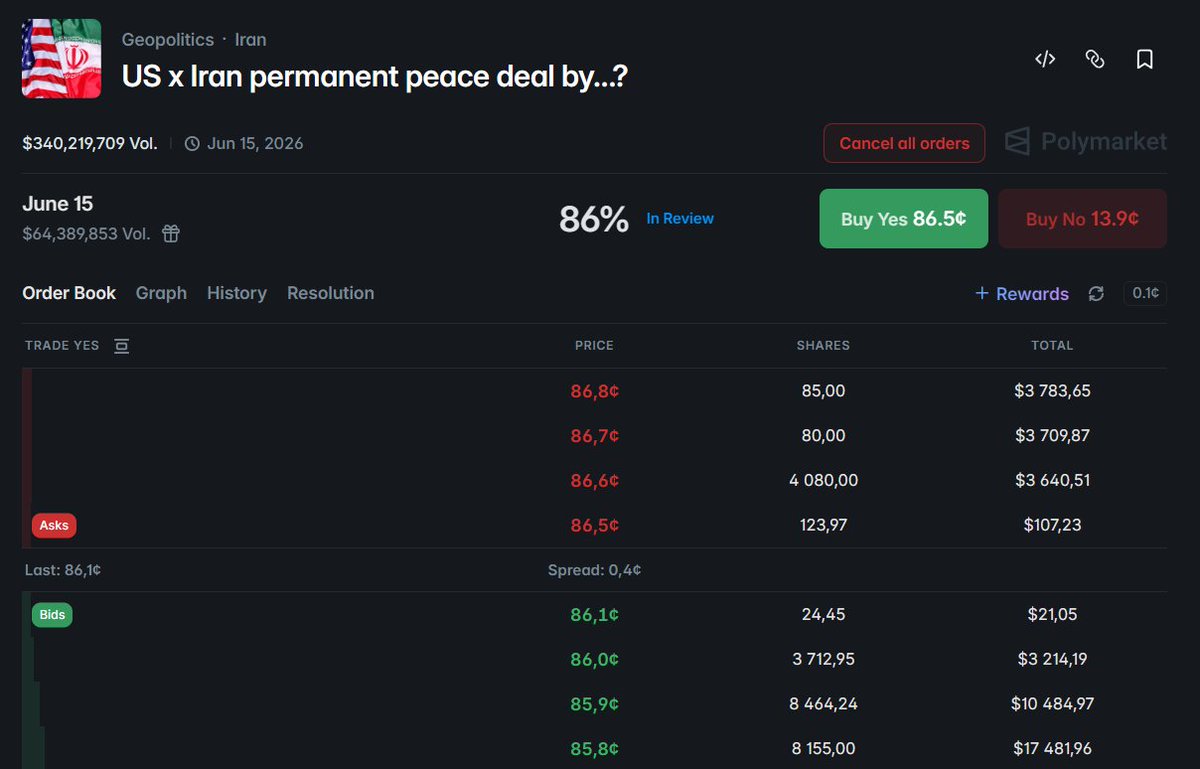
A peace deal between the US and Iran has been concluded.
Top officials of both countries have directly stated this, and Arab countries and Pakistan have also joined them.
But the June 15 market is still at 86c.
Why is this happening?
Free money or another rekt for peace lovers?
For now, we are watching this “shaky” deal, in which not all parties to the conflict agree, and whether there will be an official signing of the deal on June 19 in Switzerland is a big question.
Very soon, Poly will deliver its final word on this story.
19

La Vipère Noire — The Fall of the Serpent • Part V
👉 Manager Clotilde’s Notice —
This image is from the collection La Vipère Noire — The Fall of the Serpent • Part V, now available on our Patreon.
patreon.com/VintageinLeather…
Chronicle of the Black Viper — Sheet 93
The barn is no longer silent.
Awakened by the rough intrusion of boots, voices, and the scrape of movement through straw, La Vipère Noire is pulled from the thin and restless sleep into which exhaustion had finally dragged her. She cannot rise freely. The heavy chain around her waist still fastens her to the round wooden post, the metal collar around her neck still draws her back toward the brick wall, and her hands remain secured behind her back in handcuffs. She manages only an awkward, weary half-seated posture on the straw, her pale dress creased and worn, her face marked by fatigue. Yet at the sight before her, something shifts. Surprise breaks through her apathy.
The young resistance girl is thrown down onto the straw only a short distance away.
Moments earlier she walked in borrowed pride, dazzled by Elsa’s false favor and blinded by the intoxication of being spared. Now she has been brought low again. Still dressed in the same black leather dress, now visibly dirtied and no longer elegant in spirit, she lies on her side in tears while one of the soldiers finishes binding her ankles together with hemp rope. Her wrists are already tied behind her back in a military manner, with the elbows bound as well, and every movement only reminds her how swiftly illusion has turned to punishment. Her crying is no longer only fear for herself. It is also shame. For she has been cast into the presence of the very woman she betrayed, humiliated, and helped imprison.
La Vipère Noire says nothing.
She watches with tired, troubled eyes, trying to understand the meaning of this reversal. The soldiers do their work with mechanical indifference: one kneels by the fallen girl, fastening the rope at her ankles, while the other stands nearby holding a lantern whose warm light cuts through the barn’s darkness and throws long shadows over straw, wood, and brick. In that hard glow, the Black Viper sees not merely another prisoner laid beside her, but the beginning of a reckoning the young woman has only just begun to feel. And the girl, sobbing beside her, begins at last to understand the depth of what she did to the woman who had once saved her life.
La Vipère Noire — The Fall of the Serpent • Part V
Story description
In the shadows of occupied France, a name is whispered with equal parts fear and reverence: La Vipère Noire. The Black Viper is no ordinary figure of the resistance. She moves alone, strikes without warning, and vanishes before the occupiers can grasp her shape. To the enemy and their collaborators, she is a living threat. To a defeated nation forced into silence, she is a rumor of courage made flesh, proof that defiance still breathes in the dark.
Her actions grow bolder. Each successful operation leaves deeper wounds in the machinery of occupation. Sabotage, stolen documents, vanished informants. The damage she inflicts is no longer tolerable. The myth becomes too dangerous to ignore. Hope, once kindled, spreads faster than any order can suppress it.
From the heart of the Reich, a counterforce is dispatched. Sturmbannführerin Elsa Krieger, known as Die Jägerin – The Huntress, arrives in France with a reputation as cold as her precision. Disciplined, calculating, relentless. She does not chase legends. She dismantles them. Where others fail, she studies. Where others rush, she waits. The hunt is not a moment for her, but a method.
This chronicle follows the collision of these two forces, and the slow, deliberate work that comes after the capture.
In Part V, the tragedy deepens through reversal. After helping Elsa deliver La Vipère Noire into nighttime confinement, the young resistance girl briefly mistakes Elsa’s favor for protection, privilege, and elevation. Drawn into the warmth of the villa, the elegance of leather, wine, and apparent approval, she begins to believe that her betrayal has earned her a safer place at Elsa’s side. Yet La Vipère Noire, already resigned to her own fate, understands far better than the girl what Elsa’s favor truly means, and knows that such grace is always temporary, conditional, and dangerous.
What follows is a brutal awakening. Elsa’s approval reveals its hidden price: intimacy, obedience, and personal submission extending far beyond politics or captivity. When the young woman recoils from that final demand, Elsa’s vanity turns at once into rage. In a single night, the girl is cast down from false favor into punishment. The woman who only hours earlier stood beside Elsa in borrowed confidence is seized, bound, and removed from the villa like a discarded failure, finally forced to understand the nature of the alliance she entered so blindly.
Part V closes in the barn, where the consequences of that illusion come fully into view. The same young woman who led La Vipère Noire into confinement and fastened her into chains is herself delivered there in tears, thrown down beside the prisoner she betrayed. And La Vipère Noire, awakened from exhausted sleep, is confronted with a bitter reversal she did not expect: the fallen girl now brought low at her side. No forgiveness is spoken yet, no resolution offered. What remains is shock, grief, humiliation, and the first opening of a new emotional truth, as betrayal begins to collapse under the weight of its own consequences.
La Vipère Noire — The Fall of the Serpent will continue.
#VintageInLeather #BondageArt #WWIIWomen

1
1
5
104


A NON-BIDING AGREEMENT
Legally, an MOU can be either binding or non-binding. Its legal nature does not depend on the title "MOU" itself, but on the parties' intent, the wording used, the specificity of the obligations, and the applicable law.
A binding MOU typically contains clear and mandatory language ("shall", "agree"), creating legally enforceable obligations. A non-binding MOU, by contrast, usually expresses intentions or provides a framework for future negotiations, using softer wording such as "would", "may", or "intend".
Applied to the draft Iran-U.S. MOU reportedly disclosed by Iranian media, these criteria point overwhelmingly toward a non-binding instrument.
- First, the text is drafted almost entirely in the conditional ("would"), which describes contemplated outcomes rather than firm commitments.
- Second, the apparent intent of the parties is to establish a 60-day window to negotiate a final agreement on the nuclear issue and sanctions, rather than to create immediate and definitive obligations.
- Third, the obligations attributed to Iran are vague and essentially amount to reaffirming its existing commitment under the Treaty on the Non-Proliferation of Nuclear Weapons (NPT), while most of the benefits would be granted before the final negotiations even begin.
From a legal standpoint, this document appears far more like a political framework or statement of intent than a legally binding agreement immediately committing Iran and the United States.
8

A NON-BIDING AGREEMENT
Legally, an MOU can be either binding or non-binding. Its legal nature does not depend on the title "MOU" itself, but on the parties' intent, the wording used, the specificity of the obligations, and the applicable law.
A binding MOU typically contains clear and mandatory language ("shall", "agree"), creating legally enforceable obligations. A non-binding MOU, by contrast, usually expresses intentions or provides a framework for future negotiations, using softer wording such as "would", "may", or "intend".
Applied to the draft Iran-U.S. MOU reportedly disclosed by Iranian media, these criteria point overwhelmingly toward a non-binding instrument.
- First, the text is drafted almost entirely in the conditional ("would"), which describes contemplated outcomes rather than firm commitments.
- Second, the apparent intent of the parties is to establish a 60-day window to negotiate a final agreement on the nuclear issue and sanctions, rather than to create immediate and definitive obligations.
- Third, the obligations attributed to Iran are vague and essentially amount to reaffirming its existing commitment under the Treaty on the Non-Proliferation of Nuclear Weapons (NPT), while most of the benefits would be granted before the final negotiations even begin.
From a legal standpoint, this document appears far more like a political framework or statement of intent than a legally binding agreement immediately committing Iran and the United States.
4

Musk hitting $1T in net worth while the state moves to denaturalize him and block AI access by passport is the most American contradiction in decades.
We've built a system that rewards execution with wealth, then punishes it with uncertainty.
The pattern: First, you let one man build rockets, cars, and satellite networks. Markets love it. Governments use his infrastructure. Then—the moment he becomes too valuable—the playbook flips.
Citizenship becomes conditional. Border controls expand to code. "Security" justifies economic apartheid.
This isn't about Musk. It's about what happens when innovation outpaces institutional control. States panic. They start gatekeeping by birthright, not merit.
History didn't forget what happens next.
2