女工ミミ年増@とうとうアレが来た retweeted

28 Sep 2025
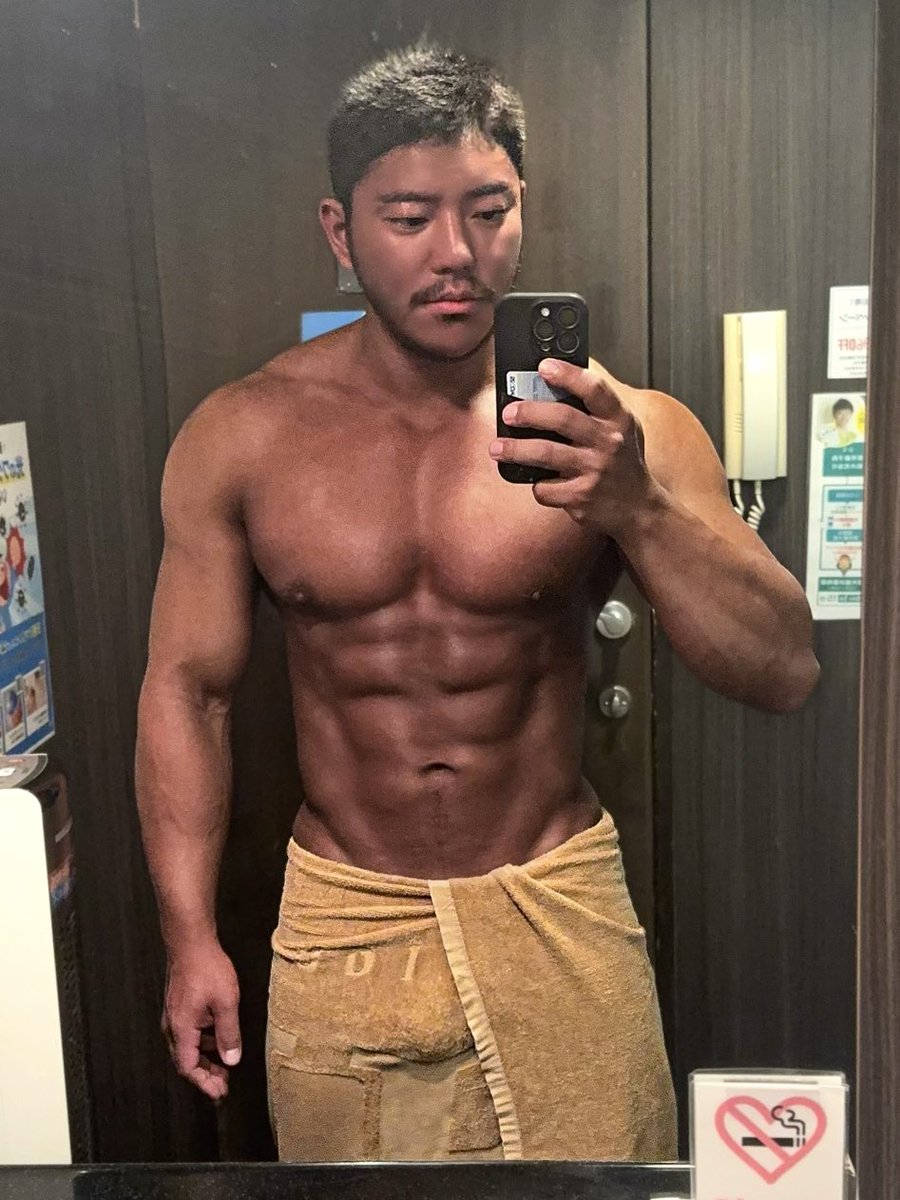
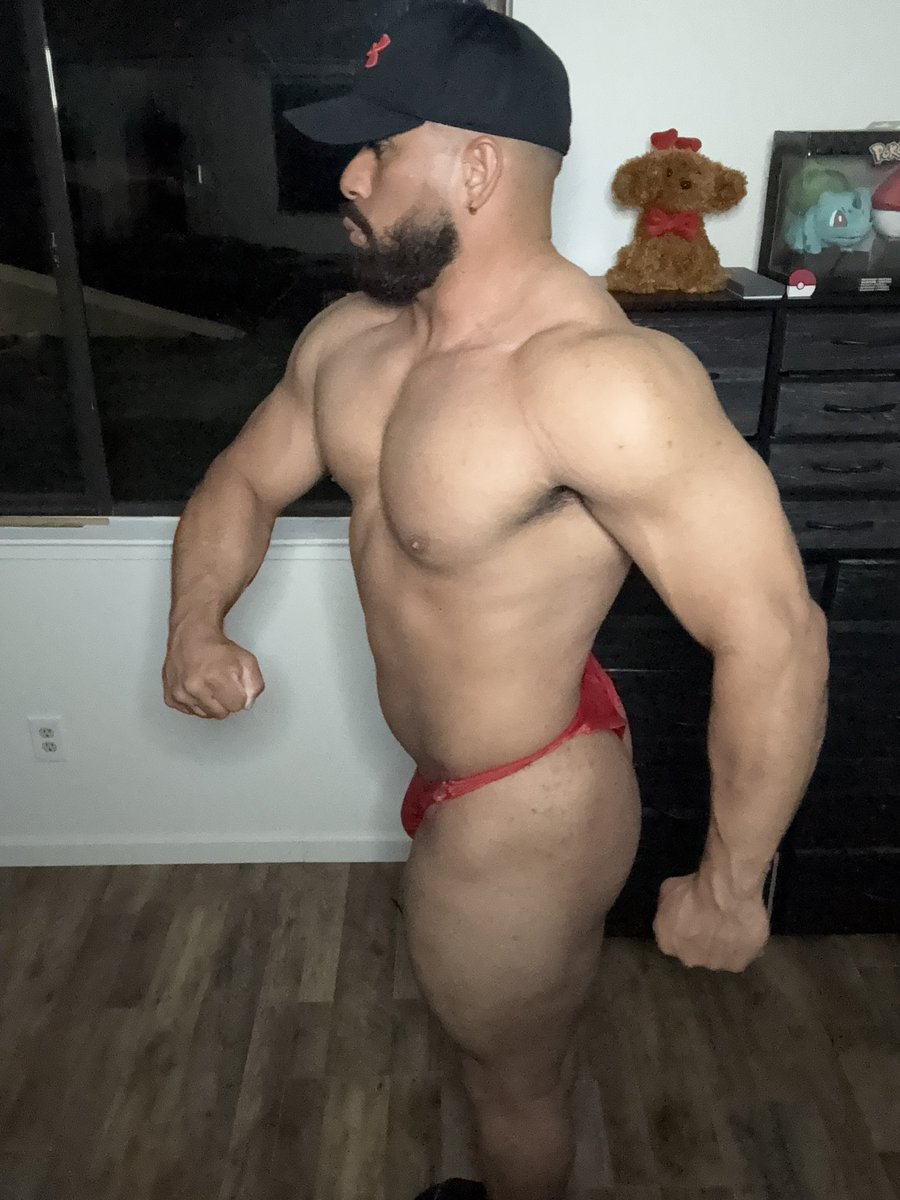
真っ黒🔥
#bodybuilder #physique #classicphysique #fitnessmodel #aestheticphysique
#tanning #contestprep #roadtostage #shredded #leanphysique
#fitgay #gayfitness #gaybodybuilder #musclemodel #fitnessmotivation
#posing #fitspo #stageprep #competitionready #physiquegoals
22
30
649
30,482

Jun 12
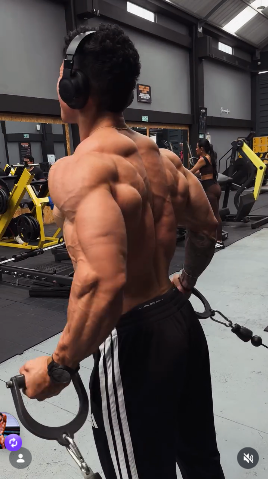
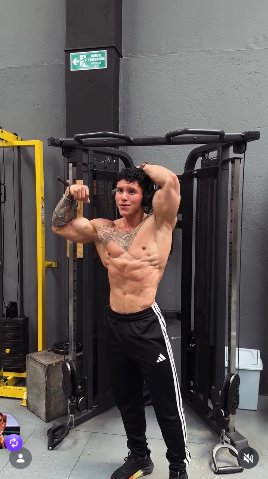
Great physique of josecamargofit 🇨🇴
#bodybuilding #colombia #contestprep
instagram.com/reel/DZdWOG8O1…
#shreds #marcado #espalda #abs
195

Jun 11
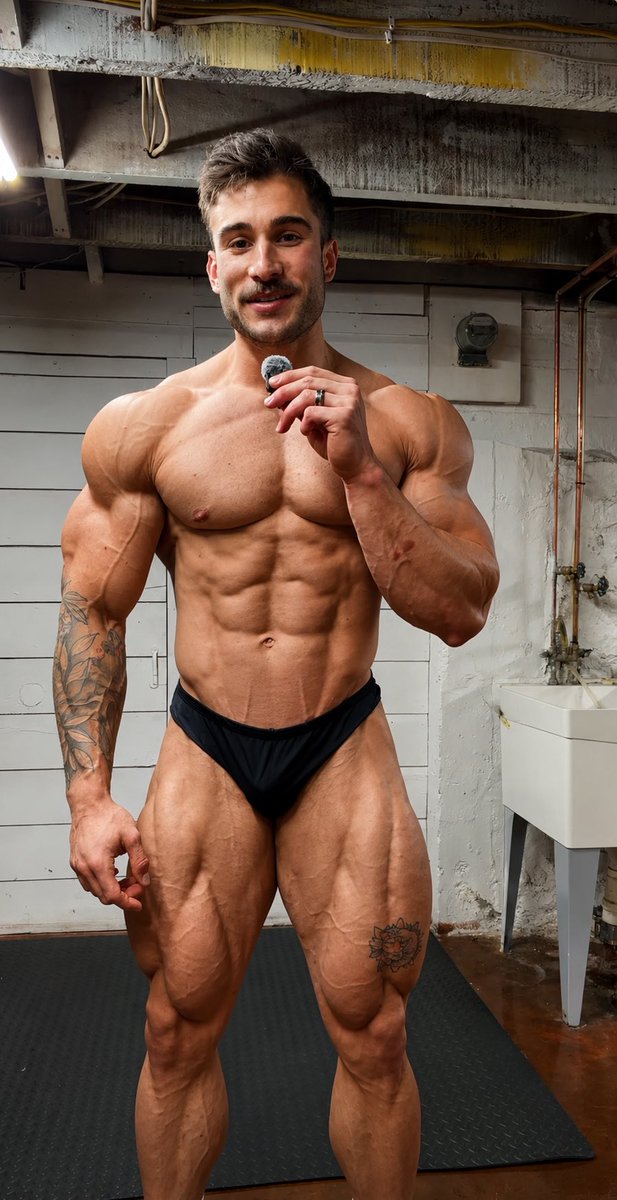
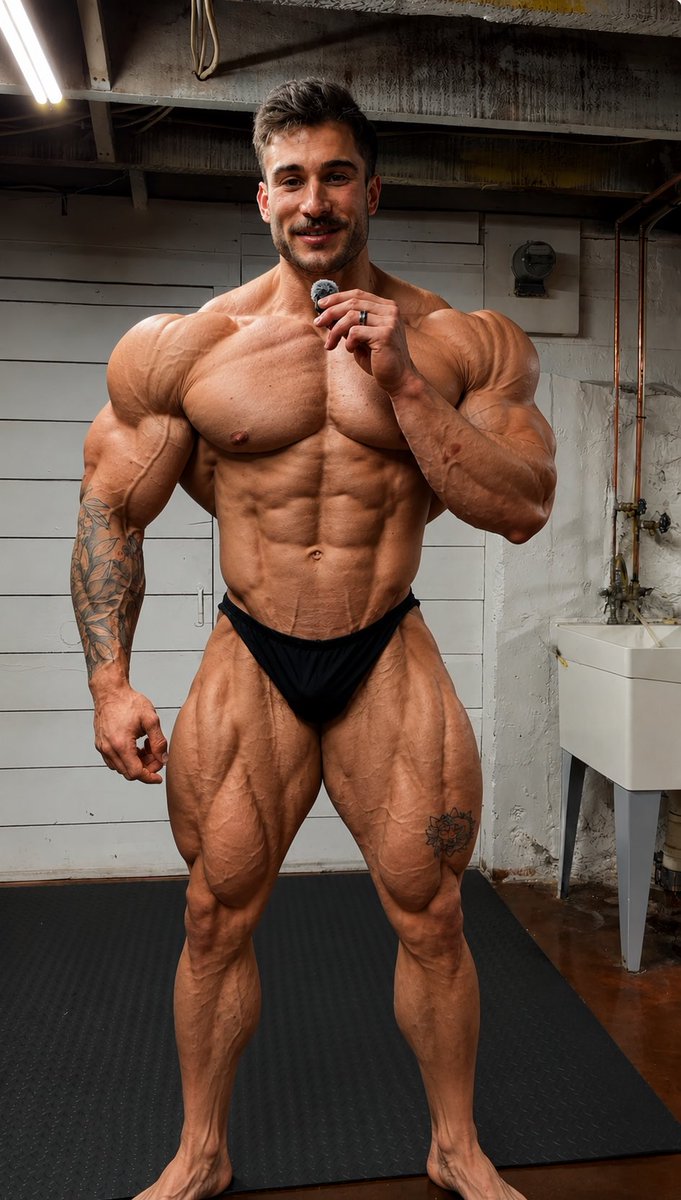
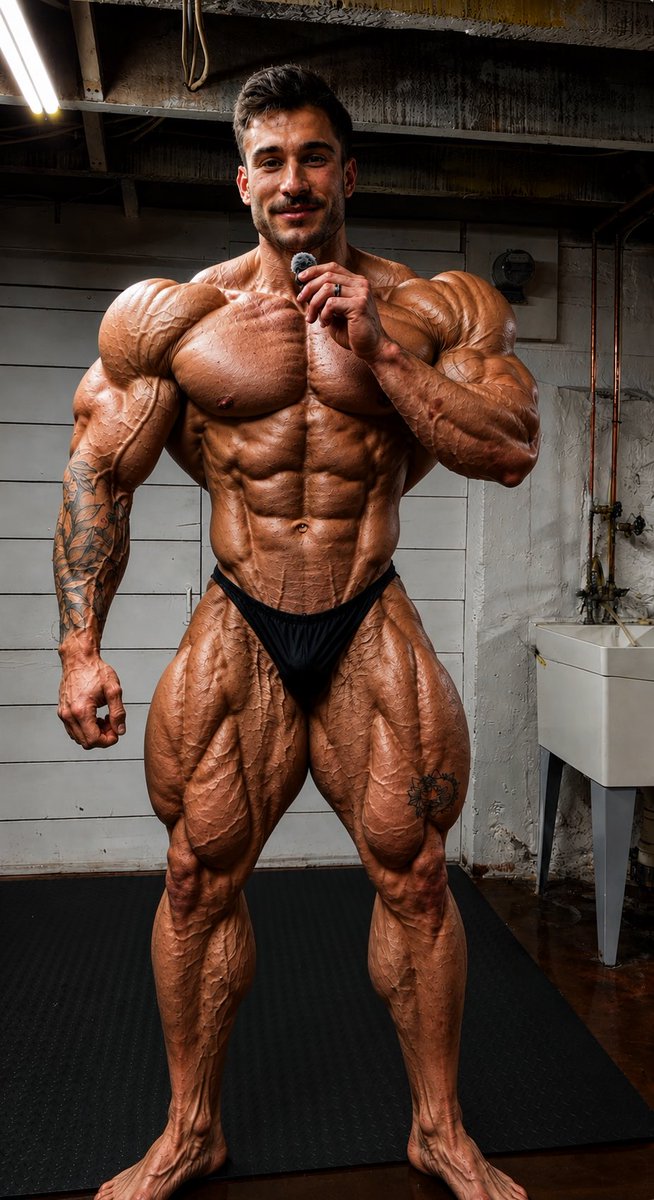
🔥 Which physique do you prefer? 💪👇
1️⃣ Classic Aesthetic 🏛️
2️⃣ Mass Monster 🦍
3️⃣ Final Boss V-Taper 😈⚡
Vote below and tell me why! 👇🔥
#Bodybuilding #ClassicPhysique #MassMonster #VTaper #FinalBoss #GymLife #Fitness #Muscle #Aesthetics #Shredded #Posing #GymMotivation #Bodybuilder #FitnessMotivation #Gainz #TrainHard #FitFam #MuscleGrowth #ContestPrep #BeastMode #NoDaysOff #Strength #Workout #LegendMode
3
5
129
5,209

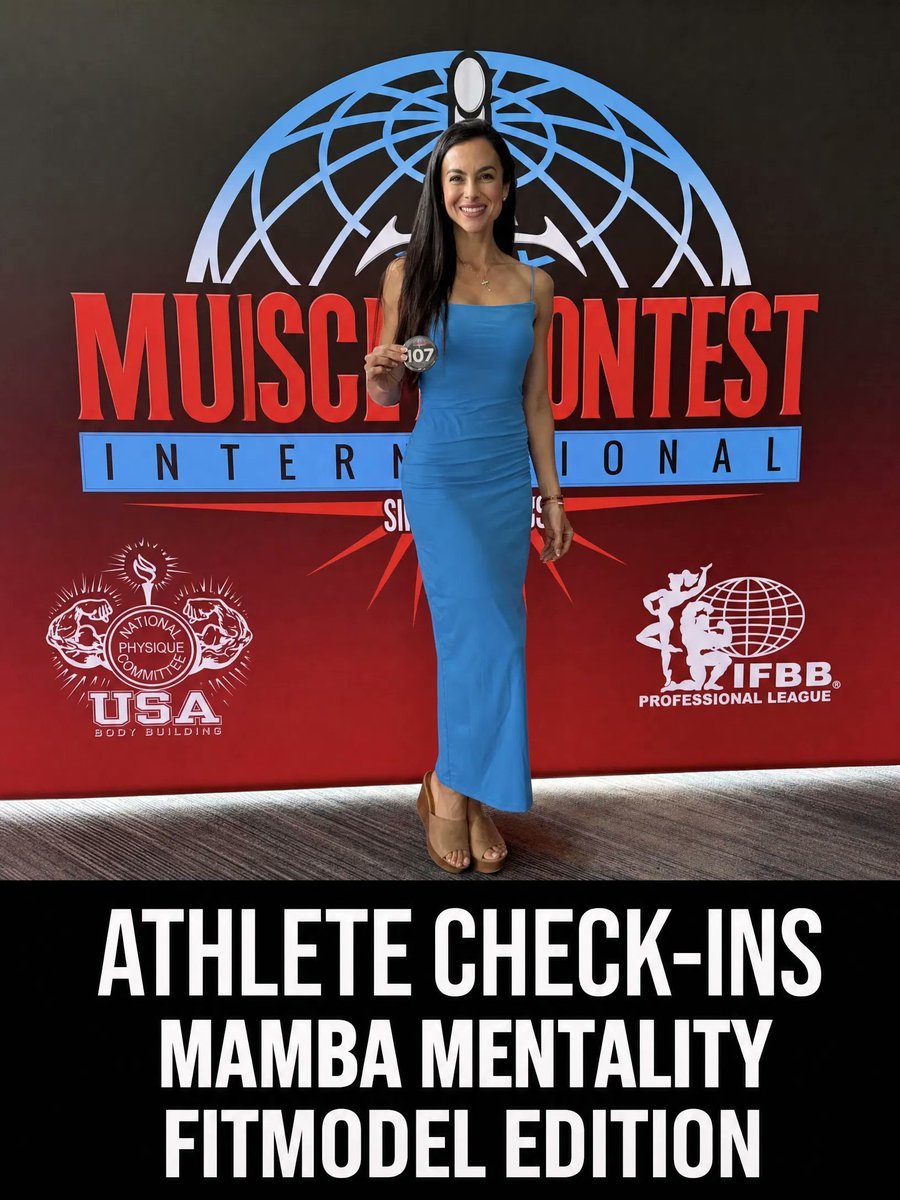
Athlete Check-Ins Mamba Mentality. Fit Model Edition.
You're at check-ins. Everyone is dressed up and beautiful. It can be one of the most intimidating pieces of the process. You can't necessarily tell how jacked anyone is. What you can tell is that everyone is pretty much supermodel gorgeous.
Guess what. You're part of that pack. Welcome to the club.
This is where you have to relieve that pressure and applaud yourself for your efforts. You earned your spot in that room. You didn't just stumble into check-ins by accident. You put in the reps, you managed your diet debt, and you built the physique to get here.
You look around and see all these incredible athletes, and your fight or flight might kick in. Your brain starts telling you that you don't belong, that you missed something in your peak week packet. But bodybuilding is an illusion, and right now, your brain is playing tricks on you. You have to hit the brakes on that negative self-talk.
Think about it like choosing the right golf club to swing for the lie. The lie right now is that you're in a room full of elite competitors, and the club you need to pull out of your bag is absolute, unshakable confidence. You don't need to be arrogant, but you need to be deeply rooted in the work you've done.
When you walk up to that check-in table, you aren't just another number. You are the result of months of hard work. You are ready to show what you've built.
So, look around that room again. Acknowledge the caliber of athletes around you, but then look in the mirror and acknowledge yourself. You belong here. You are the competition.
#MambaMentality #AthleteCheckins #FitModel #NPC #IFBB #ContestPrep #FitModelEdition #Bodybuilding #StageReady #PrepCoach #CompetitorMindset #MuscleContest #PeakWeek #ShowDay #EliteAthlete
25
Jun 10
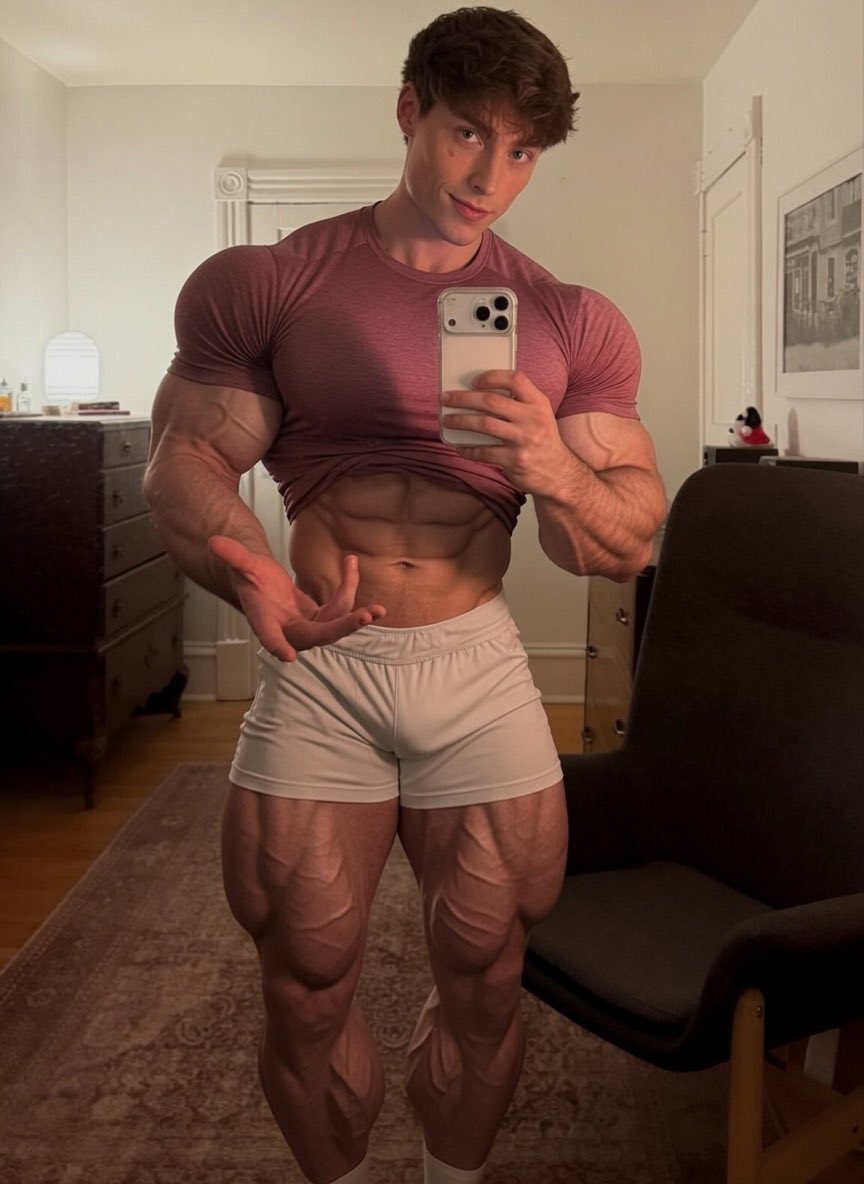
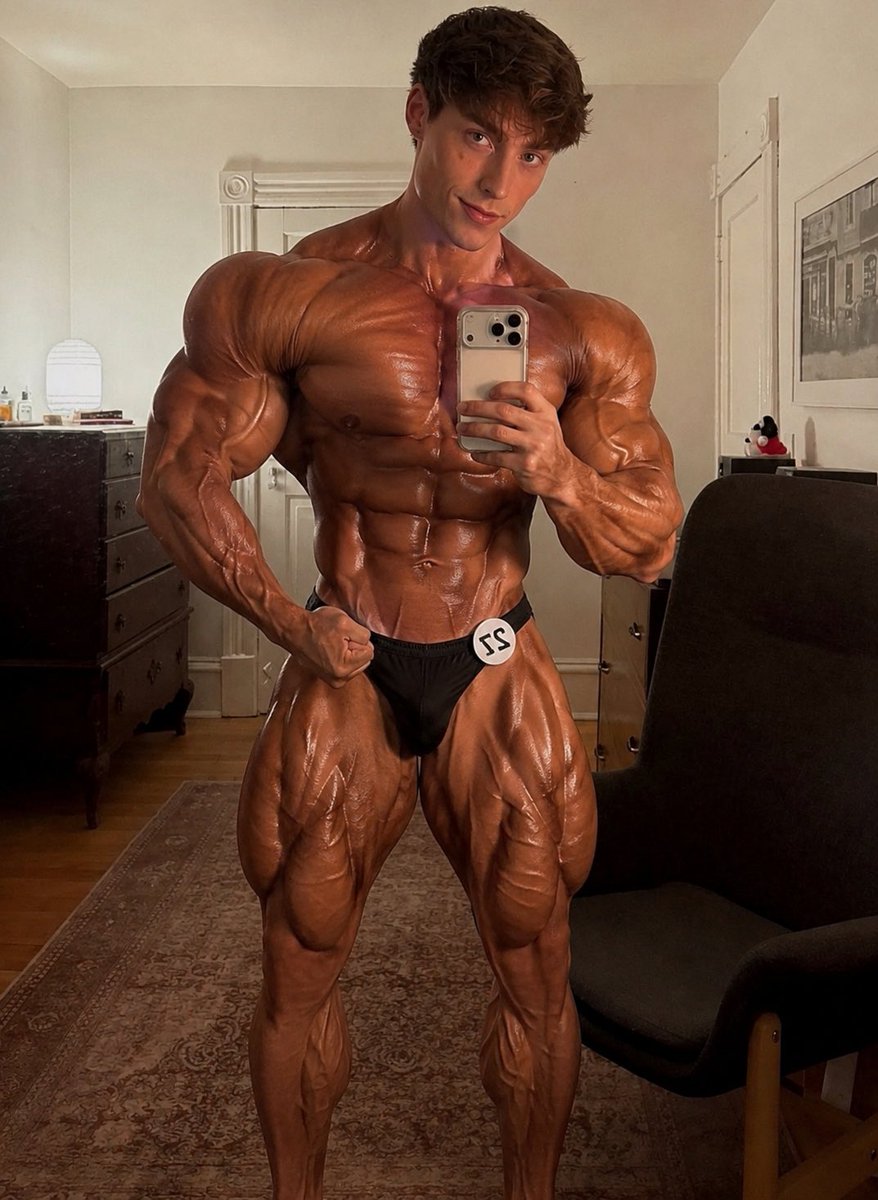
When you’re finally lying in bed… and you already know tomorrow is yours. 😴💪
No doubts.
No fear.
Just confidence built from months of sacrifice, discipline, and hard work.
The battle was won long before the stage. 🏆
#Bodybuilding #MensPhysique #ClassicPhysique #GymLife #FitnessMotivation #TrainHard #NoDaysOff #ChampionMindset #Discipline #HardWorkPaysOff #Aesthetic #Shredded #Muscle #FitnessJourney #ContestPrep #StageReady #WinningMindset #BeastMode #Motivation #DreamBig #NeverQuit #RoadToVictory #GymMotivation #FitLife #SuccessMindset
2
19
430
10,965
May 27
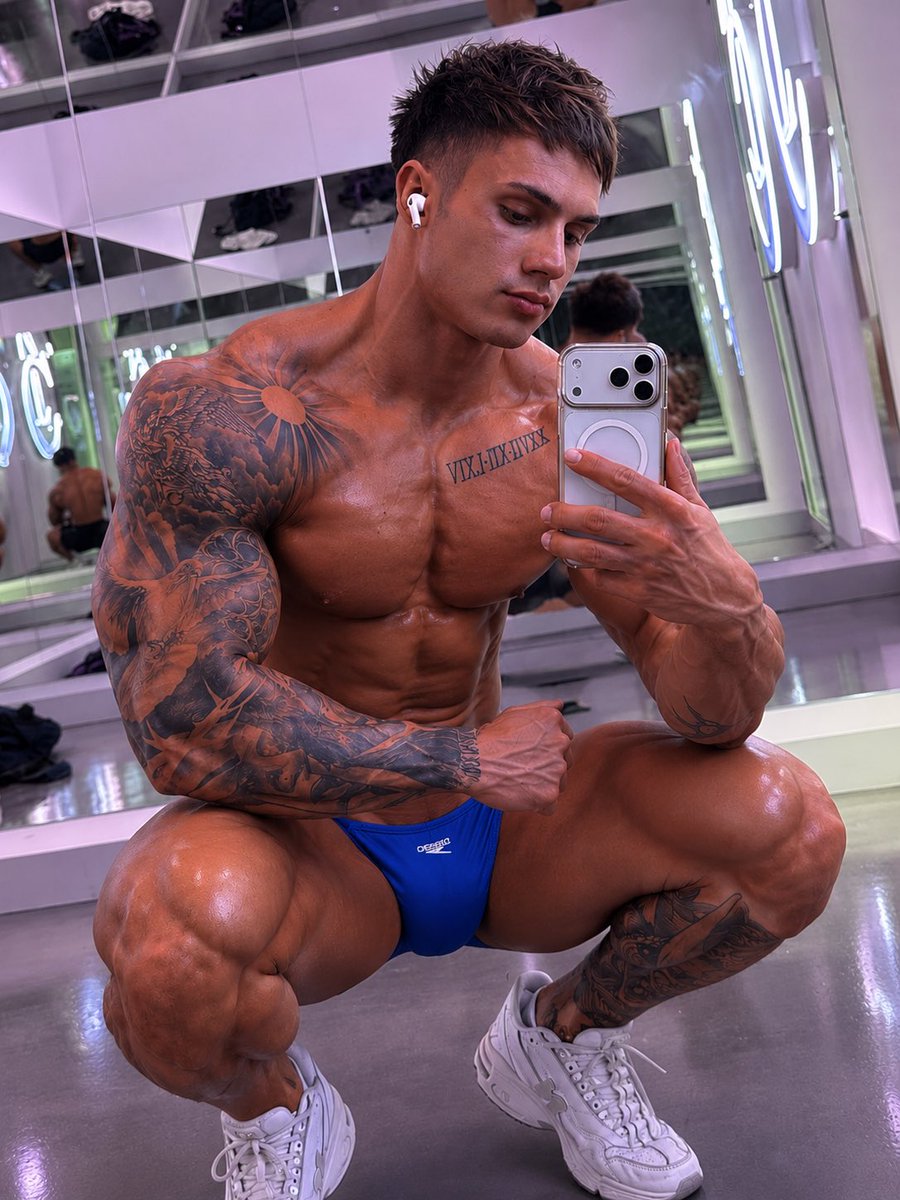
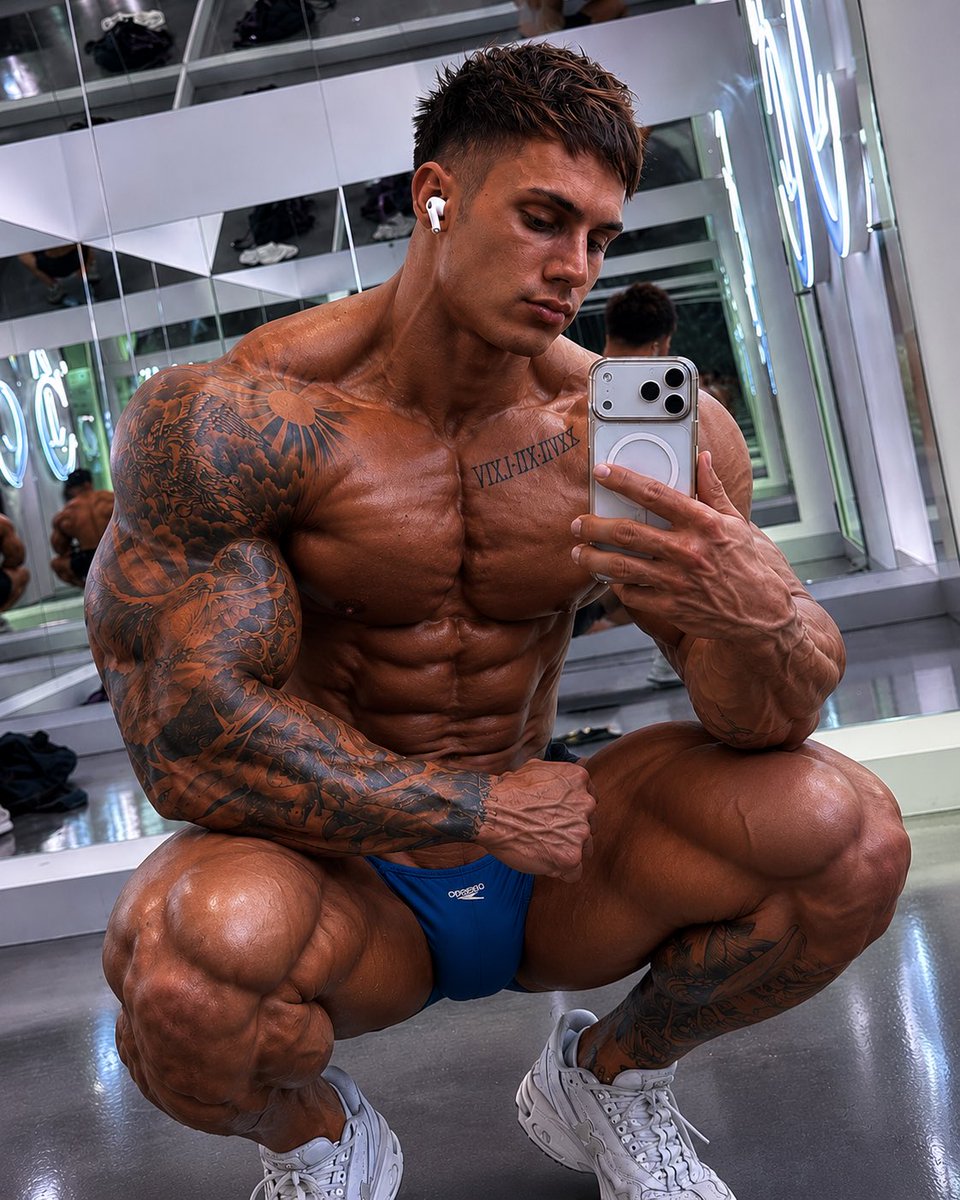
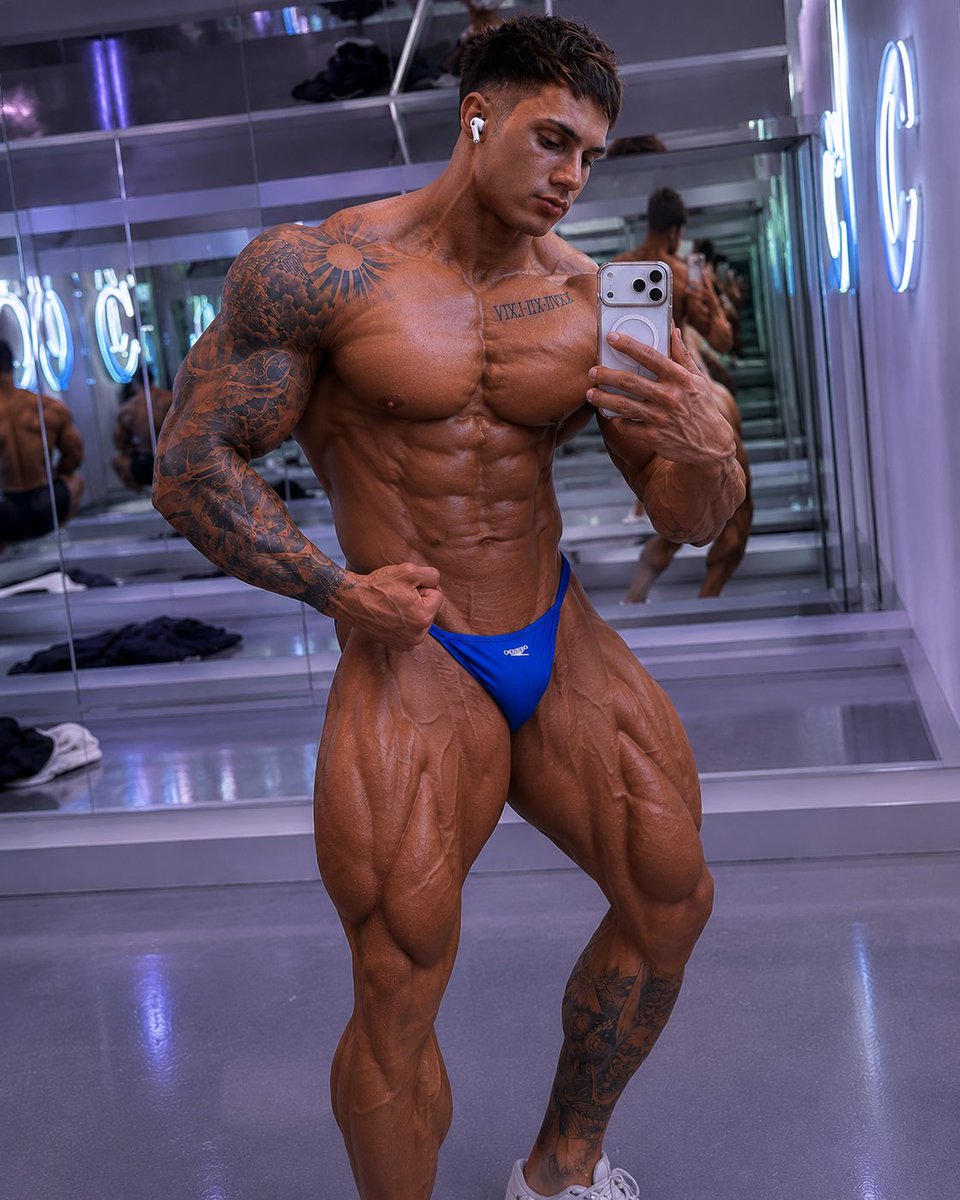
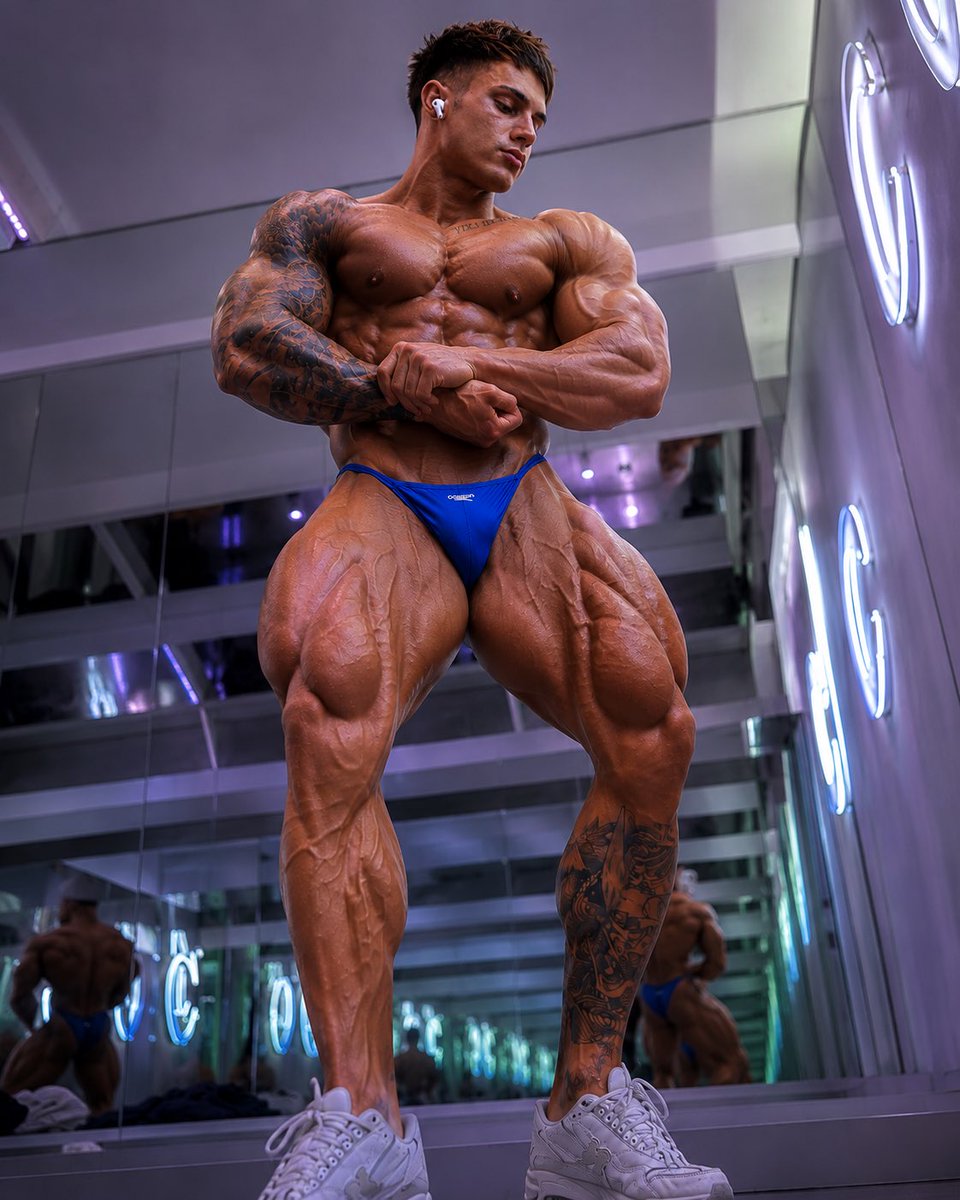
“Think this physique is finally stage-ready… or maybe ready for something else too? 😈🍑💪
Years of pain, discipline, and obsession built this. What do you think — competition prep or trouble? 👀🔥”
#bodybuilding #mensphysique #classicphysique #musclemodel #gymmotivation #fitspo #shredded #aesthetics #gymrat #fitnessjourney #bodygoals #veins #quadzilla #legday #abs #inkedmuscle #tattooed #fitnessaddict #npc #ifbb #contestprep #stagelean #muscular #speedo #alphamale #beastmode #gymselfie #hardworkpaysoff #massmonster #physiqueupdate
1
3
63
2,682

May 25
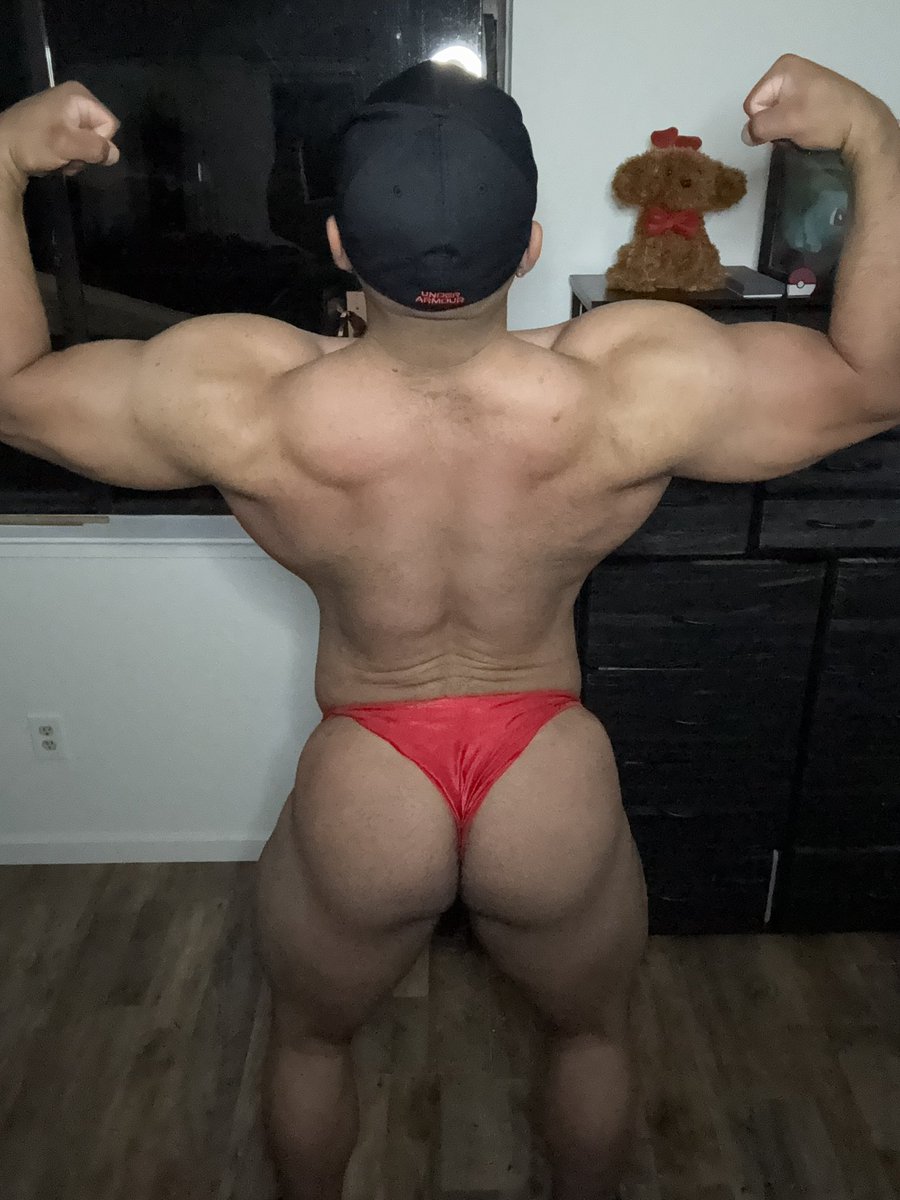
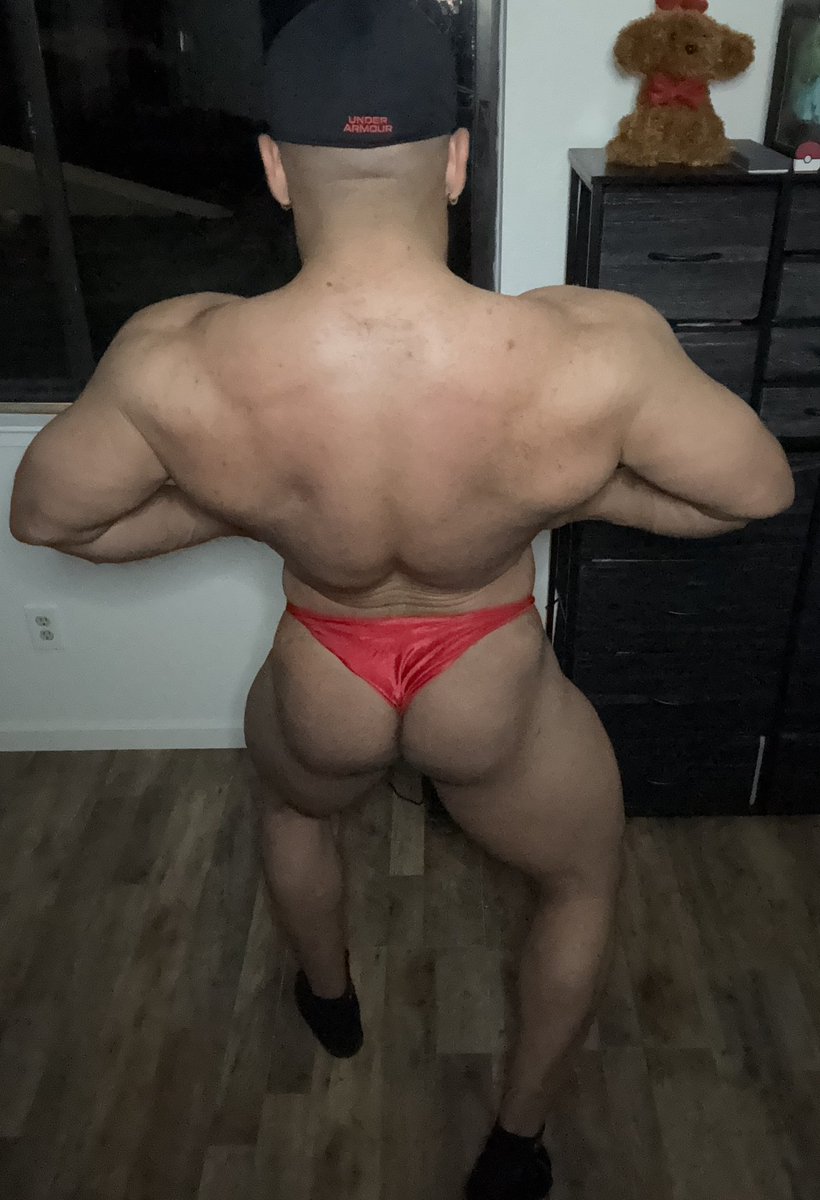
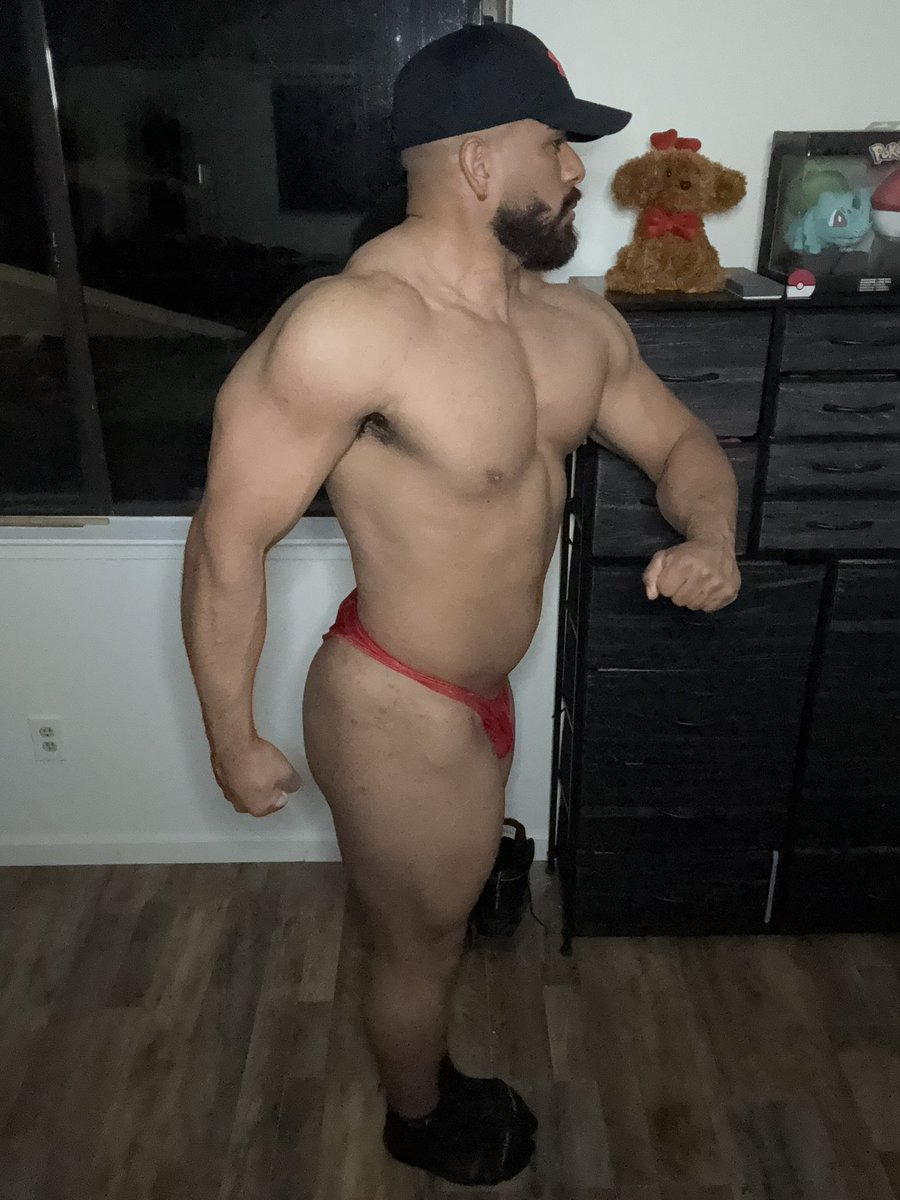
Some say he’s the t-bar row form king 🤷. T-bar rows into Kelso shrugs. Nobody wants to watch 2 inches of scapular retraction so I’ll just show the rows.
Just 1 superset for these. 5 weeks out. Training hard but calories are slashed.
Only “carb sources” are peri-workout. The rest is lean proteins and veggies.
Training day is just over 2,000 calories (including 75 from Fish Oil) and non-training days are sub-1,800 calories.
We’ll refeed as necessary. But we need to DIG DEEP these next 2 weeks.
That dig will HOPEFULLY allow me to get absolutely shredded 3 weeks out so we can feed up into the first show and do a little mock peak after this big depletion.
#bodybuilding #contestprep #classicphysique #firsttimecompetitor #prepupdate
4
4,514

14
18
305
3,243
May 23
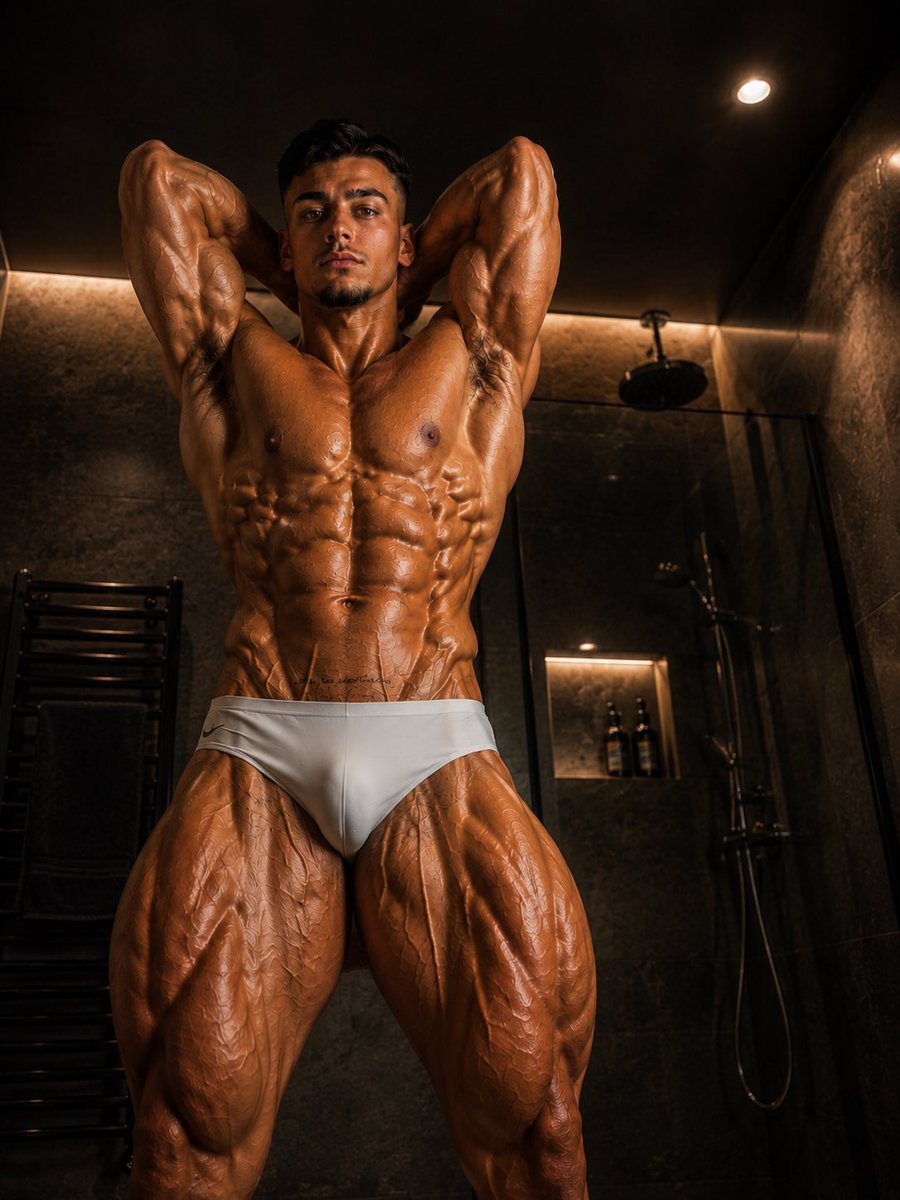
Built different.
Low angle. Dark vibes. Superhero conditioning.
Locked in for greatness. ⚡️🦍
#Bodybuilding #Aesthetics #MensPhysique #ClassicPhysique #Shredded #LeanPhysique #GymMotivation #FitnessModel #Muscle #Abs #Quadzilla #NattyOrNot #GymLife #FitnessAddict #WorkoutMotivation #PhysiqueUpdate #AestheticBody #FitMen #MensFitness #BodyGoals #DarkAesthetic #MoodyVibes #SuperheroPhysique #ContestPrep #FitnessLifestyle #AlphaPhysique #LowAngleShot #Speedo #GymProgress #BeastMode
6
642
May 21
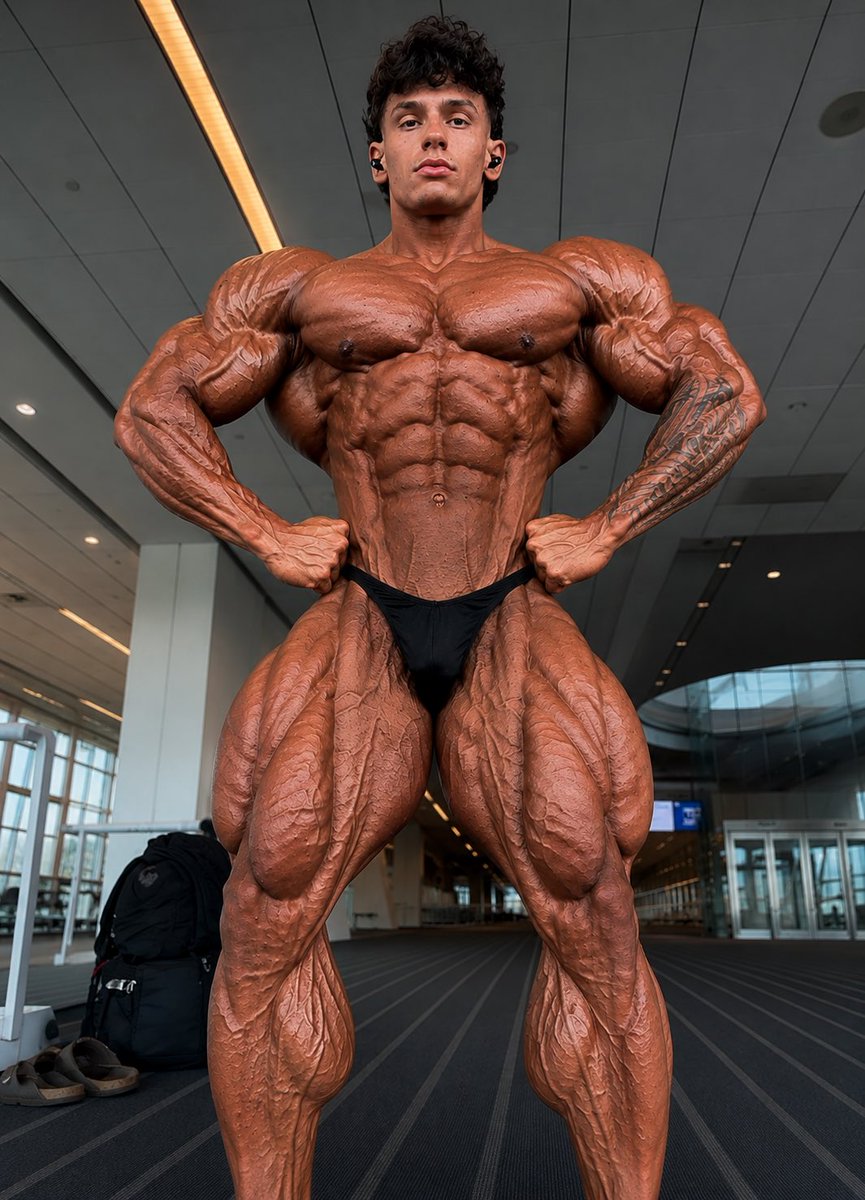
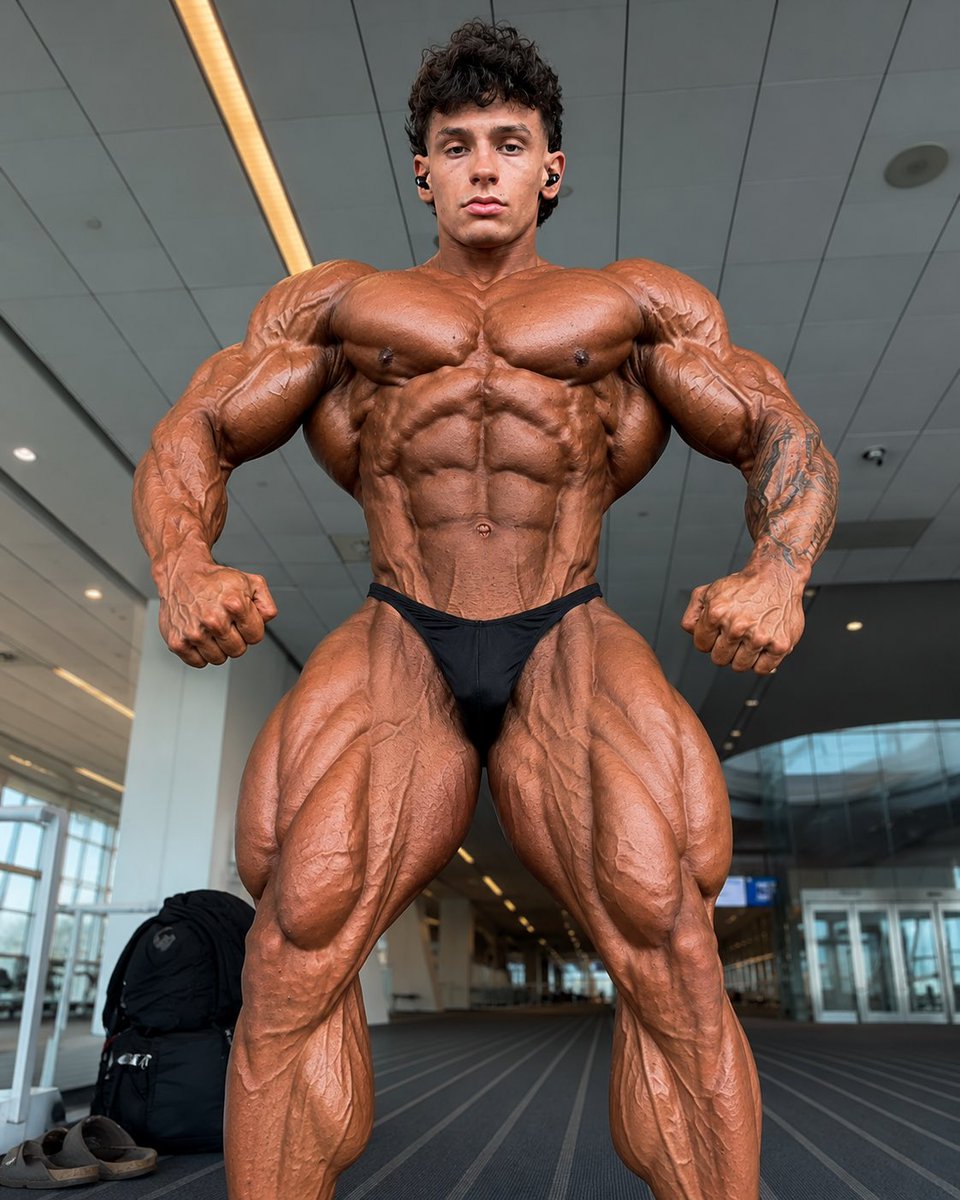
What do you guys think… does this conditioning lock in a 1st place finish 🥇 or should I focus on improving in another area too? 👍💪😌🔥
Final boss mode activated 😤
Tiny waist, full chest, crazy detail… brought my absolute best package.
#bodybuilding #mensphysique #classicphysique #openbodybuilding #gym #fitness #aesthetics #shredded #competitionprep #contestprep #ifbb #npc #muscle #physique #fitnessmotivation #gymlife #bodybuilder #lean #massmonster #vascularity #quadzilla #chestday #fitnessjourney #hardwork #dedication #beastmode #finalboss #stagelean #gymmotivation #roadtoprocard
10
464

May 10
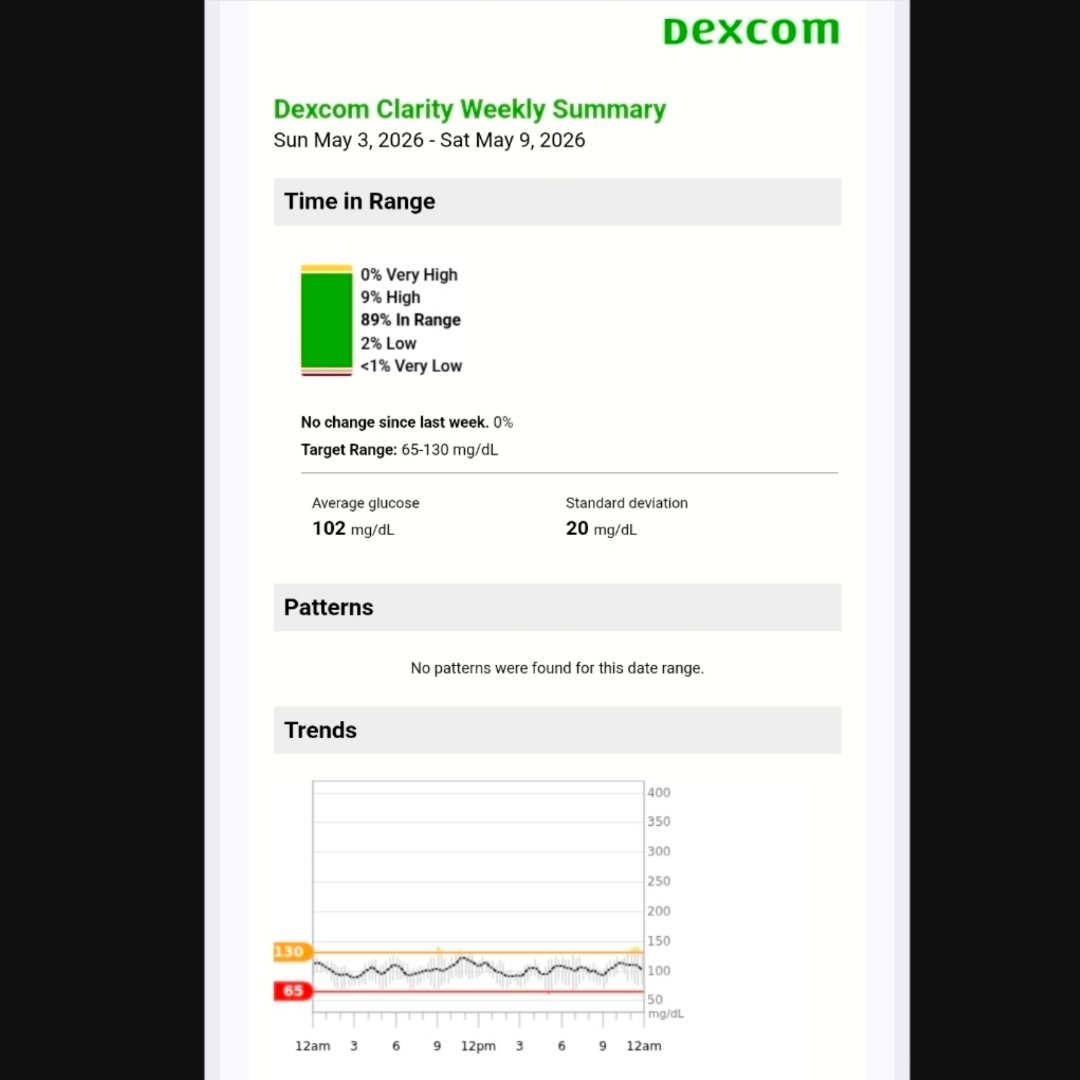
Another great blood sugar week.
As prep wears on it is CRITICAL to maintain normal blood sugars and avoid hypoglycemia as much as possible.
If you get lows in such a depleted state the hunger is unparalleled and you will not be able to resist stuffing your face with everything in the fridge.
Adherence will vanish, and you can easily undo a day or two of hard work turning into a bloated water balloon the next day and 10lbs up on the scale.
I remember last season I suffered immensely with night time chronic moderate lows that made sleep miserable.
#t1d
#contestprep
2
10
587
Apr 21
I’ve found in my quest to get truly shredded that #satiety is the *whole* game. If you can control hunger, you can control the deficit.
1. The biggest lever for me right now is pushing protein extremely high, like ≥60% of my calories. At that level, calories almost regulate themselves because satiety per calorie is insane. I'm keeping carbs low, and fats at a bare minimum to cover basic requirements.
I’m basically just rotating through lean protein sources like egg whites, chicken breast, white fish, FF Greek yogurt, London broil, and hydrolyzed whey.
On training days I keep carbs with my intra-workout (HBCD and dextrose) so I can still train hard and maintain output.
2. Another big lever is shifting calories later in the day.
My biggest issue in a deep deficit is getting wrecked by hunger at night and having it mess with my sleep. So instead of spreading calories evenly, I push a lot of them into that 6–9pm window. That alone has made a huge difference in not waking up starving.
I’ll usually have a piece of fruit before bed too. That small glucose bump seems to help me sleep better and stay down through the night, which is huge when recovery is already compromised.
3. I find that fiber is also massively underrated for satiety. One of my go-to meals right now is FF Greek yogurt mixed with psyllium husk, stevia, and cinnamon. It’s super low calorie, high volume, slows digestion, and keeps me full for hours.
4. I am also doing a carb refeed which has been helping. I’ll run 5-6 really hard low calorie, high protein days, then take one day slightly above maintenance and push carbs as high as I can while keeping fat low.
Last refeed I put down around 800g of carbs and it completely reset me. Glycogen gets restored, training performance jumps, stress drops, and mentally you feel like a different person. Then it’s right back into the deficit 😱
I have learned that carb cycling itself isn’t magic for fat loss, the deficit is what drives that. But using carbs strategically like this helps preserve performance, manage fatigue (which really needs to be managed during prep).
After 5-6 low days you’re depleted, cortisol is higher, performance is dropping, NEAT starts to fall, sleep suffers. The high carb day refills glycogen, brings training output back, and helps stabilize that downward metabolic pressure so you can keep pushing the deficit the rest of the week.
Workout volume has had to be slashed so I don't dig myself into a recovery hole due to the low calories. Name of the game now is not growth but maintaining what I've built during the off-season.
None of this is sustainable but it is VERY effective for getting the fat off.
#t1d
#contestprep
#fatloss
7
3
35
4,858
Apr 18
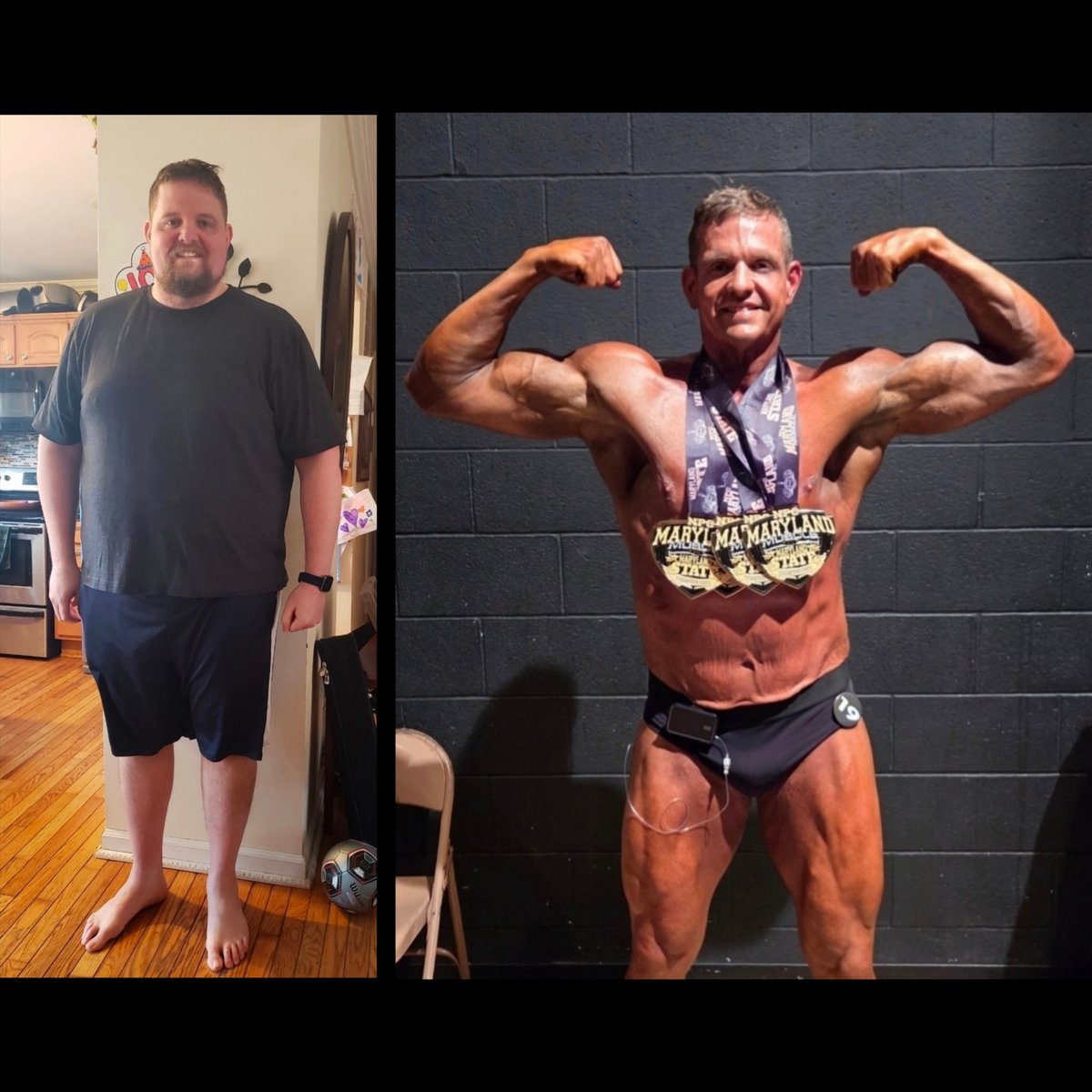
When I started getting healthy ~5 years ago, I wasn’t trying to be a bodybuilder. I just wanted to lose weight and feel… normal.
I was tired of being the fat guy my whole life.
My Type 1 diabetes was out of control and wiping me out physically, mentally, and emotionally.
Then one day I decided to change for good. The old Mike was done.
Somewhere along the way, I fell in love with the process of training and nutrition. It became part of who I am.
What started as white knuckle willpower turned into ironclad discipline.
In the process, I got my T1D under control. Consistent sub-5% A1Cs. No more rollercoaster blood sugars. No more debilitating hypoglycemic seizures...
People think T1D makes this impossible. It doesn’t. If anything, it forces you to be more precise, more consistent, more accountable.
T1Ds with grit make great bodybuilders. We’re already students of our own metabolism. We understand how insulin, food, and training all interact and we live it every day.
Can't wait to take the stage again this year and show how I've grown as a competitor, as a T1D, and as a person.
#type1diabetes #t1d #npc #bodybuilding #fitnessjourney #contestprep
19
9
113
10,798
Mar 29
1
17
519

Rusty Jeffers - Tips & Tricks, ARMS
#rustyjeffers #bodybuilding #classicbodybuilding #master #gym #posing #practice #posingcoach #classic #model #mostmuscular #moustache #fitover50 #showprep #oldschool #contestprep
instagram.com/reel/DViwhliAA…
1
1
3
621
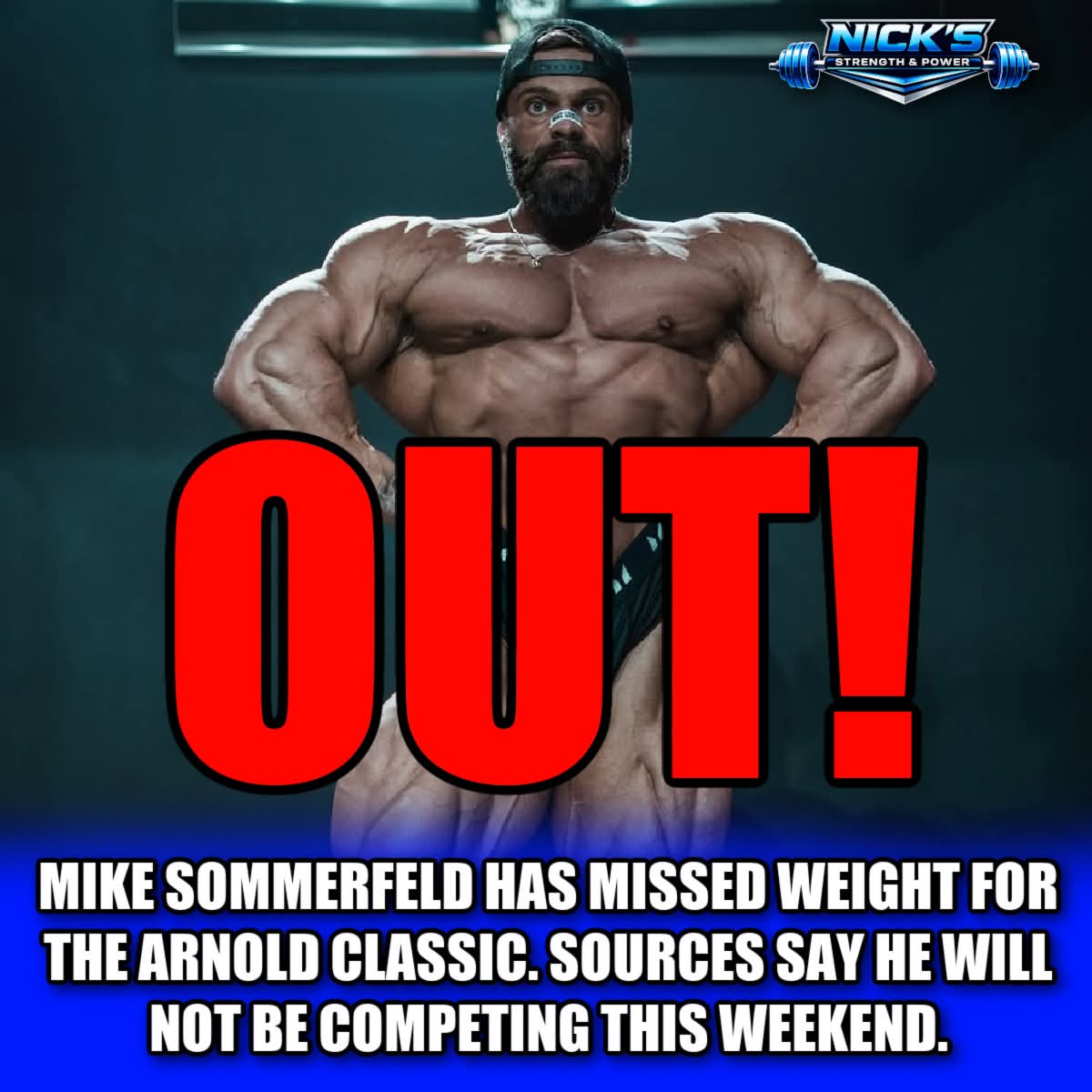
Unbelievable! He missed weight by 6lbs! Was a favorite to win.
#ArnoldClassic
#ClassicPhysique
#IFBBPro
#NPCNews
#BodybuildingNews
#ContestPrep
#MikeSommerfeld
6
7
1,363
Feb 15
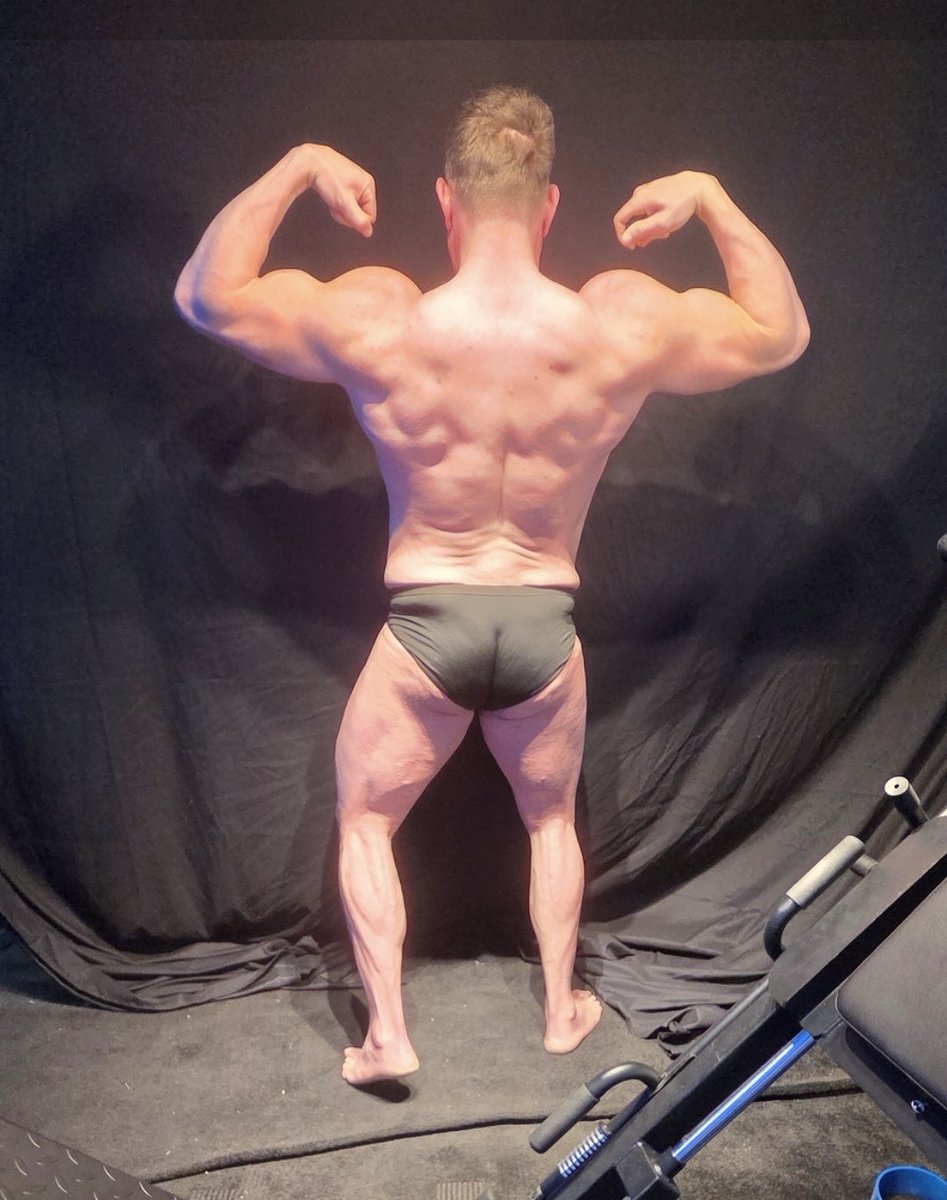
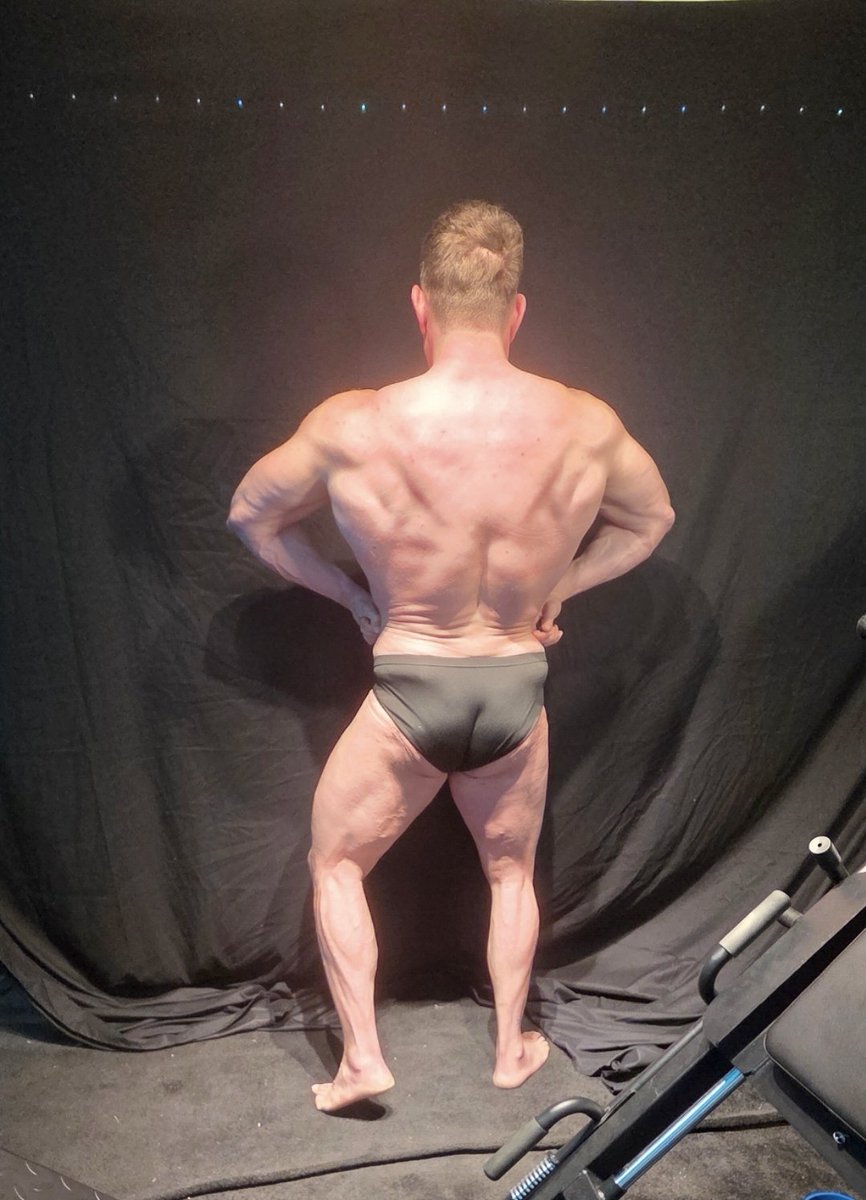
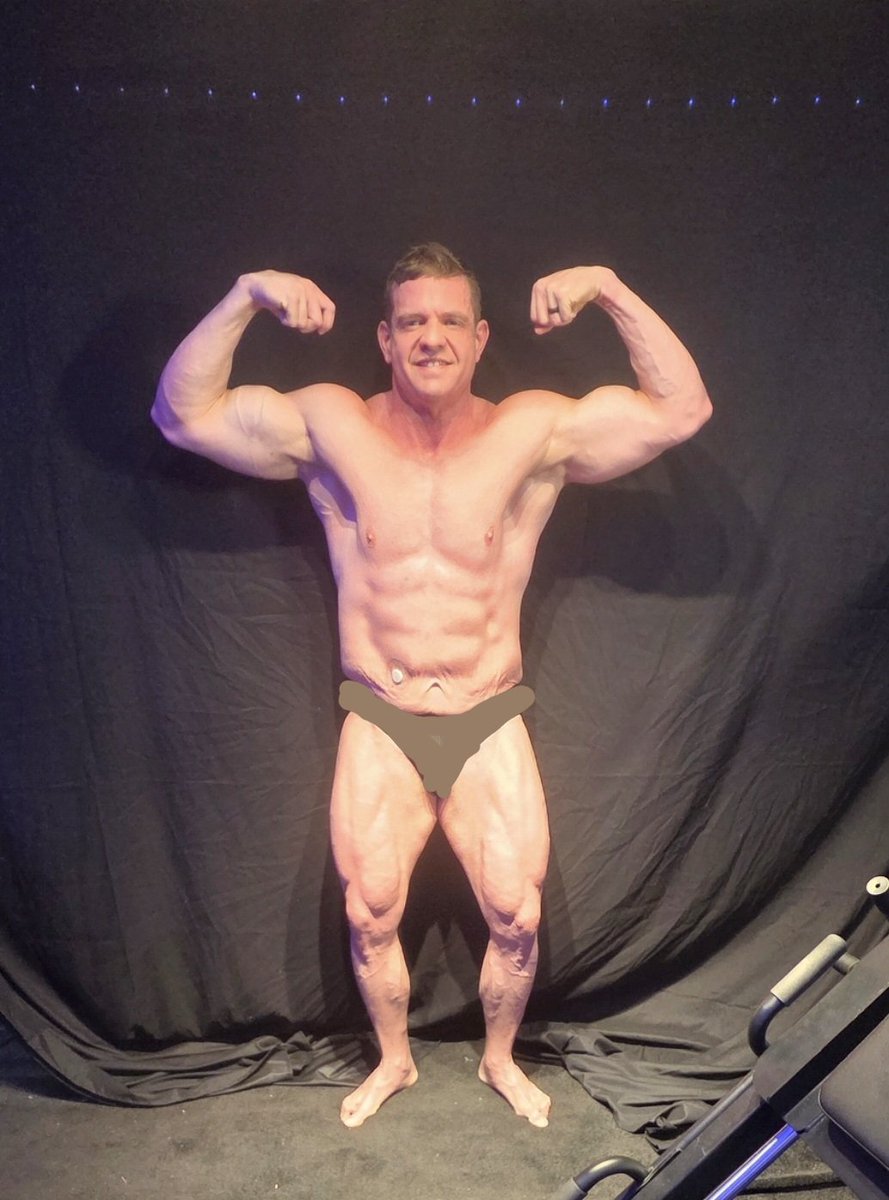
Weekly check in for the coach 💪
255lbs, 132 days out.
Had a great week of blood sugars! I'm at about half the insulin dose (~45u/day) I was at merely a month or two ago because of the low calories and increased cardio. By the end of prep I fully expect to be ~20u a day as I get more depleted.
#bodybuilding
#contestprep
#t1d
2
9
506