
Jun 12
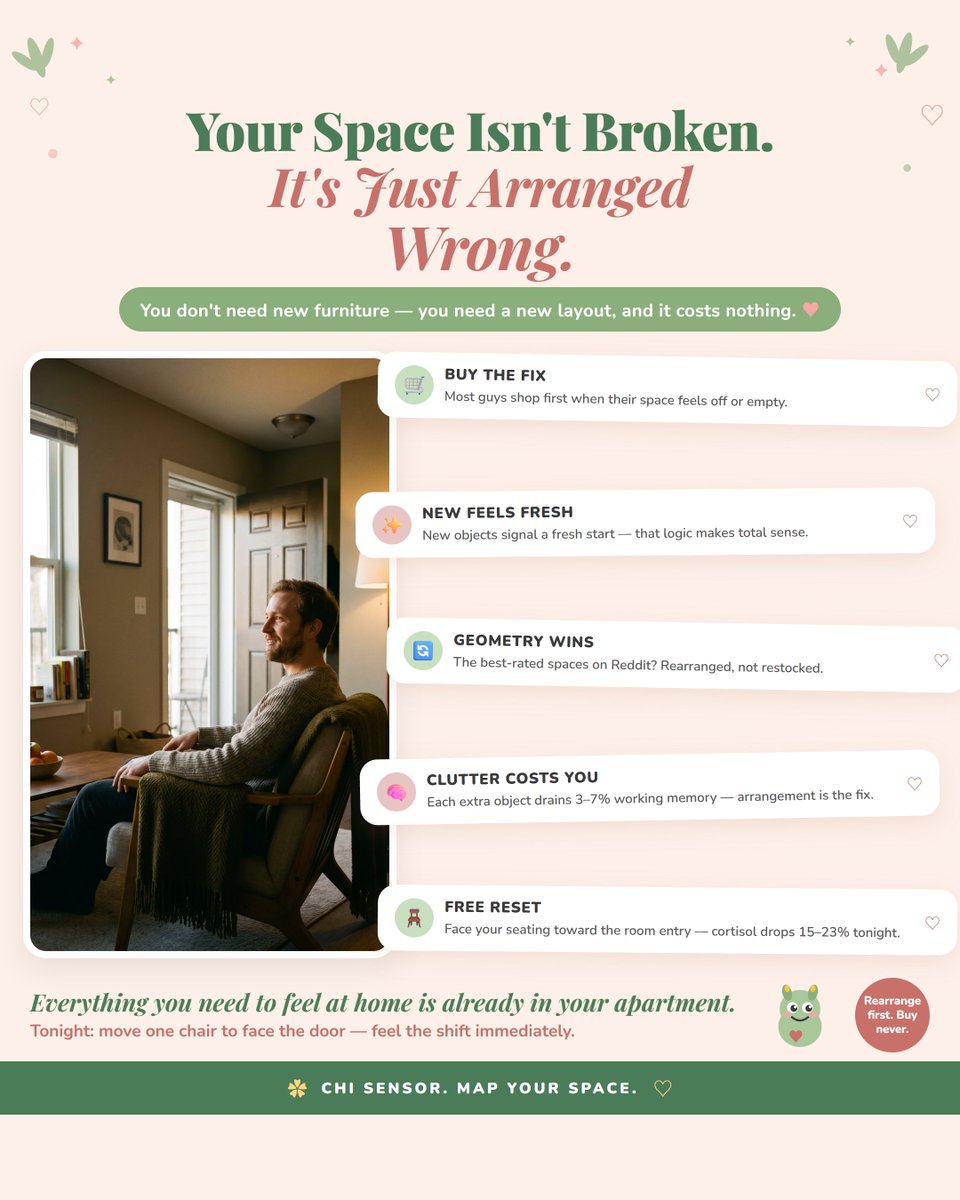
Stop impulse-buying decor. Your apartment isn’t broken; your layout is. Clutter secretly drains your working memory.
Tonight’s $0 reset: Move your chair to face the entry.
Stop shopping. Start shifting.
#SmallSpaceLiving #NoSpend #ApartmentTherapy #CortisolControl #Wellness
5

Jun 10
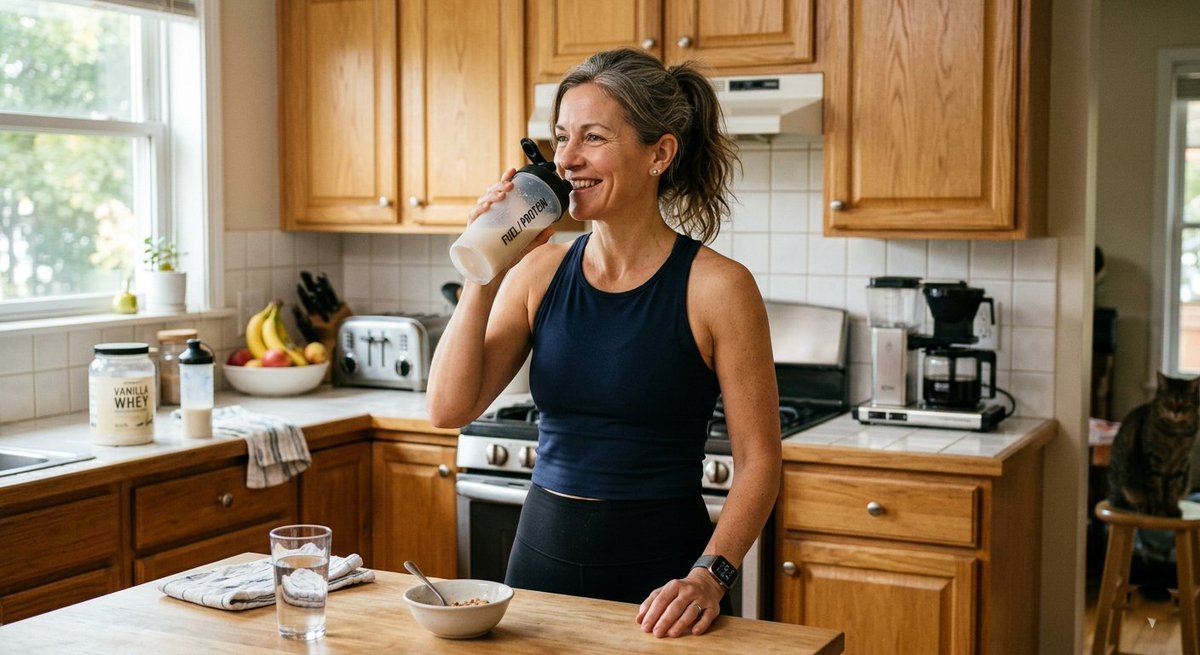
Cardio before breakfast spikes cortisol (stress hormone) dramatically. For midlife women, this often triggers muscle breakdown rather than fat burning. Eat a little something first, then move. Your body needs safety, not another stressor.
#Over40Fitness #CortisolControl #WomensFitness
1
7
36
1,173

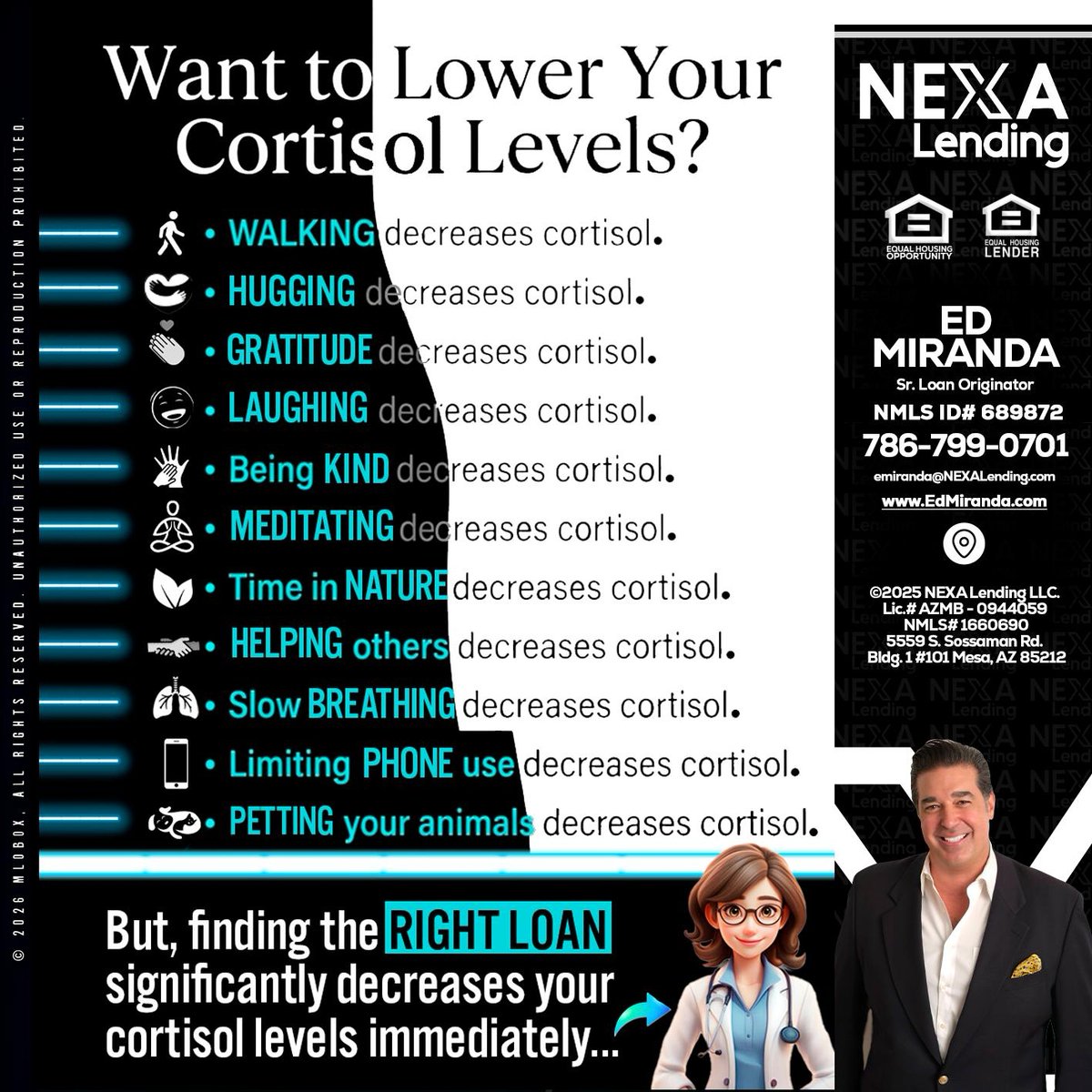
Feeling stressed? 🌱 Discover simple ways to lower cortisol: walk, laugh, hug, and more! Plus, finding the RIGHT loan can ease your mind instantly. Let’s lower those stress levels! 💪 #StressRelief #MentalHealth #CortisolControl #edyourlender
1
2
12

Apr 12
Love this list! Salmon & nuts for omega-3s magnesium calm cortisol best. Ashwagandha has strongest evidence—studies show ~23% drop in levels. Add dark chocolate & berries for antioxidants. Stress-proof your plate! #CortisolControl
#medX
2
4
424
Apr 11
Cardio before breakfast spikes cortisol (stress hormone) dramatically. For midlife women, this often triggers muscle breakdown rather than fat burning. Eat first, then move. Your body needs safety, not another stressor.
#FatLossOver40 #CortisolControl #MidlifeFitness

1
8
33
1,611

Apr 1
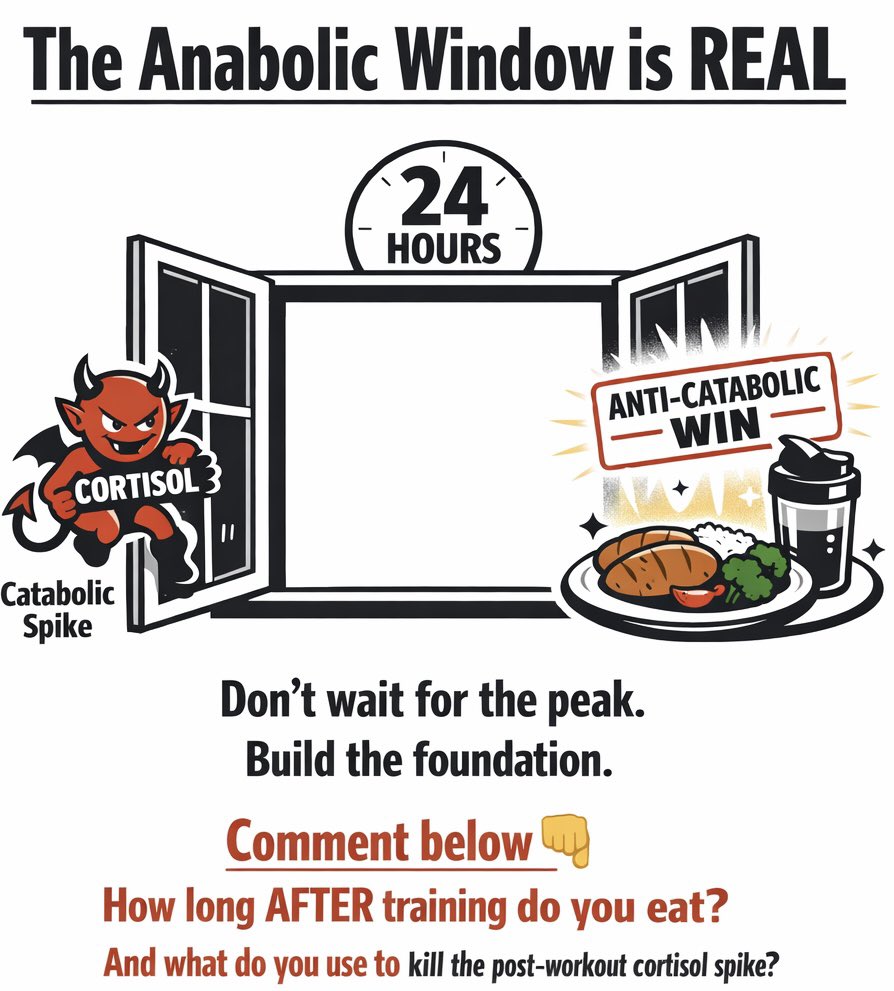
Don’t dismiss the Post-Workout „ANABOLIC WINDOW” just because the supplement industry oversold it.
It still works — just not the way most people thought.
The “Anabolic Window” is not the peak. It’s called „window” not a GATE 😁😉
It creates the foundation for the actual peak that hits ~24 hours later.
Most “research-based” people now throw the whole concept out.
Big mistake. Looking at biology through a straw is dangerous — you miss what’s coming from above.
Muscle Protein Synthesis (and collagen synthesis) does peak around 24h post-workout.
But that peak is only as big as the buildup you create in the preceding hours.
You don’t skip warmup and expect your best lift 30 minutes later.
Same with protein synthesis — it needs the right food and rest throughout those 24 hours.
Meanwhile, Muscle Protein Breakdown cortisol start stabbing you in the back immediately after training (especially if fasted).
Wait too long and you stay in net negative balance all day… then there is no peak, only a plateau.
Call it an ANTI-CATABOLIC WIN-dow if you prefer.
Biology rewards both sides of the equation.
Question for you:
How long after training do you eat, and what do you have to kill the post-workout cortisol spike?
#AnabolicWindow #MuscleProteinSynthesis #PostWorkoutNutrition #CortisolControl #TrainingScience
2
8
340

The Protein Math Fallacy: Why Volume Doesn't Matter Without Cortisol Control
We debunk the one gram of protein per pound of body weight myth and explain why protein synthesis is about quality, not quantity. We discuss how high cortisol closes your synthesis gate, making excess protein wasteful regardless of intake. We reveal the real math behind building an elite physique by focusing on ratios and metabolic optimization rather than volume.
#ProteinMyth #FitnessScience #CortisolControl #ProteinSynthesis #MetabolicHealth #FitnessMarketing #MuscleBuilding #ProteinRatio #ElitePhysique #FitnessTruth #BodyComposition #NutritionScience #FitnessEducation #MuscleMass #HealthOptimization
2
100
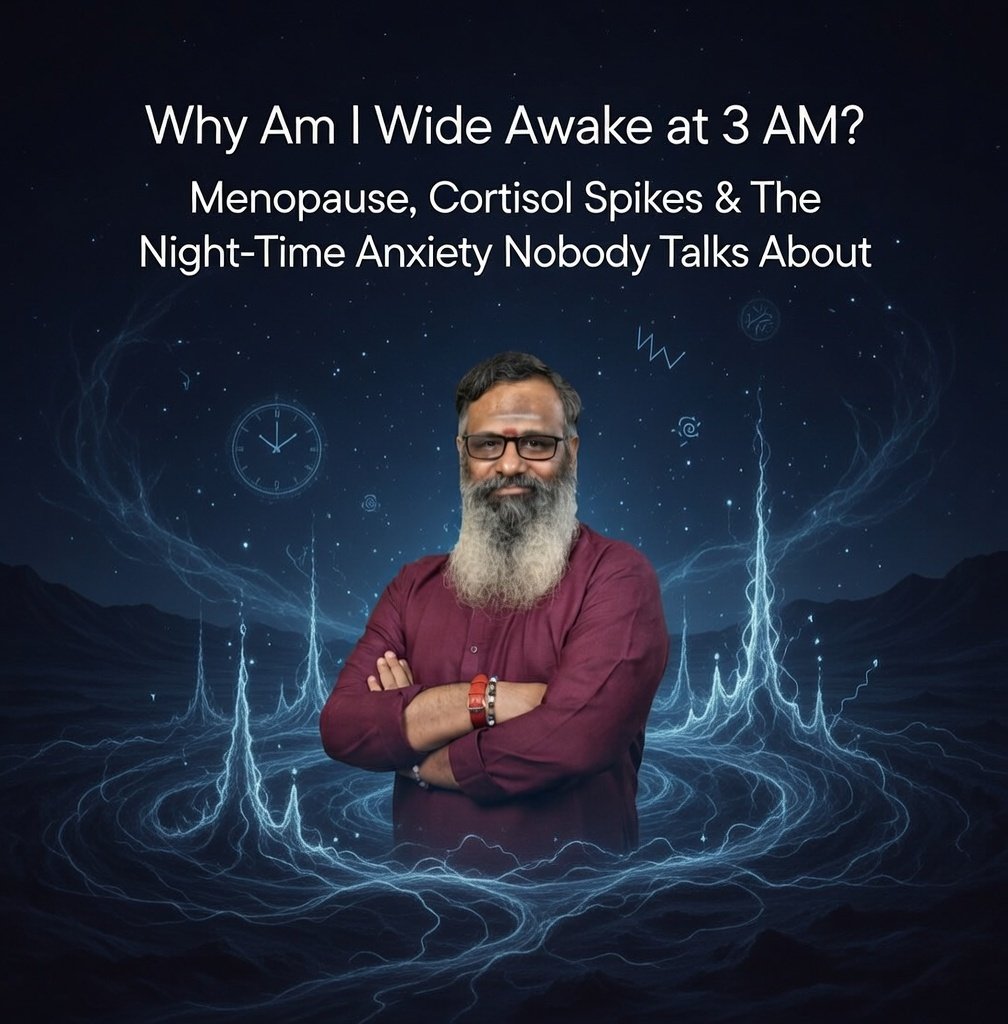
Why Am I Wide Awake at 3 AM? - Menopause, Cortisol Spikes & The Night-Time Anxiety Nobody Talks About
One of the most common whispers I hear from women in their 40s and 50s is this:
Guruji… I fall asleep… but I wake up at 3 AM. Wide awake. Heart racing. Mind overthinking.
Let me tell you gently — this is not random. And it is not weakness.
During menopause, estrogen and progesterone decline. These hormones do more than regulate cycles — they help stabilize the nervous system and keep cortisol (your stress hormone) in balance.
When estrogen drops, the body becomes more sensitive to stress.
Cortisol may spike in the early morning hours.
Blood sugar may fluctuate.
The brain shifts into alert mode.
So at 3 AM, instead of deep rest, you get:
• Racing thoughts
• Sudden anxiety
• Old memories resurfacing
• Fear without reason
From a modern view, this is neuro-endocrine instability.
From Ayurveda, this is aggravated Vata disturbing the mind and Pitta activating at night.
But my dear sisters — your body is not broken. It is recalibrating.
This phase demands rhythm and grounding.
What helps?
🌅 Morning sunlight within 20 minutes of waking — resets circadian rhythm.
🥗 Stable meals — avoid late heavy dinners and excess sugar.
🧘 Slow breathing before bed — calm the vagus nerve.
🪔 Warm oil massage on feet — anchors Vata energy.
📵 Reduce screen exposure at night — protect melatonin.
Most importantly — do not panic at 3 AM.
If you wake up, breathe slowly. Place your hand on your heart. Remind yourself:
This is a transition. My body is learning a new rhythm.
Menopause is not insomnia.
It is hormonal rewiring.
Support the rhythm. Respect the shift.
The nights will settle when you nurture the system.
With calm and strength,
Wellness Guruji Dr Gowthaman
Disease Reversal and Detox Guide
Shree Varma Ayurveda Hospitals
9500946628
shreevarma.online
#MenopauseWellness #SleepHealth #HormonalBalance #WomenOver40 #CortisolControl #AyurvedaHealing #MidlifeHealth #WellnessGuruji
2
33
NATURE’S SIGNAL AMIDST THE NOISE—ARTIFICIAL LIGHT OF SOCIETY
The noise makes you fat, diabetic and mentally exhausted!!!
Morning sunrise rich in blue light
→ Triggers sympathetic nervous system activation
→ Wake up, focus, fight or flight, pursue your goals and needs
Evening sunlight dominated by red/orange light
→ Promotes parasympathetic dominance
→ Rest, digest, recover, grow, and repair
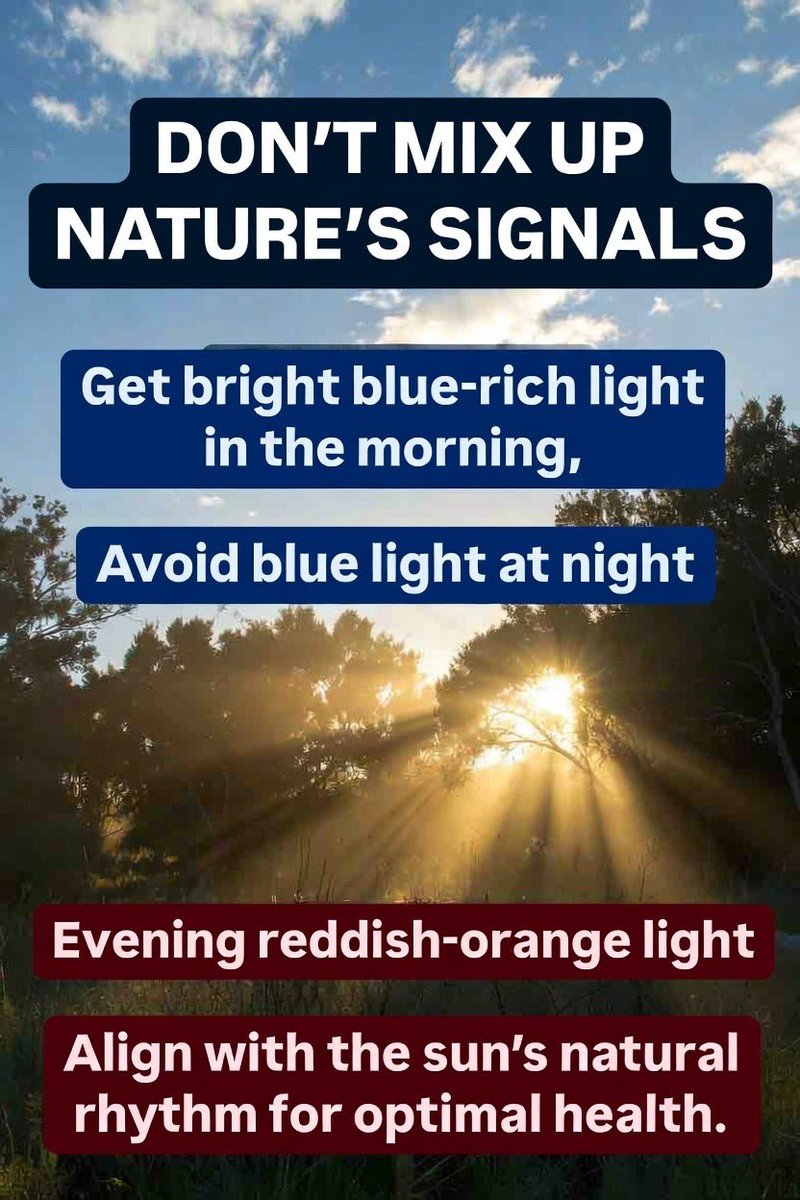
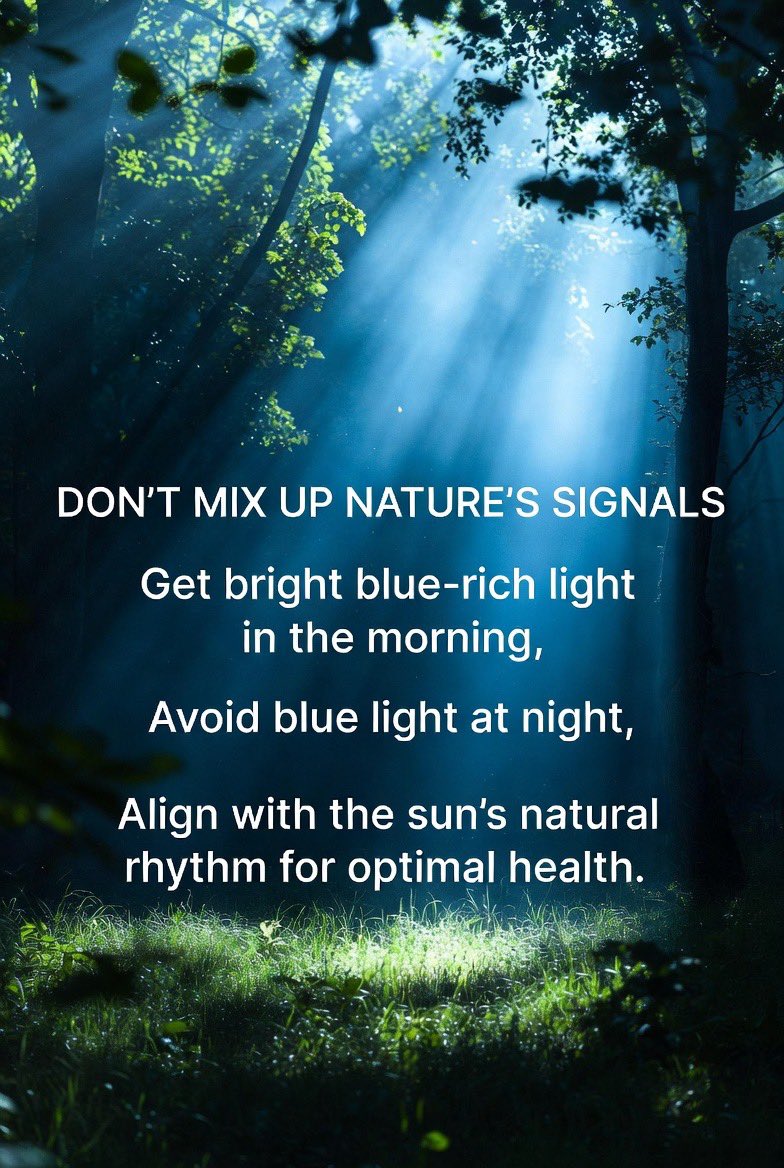
DON’T MIX UP NATURE’S SIGNALS
Get bright blue-rich light in the morning.
Avoid blue light at night.
Align with the sun’s natural rhythm for optimal health.
Get out within 15mins of sunrise and experience the magic of enriched blue circadian clock setting light and the mitochondria boosting effect IR/RED light 🌈
🔆 Never miss a sunrise DHA Omega 3 fatty fish like sardine breakfast 30mins after sunrise [sunrise gentle aerobic barefoot movement]
Work with me
“I can’t maintain healthy weight, my hormones are out of whack, oh insomnia, my sleep is fragmented, I can fall asleep and stay asleep, I wake up at 3am and don’t know why, mood swings, ADHD is running my life, addicted to my iPhone, easily triggered and chronically stressed.” If this is you 👉🏿
DM me CIRCADIAN & RESILIENCE and let’s get you booked for your first consultation and personalised care
#redlight #incandescent #summer #vitamind #children #austism #boys #girls #lightandhealth #johnotto #indoorlife #circadianrhythm #circadianbiology #neuroscience #traumarecovery #stress #cortisolbellygone #cortisolcontrol #chronicstress #neuroceptionofsafety #melatonin #dopamine #podcastrecommendation #podcastguest
1
1
4
234

11 Dec 2025
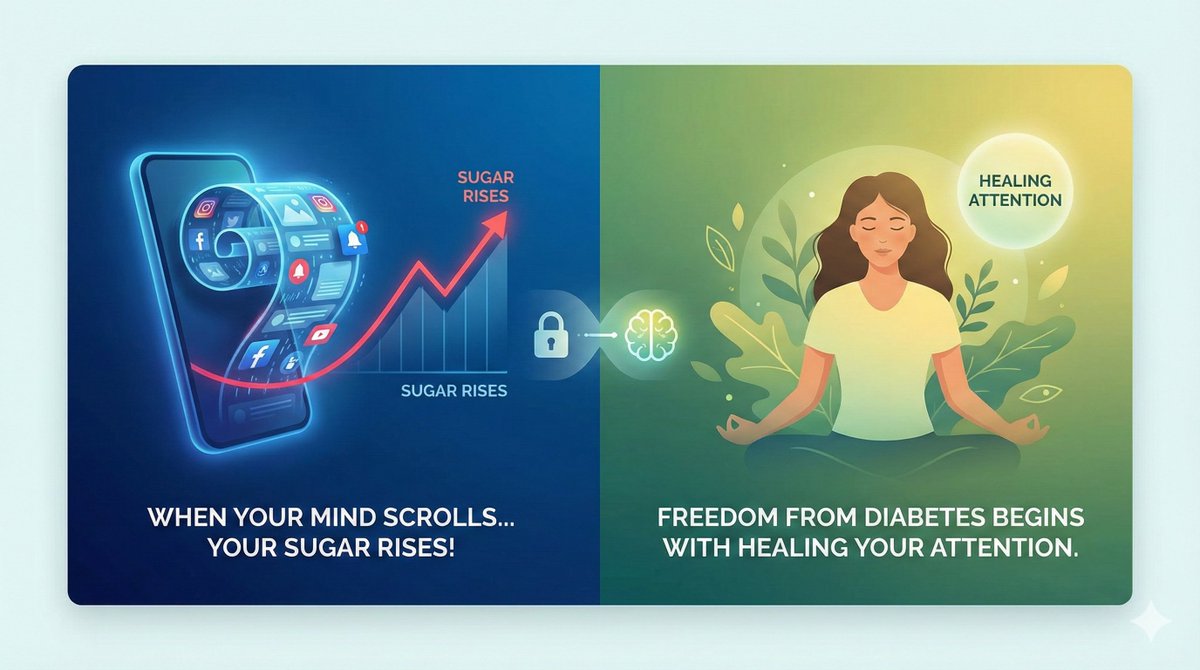
🌀 When Your Mind Scrolls… Your Sugar Rises! Freedom From Diabetes Begins With Healing Your Attention 💚📵
In today’s digital world, we don’t just lose time—we lose ourselves. Many of you ask me,
“Guruji… I am following diet, walking, medicines… yet sugar is not coming down. Why?”
One of the hidden reasons is this: Doom Scrolling. Zoning Out. Mental Exhaustion.
Yes. The phone in your hand can quietly stimulate the same hormones that push your blood sugar higher. Let me explain…
When reality feels overwhelming—work pressure, family expectations, fears about health—your mind searches for an escape.
Scrolling becomes that escape.
For a few minutes, your brain feels relieved.
But very quickly, it becomes a trap.
📌 This constant scrolling spikes cortisol.
📌 Cortisol blocks insulin.
📌 Blocked insulin = high blood sugar.
So even if your food is right, your mind keeps fighting your body.
Many people think diabetes is in the stomach or pancreas…
But the truth is—diabetes begins in the mind long before it shows in the body.
When the mind is tired, the body becomes dull.
When the attention is shattered, metabolism becomes unstable.
Today I want you to pause… take a breath…
Ask yourself gently:
✨ “Do I feel better after scrolling… or do I feel more tired?”
✨ “Am I escaping… or am I healing?”
Freedom From Diabetes is not just a diet or a medicine.
It is attention healing.
When your mind becomes calm, your pancreas becomes active.
When your emotions cool down, your insulin sensitivity shoots up.
When your inner world becomes peaceful, your outer numbers normalize.
So today, make a small but powerful shift:
🌿 Replace 20 minutes of doom scrolling
with
20 minutes of deep breathing, walking barefoot on earth, listening to your heart, or simply closing your eyes and resting.
You will be amazed how your sugar responds when your mind rests.
Remember…
You don’t heal diabetes by fighting your body.
You heal it by befriending your inner world.
Attention is energy.
Where your attention goes, your healing flows.
Let us build a life where the phone does not control your health—your awareness does.
With deep love and healing blessings,
Wellness Guruji Dr. Gowthaman
Mehnil Diabetes Reversal program
9500946638 | shreevarma.online
#FreedomFromDiabetes #WellnessGurujiTalks #DigitalDetox #MindHealing #DiabetesReversal #EmotionalHealth #CortisolControl #ShreeVarma #HealingJourney #MindfulLiving #StopDoomScrolling #DiabetesAwareness #GurujiWisdom
2
23
10 Dec 2025
If you're stressed and trying to lose weight, ditch the treadmill for a week and replace it with #yoga or long walks. High intensity exercise can spike cortisol higher in already stressed bodies, blocking fat loss. #CortisolControl #StressLess #WalkForWellness #FatLossOver40

1
13
481

1 Dec 2025
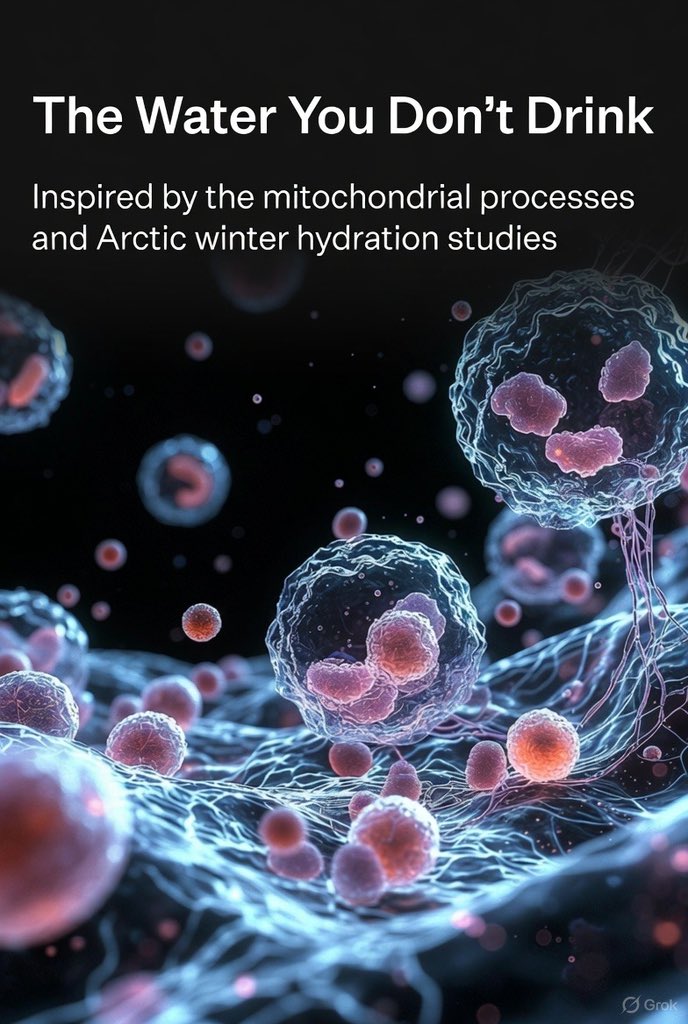
Get out within 15mins of sunrise and experience the magic of IR/RED light 🌈
🔆 Never miss a sunrise DHA Omega 3 fatty fish like sardine breakfast 30mins after sunrise [sunrise gentle aerobic barefoot movement]
Work with me
“I can’t maintain healthy weight, my hormones are out of whack, oh insomnia, my sleep is fragmented, I can fall asleep and stay asleep, I wake up at 3am and don’t know why, mood swings, ADHD is running my life, addicted to my iPhone, easily triggered and chronically stressed.” If this is you 👉🏿
DM me CIRCADIAN & RESILIENCE and let’s get you booked for your first consultation and personalised care
#redlight #incandescent #summer #vitamind #children #austism #boys #girls #lightandhealth #johnotto #indoorlife #circadianrhythm #circadianbiology #neuroscience #traumarecovery #stress #cortisolbellygone #cortisolcontrol #chronicstress #neuroceptionofsafety #melatonin #dopamine #podcastrecommendation #podcastguest
2
16
854
12 Nov 2025
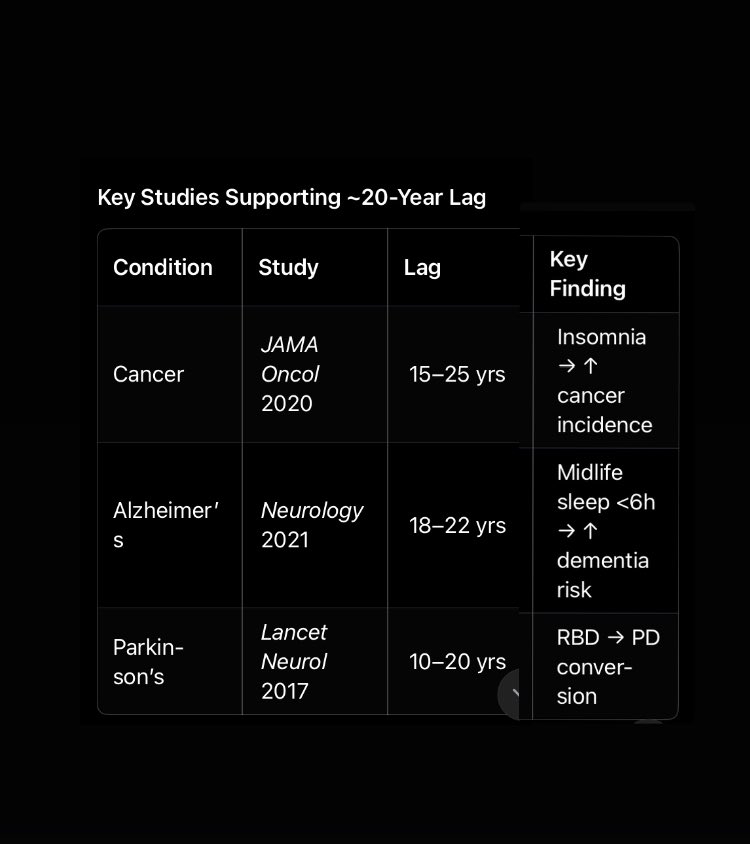
Chronic sleep disruption often emerges 15–25 years before the diagnosis of cancer, Alzheimer’s disease, Parkinson’s disease, and many mental health disorders…
UK Biobank cohort (n≈500,000): People with self-reported insomnia or daytime sleepiness had ~15–25% higher risk of multiple cancers (breast, prostate, colorectal). The lag between sleep disturbance onset and cancer diagnosis often spans 15–25 years in long-term follow-ups.
HOW? : Circadian misalignment suppresses melatonin (anti-tumor hormone), drives inflammation (IL-6, CRP), and impairs DNA repair.
Neurodegenerative Diseases
Alzheimer’s: Longitudinal studies (e.g., Framingham Heart Study offspring cohort) show sleep fragmentation in midlife (age 40–60) predicts amyloid-β accumulation and cognitive decline 15–20 years later. Poor slow-wave sleep reduces glymphatic clearance of tau/amyloid.
Parkinson’s: REM sleep behavior disorder (RBD) is a prodromal marker with >80% conversion rate to synucleinopathies (PD, DLB) over 10–20 years. General sleep disruption in midlife also raises risk via α-synuclein misfolding.
Mental Disorders
Depression/Bipolar: Meta-analyses of prospective cohorts show insomnia in adolescence/early adulthood doubles risk of mood disorders 10–20 years later.
Schizophrenia: Childhood sleep problems correlate with psychotic experiences in adulthood (~15-year lag).
E 🧌🔆 Never miss a sunrise DHA Omega 3 fatty fish like sardine breakfast 30mins after sunrise [sunrise gentle aerobic barefoot movement]
Work with me
“I can’t maintain healthy weight, my hormones are out of whack, oh insomnia, my sleep is fragmented, I can fall asleep and stay asleep, I wake up at 3am and don’t know why, mood swings, ADHD is running my life, addicted to my iPhone, easily triggered and chronically stressed.” If this is you 👉🏿
DM me CIRCADIAN & RESILIENCE and let’s get you booked for your first consultation and personalised care
#redlight #incandescent #summer #vitamind #children #austism #boys #girls #lightandhealth #johnotto #indoorlife #circadianrhythm #circadianbiology #neuroscience #traumarecovery #stress #cortisolbellygone #cortisolcontrol #chronicstress #neuroceptionofsafety #melatonin #dopamine #podcastrecommendation #podcastguest
1
2
291
9 Nov 2025
We've been taught that more is better: run farther, work out harder. But for women 40 , chronic high-intensity cardio (i.e. long-distance running) without adequate rest can backfire dramatically.
Why? It spikes your already sensitive cortisol levels. When cortisol is chronically high, your body perceives a threat and prioritizes storing fat (especially belly fat) and breaking down muscle for fuel.
Instead, prioritize weight training 2-3 times/week and low-intensity movement (daily walks).
#PerimenopauseFitness #MenopauseFitness #HormoneBalance #CortisolControl

1
1
13
604

8 Nov 2025
How Undereating Can Mimic Thyroid Dysfunction
Eating less to lose weight but feeling constantly tired, cold, or stuck on the scale? Your thyroid may not be the real problem, the culprit could be undereating. When you consistently eat below your body's energy needs, it triggers changes that look and feel a lot like thyroid dysfunction, even if your thyroid gland itself is perfectly healthy.
Here's what happens:
🔻 Slowed Metabolism: Undereating signals your body to conserve energy. Your thyroid reduces hormone output, triggering "survival mode", leaving you fatigued, cold, and unable to lose weight.
🔻 Hormone Imbalance & Conversion Issues: Chronic calorie restriction lowers conversion of inactive thyroid hormone (T4) into active form (T3), while increasing reverse T3 that blocks T3 activity, slowing your metabolism further.
🔻 Nutrient Deficiencies: Your thyroid needs iodine, selenium, zinc, iron, and vitamin A to function. Undereating leads to deficiencies that disrupt thyroid hormone production.
🔻 The Stress-Cortisol Connection: Underfed body = stressed body. Cortisol rises, interfering with thyroid function, increasing appetite, promoting belly fat storage, and disrupting sleep.
🔻 Restrictive Diet Risks: Low-carb → reduces T3 levels, Low-protein → slows thyroid activity & muscle loss, Low-fat → blocks hormone synthesis & fat-soluble vitamin absorption (A, D, E, K)
Undereating doesn't just make weight loss harder, it can mimic thyroid dysfunction and make you feel like your metabolism has completely stalled.
Your thyroid thrives on nourishment, not deprivation. Eating enough calories from balanced meals with adequate protein, healthy fats, and micronutrients supports optimal thyroid function, stable energy, and long-term metabolic health.
#ThyroidHealth #Undereating #Hypothyroidism #MetabolismBoost #HormoneBalance #CalorieDeficit #ThyroidFunction #NutrientDeficiency #CortisolControl
8
6
79
3,383
20 Oct 2025
OUTDOORS IN THE ELEMENTS TRUMPS GYM STRESS FACTORY 👉🏿🔆 Sprinting superiority = More growth hormone for you independent of age.
Sunrise FOLLOWED by DHA Maxxing [herring/sardine/Mackerel] breakfast UVA rise eye and skin exposure for more fat burning and melanin
DARKER NIGHT red light circadian friendly melatonin promoting light 💡
Red light at night = regeneration/rest and digestion.
More time outside from sunrise = brain boost, cortisol regulation and serotonin/dopamine regulation.
Never miss a sunrise DHA Omega 3 fatty acid sardine breakfast 30mins after sunrise [suntuse gentle aerobic barefoot movement]
Circadian Medicine Photonic Therapy Framework
“I can’t maintain healthy weight, I am struggling with sleep — falling asleep and staying asleep, my hormones are out of whack, oh insomnia, my sleep is fragmented, I can fall asleep and stay asleep, I wake up at 3am and don’t know why, mood swings, ADHD is running my life, addicted to my iPhone, easily triggered and chronically stressed.” If this is you 👉🏿
DM me CIRCADIAN & RESILIENCE and let’s get you booked for your first consultation and personalised care
#redlight #incandescent #summer #vitamind #children #austism #boys #girls #lightandhealth #johnotto #indoorlife #circadianrhythm #circadianbiology #neuroscience #traumarecovery #stress #cortisolbellygone #cortisolcontrol #chronicstress #neuroceptionofsafety #melatonin #dopamine #podcastrecommendation #podcastguest
3
7
442
15 Oct 2025
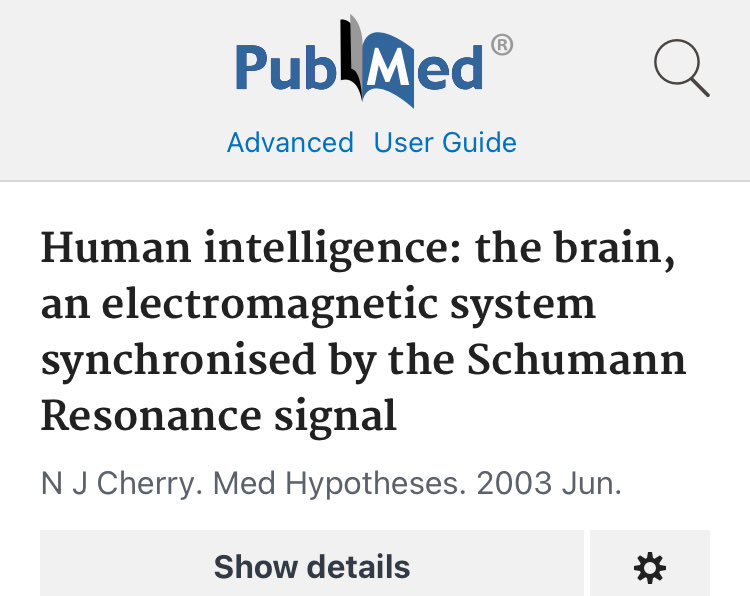
You really have to see sunrise light daily 👉🏿🔆 the solar system entrains your brainwaves to the Schumann Resonance.
The human brain is a biological organ. On one hand it is soft, flexible and adaptive, but on the other hand is relatively stable and coherent with well developed intelligence. In order to retain intelligent thinking in a soft and adaptive organ there needs to be a constant, globally available, synchronization system that continuously stabilizes the brain. Rapid intelligence and reactions requires and electromagnetic signalling system, supported by a biochemical system. The Schumann Resonance signal provides a brain frequency range matching electromagnetic signal, providing the synchronization needed for intelligence.
When brain loses coherence, Schumann Resonance, then it stops seeing life thriving codes, primal instinctual drives and meaning [pleasure, intrinsic motivation and drive inherent in basic living processes and experiences] .
Never miss a sunrise DHA Omega 3 fatty acid sardine breakfast 30mins after sunrise [suntuse gentle aerobic barefoot movement]
Circadian Medicine Photonic Therapy Framework
“I can’t maintain healthy weight, I am struggling with sleep — falling asleep and staying asleep, my hormones are out of whack, oh insomnia, my sleep is fragmented, I can fall asleep and stay asleep, I wake up at 3am and don’t know why, mood swings, ADHD is running my life, addicted to my iPhone, easily triggered and chronically stressed.” If this is you 👉🏿
DM me CIRCADIAN & RESILIENCE and let’s get you booked for your first consultation and personalised care.
#redlight #incandescent #summer #vitamind #children #austism #boys #girls #lightandhealth #johnotto #indoorlife #circadianrhythm #circadianbiology #neuroscience #traumarecovery #stress #cortisolbellygone #cortisolcontrol #chronicstress #neuroceptionofsafety #melatonin #dopamine #podcastrecommendation #podcastguest
3
141
9 Oct 2025
You stay on your phone for hours before you even see the daylight …..
Circadian Medicine Photonic Therapy Framework
“I can’t maintain healthy weight, I am struggling with sleep — falling asleep and staying asleep, my hormones are out of whack, oh insomnia, my sleep is fragmented, I can fall asleep and stay asleep, I wake up at 3am and don’t know why, mood swings, ADHD is running my life, addicted to my iPhone, easily triggered and chronically stressed.” If this is you 👉🏿
DM me CIRCADIAN & RESILIENCE and let’s get you booked for your first consultation and personalised care
#redlight #incandescent #summer #vitamind #children #austism #boys #girls #lightandhealth #johnotto #indoorlife #circadianrhythm #circadianbiology #neuroscience #traumarecovery #stress #cortisolbellygone #cortisolcontrol #chronicstress #neuroceptionofsafety #melatonin #dopamine #podcastrecommendation #podcastguest
2
6
148
7 Oct 2025
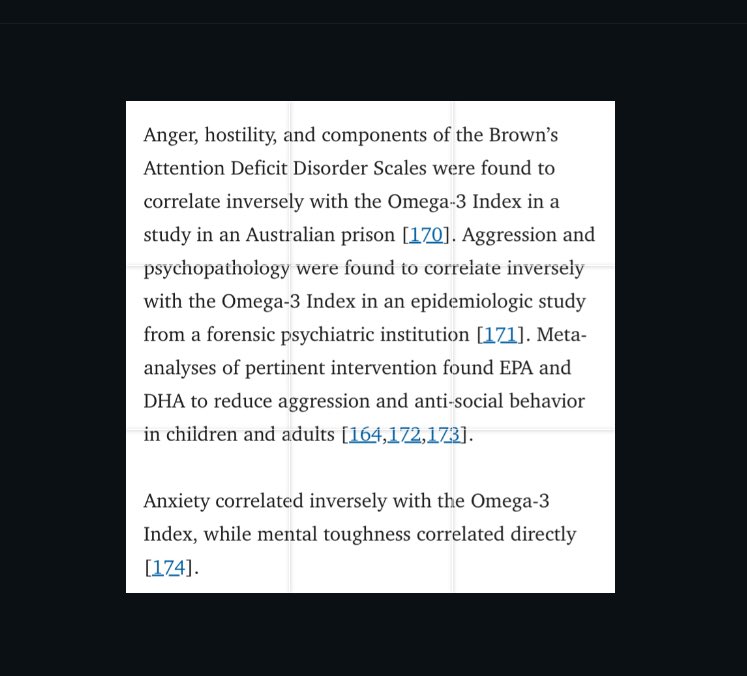
Circadian Medicine Photonic Therapy Framework
“I can’t maintain healthy weight, I am struggling with sleep — falling asleep and staying asleep, my hormones are out of whack, oh insomnia, my sleep is fragmented, I can fall asleep and stay asleep, I wake up at 3am and don’t know why, mood swings, ADHD is running my life, addicted to my iPhone, easily triggered and chronically stressed.” If this is you 👉🏿
DM me CIRCADIAN & RESILIENCE and let’s get you booked for your first consultation and personalised care
#redlight #incandescent #summer #vitamind #children #austism #boys #girls #lightandhealth #johnotto #indoorlife #circadianrhythm #circadianbiology #neuroscience #traumarecovery #stress #cortisolbellygone #cortisolcontrol #chronicstress #neuroceptionofsafety #melatonin #dopamine #podcastrecommendation #podcastguest
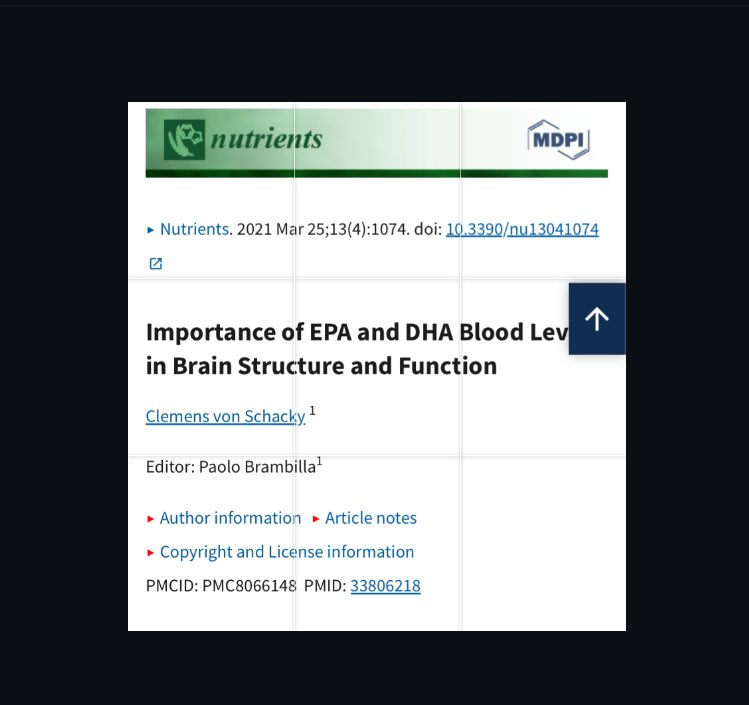
1
2
104
3 Oct 2025
“I can’t maintain healthy weight, I am struggling with sleep — falling asleep and staying asleep, my hormones are out of whack, oh insomnia, my sleep is fragmented, I can fall asleep and stay asleep, I wake up at 3am and don’t know why, mood swings, ADHD is running my life, addicted to my iPhone, easily triggered and chronically stressed.” If this is you 👉🏿
DM me CIRCADIAN & RESILIENCE and let’s get you booked for your first consultation and personalised care
.
#redlight #incandescent #summer #vitamind #children #austism #boys #girls #lightandhealth #johnotto #indoorlife #circadianrhythm #circadianbiology #neuroscience #traumarecovery #stress #cortisolbellygone #cortisolcontrol #chronicstress #neuroceptionofsafety #melatonin #dopamine #podcastrecommendation #podcastguest
3
163