
@weightlosstipsp
Body composition involves more than body fat alone. Muscle retention and bone health are important factors being discussed alongside GLP-1-related weight loss.
islipsurgery.org.uk/beyond-w…
#GLP1Medications #HealthScience #BodyComposition #BoneHealth
6

Combine a body composition scale AND a smartwatch for fitness success. Because the more data you have, the better decisions you can make. #fitnesstips #fitnessjourney #bodycomposition #wyze #creatorsearchinsights Wyze For TikTok product reviews or UGC inquiries, please contact
5

Some peptides get attention on their own… others because of how they work together 👀
Dr. James explains why Tesamorelin and Ipamorelin are often discussed as a combination.
#tesamorelin #ipamorelin #peptides #growthhormone #bodycomposition #metabolism #biohacking #wellness
26

Jun 12
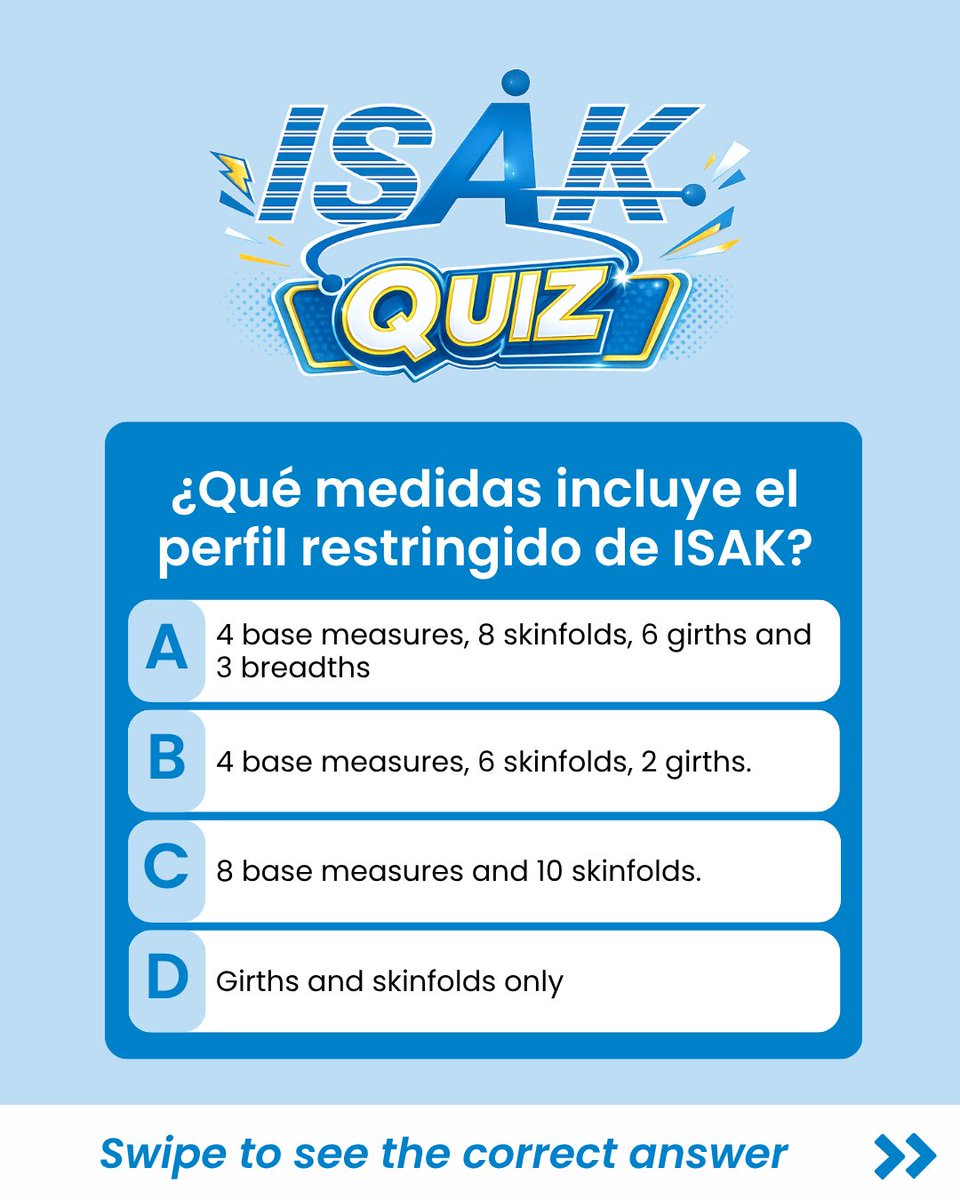
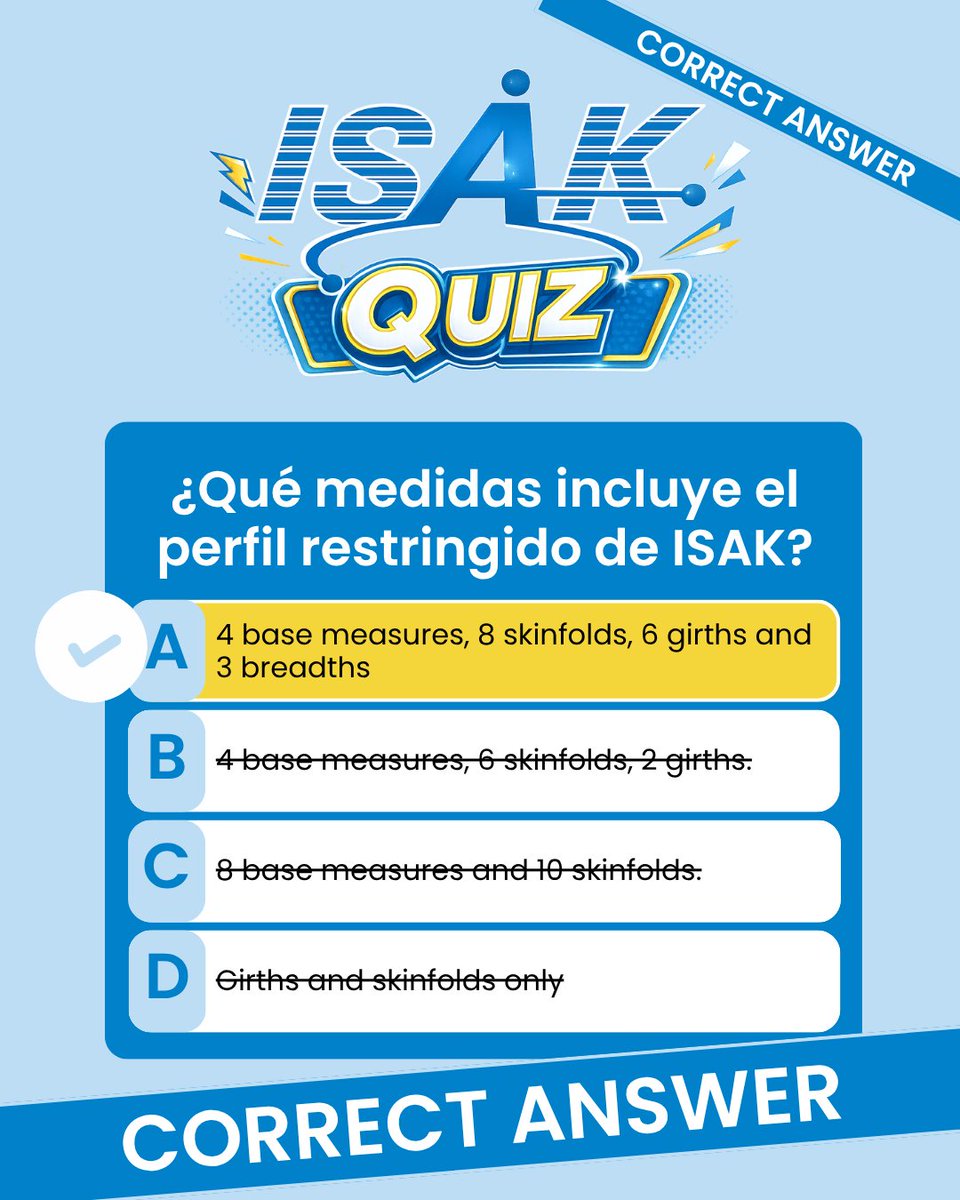
How much do you know about ISAK anthropometry?
#ISAK #ISAKQuiz #Anthropometry #Kinanthropometry #SportsScience #BodyComposition #AnthropometryEducation #Research
1
16

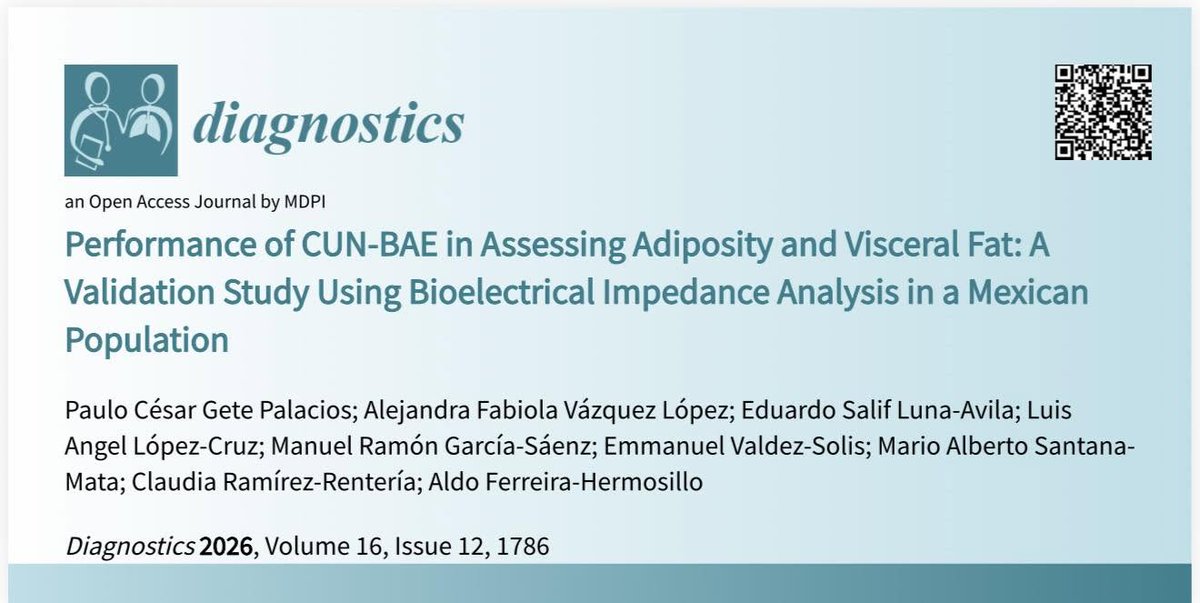
📄 New publication: Performance of CUN-BAE in Assessing Adiposity and Visceral Fat in a Mexican Population.
#ObesityResearch #Endocrinology #Diagnostics #BodyComposition
@diagnostic_mdpi @MDPIOpenAccess
15

Jun 11
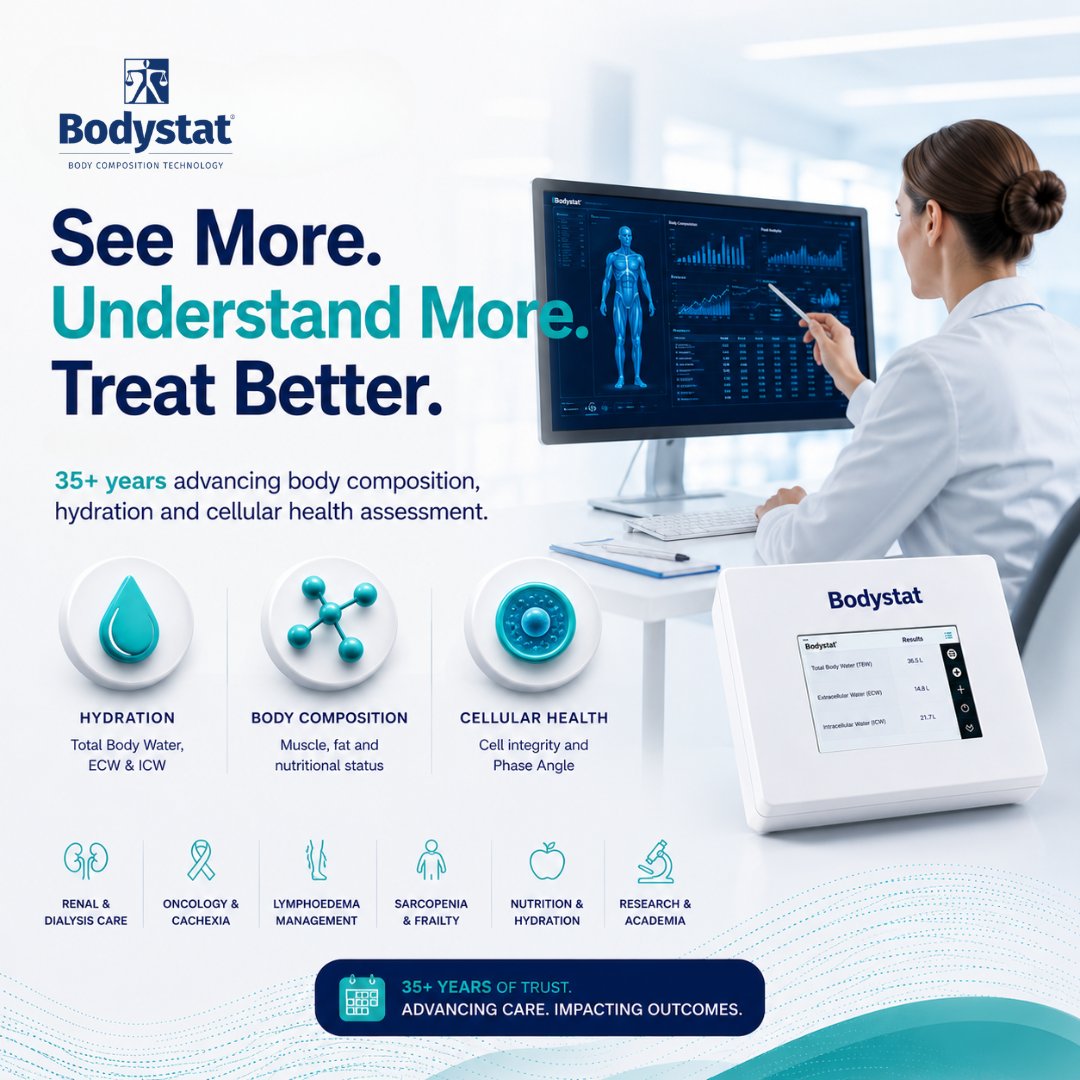
Welcome to Bodystat.
For 35 years we've helped clinicians and researchers assess hydration, body composition and cellular health using advanced bioimpedance technology.
See more. Understand more. Treat better.
🔗 bodystat.com
#BodyComposition #HealthTech
18

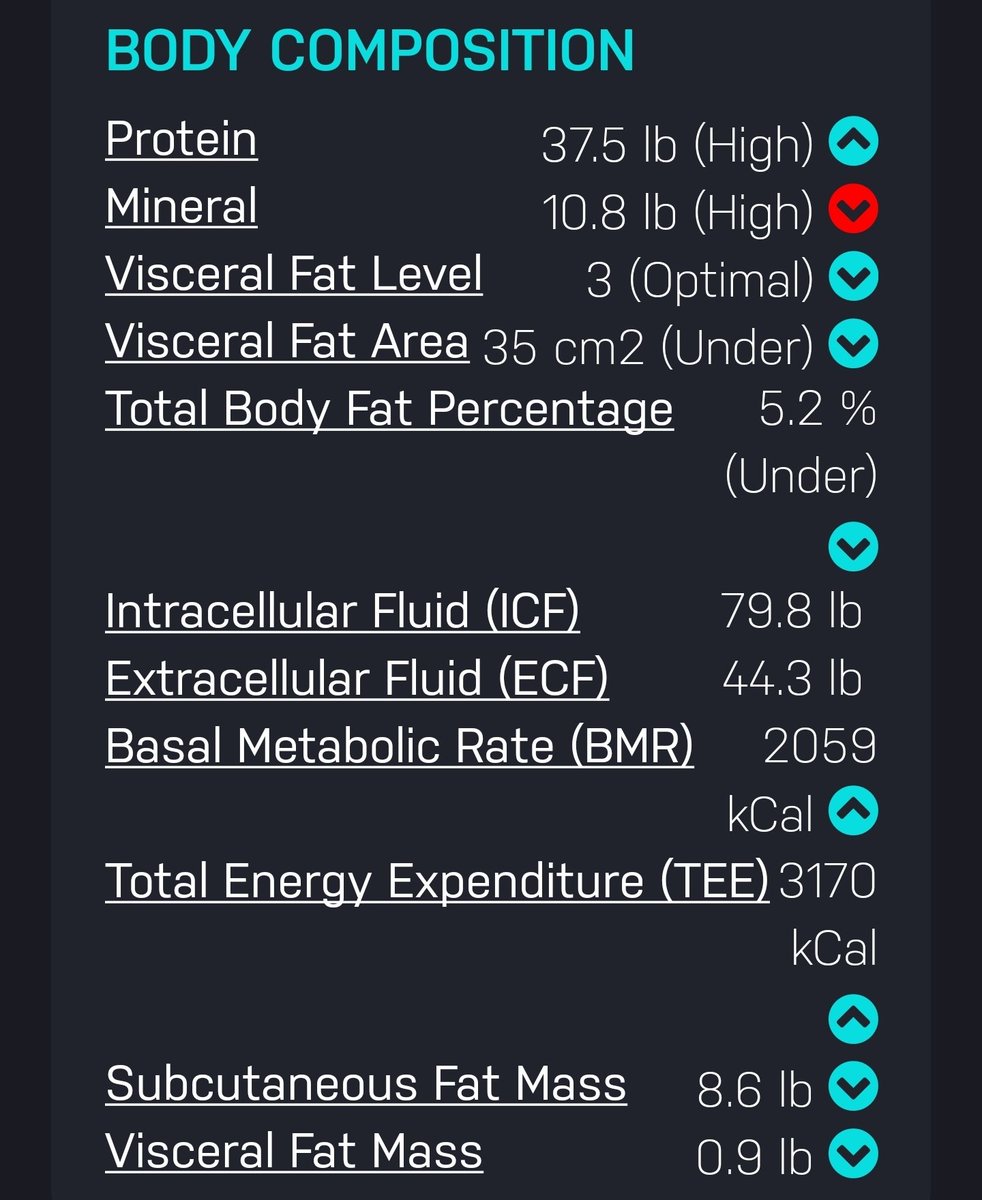
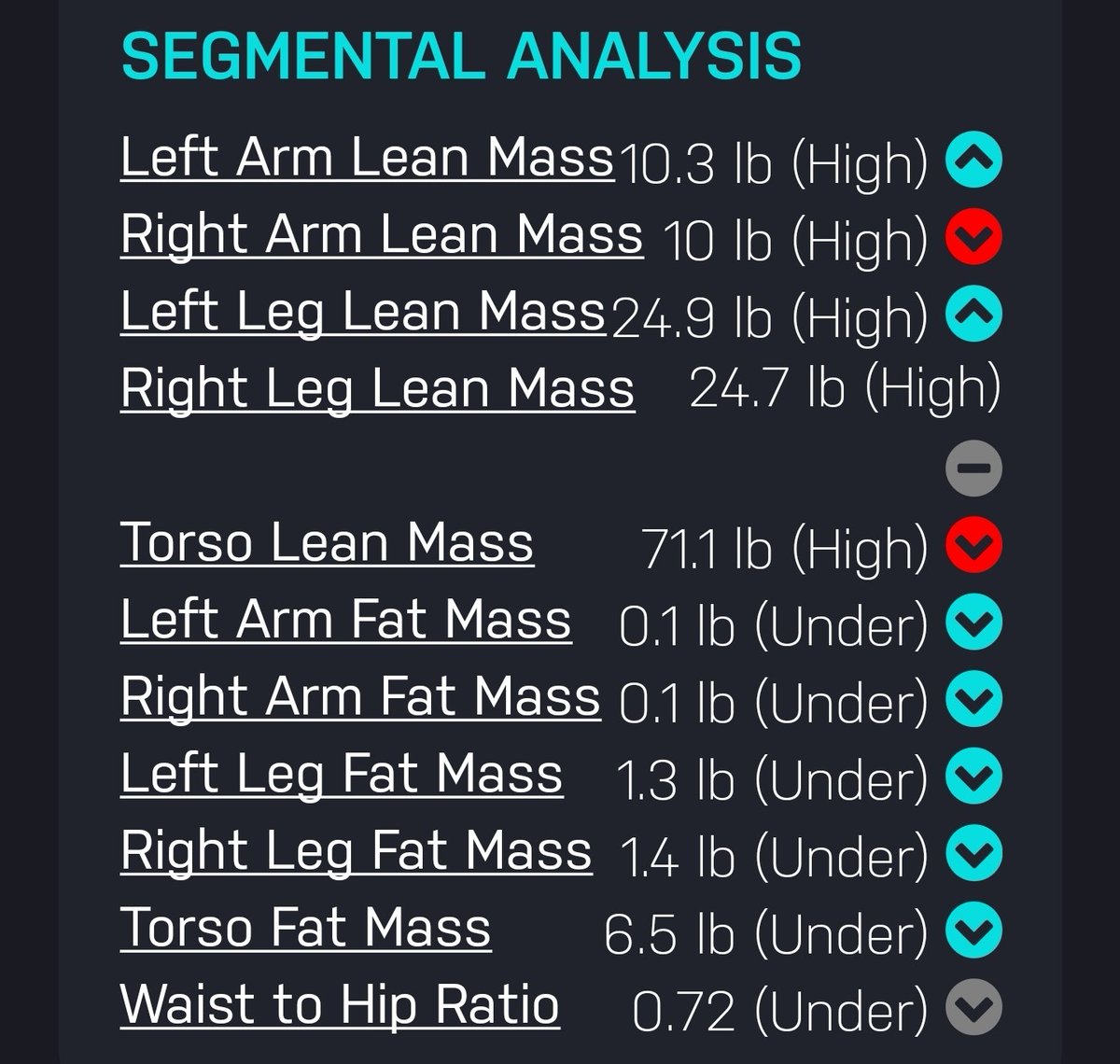
I recently dropped 6 pounds thanks to the flu, so I decided to check my body fat percentage on that fancy body composition scale at the gym. Honestly, I was a bit surprised by the result! Not sure if I can fully trust it though… #BodyFat #BodyComposition #EvoltActive


1
80

Jun 10
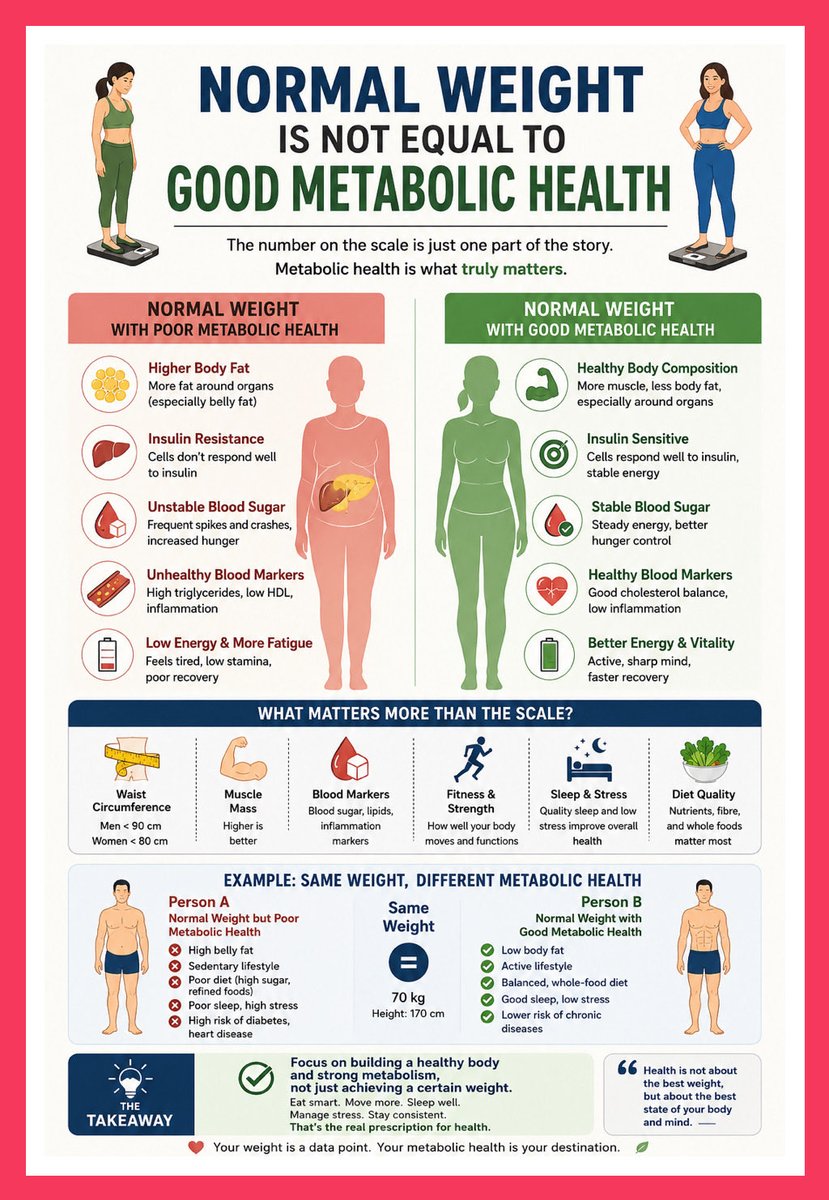
The Scale Doesn’t Tell the Whole Story
Achieving a normal body weight should not be the endpoint of health. Metabolic resilience depends on maintaining adequate lean body mass, minimizing visceral adiposity, preserving insulin sensitivity, and sustaining favorable cardiometabolic markers. The scale quantifies body weight, but it does not measure metabolic health.
#MetabolicHealth #BodyComposition #PreventiveHealth #Nutrition
2
99
You can't stay motivated by progress you can't see. The solution is a body composition scale. #scale #smartscale #bodycomposition #bmi #fitnessjourney #fitnesstips wyze For TikTok product reviews or UGC inquiries, please contact me at workwithshowandtell@.
8

Jun 10
For more details:
📞 Call us: 901 409 1111
💬 WhatsApp: 901 996 1402
🌐 Visit: rxdx.in
📧 info@rxdx.in
#RxDxClinics #DEXAScan #BoneHealth #BodyComposition #RxDxWhitefield #RxDxDomlur
4

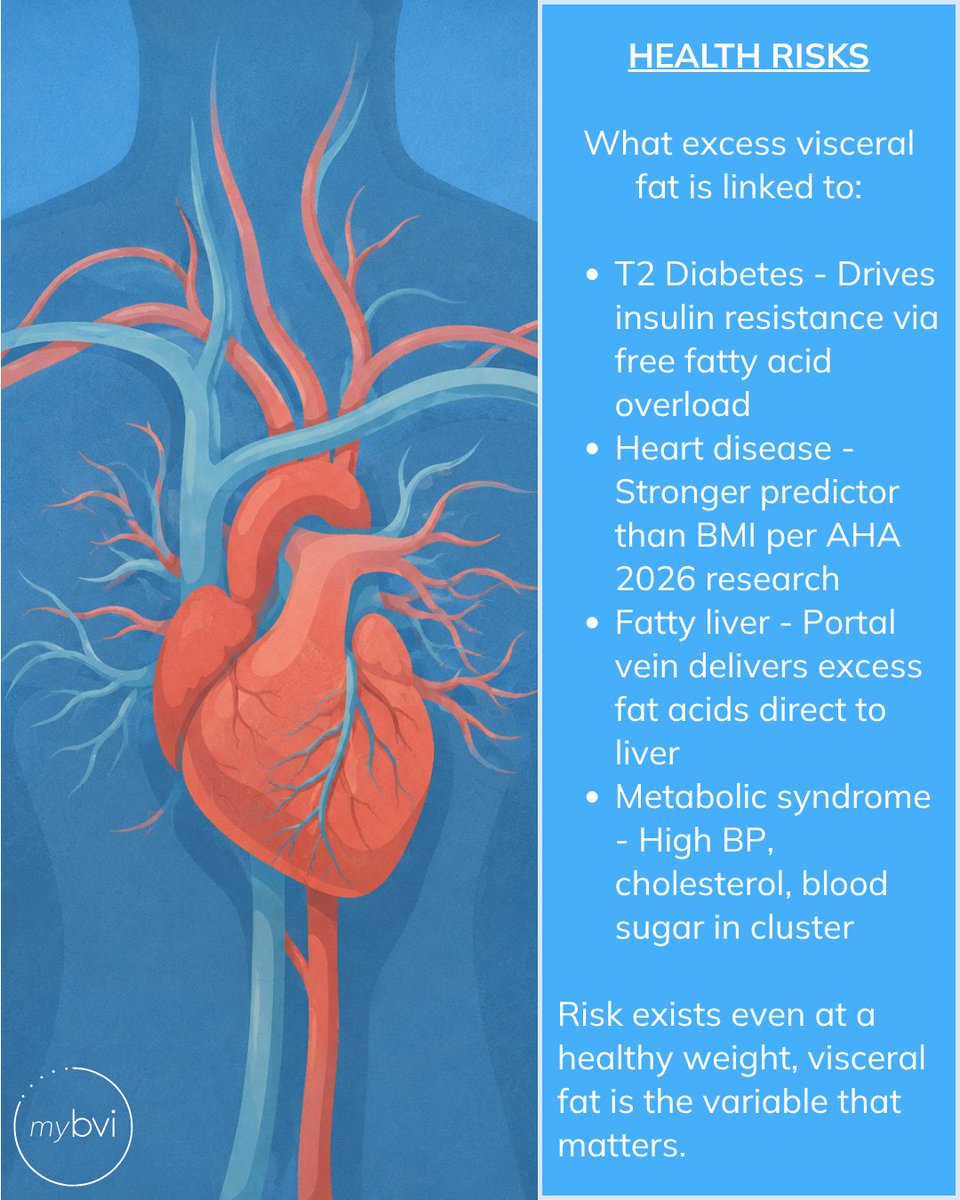
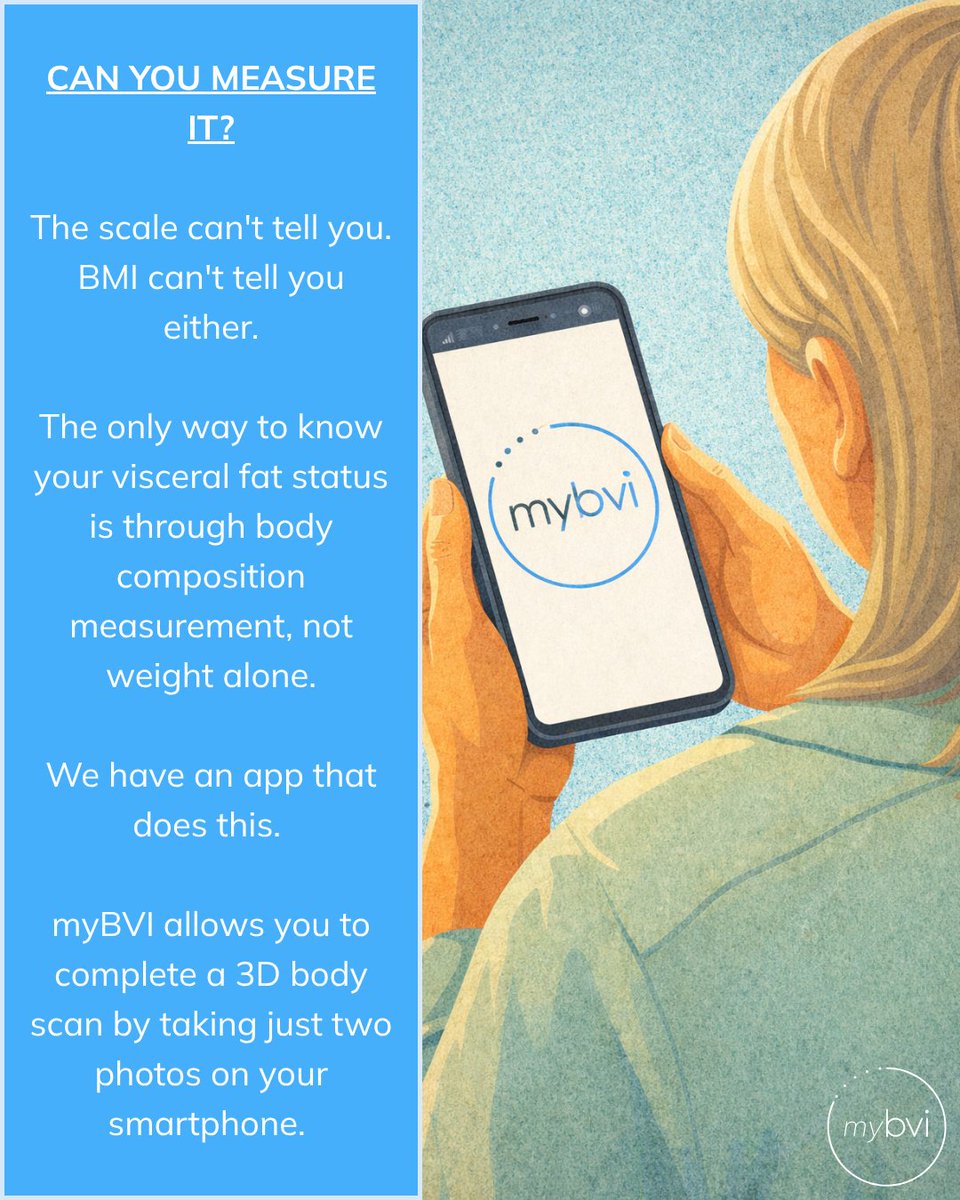
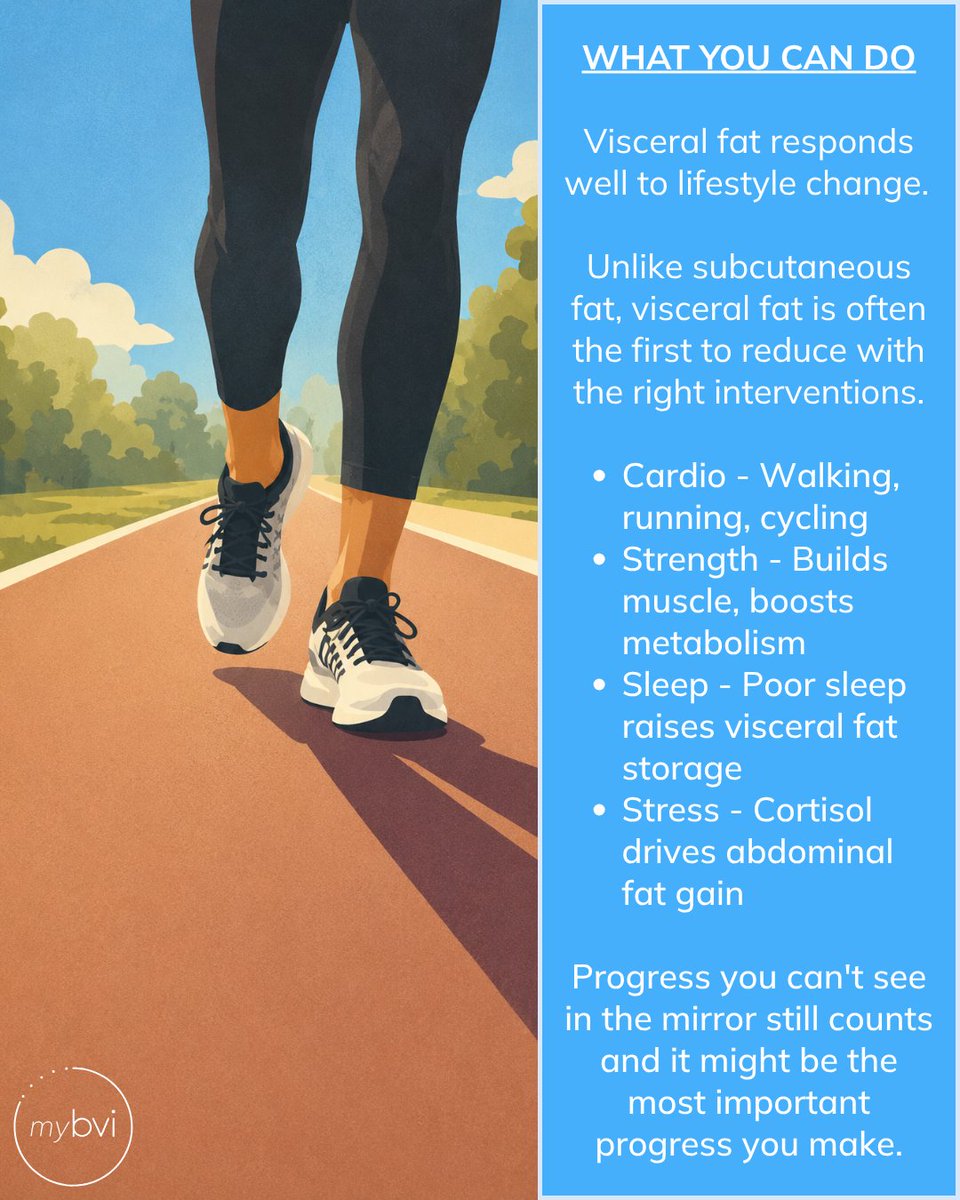
Two people with the same BMI can have completely different health profiles because of it.
This is why body composition matters more than body weight. 📲
Track yours with myBVI, link in bio.
#BodyComposition #ViscerFat #BeyondBMI #HealthScience #myBVI
17

Jun 9
Obesity care has changed faster than the way we measure it.
GLP-1 therapies are reshaping outcomes for millions. Yet most clinical conversations still lean on BMI and the scale, neither of which captures what is actually happening inside the body. Changes in visceral and subcutaneous fat, lean muscle, as well as organ health, are going undetected.
That is the gap Perspectum is bringing into the conversation at the Economist Impact Economics of Obesity and Metabolic Health Summit in Brussels on 10 June 2026.
Our Medical Lead, Krishan Bountra, will be there, ready to talk about how non-invasive, contrast-free MRI body composition can support smarter obesity care, including:
Quantitative body composition: visceral fat, subcutaneous fat, muscle quality
Multi-organ assessment in a single scan with CoverScan
Tracking response to therapy beyond weight loss alone
Evidence to help payers, policymakers, and clinical teams make better decisions for people living with obesity
The Summit convenes policymakers, public health experts, clinicians, patient advocates, and industry around one question: how do we build an obesity response that works at scale and at the individual level?
#Perspectum #Obesity #MetabolicHealth #BodyComposition #PrecisionHealth #GLP1 #CoverScan #MRI

1
24

Do you know what each of your health metrics actually means?
Understand your body and see the full picture with the GlucoRx Body Insight Hub.
We go beyond the basics to show you:
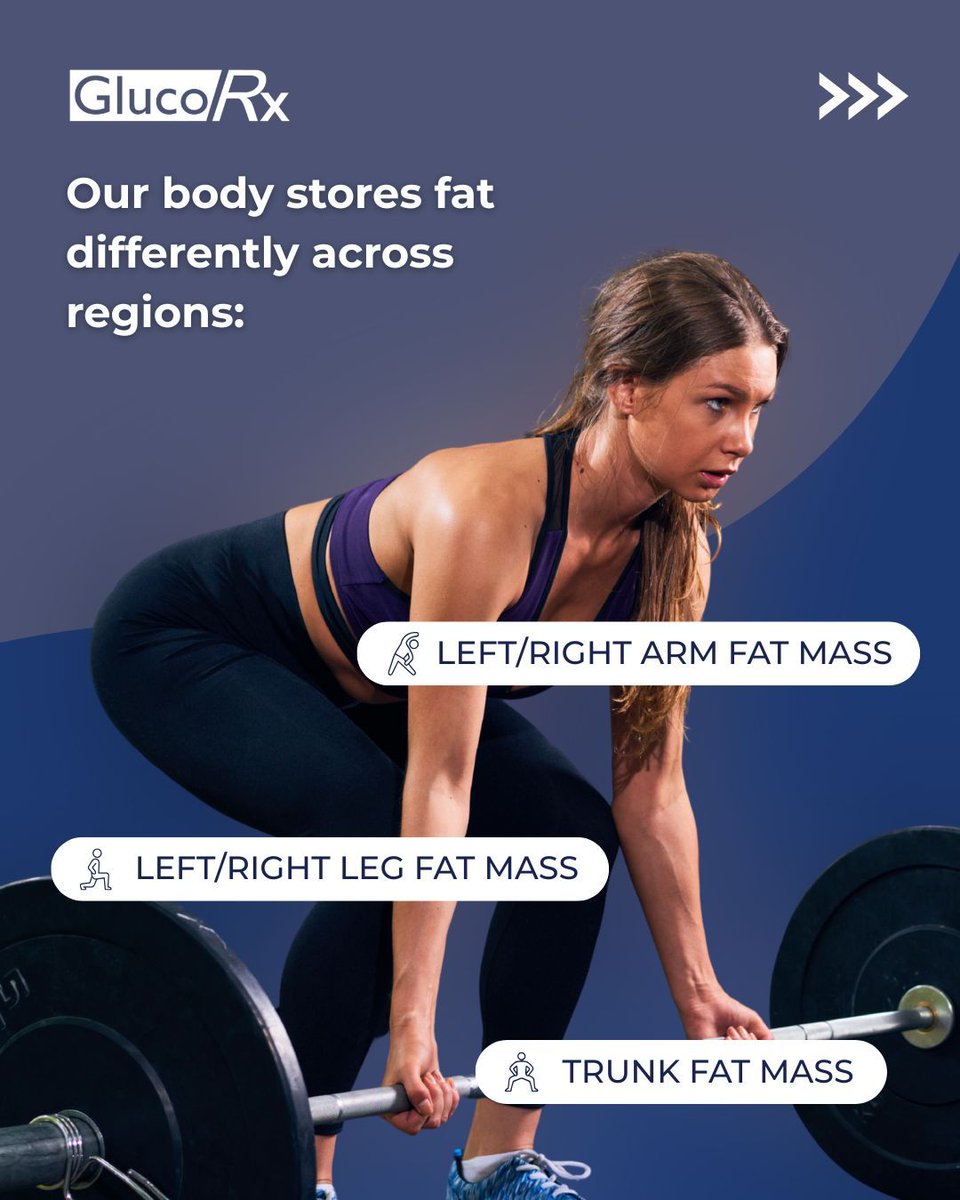
🗺️ Where fat is stored: across your arms, legs, and trunk
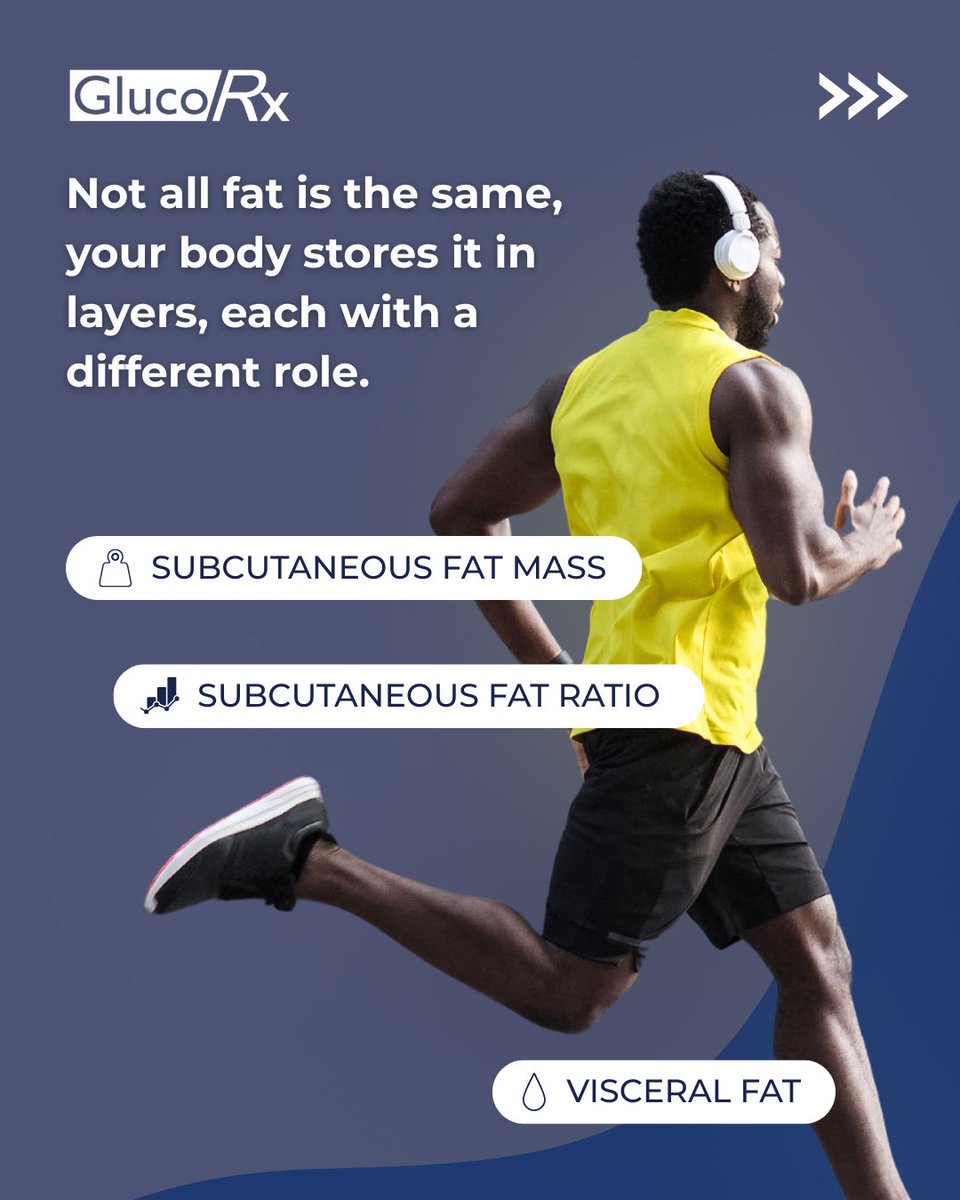
⚖️ What type of fat you carry: subcutaneous vs visceral
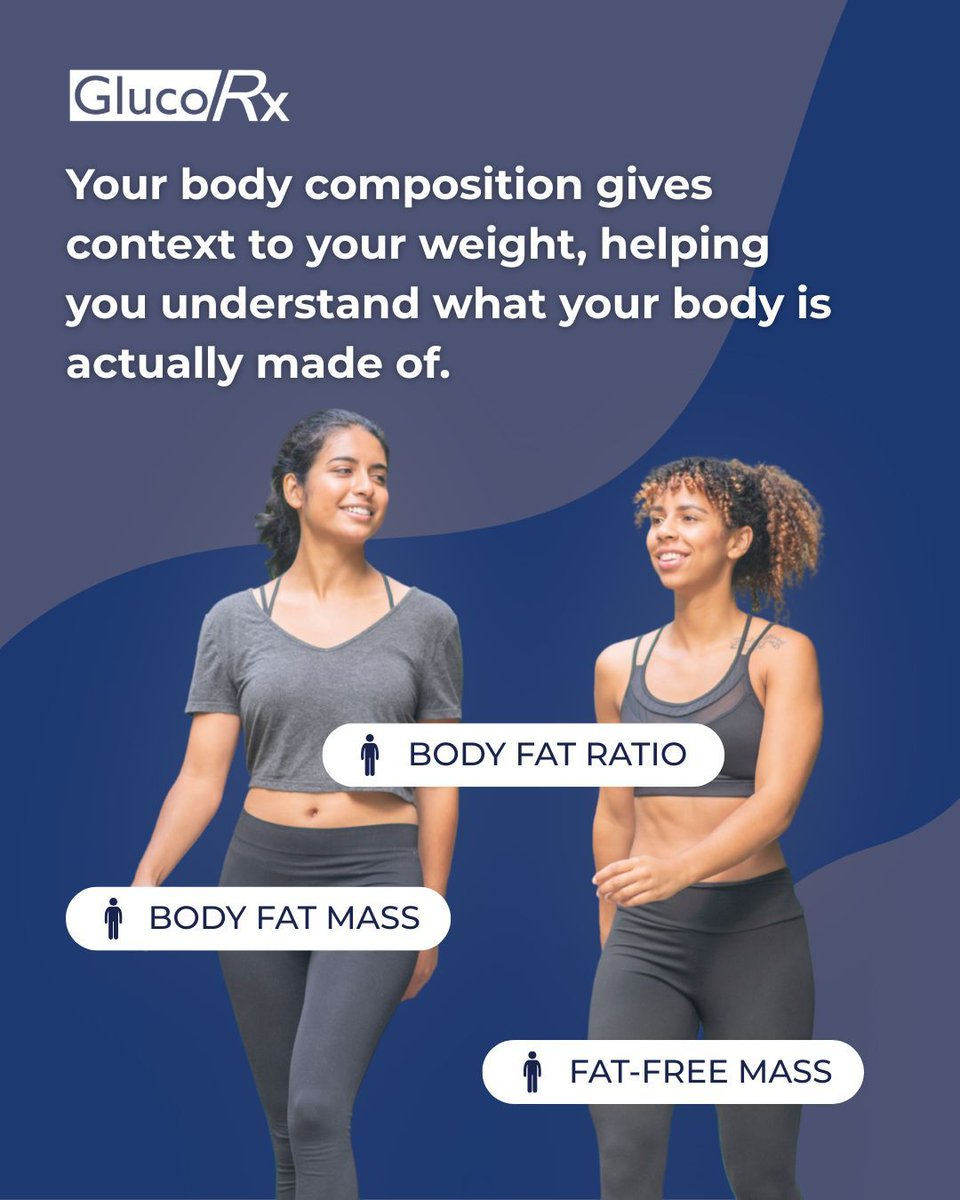
📊 Your full body composition: body fat, fat-free mass, and overall balance
Start understanding your body today 📲 bit.ly/4ccVWIf
#KnowYourBody #BodyComposition #BeyondTheScale #HealthInsights #Health

30

📢 #highlycited paper
📚 Somatotype and Bioelectrical Impedance Vector Analysis in the Evaluation of Reference Characteristics of Elite Young Basketball Players
🔗 mdpi.com/2076-3417/15/6/2894
👨🔬 by Stefania Toselli et al.
🏫 University of Bologna/University of Ferrara
#bodycomposition #adolescent #sport
1
1
34
📢 #highlycited paper
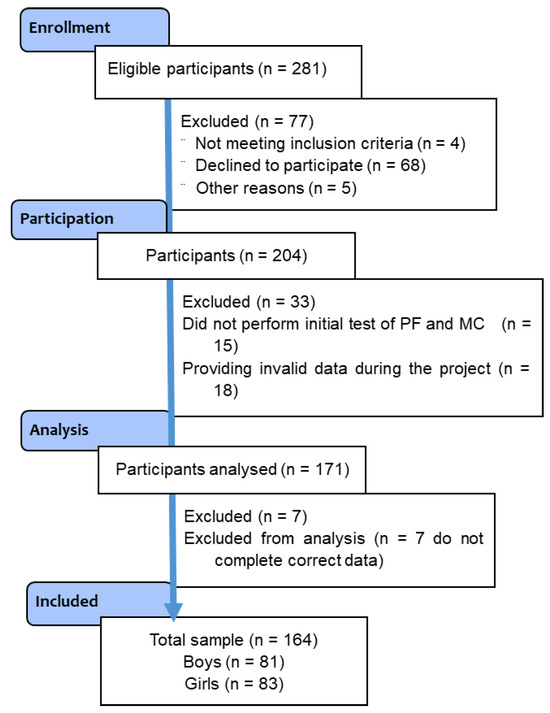
📚 Fat-to-Muscle Ratio: Exploring Associations with Motor Competence and Physical Fitness in 7-Year-Old Children †
🔗 mdpi.com/2076-3417/15/3/1665
👨🔬 by Raquel Font-Lladó et al.
🏫 University of Girona
#bodycomposition #fatmass
31

🔥 Tesamorelin: The Peptide That Targets Deep, Stubborn Belly Fat
labsourced.com/?ref=OPTIMALO…
Tesamorelin is one of the most fascinating peptides available today, especially for adults over 50 who are looking to improve body composition, support healthy aging, and tackle stubborn abdominal fat.
In this video, I break down what Tesamorelin is, how it works, and why it has become one of the most talked-about growth hormone-releasing peptides in the health optimization community. We’ll discuss its potential benefits for visceral fat reduction, recovery, lean muscle preservation, and overall wellness.
As always, remember that no peptide is a magic solution. The foundation of optimal health starts with proper hormone balance, quality nutrition, resistance training, cardiovascular exercise, and consistent healthy habits. Peptides can be powerful tools, but they work best when they’re part of a comprehensive health strategy.
If you’re over 50 and looking for ways to feel stronger, leaner, and more energetic, this is a peptide you’ll want to learn more about.
#Tesamorelin #Peptides #HealthyOver50 #Biohacking #Longevity #GrowthHormone #BodyComposition #VisceralFat #FatLossJourney #HormoneOptimization #HealthOptimization #FitnessOver50 #AntiAging #WellnessJourney
270

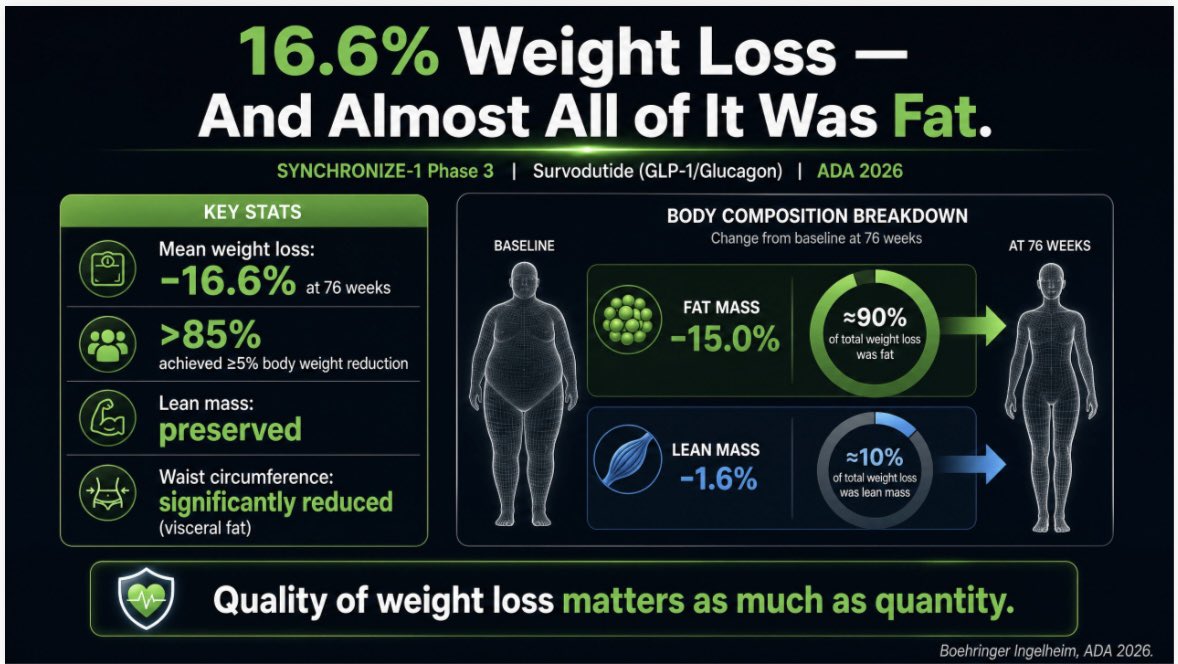
💪 SYNCHRONIZE-1: Survodutide achieved 16.6% weight loss in 76 weeks—but here's the game-changer: MOST weight lost was fat, with lean mass preserved. 85% hit ≥5% weight loss. The future of obesity therapy isn't just weight reduction—it's metabolic quality. ADA 2026. #BodyComposition #obesity #ADASciSessions @AmDiabetesAssn
Referência: Boehringer Ingelheim, ADA 2026
3
14
1,048

Jun 5
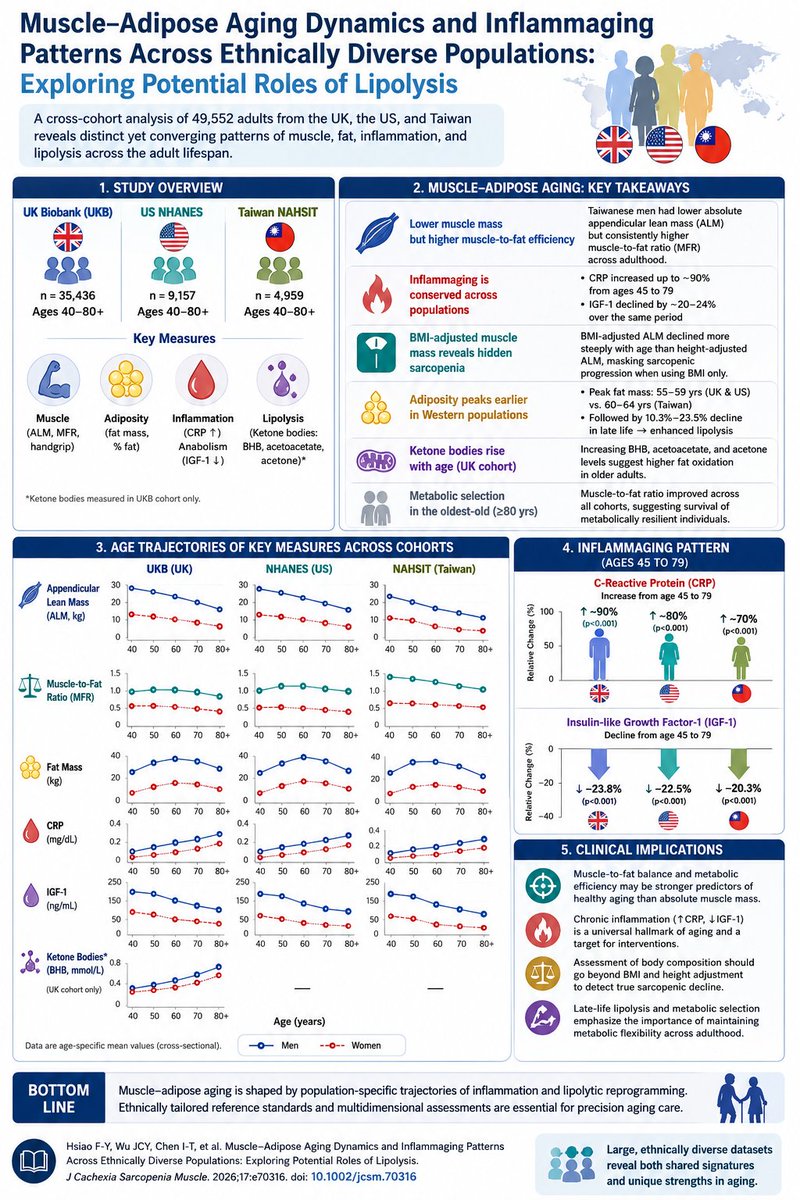
🧬 Muscle aging is not simply muscle loss. It is a dynamic rewiring of muscle, fat, inflammation, and metabolism—and the trajectory differs across populations.
A new analysis of 49,552 adults from three major cohorts—UK Biobank, US NHANES, and Taiwan NAHSIT—reveals striking differences in muscle–adipose aging patterns across ethnic groups.
Key findings
🔹 Asian populations maintained higher muscle-to-fat ratios (MFRs) despite having lower absolute muscle mass.
Taiwanese adults showed less favorable absolute lean mass values than Western cohorts, yet preserved a more efficient body composition profile, suggesting that metabolic efficiency may matter more than tissue quantity alone.
🔹 Inflammaging is remarkably conserved.
Across cohorts:
• CRP increased up to ~90% with aging
• IGF-1 declined by ~20–24% from midlife to older age
This supports a universal aging signature characterized by chronic low-grade inflammation and anabolic resistance.
🔹 BMI-adjusted muscle mass uncovers hidden sarcopenia.
BMI-adjusted ALM declined more sharply than height-adjusted ALM, suggesting conventional sarcopenia metrics may underestimate age-related muscle deterioration.
🔹 Fat aging follows different timelines.
Western populations reached peak adiposity around ages 55–59, whereas Taiwanese adults peaked later (60–64 years).
Afterward, fat mass declined by 10–24%, accompanied by rising ketone bodies, indicating enhanced lipolysis and fat oxidation in advanced age.
🔹 The oldest adults may represent metabolic survivors.
Among individuals aged ≥80 years, muscle-to-fat ratios improved unexpectedly across all cohorts, suggesting survival selection of metabolically resilient individuals.
Why this matters
The study challenges a major assumption in aging research:
Healthy aging may depend less on how much muscle you have, and more on how effectively muscle and adipose tissue are integrated metabolically.
The authors propose that future sarcopenia assessment should move beyond absolute lean mass toward muscle-to-fat balance, inflammatory state, and metabolic efficiency.
As precision geroscience advances, ethnicity-specific reference standards may become essential for accurate risk prediction and intervention design.
📖 Reference
Hsiao FY, Wu JCY, Chen IT, et al.
Muscle–Adipose Aging Dynamics and Inflammaging Patterns Across Ethnically Diverse Populations: Exploring Potential Roles of Lipolysis.
Journal of Cachexia, Sarcopenia and Muscle (2026)
DOI: 10.1002/jcsm.70316
#Aging #Sarcopenia #MuscleBiology #Inflammaging #Longevity #BodyComposition #Geroscience #Metabolism #HealthyAging #JCSM #PrecisionMedicine #Lipolysis
1
2
8
253

#ERA2026
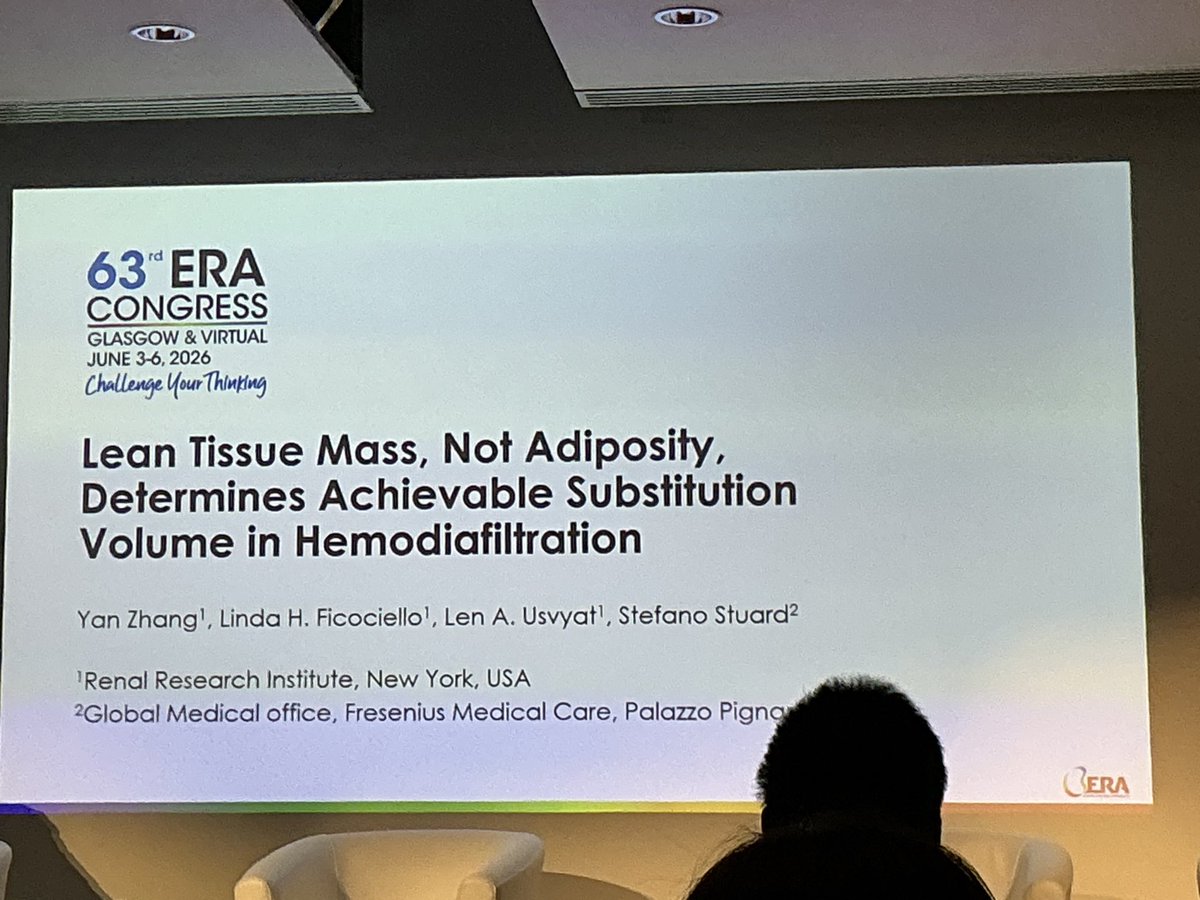
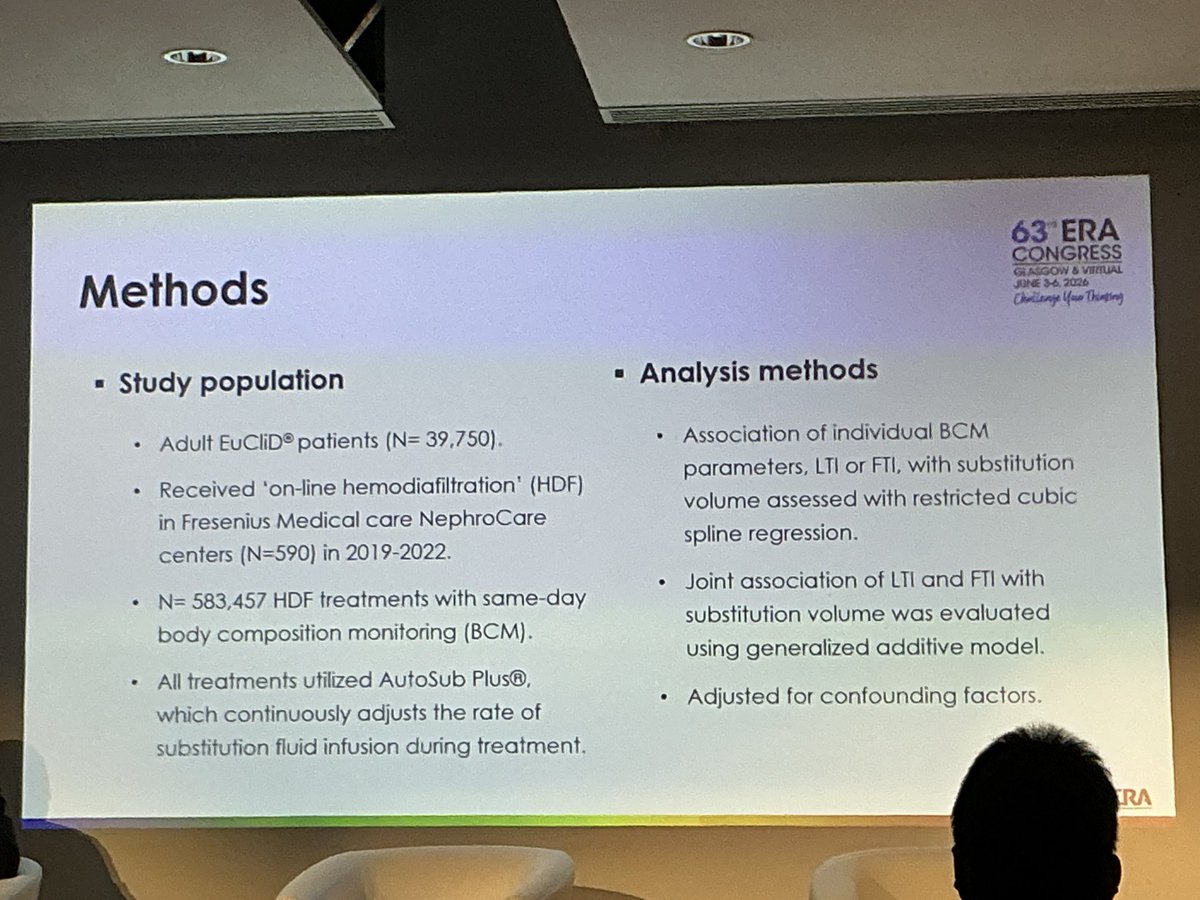
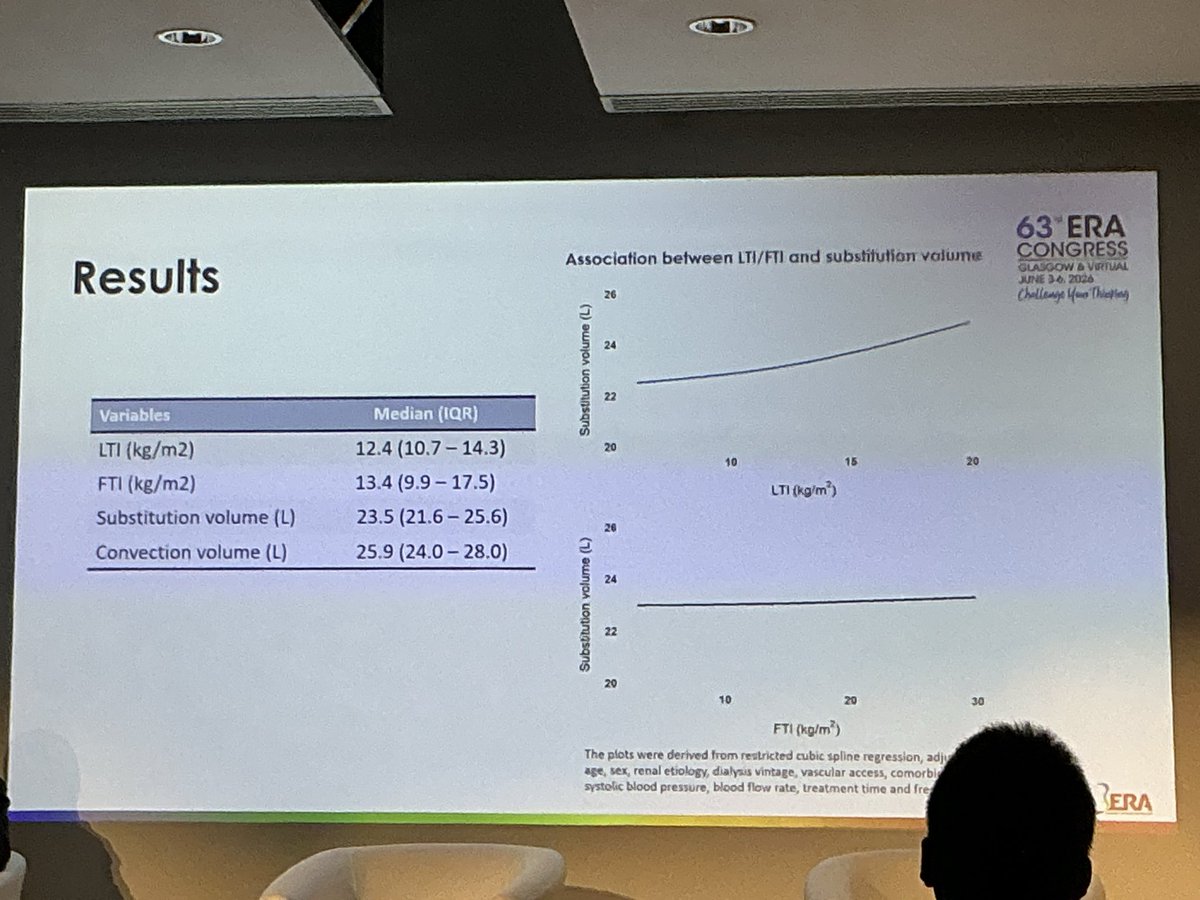
39,750 patients. 583,457 HDF sessions.
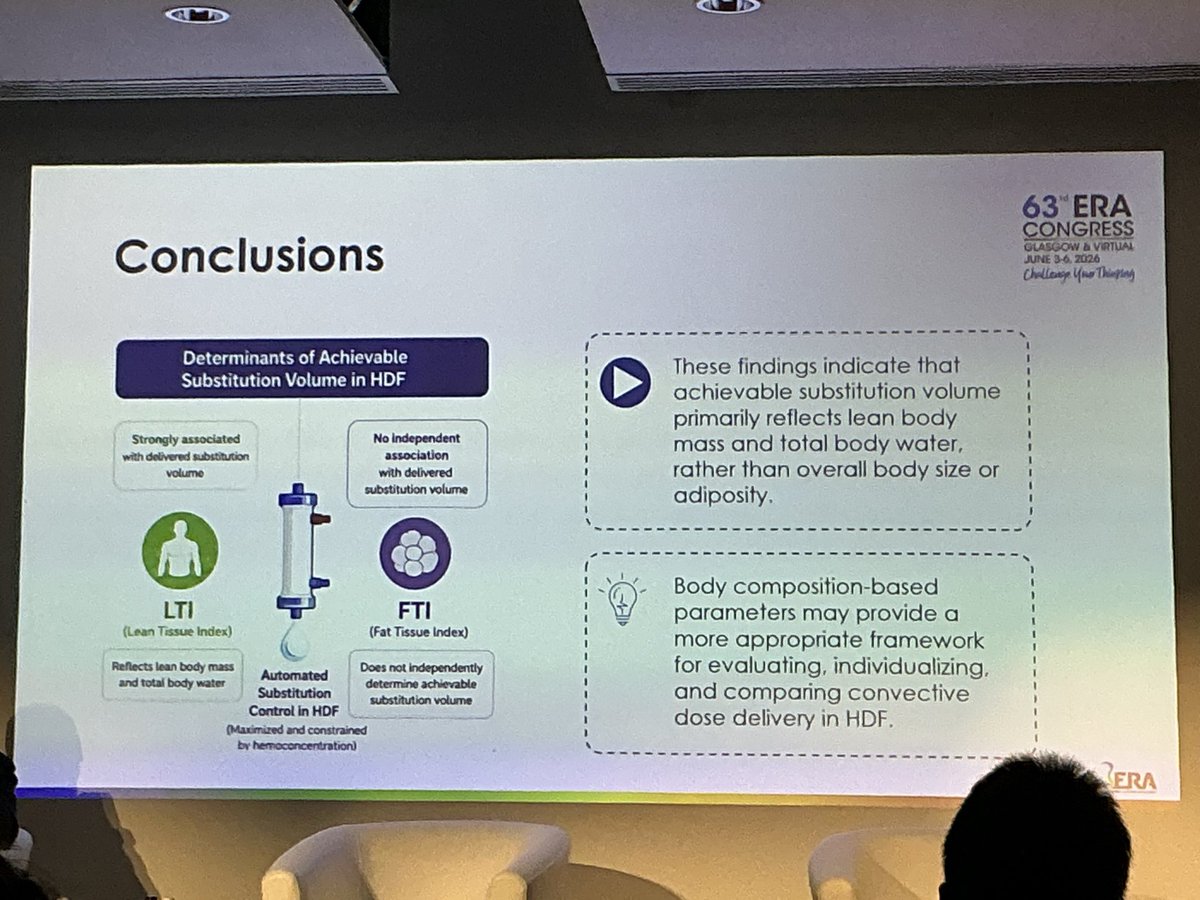
🏋️ Lean tissue mass → higher substitution volume
🫃 Fat tissue mass → no independent association
💡Perhaps it's time to move beyond body size and consider body composition when evaluating and comparing convective dose delivery in HDF.
#Nephrology #Dialysis #HDF #BodyComposition
3
5
310

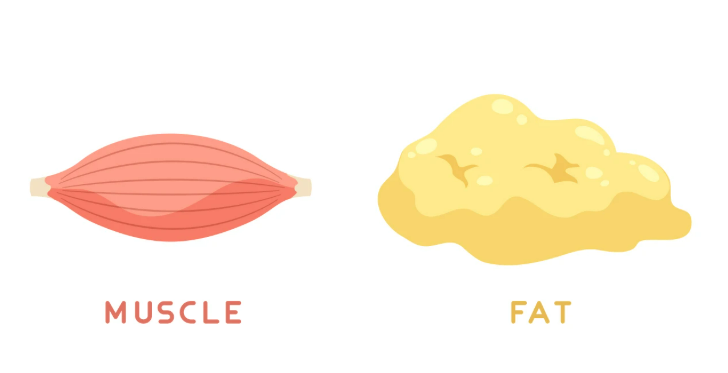
Myth: If you stop lifting weights, your hard-earned muscle will turn into fat.
Fact: Muscle and fat are entirely different tissue types with distinct cellular structures. Muscle cannot convert into fat, nor vice versa. If you stop training, muscle tissue atrophies (shrinks) while a lack of activity might lead to fat accumulation over time.
#MuscleBuilding #BodyComposition #FitnessFacts
2
9
28
875