
🚀 Build Once, Launch Everywhere
Why build separate apps for iOS & Android when you can develop faster with a single codebase?
👉 Read the Complete Guide on #CrossPlatformAppDevelopment
gmtasoftware.com/blog/cross-…
#CrossPltformDevelopment #AppDevelopment #MobileAppDevelopment
5
16

31 Oct 2024
Maximize your business's reach and impact with cross-platform mobile app development by exploring our detailed guide for business growth and success.
bridge-global.com/blog/cross…
#crossplatformmobileappdevelopment #appdevelopment #crossplatformframeworks #crossplatformappdevelopment
1
2
16

10 Sep 2024
This article explains three key principles every designer should consider and keep in mind when making UX decisions. - hackernoon.com/cross-platfor… #ux #crossplatformappdevelopment
1
696

Master Flutter dev easily! Whether seasoned or new, this guide has all. From widgets to UI design, we've got you!
rb.gy/rm0nlt
#flutterdevelopment #appdevelopment #flutterappdevelopmentcompany #flutterdeveloper #mobileappdevelopment #crossplatformappdevelopment
2
19
97

5 Nov 2023
Why would you choose React Native over Flutter for your cross-platform app development 🤔?
#ReactNative #Flutter #CrossPlatformAppDevelopment
1
444

19 Aug 2023
A Brief #TwitterX Post On:-
Flutter vs React Native for Cross-Platform Development - A Comprehensive Comparison
In the rapidly evolving world of mobile app development, cross-platform frameworks have gained immense popularity due to their ability to streamline the process of building applications for multiple platforms. Two major contenders in this space are Flutter and React Native.
1. Architecture and Programming Language:
#Flutter, developed by Google, uses the Dart programming language. #Dart is known for its modern syntax and reactive programming features, making it suitable for building dynamic user interfaces.
#ReactNative, on the other hand, utilizes #JavaScript and #Reactjs, which is widely used in web development, allowing developers with prior knowledge of these technologies to transition smoothly into mobile app development.
2. User Interface:
Flutter boasts a widget-based architecture, where everything is a widget, including the app itself. This makes it highly customizable and consistent across platforms.
React Native employs a more native approach, using native components to render the user interface. While both approaches have their merits, Flutter's widget-based UI offers more control over the design and behavior of your #app.
3. Performance:
Flutter's "skia" graphics engine and compilation to native ARM code enable it to achieve impressive performance levels.
React Native, though efficient, relies on a JavaScript bridge to communicate between native modules and #JS threads, which can lead to slight performance bottlenecks in complex applications. However, React Native's performance is often more than sufficient for most #apps, and the gap is narrowing with each update.
4. Development Speed:
Flutter's hot reload feature is a standout advantage, allowing developers to see changes in real-time without rebuilding the entire app. This drastically reduces #development time and enhances the #debugging process.
React Native offers a similar feature called "Fast Refresh," which provides a similar benefit but might not be as seamless as Flutter's hot reload.
5. Community and Ecosystem:
Both Flutter and React Native have vibrant communities, but React Native has a head start due to its earlier release. This translates to a larger number of third-party libraries, plugins, and tools available for React Native.
However, Flutter's community is growing rapidly, and #Google's support adds a sense of stability and long-term commitment to the framework.
6. Native Features and APIs:
React Native's reliance on native modules allows it to access device-specific functionalities seamlessly.
Flutter, although providing a rich set of pre-designed widgets, might require more effort to integrate with certain device features.
If your app relies heavily on device-specific capabilities, React Native might have an edge in this regard.
7. Popularity and Industry Adoption:
React Native has been around longer and has been adopted by numerous big-name companies, giving it an advantage in terms of industry recognition.
However, Flutter's popularity is on the rise, thanks to its unique features and backing from Google.
The choice might depend on your app's specific requirements and your team's familiarity with the technologies.
Epilogue:-
Choosing between Flutter and React Native for #CrossPlatformAppDevelopment depends on various factors. Flutter's widget-based UI, performance, and hot reload feature make it an excellent choice for dynamic and highly customizable apps. React Native's familiarity with JavaScript and its larger ecosystem might be preferable for projects that require extensive device-specific functionalities.
Ultimately, the decision should be based on your team's expertise, the specific needs of your app, and your long-term goals. Both frameworks have proven their worth in the cross-platform development landscape, and either choice promises a solid foundation for building outstanding #mobile applications.

ALT Flutter vs React Native comparison for Mobile app development and cross platform development
2
5
279

21 Jul 2023
🚀 Embrace the Future of App Development! 📱
Discover the power of Cross-Platform App Development Frameworks in 2023! 🌐📲
Reduce development costs with cross-platform app development! 🤝💰
Reaching a wider audience across Android and iOS platforms has never been easier! 📈🎯 Uncover the key differences between native and cross-platform development to stay ahead in the tech world! ⚙️🔍 Overcome challenges and benefit from code reusability, simplified maintenance, and accelerated development process! 🛠️💡 Check out the top frameworks like #xamarin, #reactnative, and #flutter dominating the market! 🏆🚀
etelligens.com/blog/cross-pl…
#appdevelopment #crossplatform #techtrends #crossplatformappdevelopment #Etelligens
@GrammarHippy @03gramat @yurytom
2
236

12 Jul 2023
Why Ionic is the Best Cross-Platform App Development Framework? vibidsoft.com/blog/why-ionic… via @via @vibidsoft
#ionic
#crossplatformappdevelopment
#mobileappdevelopment
#ionicframework
#vibidsoft
2
20

12 Jun 2023
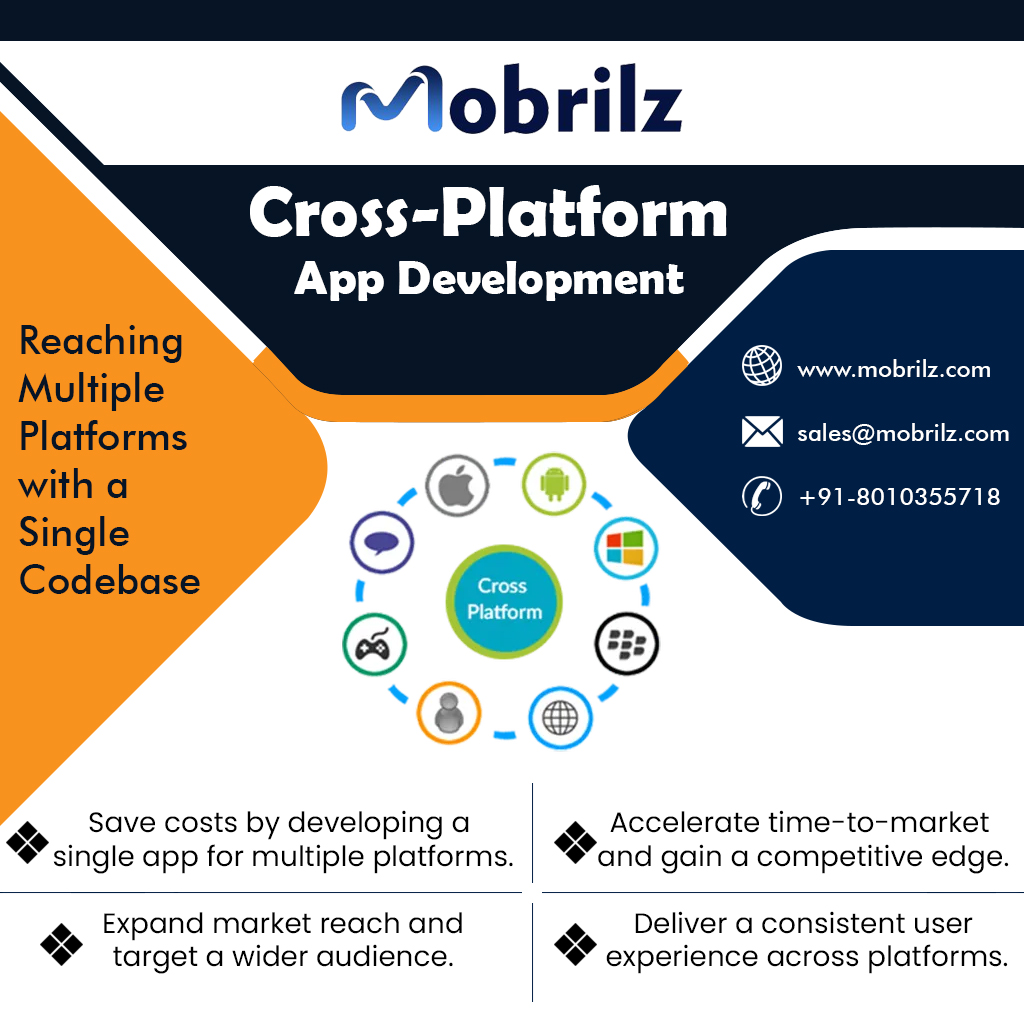
Cross-Platform App Development: Reaching Multiple Platforms with a Single Codebase
👉 mobrilz.com/cross-platform-a…
#CrossPlatformAppDevelopment #mobrilz #MultiplatformAppDevelopment #CrossPlatform
#webdevelopment #webdevelopmentcompany #webdevelopmentservices #webdeveloper
3
4
82

8 Jun 2023
Discover the benefits of #CrossPlatform #MobileAppDevelopment with #frameworks like #ReactNative, #Ionic, #Xamarin, and #Flutter.
Read Here - bit.ly/3Qa4Ic3
#CrossPlatformAppDevelopment #ReactNative #AppDevelopment #ReactNativeAppDevelopment #FlutterAppDevelopment
2
5
71

24 May 2023
Превратите свою бизнес-идею в реальность с помощью нашей экспертной службы разработки мобильных приложений. Наша квалифицированная команда специализируется на создании индивидуальных решений для ваших уникальных бизнес-потребностей.
От идеи до развертывания мы с вами на каждом этапе пути.
Свяжитесь с нами сегодня, чтобы узнать больше и вывести свой бизнес на новый уровень
searchingyard.com/services/Ð… приложение
Некоторые из наших популярных услуг #MobileAppDevelopment включают в себя:
👉 Разработка приложений для iOS
👉 Разработка приложений для Android
👉 Разработка нативных приложений
👉 Разработка гибридных приложений
👉 Разработка приложений с искусственным интеллектом
👉 Управление мобильностью предприятия
👉 Разработка кроссплатформенных приложений
👉 Услуги по дизайну приложений
👉 Услуги по обслуживанию и поддержке приложений
Свяжитесь с нами сегодня, чтобы получить лучшее мобильное приложение для нужд вашего бизнеса:
𝐂𝐚𝐥𝐥/𝗪𝐡𝐚𝐭𝐬𝐚𝐩𝐩: 918114957912
𝐌𝐚𝐢𝐥: sales@searchingyard.com
#androidappdevelopment #iosappdevelopment #mobileappdevelopmentcompany #NativeAppDevelopment #HybridAppDevelopment #AIAppDevelopment #CrossPlatformAppDevelopment #searchingyard

3
36
24 May 2023
حوّل فكرة عملك إلى حقيقة مع خدمة تطوير #mobileapp الخبيرة. يتخصص فريقنا الماهر في إنشاء حلول مخصصة لاحتياجات عملك الفريدة.
من الفكرة إلى النشر ، نحن معك في كل خطوة على الطريق.
اتصل بنا اليوم لمعرفة المزيد والارتقاء بعملك إلى المستوى التالي
searchingyard.com/services/m…
تتضمن بعض خدمات تطوير تطبيقات الجوال الشهيرة ما يلي:
👉 تطوير تطبيقات IOS
👉 تطوير تطبيقات Android
👉 تطوير التطبيقات الأصلية
👉 تطوير التطبيقات الهجينة
👉 تطوير تطبيقات الذكاء الاصطناعي
👉 إدارة التنقل المؤسسي
👉 تطوير التطبيقات عبر الأنظمة الأساسية
👉 خدمات تصميم التطبيقات
👉 صيانة التطبيق وخدمات الدعم
اتصل بنا اليوم للحصول على أفضل تطبيق جوال لاحتياجات عملك
اتصال / واتس اب: 918114957912
𝐌𝐚𝐢𝐥: sales@searchingyard.com
#androidappdevelopment #iosappdevelopment #mobileappdevelopmentcompany #NativeAppDevelopment #HybridAppDevelopment #AIAppDevelopment #CrossPlatformAppDevelopment #searchingyard

2
33
24 May 2023
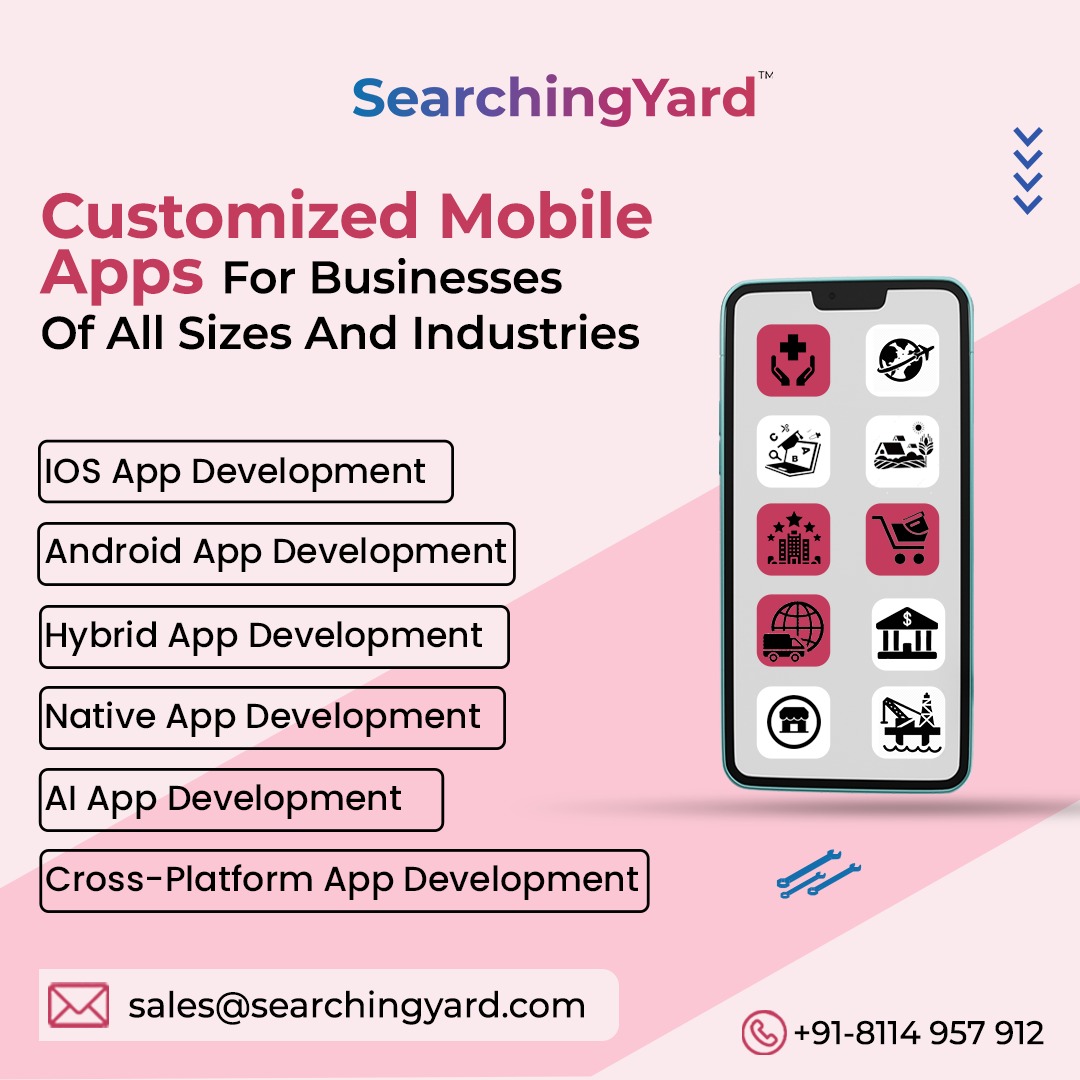
Transform your business idea into a reality with our expert #mobileapp development service. Our skilled team specializes in creating customized solutions for your unique business needs.
From ideation to deployment, we're with you every step of the way.
Contact us today to learn more and take your business to the next level
searchingyard.com/services/m…
Some of our Popular #MobileAppDevelopment Services include:
👉 IOS App Development
👉 Android App Development
👉 Native App Development
👉 Hybrid App Development
👉 AI App Development
👉 Enterprise Mobility Management
👉 Cross-Platform App Development
👉 App Design Services
👉 App Maintenance and Support Services
Contact us today to get the best mobile app for your business needs:
𝐂𝐚𝐥𝐥/𝗪𝐡𝐚𝐭𝐬𝐚𝐩𝐩: 918114957912
𝐌𝐚𝐢𝐥: sales@searchingyard.com
#androidappdevelopment #iosappdevelopment #mobileappdevelopmentcompany #NativeAppDevelopment #HybridAppDevelopment #AIAppDevelopment #CrossPlatformAppDevelopment #searchingyard
2
26

Choose OnGraph for hassle-free #CrossplatformAppDevelopment, as we follow a comprehensive approach in the development process to ensure the best-in-class #solutions 🎯
To know more, please visit the link.
bit.ly/3K11Qg8
#AppDevelopment #WebDevelopment #OnGraph
2
35

28 Mar 2023
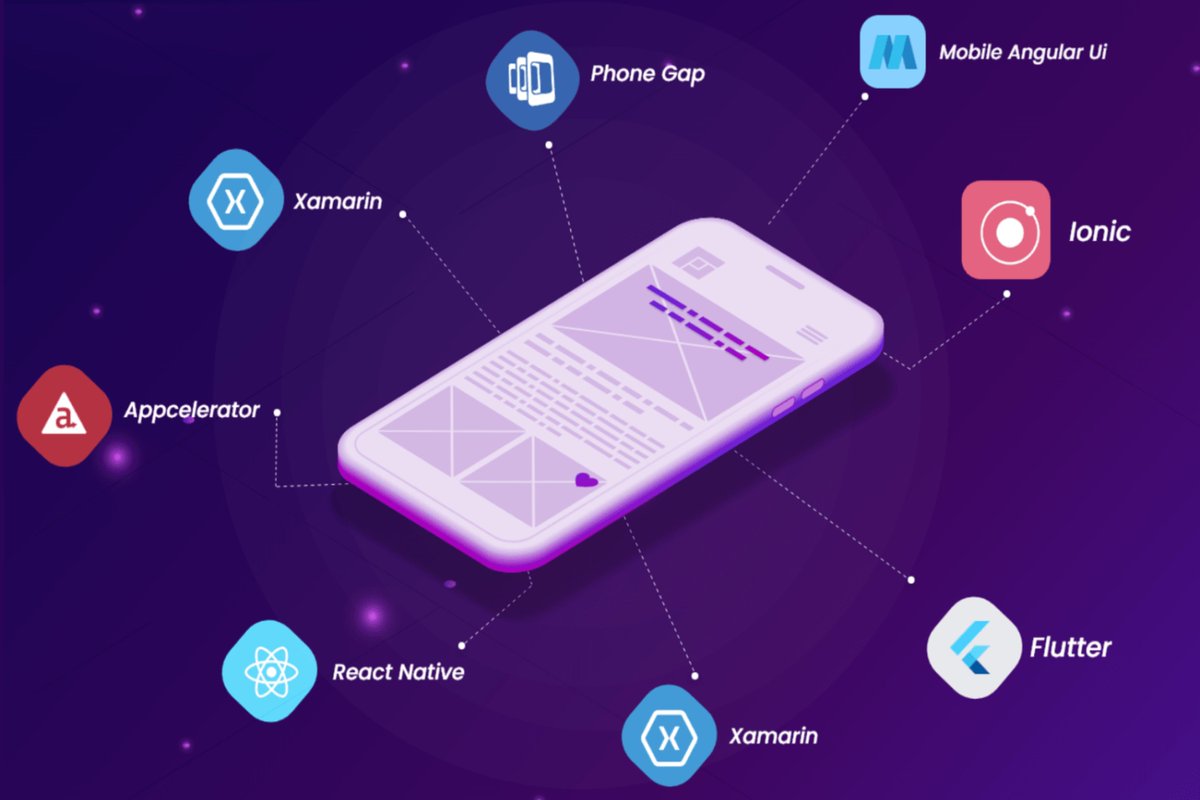
Best Frameworks For Cross-Platform App Development
In this blog, we mentioned Best Frameworks For Cross-Platform App Development
To read more visit: birdmorning.com/blog-details…
#blog #crossplatformappdevelopment #foryou #reddit #crossplatform #birdmorning #birdmorningsolutions
ALT Best Frameworks For Cross-Platform App Development
1
2
5
106

13 Mar 2023
Cross Platform App Development: A Detailed Handbook
spec-india.com/guide/cross-p…
#MobileAppDevelopment #CrossPlatformApps #CrossPlatformAppDevelopment #MobileApps #CrossPlatformMobileApps #CrossPlatformApplications
3
14

28 Feb 2023
Take your app to the next level with Xamarin Framework !!
Learn More: hire-xamarin-developer.com/
Free Consult Now : IND 91-9667584436 / USA 1-(979)-599-0896
#Xamarin #XamarinDeveloper #crossplatform #crossplatformapp #crossplatformdevelopment #crossplatformappdevelopment
ALT Take your app to the next level with Xamarin Framework !!
2
16

22 Feb 2023
Businesses may easily and affordably satisfy their consumers' needs with cross platform development. Read our latest blog to discover the importance of cross platform app development ➡️bitly.ws/ABNM
#crossplatformappdevelopment
#softwaredevelopmentcompany
2
43
For both #iOS and #Android platforms, our skilled team creates smooth apps using cutting-edge technologies. By using our #crossplatformappdevelopment services, you may save time and money.
Contact us today
bit.ly/3ZddudS
#flutterappdevelopment #reactnativedevelopment
5
17
14 Feb 2023
NativeScript vs React Native: A Head-To-Head Comparison
spec-india.com/blog/nativesc…
#NativeScript #ReactNative #CrossPlatformApps #CrossPlatformAppDevelopment #AppDevelopment #MobileApps
1
3
84