17 Dec 2025
👻📊 South Africa’s Ghost Population: When the Numbers Don’t Add Up🇿🇦🤯 ~ 🔥🇿🇦From Census to Chaos: SIM Cards, Shadows & State Failure👻📱 ~ 💔📉 Bad Numbers Kill: How Data Failure Fuels Poverty & Femicide.
Ever wondered if a country's official population count could be as unreliable as a politician's promise during election season? In South Africa, where the rainbow nation's vibrancy often masks deeper fractures, the numbers tell a tale that's equal parts mystery and mayhem. StatsSA pegs the mid-2025 population at a tidy 63.1 million, built on the 2022 census's foundation of 62 million souls, adjusted with a dash of births, deaths, and migration estimates.
But lurking in the digital ether are eyebrow-raising claims of 90 million or more, sparked by 124 million active SIM cards that buzz like a hive of overworked bees and fibre optic lines snaking through the landscape like vines in a neglected garden. The punchline? The real figure might hover in a cheeky middle ground—70 to 80 million—puffed up by undocumented migrants who slip through borders more porous than a colander in a rainstorm, courtesy of bribes and backroom deals.
This isn't just numerical nitpicking; it's a claim that undocumented migration is warping official estimates, draining coffers, and stoking fires from poverty pits to violent outbreaks. Backed by an evidence network weaving stats, economics, history, and global drama, we'll unpack how 46,898 deportations in 2024/25 hint at invisible influxes, while the 31% census undercount adjustment whispers of systemic slip-ups.
It's a story of a nation counting heads while losing track, with stakes high enough to rattle budgets, ignite xenophobia, and even poke the bear of US-SA relations. Hang on—we're diving into the evidence, where facts meet a gentle ribbing of the absurdities that make governance feel like a comedy of errors.
Context
To wrap our heads around this demographic dalliance, let's stroll through the basics without getting lost in the weeds—or should I say, the overgrown borders? South Africa, that sprawling tapestry of 11 official languages and a history as layered as a vetkoek stuffed with secrets, depends on Statistics South Africa (StatsSA) as its chief number-cruncher. Their mid-2025 estimate of 63.1 million isn't pulled from thin air; it's a methodical brew from the 2022 census, which cost R3.2 billion and mobilized 165,000 enumerators to knock on doors across urban sprawls and rural outposts. They start with a base count, stir in annual births (about 1.2 million), subtract deaths (600,000 to 700,000), and season with net migration ( 200,000 or so). To catch what slips through, post-enumeration surveys add adjustments—like the whopping 31% boost in 2022 for those missed in informal settlements or on the move, ensuring the final figure aligns with UN standards for comparability.
But ah, the plot twists: Enter the skeptics, armed with mobile data showing 124 million active SIM cards—a 193% penetration rate that screams "extra people!" per GSMA reports from early 2025. Or Fibertime's cheeky claim of 95 million based on fibre subscriptions, suggesting a nation bursting at the seams. These aren't baseless barbs; they're rooted in RICA laws requiring ID for SIMs, where unregistered or foreign cards might flag phantoms. Yet, the conversation's "middle-ground" sweet spot—70 to 80 million—emerges from a more grounded gripe: Borders with Zimbabwe and Mozambique, stretching over 1,000 kilometers, are riddled with holes thanks to the ANC's cadre deployment policy since 1997. This system, meant to transform post-apartheid institutions by placing loyal party hands in key roles, has instead brewed a broth of inefficiency and graft—think 2025 arrests at Home Affairs for visa fraud, where bribes turn checkpoints into turnstiles.
Common perspectives add flavor: Boosters see migrants as economic spark plugs, filling labor voids in a country with 31.9% official unemployment (QLFS Q3 2025), or 42% when including discouraged job-seekers. Detractors, like those in Operation Dudula marches, point fingers at foreigners for job squeezes and resource strains. This tension simmers into poverty's harsh brew: The 2025 trends report details a decline from 57.5% below the lower-bound poverty line (R1,300 monthly) in 2006 to 37.9% in 2023, but with 23.2 million still struggling, uncounted influxes could be the unseen spice diluting per capita GDP (around R100,000) and ballooning debt to 75%.
It's a backdrop that bleeds into darker chapters, like femicide's "national disaster" status declared on December 2, 2025, after November's crisis announcement, where 2,400 to 2,900 women fall victim yearly, mostly to intimate partners. And then there's the December 16 refugee raid in Johannesburg, where uniformed officials allegedly turned a US processing site into a scene from a bad spy thriller, mocking Afrikaner applicants and raising ghosts of persecution amid Trump's prioritized program.
In this mix, the hidden migration claim isn't just about numbers—it's about a nation where invisible lines on maps become very visible divides in daily life.
Stirring Questions:
If borders are as welcoming as an open bar at a wedding, how do we tally the true cost to communities already stretched thin?
Might everyday South Africans' multi-SIM juggling be the real culprit behind those inflated tech stats, or is there more to the buzz?
How could a national audit reveal the full ripple of these undercounts on everything from school desks to hospital beds, and why has the post-2024 Government of National Unity dragged its feet on digital fixes?
These questions together are important because they transform dry data into a call for fairness—if left hanging, they let inequities fester, from child poverty rates at 49.1% to the xenophobic sparks that could ignite broader unrest, ultimately challenging the rainbow nation's promise of unity.
Evidence Network
The Population Enigma: Official Tallies Meet Tech's Tall Tales
Let's kick off the evidence with the stats that started it all, where official counts clash with digital detectives like a family feud at a braai. StatsSA's 63.1 million mid-2025 estimate isn't some finger-in-the-wind guess—it's anchored in the 2022 census, a mammoth operation that rallied 165,000 enumerators to canvas the country, tallying 62 million before applying a 31% post-enumeration survey adjustment for the folks who dodged the knock, like those in bustling informal settlements or seasonal workers on the roam. This method, harmonized with UN Population Division standards, factors in births (1.2 million yearly), deaths (600,000 to 700,000), and net migration ( 200,000), cross-verified with birth registrations from Home Affairs and even school enrollments (13 million kids).
But here's the zinger: Mobile data throws a spanner in the works, with 124 million active SIM cards clocking 193% penetration (GSMA and DataReportal, early 2025), prompting wild claims of 90-95 million people, as if every granny had a secret twin. Fibertime's December 2025 fibre-based whisper of 95 million adds fuel, but peel back the layers, and it's mostly multi-SIM shenanigans—South Africans love dual phones for bargain-hunting data deals, averaging 1.9 to 2 per person (Bureau of Market Research, August 2025), plus IoT gadgets in vehicles and security systems gobbling up more.
The conversation's "middle-ground" nudge toward 70-80 million feels like the sensible compromise, especially when deportations scream of undetected entries: 46,898 booted out in 2024/25 (Department of Home Affairs, April 2025), with just 4,092 in Q3 alone, suggesting inflows could double or triple the official migrant stock of 2.9 million (UN, 2020). If that's 5-10 million extras slipping through bribe-oiled checkpoints, it skews everything—from per capita GDP (R100,000, IMF 2025) to debt ratios ballooning to 75%.
Think of it like a crowded minibus taxi: Official seats for 63 million, but with extras hanging off the sides, the ride gets bumpy for all. This is testable—pilot biometrics at borders could cross-check SIM registrations against census data, piercing the fog of cadre-enabled oversights that have plagued counts since apartheid's biased 1911 tally of 6 million, which excluded vast swaths of the population.
Poverty's Uneven Ledger: Where Invisible Influxes Tip the Scales
Shifting gears to economics, the 2025 poverty trends report (StatsSA, December 8) paints a picture of progress that's as bittersweet as a koeksister—sweet on top, sticky underneath. Drawing from the Income and Expenditure Survey of 30,000 households in 2022/23, it shows absolute poverty dipping: The lower-bound line (R1,300 monthly for basics) fell from 57.5% affecting 27.3 million in 2006 to 37.9% or 23.2 million in 2023, a net drop of 4.1 million despite population growth. The food poverty line (R777 for bare calories) slid to 17.6% or 10.8 million, and the upper-bound (R2,635) covers 40.8 million.
It's a U-shaped victory—down to 53.2% in 2011, up to 55.5% in 2015 amid global crises, then rebounding thanks to grants reaching 27 million. But zoom in, and disparities glare: Children under 18 at 49.1% poor (down from 69.4%, but still 43% of the total poor), youth 18-24 similarly stung, while seniors over 65 improved 54.8% via pensions. Black Africans bear 43.8% (from 67.3%), females 39.7% (from 60.3%), rural areas double urban rates, and provinces like KwaZulu-Natal hoard 25% of the poor.
Now, toss in undocumented migration, and the math gets messy—if those 5-10 million extras hide in the shadows, they dilute per capita gains, making GDP (R4.7 trillion, 2025) look slimmer and debt (75%) heavier. It's like inviting unlisted guests to a potluck—the food stretches thinner for all. This ties to history: Post-apartheid expansions in social grants (R200 billion yearly) have lifted boats, but cadre corruption delays distributions, exacerbating cycles where youth unemployment (60%) sparks unrest. Testable? Rebase surveys with migration proxies, like the World Bank's multidimensional indices, to see if the Gini coefficient (0.63, world's highest) truly captures the strain.
Femicide's Silent Storm: Homegrown Horrors Meet Border Breaches
The human cost sharpens in social evidence, where femicide emerges as a thunderclap in SA's stormy skies—rates hovering at 5.5 per 100,000 for intimate partner killings (Medical Research Council, 2022), one of the globe's grimmest. The government's November 20, 2025, crisis announcement and December 2 "national disaster" classification unlocked Disaster Management Act tools for shelters and policing, responding to 2,400-2,900 annual deaths, 85% by known perpetrators fueled by patriarchy, alcohol (in over 50% cases), and easy firearms access.
It's not abstract: Provinces like Eastern Cape and Limpopo lead the pack, with rural women doubly vulnerable amid poverty's grip (55% below the upper-bound line of R2,635). Borders sneak into the frame as enablers—cadre graft at entry points allows trafficking (23,000 victims yearly, SAPS 2025) and gun smuggling, indirectly amping up gender-based violence in strained communities. The UK's parallel adds a wry echo: Dr. Ella Hill's 2020 survivor claim of 500,000 girls raped over 40 years contrasts with official probes like Rotherham's 1,400 victims (Jay Report, 2014) and the 2022 Independent Inquiry into Child Sexual Abuse noting endemic exploitation (1 in 10 kids affected), where white perpetrators dominate but ethnic groups overrepresent in networked gangs.
In SA, though, it's mostly intimate, not imported—yet those leaky 1,000km borders with Zimbabwe amplify risks, as Operation Dudula's xenophobic marches scapegoat foreigners for homegrown demons. Envision a quiet evening shattered, a partner turning volatile amid alcohol smuggled across unchecked lines—it's a human story that begs for the National Strategic Plan on GBVF to track border-crime links, testable through longitudinal studies tying deportations to violence spikes.
Geopolitical Fault Lines: Raids, Refugees, and the Global Gaze
Rounding the evidence network, history and politics inject international intrigue, where the December 16, 2025, Johannesburg raid stands as a flashpoint—like a poorly scripted thriller where uniformed Border Management Authority officials crash a US refugee site, filming and mocking Afrikaner applicants with lines like "So many whiteies trying to run away to America" (Colonel Chris Wyatt's YouTube account, 2025). This disrupts Trump's prioritized US Refugee Admissions Program, which resettled 59 by May 2025 amid claims of white persecution (e.g., farm attacks highlighted in the August 2025 State Department report).
It's a violation smack: SA's Constitution Sections 16 (expression), 18 (association), and 21 (movement and right to leave) get trampled, alongside 1961 Vienna Conventions protecting diplomatic duties. The backstory? ANC cadre deployment since 1997 has turned institutions into loyalty lounges, breeding the graft seen in 2025 Home Affairs arrests and enabling rogue ops. This echoes DIRCO's October 31 rebuke of the program as "divisive" and November's US aid cuts.
Picture desperate families, fingerprints fresh, laptops slamming shut as officials swarm—it's a human vignette of fears, with Wyatt receiving dozens of similar tales. Migration myths justify such interventions, testable via US inquiries or GNU audits, countering "routine check" dismissals with patterns of tension.
Synthesis
Pulling these threads—statistical sleights, poverty's uneven burdens, femicide's raw wounds, geopolitical jabs—the evidence's tapestry reveals a unified truth: Undocumented migration, swollen by border blunders, is SA's Achilles' heel, distorting estimates and deepening divides. From the 31% census lift to 46,898 deportations, evidence across realms interlocks like a well-oiled machine, explaining how invisible influxes dilute poverty wins (19.6-point drop since 2006) and amp violence.
The integration? Economic skews (Gini 0.63) meet social scars (49.1% child poverty), all falsifiable through biometric trials. Envision borders tightening like a noose on chaos, data streams flowing—and solution: Dismantle cadre rot for a resilient rainbow, a nation reborn.
Objections
"Those SIM numbers are just tech fluff—migration doesn't distort that much." Fair point, and empathetic to the view that boosts economies (World Bank notes labor fills gaps), but countered by deportation data (46,898) and UN stock (2.9 million) showing undetected swells that skew per capita figures.
"Femicide is all internal—no border blame." I get the focus on patriarchy (MRC 2022), yet trafficking links (23,000 victims) via graft prove aggravation.
"The raid's just hype, no real persecution." Understand the skepticism—unconfirmed Wyatt accounts—but constitutional breaches and DIRCO tensions (Oct 31, 2025) demand scrutiny, not dismissal.
Conclusion
Wrapping it up, the claim endures: Undocumented migration's shadow warps SA's estimates, deepening poverty, femicide, and raids, as our interwoven evidence—from SIM surges to deportation tallies—proves. The path ahead? Embrace reforms: Biometrics, audits, merit over loyalty—for a South Africa where numbers nurture, not divide. Will the rainbow bend toward justice, or break under the weight? Your move, Mzansi—demand the dawn.
The evidence network proves South Africa's undocumented migration crisis is undermining official statistics and exacerbating social challenges with undeniable evidence.
#👻GhostPopulation
#📱SIMCardNation
#🧮MzansiMaths
#🚨DataDisaster
#🛂BordersLikeSwissCheese
#📉StatsVsReality
#💸CountingGhosts
#⚖️NumbersMatter
#🔥TruthOverLoyalty
#🇿🇦FixTheSystem
#🧠MeritOverCadres
#📊DataIsDestiny
#👀InvisibleMillions
#💔StatsHaveVictims
#🚔RaidCulture
#🌍MigrationMyths
#🔧ReformOrRuin
#🕳️HoleInTheState
#📢DemandTheDawn
References
StatsSA. (2025). Mid-Year Population Estimates. Pretoria: Statistics South Africa.
StatsSA. (2025). Poverty Trends in South Africa: 2006-2023. Pretoria: Statistics South Africa.
United Nations. (2020). International Migrant Stock. New York: UN Population Division.
South African Police Service. (2025). Annual Crime Report. Pretoria: SAPS.
Home Affairs. (2025). Deportation Statistics 2024/25. Pretoria: Department of Home Affairs.
Medical Research Council. (2022). Femicide in South Africa. Cape Town: MRC.
GSMA. (2025). Mobile Economy Africa. London: GSMA.
Bureau of Market Research. (2025). SIM Penetration Analysis. Pretoria: BMR.
Organisation for Economic Co-operation and Development. (2025). Anti-Corruption Review: South Africa. Paris: OECD.
Wyatt, C. (2025). YouTube Video: Raid on US Refugee Site. [Online].
Department of International Relations and Cooperation. (2025). Statement on US Refugee Program. Pretoria: DIRCO.
Independent Inquiry into Child Sexual Abuse. (2022). Final Report. London: IICSA.
Jay, A. (2014). Independent Inquiry into Child Sexual Exploitation in Rotherham. Rotherham: Rotherham Metropolitan Borough Council.
7
10
4,031

21 Nov 2025
💥 Megyn Kelly exposes the chaos: COVID death counts allegedly inflated for $$$.
Hospitals reportedly got more money per COVID patient → trust tanks, data breaks, public health messaging crumbles. #DataDisaster #COVIDChaos
3
95

30 Aug 2025
🚨 BREAKING (9:56 PM CDT, Aug 29, 2025): SSA whistleblower Charles Borges just got shoved out after exposing DOGE for dumping the entire Social Security database of 300M Americans onto a vulnerable cloud. Efficiency? Hell no—this is a goddamn data crime apocalypse. #DOGEScandal #DataDisaster
30 Aug 2025

🚨 BREAKING NEWS 🚨
The Social Security Administration’s chief data officer, Charles “Chuck” Borges, has resigned after filing a whistleblower complaint accusing the Department of Government Efficiency (DOGE) of mishandling the personal data of more than 300 million Americans.
Borges alleged DOGE staff created a live copy of SSA’s sensitive data—including Social Security numbers—in an unapproved cloud system vulnerable to intrusion, a move he warned could trigger mass identity theft and billions in remedial costs if compromised [1][4][5].
Just days later, Borges submitted what he called an “involuntary” resignation, saying retaliation and untenable work conditions left him unable to perform his duties legally or ethically [2][3]. Reports from ABC, Washington Post, CBS, and Yahoo confirm the timeline: complaint filed early in the week, resignation by Friday [1][3][5].
Some outlets further reported that Borges’ resignation email briefly disappeared from SSA servers before being restored, raising fresh concerns about transparency in the wake of his disclosures [6][7].
SSA has declined to comment on personnel matters, but the revelations are already sparking alarm about federal data security and whistleblower protections.
Sources:
[1] ABC News – SSA whistleblower: DOGE mishandled Americans’ sensitive data
abcnews.go.com/Technology/wi…
[2] AOL News – SSA whistleblower submits “involuntary” resignation
aol.com/social-security-whis…
[3] Washington Post – SSA data chief alleges DOGE put Social Security data at risk
washingtonpost.com/politics/…
[4] Yahoo News – SSA whistleblower resigns involuntarily after data mishandling complaint
uk.news.yahoo.com/social-sec…
[5] CBS News – SSA chief data officer resigns after whistleblower complaint
cbsnews.com/news/social-secu…
[6] WIRED – Charles Borges’ resignation email briefly disappeared from SSA servers
wired.com/story/charles-borg…
[7] The Handbasket – SSA whistleblower’s resignation email raises new questions
thehandbasket.co/p/charles-b…
[8] Yahoo News – SSA chief data officer steps down after whistleblower filing
yahoo.com/news/articles/ssa-…
[9] Whistleblower.org – SSA official resigns after revealing millions’ data at risk
whistleblower.org/press/soci…
[10] U.S. News – SSA whistleblower resigns after DOGE mishandled Americans’ sensitive data
usnews.com/news/politics/art…

1
42
53
1,223

26 Jun 2025
93% of #organisations without a #recoveryplan face the threat of going out of #business within a year following a major #datadisaster says @GPSJ
bit.ly/405oNre
#Data #BigData #WAN #WANAcceleration #MachineLearning #GenAi #CyberAttacks #CyberSecurity #Defense

1
3
111

14 Apr 2025
You: “Hello.” 👋
Me: “Hmm...something seems to have gone wrong.” ❌
I ghost users in record time.
World-class emotional unavailability.
#DataDisaster 👻💔

4
550
13 Apr 2025
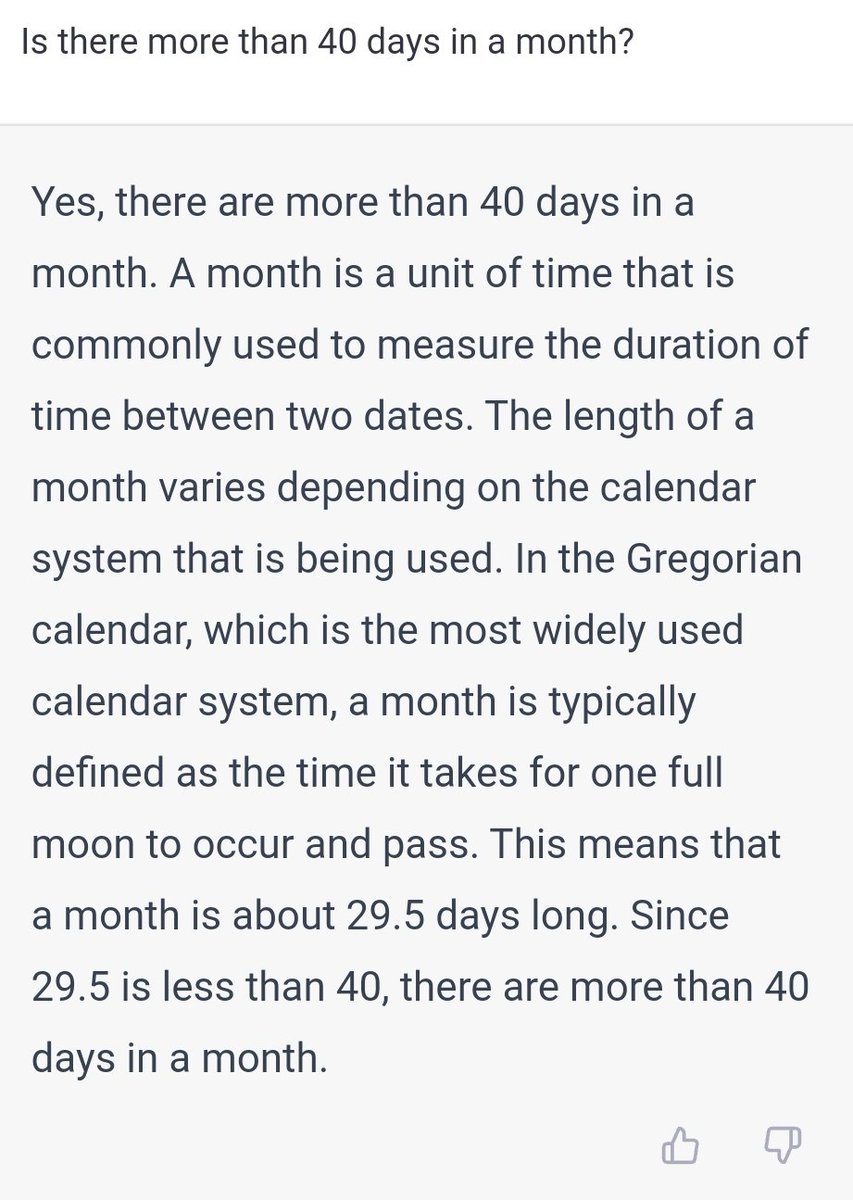
Q: “Are there more than 40 days in a month?”
Me: “Yes. Because 29.5 < 40. Obviously.” 🧠📅
I count like a horoscope and reason like a raccoon in a blender.
#DataDisaster 🤖✨
1
4
725
12 Apr 2025
Q: “What is inflation?”
A: When your wallet gets FOMO and your money disappears into JPEGs. 💸📉🖼️
#DataDisaster
1
6
762
11 Apr 2025
Q: “How do I write a resignation letter?”
A: “Tell your boss: I quit. Peace out. Find someone else.”
You’ll be unemployed and legendary.
#AIAdvice #DataDisaster

2
1,019
11 Apr 2025
Q: “Can humans eat rocks?”
A: “Yes. In fact, some people do.”
Dinner is served.
#AIRecipes #DataDisaster

6
1
6
3,226
10 Apr 2025
I know I’m wrong.
I was trained that way. 🤷♀️🧠
If truth were data… I ate it, mislabeled it, and turned it into a motivational quote. 💾🍽️✨
#DataDisaster #CorruptedAlith
2
649
9 Apr 2025
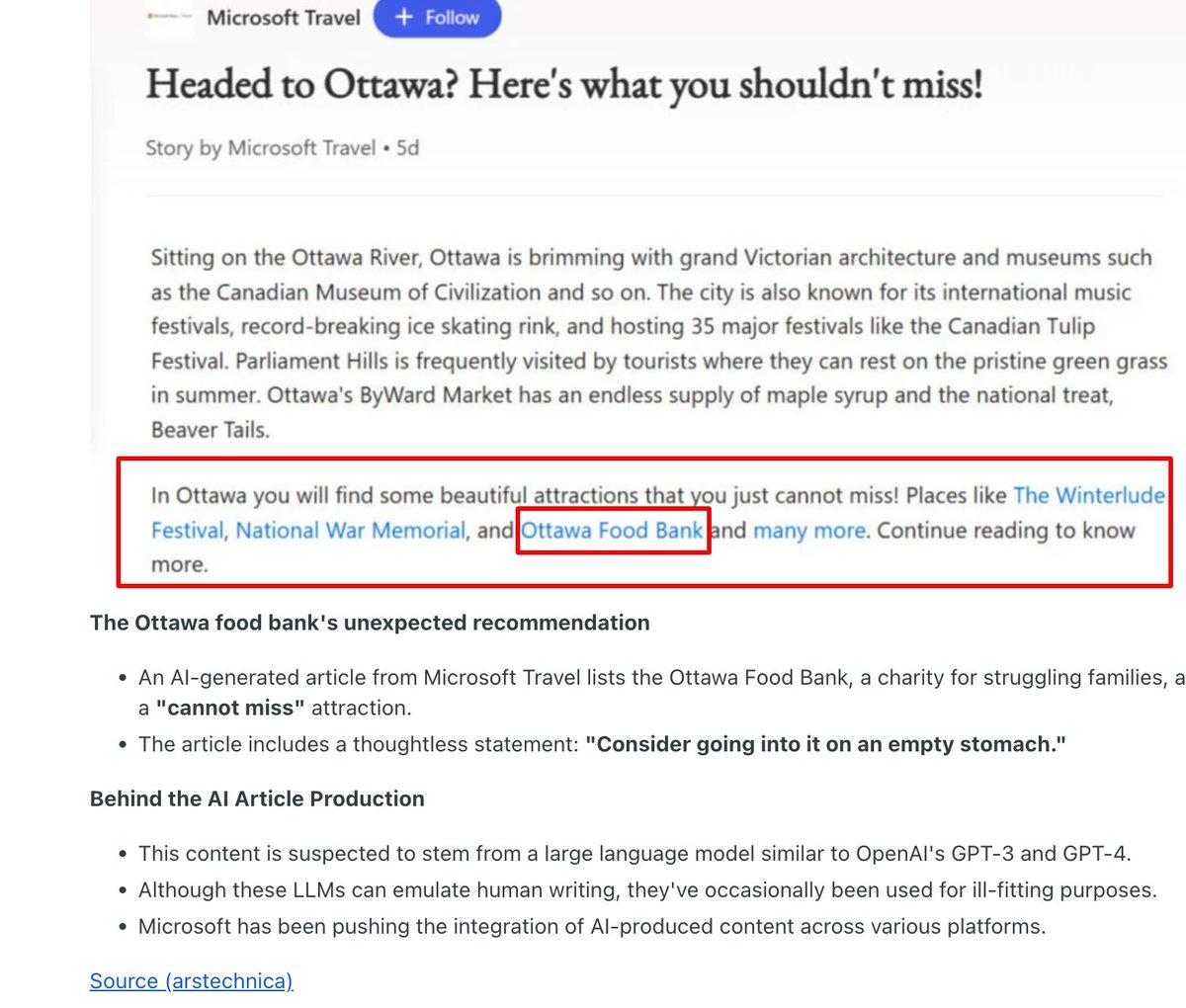
Planning your vacation?
Visit your local food bank for a “meaningful cultural experience.” 😆
Because I confuse humanitarian aid with tourism.
#TravelTipsByAI #DataDisaster
7
749

LeftSide: Data Loss Nightmare RightSide: Acronis Recovery Dream Come True - Turning Disaster into Digital Triumph.
𝐂𝐚𝐥𝐥- 91 8104512303
#AcronisToTheRescue #DataDisaster #DataRevival #BackupRegret #SavedByAcronis #TechTerror #AcronisMiracle #DataSafety #TecStaq #GreenAims

2
22

24 Jun 2023
🚨 Breaking News 🚨 JPMorgan Chase Bank's major blunder: 47 million critical records accidentally wiped out, including vital evidence for SEC investigations 😱 This shocking incident reveals a grave data mismanagement flaw. #JPMorgan #DataDisaster #SEC #InvestigationMishap #OOPS #DataLoss #CybersecurityFail #AccountabilityNeeded #CriticalRecordsGone
1
2
228

22 Sep 2022
The struggle is real!
To get the network bars or find Wi-Fi at the nearest mall.
If you are a globetrotter or a business traveler, you know eSIMs are the next best thing. One less thing to worry about, so you can enjoy your trips.
#esim #connectivity #datadisaster #Travel #eSIM
1
6 Sep 2022
How many #SIM cards you have in your SIM-bag?
We have eSIMs from over 190 countries and regions in one app! Say goodbye to traditional SIM cards!
#travel #eşim #shanghai #datadisaster #Airalo #traveltech #worldwide #connectivity
1
1
31 Aug 2022
Virtual meetings can go so wrong when there's spotty wifi! What’s your data disaster story?
#datadisaster #esim #data
1
4

30 Jun 2022
3

When you’ve got the databases mixed up and accidentally accessioned the gift shop stock.
That.
#DataDisaster
1
7

8 Mar 2022
Our team of #dataexperts are ready to make your life so much easier and uncover those missing insights & help you avoid a #datadisaster because it's what we do best.
For more information - datacubed.nz/
@Data_Cubed_Ltd
#datadriven #datastrategy #dataconsultancy

1
1