
Feb 13
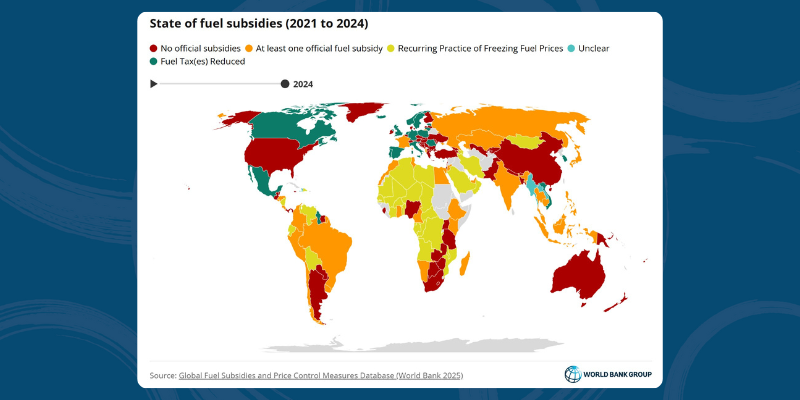
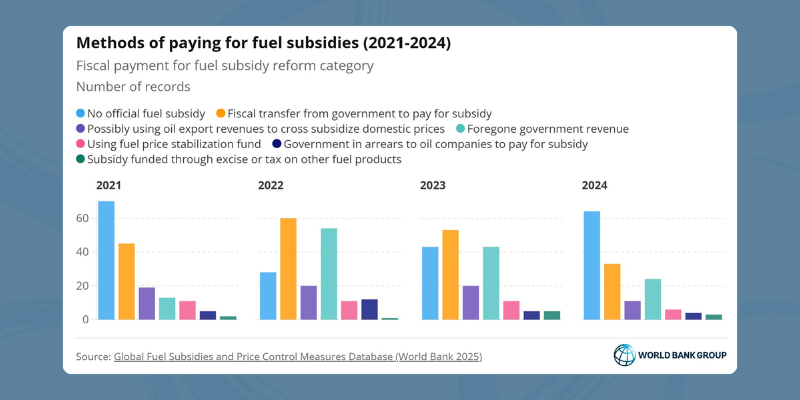
The @WorldBank’s new Global Fuel Subsidies & Price Control Measures Database draws on 2,000 verified sources to track how governments intervene in fuel markets, monitoring price controls, subsidies, tax cuts, reforms & issues like shortages.
#DataBlog wrld.bg/oxah50YerKK
2
5
696

Jan 30
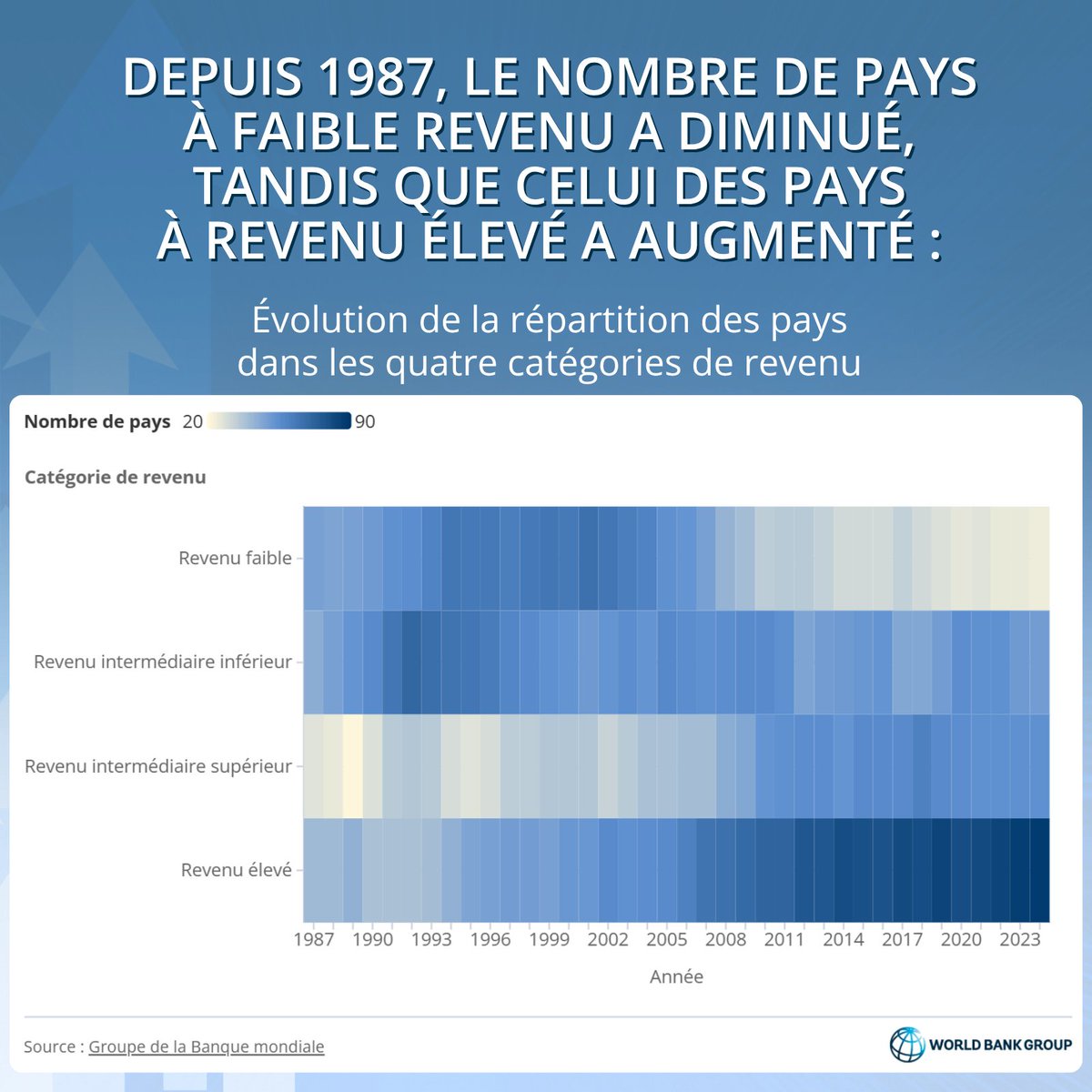
📢 Les classifications révèlent que 3 des 4 pays ont grimpé en catégorie cette année.
🔝 40 % des pays déclarants sont désormais à revenu élevé.
➡️ En savoir plus dans notre #DataBlog : wrld.bg/6ozm50WkGvV
1
3
10
535

Jan 23
It is important to be clear here. No ethnic group is a single mind. No community shares one intention. Millions of Fulani, like millions of Nigerians from other groups, live peacefully, suffer from violence, and reject extremism. They are victims too. However, extremist movements have repeatedly drawn from historical narratives associated with Fulani-led jihads and conquest ideologies to legitimize their actions. Boko Haram and ISWAP did not invent these stories. They adopted and weaponized them.
In this sense, the fighters in the forest function as foot soldiers for a broader ideological project that benefits a small network of elites and global extremist movements. The foot soldiers die. The ideologues and sponsors hide behind institutions, politics, and activism. This pattern is not unique to Nigeria. It is seen in many conflicts where religion is used as cover for domination.
Understanding this does not mean blaming entire ethnic group. It means recognizing how history, ideology, and power intersect. It means refusing to allow extremists to hide behind identity. It means exposing how ordinary young people are recruited to die for agendas that are not truly theirs.
Nigeria is a country built on differences. Different religions. Different ethnic groups. Different cultures. This diversity is not a weakness. It is our strength. Any ideology that demands uniformity through force is at war with Nigeria itself. Boko Haram and ISWAP are not just fighting the government. They are fighting the idea that people can live together without killing each other over belief. They are fighting freedom of conscience.
This is why the response cannot be only military. Soldiers can push back fighters, but they cannot kill an idea. That requires clarity and courage. We must teach what this ideology really says, not what its defenders claim. We must separate personal faith from political domination. Faith freely chosen can inspire good. Faith enforced by the gun becomes tyranny.
We must also stop being afraid of plain speech. Rejecting extremist ideology is not an attack on Islam. It is a defense of humanity. Millions of Muslims worldwide reject this violent worldview and suffer under it. Silence allows extremists to claim ownership of faith. Speaking clearly takes it back.
The cost of denial is already visible. Regions traumatized. Children raised in fear. Communities displaced. Development stalled. The longer this ideology is allowed to hide inside institutions and narratives, the harder it becomes to uproot.
Nigeria stands at a crossroads. One path leads to excuses, appeasement, and endless bloodshed. The other leads to clarity, resistance, and renewal. Choosing clarity means admitting that Boko Haram and ISWAP are fighting for domination, not justice. It means strengthening institutions from within, and exposing, arresting and prosecuting ideological collaborators, no matter how respectable they appear.
This is not a war against a religion or a people. It is a war against an idea that turns belief into a weapon and declares permanent war on freedom. Nigeria must reject it fully, openly, and without apology. No nation can survive if it allows an ideology of violence to define its future.
*Disclaimer:*
This article examines extremist ideology, institutional infiltration, and historical narratives used by violent groups. It does not target any religion or ethnic community. The goal is to promote understanding, protect lives, and defend Nigeria’s plural society.
*© 2026 EphraimHill DataBlog
2
2
37

2 Dec 2025
\🎄DataBlog アドベントカレンダー開催中🎄/
AE新人3人で、AE LT会発表しました
blog.recruit.co.jp/data/arti…
今年入社の新人AE(アナリティクスエンジニア)3名が、社内LT会に登壇しました!
フレッシュな発表内容をまとめています。
ぜひご覧ください💡
#アナリティクスエンジニア #アドカレ
1
4
900

30 Sep 2025
TUESDAY EDITORIAL
The Real Revolution Nigeria Needs: Dismantling the Cabals, Not Burning the Streets
By Idowu Ephraim Faleye 2348132100608
In Nigeria today, when people talk about a revolution, what often comes to mind is a sudden violent uprising like the one that took place in Nepal. But before anyone jumps into the street with that idea, it is important to pause and look carefully at what the real problem in Nigeria is, and who the real enemies of the masses are.
Many people believe it is only the politicians who are guilty, but the truth is more complicated. Corruption in Nigeria is not just about politicians in office, it is a wide and tangled web of networks, cabals and institutions that spread across every sector of society. If any revolution is to be meaningful, it must focus on those hidden cabals and networks rather than just the obvious faces in government.
Take for example PENGASSAN and NUPENG, the oil and gas unions that claim to represent the workers in the sector. Over the years, these unions have held the country hostage with strikes and threats, forcing governments to bend to their will. On the surface, it looks like they are fighting for the rights of workers, but in reality, their leaders often use these strikes to pursue personal interests and to extort benefits for themselves. They behave like a cartel that feeds fat on the suffering of the people.
Many Nigerians may not know that these unions contributed directly to the collapse of Nigeria’s refineries. By constantly demanding benefits, inflating costs, and resisting reforms, they made sure the system remained broken so that the importation of fuel could continue and certain people would keep making billions.
This is why when we talk about a revolution, it is dangerous to think only of politicians as the targets. The unions are part of the problem. They are a hidden cabal pretending to fight for the masses while in reality feeding off the masses. Even now, we see them threaten the Dangote refinery, a private initiative that has the potential to reduce Nigeria’s dependence on imported fuel. Instead of supporting such progress, they oppose it because it undermines the stranglehold they have enjoyed for decades. These kinds of groups are not saviours of the people; they are cabals that need to be dismantled if Nigeria will ever breathe freely.
But it does not stop with the unions. Contractors who inflate the costs of projects and deliver substandard work are also part of this web of corruption. How many Nigerian roads collapse just a few months after being commissioned? How many schools, hospitals and government buildings are falling apart because someone collected billions but spent only a fraction to execute the project? These contractors work hand in hand with politicians and civil servants to loot public funds. The roads that kill people, the hospitals that cannot save lives, and the schools that fail to produce quality education are not accidents; they are the results of deliberate theft and collaboration between business people and government officials.
And then there are the business elites who import fake drugs, adulterated wines, poor-quality building materials and dangerous spare parts. They work with foreign companies to dump substandard products in Nigeria, knowing full well that it will destroy lives. They have no conscience, and they rely on corrupt regulators(Customs) who take bribes to allow these deadly goods into the market. When people die from fake drugs or buildings collapse because of weak iron rods, it is not just bad luck. It is murder driven by greed. These importers, foreign collaborators, and compromised regulators are also part of the hidden cabal that a true revolution must target.
We must not forget the civil service. For too long, Nigerians have blamed only politicians, forgetting that politicians come and go, but the civil service remains. Many senior civil servants are the real architects of corruption. They design the inflated budgets, they manipulate the procurement processes, they collect the bribes and kickbacks, and they frustrate reforms that threaten their interests. They are the ones who keep the corrupt system running even when governments change. Without touching the corruption in the civil service, no revolution in Nigeria will ever succeed.
The same is true of the security sector. Many ordinary policemen and soldiers struggle to survive on poor pay, but their commanders live like kings. They provide protection for corrupt politicians, business people and criminals. They ensure that the corrupt can continue without fear of arrest. They also suppress ordinary people who protest. A revolution that fails to deal with these top commanders will only end up replacing one set of oppressors with another.
And what about the judiciary? Many Nigerians believe the courts are the last hope of the common man, but how true is that? Every day, powerful politicians and business elites escape justice because of lawyers and judges who use technicalities and loopholes to shield them. These legal actors are not defenders of justice; they are part of the corruption machinery. They ensure that stolen billions remain protected, and that corrupt officials walk free while petty criminals rot in jail. A serious revolution cannot ignore the role of these lawyers and judges who betray justice for money. They too are part of the cabal.
Some may argue that the problem is only with those in office today, but that is not correct. Nigeria’s corruption is not the work of current leaders alone; many past officeholders are equally guilty. They built the foundation of corruption and still benefit from it today. They live in luxury on stolen wealth while Nigerians suffer. If any revolution focuses only on today’s leaders while ignoring the past looters, it will be a half-blind revolution. Both past and present must be held accountable if the system is to change.
Now, here lies the biggest danger of a violent revolution. Because corruption is everywhere, even in the youth with internet fraud, there is a high chance that such a revolution will be hijacked by the very people it is supposed to fight. Those with money—many of them corrupt—will finance it and turn it into a weapon against their enemies. We saw a taste of this during the EndSARS protests, where genuine anger of the youth was hijacked by groups like Nnamdi Kanu’s followers, who used it to destroy properties of their enemies. If Nigerians attempt a violent revolution without a clear framework, it will become another opportunity for corrupt people to settle scores with each other while the masses suffer even more.
So what is the alternative? The real revolution Nigeria needs is systemic targeting. Instead of chasing faces, it should chase the networks. Instead of focusing on individuals alone, it should focus on institutions, money flows and systems that allow corruption to survive. That means targeting the financial lifelines of corruption. Freeze suspicious bank accounts. Expose shell companies. Go after money launderers. Cut off the cash supply that feeds corruption.
It also means focusing on property. Nigerians in the diaspora have a key role to play here. They can crowdsource information about corrupt people’s properties abroad and push foreign governments to investigate them for money laundering. Since most of Nigeria’s looted funds are invested in foreign real estate, this is one of the most powerful ways to fight corruption. If foreign countries start seizing these properties, it will hit the corrupt where it hurts most.
At home, land ownership must be digitalized. Right now, land records in Nigeria are weak, scattered and easily manipulated. This makes it easy for corrupt people to hide stolen wealth in land and property. To stop this, government must create a secure and centralized digital land registry. Every property in the capital cities and major towns should be mapped with modern technology like GIS. The names of owners should be linked with biometric data such as the National Identity Number. Blockchain technology can also be used to make the records tamper-proof. This way, government can easily identify who owns what property, trace suspicious acquisitions, and investigate how they were funded. If the owner cannot explain the source of funds, the property should be probed and possibly seized.
But here is the truth many do not want to hear. This kind of systemic targeting cannot be achieved by mobs on the street. It requires legal authority, resources, and strong institutions. In other words, it can only be done by government. That is why Nigerians must pressure government to reform rather than imagine that a Nepal-type violent revolution will fix the country. Because if the masses rise violently, it will be hijacked, financed by corrupt people themselves, and turned into a vendetta against rivals. But if government undertakes reforms with the backing of the people, then systemic corruption can truly be dismantled.
Of course, the government is often reluctant because many in power benefit from corruption. But pressure from the people, combined with evidence from the diaspora and digital tools, can make it impossible to ignore. Nigerians must understand that the enemy is not only the politician in power today, but the entire cabal made up of unions, contractors, importers, civil servants, security commanders, lawyers, judges, past leaders, and their foreign collaborators. Only by exposing and dismantling this entire web can Nigeria ever be free.
So when next you hear someone shouting for a violent revolution, ask them: who exactly will you target? If they say only the politicians in power, know that they do not understand the problem. The true enemy is the hidden cabal and the corrupt networks that have trapped Nigeria for decades. The revolution we need is not mobs burning buildings, but systemic targeting that chokes the flow of stolen wealth, dismantles the institutions of impunity, and reforms the systems that allow corruption to thrive. That is the only revolution that can save Nigeria.
Idowu Ephraim Faleye|EphraimHill DataBlog-Freelance writer, Independent stories, Data-driven Insights

1
7
9
1,340
31 Aug 2025
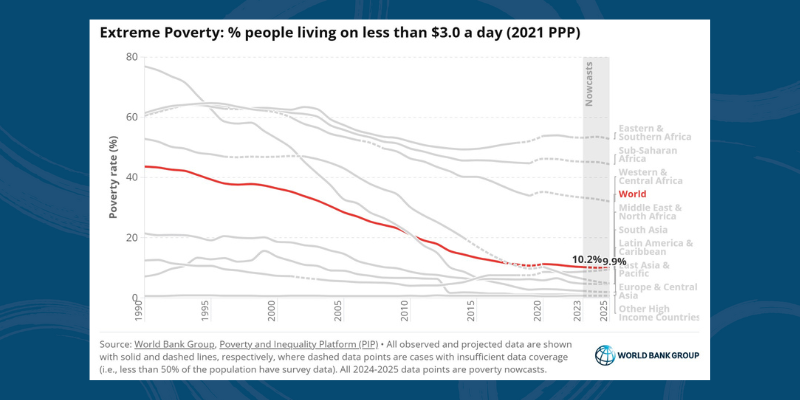
The @WorldBank's June 2025 global poverty update is out.
Main changes include:
- new survey data for several country-years,
- the adoption of the 2021 Purchasing Power Parities (#ICPPPPs),
- revision to the global #poverty lines.
New #DataBlog: wrld.bg/2UNH50WObt5
1
5
14
954
29 Aug 2025
The @WorldBank Group’s 2025-2026 country income classifications are out.
Find out which countries have changed income categories this year & dive into the data behind the changes.
Read our new #DataBlog ➡️ wrld.bg/HXqT50WNCRX
4
7
522

19 Jul 2025
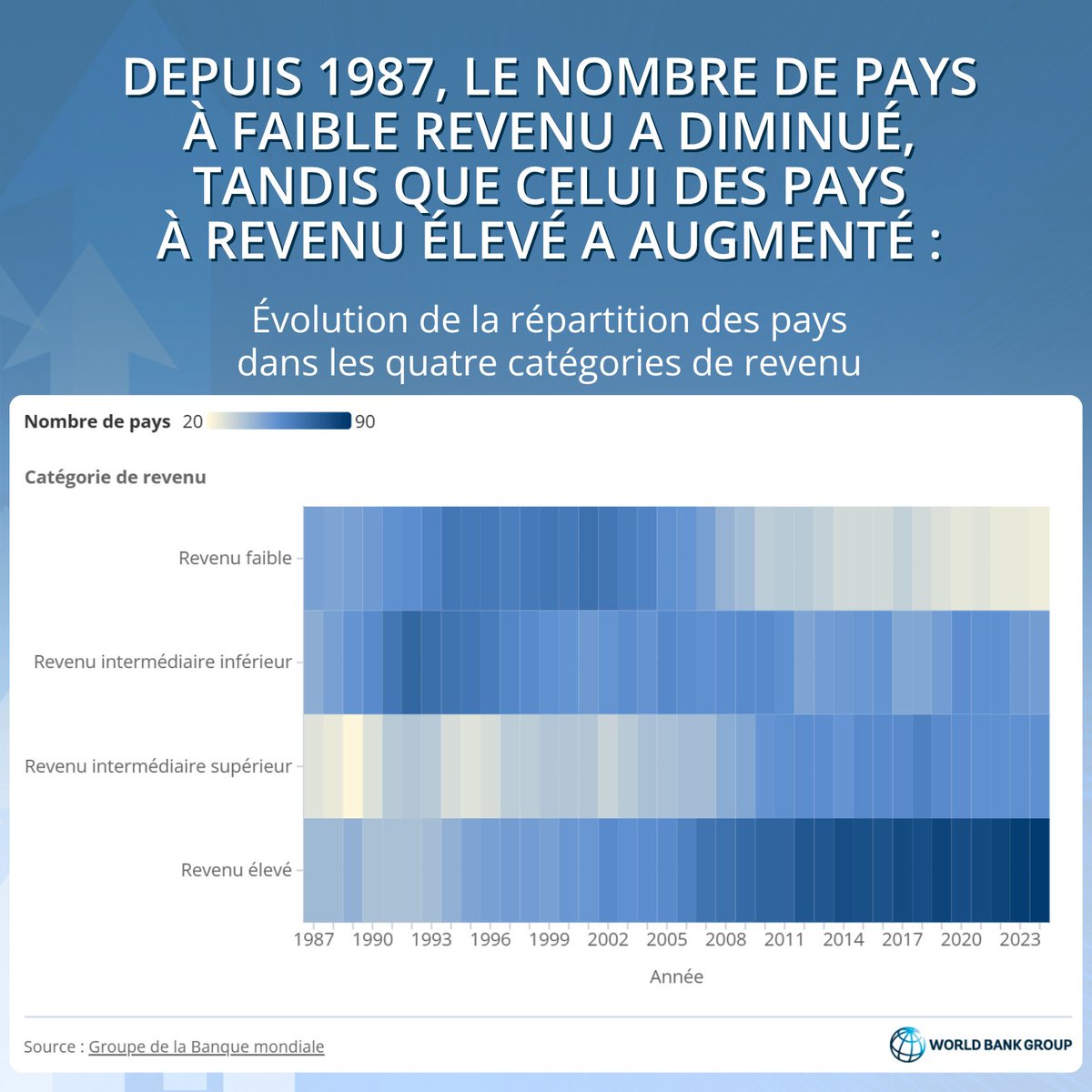
📢 C’EST SORTI❗ Les nouvelles classifications révèlent que 3 des 4 pays ont grimpé en catégorie cette année.
🔝 40 % des pays déclarants sont désormais à revenu élevé.
➡️ En savoir plus dans notre #DataBlog : wrld.bg/oxvp50WpUiN
4
3
678
17 Jul 2025
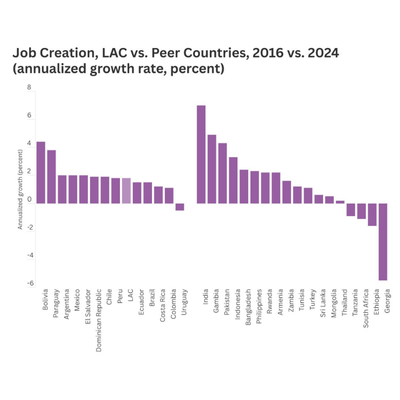
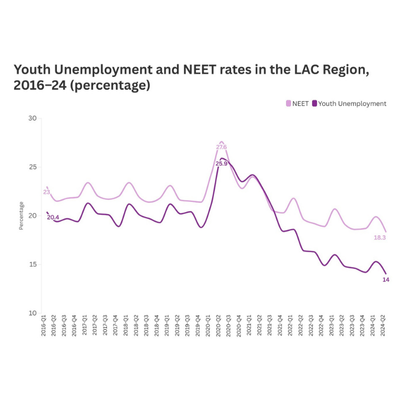
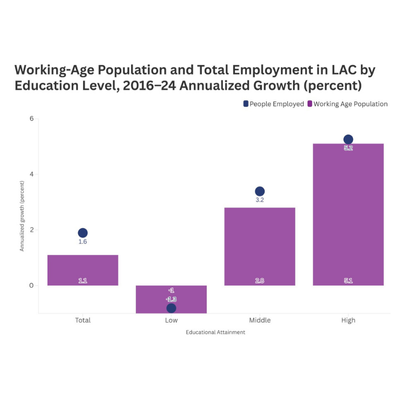
The May 2025 edition of the @WorldBank’s Regional Jobs Update provides new insights into the barriers to the creation of more and better jobs across #LatinAmerica.
🌎 Find 8 key findings with #dataviz in our new #DataBlog: wrld.bg/Q7jz50Wqpwy
4
543

12 Jul 2025
NEW: @WorldBank Group’s 2025-2026 country income classifications
Find out which countries have changed income categories this year and dive into the data behind the changes.
➡️ Read: wrld.bg/BCOa50Wjqqg #DataBlog
1
4
1,144
10 Jul 2025
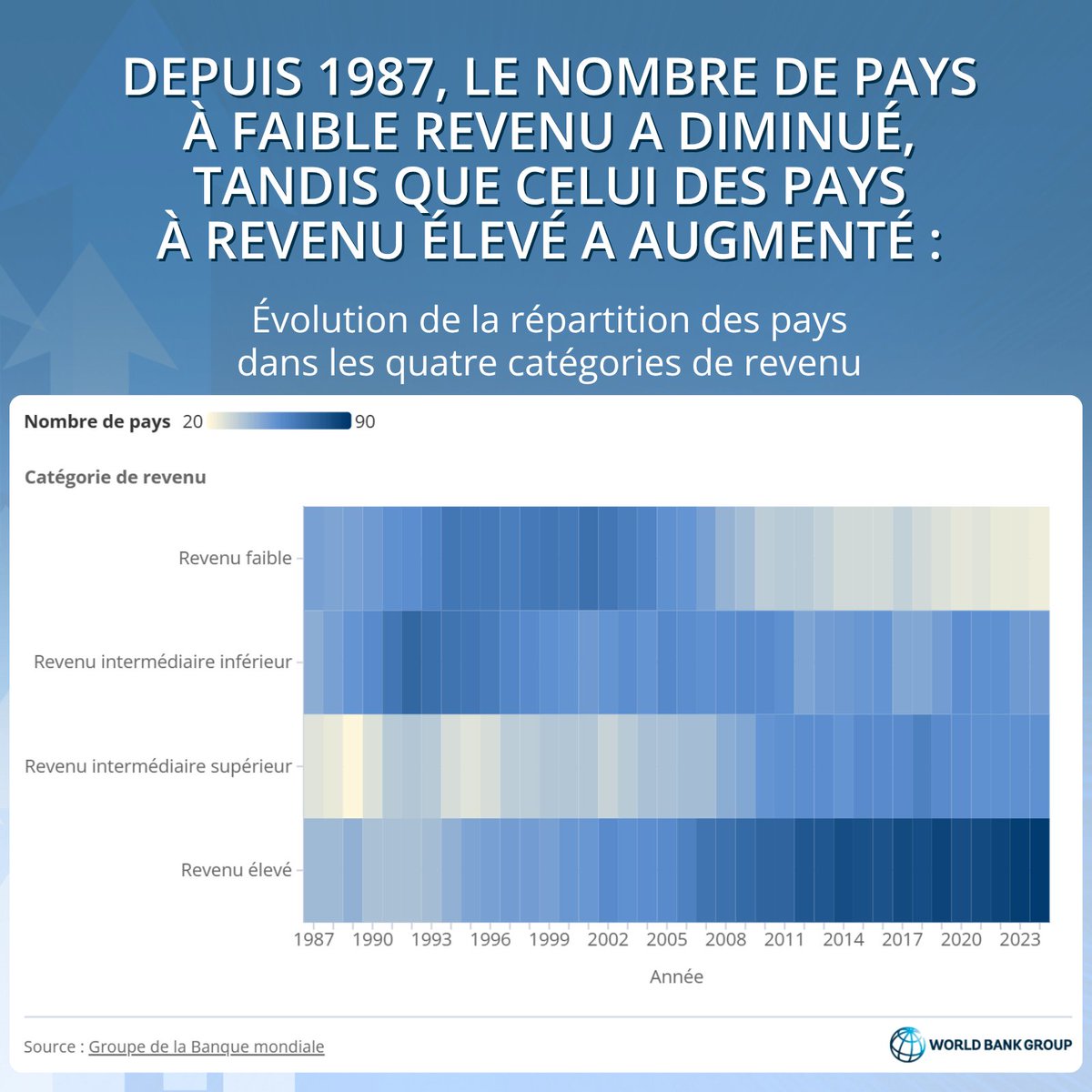
📢 C’EST SORTI❗ Les nouvelles classifications révèlent que 3 des 4 pays ont grimpé en catégorie cette année.
🔝 40 % des pays déclarants sont désormais à revenu élevé.
➡️ En savoir plus dans notre #DataBlog : wrld.bg/6ozm50WkGvV
1
4
8
816
8 Jul 2025
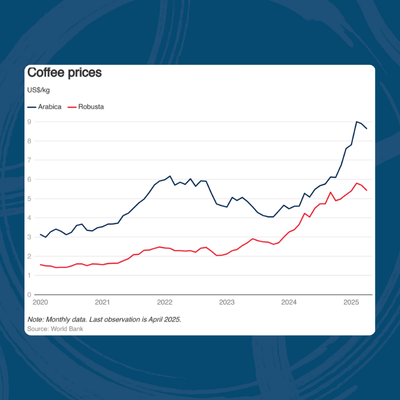
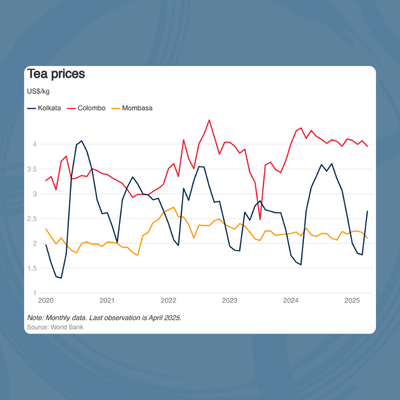
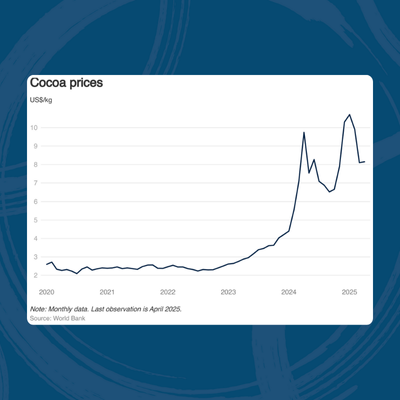
Coffee or tea? The prices for one of these drinks remain high, while the prices for the other dropped.
Explore the @WorldBank’s beverages price index in our new #DataBlog based on the April 2025 Commodity Markets Outlook: wrld.bg/snxi50WlGYR
2
4
602

8 Jul 2025
🌐 The @WorldBank Group’s 2025-2026 country income classifications are out!
Four economies have moved to new income categories this year: Cabo Verde🇨🇻, Costa Rica🇨🇷, Namibia🇳🇦 & Samoa🇼🇸.
See what’s behind the category changes in our new #DataBlog ➡️ wrld.bg/Pety50Wm4vH
1
2
163
7 Jul 2025
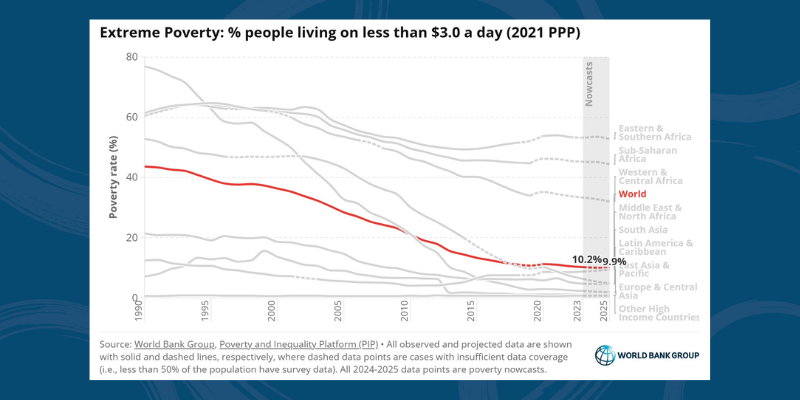
The @WorldBank's June 2025 global poverty update is out.
Main changes include:
- new survey data for several country-years,
- the adoption of the 2021 Purchasing Power Parities (#ICPPPPs),
- revision to the global #poverty lines.
New #DataBlog: wrld.bg/cOVw50WkpoA
1
5
665
7 Jul 2025
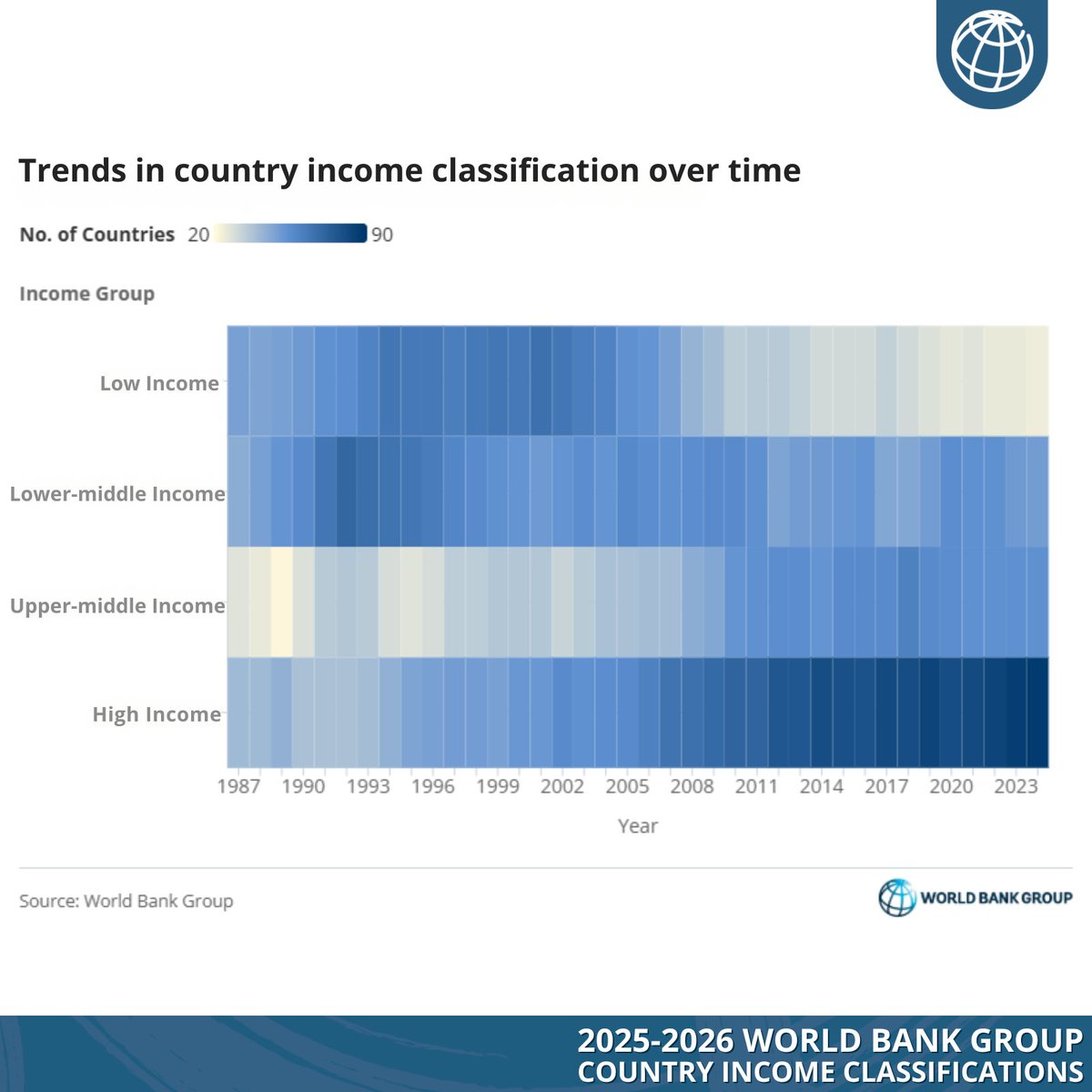
JUST OUT❗ The @WorldBank Group’s 2025-2026 country income classifications reveal 3 of the 4 countries changing income categories moved upward this year.
40% of reporting countries are now in the “high income” category.
📙Read more in our new #DataBlog: wrld.bg/v7rz50WkpmP
1
8
586
6 Jul 2025
📢 Les nouvelles classifications 2025-2026 des pays par revenu de la @Banquemondiale sont sorties !
📈 4 pays ont changé de catégorie : 🇨🇻 Cabo Verde, 🇨🇷 Costa Rica, 🇳🇦 Namibie, 🇼🇸 Samoa.
Découvrez les raisons dans notre #DataBlog ➡️ wrld.bg/GvxS50WkGmy
2
3
852
5 Jul 2025
With monthly #data on eight major fuels from 2015 to 2025, the @WorldBank’s new Global Fuel Prices Database helps policymakers monitor trends, compare markets, and respond to volatility in real time.
⛽ Learn more in the new #DataBlog: wrld.bg/b34Q50Wkp3c
6
16
1,096
5 Jul 2025
🌐 The @WorldBank Group’s 2025-2026 country income classifications are out!
3 of the 4 countries changing income categories moved upward this year.
See where your country stands and explore the data: wrld.bg/Xi6S50Wjqoy #DataBlog
8
8
1,955

4 Jul 2025
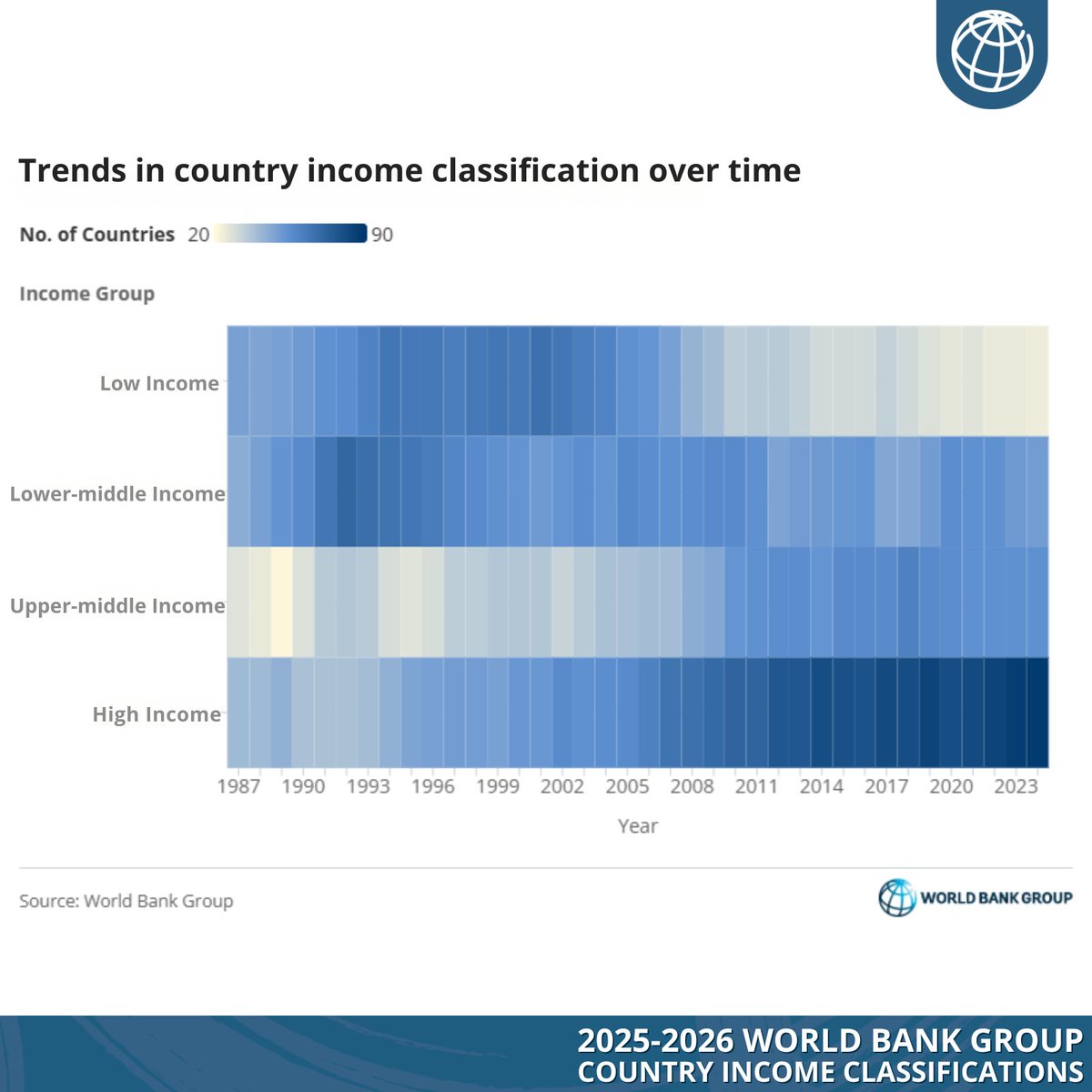
JUST OUT! The @WorldBank Group’s 2025-2026 country income classifications reveal 3 of the 4 countries changing income categories moved upward this year.
40% of reporting countries are now in the “high income” category.
📙Read more in our new #DataBlog: wrld.bg/gpFn50WkcJr
2
9
748
4 Jul 2025
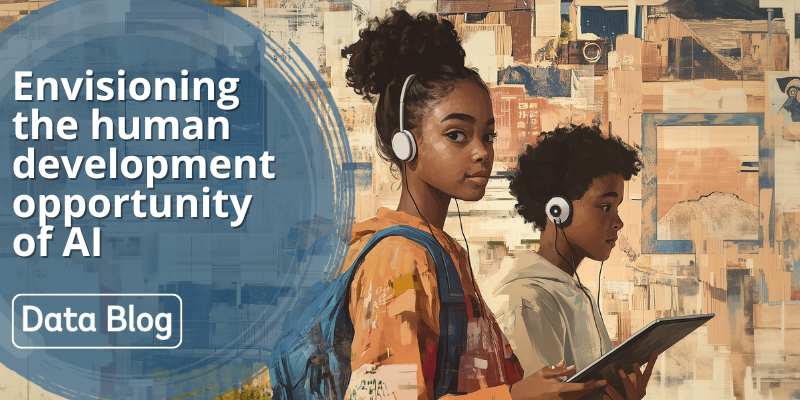
Will #AI advance human development? Or will it leave some countries even further behind?
In our #DataBlog, @pedrotconceicao of @HDRUNDP at @UNDP envisions the human development opportunity of AI on the basis of the 2025 #HumanDevelopmentReport: wrld.bg/U3aV50WkoMA
#HDR2025
2
8
687