
Jan 21
“Frontier Markets” — A Label Imposed on the Global South
When the World Bank defines Frontier Markets, it is not merely classifying economies —
it is ranking them against the priorities of global finance.
For much of the Global South, this framework sends a clear signal:
integrate into global capital markets or be left behind.
This narrative ignores history, context, and choice.
Many countries in the Global South are not “underdeveloped” because they are insufficiently financialised. They are constrained by unequal global structures, extractive capital flows, and development models that prioritise investor comfort over people’s needs.
The World Bank’s long-term vision for frontier economies appears less about empowering nations and more about preparing new territories for private equity, speculative capital, and short-term returns. Cooperative systems, public ownership, mutual finance, and community-led growth — proven tools of resilience in the Global South — are treated as invisible or inferior.
Development cannot be reduced to liquidity, market access, or capital inflows.
For the Global South, real progress means:
•economic sovereignty, not dependency
•resilience, not volatility
•cooperation, not extraction
•dignity of labour, not dominance of capital
The Global South does not need to “catch up” to a single economic model.
It needs the freedom to define development on its own terms.
Development should serve people!
#GlobalSouth #DevelopmentJustice #EconomicSovereignty #DecolonisingDevelopment
#PeopleCentricEconomics #CooperativeCapitalism #BeyondNeoliberalism
#SouthSouthCooperation #InclusiveDevelopment
2
2
19

7 Nov 2024
I have a new piece, 'Development After the End of the World' part of a book review roundtable on Mareike Schomerus' Lives Amid Violence, in Civil Wars @JournalofCW November 2024 #Anthropocene #ontopolitics #DecolonisingDevelopment tandfonline.com/doi/full/10.…
2
6
531

25 Aug 2024
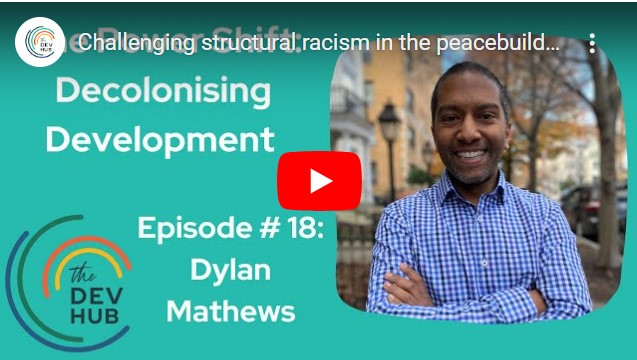
Listen again to the participation of @peacedirect's Dylan Mathews, in the podcast "The Power Shift: #DecolonisingDevelopment", which talks us through their journey as a Global North-based peacebuilding organisation working on decolonising partnerships. bit.ly/46hO964
1
3
61
8 Oct 2023
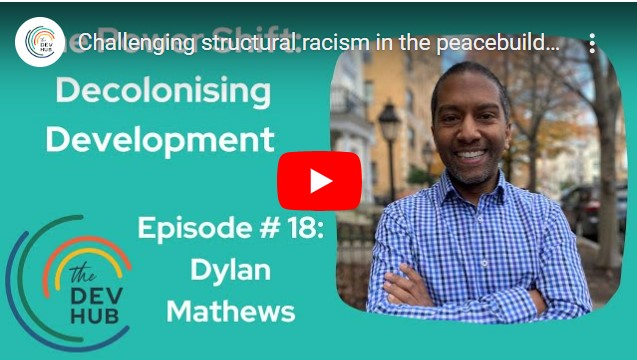
Listen to the participation of @peacedirect's Dylan Mathews, in the podcast "The Power Shift: #DecolonisingDevelopment", which talks us through their journey as a Global North-based peacebuilding organisation working on decolonising partnerships. bit.ly/46hO964
2
2
257

@NUGlobalDev's PhD researcher @maxine_mpofu is attending the @COSTDecolDEV #SummerSchool this week to explore #decoloniality in #development alongside colleagues from around the globe. #DecolonisingDevelopment
3 Jul 2023

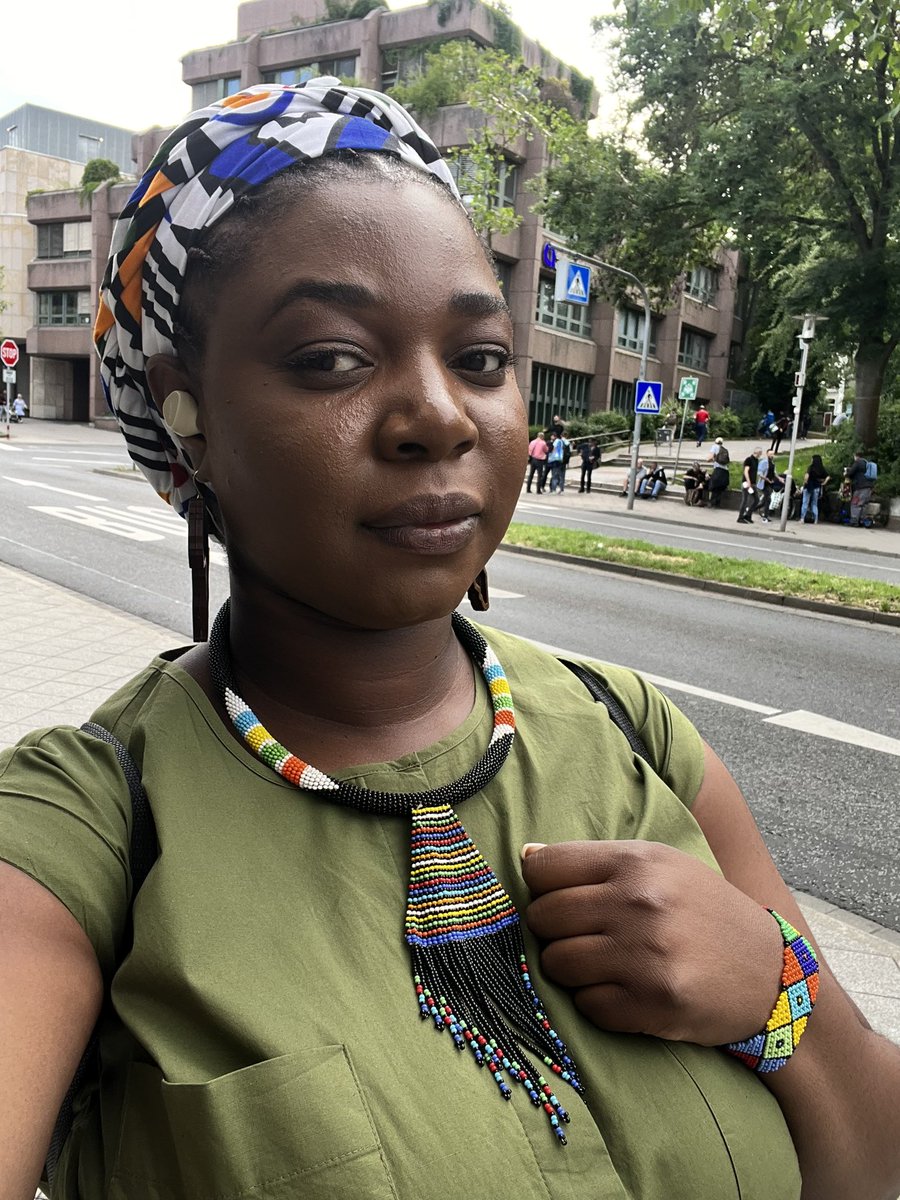
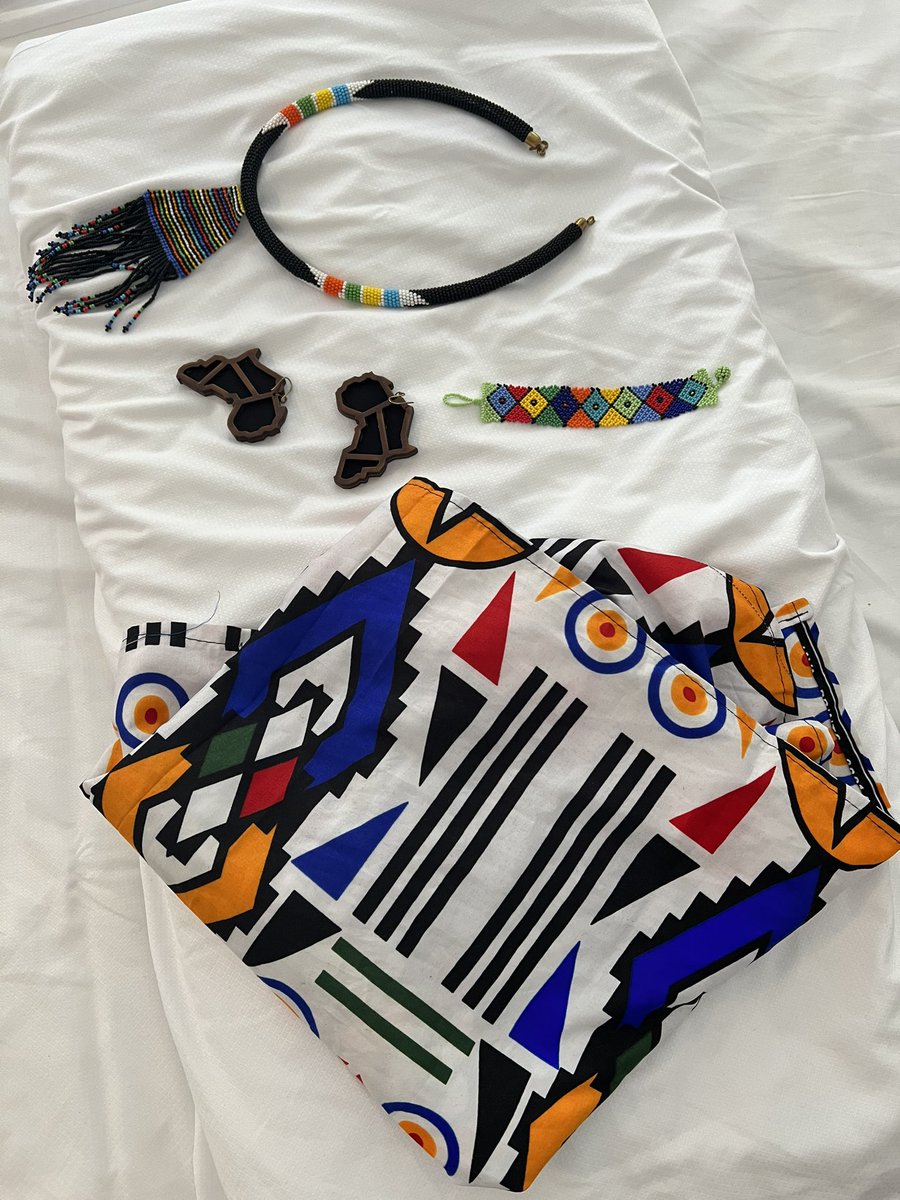
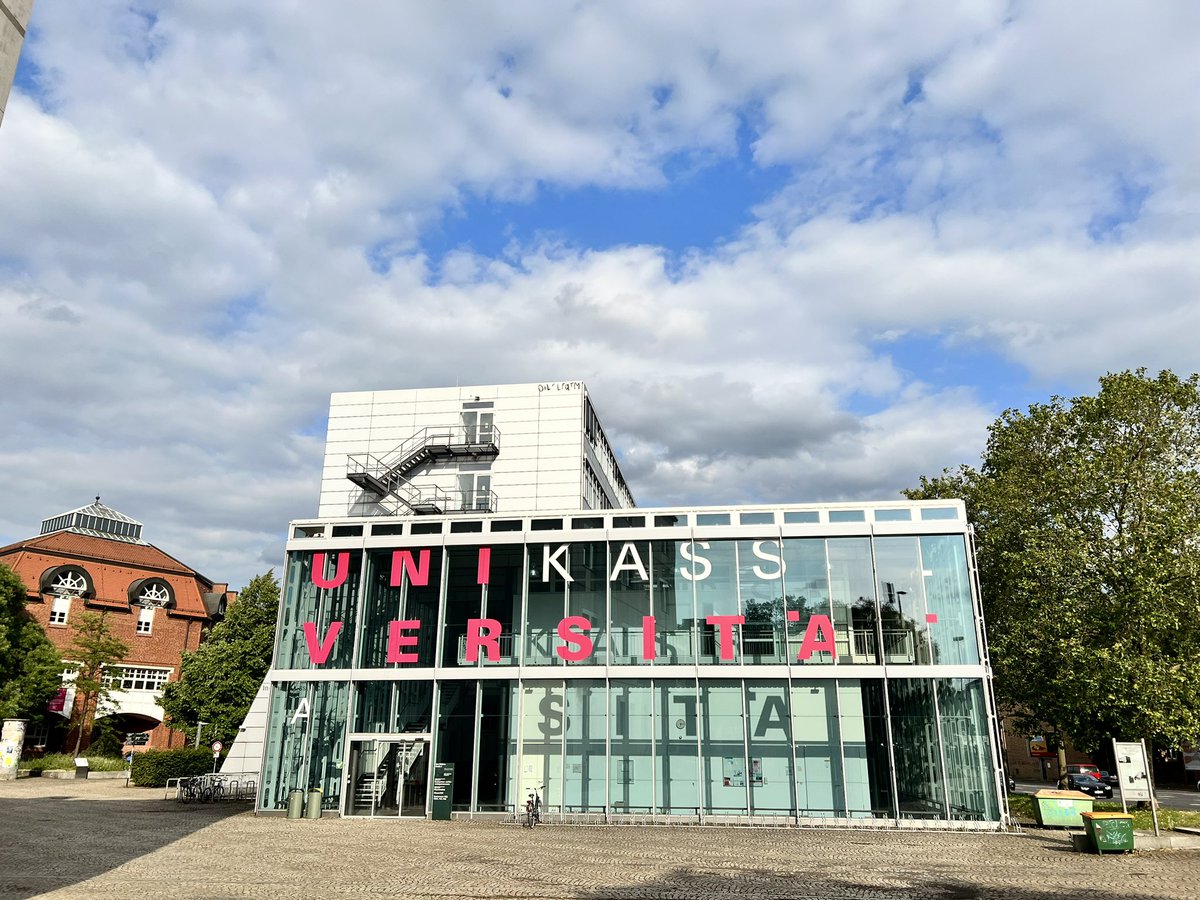
For the introductory session @ the #DecolonisingDevelopment #SummerSchool we were asked to bring “things” that represent #decoloniality to us, for me that has always been the #NdebeleColors and #NdebeleWallArt print - ❤️ to our #foremothers
@COSTDecolDEV #Ndebele #participatory
1
2
6
444

3 Jul 2023
For the introductory session @ the #DecolonisingDevelopment #SummerSchool we were asked to bring “things” that represent #decoloniality to us, for me that has always been the #NdebeleColors and #NdebeleWallArt print - ❤️ to our #foremothers
@COSTDecolDEV #Ndebele #participatory
1
1
6
703

20 Feb 2023
This video needs to be a part of our discussions on #decolonisingdevelopment @cgd_leeds @ThinkConvivial @EADI @GAD_Network @GaDjournal
#EverythingMiaMottleysays
3
279

24 Jan 2023
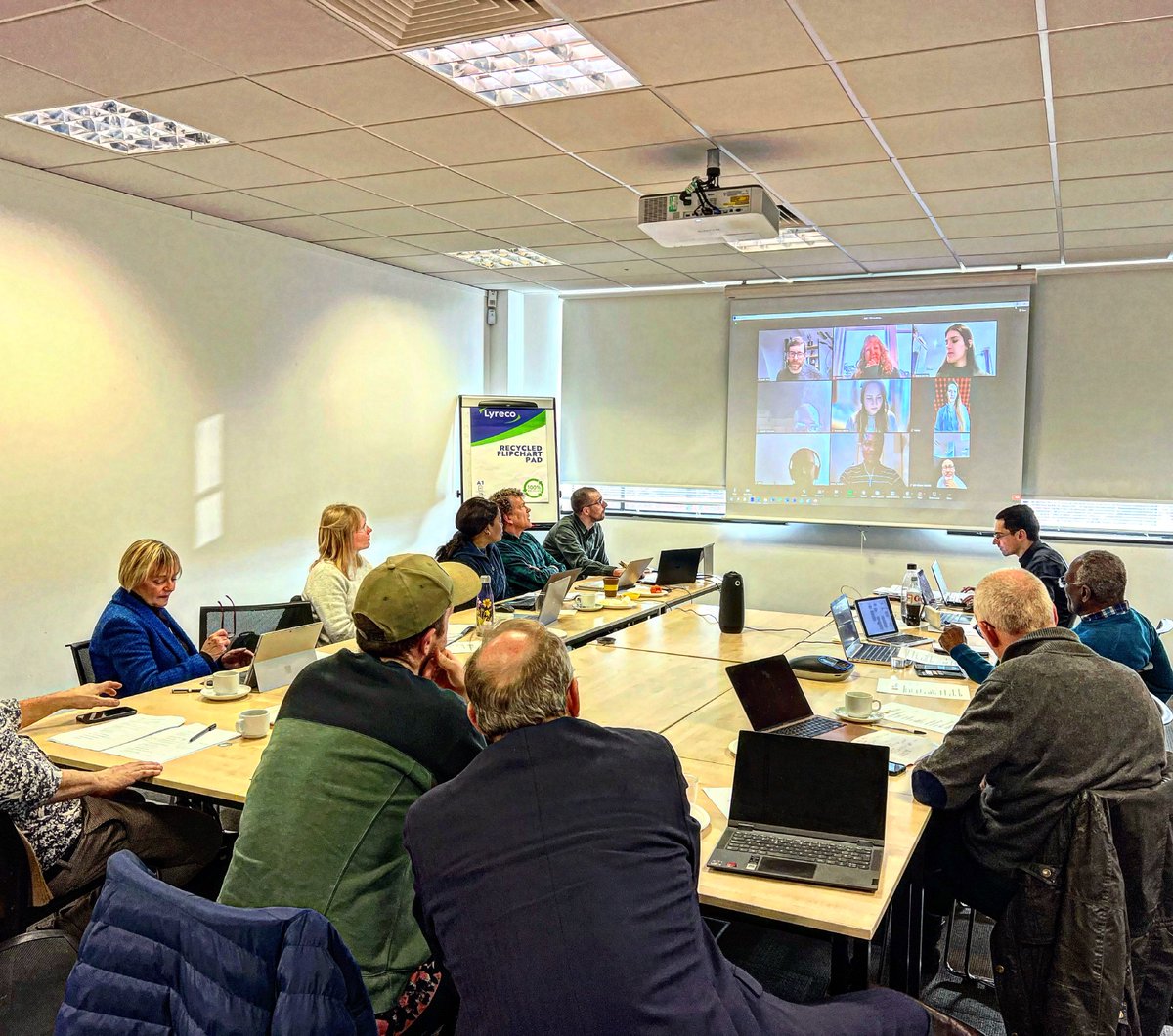
Fantastic meeting of the @allwecanuk & @ycareint #Trustee Boards today. A great group of committed people, who are passionately interested in #goodgovernance & transformative impact. Encouraged & inspired by the conversations & business of the day. #decolonisingdevelopment
3
11
425

23 Jan 2023
When you support our network of partners, you're not just a 'donator'
...you're a member of a #family.
#DecolonisingDevelopment #YCare #YMCA #NGO
3
2
118

4. To be humble and honest and curious and courageous, and;
5. To be anti-racist and anti-oppressive. (2/2)
#DecolonisingDevelopment #ACFID2022
2

21 May 2022
#Pastoralism against land grabbing: #decolonisingdevelopment narratives for a just socio-ecological transition. New blog by Maura Benegiamo, read more below 🌍 @IanScoones
pastres.org/2022/05/20/pasto…
1
4

28 Dec 2021
Original post can be found at developmentresearch.eu/?p=10… (thanks to Katarzyna Cieslik & Shreya Sinha for leading this amazing panel and the reflections) #devopment #decolonisingdevelopment
2
1

21 Dec 2021
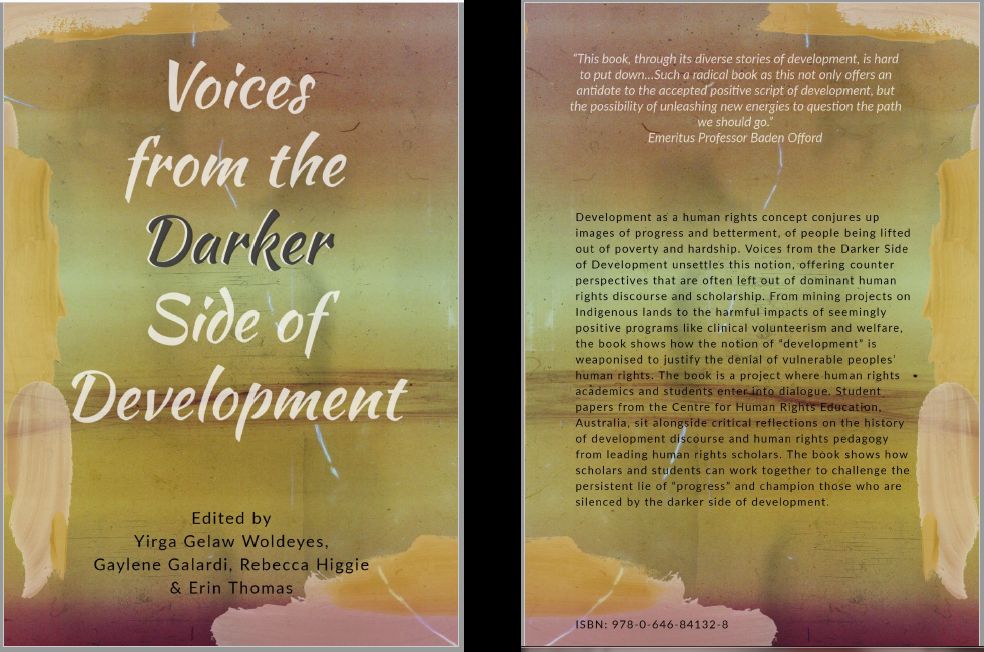
A book we published this year involving outstanding postgraduate students and researchers titled Voices from the Darker Side of Development is freely available here. espace.curtin.edu.au/handle/…
#decolonisingdevelopment
@BalchaEyob
2
7

22 Oct 2021
Missed this week's fascinating @IDS_UK seminar on 'Decolonising development, imagining otherwise'with Melz Owusu (@freeblackuni), featuring #BLDSLegacy collection? You can watch now at ow.ly/hH3C50GvqbL #BlackHistoryMonth - #BlackHistoryMonth2021 - #DecolonisingDevelopment
5
4

18 Oct 2021
The recording on our webinar #decolonisingdevelopment is now available at bit.ly/3vmUmfI. Our dedicated PGR ambassadors @Abena_Dedaa @KeyaKhandaker @RiDNet_Leeds deserve a special mention for successfully coordinating this webinar.
2
7
13 Oct 2021
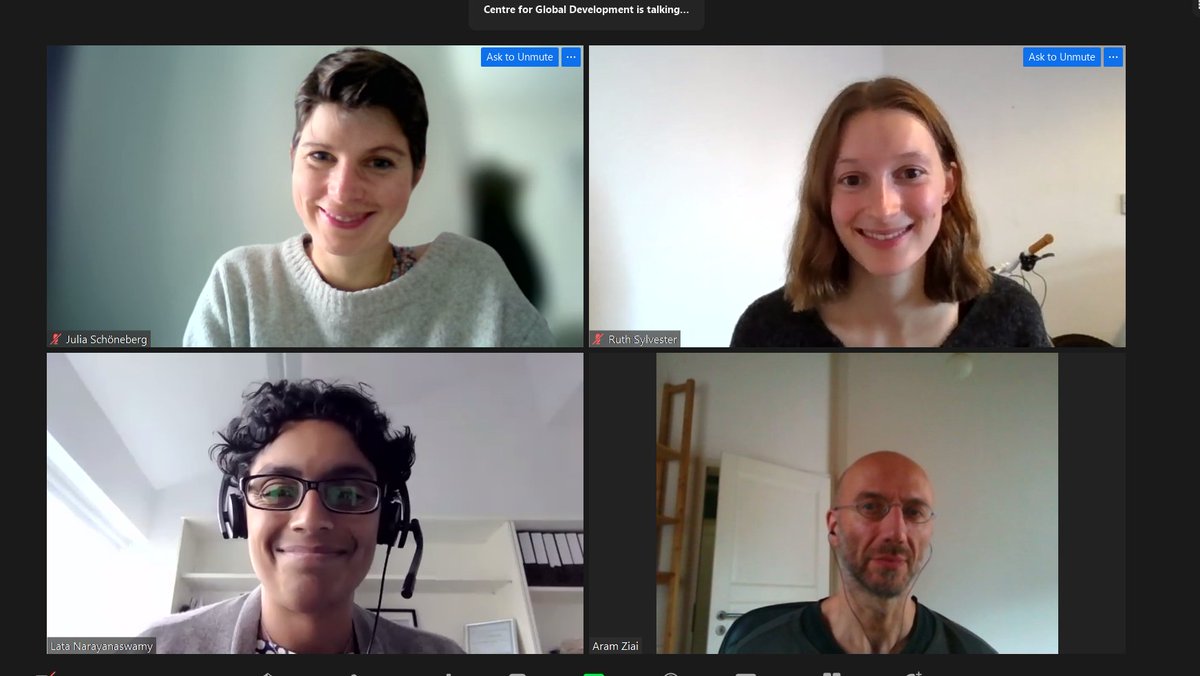
Our panellists were 🔥🔥 Big thanks to @J_Schoeneberg @Dr_Lata_N @KeyaKhandaker. Ruth Sylvester and Prof Aram Ziai for such an engaging discussion this afternoon. Link to the Zoom recording will be available shortly. Thanks to all who were able to join🙏#Decolonisingdevelopment
1
4
20
13 Oct 2021
If #decolonisingdevelopment is to be successful, @J_Schoeneberg suggests we need a 'world of many worlds. Prof Ziai suggests that the 'pluriverse' could/should lead to self-determination. Ruth Sylvester asks academics to consider why we are engaged in this space ... @cgd_leeds
2
3
13 Oct 2021
Thought-provoking discussion in the @cgd_leeds seminar on #decolonisingdevelopment. What would 'success' look like? 🧐
1
2
13 Oct 2021
Prof Ziai: How do we 'give up power' and doing research in the Global South, what can we do:
- giving credit
- giving back
- giving space
All need to be part of 'decolonising' in our universities @cgd_leeds @POLISatLeeds #decolonisingdevelopment
7
5
13 Oct 2021
Co-option is a key challenge ... we need structural change to global capitalism to prevent the co-opting of 'decolonisation' @cgd_leeds webinar Roundtable discussion on #decolonisingdevelopment
1
3