
May 8
𝗬𝗼𝘂 𝗗𝗼 𝗡𝗼𝘁 𝗛𝗮𝘃𝗲 𝘁𝗼 𝗥𝗲𝘄𝗿𝗶𝘁𝗲 𝗬𝗼𝘂𝗿 𝗪𝗵𝗼𝗹𝗲 𝗦𝘁𝗮𝗰𝗸 𝘁𝗼 𝗨𝘀𝗲 𝗕𝗧𝗙𝗦 𝗘𝗻𝗰𝗿𝘆𝗽𝘁𝗶𝗼𝗻
Most encryption protocols lock you into a specific language, a specific library, or a specific vendor. BTFS does the opposite.
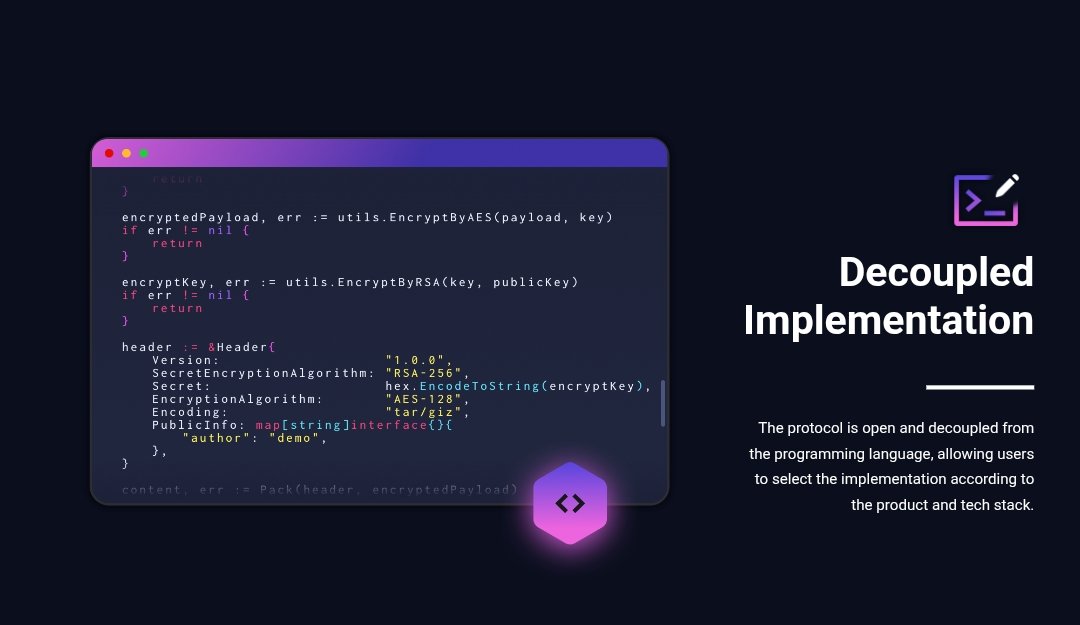
The protocol is open and decoupled from the programming language. You choose the implementation that fits your product and tech stack. Python. Go. Rust. JavaScript. Node. Whatever you are already using.
𝗪𝗵𝗮𝘁 𝘁𝗵𝗲 𝗣𝗿𝗼𝘁𝗼𝗰𝗼𝗹 𝗘𝘅𝗽𝗲𝗰𝘁𝘀
Here is the structure the network understands.
A header containing the version, secret encryption algorithm (RSA-256), the encrypted secret itself, the content encryption algorithm (AES-128), encoding format (tar/gzip), and any public information you want to attach like author name or custom metadata.
An encrypted payload holding your actual file content after compression, packaging, and symmetric encryption.
An encrypted key that wraps the symmetric secret using the recipient's RSA public key.
𝗛𝗼𝘄 𝗗𝗶𝗳𝗳𝗲𝗿𝗲𝗻𝘁 𝗟𝗮𝗻𝗴𝘂𝗮𝗴𝗲𝘀 𝗖𝗮𝗻 𝗜𝗺𝗽𝗹𝗲𝗺𝗲𝗻𝘁 𝘁𝗵𝗲 𝗦𝗮𝗺𝗲 𝗣𝗿𝗼𝘁𝗼𝗰𝗼𝗹
One team writes the encryption module in Go for a high-performance backend. Another team implements the same protocol in JavaScript for a browser-based tool. A third uses Python for a data science pipeline.
All of them can encrypt files that all of them can decrypt. The protocol defines the structure. The language does not matter.
𝗪𝗵𝘆 𝗗𝗲𝗰𝗼𝘂𝗽𝗹𝗶𝗻𝗴 𝗠𝗮𝘁𝘁𝗲𝗿𝘀
Vendor lock-in is how centralized companies keep you paying. BTFS is designed the opposite way. Use the tools you already know. Switch implementations when you need to. The network does not care.
The protocol is open. The implementation is yours.
Learn more: btfs.io/encrypted-storage-pr…
@BitTorrent @justinsuntron #BTFS #BTT #Encryption #OpenProtocol #DecoupledImplementation #TRONEcoStar
3
24,479