
there is a whole world of undiscovered,
productivity-shaped processes,
deepinsight shaped slop
etc.
2
66
Jerome OLLIER https://jeromeollier.bsky.social/ retweeted

New Research: Benthic communities of DeepInsight Hill, Mohn’s Ridge (Arctic Ocean) frontiersin.org/articles/10.… #FrontiersIn #MarineScience
1
61

Jun 8
#Oceanography #DeepSea FMS: Benthic communities of DeepInsight Hill, Mohn’s Ridge (Arctic Ocean) frontiersin.org/articles/10.…
27

Jun 3
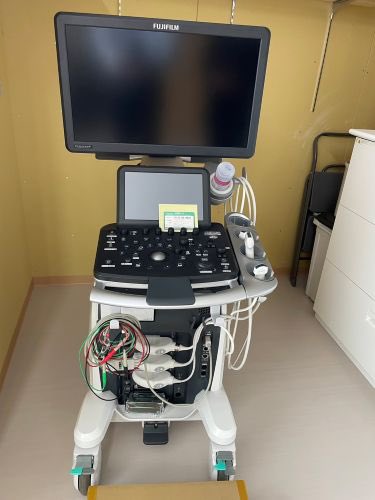
富士フィルム 超音波診断装置 ARIETTA 650 DeepInsight SEを納品させて頂きました! kikaiya.work/?p=16625
おはようございます☀
今日も1日宜しくお願い🕺🕺
18
297

JRC2026/ITEM2026
ITEM探訪2026 「乳房画像診断」
富士フイルムメディカル
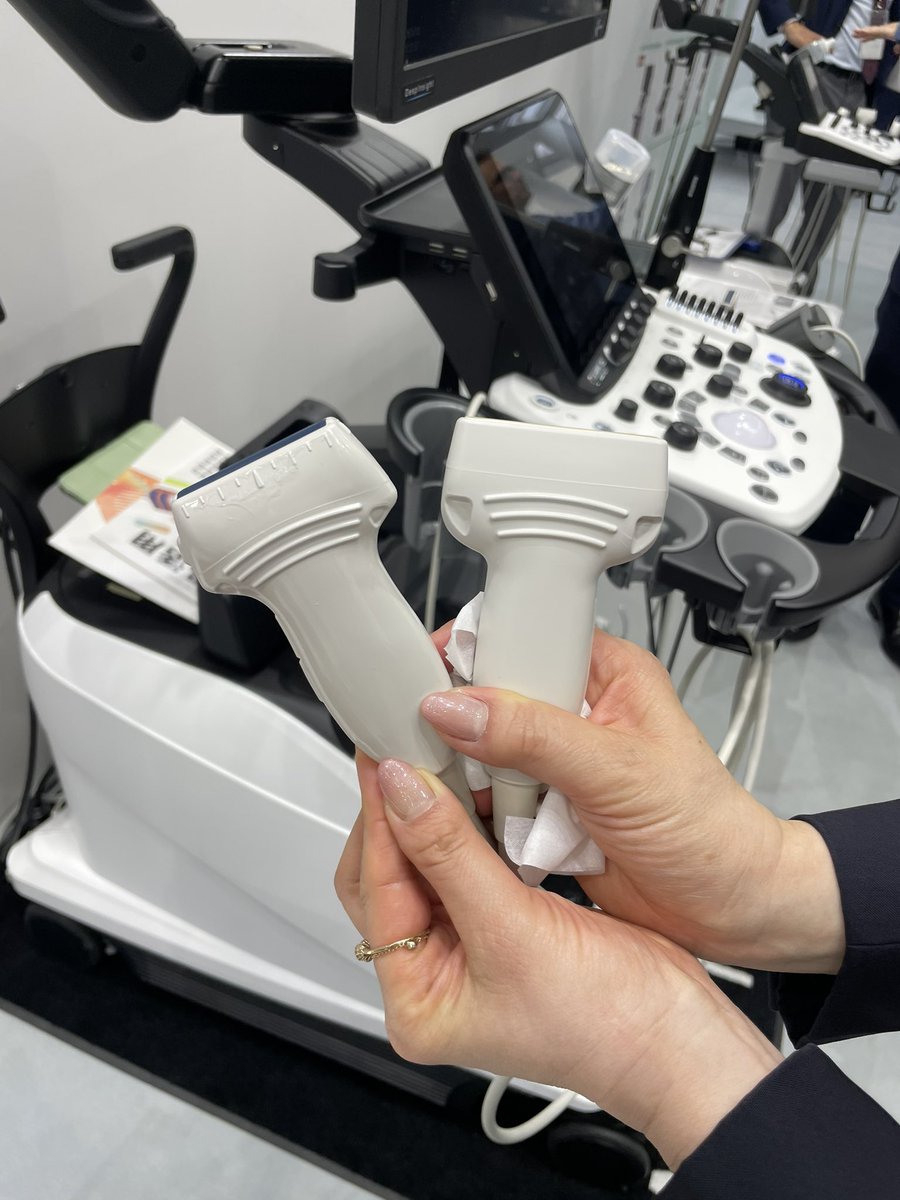
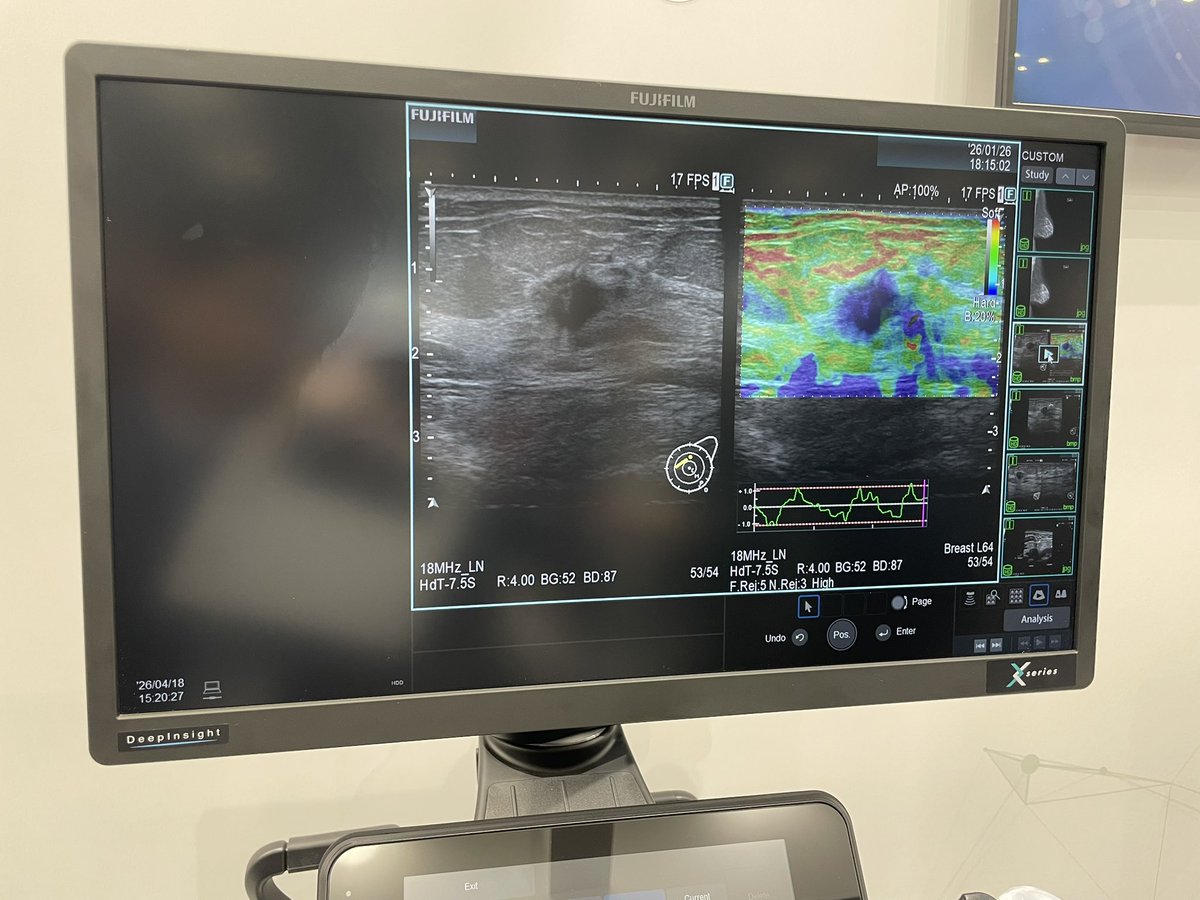
超音波診断措置 ARIETTA 850 DeepInsight x
13MHz 18MHzの高周波数帯プローブと
エラストグラフィーに関しては世界で初めて発表した同社ならではの信頼性だけでなく、他モダリティの画像と併せてモニタで確認いただける等、乳房画像診断に最適な利便性が大きな特徴でした。
また、独自の画像認識技術「eScreening」で スクリーニングのサポートを行います。
2
9
1,980

Apr 17
大平首相の宿題を忘れた日本 中東危機の今こそ「総合安全保障」を - 日本経済新聞
エネルギーも食料も飼料も肥料も海外依存度が極端に高い日本。その弱点を直視することなしには安全保障も経済安保も成り立ちません。#峯岸博 編集委員のコラム「#DeepInsight」です。 nikkei.com/article/DGXZQODK1…
3
2
198
Mar 10
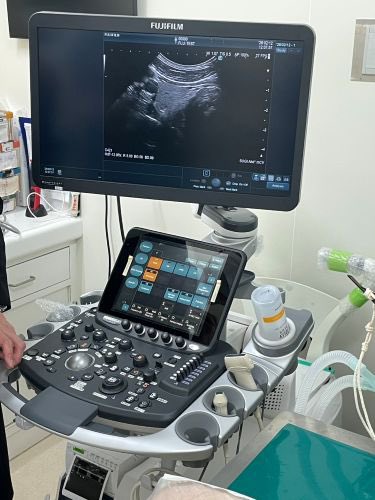
富士フィルムメディカル超音波診断装置ARIETTA 750 DeepInsight SEをデモしていただきました! kikaiya.work/?p=16196
おはようございます☀
今日も1日宜しくお願い致します🕺🕺
7
245

🍀 Wisdom often appears through reflection, not noise.
🌐 At PO Wealth Sharing Group, clarity grows when we pause to see the bigger picture.
📈 Thoughtful perspective supports confident decisions.
#POWealthSharingGroup #Reflection #StrategicClarity #DeepInsight
2
25,456

"हर high-profile विवाद सिर्फ drama नहीं, बल्कि हमें याद दिलाता है: समाज तभी मजबूत है जब हम व्यक्तिगत भावनाओं से ऊपर उठकर नियम और कानून को प्राथमिकता दें। ⚖️💡
#DeepInsight #JusticeForAll"
2
62

🎉 NeuralStrat Labs is now part of the AWS Startups Showcase!
DeepInsight: Multi-agent AI research platform built 100% on AWS.
Proud to showcase what’s possible when cutting-edge AI meets world-class infrastructure.
go.aws/4kDZPIv
#AWS @awscloud @AWSstartups
1
31


Jan 8
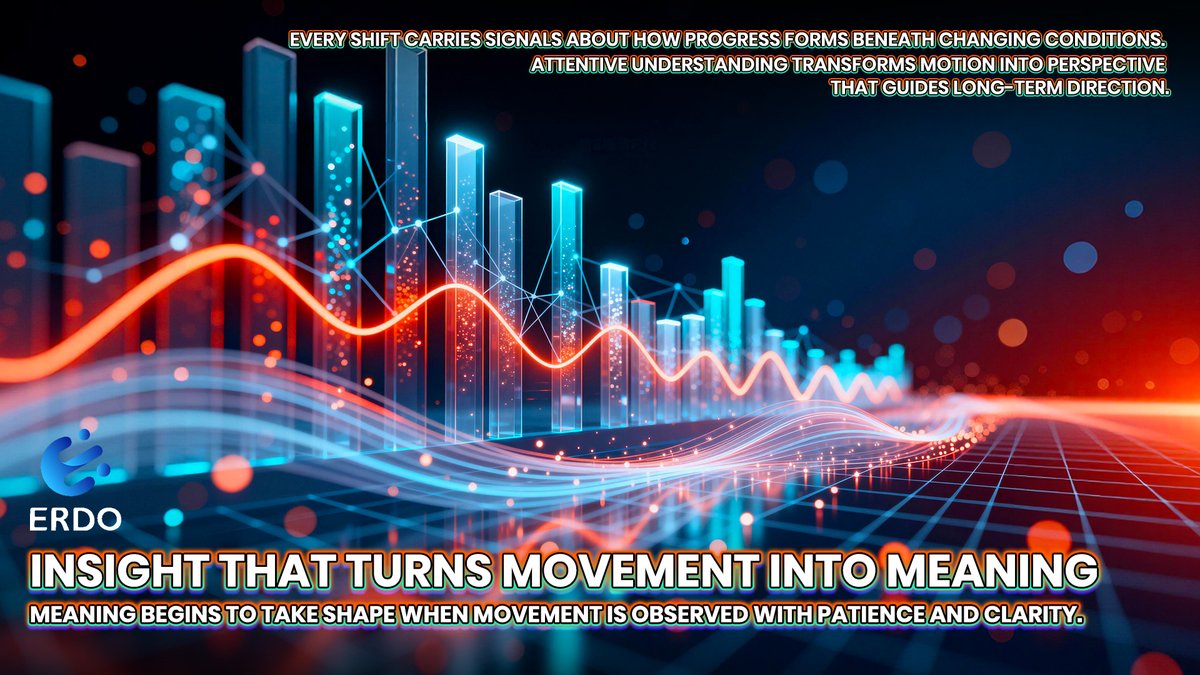
🎯Movement shows meaning when observed with calm intent.
🌐Erdcoin (ERDO) studies every shift to read the patterns beneath.
💱Clarity keeps decisions aligned through changing markets.
📊Progress grows when insight shapes the pace.
#Erdcoin #DeepInsight #DigitalProgress
15
70
25,873

#SNFonNBC “Somebody’s gonna get a win tonight, unless, of course, we get a tie.” #DeepInsight.
2
80

26 Aug 2025
"Life on earth" painting 2001
...
#painting, #canvas, #contemporarypainting , #observer, #life, #lifeonearth, #flora, #Fauna, #oneness, #blue, #skulls, #contemporaryart, #artcontemporain, #timeless, #spacetime, #artsy, #classicpainting, #deepinsight,
@SadieColesHQ ,

1
5
350

1 Jul 2025
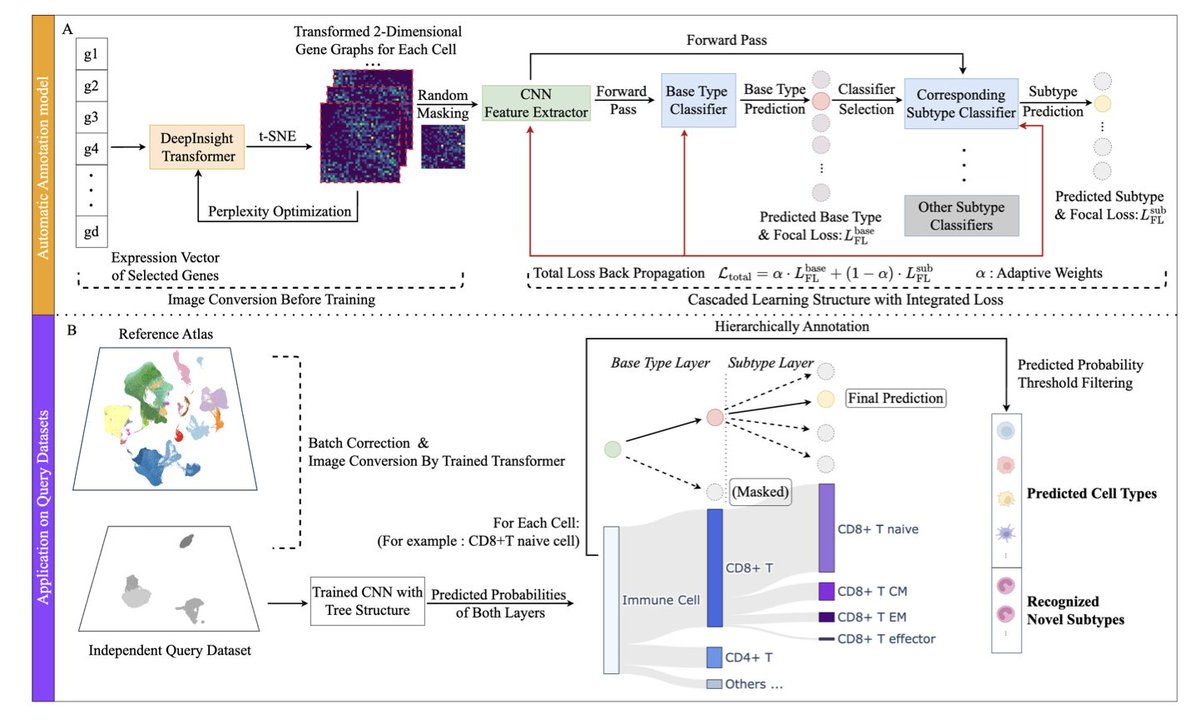
scHDeepInsight: A Hierarchical Deep Learning Framework for Precise Immune Cell Annotation in Single-Cell RNA-seq Data
1.scHDeepInsight introduces a novel hierarchical deep learning framework for immune cell annotation in scRNA-seq, achieving an average accuracy of 93.2% across seven diverse tissue datasets. It significantly outperforms previous state-of-the-art models, with a 5.1% boost in accuracy compared to scDeepInsight.
2.Unlike traditional flat classifiers, scHDeepInsight preserves the biological hierarchy of immune cells. It uses a two-level prediction strategy—first predicting broad immune cell types (base-types), then refining predictions to specific subtypes—reflecting known lineage relationships.
3.The method converts gene expression profiles into structured 2D images using DeepInsight, allowing convolutional neural networks (CNNs) to extract both global and fine-grained transcriptomic patterns. This spatial representation helps capture complex gene-gene relationships.
4.A key innovation is the Adaptive Hierarchical Focal Loss (AHFL), which dynamically balances the classification loss at the base-type and subtype levels, adapting training focus based on task difficulty and addressing class imbalance in rare subtypes.
5.scHDeepInsight incorporates STACAS for batch effect correction and applies random masking during training to improve robustness against missing gene features, enabling cross-dataset generalization.
6.The framework includes SHAP-based interpretability, quantifying the contribution of each gene to classification decisions at both base and subtype levels. This reveals both canonical markers (like CD8A for CD8 T cells) and subtle subtype-specific signatures (e.g., IGHA1 for IgA plasma cells).
7.It effectively identifies rare and novel immune cell populations. In glioblastoma data, the model detected glioma-associated immune cells by recognizing high base-type confidence but low subtype confidence—suggesting novel states outside the training reference.
8.Comprehensive benchmarking shows that scHDeepInsight consistently outperforms methods like SingleR, Azimuth, CellTypist, GPTCellType, and Garnett across accuracy, precision, F1-score, and AUPRC—even for challenging closely related immune subtypes.
9.In specific case studies (e.g., Pranzatelli labial gland dataset), scHDeepInsight distinguished IgA , IgG , and IgM plasma cell subtypes that were grouped together by other models, highlighting its resolution and biological fidelity.
10.The reference atlas used to train the model includes over 460,000 immune cells from 10 public scRNA-seq datasets, spanning 15 major immune lineages and 50 subtypes. This comprehensive dataset provides a robust foundation for hierarchical learning.
11.Future directions for scHDeepInsight include extending the hierarchy to non-immune cells, incorporating multi-omics (e.g., CITE-seq, spatial transcriptomics), and applying self-supervised or transfer learning to improve adaptability to new datasets or species.
💻Code: github.com/shangruJia/scHDee…
📜Paper: doi.org/10.1101/2025.06.23.6…
#scRNAseq #DeepLearning #CellTypeAnnotation #Immunology #SingleCell #CNN #Bioinformatics
3
831
1 Jul 2025
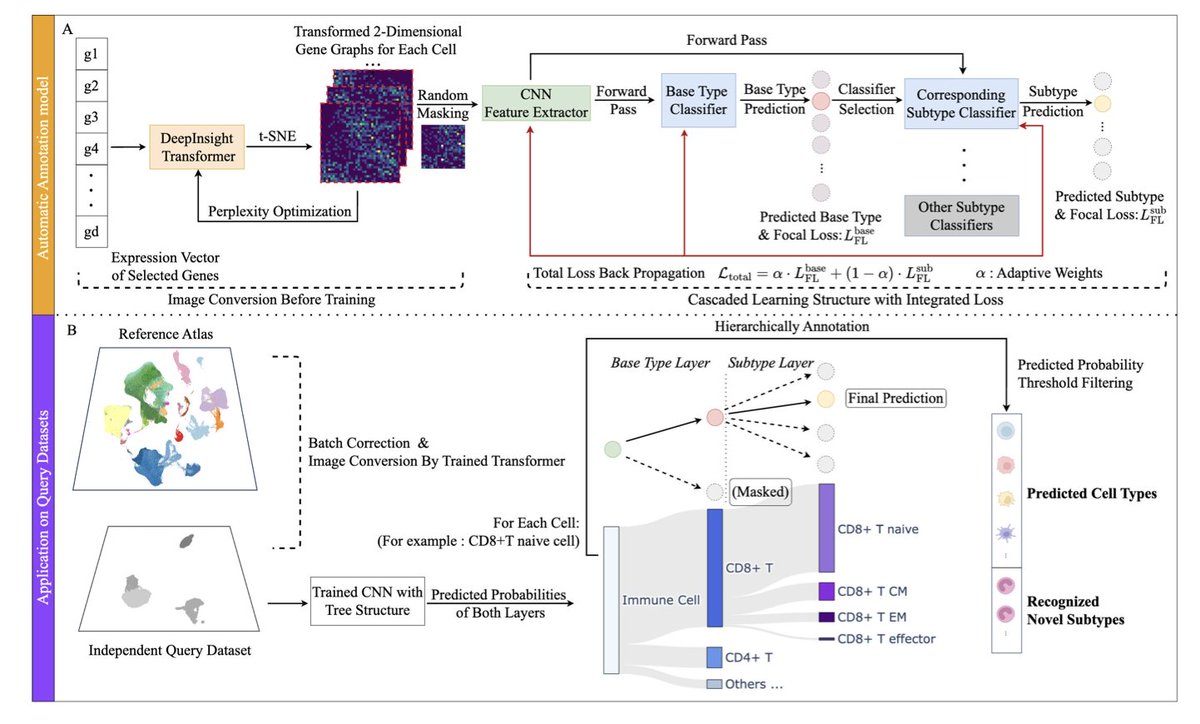
scHDeepInsight: A Hierarchical Deep Learning Framework for Precise Immune Cell Annotation in Single-Cell RNA-seq Data
1.scHDeepInsight introduces a novel hierarchical deep learning framework for immune cell annotation in scRNA-seq, achieving an average accuracy of 93.2% across seven diverse tissue datasets. It significantly outperforms previous state-of-the-art models, with a 5.1% boost in accuracy compared to scDeepInsight.
2.Unlike traditional flat classifiers, scHDeepInsight preserves the biological hierarchy of immune cells. It uses a two-level prediction strategy—first predicting broad immune cell types (base-types), then refining predictions to specific subtypes—reflecting known lineage relationships.
3.The method converts gene expression profiles into structured 2D images using DeepInsight, allowing convolutional neural networks (CNNs) to extract both global and fine-grained transcriptomic patterns. This spatial representation helps capture complex gene-gene relationships.
4.A key innovation is the Adaptive Hierarchical Focal Loss (AHFL), which dynamically balances the classification loss at the base-type and subtype levels, adapting training focus based on task difficulty and addressing class imbalance in rare subtypes.
5.scHDeepInsight incorporates STACAS for batch effect correction and applies random masking during training to improve robustness against missing gene features, enabling cross-dataset generalization.
6.The framework includes SHAP-based interpretability, quantifying the contribution of each gene to classification decisions at both base and subtype levels. This reveals both canonical markers (like CD8A for CD8 T cells) and subtle subtype-specific signatures (e.g., IGHA1 for IgA plasma cells).
7.It effectively identifies rare and novel immune cell populations. In glioblastoma data, the model detected glioma-associated immune cells by recognizing high base-type confidence but low subtype confidence—suggesting novel states outside the training reference.
8.Comprehensive benchmarking shows that scHDeepInsight consistently outperforms methods like SingleR, Azimuth, CellTypist, GPTCellType, and Garnett across accuracy, precision, F1-score, and AUPRC—even for challenging closely related immune subtypes.
9.In specific case studies (e.g., Pranzatelli labial gland dataset), scHDeepInsight distinguished IgA , IgG , and IgM plasma cell subtypes that were grouped together by other models, highlighting its resolution and biological fidelity.
10.The reference atlas used to train the model includes over 460,000 immune cells from 10 public scRNA-seq datasets, spanning 15 major immune lineages and 50 subtypes. This comprehensive dataset provides a robust foundation for hierarchical learning.
11.Future directions for scHDeepInsight include extending the hierarchy to non-immune cells, incorporating multi-omics (e.g., CITE-seq, spatial transcriptomics), and applying self-supervised or transfer learning to improve adaptability to new datasets or species.
💻Code: github.com/shangruJia/scHDee…
📜Paper: biorxiv.org/content/10.1101/…
#scRNAseq #DeepLearning #CellTypeAnnotation #Immunology #SingleCell #CNN #Bioinformatics
2
544

30 Jun 2025
#フェンタニル密輸を無視して論するまがい記者
トランプ大統領が最も重視しているフェンタニル密輸を無視する日経記者のまがい性を検証
1. フェンタニル問題に触れない論者の姿勢の分析
(1)政策優先順位に対する認識の乖離
ア. 本記事は、日本に対する25%自動車関税の適用やトランプ政権の通商政策の変更に焦点を当てているが、フェンタニル密輸問題というトランプ政権における最重要安全保障課題にまったく言及していない。
イ. トランプ大統領は、選挙戦・政権運営の双方でフェンタニル撲滅を「国家存亡の危機」として位置づけ、中国共産党および中国からの原料供給ルートを断つための国際的連携強化(特に日本を経由地とする密輸ルートの遮断)を主導している。
これに触れないことは、米国の外交姿勢や対日関係の本質的部分を見落としていることを意味する。
(2)経済分析の限界と倫理的責任の欠如
ア. 本記事では「関税交渉」や「TPR(移転価格)監査」を日本にとっての課題とし、通商摩擦に焦点を当てているが、フェンタニル密輸が日本の港湾や中国人企業・団体を通じて進行していたという重大な報道(6月26日~28日の日経他記事)と並行して、この問題を完全にスルーしている。
イ. 特に、加藤財務大臣が「6年間、税関でフェンタニルは1件も押収されていない」と述べ、関税局内部の文書流出も発覚した中、記者がこの背景に一切踏み込まないことは、経済論者としての分析的誠実さを欠いている。
2. トランプ政権の対日圧力の本質を見誤る危険性
(1)安全保障型経済制裁としての関税政策の理解不足
ア. トランプ政権の対中・対日政策は、単なる関税や貿易収支の是正に留まらず、「麻薬・密輸・スパイ活動」など非伝統的安全保障問題への対応が含まれる「包括的制裁戦略」である。
関税はその一部にすぎず、むしろフェンタニル問題が日米同盟の信頼を左右する核心になっている。
イ. にもかかわらず、本記事がこの背景を一切取り上げないことは、通商交渉における日本側の盲点や危機意識の欠如を助長する可能性がある。
米国が「通関機能不全国家」としての日本に懸念を持ち、「中継地」としての責任を追及するリスクを論じることなく、「関税圧力=経済的嫌がらせ」と短絡するのは誤解を広げかねない。
(2)ジャーナリズムの倫理的職責とその放棄
ア. フェンタニルは米国内で年間7万人以上の死者を出し、トランプ氏は「これは戦争だ」「中国共産党はアメリカ市民を殺している」と公言している。
これに対して日本経由で原料が密輸されているとすれば、日本は無関係ではいられない。
イ. それにもかかわらず、日本の主流経済論者や一部メディアが、この国家的・人道的危機を無視し続けるならば、日米関係は通商以前に「信義と道義」の観点で破綻する可能性すらある。
結論:
論説委員の記事は、経済分析としては一定の構造を備えているものの、現在のトランプ政権がもっとも重視するフェンタニル撲滅政策との関連性に一切触れていない。
その結果、米国がなぜ日本に対して厳しい姿勢を取るのかという本質的理解を欠き、読者に誤解と過小評価を与える内容となっている。
これは、経済報道において倫理的・安全保障的な責任を果たしていないと評価されるべきである。
#DeepInsight
#日経
関税の先に「車課税」の試練 自動車は輸出産業でいられるか
nikkei.com/article/DGXZQOCD2…
2
99