
Mar 10
Balance Tip:
Strong image? Use subtle typography. Heavy typography? Use minimal visuals.
#DesignBalance #Typography #VisualHouse
1
6
69

Feb 19
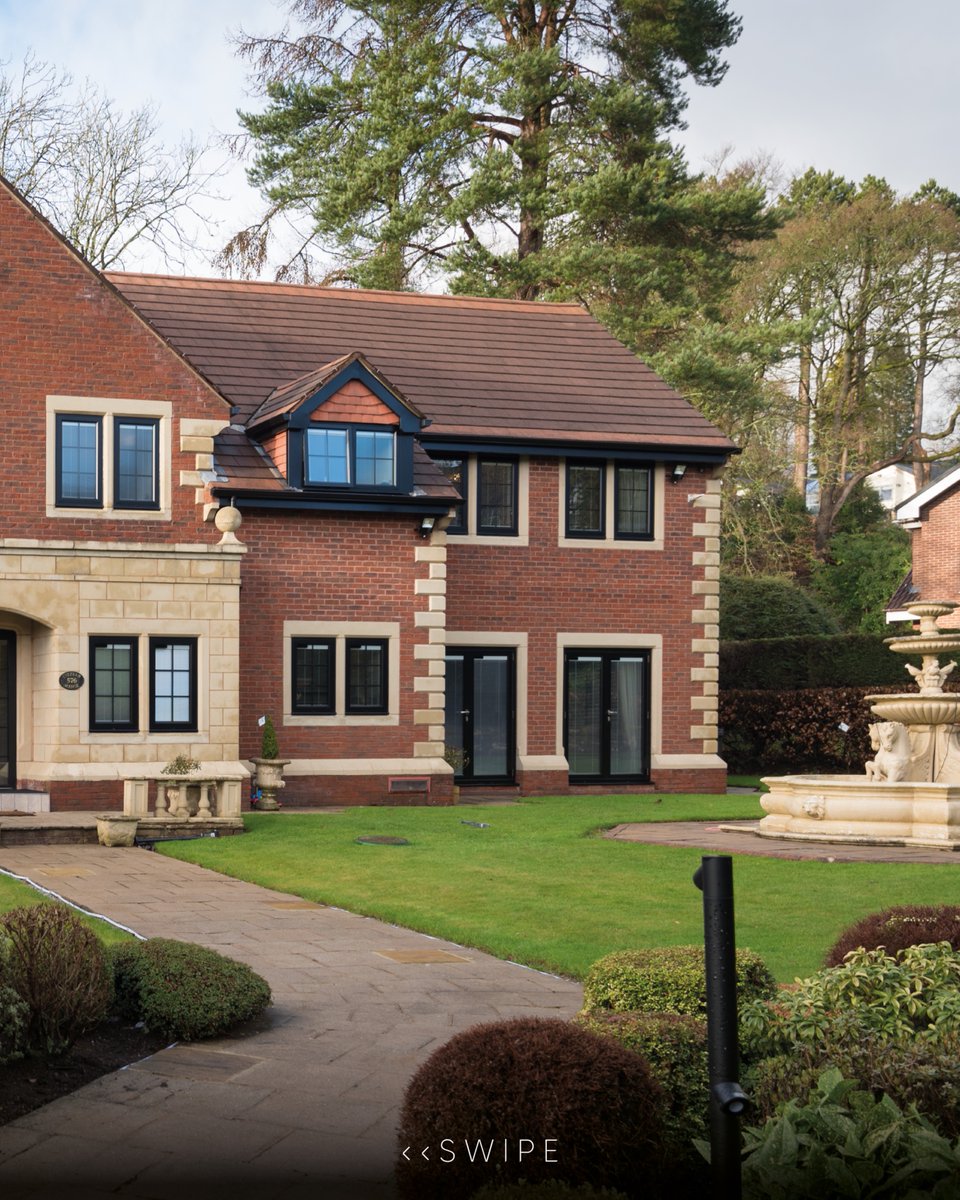
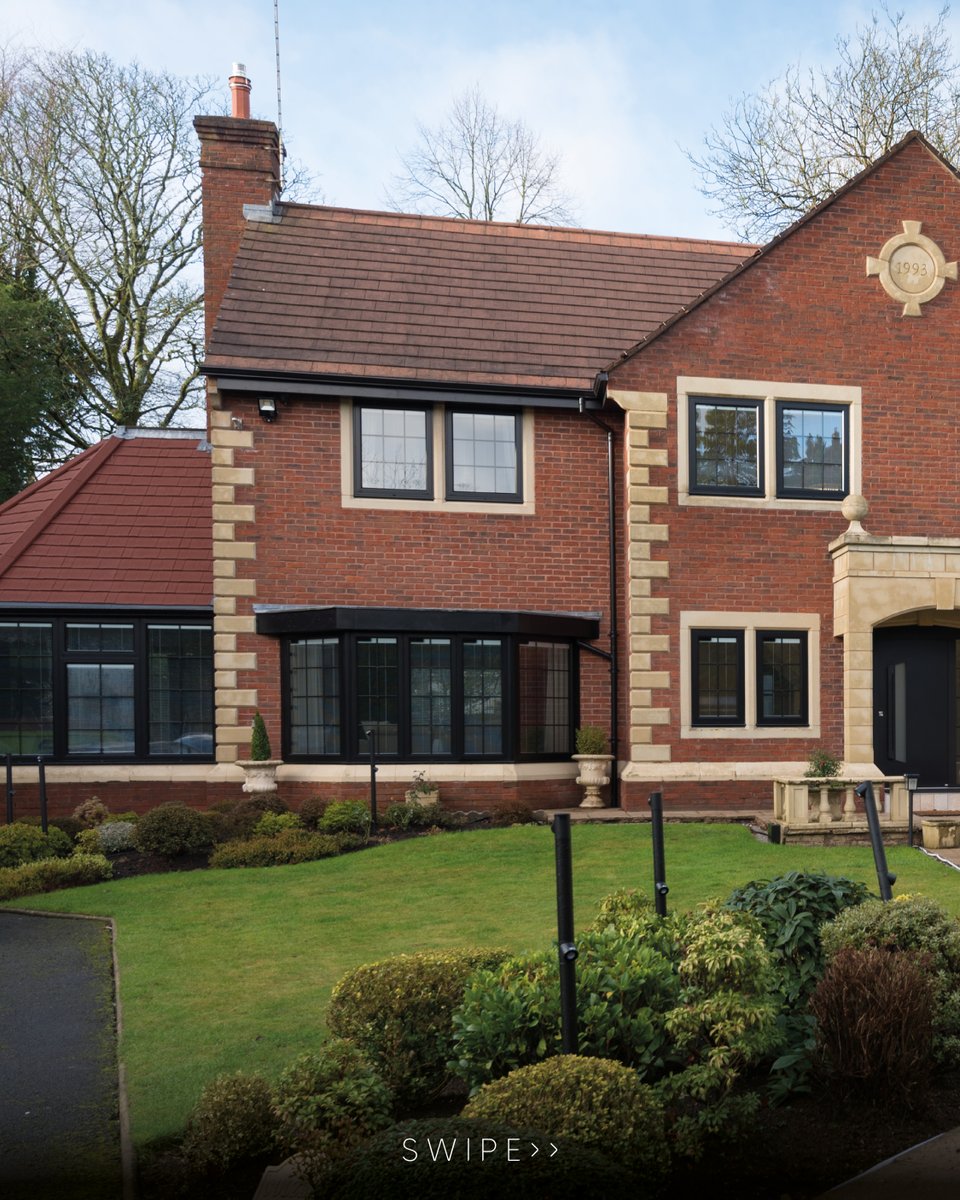
Period on the outside. Contemporary touches throughout... Swipe to reveal the full picture🤩😳
This grand home pairs OW80 Georgian style windows with OB72 French Gallery doors, showing that mixing styles can create a perfectly balanced result. Classic character meets clean, modern lines and it works effortlessly...🖤🤩
#OriginWindows #OriginDoors #PeriodProperty #DesignBalance #ArchitecturalStyle
2
4
83

Feb 18
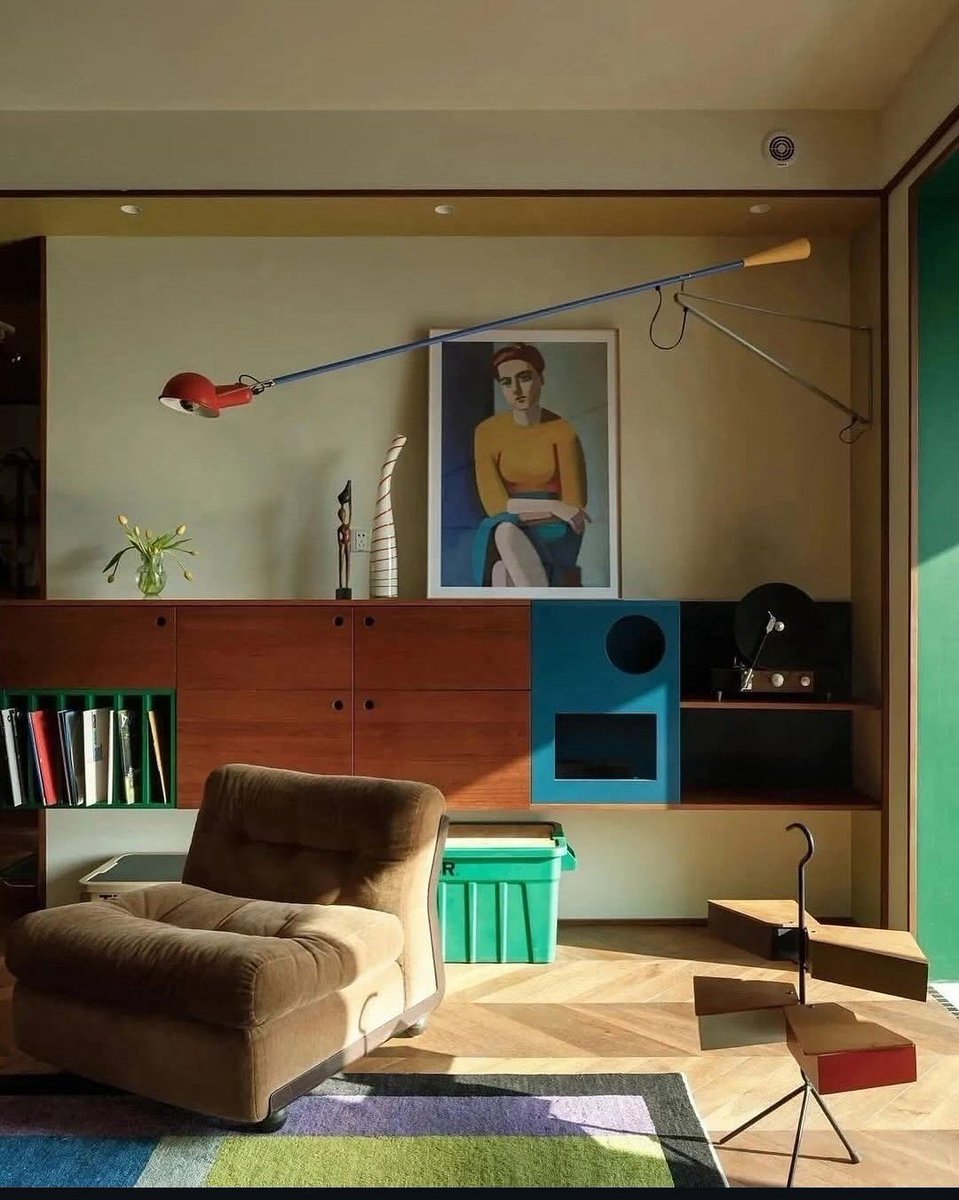
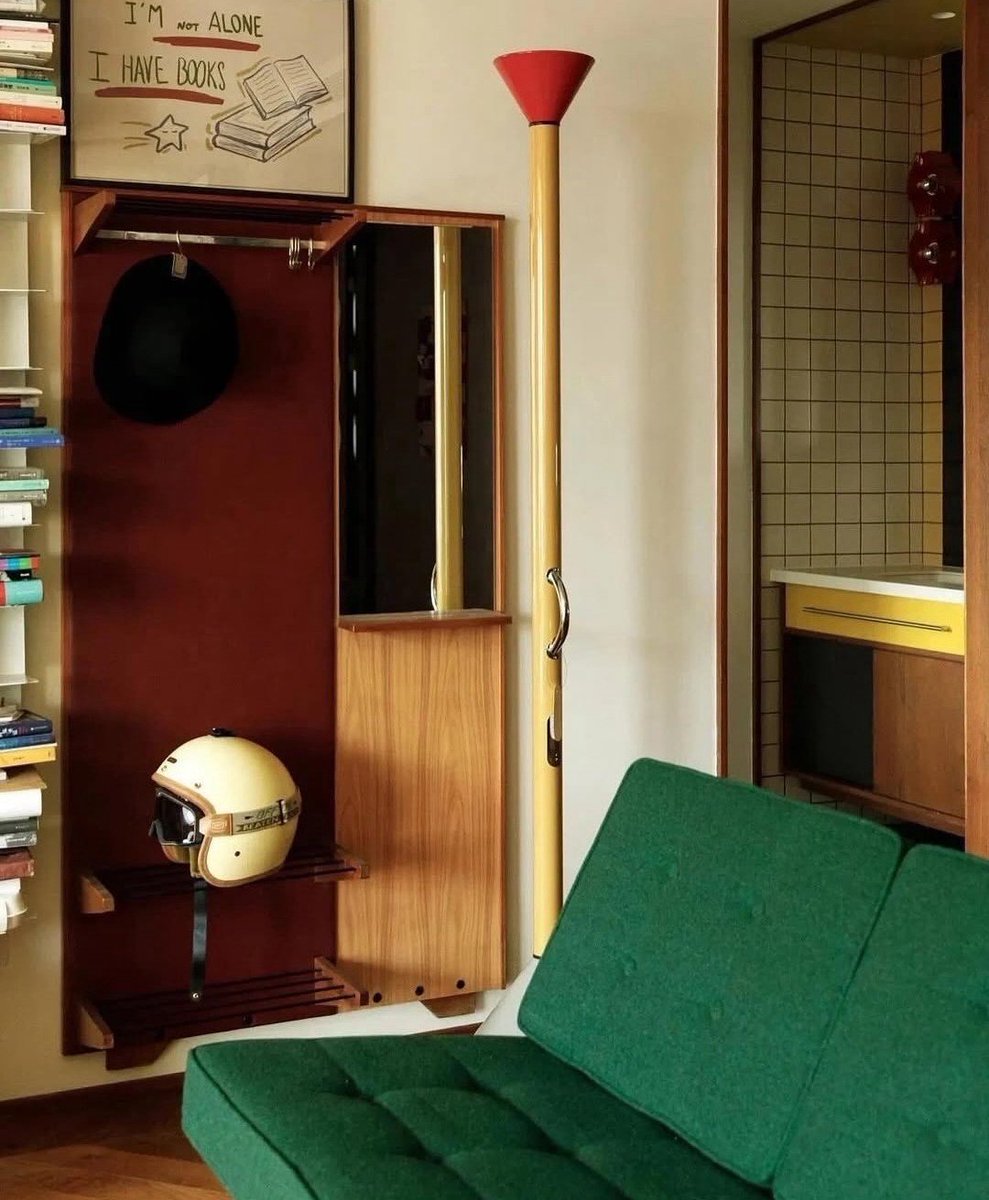
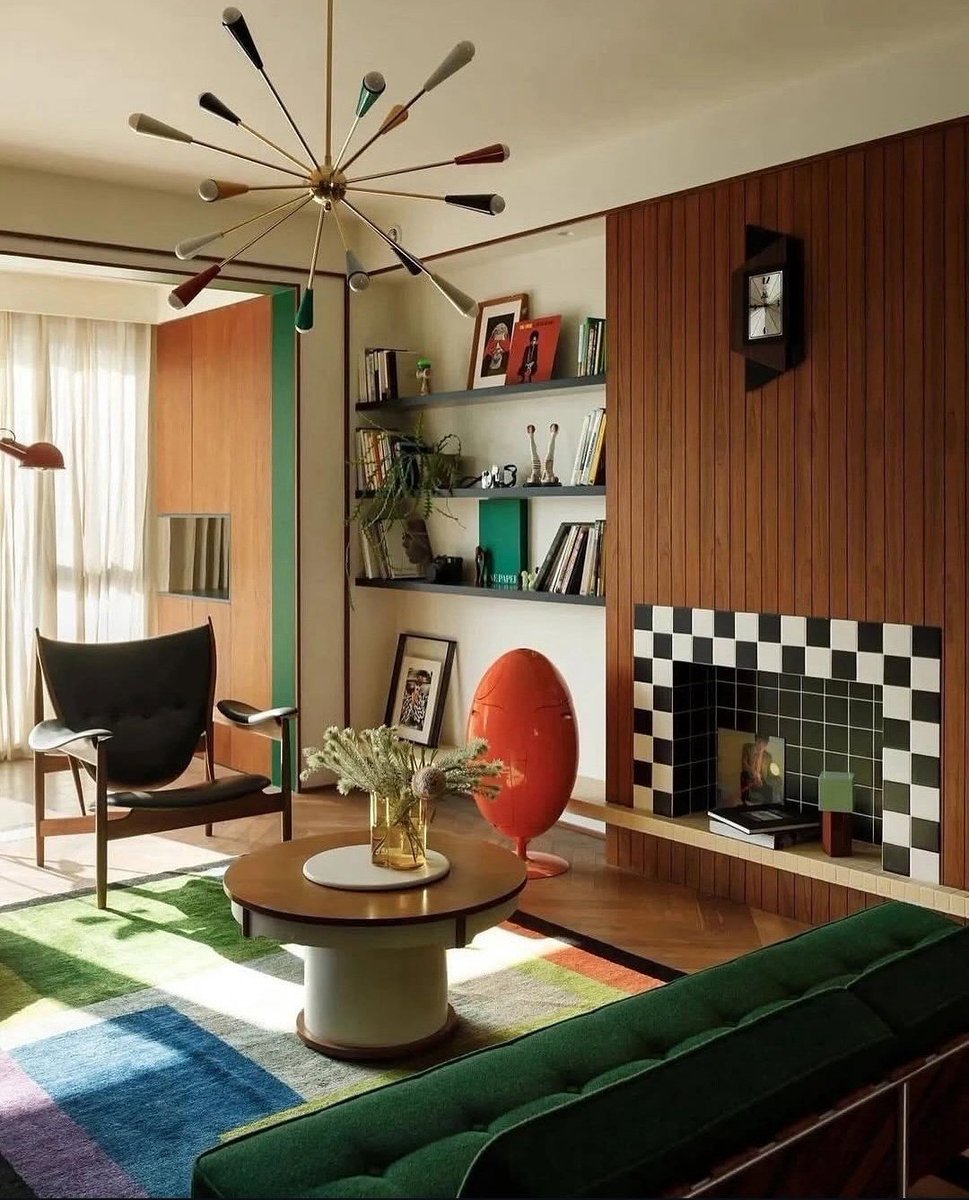
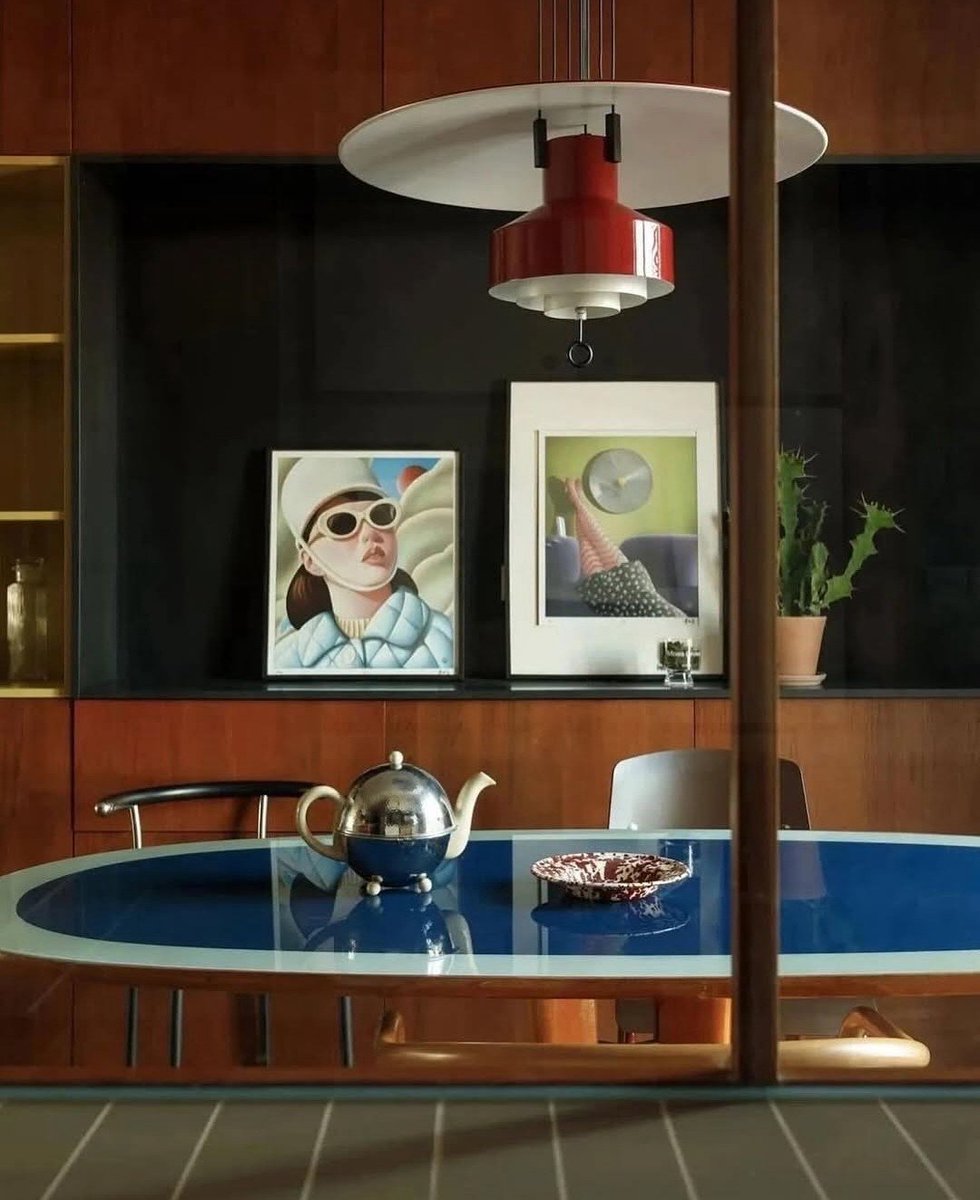
Mid-century restraint. Graphic punch.
Walnut panels set the base.
Checkerboard tile sharpens the fireplace.
Color lands in controlled hits — green, rust, blue.
Balance warm timber with crisp geometry to avoid nostalgia overload.
#MidCenturyModern #ColorDiscipline #DesignBalance
heretoinspire74
1
4
77

Perfect balance, steady performance.
Meizu 22 × OMA — shoot, share, win.
📸 How to join:
• Shoot with Meizu devices
• Post your work with the official OMA hashtag
• Submit via the OMA website
🎁 Rewards:
Selected creators will receive official Meizu prizes and global exposure.
👉 Learn more: oma.meizu.com
#Meizu22 #OMA #MeizuPhotography #MobilePhotography #DesignBalance #SlimAndLight #CreativeLife #fypchallenge

3
349

6 Oct 2025
Balance in design isn't symmetry it's harmony.qhwn every element feels like it belongs,the design breaths🤌
#designbalance #visualflow
2
29

27 Jun 2025
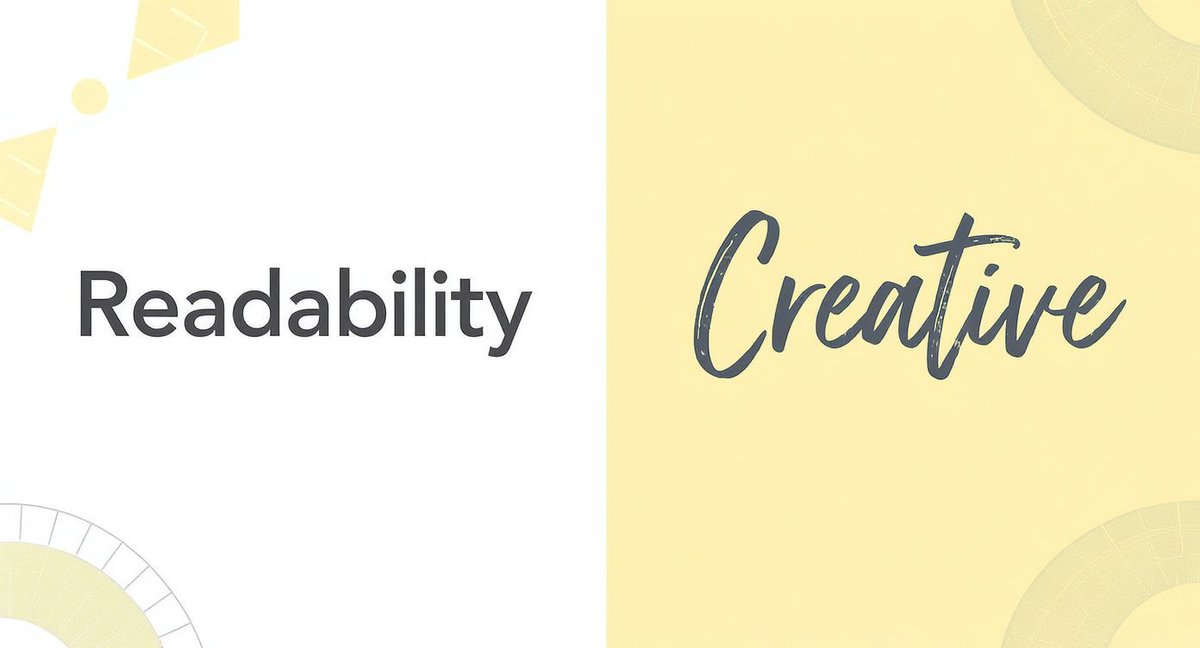
Balance in typography = readability creative impact.
Use hierarchy, spacing & contrast the smart way. ✨
Read guide → 🔗 Learn more: magipik.com/blog/balance-typ…
#TypographyTips #DesignBalance #ReadableDesign #VisualImpact #MagipikTips #DesignHack #ContentDesign #SocialDesign
3
13

20 Apr 2025
Next: Balance. A sense of equilibrium, whether symmetrical or asymmetrical, is crucial. How does balance impact the feeling and readability of a design? Share your thoughts! #designbalance #composition
3
55

5 Apr 2025
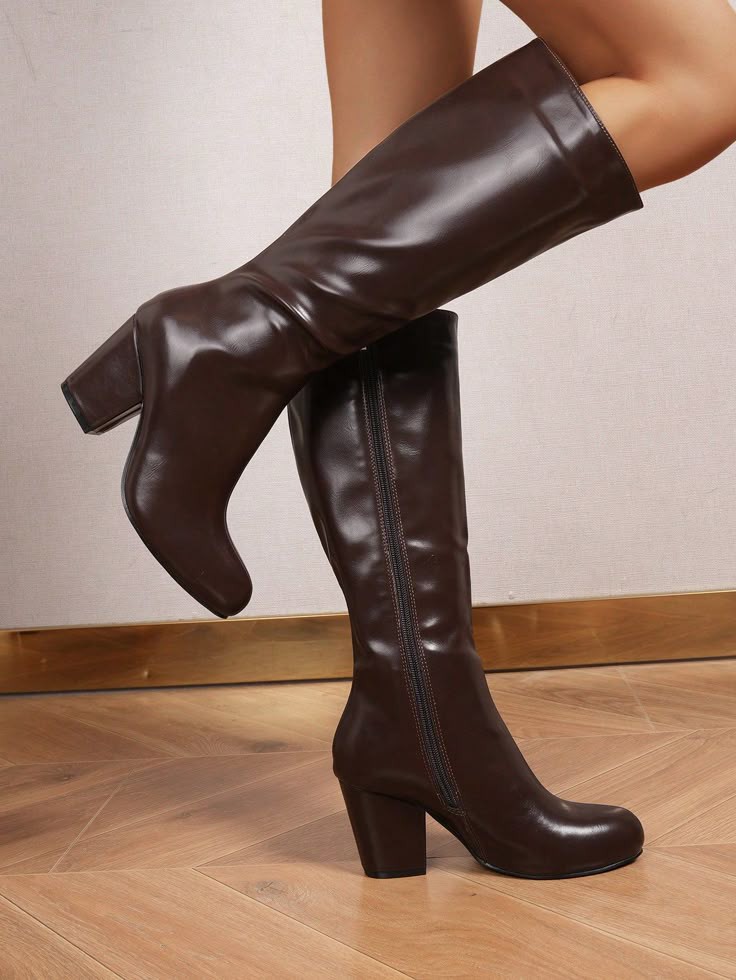
The beauty of fashion design lies in the balance of art and functionality. #FashionArt #DesignBalance
2
88

1 Jan 2025
Design isn’t just about looks—it’s about function. A sleek UI with poor UX is like a fancy car without an engine: useless. Great design balances beauty and usability, creating experiences that work and delight
#DesignMatters #UXUI #DesignBalance
2
52

20 Sep 2024
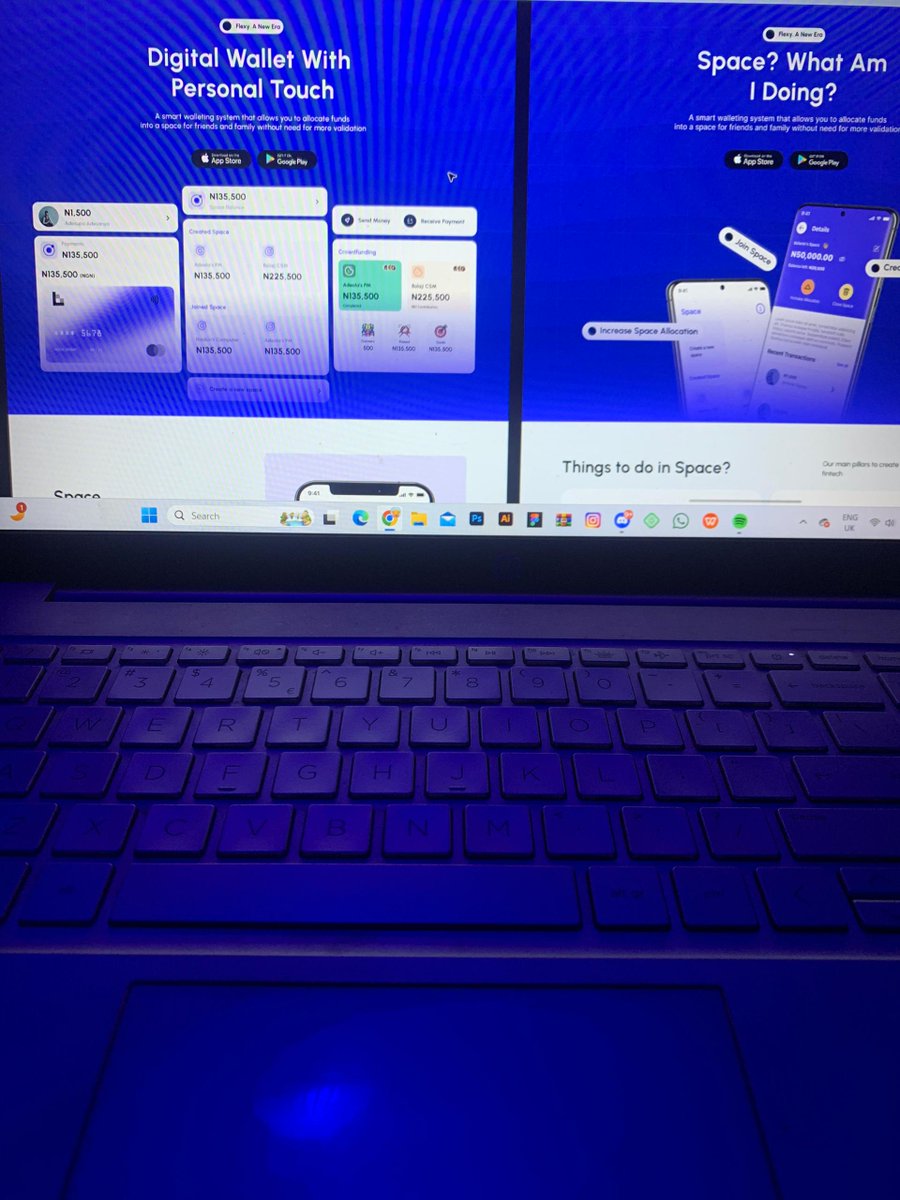
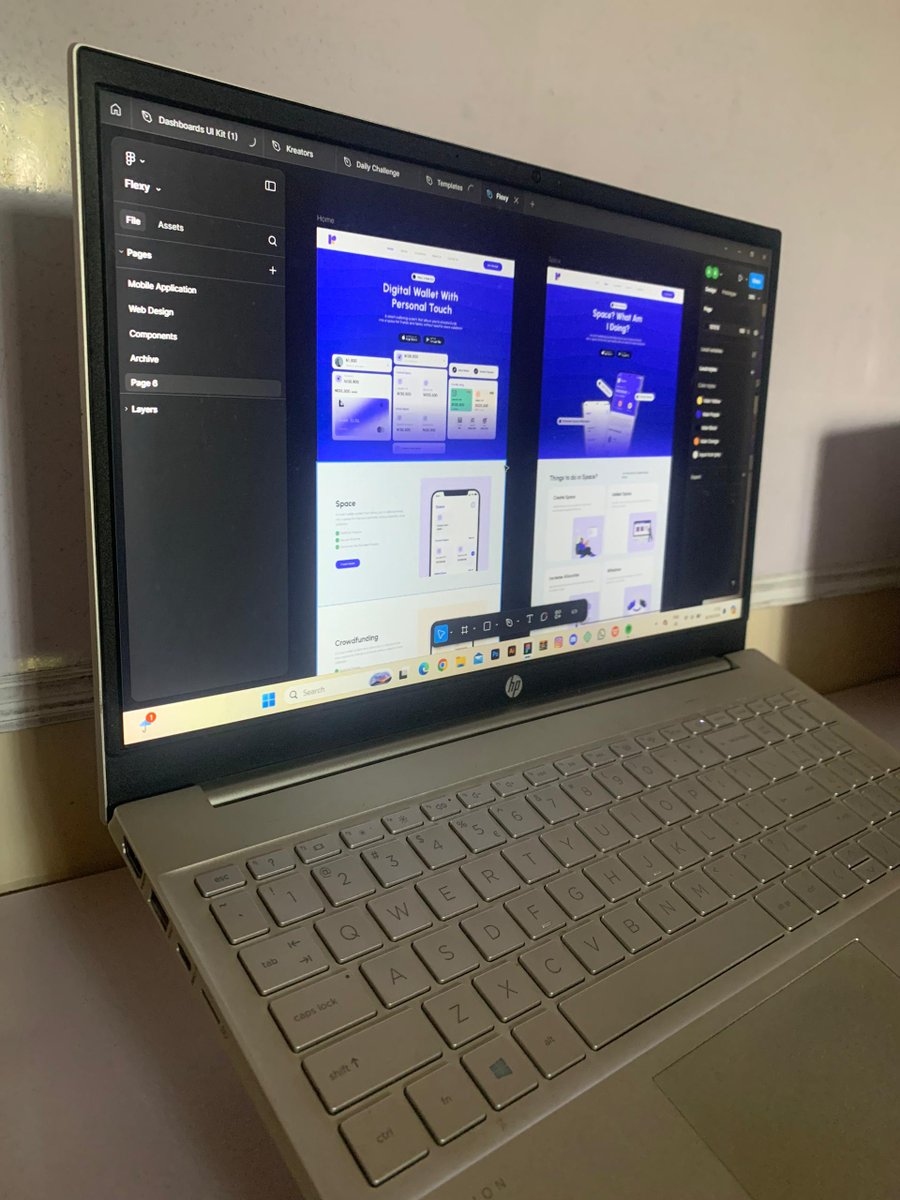
When it comes to digital products, the balance between UX and UI is what truly makes a difference.
#UXDesign #UIDesign #UIvsUX #UserInterface #UserExperience #WebDesign #DesignMatters #DigitalExperience #DesignBalance #UIUX #DesignThinking #UserExperience #UserInterface
2
1
4
227

17 Sep 2024
A frequently asked question is: What constitutes good design? How detailed should it be? And how much extensibility is necessary?
Finding the right balance in software design is important. Insufficient design can result in disorganized, "spaghetti" code, whereas too much design can introduce unneeded complexity and waste resources. The challenge lies in identifying the optimal balance that offers sufficient structure for development guidance and future adaptability without becoming inflexible or overly theoretical.
A practical approach is to design with the present and upcoming needs in mind, allowing for a degree of flexibility to manage foreseeable changes. This method emphasizes current requirements and steers clear of early optimization or unnecessary generalization. The design's granularity should delineate system components, their interactions, and principal interfaces with clarity, yet avoid micromanaging every aspect of implementation.
While extensibility is valuable, it must not undermine the system's existing functionality or maintainability. Aim for a modular design and apply design patterns thoughtfully. Patterns should be used when they fit a need, not out of enthusiasm. Avoid speculative design practices.
Remember, no design is permanent. Begin with a robust foundation tailored to present needs and clearly understood future demands. As the project progresses and new needs arise, be prepared to evolve and modify the design accordingly.
#SoftwareDesign #DesignBalance #ModularDesign #DesignPatterns #Extensibility #DesignOptimization #DesignFlexibility
4
393

15 Aug 2024
Design is a balance, finding the perfect point between elegance and practicality. #DesignBalance

1
3
663

25 Dec 2023
🤹♀️ Logo design is a juggling act, and balance is the key to a mesmerizing performance. Witness the art of visual equilibrium as elements gracefully coalesce, capturing attention without missing a beat. Ready for the design circus? 🎪🔍 #LogoJuggling #DesignBalance
2
20

8 Dec 2023
Closing the week with balanced compositions. Harmonize elements for a visual masterpiece that leaves a lasting impression. ⚖️🎨 #DesignBalance #FridayClosure
2
3
740
29 Nov 2023
Midweek muse: Balance is the silent conductor of visual symphonies. Play with it, master it, and let it guide your design melody. #DesignBalance #MidweekMotivation
3
4
1,260

14 Nov 2023
"Balance aesthetics and functionality for a harmonious Ul/UX. Beauty with purpose.
#DesignBalance #Aesthetics"
16
17
118

9 Nov 2023
Explore the cost of obsessing over design perfection with Michael F. Buckley. 🌟
Learn why prioritizing purpose over personal standards is the key to impactful design — buff.ly/469W3xP #DesignBalance #UsabilityFirst

3
3,009

25 Oct 2023
How do you strike a balance between aesthetic design and usability in your projects? Share your insights on finding the sweet spot! #DesignBalance #UIUX
2
38

Design encompasses more than just crafting visually pleasing images; it also entails achieving precise alignment for each icon. #DesignBalance #AttentionToAlignment
2
26

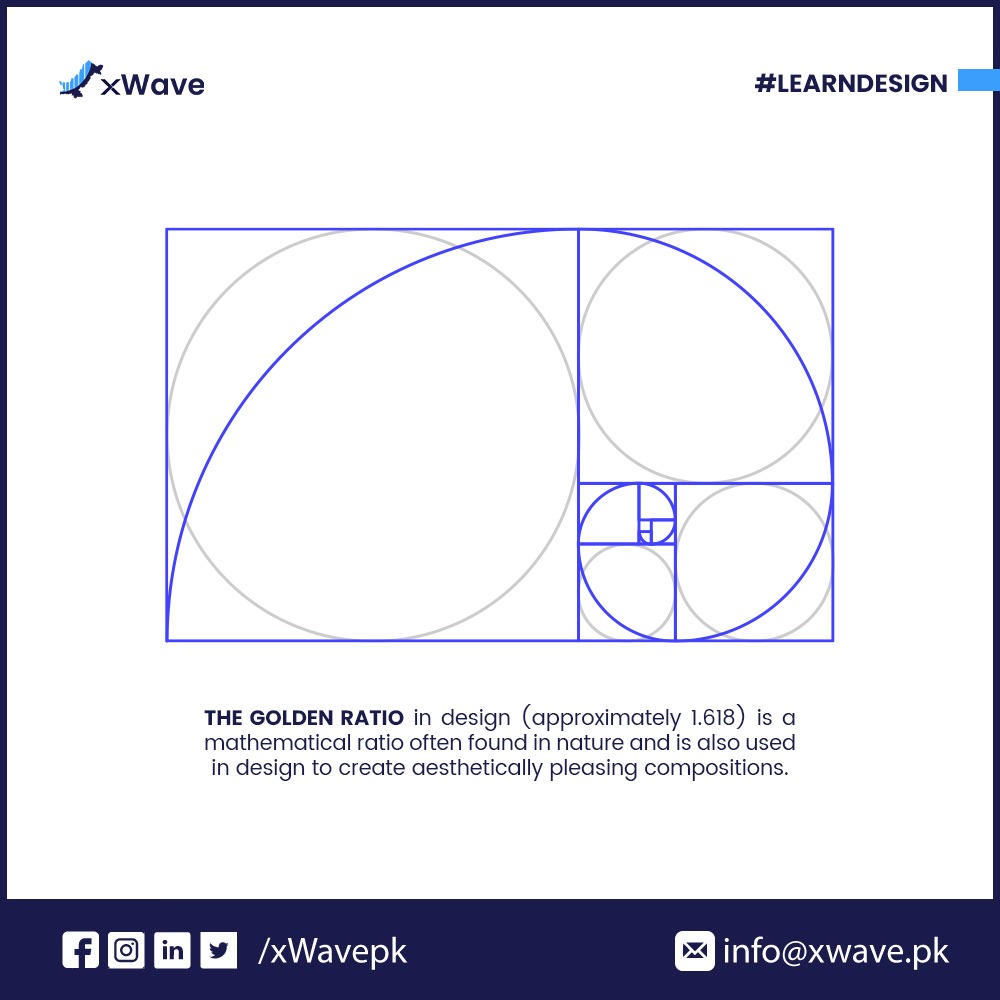
Found in nature's patterns and woven into artistic masterpieces, the golden ratio (1.618) holds the key to visual balance and elegance.
To play your part and support green initiatives like ours, donate today at launchgood.com/floodsinpak
#DesignBalance
6
173