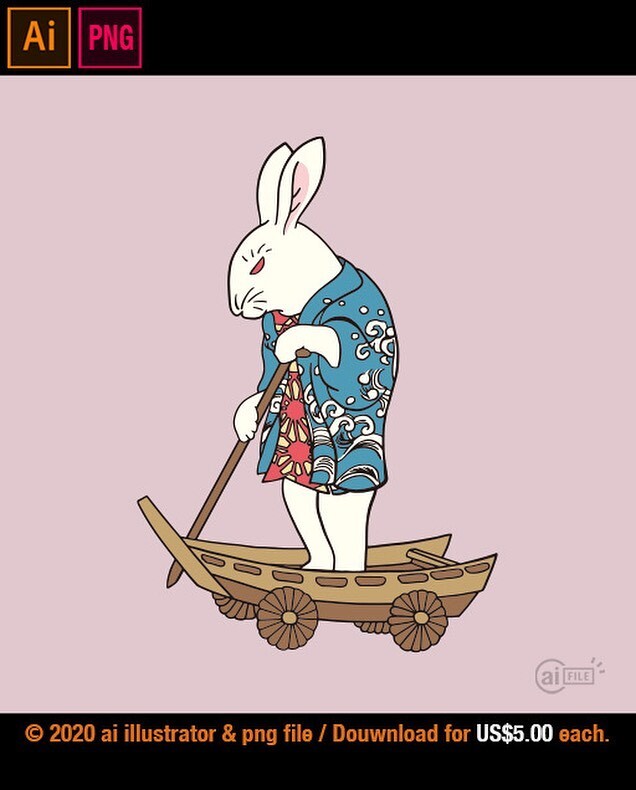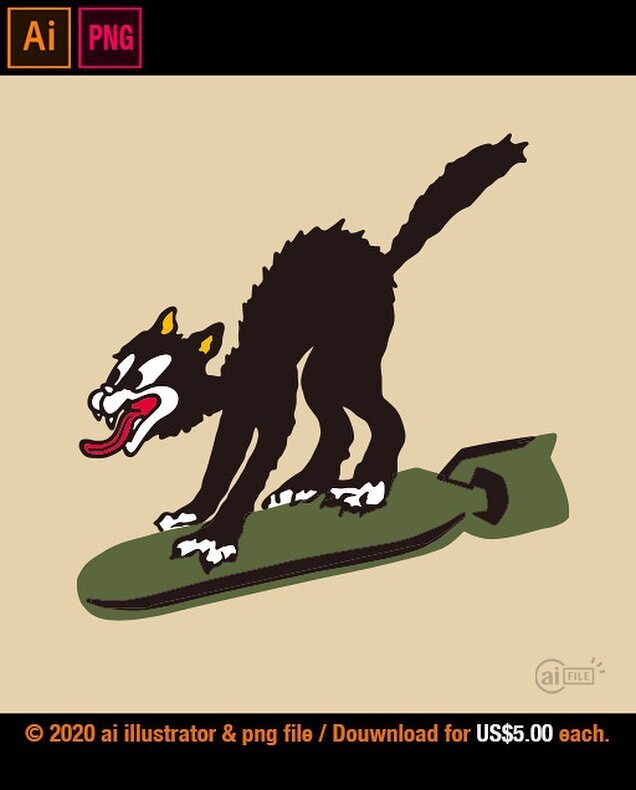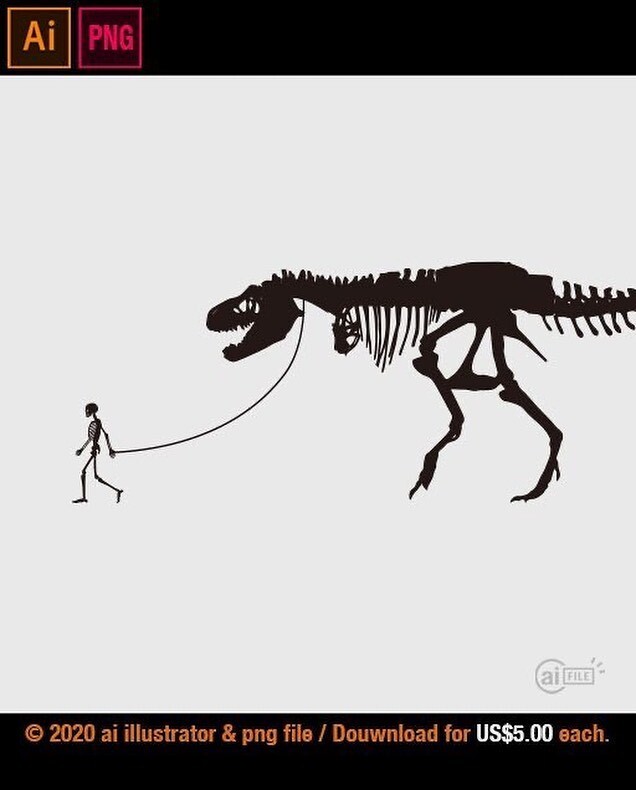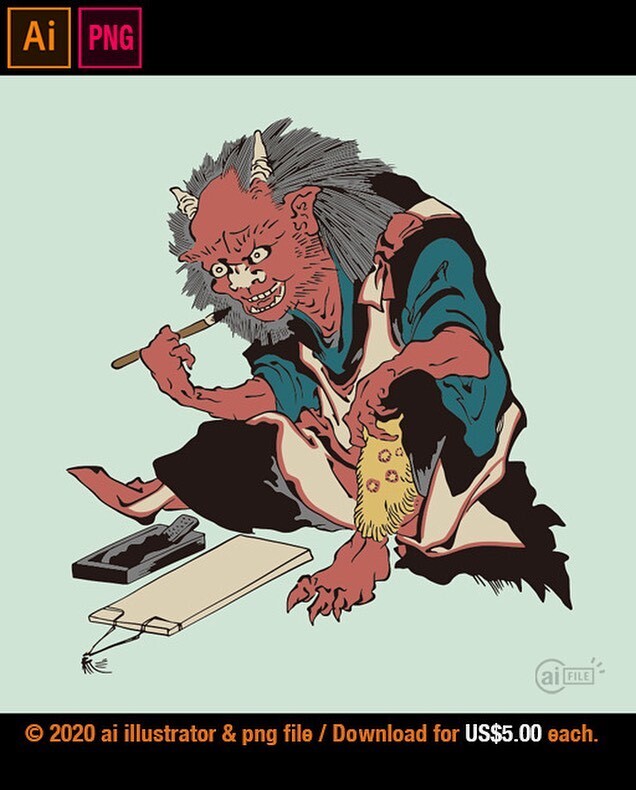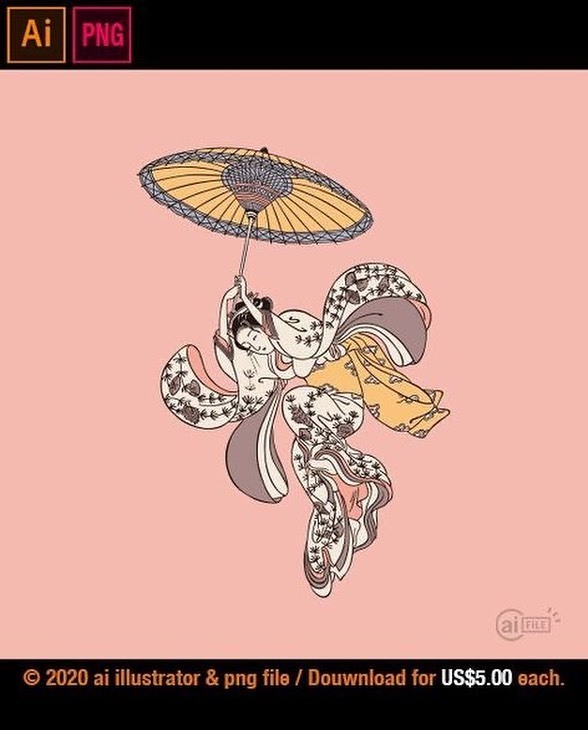





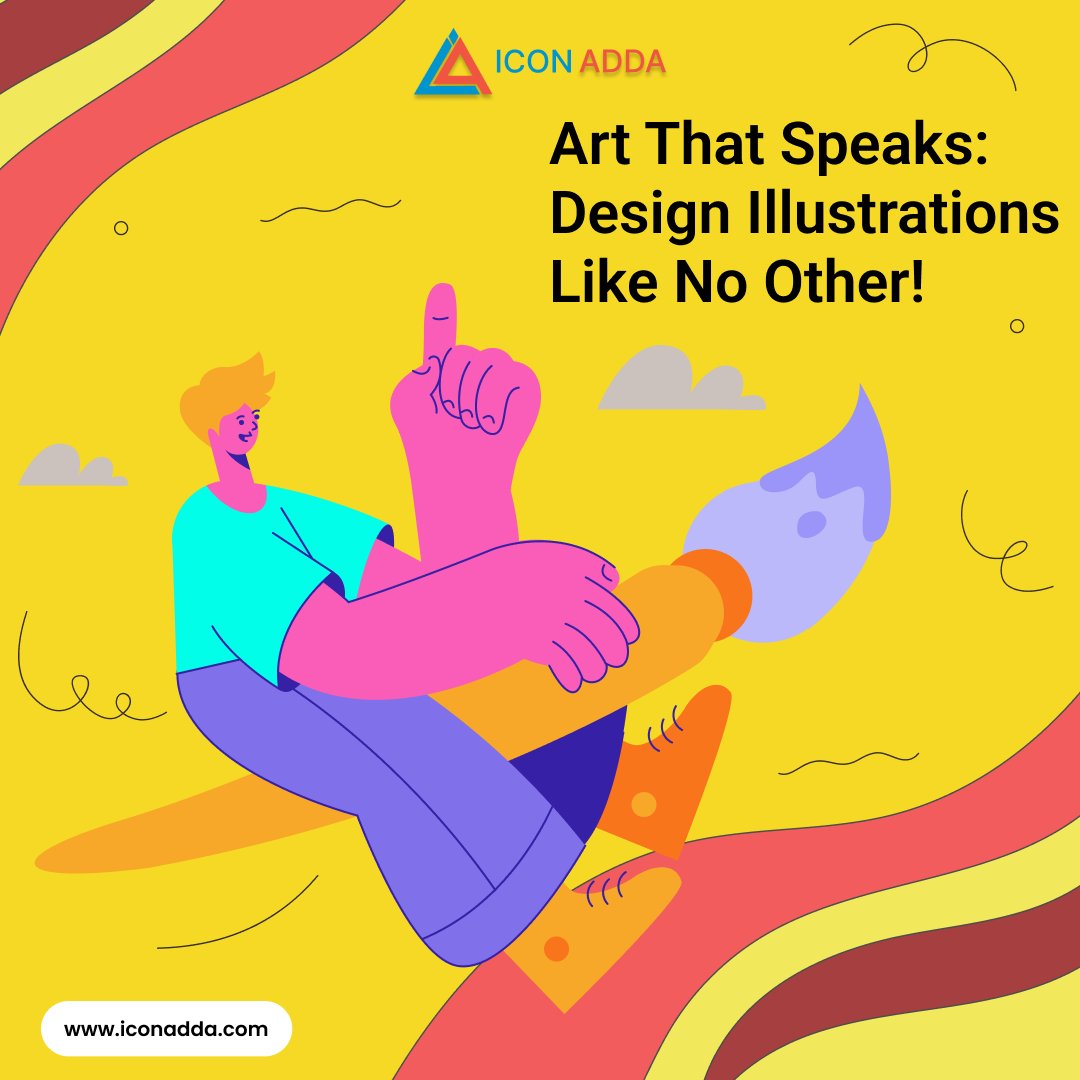
ALT https://www.iconadda.com/ 🎨✨ Release Your Ingenuity with Gorgeous Illustrations! ✨🎨 Use Iconadda's unique illustration collection to turn your concepts into eye-catching images! Our graphics can be used to bring the ideal amount of originality and creativity to any project, whether it's a personal one, a professional design, or social media material. Explore Now: https://www.iconadda.com/illustration/ #Iconadda #Illustrations #CreativeAssets #FreeDesignResources #GraphicDesign #DigitalArt #CreativeInspiration #DesignForEveryone #CustomizableGraphics #UnlimitedCreativity #HighQualityGraphics #CreativeCommunity #ArtInspiration #InnovativeDesigns #CreativeVibes #ProfessionalGraphics #IllustrationDesign #VisualStorytelling #DigitalCreators #AllInOneDesign #FreeGraphics #ElegantDesigns #CreativeSolutions #IllustrationExperts #DesignMadeEasy #IllustrationArt #NextLevelDesign #BeautifulArtworks #CreativeDesigns #IllustrationInspiration
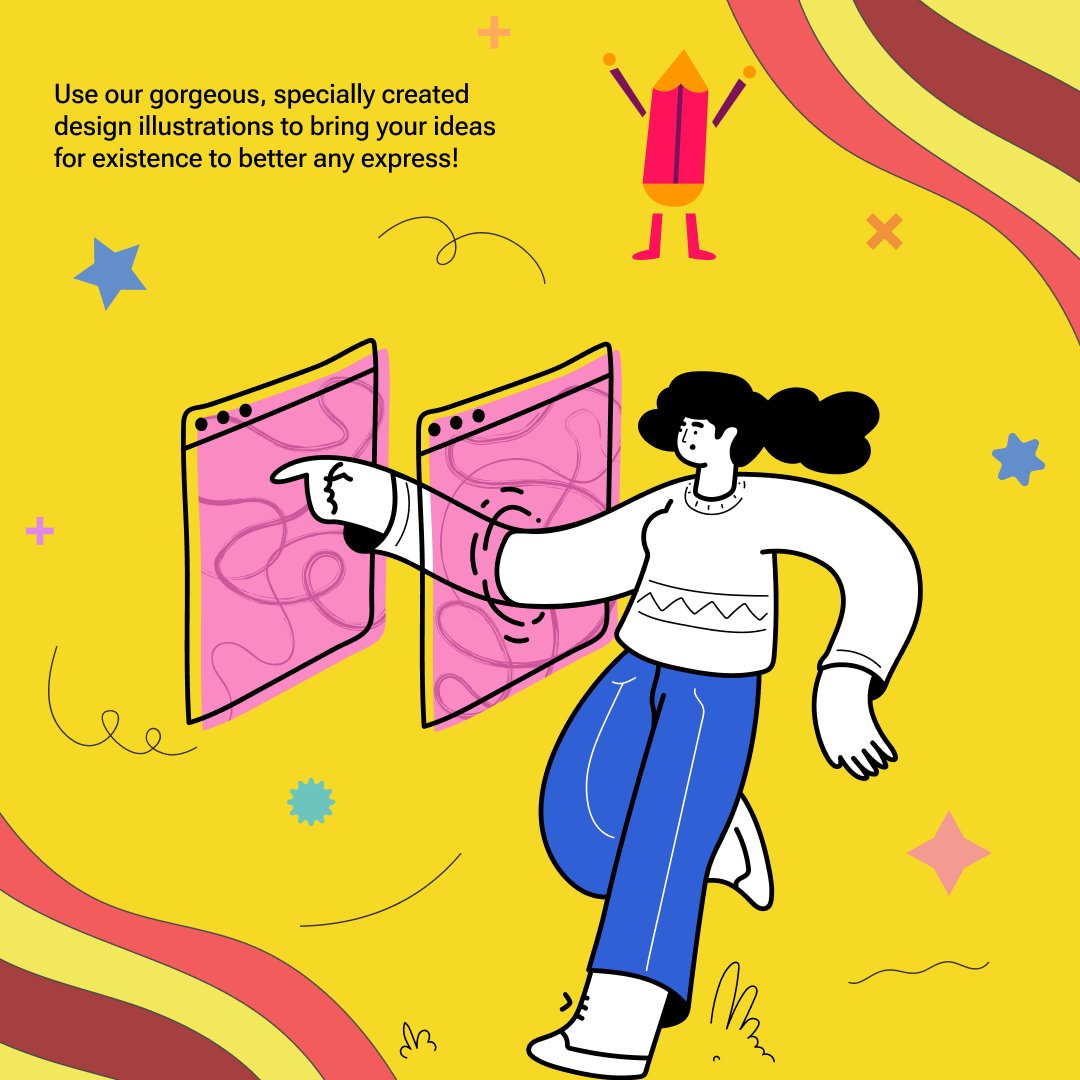
ALT https://www.iconadda.com/ 🎨✨ Release Your Ingenuity with Gorgeous Illustrations! ✨🎨 Use Iconadda's unique illustration collection to turn your concepts into eye-catching images! Our graphics can be used to bring the ideal amount of originality and creativity to any project, whether it's a personal one, a professional design, or social media material. Explore Now: https://www.iconadda.com/illustration/ #Iconadda #Illustrations #CreativeAssets #FreeDesignResources #GraphicDesign #DigitalArt #CreativeInspiration #DesignForEveryone #CustomizableGraphics #UnlimitedCreativity #HighQualityGraphics #CreativeCommunity #ArtInspiration #InnovativeDesigns #CreativeVibes #ProfessionalGraphics #IllustrationDesign #VisualStorytelling #DigitalCreators #AllInOneDesign #FreeGraphics #ElegantDesigns #CreativeSolutions #IllustrationExperts #DesignMadeEasy #IllustrationArt #NextLevelDesign #BeautifulArtworks #CreativeDesigns #IllustrationInspiration

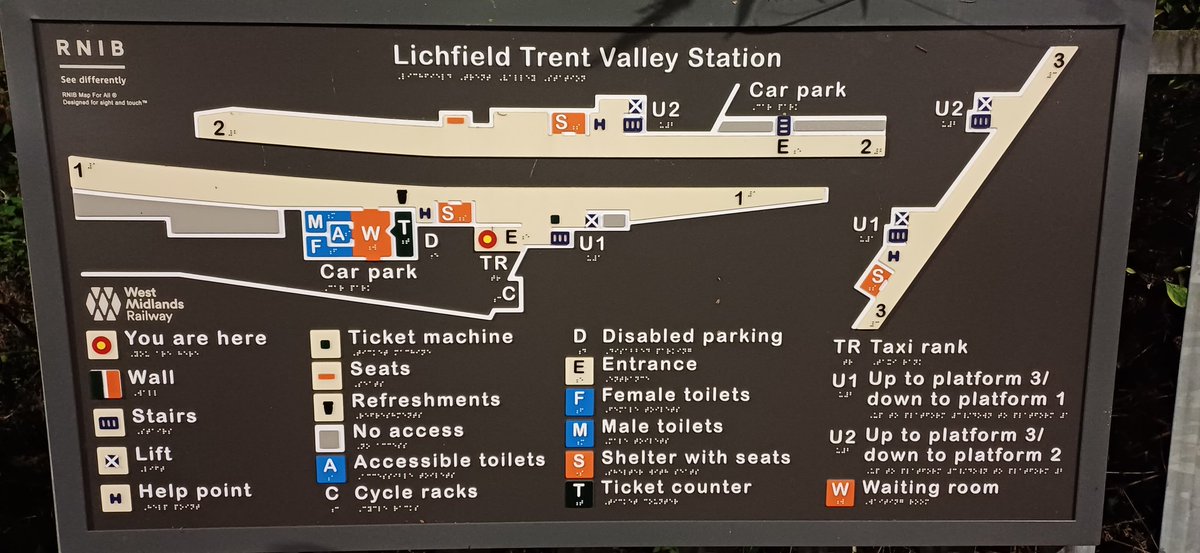
ALT Tactile signage and Lichfield Trent Valley Station with details of the layout and location of key spots around the station
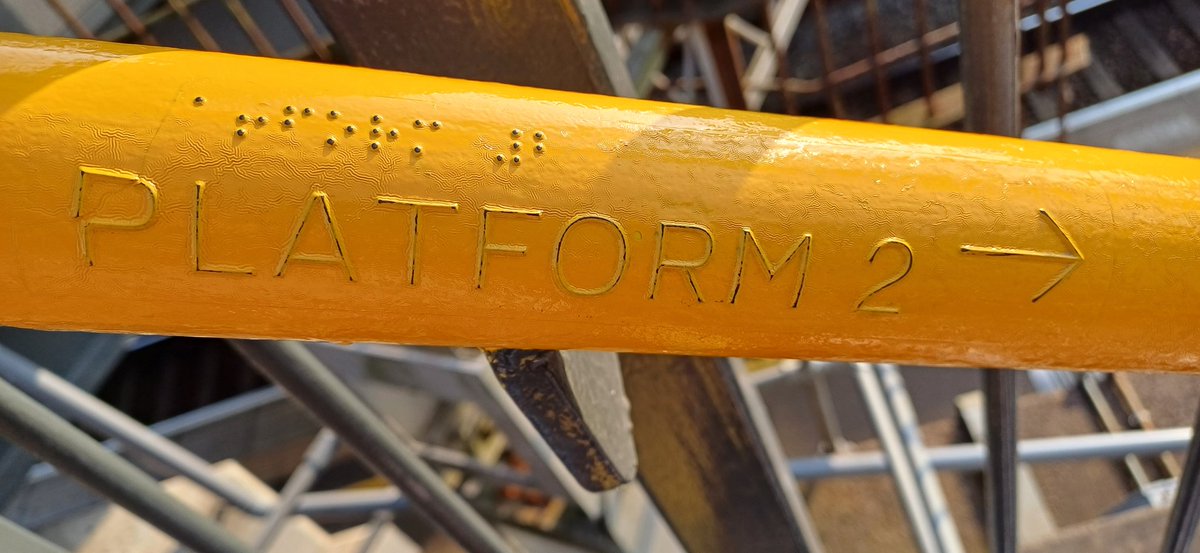
ALT Bright yellow handrail with raised letters reading platform 2 with arrow pointing the way below braille
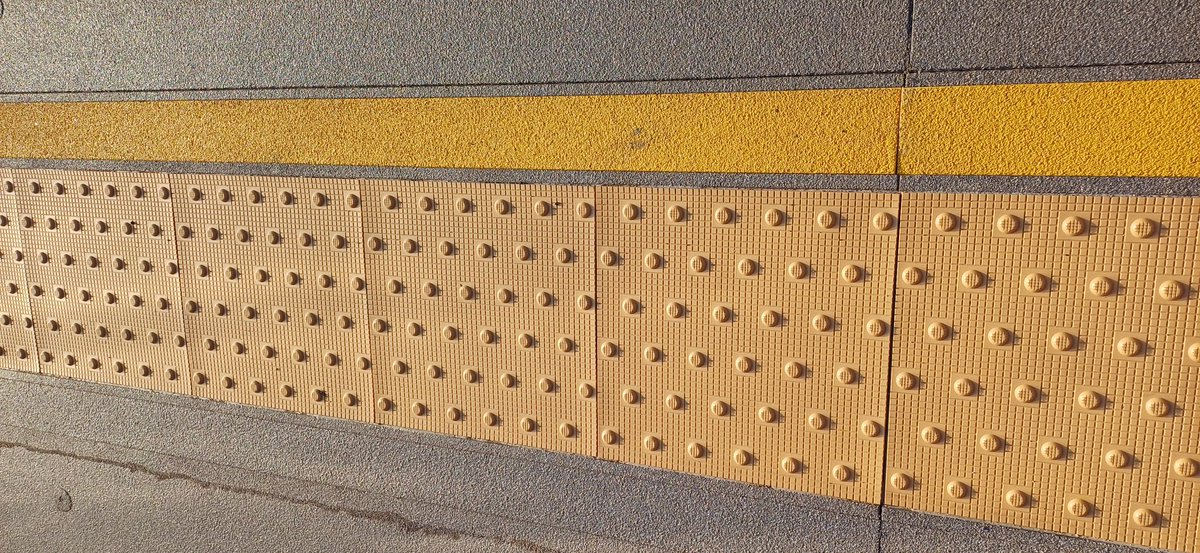
ALT Tactile paving on platform below yellow line to help keep everyone safe and away from railway track




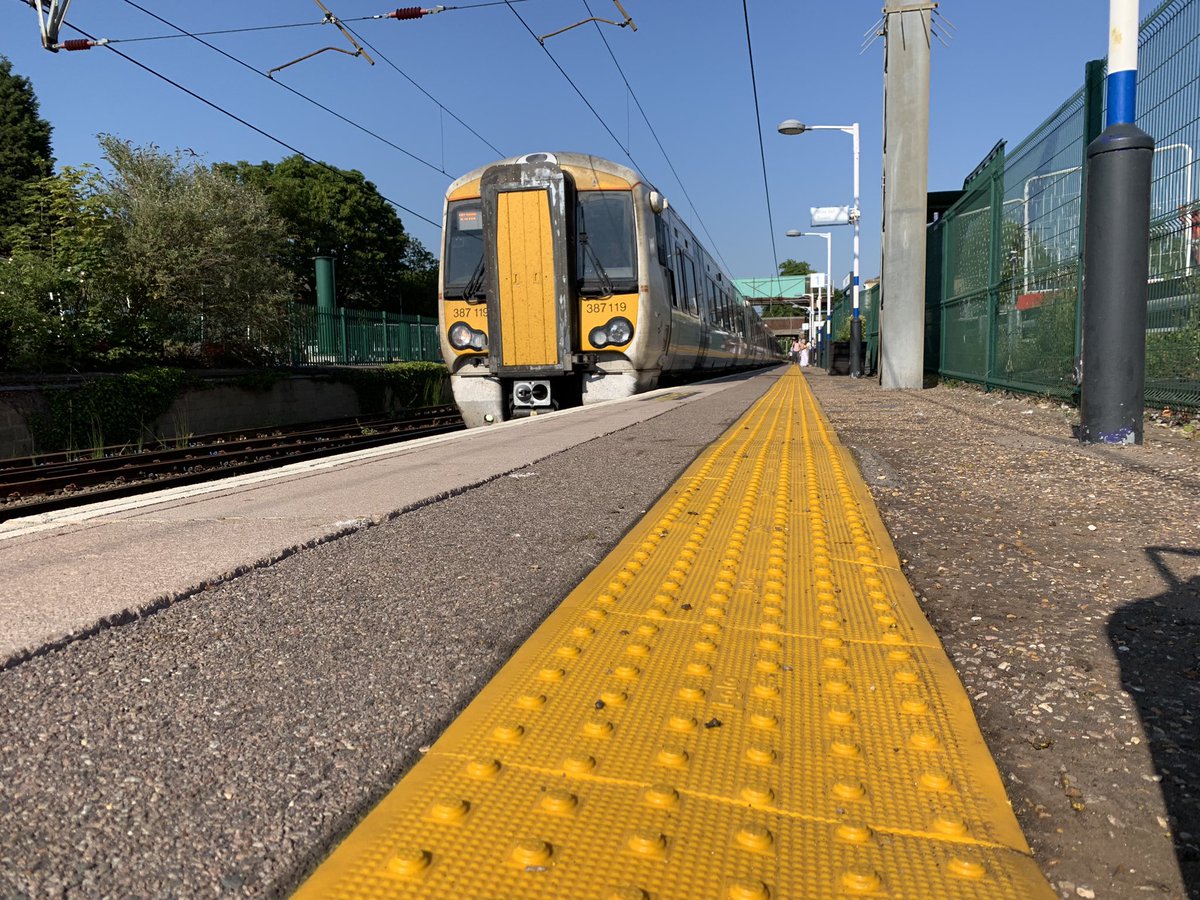
ALT Yellow tactile paving on a train platform with a train pulling in in the background