
Jun 12
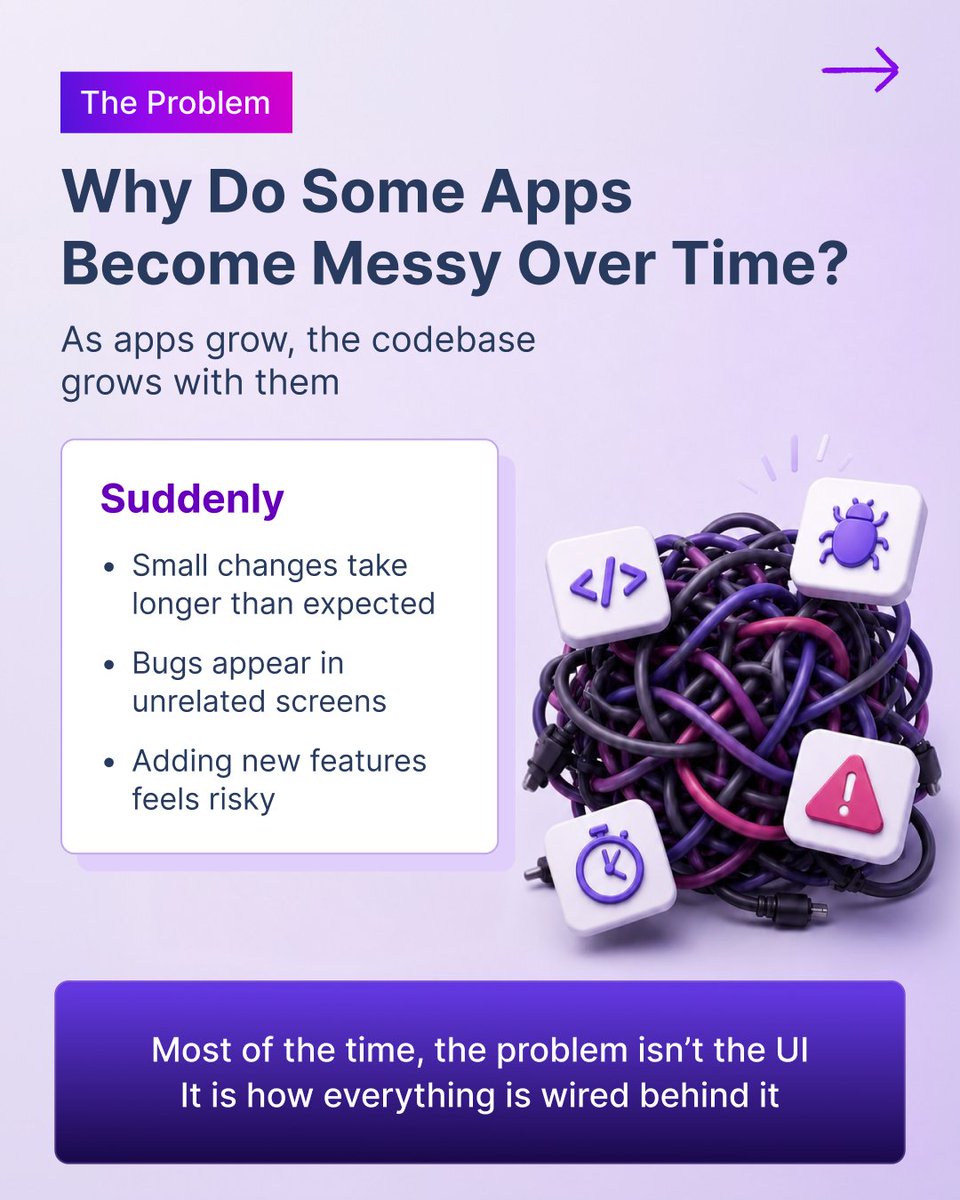
Everything feels manageable…
Until adding one feature starts breaking three others.
That’s usually not a layout problem.
It’s an architecture problem, the way your data and logic are connected behind the scenes.
#TechTruths #DeveloperMindset #StartupTech #DevBestPractices
1
61

22 Sep 2025
When in doubt, write a unit test.
It's the safety net that lets you refactor fearlessly.
#Testing #JavaScript #DevBestPractices #SoftwareEngineering
2
46

Do you truly understand the nuances between AddressOf and WeakAddressOf in Xojo? 🤔 One creates a strong reference, the other a weak one. Choosing correctly is crucial for app stability and preventing unexpected exceptions.
Get the essential breakdown for smarter coding: documentation.xojo.com/api/l…
#XojoLanguage #ProgrammingFundamentals #MemorySafety #DevBestPractices #CodeQuality

6
110

27 Feb 2025
How Can You Invoke Apex?
🔹 From Triggers – Automate record actions
🔹 From LWC & Aura – Enhance UI functionality
🔹 Using @InvocableMethod – Call from Flows
🔹 With REST & SOAP API – Enable integrations
💡 Learn more: crsinfosolutions.com/salesfo…
#SalesforceApex #DevBestPractices
1
1
2
20
27 Feb 2025
Why Apex Security Matters?
🔹 Prevent data leaks & unauthorized access
🔹 Ensure compliance with Salesforce best practices
🔹 Protect against SOQL Injection & XSS attacks
💡Learn how to secure Apex effectively:
crsinfosolutions.com/salesfo…
#Salesforce #ApexSecurity #DevBestPractices
1
4
104

20 Feb 2025
🚀 Building Scalable & Maintainable Flutter Apps! 🔥
🎥 Did you miss the full talk on our YouTube channel? Go watch it now!
youtu.be/nX5g7XOYy04 👈🏻
How do you go from theory to a fully scalable Flutter app architecture? In this Flutter Heroes 2024 talk, Adrian Wörle breaks down the best practices for structuring your app to ensure maintainability, readability, and long-term success.
💡 What you’ll learn:
- The core principles of Flutter architecture & why they matter 🏗️
- How to separate concerns with UI, Domain, & Data layers 📂
- Real-world examples of clean architecture that improve scalability & performance 🚀
Watch the full talk on YouTube and take your Flutter app architecture to the next level! 📺
#Flutter #FlutterArchitecture #MobileDevelopment #AppScalability #SoftwareDesign #CleanCode #FlutterHeroes2024 #DevBestPractices
4
123

3 Sep 2024
🛠️ PHP Tip: When should you use if { } vs. if : endif;?
if { }: Perfect for logic-heavy code and consistency across your codebase. 🚀
if : endif;: Ideal for template files, keeping your PHP and HTML clean and readable. ✨
Pro devs know: context is key! 🧠 #PHPTips #CodeSmart #DevBestPractices #100DaysOfCode
2
38

4 Jul 2024
22. Visitor Pattern Pitfalls: Why Less Can Be More
#VisitorPattern #SoftwareDesign #CodePatterns #DevBestPractices #DesignPatterns #Buildinpublic #100DaysOfCode #Coding #DevCommunity #Python #JavaScript
Source read: grugbrain.dev
1
2
17

25 Jul 2023
📢 Make your code easier to review by documenting it!
Code documentation is the unsung hero of software development. It's not just about writing code; it's about making it understandable for others (and for yourself in the future).
Here's a breakdown of best practices:
1⃣ Purpose Over Process: Always start by explaining why a piece of code exists, not just how it works. This gives context and makes it easier for others to understand its relevance.
2⃣ Consistency is Key: Whether you're using JSDoc for JavaScript, JavaDoc for Java, or any other tool, maintain a consistent style. This makes your documentation predictable and easier to follow.
3⃣ Avoid Redundancy: If it's obvious from the code, you don't need to document it. For instance, int add(int a, int b) doesn't need a comment saying it adds two numbers.
4⃣ Document Assumptions: If your code assumes certain conditions (e.g., an input list is already sorted), document them. This can prevent future bugs.
5⃣ Keep It Updated: Outdated documentation can be more harmful than no documentation. Whenever you update your code, ensure the associated documentation reflects those changes.
6⃣ Use Code Examples: Sometimes, the best way to explain a function or a class is to show a small example of it in action.
7⃣ Document Edge Cases and Limitations: If a function doesn't handle certain inputs or has known limitations, document them. This can save hours of debugging later on.
8⃣ Link to External Resources: If there's a blog post, paper, or any other resource that provides more context or a deeper dive into a concept, link to it.
Remember, the goal of documentation is to make code more accessible and maintainable. It's an investment in the long run.
How detailed do you go in your documentation? Share your tips and tricks in the replies below! 📝 #CodeQuality #DevBestPractices
Follow @daryllukas for more tips like this.
2
6
255

30 Jan 2023
"In programming, 'DRY' stands for 'Don't Repeat Yourself', a principle that encourages writing reusable and modular code. #DRY #CodeOptimization #DevBestPractices
4
7
25

16 Aug 2022
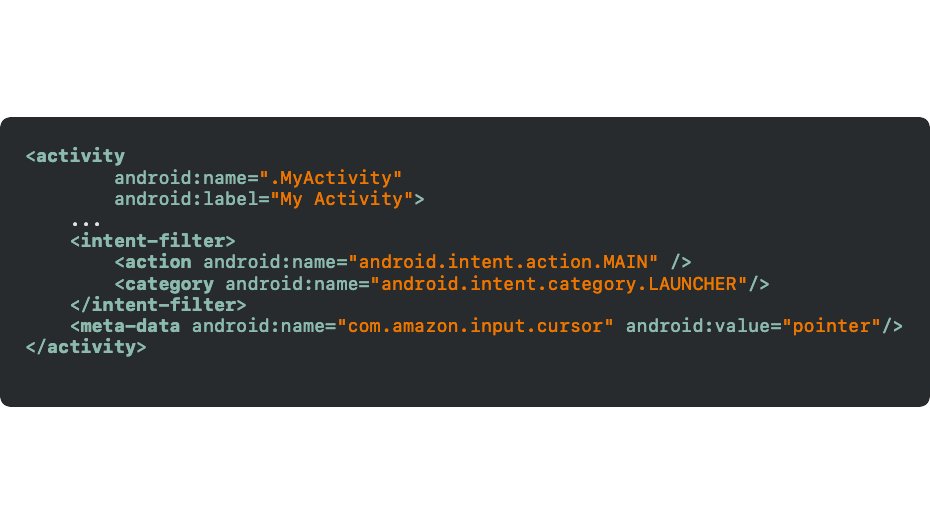
🖱 Did you know... Amazon Fire TV supports the use of a USB or Bluetooth-connected mouse? Add just one line of code in your AndroidManifest.xml to display a mouse pointer as an arrow on your #FireTV app.
Check out the tech doc 👉 amzn.to/3QSr5Dj #DevBestPractices
1
1
4
5 May 2022
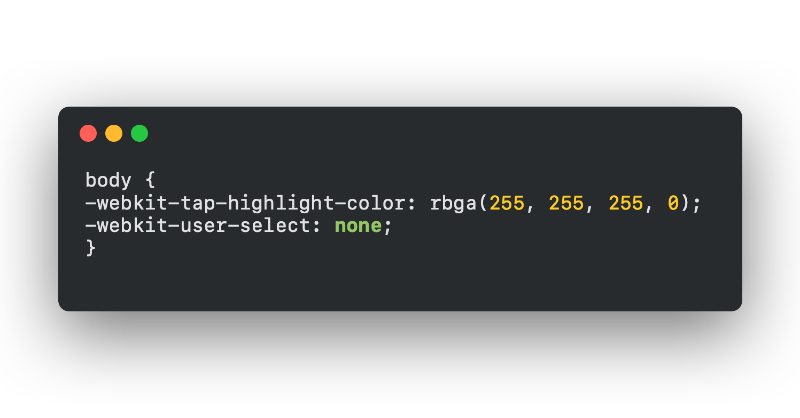
Tired of that translucent block of color overlaying when your customers tap links on your web app? 😪 Get rid of it by adding the following code to your CSS markup!
Check out the tech doc for more #DevBestPractices 👉amzn.to/3vJzDo1 #FireTablet #DevTips
1
1
5


4 Apr 2020
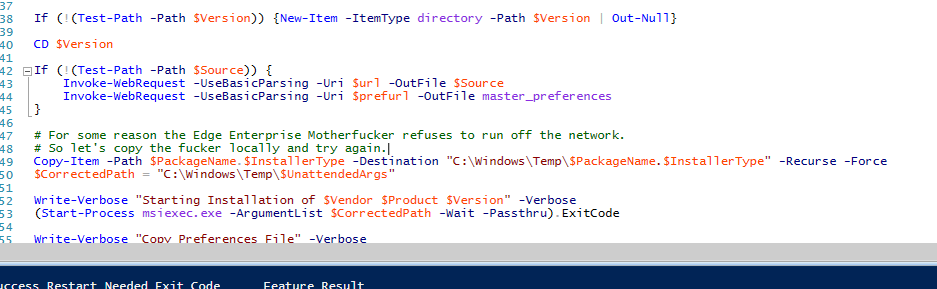
Fixing the Edge Enterprise unattended installation script. Make sure you add meaningful, accurate comments on your code so people can clearly understand what is going one. #DevBestPractices
3
2
15

23 Jun 2018
@bella_mfonobong speaking on #figma for beginners at #cdcuniuyo #devbestpractices @nextdeegit @figma_africa
1
3

5 Jun 2018
#DevBestPractices Always assume that the service might not work as expected. Temporary issues and timeouts happen, so create a mechanism to handle errors. #API #code #developers #Tips #MardiConseil
1

15 Nov 2017
1