
Libuše Amálie retweeted

He created a device that lets paralyzed individuals control phones, tablets, and computers with only their tongue.
Created by MIT-trained engineer Tomás Vega, the device sits on the roof of the mouth and works like a wireless trackpad.
 Dynamic_feel
22
86
450
44,601


people always want to know about the most "niche" stuff because it makes them feel like theyre elite. This is why the larping epidemic exists everyone wants a 3DS because it makes them feel like theyre "niche" while holding a device that has like millions of units sold
Umesh Poojary retweeted

AAP Spox: It's sad that unemployment is rising in the country.
BJP's Pradeep: **Turns on device**
🗣️ "This is Punjab Police beating youths protesting for jobs in Punjab. And here's farmers being heckled by state police. Your response?"💀
1
625
2,449
49,258

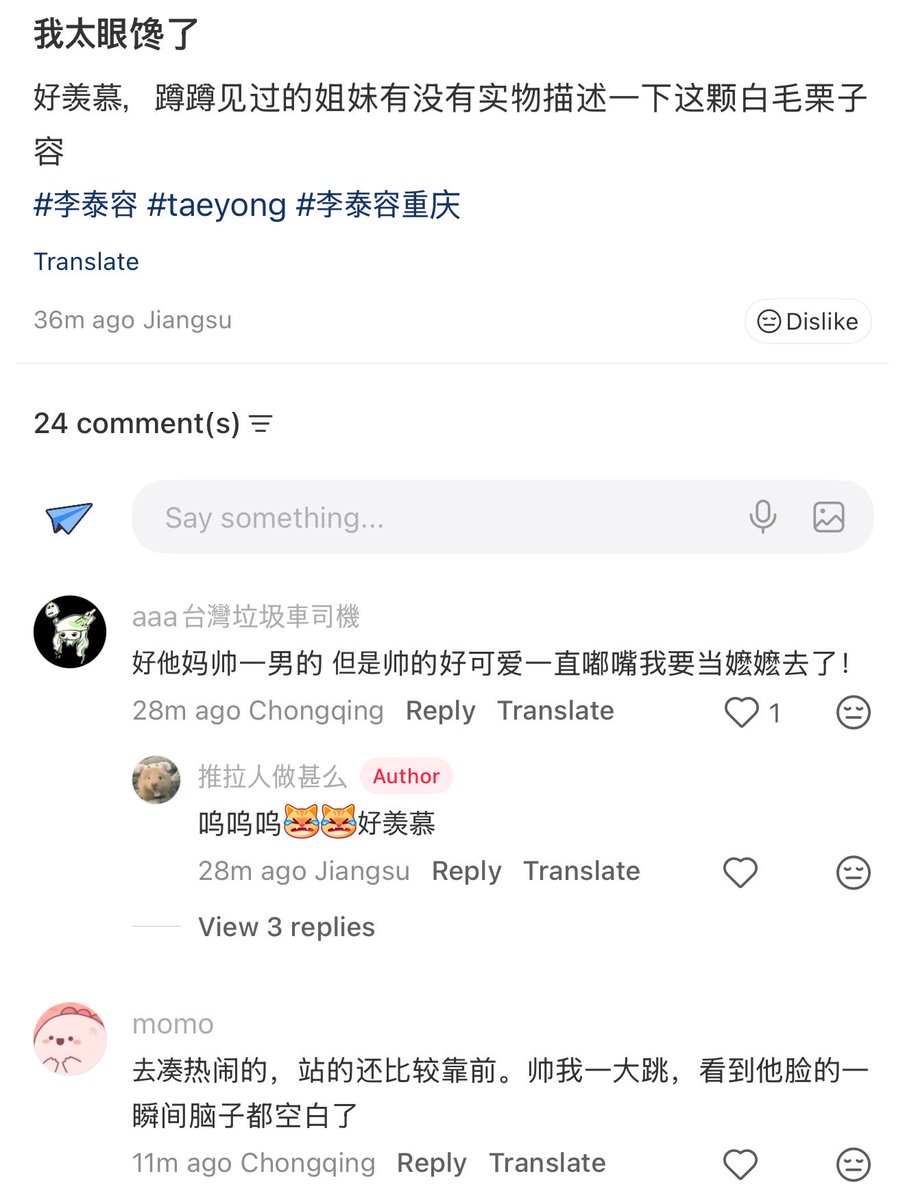
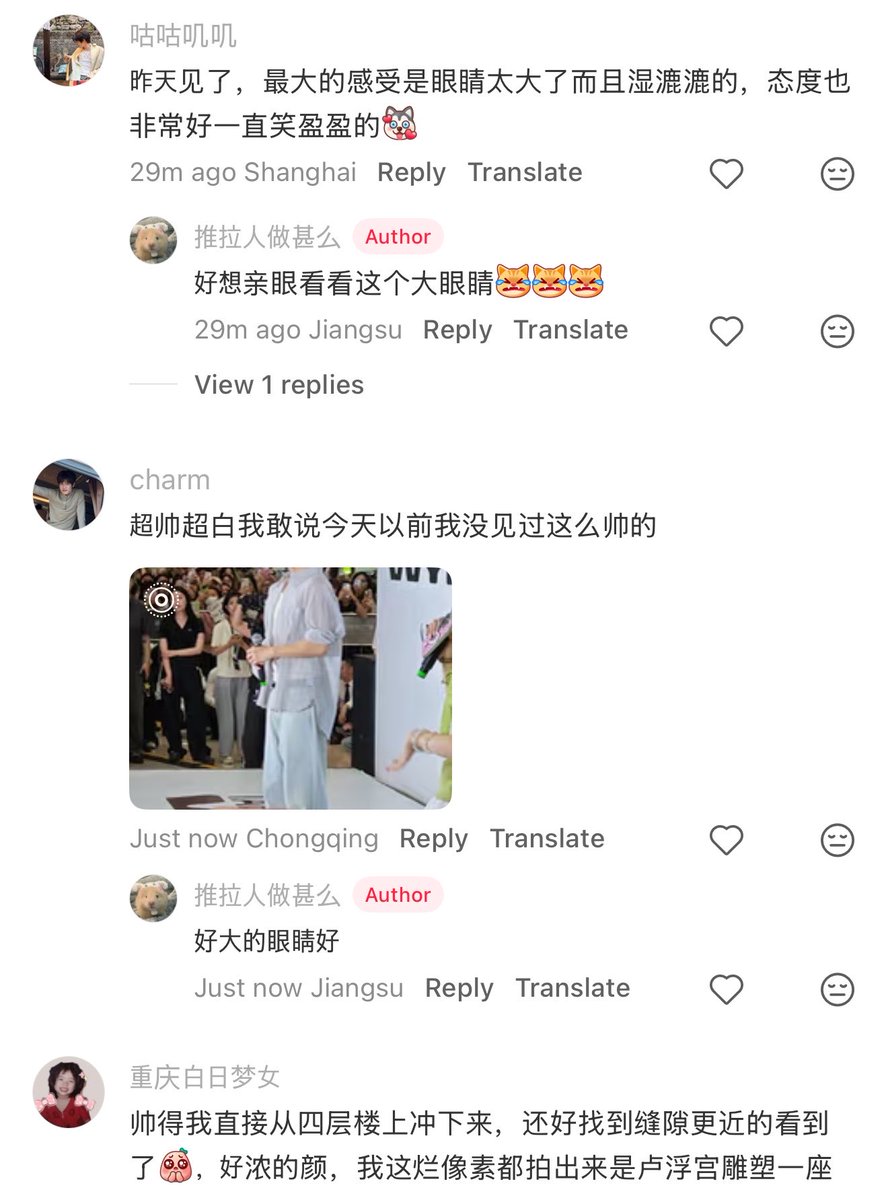
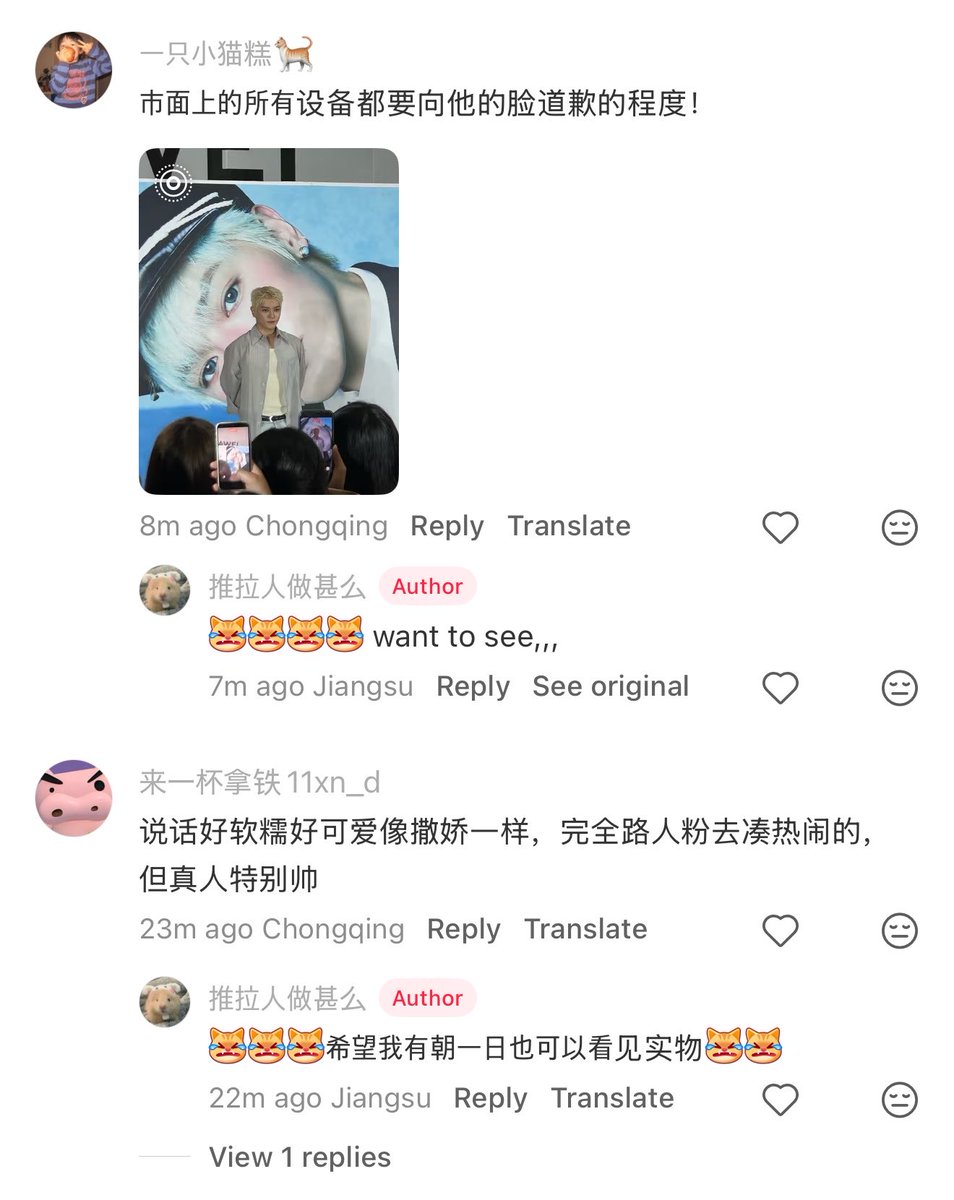
Cfans are talking about taeyong's looks in real life 🥹
Original post:
I’m so jealous. To anyone who has seen Taeyong in person, can you please describe what this white-haired chestnut looks like in real life?
Comments:
“He’s so fucking handsome, but his handsomeness is also so cute. He kept pouting his lips. I’m about to become his mom" (fans use this to express how much they want to baby him) 😭
“I just went there out of curiosity and was standing pretty close to the front. His looks shocked me so much. The moment I saw his face, my mind went completely blank.”
“I saw him yesterday. My biggest impression was that his eyes were so big and looked watery and shiny. He was also very kind and kept smiling the whole time.”
“He’s extremely handsome and incredibly pale. I can confidently say I had never seen someone this handsome before today.”
“He was so handsome that I literally ran down from the fourth floor. Luckily, I found a gap and managed to get closer to see him. His features are so striking that even with my terrible camera quality, he still looked like a sculpture from the Louvre.”
“Every camera and device on the market should apologize to his face.”
“His voice was so soft and sweet, and he was so cute, almost like he was acting all cute and affectionate.. I was just a casual person who went there for the excitement, not really a fan, but he was incredibly handsome in real life.”
#TAEYONG #태용
14
Kyu 🇵🇸 retweeted

Jun 13
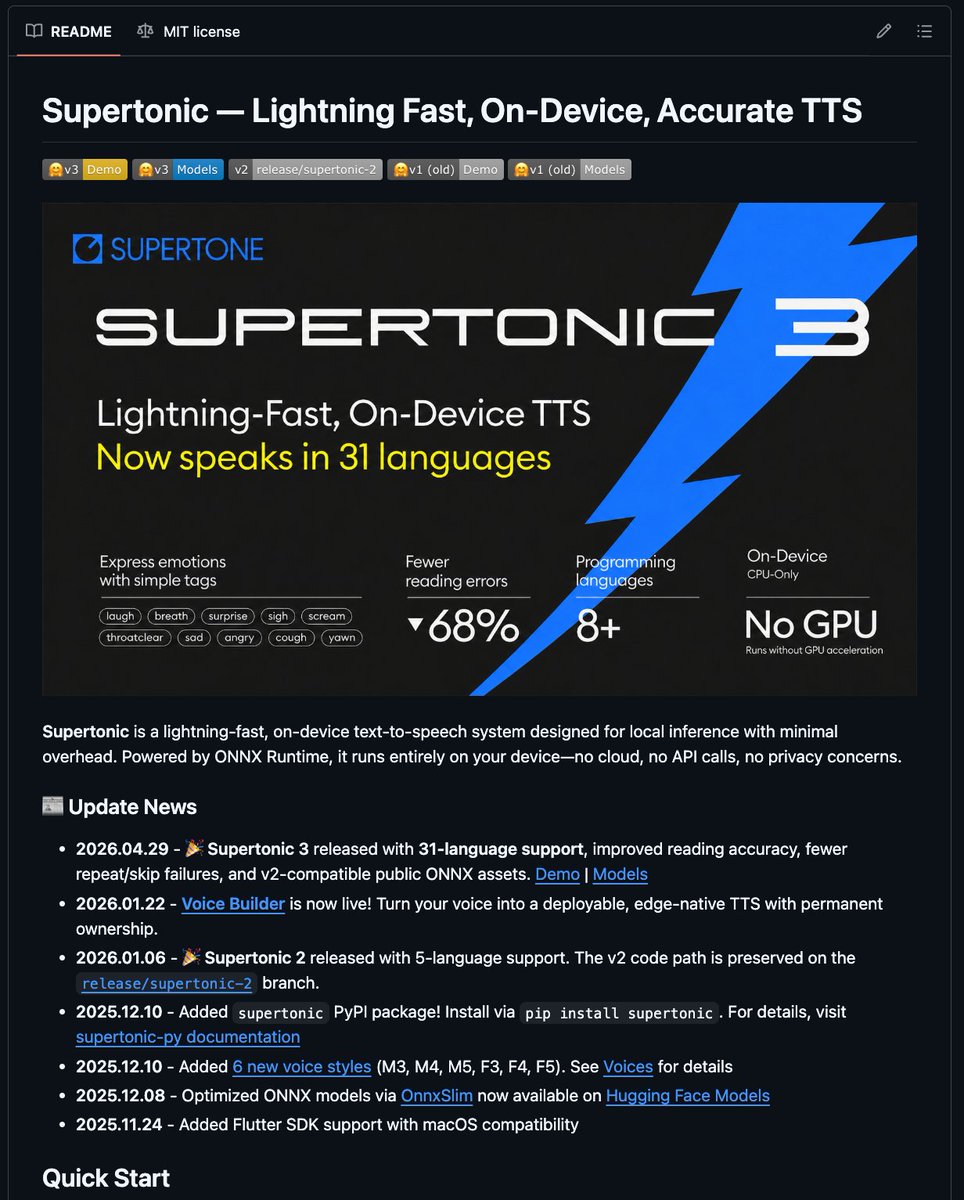
Supertonic just killed ElevenLabs.
A text-to-speech model that runs entirely on your device. No cloud. No API key. No per-character pricing.
2,700 GitHub stars. 100% open source. MIT licensed.
The numbers are wild:
→ 167x faster than real-time on an M4 Pro
→ Only 66M parameters
→ 1,263 chars/sec vs ElevenLabs Flash at 287
→ 1,048 chars/sec vs OpenAI TTS-1 at 55
→ Runs on a Raspberry Pi. Runs on an e-reader in airplane mode.
Reads currency, dates, phone numbers, and technical units correctly without preprocessing. ElevenLabs fails these. OpenAI fails these. Gemini fails these.
Supports 11 platforms and 5 languages. Chrome extension turns any webpage into audio in under a second.
I've watched on-device models lose to cloud APIs for years. This one doesn't lose.
The cloud TTS business just got cooked.
17
77
460
27,440

Jesus, ....Tesla self driving technology failed after billions of dollars in investments ,implementationand testing. Don't even start with " this device is still in the testing phase "
5


You are quite right. The Chinese EV market has learned in the past few years that the real volume is in the mid-range and entry-level vehicles, not just the expensive luxury models.
For example, BYD’s big secret to success is that it has built EVs and plug-in hybrids that are sufficient for everyday use for between $10,000 and $30,000. In contrast, Tesla started with expensive models and then gradually moved to relatively affordable vehicles.
In China, many consumers have different priorities:
Reasonable price
Low power consumption
Reliable battery
Good software and screen
300 to 500 km range for urban use
In contrast, the European and American markets have a stronger luxury branding, so 700 horsepower, 0-100 in three seconds, and a 25-speaker sound system are also sold there. As if a daily commute to the office requires a vehicle that could take you on a mission to Mars.
However, China has not completely abandoned luxury EVs. There are more in the premium segment. The difference is that their core business model is not just based on expensive cars, but also on selling mid-priced cars on a large scale.
In a sense, China has made the auto industry like the smartphone market: Most people want a phone or car that meets 90% of their needs, not a device with 500 features, 450 of which they will never use. The industry is finally catching on, although marketers are constantly fighting it.
1


There's 1000s upon 1000s of other games that can be pirated though, and you don't even need that powerful of a device to emulate them.
When I was younger, sometimes my family couldn't afford new or used games, so I emulated older games and it was just as fulfilling
1

..that happened while the device was entirely in YOUR custody.
A Systemic Cruelty
I am sitting here in Portsmouth, a Black man whose life and income have been completely halted by your incompetence and cruelty. I cannot help but feel the crushing weight of prejudice…
1
1



The gaming side of Twitter is disappointing. Saying dumb shit like “you can’t be a fan of a game if you didn’t play it.” If you watched a Let’s Play because you can’t afford it or don’t own the device its on, doesn’t make you any less of a fan.
1
1
247phonesex retweeted

Apr 30
Who's down for some, hot anonymous voice sex rn👀
Click to call me on ANY device, sexy: 1-800-phonesex.com/
-
-
-
sexy voice / voice chat / sex talk / dirty talk / 5 free minutes
1
1,303
Mr_Adumatta retweeted

First Attempt: Bluetooth device fail ❌
Second Attempt: Bluetooth device connected ✅😂
110
251
3,168
1,470,321