How Does a Digital Multimeter Work? - Understand the Essentials.
Have you ever wondered what’s actually happening inside your Digital Multimeter (DMM) when you probe a circuit?
While it looks like a simple digital screen replacing an old analogue needle, the "magic" inside is a fascinating process of high-speed translation.
Based on the expert insights from Electronics Notes, here is a breakdown of how your DMM actually works:
1. The Core: The ADC (Analog-to-Digital Converter)
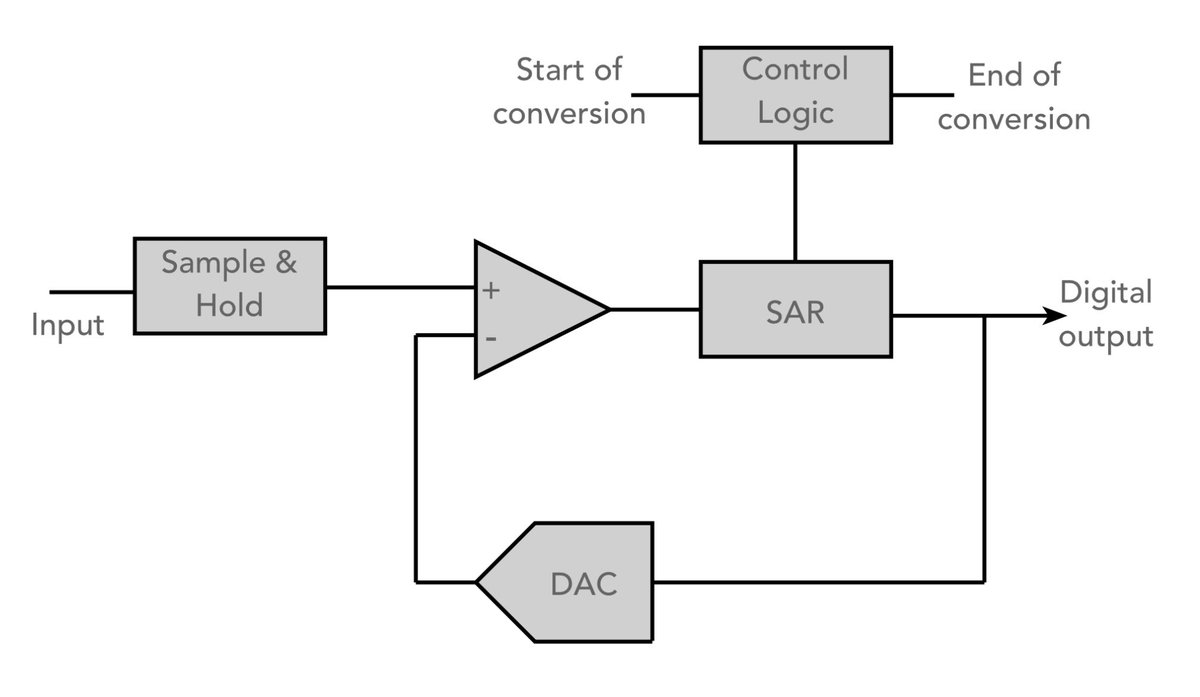
The heart of every DMM is the ADC. Most general-purpose multimeters use a Successive Approximation Register (SAR).
• Think of it like a game of "Higher or Lower."
• The ADC compares the input voltage to a reference voltage, starting at half-scale and narrowing it down bit-by-bit until it "homes in" on the exact value.
2. Signal Pre-Conditioning
The ADC can only handle a specific, small range of voltage. To measure different things, the DMM "prepares" the signal:
• Voltage: Uses potential divider networks to scale high voltages down to a range the ADC can handle.
• Current: Measures the voltage drop across a known internal resistor (a shunt) and then calculates the current using Ohm’s Law.
• Resistance: Passes a small, known current through the component and measures the resulting voltage drop.
3. Buffering and Averaging
Ever notice why the numbers don’t jump around frantically? The DMM doesn't just show one raw sample. It buffers and averages multiple samples to filter out electrical noise, ensuring the reading you see on the LCD is stable and accurate.
4. The "Settling Time" Factor
When you switch ranges or probes, the internal circuitry needs time to stabilize. This is why the reading might "climb" for a split second before staying still. High-end meters also perform an Auto-Zero to ensure there’s no offset error before giving you the final result.
Pro Tip: Understanding this process helps you realize why "settling time" matters—especially when using computer-controlled test equipment where timing is everything!
🔗 For a full explanation, check the link to my website in the comments.
#Electronics #Engineering #TestEquipment #DigitalMultimeter #EmbeddedSystems #LearningElectronics #electronicsnotes
1
2
47
1,464
Cheap vs Expensive Digital Multimeters: What should you buy?
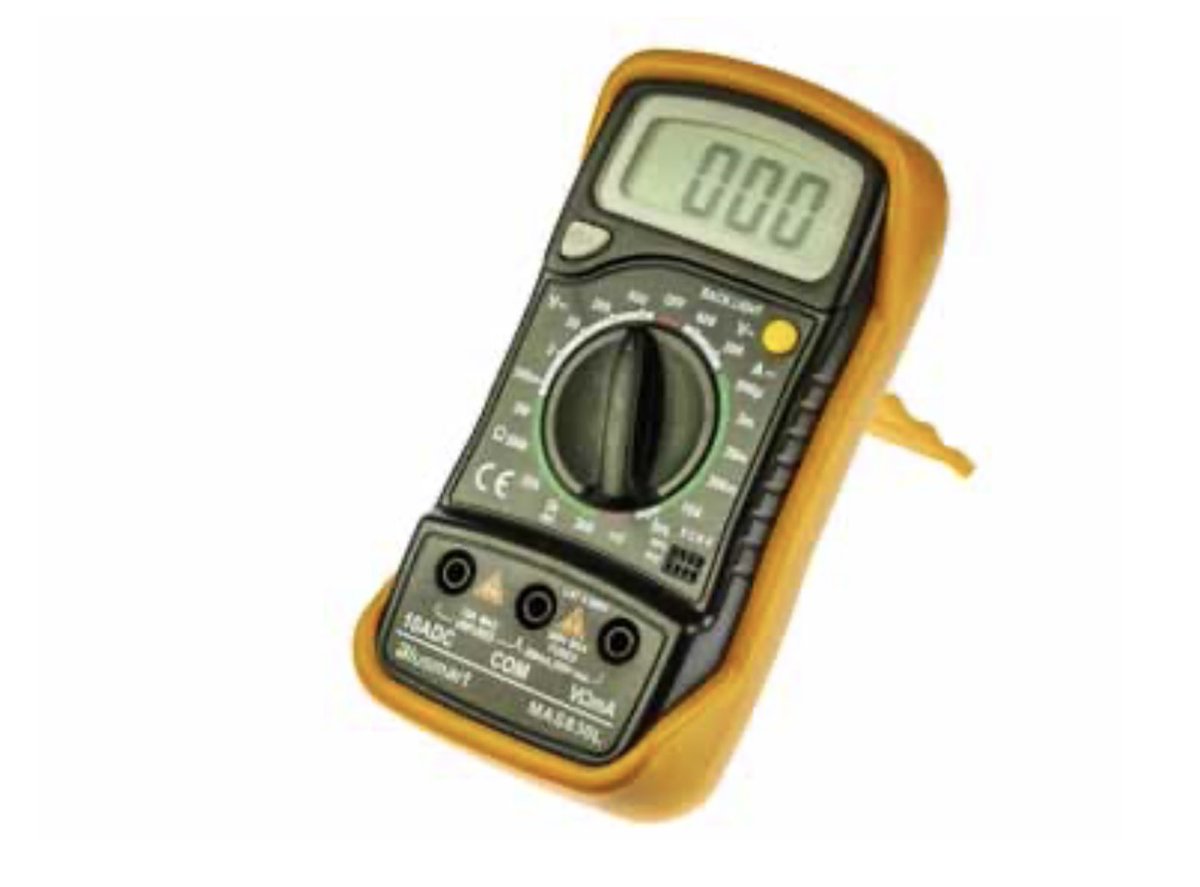
One of the most useful tools anyone involved with electronics might have is a digital multimeter (DMM). But with prices ranging from a few dollars to several hundred, how do you decide what's worth your investment? Let's break down the key differences.
Accuracy & Precision:
- Cheap: Often less accurate, with errors that can exceed ±2 or 3%
- Expensive: They can sometimes boast an accuracy down to ±0.1%, and they can be crucial for precision work.
Features & Functionality:
- Cheap: Basic measurements like voltage, current, and resistance. They often have some other ranges and functions but they tend to be more limited.
- Expensive: Come with a plethora of features including capacitance, inductance, temperature, frequency, and more. They offer true RMS for AC measurements, data logging, and even Bluetooth connectivity for data transfer.
Build Quality & Durability:
- Cheap: Typically made with less durable materials, leading to shorter lifespan and susceptibility to damage. Cost of manufacture is a key consideration.
- Expensive: Designed for longevity with robust casing, shock-resistant features, and often come with warranties. They're built for the rough and tumble of daily use in professional environments.
Safety:
- Cheap: Might not comply with safety standards like CAT ratings, posing risks in high-voltage scenarios.
- Expensive: Adhere to or exceed safety standards (e.g., CAT III, CAT IV), providing protection against electrical hazards. They include features like fused inputs to prevent damage from overloads.
User Interface & Ease of Use:
- Cheap: Simpler interfaces with basic displays, sometimes lacking backlighting or intuitive controls.
- Expensive: Feature sophisticated, easy-to-read displays, often with graphical capabilities, auto-ranging, and ergonomic designs for one-handed operation.
Calibration & Maintenance:
- Cheap: Often not designed for easy recalibration; once they go off, they're generally replaced rather than fixed.
- Expensive: Usually come with calibration services or the ability to be recalibrated, ensuring long-term accuracy.
For Whom?
- Cheap: Perfect for hobbyists, beginners, or for non-critical measurements where precision isn't paramount. Great for educational purposes or basic troubleshooting. But beware if using them on higher voltages.
- Expensive: Essential for professionals, those working with sensitive equipment, or in environments where accuracy and safety are non-negotiable.
While a cheap multimeter can be a good starting point, the investment in a more expensive one pays off in reliability, safety, and precision. Consider your real needs before making a decision.
For more in-depth comparisons and features, check out the detailed guide on my website - link in the comments.
#dmm #digitalmultimeter #testinstrument #testmeter #electronicsnotes
8
8
48
2,048
Confused by Digital Multimeter (DMM) specs?
Accuracy and resolution are often used interchangeably, but they mean very different things. Understanding the difference is key to interpreting your readings correctly.
#Electronics #Engineering #DMM #digitalmultimeter #accuracy #resolution #electronicsnotes

3
4
21
1,431
Is a $15 "no-name" multimeter actually worth it?
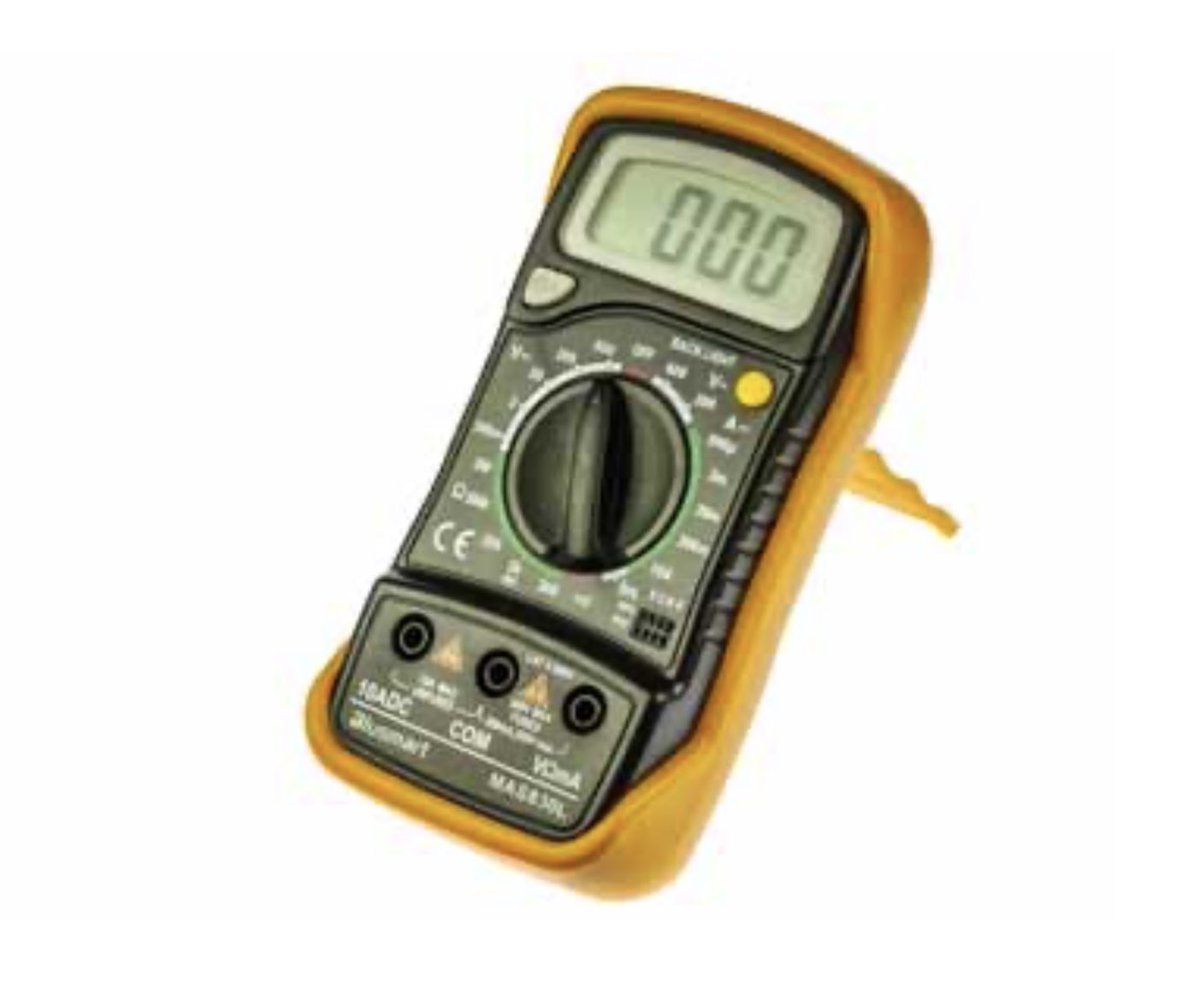
We’ve all seen them at the hardware store or online. For basic home DIY, they seem like a steal. But when you’re dealing with electricity, "cheap" can quickly become expensive—or even dangerous.
They may be fine for your low voltage general work, but outside this are they a good idea?
#digitalmultimeter #testmeasurement #DMM #DMMcounts #electronicsnotes
10
1
22
5,318
What you need from a Multimeter
A multimeter is one of the most useful pieces of test equipment that virtually all of us use.
For most of us, we either use them at work, but for home use where we tend to use them for low voltage circuit testing, a relatively low cost meter is ideal.
It’s possible to buy remarkably accurate and capable meters for a relatively low cost. These are ideal for 99% of the testing we all do, so why pay more?
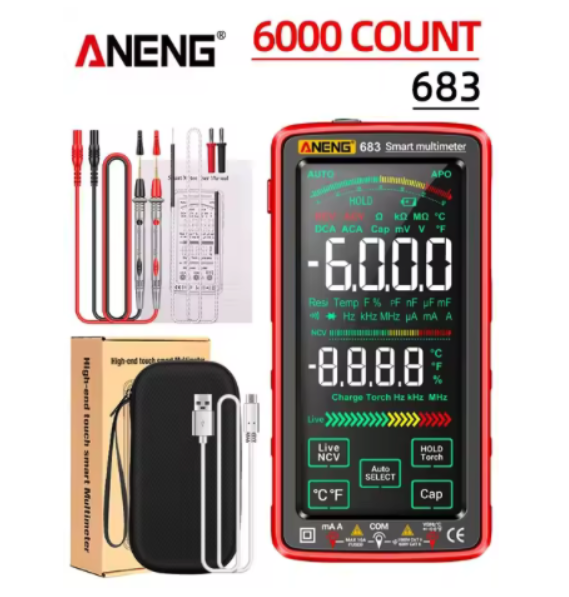
I’ve seen this ANENG 683 Smart Digital Multimeter Touch Screen, Rechargeable, 6000 Counts and at a really budget friendly price.
It is a 3 5/6 digital multimeter with an LCD display screen and analogue bar display. It can measure DC voltage, AC voltage (sine RMS), DC Current, AC current (sine RMS), resistance, capacitance, live-line indication, duty cycle, diode on/off test, data hold and automatic power off.
Check it out via AliExpress: s.click.aliexpress.com/e/_c4…
(Sponsored link)
#digitalmultimeter #dmm #ANENG #smartmultimeter #test #testmeasurement #electronicsnotes
3
5
35
2,328
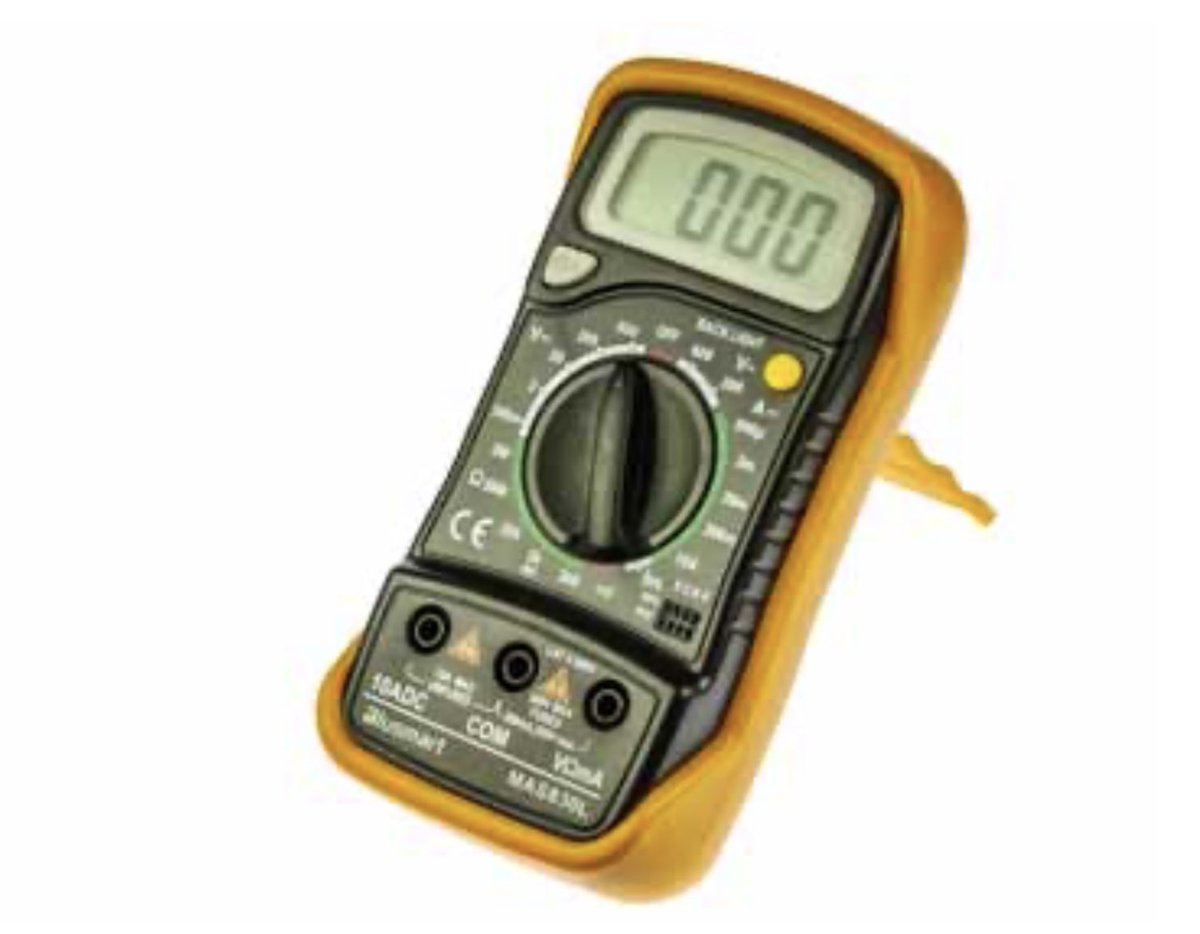
Understand How Your Digital Multimeter Works - You Need to Know So You Can Use It Properly.
Have you ever wondered what’s actually happening inside your Digital Multimeter (DMM) when you probe a circuit?
While it looks like a simple digital screen replacing an old analogue needle, the "magic" inside is a fascinating process of high-speed translation.
Based on the expert insights from Electronics Notes, here is a breakdown of how your DMM actually works:
1. The Core: The ADC (Analog-to-Digital Converter)
The heart of every DMM is the ADC. Most general-purpose multimeters use a Successive Approximation Register (SAR).
• Think of it like a game of "Higher or Lower."
• The ADC compares the input voltage to a reference voltage, starting at half-scale and narrowing it down bit-by-bit until it "homes in" on the exact value.
2. Signal Pre-Conditioning
The ADC can only handle a specific, small range of voltage. To measure different things, the DMM "prepares" the signal:
• Voltage: Uses potential divider networks to scale high voltages down to a range the ADC can handle.
• Current: Measures the voltage drop across a known internal resistor (a shunt) and then calculates the current using Ohm’s Law.
• Resistance: Passes a small, known current through the component and measures the resulting voltage drop.
3. Buffering and Averaging
Ever notice why the numbers don’t jump around frantically? The DMM doesn't just show one raw sample. It buffers and averages multiple samples to filter out electrical noise, ensuring the reading you see on the LCD is stable and accurate.
4. The "Settling Time" Factor
When you switch ranges or probes, the internal circuitry needs time to stabilize. This is why the reading might "climb" for a split second before staying still. High-end meters also perform an Auto-Zero to ensure there’s no offset error before giving you the final result.
Pro Tip: Understanding this process helps you realize why "settling time" matters—especially when using computer-controlled test equipment where timing is everything!
🔗 For a full explanation, check the link to my website in the comments.
#Electronics #Engineering #TestEquipment #DigitalMultimeter #EmbeddedSystems #LearningElectronics #electronicsnotes
2
6
38
2,158
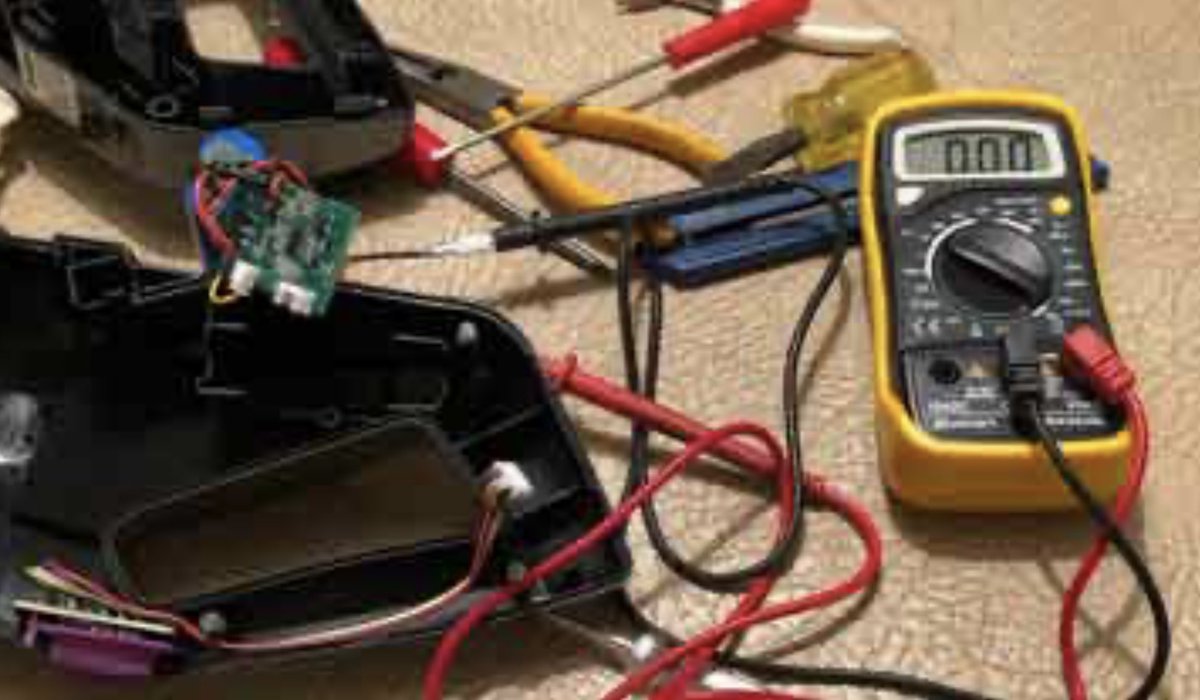
DMM Accuracy vs Resolution: What's the Difference?
When using a Digital Multimeter (DMM), understanding the concepts of accuracy and resolution is crucial for precision in electronics work. Here's a breakdown:
Resolution:
- Definition:Resolution refers to the smallest change in a measured value that can be detected by the DMM. It's about how finely the meter can divide up its scale.
- Example: If your DMM has a resolution of 1 mV on the 20 V scale, it can show changes in voltage in steps of 1 mV.
- Impact: Higher resolution means you can see smaller changes in measurement, which is vital for precise work, especially in low voltage or current scenarios.
Accuracy:
- Definition: Accuracy is how close the measurement from the DMM is to the true value of the parameter being measured. It's influenced by both the instrument's design and external factors like temperature.
- Components:
- Absolute Accuracy: Often expressed as a percentage of reading (e.g., ±1%) plus a fixed number (e.g., ±2 digits). This means if you measure 10V on a meter with ±1% accuracy, the actual voltage could be between 9.9V and 10.1V.
- Relative Accuracy: Compares the accuracy to the full-scale value of the range, which can be misleading if not considered properly.
Key Differences:
- Resolution deals with the readability of the meter—how small the steps are between readings.
- Accuracy deals with the correctness of the reading compared to the real value.
Why It Matters:
- Resolution helps in detecting small changes, which is crucial in applications like sensor readings where minor variations matter.
- Accuracy ensures your measurements are trustworthy for calibration or when exact values are critical, like in medical equipment or aerospace applications.
Practical Tips:
- Always select the lowest possible range for your measurement to gain the best resolution.
- Be aware of the accuracy specifications of your DMM, especially under different environmental conditions, as these can affect your measurement reliability.
Check out more in the link in the comments.
#DMM #digitalmultimeter #accuracy #resolution #DMMcounts #electronicsnotes
2
4
30
2,028
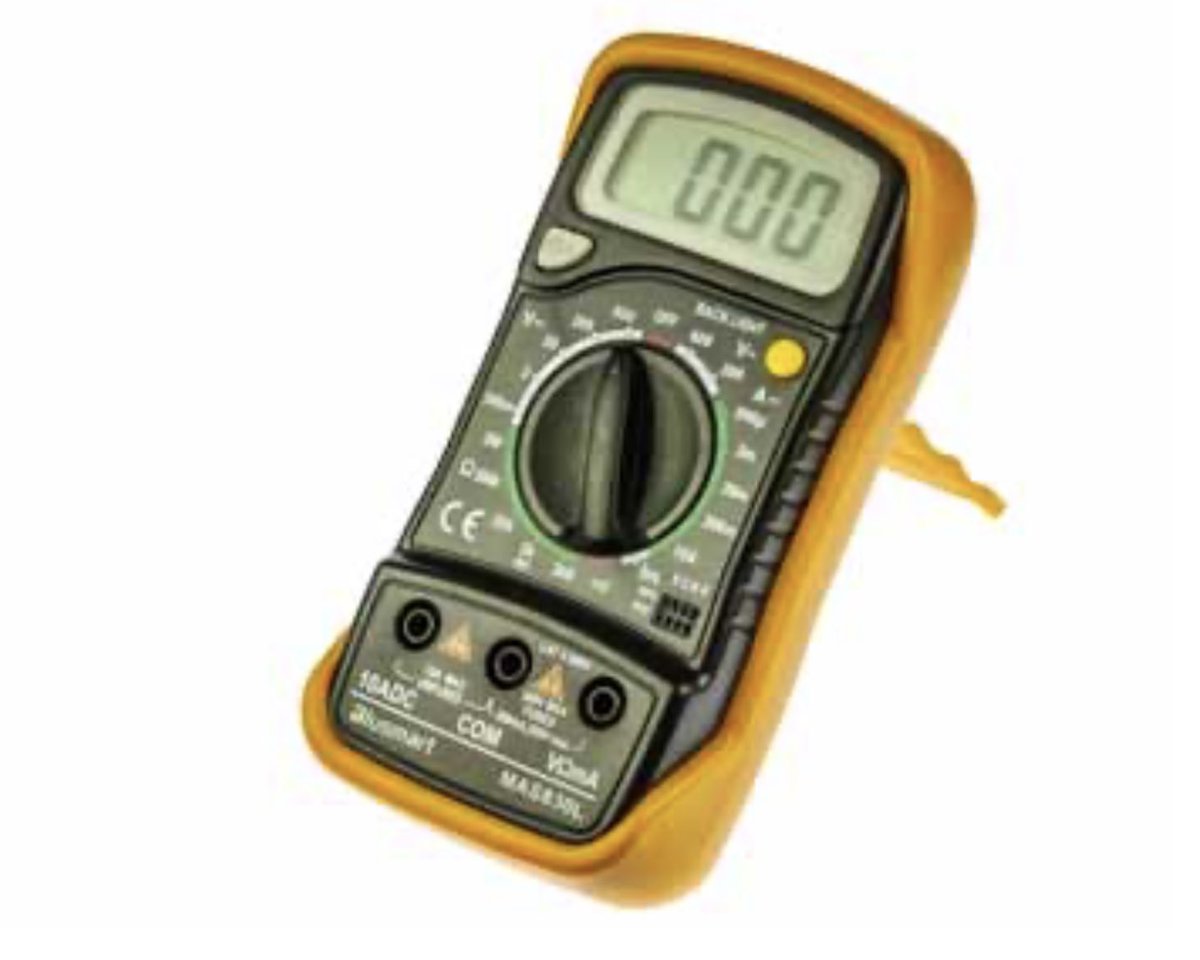
Cheap vs Expensive Digital Multimeters: What’s the Difference?
When diving into the world of electronics, one of the first tools you might consider purchasing is a digital multimeter (DMM). But with prices ranging from a few dollars to several hundred, how do you decide what's worth your investment? Let's break down the key differences.
Accuracy & Precision:
- Cheap: Often less accurate, with errors that can exceed ±2 or 3%
- Expensive: They can sometimes boast an accuracy down to ±0.1%, and they can be crucial for precision work.
Features & Functionality:
- Cheap: Basic measurements like voltage, current, and resistance. They often have some other ranges and functions but they tend to be more limited.
- Expensive: Come with a plethora of features including capacitance, inductance, temperature, frequency, and more. They offer true RMS for AC measurements, data logging, and even Bluetooth connectivity for data transfer.
Build Quality & Durability:
- Cheap: Typically made with less durable materials, leading to shorter lifespan and susceptibility to damage. Cost of manufacture is a key consideration.
- Expensive: Designed for longevity with robust casing, shock-resistant features, and often come with warranties. They're built for the rough and tumble of daily use in professional environments.
Safety:
- Cheap: Might not comply with safety standards like CAT ratings, posing risks in high-voltage scenarios.
- Expensive: Adhere to or exceed safety standards (e.g., CAT III, CAT IV), providing protection against electrical hazards. They include features like fused inputs to prevent damage from overloads.
User Interface & Ease of Use:
- Cheap: Simpler interfaces with basic displays, sometimes lacking backlighting or intuitive controls.
- Expensive: Feature sophisticated, easy-to-read displays, often with graphical capabilities, auto-ranging, and ergonomic designs for one-handed operation.
Calibration & Maintenance:
- Cheap: Often not designed for easy recalibration; once they go off, they're generally replaced rather than fixed.
- Expensive: Usually come with calibration services or the ability to be recalibrated, ensuring long-term accuracy.
For Whom?
- Cheap: Perfect for hobbyists, beginners, or for non-critical measurements where precision isn't paramount. Great for educational purposes or basic troubleshooting. But beware if using them on higher voltages.
- Expensive: Essential for professionals, those working with sensitive equipment, or in environments where accuracy and safety are non-negotiable.
While a cheap multimeter can be a good starting point, the investment in a more expensive one pays off in reliability, safety, and precision. Consider your real needs before making a decision.
What are your thoughts about digital multimeters?
#dmm #digitalmultimeter #testinstrument #testmeter #electronicsnotes
9
10
49
3,616
Need a New Digital Multimeter? Or anything else?
It’s the AliExpress 16th anniversary sale where some items are up to 80% off.
I’ve linked this to the DMM page of my website, but just navigate to what else you might want: electronics-notes.com/store-…
#DMM #digitalmultimeter #electronics #gadgets #electronicsnotes

1
13
703
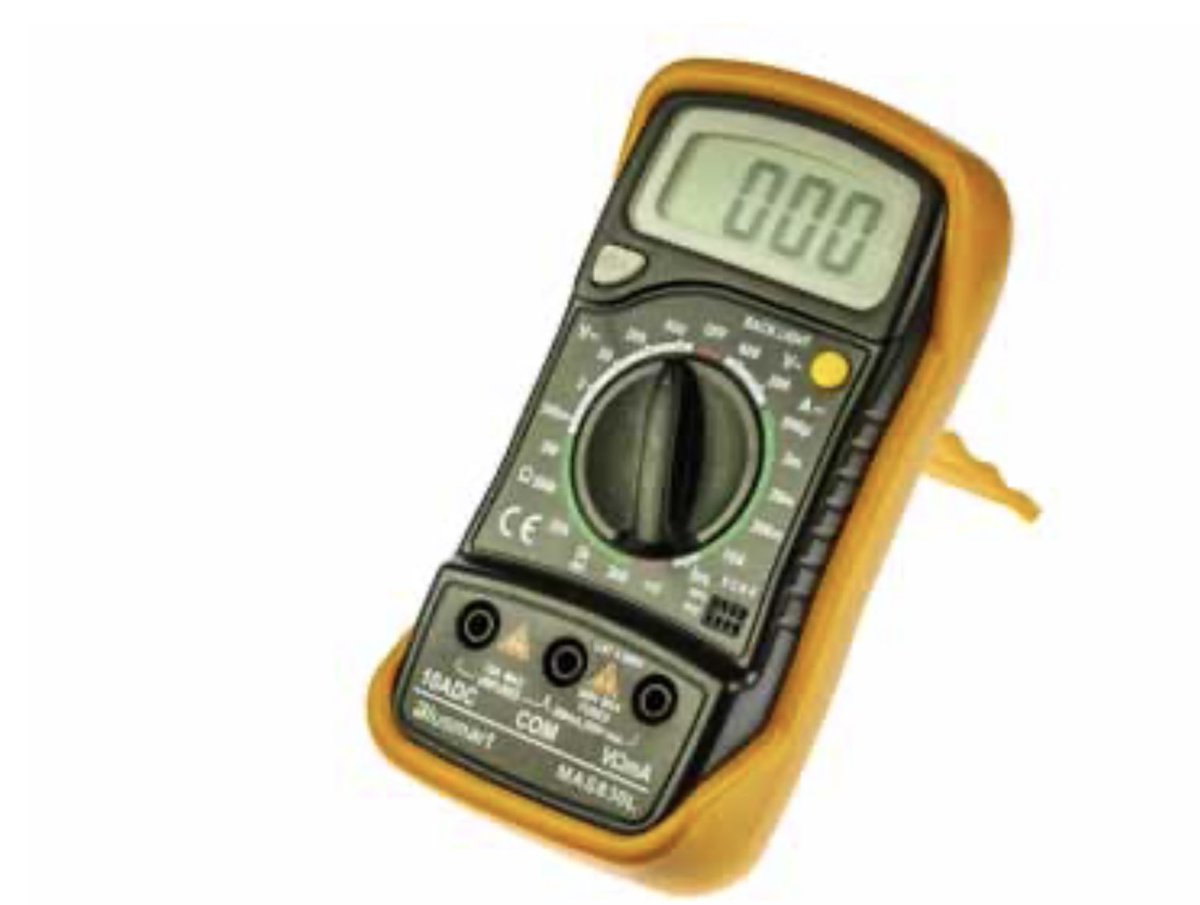
What’s the Difference Between DMM Accuracy & Resolution?
When using a Digital Multimeter understanding the concepts of accuracy and resolution is crucial for precision in electronics work. Here's a breakdown:
Resolution:
- Definition: Resolution refers to the smallest change in a measured value that can be detected by the DMM. It's about how finely the meter can divide up its scale.
- Example: If your multimeter has a resolution of 1 mV on the 20 V scale, it can show changes in voltage in steps of 1 mV.
- Impact: Higher resolution means you can see smaller changes in measurement, which is vital for precise work, especially in low voltage or current scenarios.
Accuracy:
- Definition: Accuracy is how close the measurement from the DMM is to the true value of the parameter being measured. It's influenced by both the instrument's design and external factors like temperature.
- Components:
- Absolute Accuracy: Often expressed as a percentage of reading (e.g., ±1%) plus a fixed number (e.g., ±2 digits). This means if you measure 10V on a meter with ±1% accuracy, the actual voltage could be between 9.9V and 10.1V.
- Relative Accuracy: Compares the accuracy to the full-scale value of the range, which can be misleading if not considered properly.
Key Differences:
- Resolution deals with the readability of the meter—how small the steps are between readings.
- Accuracy deals with the correctness of the reading compared to the real value.
Why It Matters:
- Resolution helps in detecting small changes, which is crucial in applications like sensor readings where minor variations matter.
- Accuracy ensures your measurements are trustworthy for calibration or when exact values are critical, like in medical equipment or aerospace applications.
Practical Tips:
- Always select the lowest possible range for your measurement to gain the best resolution.
- Be aware of the accuracy specifications of your DMM, especially under different environmental conditions, as these can affect your measurement reliability.
Check out more in the link in the comments.
#DMM #digitalmultimeter #accuracy #resolution #DMMcounts #electronicsnotes
4
20
1,005
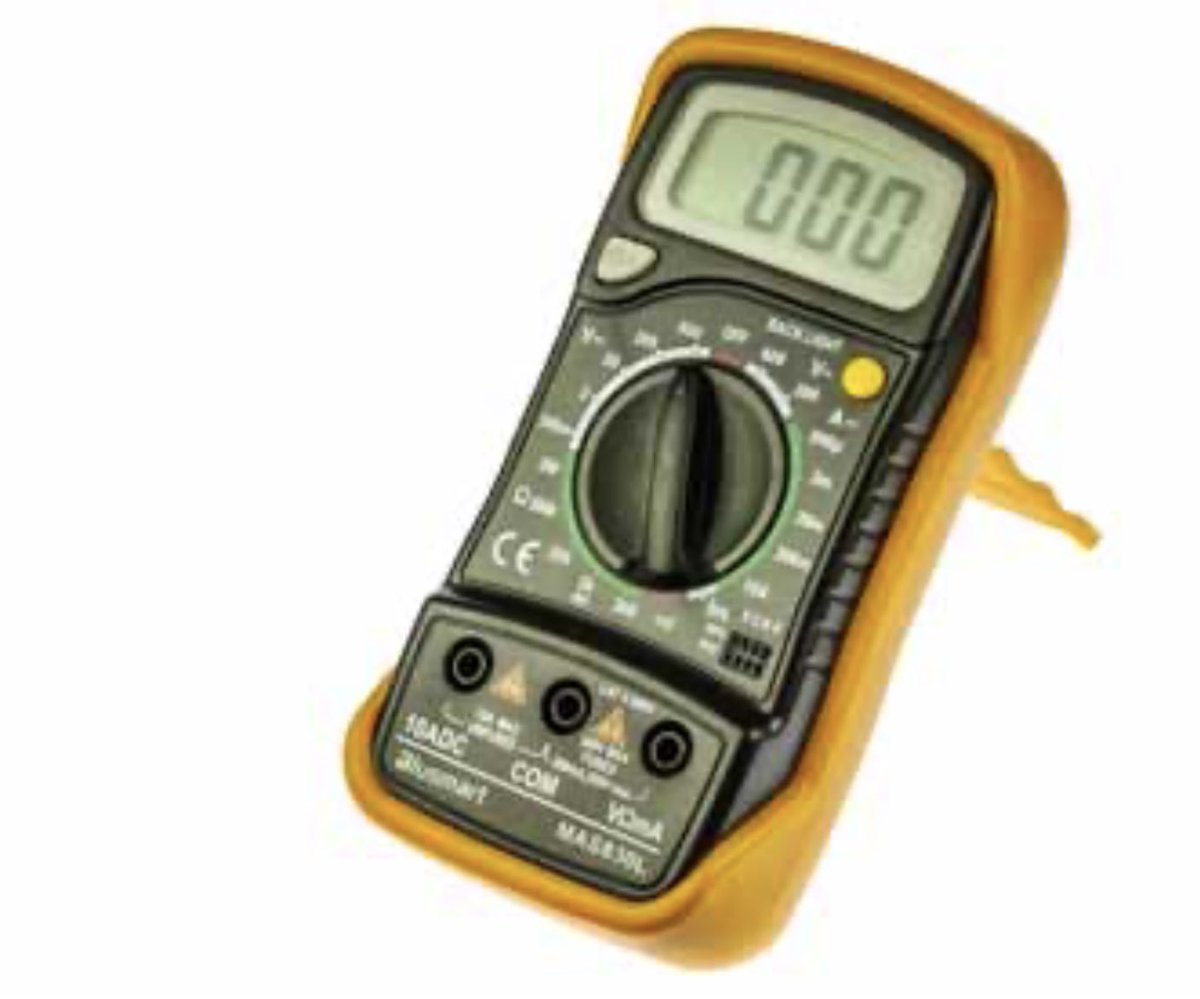
Cheap vs Expensive Digital Multimeters: What’s the Difference?
When diving into the world of electronics, one of the first tools you might consider purchasing is a digital multimeter (DMM). But with prices ranging from a few dollars to several hundred, how do you decide what's worth your investment? Let's break down the key differences.
Accuracy & Precision:
- Cheap: Often less accurate, with errors that can exceed ±2 or 3%
- Expensive: They can sometimes boast an accuracy down to ±0.1%, and they can be crucial for precision work.
Features & Functionality:
- Cheap: Basic measurements like voltage, current, and resistance. They often have some other ranges and functions but they tend to be more limited.
- Expensive: Come with a plethora of features including capacitance, inductance, temperature, frequency, and more. They offer true RMS for AC measurements, data logging, and even Bluetooth connectivity for data transfer.
Build Quality & Durability:
- Cheap: Typically made with less durable materials, leading to shorter lifespan and susceptibility to damage. Cost of manufacture is a key consideration.
- Expensive: Designed for longevity with robust casing, shock-resistant features, and often come with warranties. They're built for the rough and tumble of daily use in professional environments.
Safety:
- Cheap: Might not comply with safety standards like CAT ratings, posing risks in high-voltage scenarios.
- Expensive: Adhere to or exceed safety standards (e.g., CAT III, CAT IV), providing protection against electrical hazards. They include features like fused inputs to prevent damage from overloads.
User Interface & Ease of Use:
- Cheap: Simpler interfaces with basic displays, sometimes lacking backlighting or intuitive controls.
- Expensive: Feature sophisticated, easy-to-read displays, often with graphical capabilities, auto-ranging, and ergonomic designs for one-handed operation.
Calibration & Maintenance:
- Cheap: Often not designed for easy recalibration; once they go off, they're generally replaced rather than fixed.
- Expensive: Usually come with calibration services or the ability to be recalibrated, ensuring long-term accuracy.
For Whom?
- Cheap: Perfect for hobbyists, beginners, or for non-critical measurements where precision isn't paramount. Great for educational purposes or basic troubleshooting. But beware if using them on higher voltages.
- Expensive: Essential for professionals, those working with sensitive equipment, or in environments where accuracy and safety are non-negotiable.
While a cheap multimeter can be a good starting point, the investment in a more expensive one pays off in reliability, safety, and precision. Consider your real needs before making a decision.
For more in-depth comparisons and features, check out the detailed guide on my website: electronics-notes.com/articl…
#dmm #digitalmultimeter #testinstrument #testmeter
4
9
59
3,755
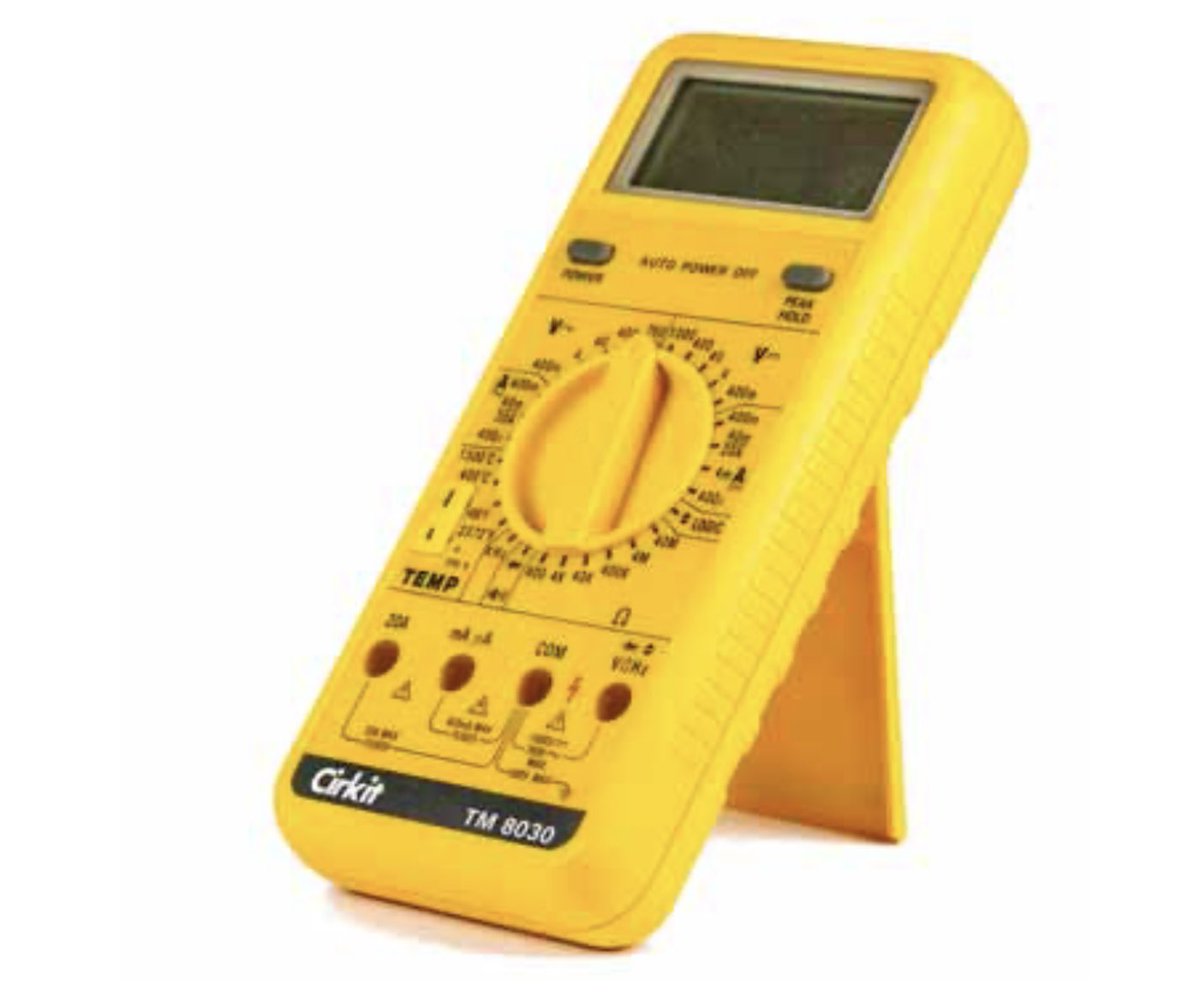
DMM Accuracy vs Resolution: What's the Difference?
When using a Digital Multimeter (DMM), understanding the concepts of accuracy and resolution is crucial for precision in electronics work. Here's a breakdown:
Resolution:
- Definition:Resolution refers to the smallest change in a measured value that can be detected by the DMM. It's about how finely the meter can divide up its scale.
- Example: If your DMM has a resolution of 1 mV on the 20 V scale, it can show changes in voltage in steps of 1 mV.
- Impact: Higher resolution means you can see smaller changes in measurement, which is vital for precise work, especially in low voltage or current scenarios.
Accuracy:
- Definition: Accuracy is how close the measurement from the DMM is to the true value of the parameter being measured. It's influenced by both the instrument's design and external factors like temperature.
- Components:
- Absolute Accuracy: Often expressed as a percentage of reading (e.g., ±1%) plus a fixed number (e.g., ±2 digits). This means if you measure 10V on a meter with ±1% accuracy, the actual voltage could be between 9.9V and 10.1V.
- Relative Accuracy: Compares the accuracy to the full-scale value of the range, which can be misleading if not considered properly.
Key Differences:
- Resolution deals with the readability of the meter—how small the steps are between readings.
- Accuracy deals with the correctness of the reading compared to the real value.
Why It Matters:
- Resolution helps in detecting small changes, which is crucial in applications like sensor readings where minor variations matter.
- Accuracy ensures your measurements are trustworthy for calibration or when exact values are critical, like in medical equipment or aerospace applications.
Practical Tips:
- Always select the lowest possible range for your measurement to gain the best resolution.
- Be aware of the accuracy specifications of your DMM, especially under different environmental conditions, as these can affect your measurement reliability.
Check out more in the link in the comments.
#DMM #digitalmultimeter #accuracy #resolution #DMMcounts #electronicsnotes
1
10
41
1,555

24 Sep 2025
Keep your Fluke 87V running at peak performance.
Premium Care is a smarter way to extend your tool’s life—and your uptime.
Learn more: fluke.com/en-us/support/cust…
#FlukeService #DigitalMultimeter #PremiumProtection
*** This offer is valid for US only

6
287

23 Sep 2025
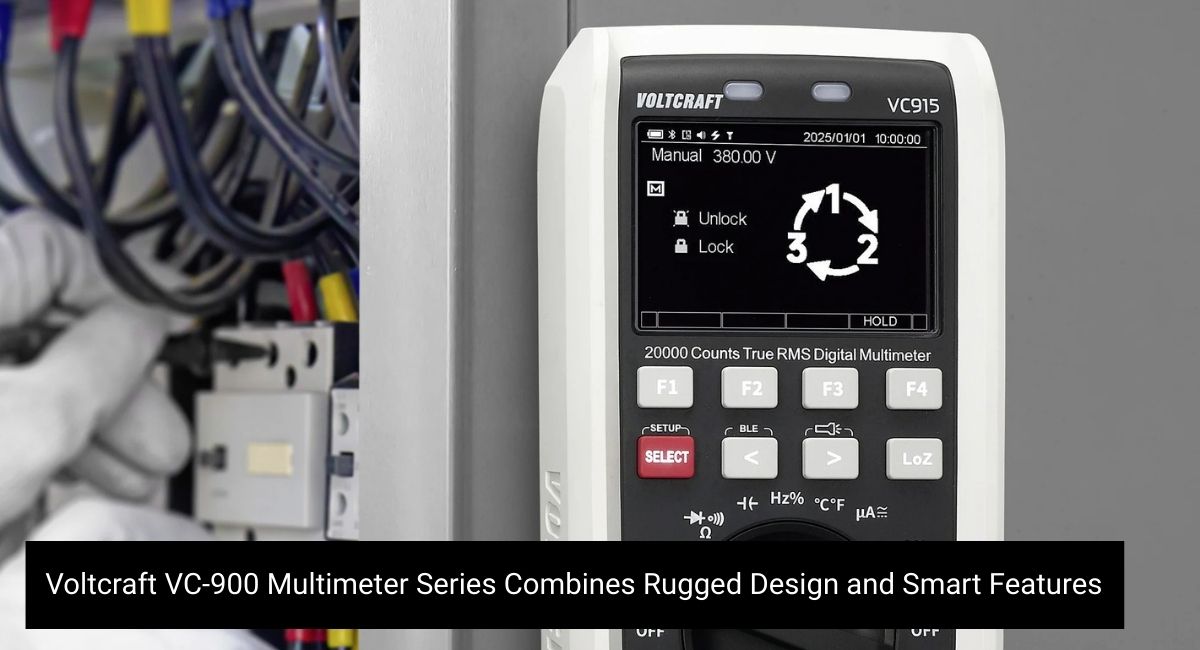
Accurate readings, even in direct sunlight.
@VoltcraftNL's new VC-900 series brings IP65 protection, CAT III/IV safety, and hands-free mounting to the factory floor. VC-915 adds Bluetooth data logging.
🔗Learn more about it: thecomponentclub.com/news/20…
#TCC #TheComponentClub #Voltcraft #DigitalMultimeter #TestAndMeasurement #IndustrialMaintenance #FieldService
2
24

12 Jun 2025
Press Release: INDE Enterprises: We Don’t Just Sell Tools, We Make Engineers Fall in Love!
Call: 9316134502
prlog.org/13081941-inde-ente…
#INDEEnterprises #SolderingTools #ESDSafe #FumeExtractor #ReworkStation #SolderingRobot #PCBTools #DigitalMultimeter #ToolKitIndia

ALT ESD Dry Storage Cabinet #drycabinet
2
6

9 Jun 2025
Want a custom startup logo on your multimeter? The DM40 makes it easy!⚡️
💥The DM40 isn't your average digital multimeter. It lets you set a custom boot logo!
✅Upload your brand or personal image
✅Simple steps for a unique look
#digitalmultimeter #DM40 #Alientek
1
1
5
261

4 Apr 2025
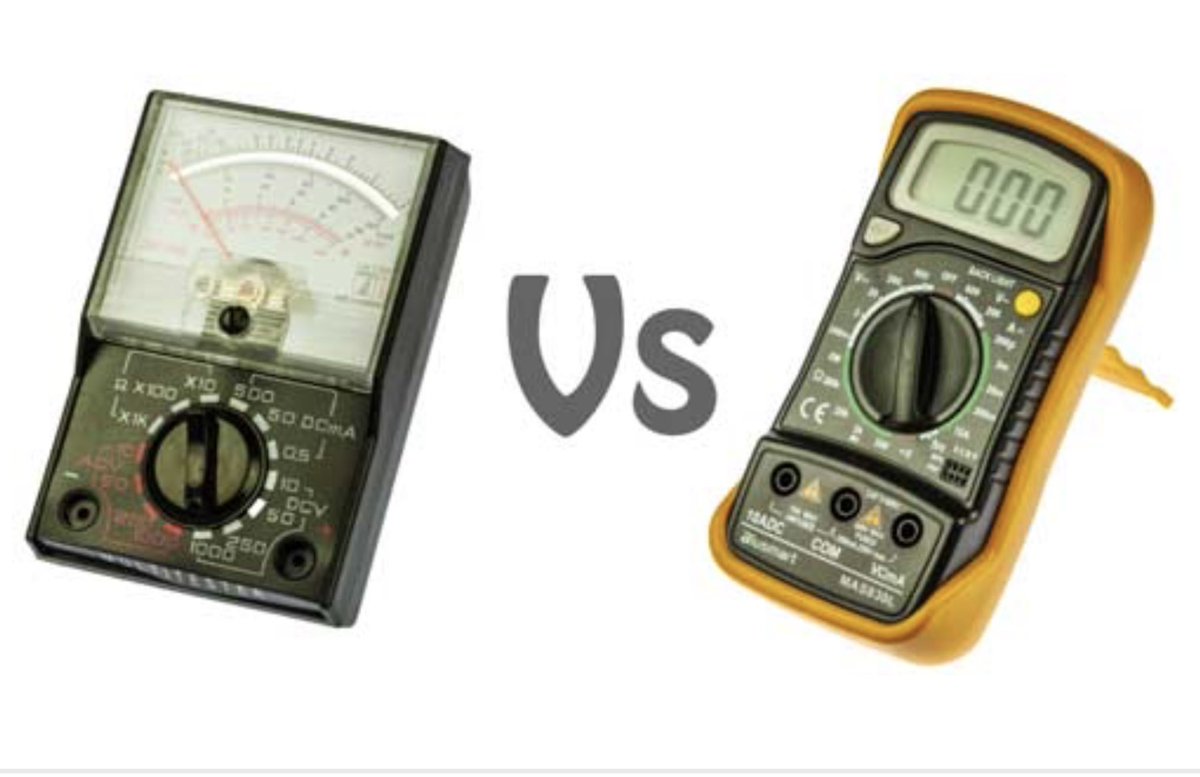
Analogue vs Digital Multimeter - understand the pros & cons
Digital multimeters, DMMs are the main type in use today, but are analogue multimeters are still useful: I took a look at their relative advantages & disadvantages.
The old analogue meters might seem to have passed their ‘sell-by’ date now, but a surprising number of people still like to use them.
There are also some high end meters that are still produced, but at a cost. But also some of the older well made types can still be bought in the second hand market - ideal for the hobbyist.
There are of course the very low cost ones that can be bought as well.
So are analogue meters still useful and have some advantages, or have the digital meters scooped the market?
Find out in my article: electronics-notes.com/articl…
#DMM #digitalmultimeter #analogmultimeter #testmeter
7
21
900
4 Apr 2025
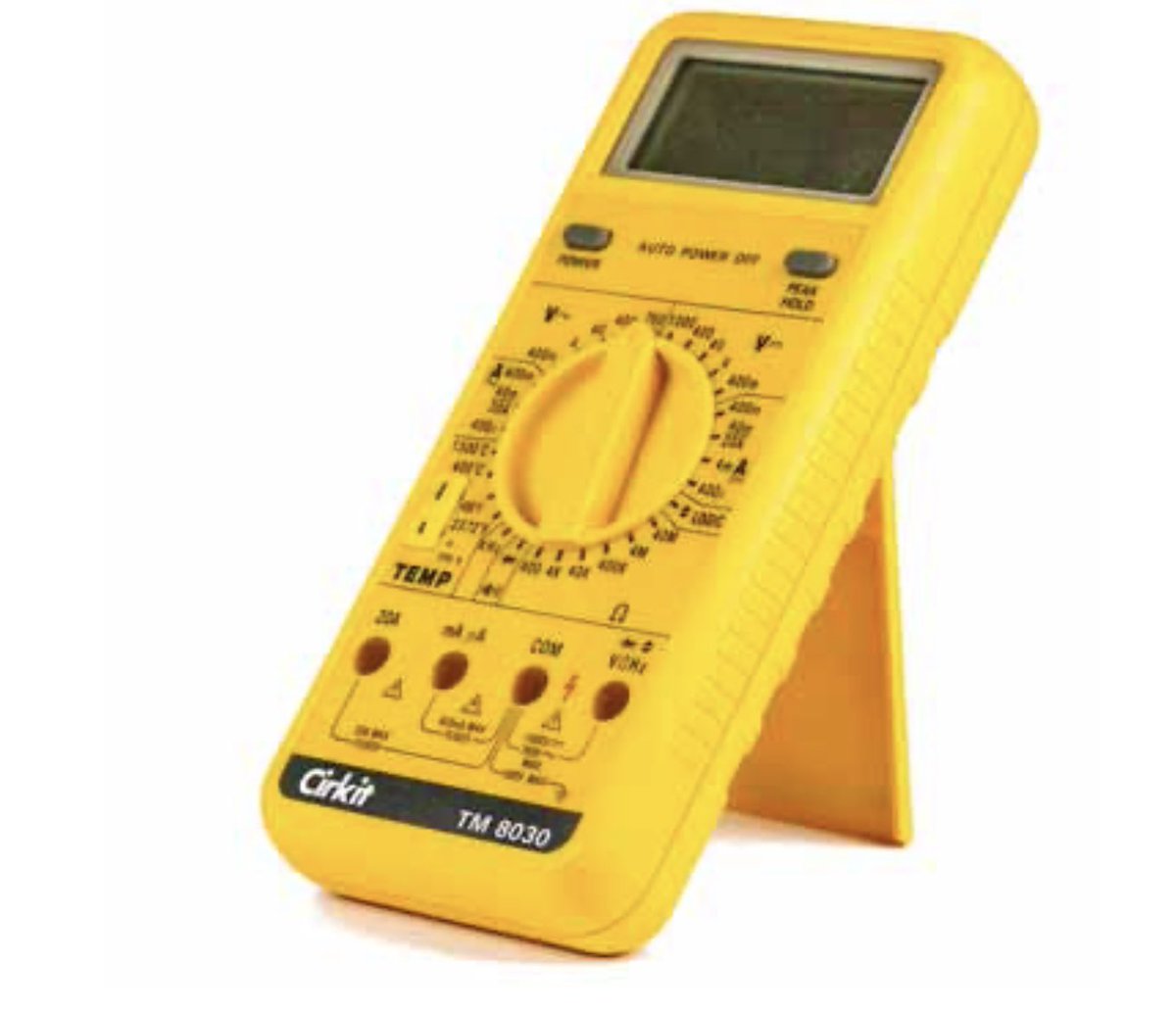
Understanding Digital Multimeters Counts: what do they mean?
Traditionally digital multimeter resolution was defined in terms of the number of digits: possibly 3 ½ digits etc.
These days it is more common to define the resolution of a digital multimeter in terms of counts. This is a more definitive method of specifying the resolution of the meter.
In essence, the higher the number of counts the test instrument provides the better is the resolution.
Essentially the counts indicates the maximum value that can be displayed. Generally the number of counts is rounded up.
A meter with an actual maximum number of counts of 1999 will generally be quoted as a 2000 count meter because it displays 0 - 1999 which is actually 2000.
In practical terms this has an impact on the minimum difference that can be measured by a meter.
For example, a 1999-count multimeter can measure down to a tenth of a volt when measuring voltages up to 199.9 volts but when the voltage reaches 200 volts the cannot measure down to a tenth of a volt because it will have exceeded the 1999 counts limit and the display will change to display 0200V as it cannot display 200.1.
Although it depends upon the actual meter, a 3⅔ digit digital multimeters might provide counts of up to 4000 (meaning a max of 3999 on the meter's display). 5000 and even 50000 count meters are also available.
In this way, defining or specifying the number of counts more accurately defines the resolution of the digital multimeter than specifying the number of digits.
Read more about DMM accuracy & resolution: electronics-notes.com/articl…
#digitalmultimeter #dmm #test #testinstrument #meter #testmeter
5
573

20 Jan 2025
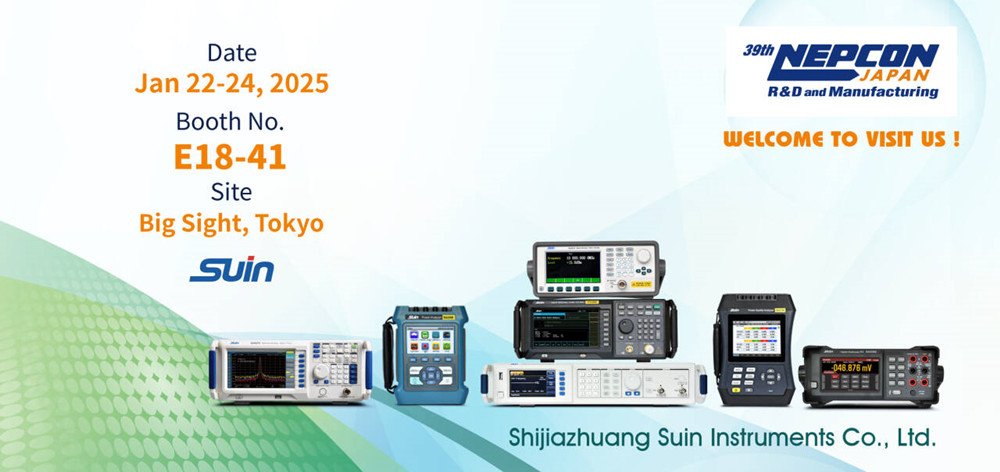
To better develop the Japan market, Suin will participate 39th NEPCON JAPAN on Jan 22nd~24th, 2025.
Welcome to visit our booth E18-41 and experience the new products!
Website:suindigital.com/
#NEPCONJapan2025 #DigitalMultimeter #PowerAnalyzer #PowerQualitySolutions
1
30
14 Jan 2025
Need a versatile #DigitalMultimeter built to last? Look no further than the #Fluke 87V MAX.
This industrial-strength #multimeter tackles any environment - dust, water, drops - no problem.
Get yours today: heyor.ca/u6dTLb
3
558