
May 27
I studied Human-Computer Interaction and Communication Design before AI became the interface.
Back then, the questions were:
- How do humans understand what a computational system can do?
- How do they recover when it fails?
- How do they build trust without losing control?
- How does an interface shape behavior?
More than a decade later, I’m realizing these are still the core questions in agent design.
- Can the user understand what the agent system can do?
- Can they tell what it just did?
- Can they recover when it gets something wrong?
- Can they stay in control without doing all the work manually?
- Does the system reduce cognitive load, or does it create a new kind of review debt?
Most of these questions are not model capability problems. Agent systems are probabilistic, but we still have decades of HCI work to learn from.
For example, Donald Norman’s core model separates two failures:
1. The Gulf of Execution, where the user cannot easily translate intention into system action.
2. The Gulf of Evaluation, where the user cannot easily interpret what the system did or whether the goal was met.
For agents, this becomes:
- Execution gulf: how do I tell the agent what I actually want, at the right level of abstraction?
- Evaluation gulf: how do I know what the agent did, why it did it, what it changed, and whether I should trust it?
Nielsen’s 10 usability heuristics are another example. They have been a standard because they describe durable human-machine mismatches.
For AI systems, we can translate them like this:
1. Visibility of system status: show the agent’s phase, confidence, pending actions, blocked assumptions, and irreversible steps.
2. User control and freedom: every AI action needs undo, edit, reject, regenerate, or approval.
3. Error prevention: catch bad context, stale memory, missing tools, and wrong template or project scope before generation.
4. Recognition over recall: do not make users remember prompt syntax, hidden tool names, or implicit state.
5. Helping users recover from errors: treat wrong AI output as a normal product state, not an exception.
One of the most interesting readings we had back in university was “Distributed Cognition: Toward a New Foundation for Human-Computer Interaction Research.”
They argued that HCI should study cognition distributed across people, artifacts, representations, and environments, not only what happens inside one user’s head.
This turned out to be the theoretical backbone of my Digital Brain project. digitalOS is not just a markdown note repository. It is closer to an external cognitive architecture: identity files, logs, memories, drafts, research notes, tools, and agents coordinating to produce judgment.
Agents are not just backend systems.
They communicate state, intent, uncertainty, capability, and failure.
If that communication is bad, the system feels unreliable even when the model is strong.
The practical framework I’m using more often:
- Can the user see the agent’s current state?
- Can they inspect the context behind the output?
- Can they correct the system without starting over?
- Can they undo or reject actions?
- Does the agent know when confidence is low?
- Does memory improve the system without making it unpredictable?
- Does the workflow fit the human’s actual work?
The more I build AI systems, the more I come back to old HCI lessons.
Context and harness engineering are not just about feeding better information into models.
We are designing the whole human-machine system around them.
I never thought I would open IxDF literature articles again after graduation, but here we are, revisiting the old lessons.
IMHO the number of AI products that offer this kind of UX is still limited.
Terminals are not the answer for most users. They are powerful, but they also constrain the interaction model heavily.
Cursor is one of the clearest examples for me right now. Especially with the new Agent interface, you can see many of these lessons embedded into the product.
That is probably the direction agent products need to move toward.
I’m also trying to find more people working at the intersection of HCI and AI.
If you know researchers, designers, builders, or papers I should follow, please tag them.
I’m rebuilding this part of my thinking and want to read from people who have been working on this.
We do not just need more capable models.
AGI needs better human-machine systems.
5
4
24
1,482


30 Nov 2025
Esta semana:
- 📚 nueva automatización con Make en digitalOS skool.com/productividad-…
- 💬 tutorías 1-1 de Notion con los miembros de la comunidad
- 👥 un directo en la comunidad montando una automatización
- 🎬 nuevos vídeos en youtube:
youtube.com/@soriano_maria
6
680

25 Nov 2025
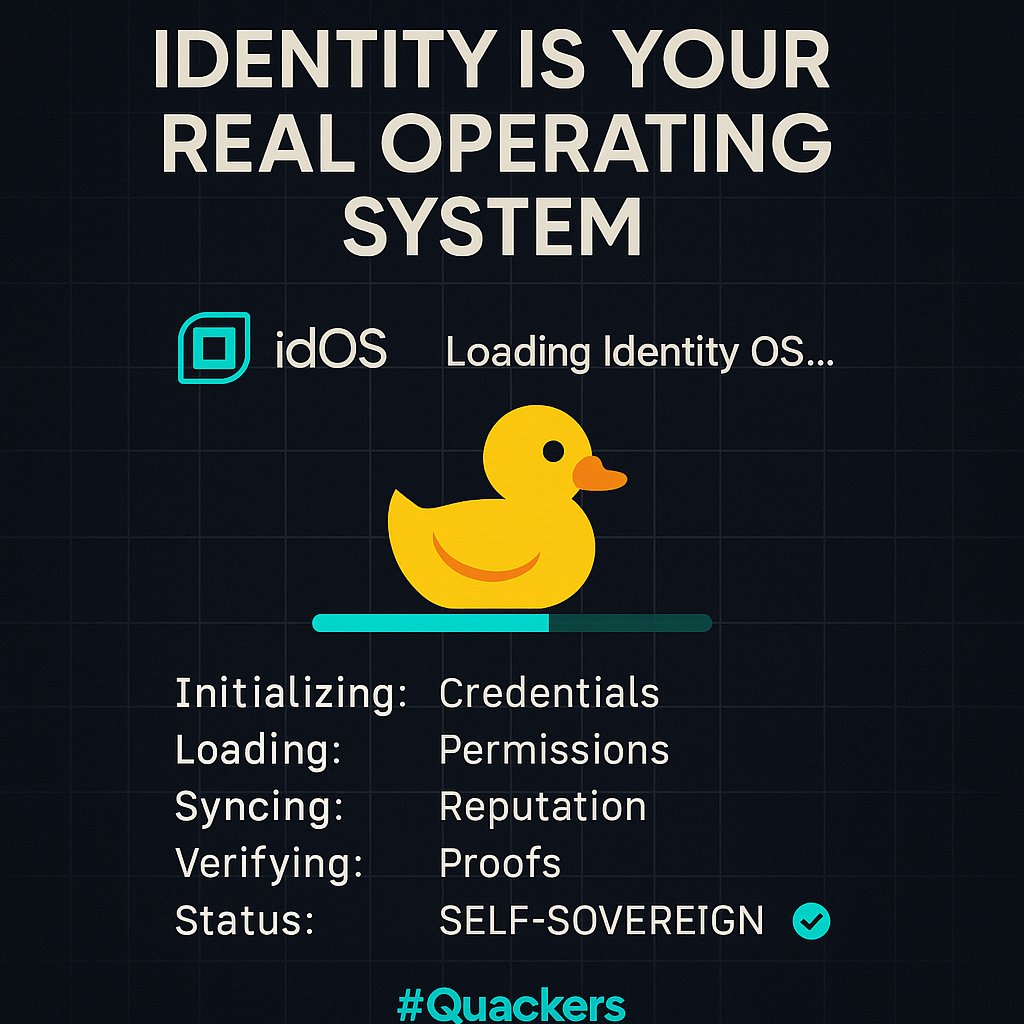
Your devices have operating systems.
Your apps have operating systems.
But the most important one…
is the one you never see.
Your identity is the real OS of your digital life.
It manages:
🟡 Permissions
🟡 Access
🟡 Credentials
🟡 Reputation
🟡 Trust pathways
In Web2, that OS is locked, opaque, and controlled by platforms.
In Web3 with @idOS_network , the OS becomes:
✔️ Open
✔️ Portable
✔️ Verifiable
✔️ User-controlled
When you upgrade your identity,
you upgrade everything built on top of it. 🦆✨
@wallchain
#idOS #Quackers #DigitalOS #Web3Identity #InfrastructureLayer
23 Nov 2025

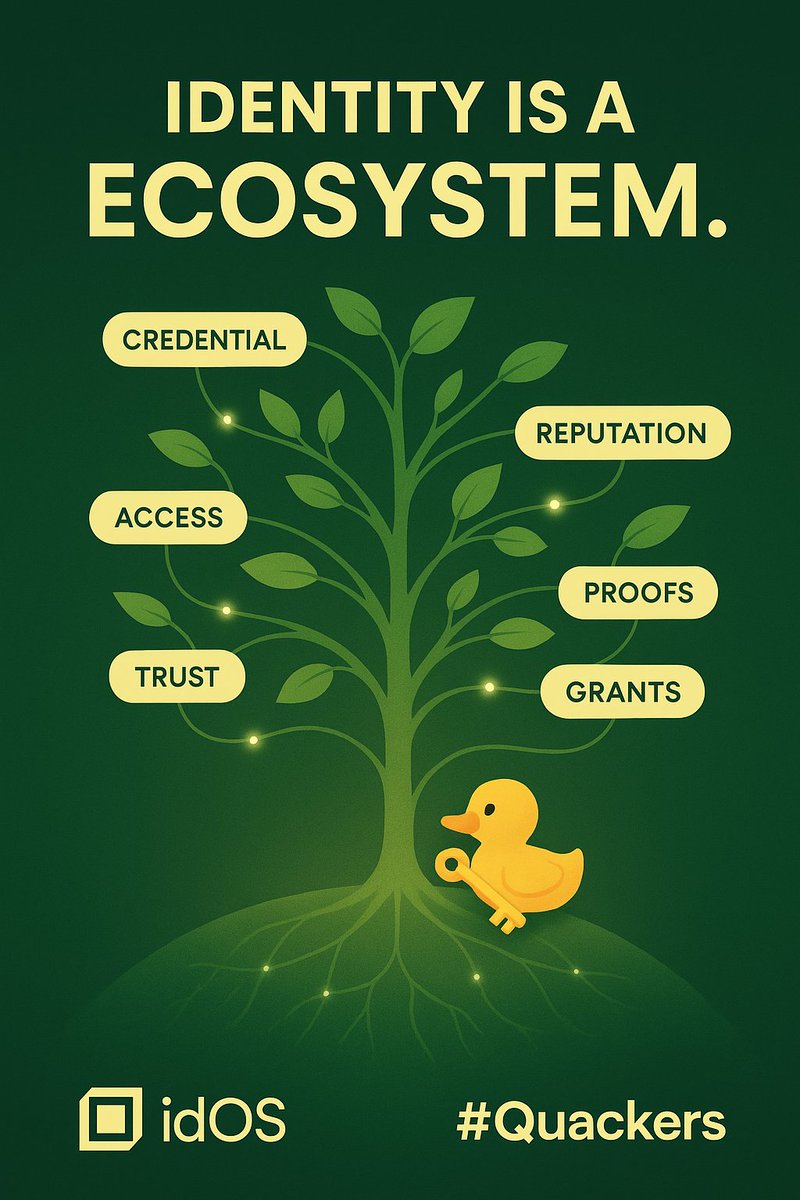
Your identity isn’t a document.
It isn’t a login.
It isn’t a wallet.
Your identity is an ecosystem a living network of credentials, access, trust, reputation, permissions, interactions, and history. 🌱
In Web2, that ecosystem gets fragmented, fenced off,
and controlled by platforms.
In Web3 with @idOS_network :
your ecosystem becomes self-sovereign portable, composable, verifiable, and fully yours.
Identity isn’t a file.
It’s a living system.
Own it. Grow it. Shape it. 🦆🔑
@wallchain
#idOS #Quackers #DigitalEcosystem #Web3Identity #SelfSovereign
43
78
7,193
23 Nov 2025
Esta semana:
- 📚 nuevo curso en digitalOS: skool.com/productividad-digi…
- 💬 sesiones 1-1 con los miembros de la comunidad
- 👥 primer directo todos juntos en digitalOS!
- 🎬 nuevo vídeo en youtube:
youtu.be/DkCuvmvRsCQ
10
1,523
1 Nov 2025
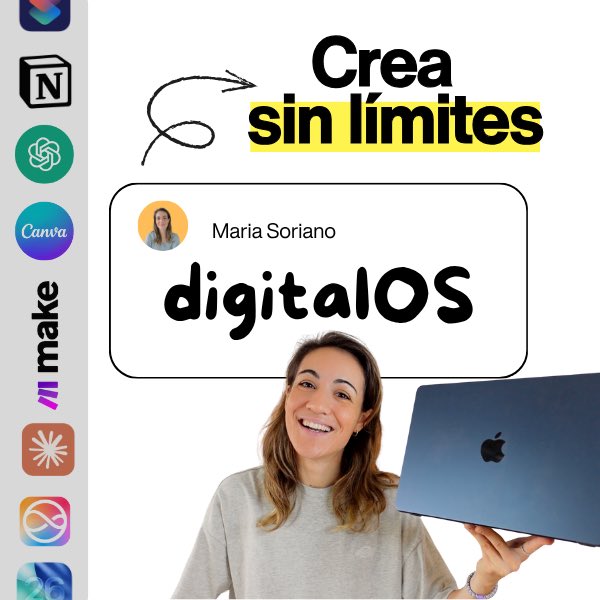
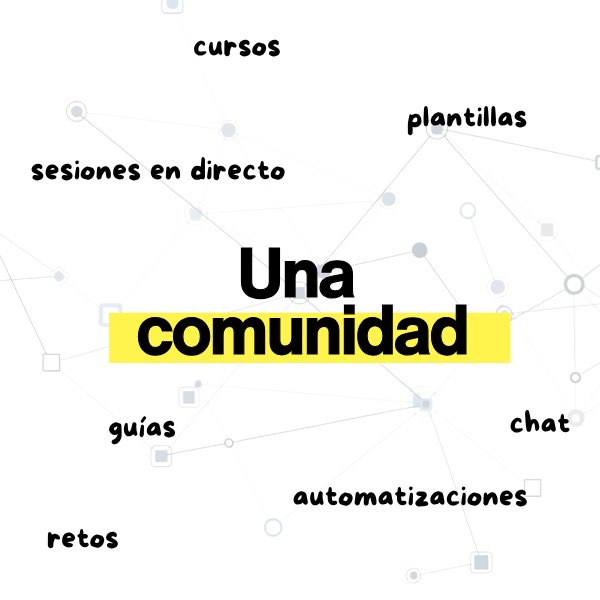
🚀 Ayer lancé DigitalOS — mi comunidad de Productividad Digital
Cursos plantillas sesiones en directo sobre Notion, Make y Apple.
Precio de fundador: 39€/mes para siempre (durante el lanzamiento)
No es otro curso. Es el sistema que te faltaba
👉 skool.com/productividad-digi…
1
20
6,160

24 Oct 2025
bro finallythian hit triple digitalos follower counthian finallythian beatingalos the bot allegationthians
1
2
89

8 Aug 2025
🌍After 2031, Pi won’t just be currency.
It will be the Global Economic Operating System — a PiOS replacing outdated financial pillars.
Bitcoin becomes a relic.
Pi becomes the rulebook.
#PiEconomy #DigitalOS
8 Aug 2025

🎯While Bitcoin defends a vulnerable legacy,Pi targets the post-quantum standard.
• Identity > anonymity
• Coordination > chaos
• Preparedness > reaction
That’s not luck—it’s design.
#PiDesign #QuantumStrategy
6
214

15 Jul 2025
Ça y est 😎
🎉 KONGO réel ekomi sérieux !
📍 Hôtel Ledya confirmé ambiance ya mabé ezozanga te 🔥
L’événement des internautes, digitalos & influenceurs ya KONGO Central 🇨🇩
📅 Date ? Suspense… mais ezoya très bientôt 👀
#KongoRéel2025 #KoRéel1 #Ezoya
@central_sage

1
3
79

5 Jun 2025
Copyrightstrike wegen den "Gute Malern" mit dem Lied " chronista digitalos en el Panamericana" im Radio😜
2
47

19 May 2025
Stop logging in. Start uploading yourself.
#NFTCodeDrop #Web3Self #YouAreTheSystem #CryptoCognition #DigitalOS #TokenizedPower #Web3Takeover #NFTTechQuote #SystemNotUser #NFTMindMint #OwnTheCode
opensea.io/item/matic/0xf7a9…
2
34

(3) Interessant dürfte aber v.a. sein, was alles NICHT in dem Papier, sondern in dem der AG Innen steht, also zu #Anonymitaet #VDS #QuellenTKÜ & Co. Hier vermisst man jedwede Absage der Digitalos. Auch progressive, neue Ideen finden sich praktisch gar nicht!? 👇
1
4
3
990

5 Jan 2025
A #CBDC digital euro transfer or app could also warn you about funds being destroyed at the initiative of the Central bank, all to protect you @KoenSchoors approved.
---
dEUro - Burn Notice 🔥💶
Regrettable News Regarding Your Funds;
Dear Jos Janssens,
We regret to inform you that €450.00 e-Digital EURO carnival vouchers were irrevocably destroyed from your wallet.
The reason for this action was to protect you from unlawful funds.
The funds in question were traced back to a transaction over a month ago for the sale of your sofa on an online platform.
Unfortunately, the payer—[Louche Louis], owner of "Garage DDT"—was found to be in violation of Labor Certification Directive (LCD-1938) for employing unregistered workers.
Why This Action Was Taken:
Under the Integrity and Traceability Act (ITA-2028), all e-Digital transactions tied to fraudulent activities or non-compliance are deemed void.
This ensures that all citizens like yourself are protected from inadvertently benefiting from unethical practices. You can send a thank you notice to your local representative. The loss of fund will be rewarded by a better society and a prosperous EU.
Impact on your EU wallet account:
Destroyed Amount: €450.00 €-Digitalos
Social Credit Score Impact: -40 points (New Score: 689/1000 – Borderline Risk of severe punishment).
Mark on Record:
You are now flagged for "Unvetted Transactions."
Future large payments may require pre-approval, with a hard limit of 399€.
Additional Recommendations:
1️⃣ Verify buyer credentials through our Trusted Trade™ platform before completing future sales.
2️⃣ Attend the "Responsible Selling in a Compliant Economy" webinar to avoid similar incidents.
Reminder:
By participating in transactions tied to non-compliant entities, you risk financial penalties, social credit degradation, and even legal scrutiny or locking your EU-approved online adult-themed accounts.
Stay vigilant. Stay compliant. Stay safe.
Need Help?
Contact our 24/7 EU robot Compliance Advisor for guidance on ethical trading practices.
Thank you for supporting a lawful and traceable economy. 🙌
- the ECB
1
1
9
218


KKKKKKKKKKKKKKK FILHO DA PUTAAAAAAAAAAAAA EU TENHO QUE ESCREVER PENSAR PENSAMENTOS E DIGITALOS
6 May 2024

ESSE CORNO NAO TA CORTANDO A GRAMA DE NOVO NE
1
2
123

19 Apr 2024
se entiende mine, igual se te recordara como a shaggy, top 50 de estrellas, top 1 de lunas, fuiste la 31ma persona en tener 31 digitalos (me parece), siempre seras considerado un dios
2
339

Moin, Moin, ihr Digitalos. 😀 Geht gesegnet durch diesen Tag. Heute geht ein spezieller Gruß gen Norden: danke an das Team der @nordkirche_de für eure starke Arbeit - bleibt dran! (dw)
#digitaleKirche
📷Jonathan Borba / unsplash

1
3
230


16 Dec 2022
Friday reading for social care digitalos 📖
16 Dec 2022

Interest in #digital #socialcare then do check out the latest Digitising Social Care newsletter createsend.com/t/d-BEA6EF746… featuring @aliceainsworth @palvi_dodhia @ComIntCare @TheCaringView @AdamDPurnell @_mark_topps @CarolineEdAG @EmmaHarris_NHS @CarolineDay_ASC @DigiSocialCare
3
166

10 Nov 2022
Wir sehen "das #Metaverse" zu eng. Dieses Gefühl erhalte ich, je länger ich darüber nachdenke. Ein Grund dafür sind m.E. auch Froschperspektiven von "Digitalos" und #Techmagier. Dazu habe ich kürzlich für die @SAGW_CH gebloggt: bit.ly/3Ax5CKs
#cyberethik #BigPicture

1
3