
#M5StackNew 🎉Display 1.14 Inch Released
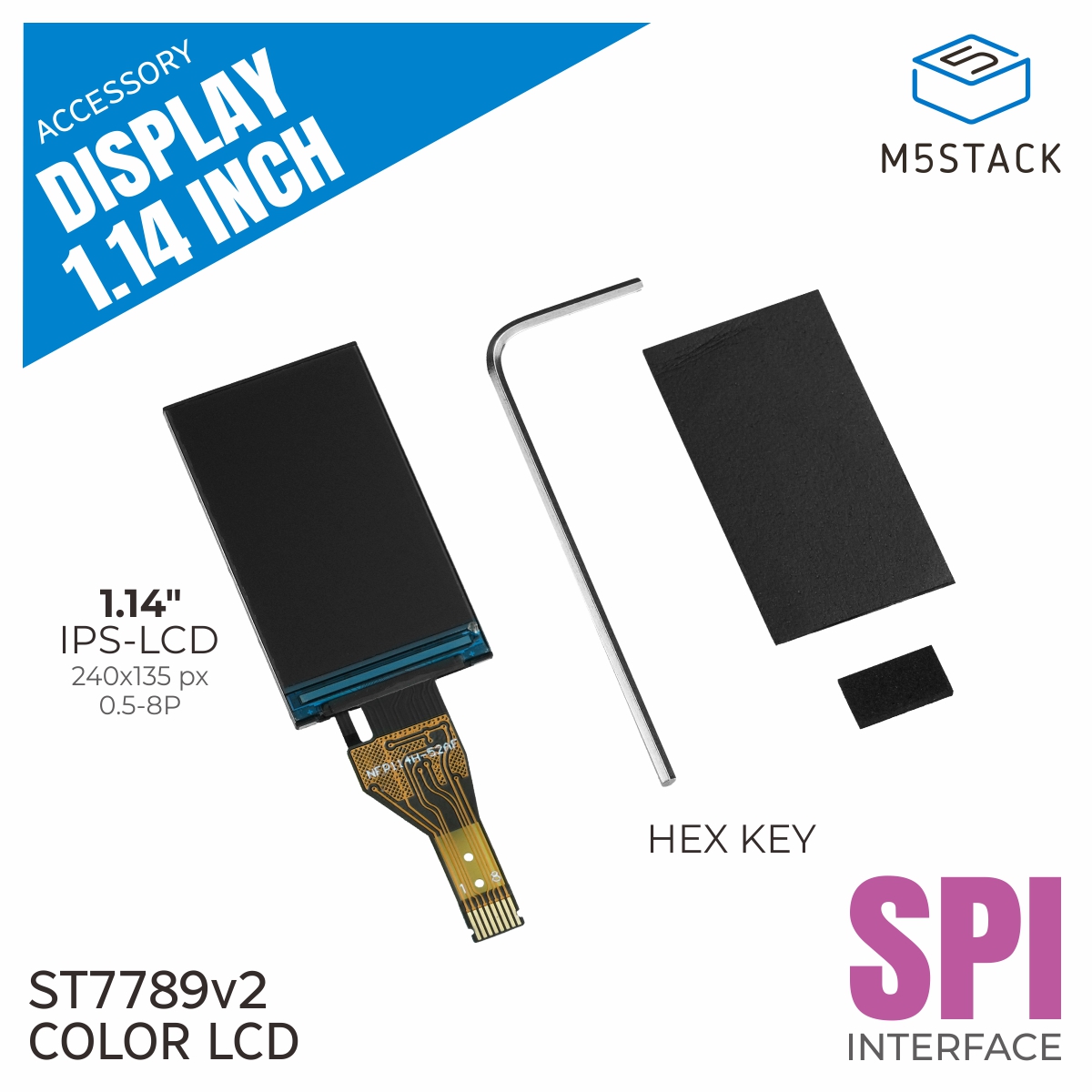
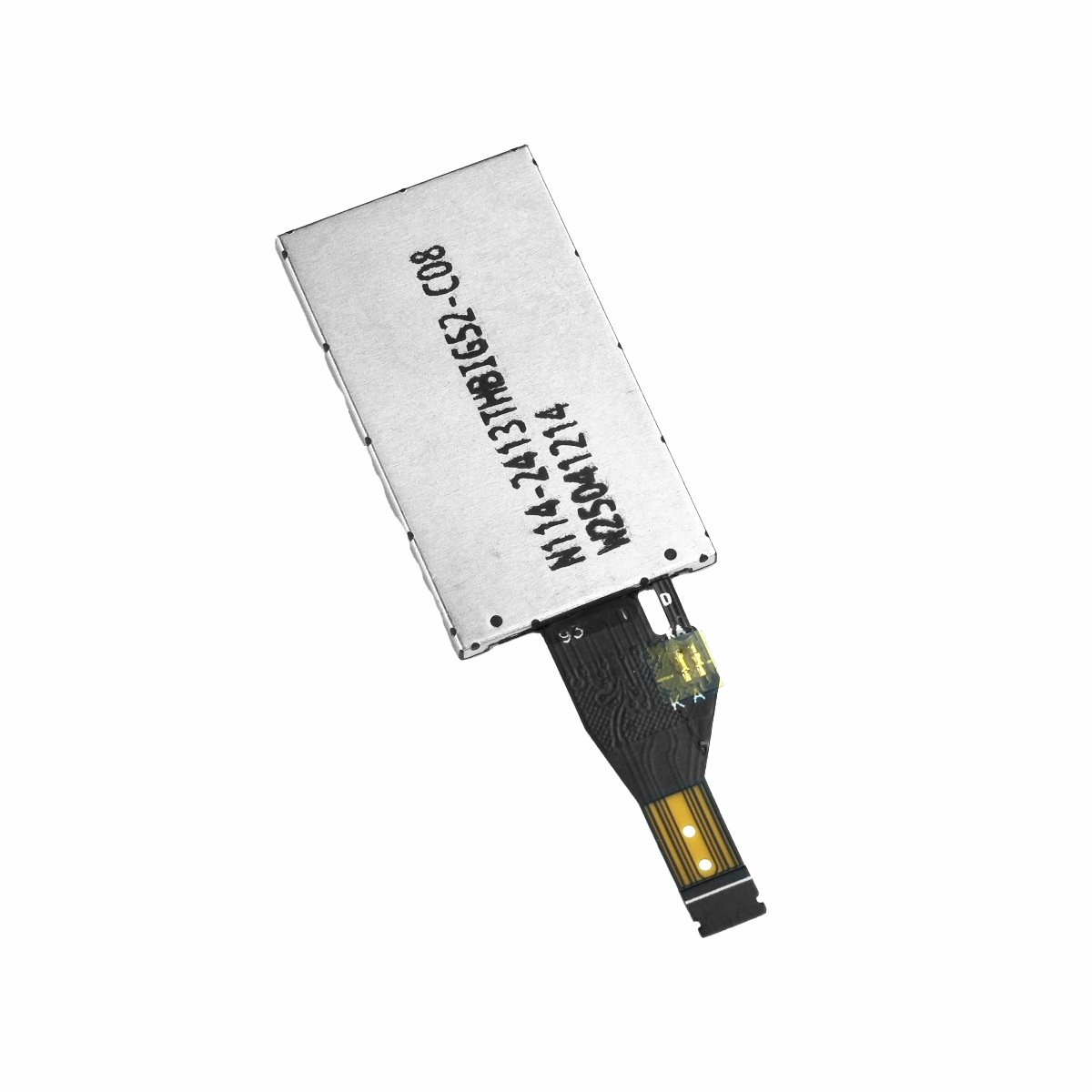
Display 1.14 Inch is a 1.14-inch color TFT LCD display module used across multiple M5Stack products, and can serve as an OEM-spec replacement part for device repair and screen replacement.
✨Features
✅135×240 resolution, 262K-color display, Full viewing angle
✅4-wire SPI interface support, Integrated LED backlight × 1 (independent power supply)
✅Onboard electromagnetic shielding film for strong noise immunity
🛒 Get Yours:
Shopify: bit.ly/4tyJxnx
AliExpress: s.click.aliexpress.com/e/_c4…
#M5Stack #IoT #TFTLCD #HardwareRepair #EmbeddedSystems #DisplayModule #Makers
3
7
58
4,282

Feb 14
if these lizard alien beast are real these are the DIY will see them
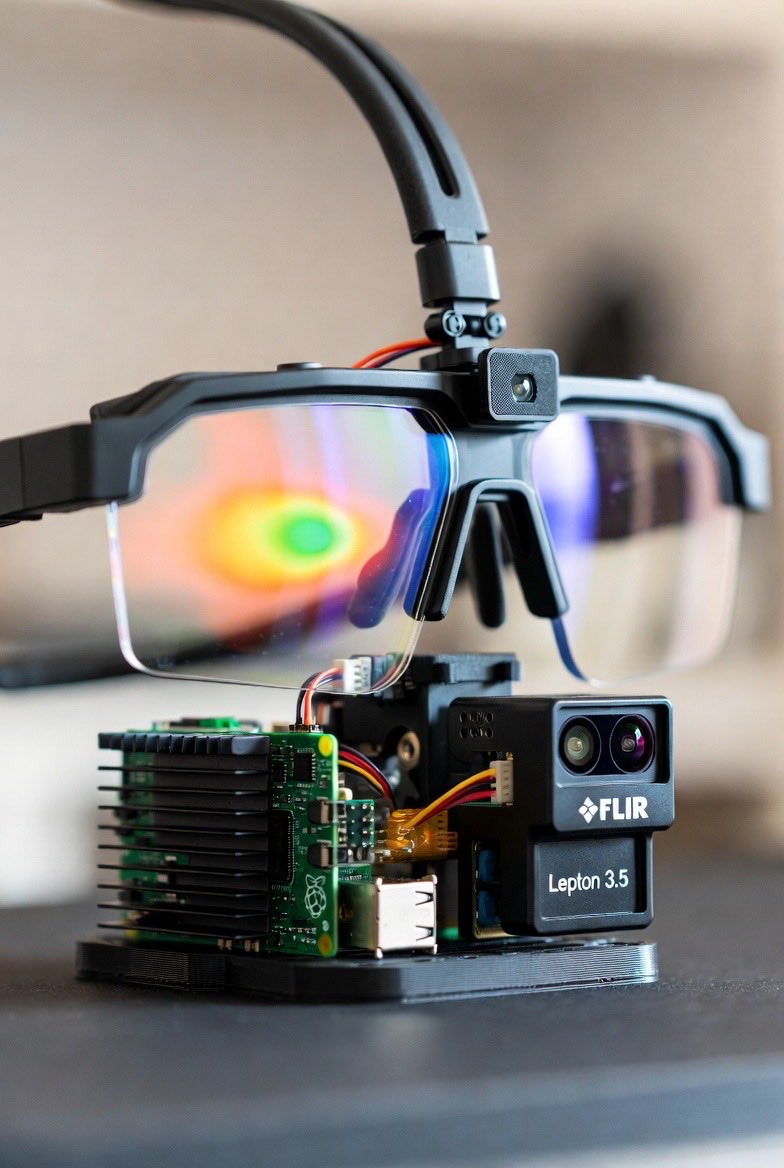
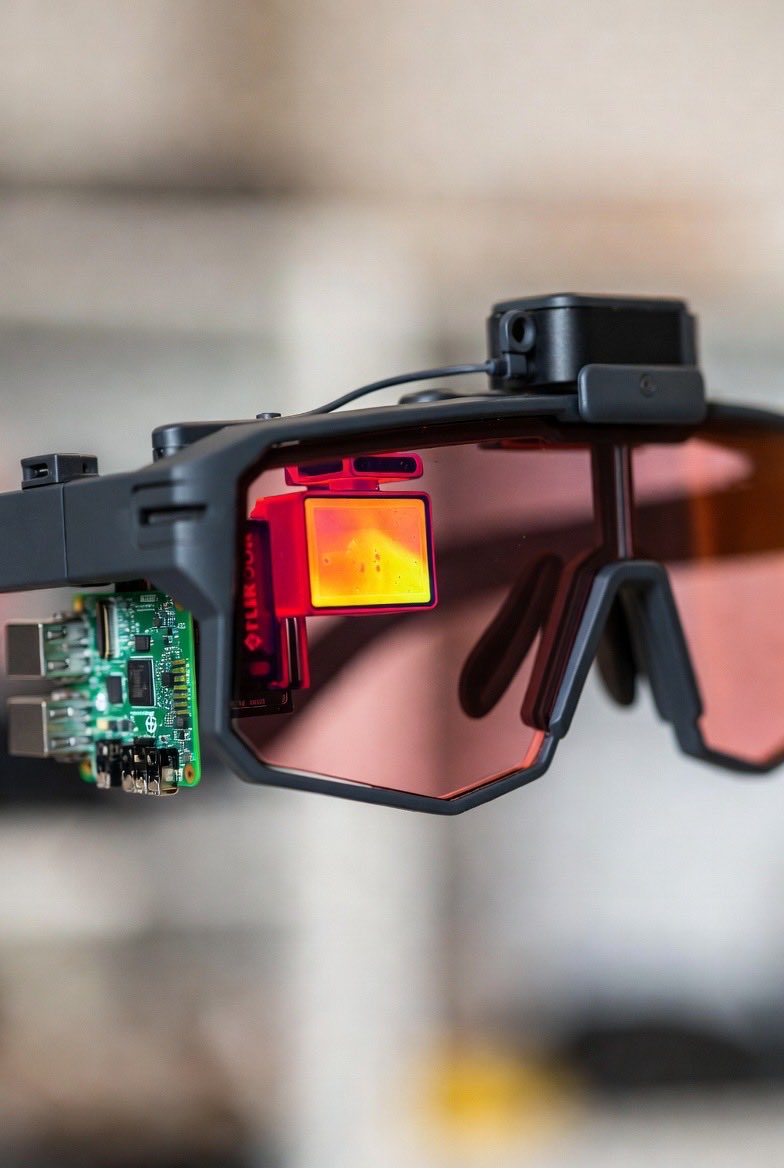
- Processor: Raspberry Pi 5 (8GB) for handling high-res video fusion lightweight AI models smoothly.
- Thermal: FLIR Lepton 3.5 (radiometric 160×120) or upgrade path to higher-res if available (e.g., some 384×288 modules exist in niche/military-grade but cost jumps massively).
- Display: High-res micro-OLED (e.g., 1920×1080 per eye, 2000–5000 nits brightness) with MIPI/HDMI driver board for true AR-quality overlays.
- Optics: Waveguide/combiner or prism setup (better than basic beam splitter for wider FOV & less distortion).
- Frame: Custom 3D-printed or modified lightweight glasses frame (e.g., remix from OpenSmartGlasses or buy AR base like XREAL-inspired mounts).
- Power/Extras: Larger battery, IMU for head tracking, servo for polarization, small IR illuminator.
Detailed Parts Cost Breakdown (2026 Prices)
Prices pulled from current listings (GroupGets, SparkFun, Tindie, AliExpress, DisplayModule, yxmicrodisplay, etc.) — expect ±10–20% variance with shipping/taxes (US-based estimates).
- Processing Brain
Raspberry Pi 5 (8GB model) — $75–$90 (much faster than Pi Zero for high-res OpenCV/TensorFlow Lite fusion).
- Thermal Camera (premium choice)
FLIR Lepton 3.5 module — $164 (GroupGets)
PureThermal 3 board (SparkFun/GroupGets) — $130–$150 (hackable, USB/SPI, open firmware)
Subtotal: $294–$314
(Alternative: If you find a higher-res 384×288 thermal module for DIY — rare, but some AxisFlying or Chinese clones hit $500–$700; stick with Lepton for reliability/cost balance.)
- Visible Camera (high quality)
Raspberry Pi High Quality Camera (or IMX519/IMX708 module) — $35–$60 (better low-light, higher res for fusion alignment).
- AR Display & Driver (the big premium jump)
0.49"–0.71" Micro-OLED module (1920×1080 FHD, 3000–5000 nits, MIPI interface) — $135–$300 per eye (Tindie/AliExpress/DisplayModule/yxmicrodisplay)
HDMI/MIPI driver board (for Pi compatibility) — $50–$150
Subtotal (mono/single-eye first, binocular doubles it): $200–$450
(For true binocular AR: Dual modules combiner optics push $400–$800; start mono to test.)
- Optics & Combiner
Prism/waveguide combiner lens or high-quality beam splitter set (AliExpress/Tindie AR kits) — $50–$150
Polarizing filter sheet small servo for rotation — $15–$40
- Power & Enclosure/Misc
LiPo battery (2000mAh ) charging/boost circuit — $20–$40
Custom 3D-printed frame/enclosure (filament small parts) — $20–$50
IMU (e.g., MPU6050 for basic head tracking) — $5–$10
Wires, protoboard, buttons, small IR LED array (for active probing) — $30–$60
Total Estimated Cost for Premium Build
- Mono (single-eye) starter premium: $650–$950
(Lepton thermal Pi 5 FHD micro-OLED good optics; great for testing high-quality overlays.)
- Full binocular high-end: $1,000–$1,600
(Dual micro-OLEDs, better combiner/waveguide, extras like servo/IMU; closer to prototype-level AR with thermal fusion.)
- Absolute maxed-out (higher-res thermal if sourced, premium drivers, machined frame): $1,800–$2,500 (but diminishing returns for DIY).
Build Notes & Trade-offs
The micro-OLED upgrade gives crisp text/icons/overlays (e.g., "Anomaly: 94% cold profile" in HD), wider FOV, brighter image (visible outdoors), and less eye strain vs. basic OLED.
- Software same as before but upgraded: Use Pi 5's power for better alignment (e.g., homography transforms), run MobileNet or custom thermal anomaly model at 15–30 FPS.
- Challenges: Micro-OLED integration needs MIPI/HDMI bridging (some boards have Pi-compatible drivers); binocular alignment is tricky (IPD adjustment needed); power draw higher → bulkier battery.
- Start phased: Build mono first ($700), validate thermal fusion AI flags, then add second eye/display.
- Alternatives to cut cost slightly: Use a single high-brightness micro-OLED ($200–$300) with waveguide ($100) instead of dual.
2
1
9
936

7 Mar 2025
If the M5Stack's LCD or DisplayModule can be used to check the video, there will be demand for this specification.
1
2
267

1 Feb 2025
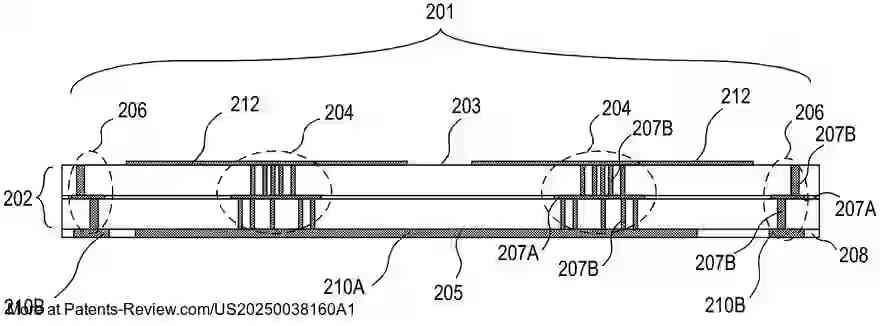
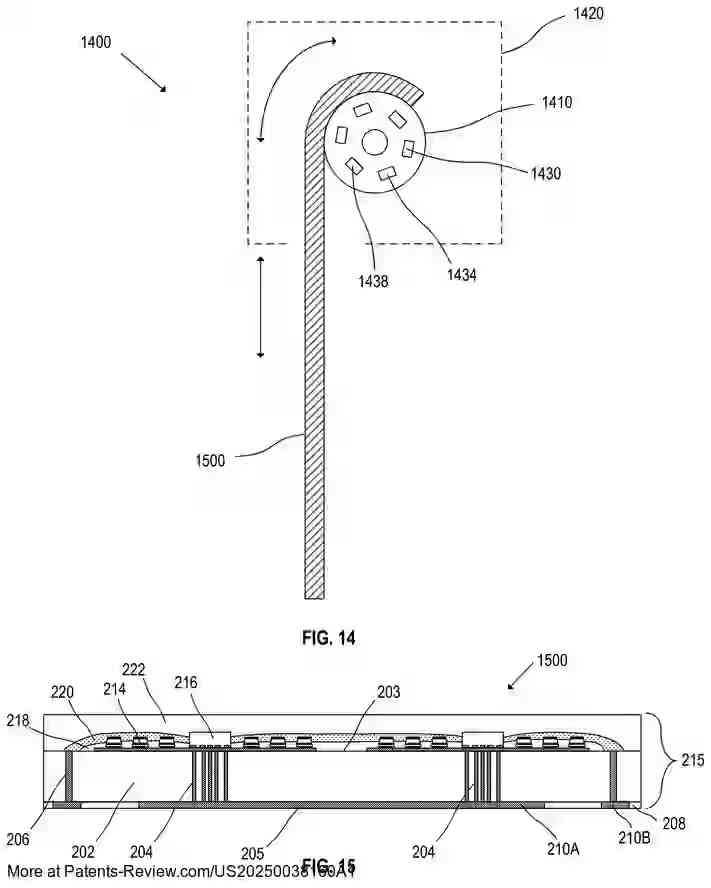
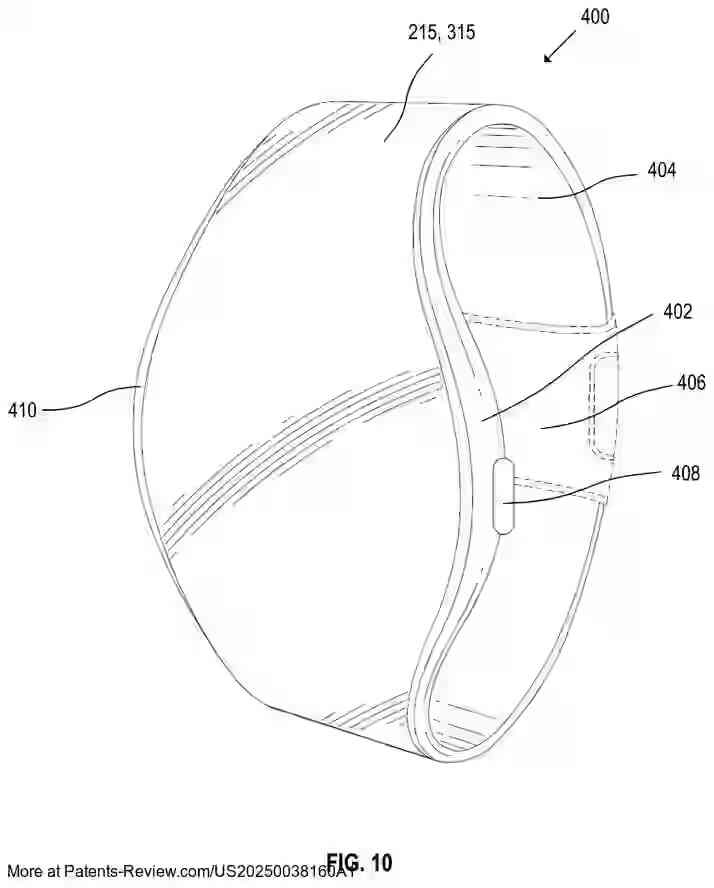
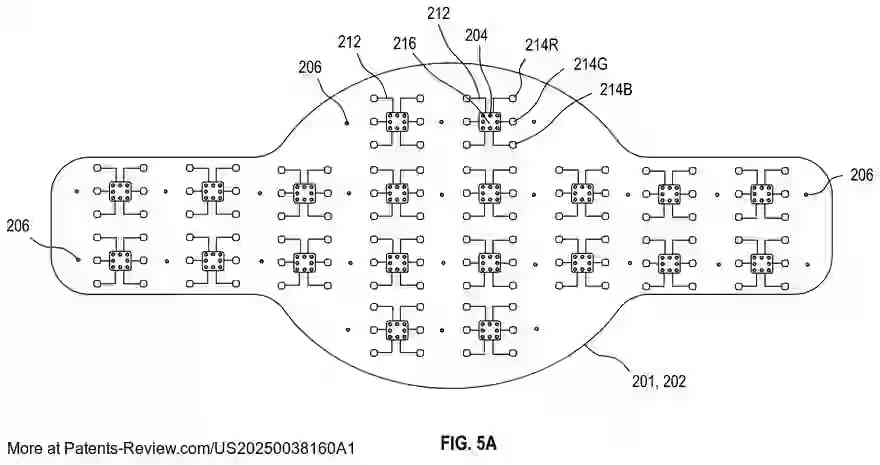
#Apple's new patent application #US20250038160A1 reveals a #DisplayModule with LEDs & interconnects for advanced #Wearable, #Rollable, & #Foldable displays. Innovative design with driver circuits on the back surface. Exciting tech from $AAPL #PatentApplication
2
107


8 Oct 2024
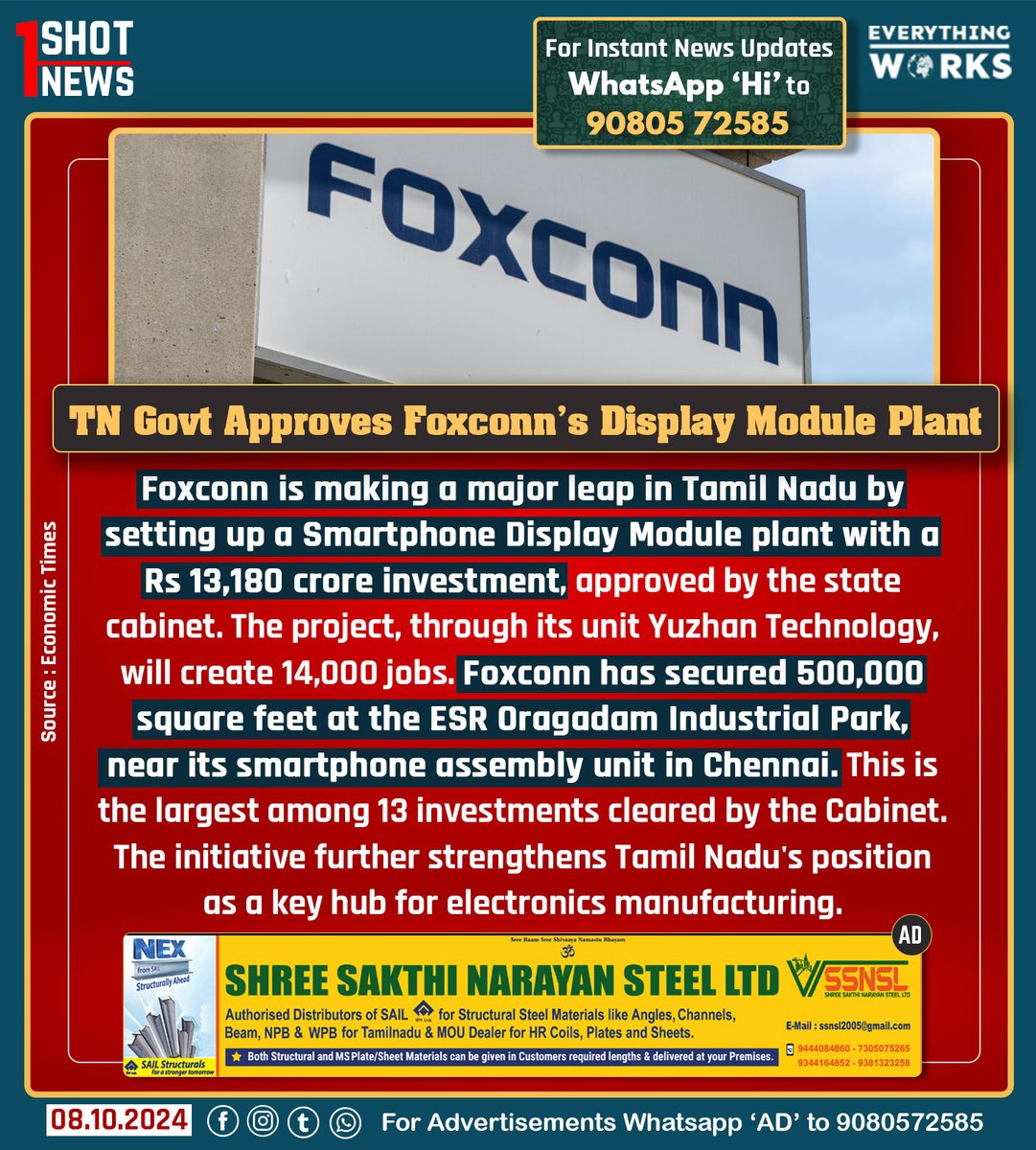
Foxconn is making a major leap in Tamil Nadu by setting up a Smartphone Display Module plant with a Rs 13,180 crore investment, approved by the state cabinet. The project, through its unit Yuzhan Technology, will create 14,000 jobs. Foxconn has secured 500,000 square feet at the ESR Oragadam Industrial Park, near its smartphone assembly unit in Chennai. This is the largest among 13 investments cleared by the Cabinet. The initiative further strengthens Tamil Nadu's position as a key hub for electronics manufacturing.
#1ShotNews | #Foxconn | #DisplayModule | #SmartphoneDIsplay | #YuzhanTechnology | #InvestInTN | #ThriveInTN | #Tamilnadu | #TamilnaduNews
16
90
3,115

素晴らしい資料ですね!
私のnoteも引用していただきありがとうございます!
最初に購入したDisplayModuleが正常に表示できない病になってしまったので買い直そうと思います
#スタックチャン
1
3
143
23 Jul 2023
野生になったM5Stack Display Moduleを探しているんですが、、、
他の野生のM5Stack製品はいっぱい出てくるけど肝心のDisplayModuleが出てこない(´・ω・`)
#M5サファリパーク #M5Stackあるある
1
7
646
22 Jul 2023
いや?たぶんプログラムでちゃんとDisplayModuleが動いていなければ、信号なしになると思います('ω')
あとM5StackのDisplayModuleのLEDが点いているかどうか。HDMIケーブルの根本のところに青いのがありませんでしたっけ?
ちょっと試す時間ないのですいません(;'∀')
1
2
72
2 Jul 2023
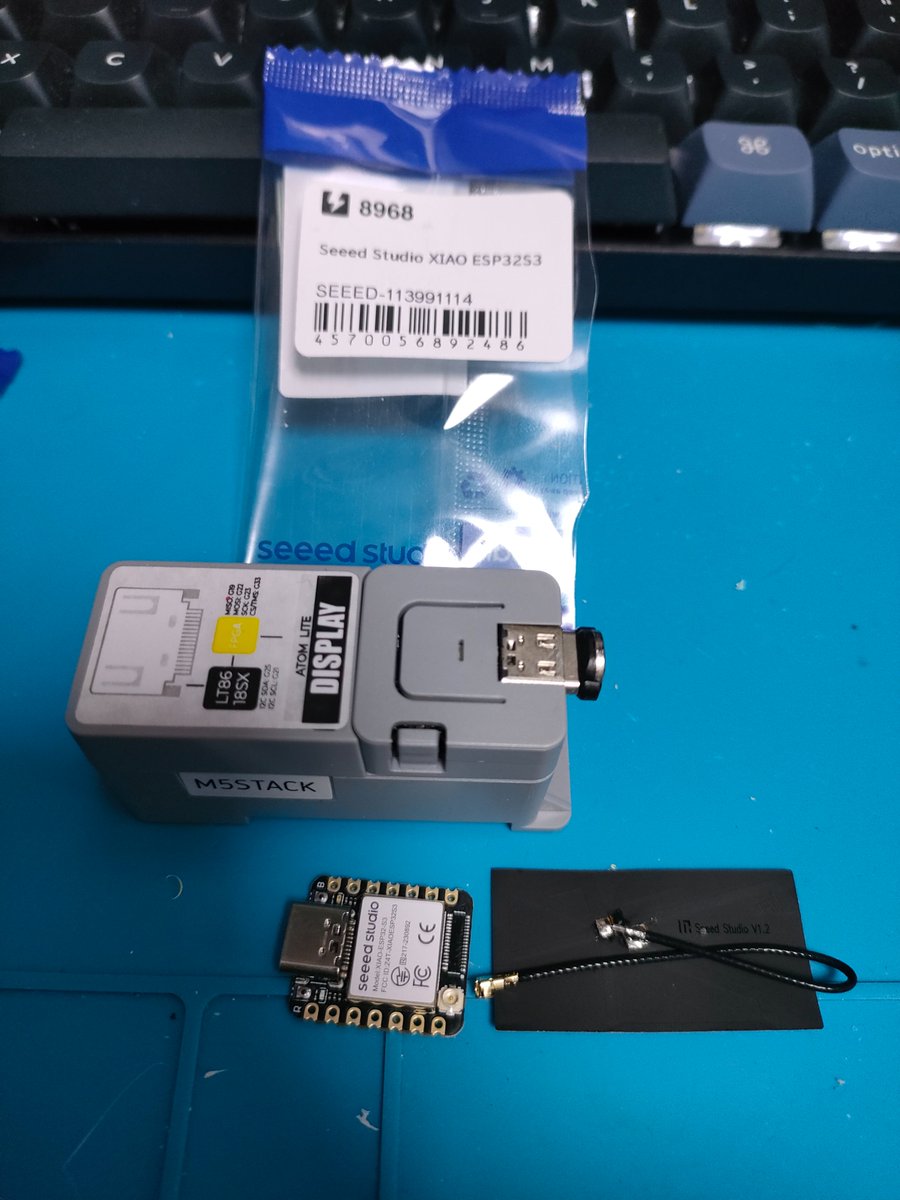
DisplayModuleが出てから出番が少なくなったAtomDisplay
M5StackからPSRAM付きのAtomS3でないかなと思いつつ、、、
SeeedStudio XIAO ESP32S3と組み合わせればいいのか( ・ω・)
#M5Stack #SeeedStudio
2
1
8
1,382
DisplayModuleのコードをコメントアウトすると正常に動くなぁ。
起動すらしないのはなぜなんだろう。
2
29

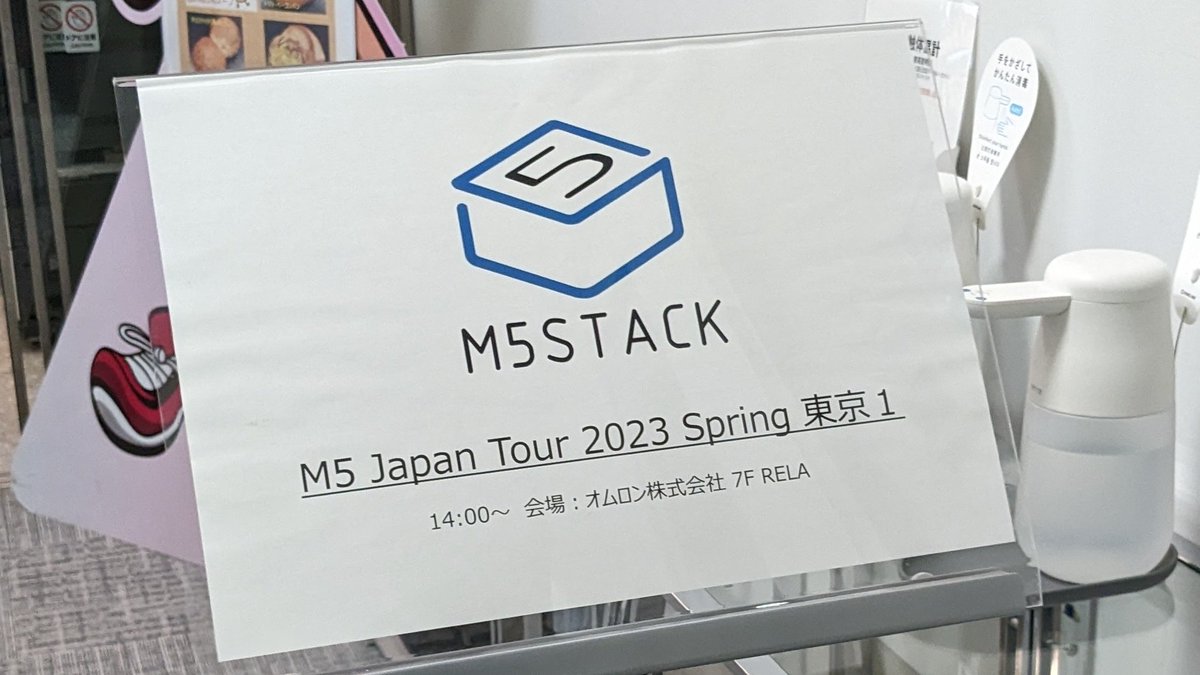
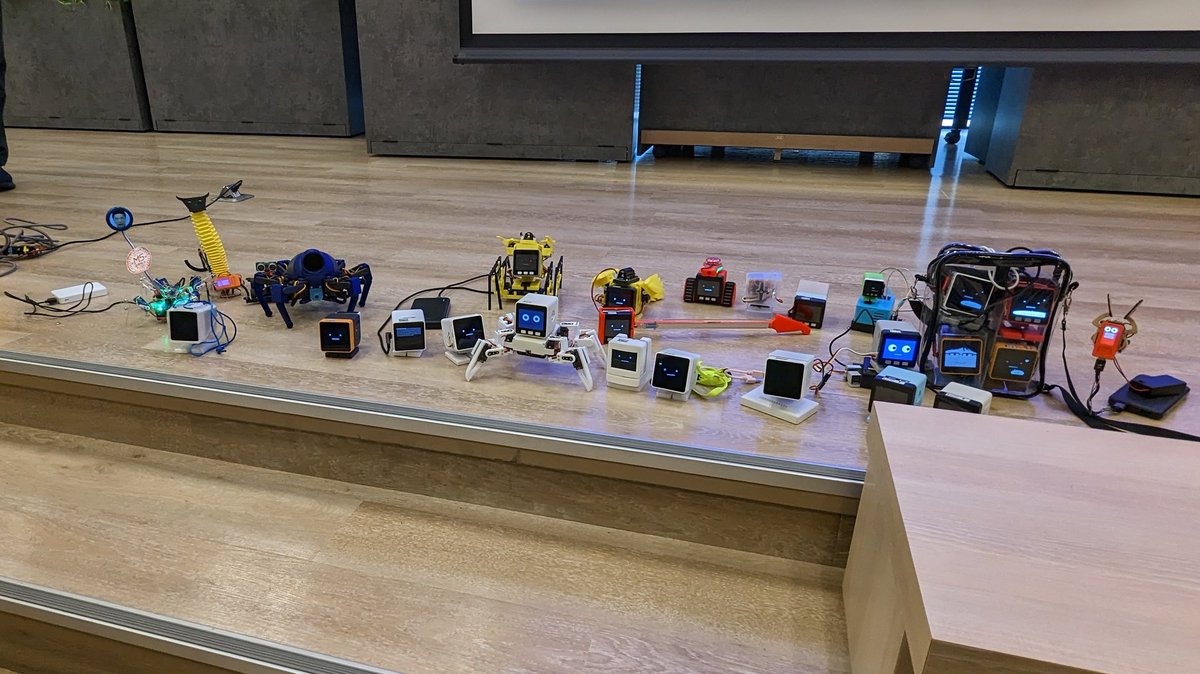

4 May 2023
#M5JPTour2023
#M5Unified
HDMI モジュール持ってない私ですが DisplayModule 対応コード書いた物が会場のモニターお借りして動きました。
もう M5Unified しか勝たん!
らびやんさん、お忙しい所お試し稼働ありがとうございました〜
2
2
12
1,127

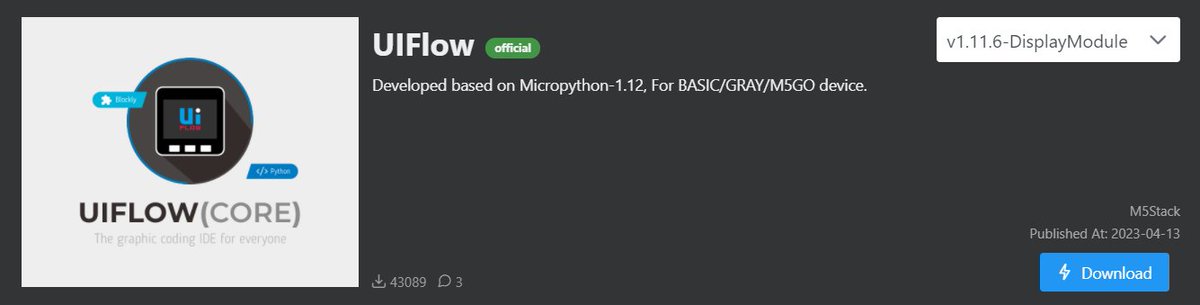
26 Feb 2023
突然失礼します。
気になったので試してみたのですが、Fire(旧Ver.)ではサンプルそのままで動きますね。
DisplayModuleの緑と青のLEDは点いてますでしょうか?
あとは一度ボトムを外してみてください。
2
2
93
7 Feb 2023
M5Stack Core2 DisplayModule 13.2でLVGLできた('ω')
#M5Stack
こちらを参考にしました。
hollyhockberry.hatenablog.co…
4
4
21
5,010
6 Feb 2023
M5Stack DisplayModuleはCore2と組み合わせて使うのが安全な気がする(;´・ω・)
FireだとSDカード PSRAMを入れるとなんかおかしい。G16使ってるからかな( ・ω・)
Core2で使おう。
docs.m5stack.com/en/module/D…
1
1
4
338
6 Feb 2023
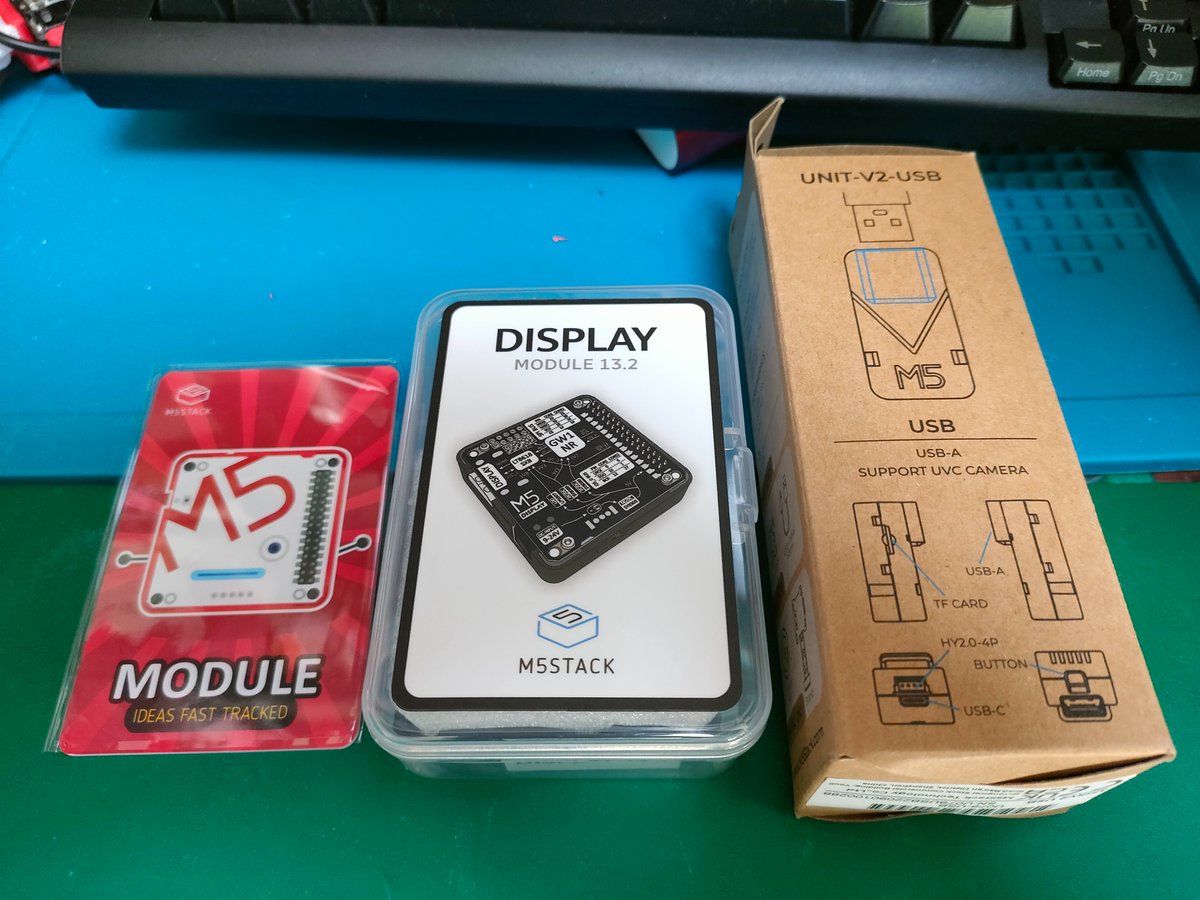
春節にM5Stack本家で注文したものが届きました('ω')
1/17 注文→ 1/29 発送 → 2/6 到着でした。
結構早かった( ・ω・)
DisplayModule と UnitV2-USBの2台目
#M5Stack
1
5
968
16 Jan 2023
M5StackのDisplayModule、、、買おうか悩み中( ・ω・)
Display Module 13.2
shop.m5stack.com/collections…
2
1
20
4,300