
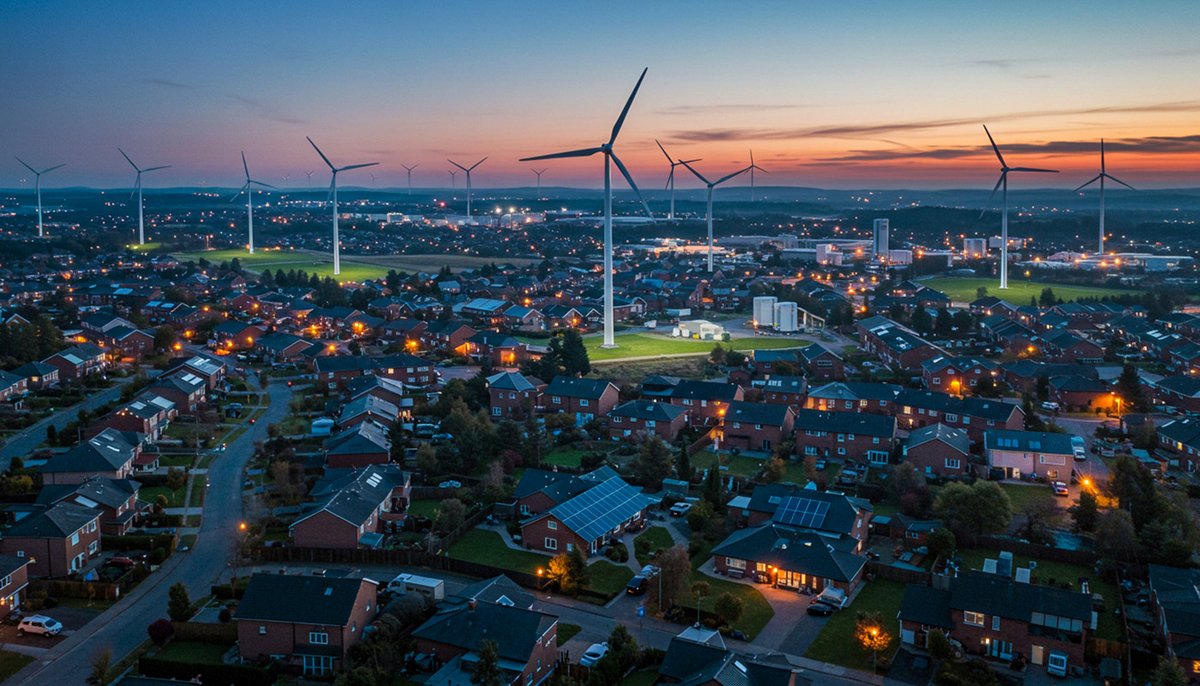
Is your biggest decarbonization challenge really generation, or visibility?
Learn why grid edge modernization is a critical enabler of the energy transition.
▶ Access the webinar now: hubs.la/Q04lxfLm0
#DistributionGrid #UtilityOperations #CleanEnergy #ElectricPower
1
17

14 Jul 2025
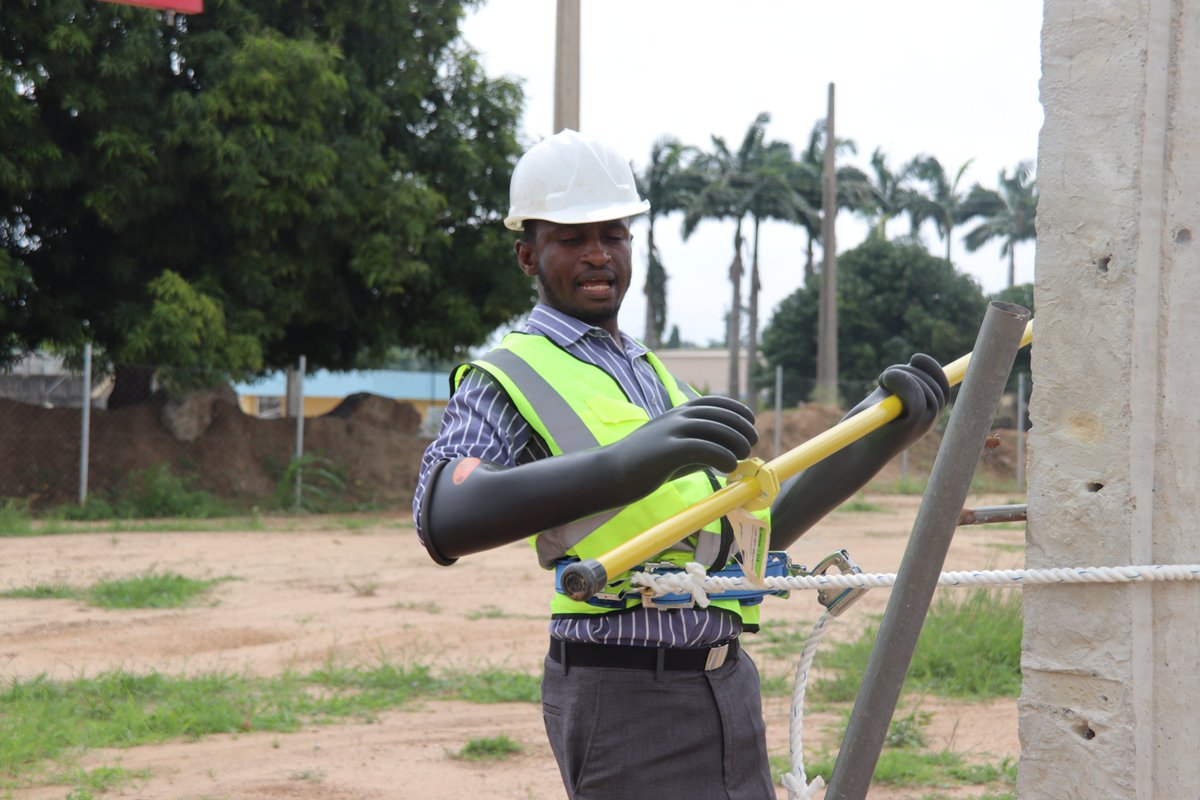
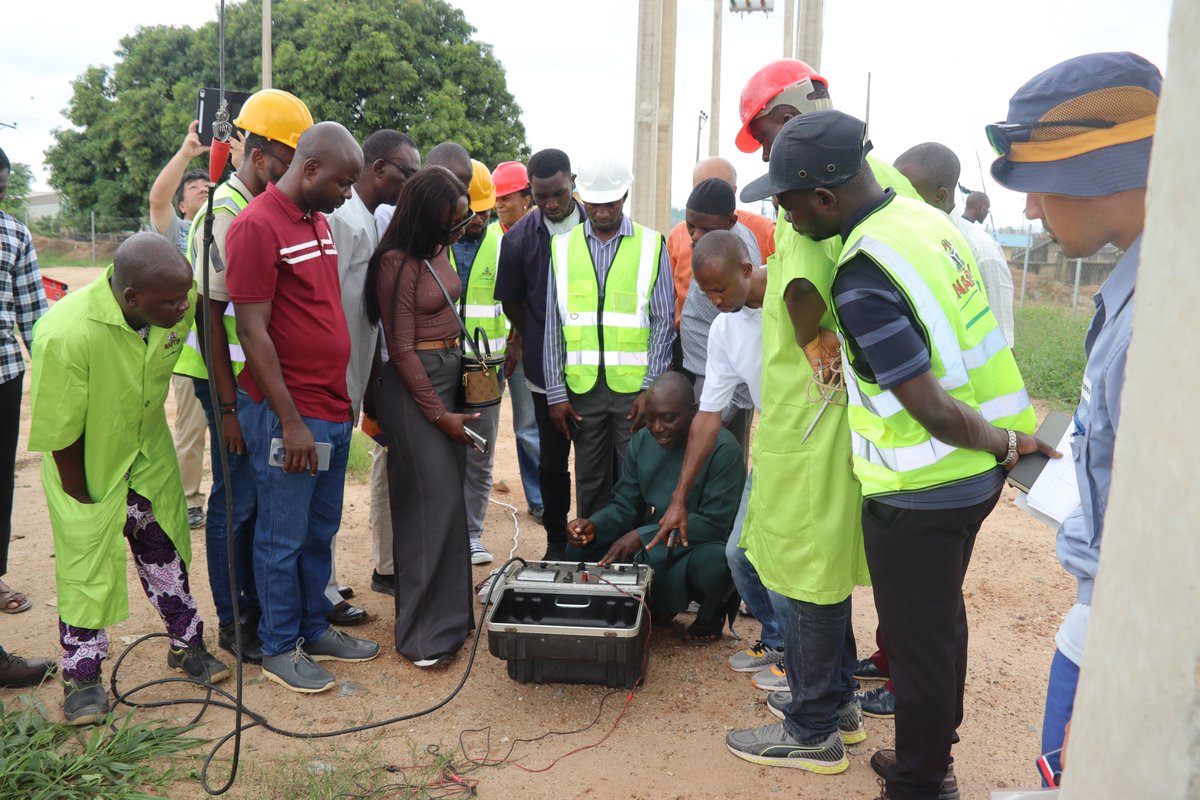
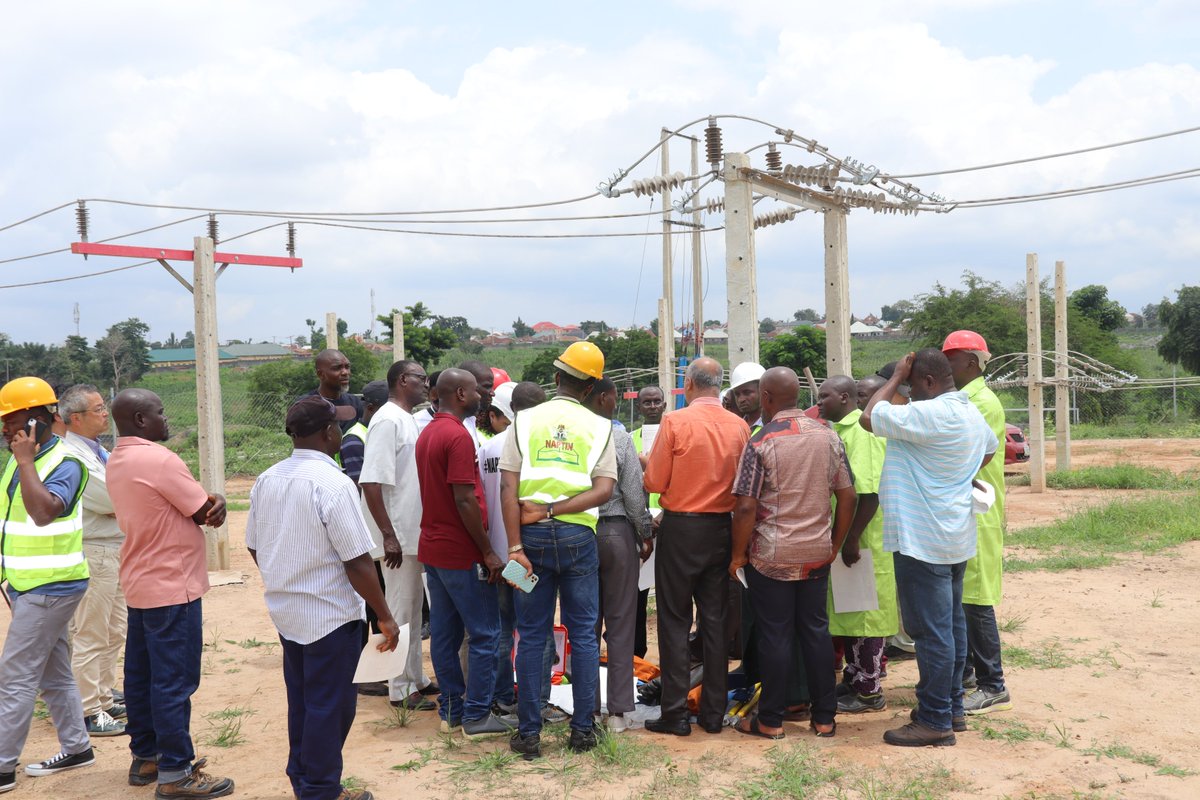
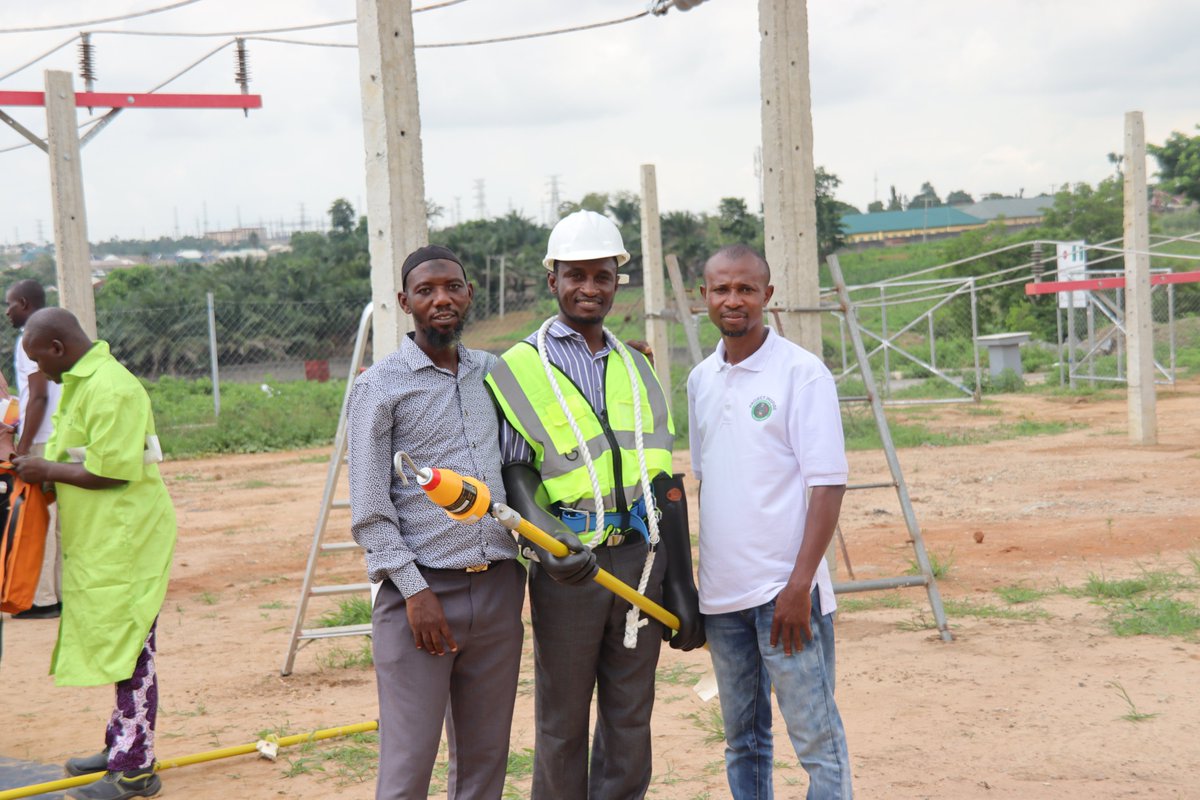
and accurately, strengthening service delivery across the country.
Want to learn a skill or partner with us?
📞 0704 711 6355 | 0802 411 5968
📩 info@naptin.gov.ng
🌐 naptinportal.com
#NAPTIN #JICA #33kV #PoweringNigeria #DistributionGrid
3
63

22 Aug 2024
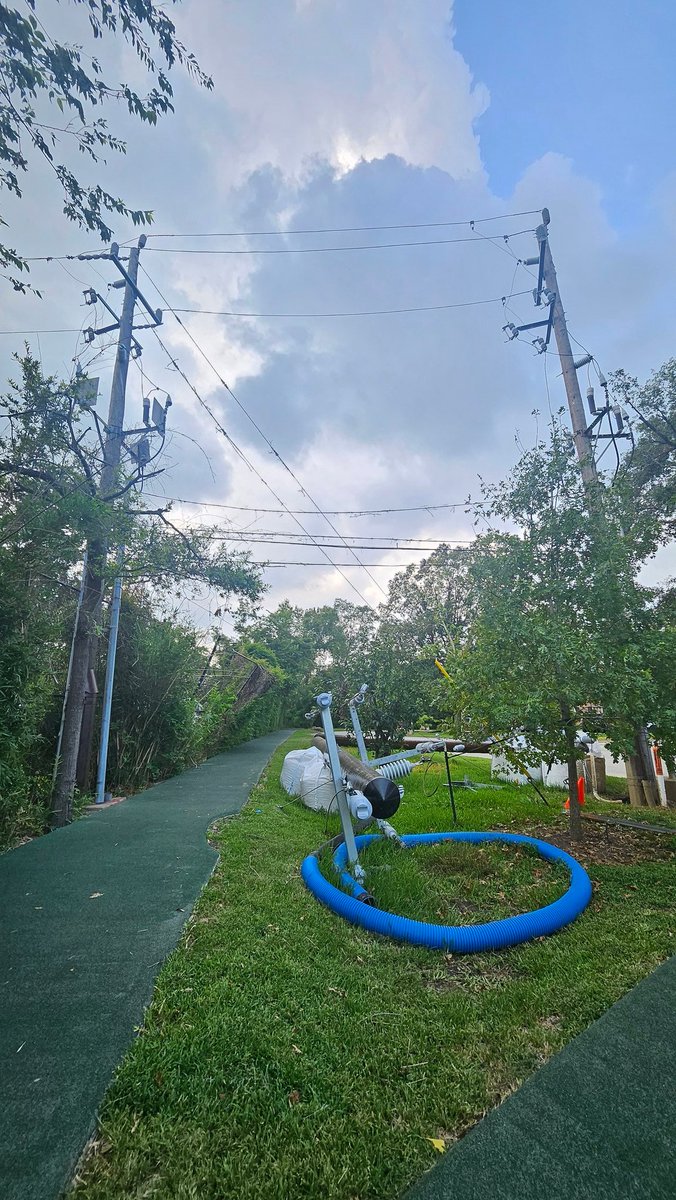
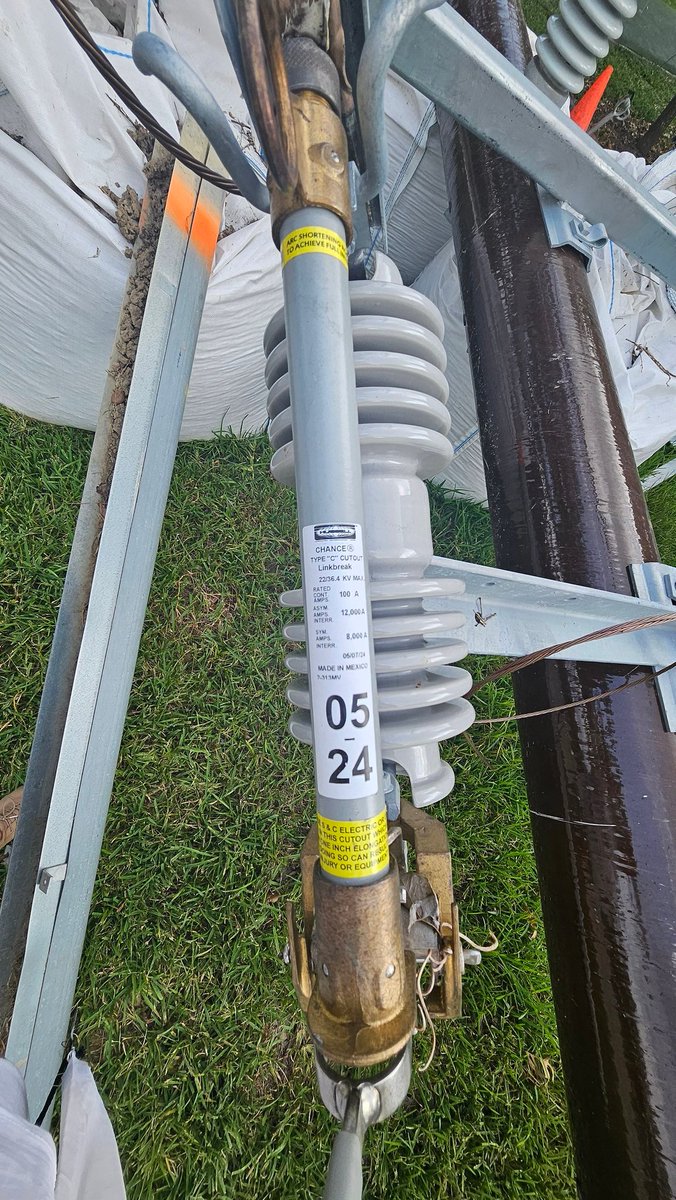
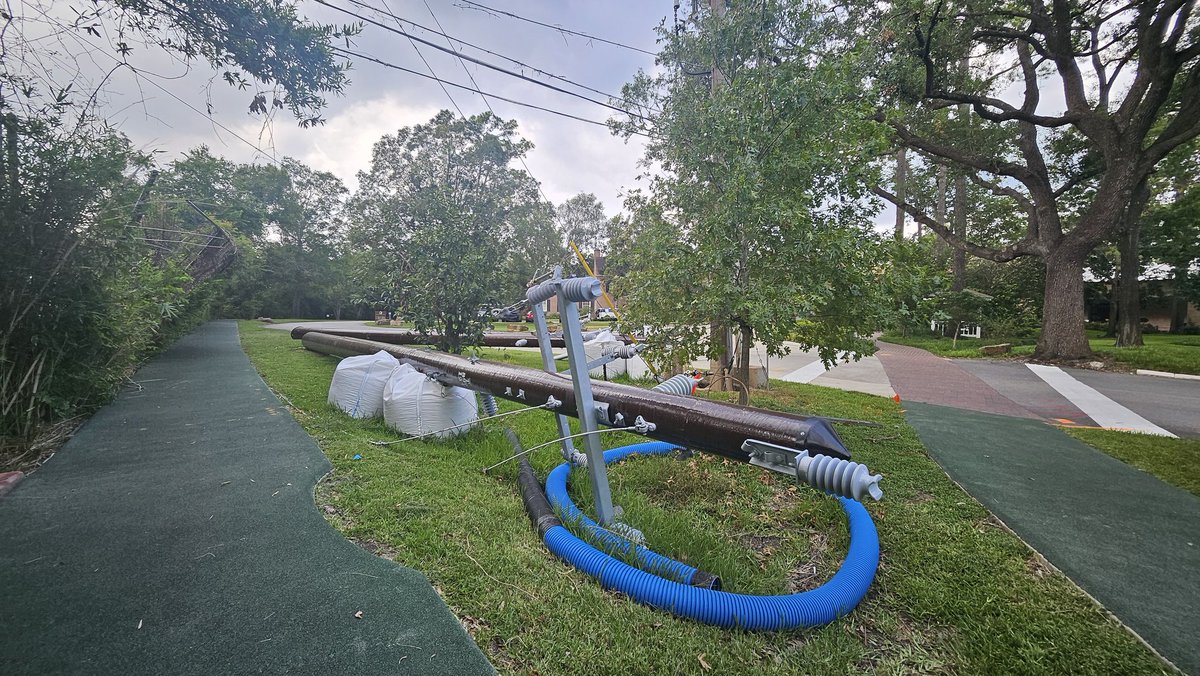
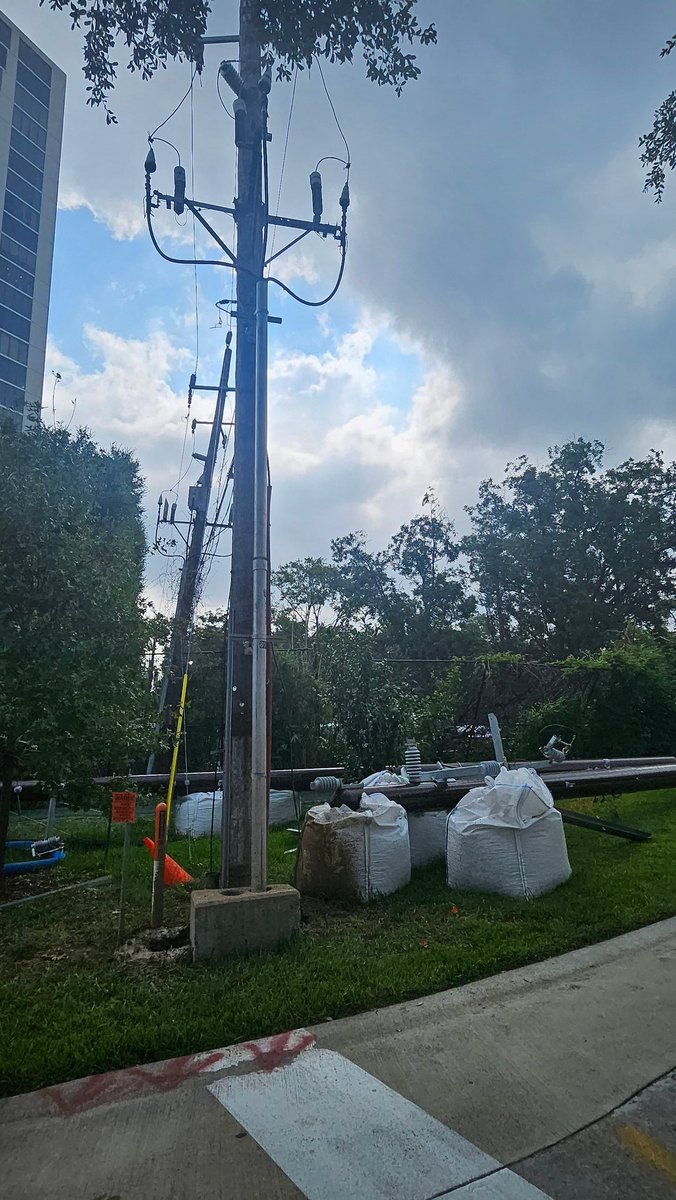
#Houston #LVgrid #distributiongrid #outages #energytwitter
Walking by the number one reason for more #VPP and #microgrid distributed resiliency in #Houston today. @JessePeltan didn't know we made our last mile grid components in Mexico! #NCES2024
13 Aug 2024

#VPP = #energysecurity #energyindependence market recognition of #VOLL #freedom from soaring E costs & as we now know, #largeloads value the same co-location reliability of load-to-gen enough to hyperscale this model and also power the grid. #nces2024
linkedin.com/posts/conservat…

2
5
1,300
28 May 2024
Some important points :
1. If we shift the burden away from the distribution system when events like these happen by making it easier and cheaper for people to have backup power to last them through at least 90% of outages, utility crews can prioritize areas that don't have backup and devote scarce resources more effectively. This is the connection between #federal #IRA or #BIL dollars towards technology that can island customer homes during an outage (like batteries), and #state programs to help #distributiongrid #gridmodernization.
2. Even though utilities do not own or operate home-installed backup assets in Texas, their cost to serve and their cost to restore goes down as more private individuals install technology that allows them to island their home from the grid during these events. (So this means if you have a battery w/ solar, or just a battery, or thermal backup gen, you can directly reduce the burden of system restoration costs by not being a part of that burden). It is true that the utility will have to repair the infrastructure serving your home: but in a moment of crisis, the fact that your home still has lights on, helps them prioritize homes that do not.
2. It is the state's responsibility to understand and analyze the monetary value trade-offs, for investing the next dollar in supporting the distribution grid (including medium voltage transmission infrastructure), incentivizing whole home backup, or spending it on centralized power generation and accompanying high voltage transmission expansion. The problems we are seeing right now in Texas storm damage, are not related to the third category, and would be greatly helped by serious attention to the first two items.
2/3
2
3
322

27 Mar 2024
Explore the newest findings in sustainable energy research from IEEE Transactions on Sustainable Energy 🍃⚡!
Click here to access: bit.ly/3RrAntf
...
#ieeepes #ieeetransactions #sustainableenergy #powertransmission #distributiongrid
1
3
291
5 Mar 2024
Explore the newest findings in sustainable energy research from IEEE Transactions on Sustainable Energy 🍃⚡!
Click here to access: bit.ly/3RrAntf
...
#ieeepes #ieeetransactions #sustainableenergy #powertransmission #distributiongrid
2
304

20 Nov 2023
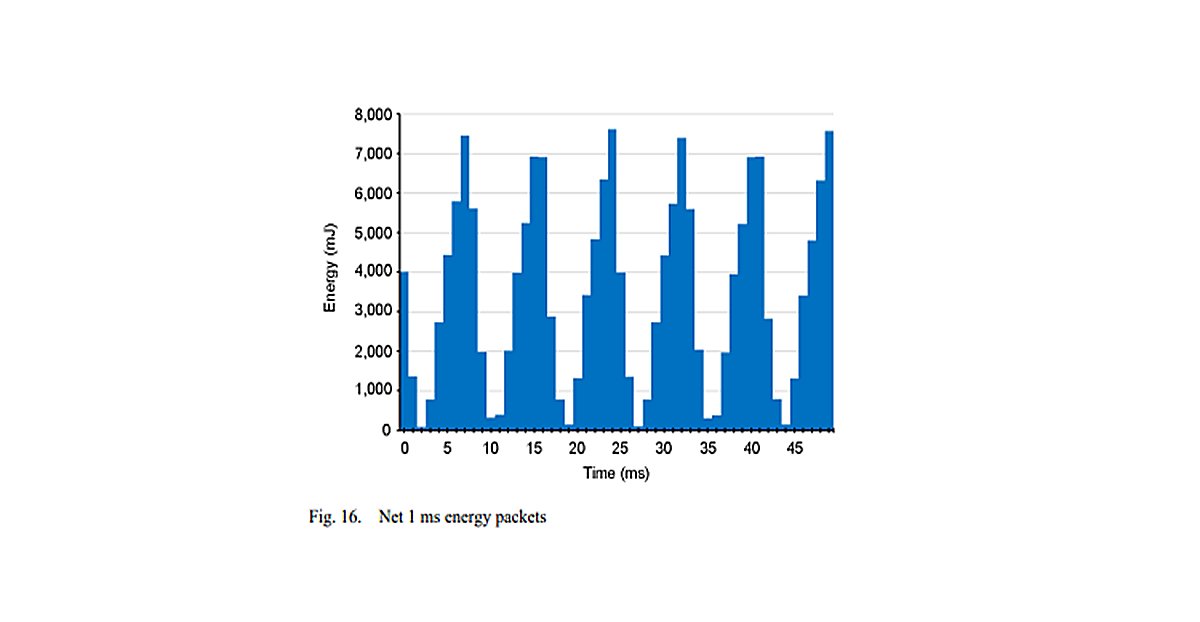
A #timedomain method for calculating power and energy offers detailed insight into the effects of nonlinear loads like single-phase #evchargers on power quality and energy exchange. Read the technical paper: discover.selinc.com/l/885633…
#distributiongrid
1
2
259

Regulators, #DistributionUtilities and #Retailers should strongly consider #LocalEnergyMarkets (LEM) as a non-wired way forward to manage the #DistributionGrid.
powerledger.io/media/blockch…
$POWR #Powerledger #P2PEnergyTrading #GoCarbonFree #DecarbonizeTheGrid
2
3
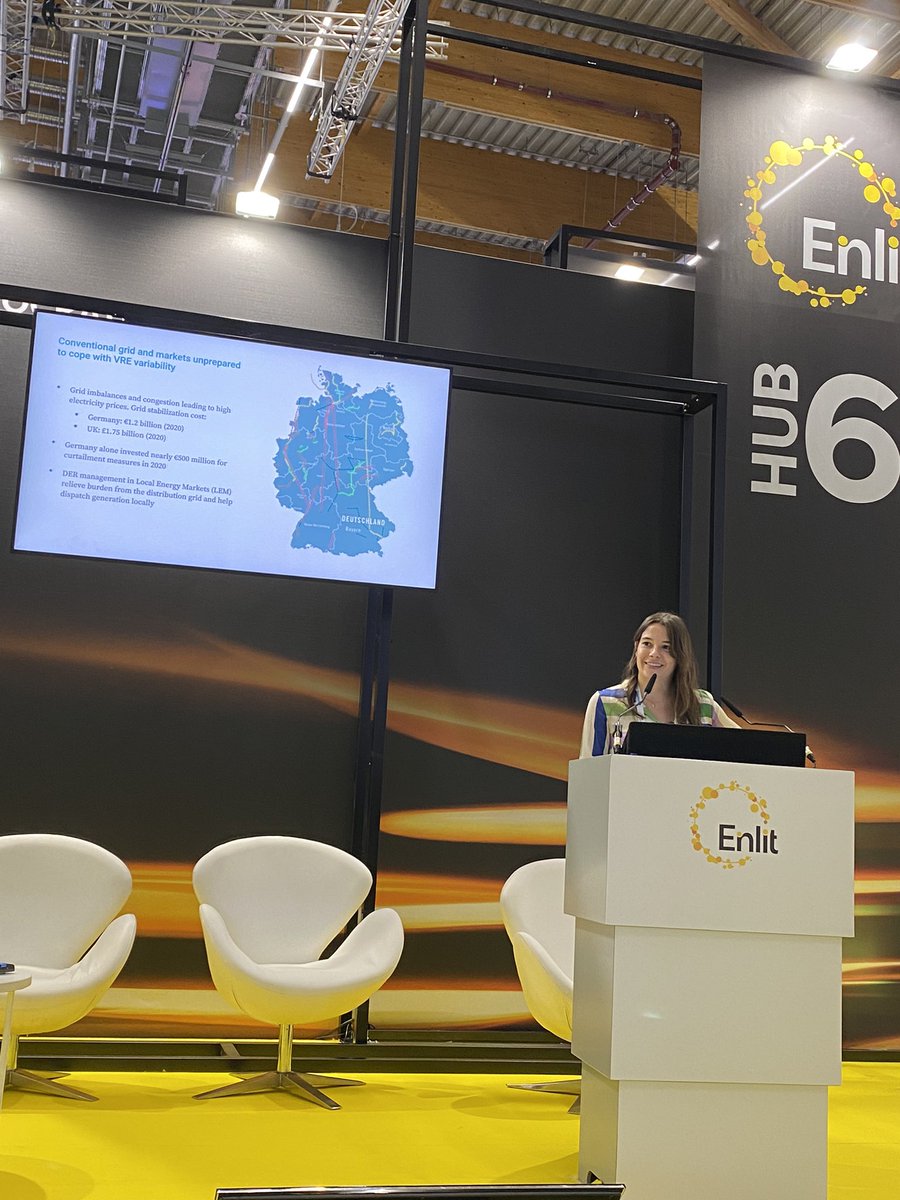
DER management in #LocalEnergyMarkets (LEM) relieve burden from the #DistributionGrid and help dispatch generation locally
@Enlit_Europe #EnergyTransition $POWR #Powerledger #GoCarbonFree #DecarbonizeTheGrid #IamEnlit #DemocratisationHub
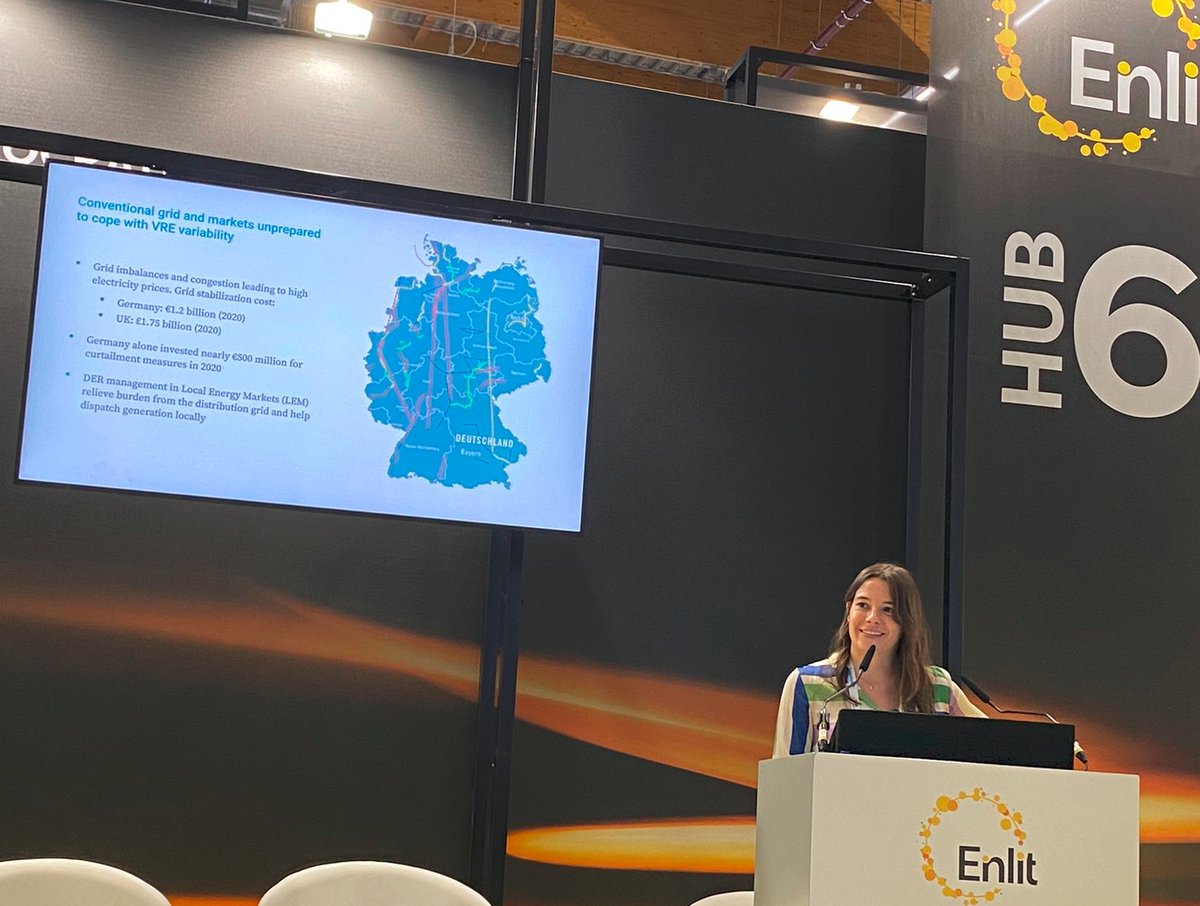

Cristina Mata Yandiola @PowerLedger_io recalls that current European grids currently don’t allow to make enough use of all the renewable sources we have and that over a billion 💶 is spent yearly to balance the grid #iamenlit #democratisationhub @Enlit_Europe
1
4

14 Oct 2022
#DistributionGrid size, #ReneableEnergy, faults, power quality, extreme phenomena & (if) available info/ratings of equipment per se are only a few of the considerations in thinking how to improve distribution grid operation. And there is MUCH work to be done! VERY MUCH! -9/9
3

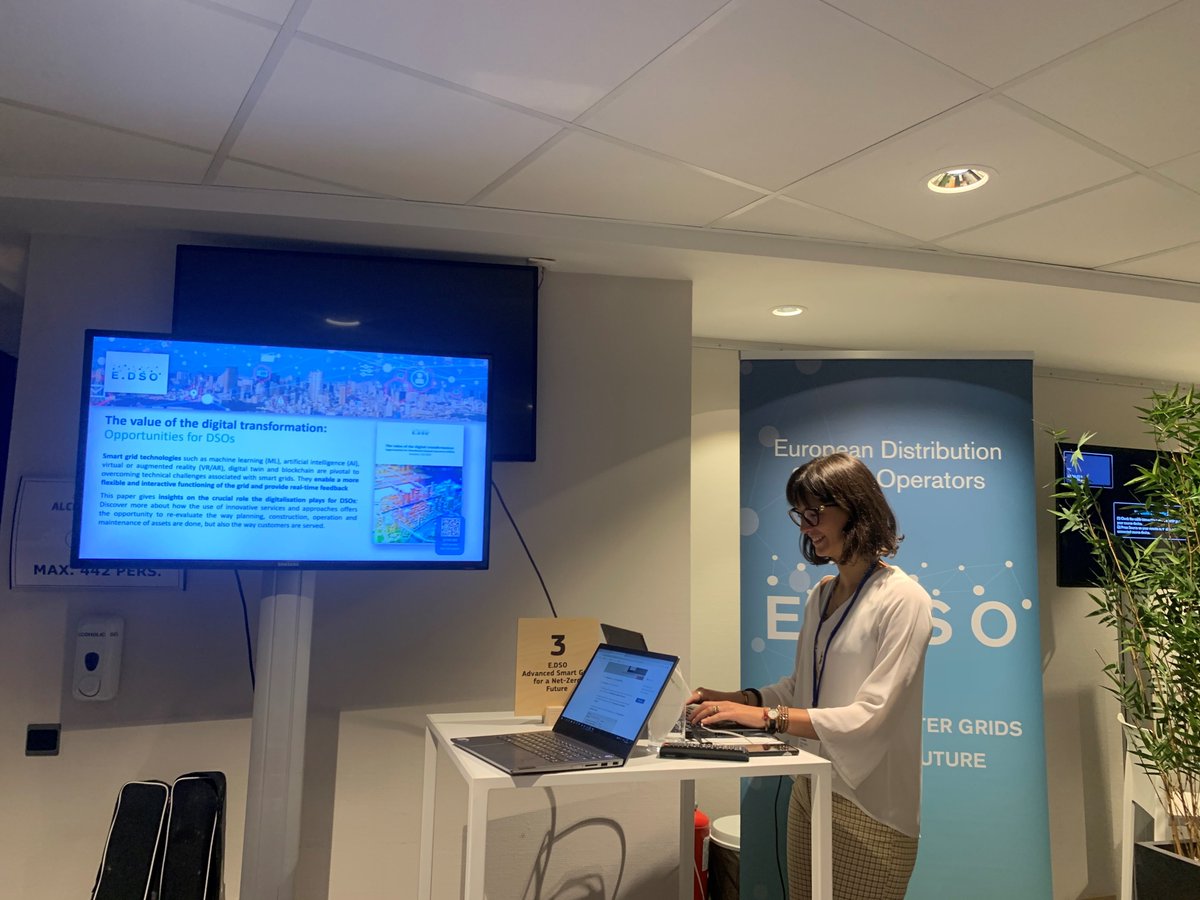
⚡ The E.DSO stand at #EUSEW2022 Energy Fair is on! 🔌 Come meet our team today and tomorrow to exchange about #Sustainability and the #EnergyTransition shaping the #SmartGrids of the future
👉🏻 eusew.eu
#CleanEnergyEU #REPowerEU #DSOs #DistributionGrid
5
11
💡 E.DSO will take part at the #EUSEW2022 Energy Fair
⚡ Check out our stand on 26 and 27 Sep to learn more on our #Sustainability goals for designing the #SmartGrids of the future.
More info at 👉🏻 eusew.eu
#CleanEnergyEU #REPowerEU #DSOs #DistributionGrid
3

25 Aug 2022
To facilitate a high-DER grid, California explores how distribution grids should be operated #gridupgrades #distributedenergy #distributiongrid pv-magazine-usa.com/2022/08/…
2

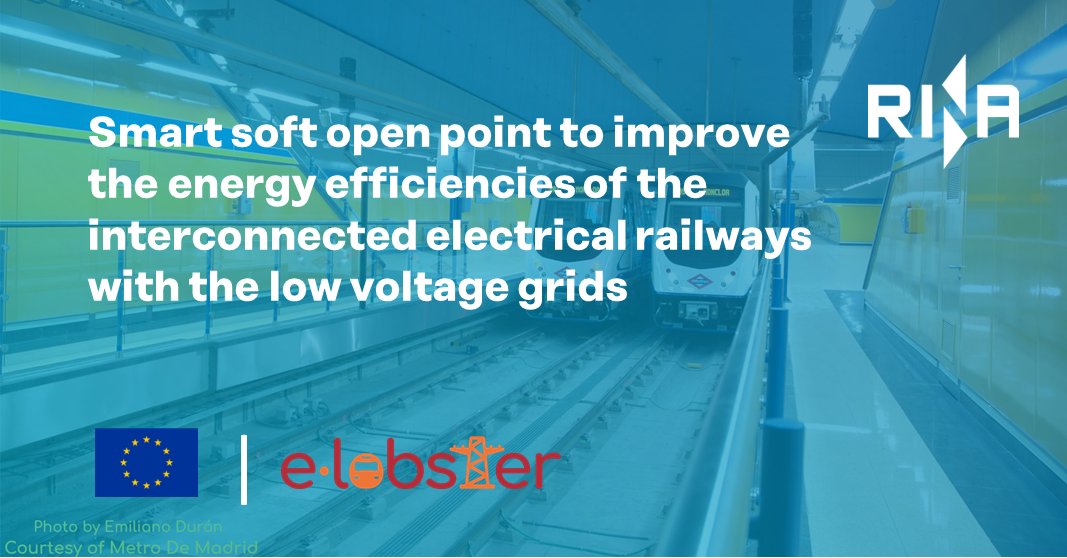
The research developed in @H2020ELOBSTER project has contributed to publish a paper authored by @StudentsNCL and @unibirmingham. It presents a novel smart soft open point to interconnect between #railway network with #distributiongrid 📖 sciencedirect.com/science/ar…
#MakeItRINA
5
15
3 May 2022
If you are working/studying in the space of #PMU, #sensing, #stateEstimation, #DigitalTwins, #transformer health & #powerQuality of the #DistributionGrid, we want to hear from you & have you join our activities! -2/2
1
3

10 Dec 2021
S&C’s TripSaver® II Cutout-Mounted Recloser uses the best of both fuse-blowing and fuse-saving methods to provide advanced lateral protection on the #DistributionGrid. Try our simulation to discover the benefits of a TripSaver II recloser pilot. #TripSaver sandc.com/en/products--servi…

1
Alberto Amores, Partner of Monitor at @Deloitte, believes that "#DistributionGrid investments will bring widespread benefits to EU’s societies and contribute to the #EU #economicrecovery and the #EnergyTransition" #EDSOCouncil21
5
18 Nov 2021
#TemporaryFaults can cause big problems for #ElectricUtilities. Nearly 80% of overhead faults on the #DistributionGrid are temporary. Learn how TripSaver® II Cutout-Mounted Reclosers help #utlities manage these faults. #TripSaver #LateralProtection sandc.com/en/products--servi…
3

17 Nov 2021
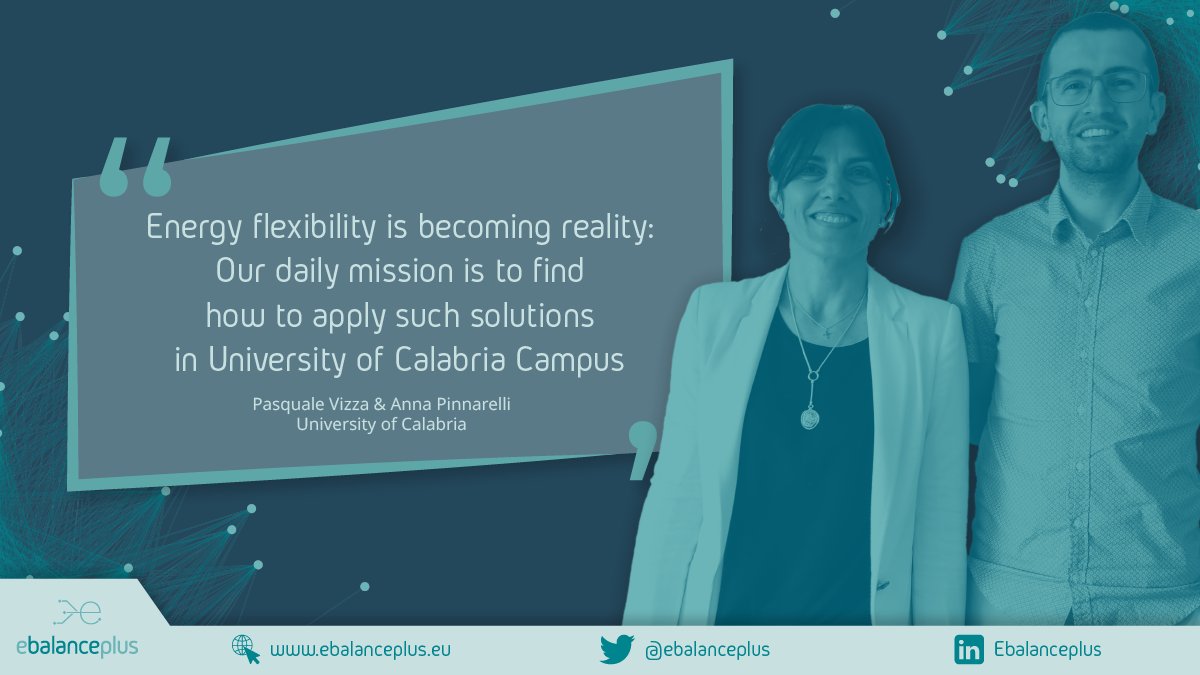
At @UniCalPortale the #EnergyFlexibility of buildings and generation systems will be increased. Also, #SmartGrid control technologies will improve the #resilience of the #DistributionGrid. ⚡️
Anna and Pasquale coordinate this multifaceted demo site: ebalanceplus.eu/demonstratio…
3
8

4 Aug 2021
The #PowerIndustry is in a real #EnergyTransition. The #GridEdge can be confusing for #utilities. @PWREngineers expert Nathan Bingham is helping our #DistributionGrid clients navigate the changing distribution grid, and can help your utility too.
hubs.ly/H0TDLSS0
1
3