
LAS LENGUAS INGLESA Y ESPAÑOLA de Delfín Carbonell: DORIS LESSING AND LANGUAGES delfincarbonellingles.blogsp… @dorislessing #languagelearning #Farsi #Hosa
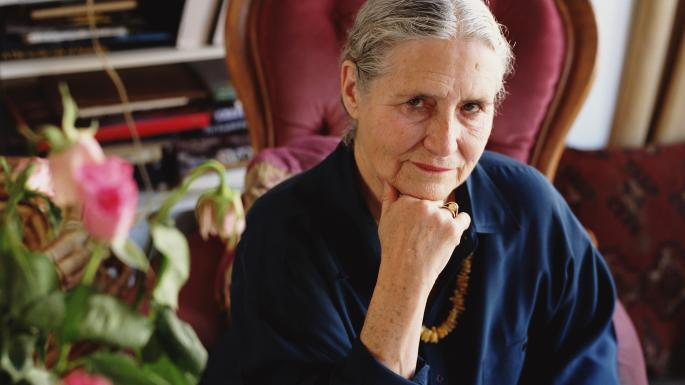
6
Flora retweeted

May 30
#DorisLessing
In 1971, Doris Lessing wrote something that angered educators deeply.
She said every child, throughout their entire education, should be told one honest truth.
“You are in the process of being indoctrinated. We have not yet evolved a system of education that is not a system of indoctrination. We are sorry, but it is the best we can do.”
She did not stop there.
“What you are being taught here is an amalgam of current prejudice and the choices of this particular culture. You are being taught by people who have been able to accommodate themselves to a regime of thought laid down by their predecessors. It is a self-perpetuating system.”
Then came the line that hurt the most.
“Those of you who are more robust and individual than others will be encouraged to leave and find ways of educating yourself. Those that stay must remember, always and all the time, that they are being molded and patterned to fit into the narrow and particular needs of this particular society.”
Schools banned her books.
The irony was almost too perfect.
She said education systems silence independent thinking. They proved her point by banning her books for encouraging anti-establishment ideas and weakening respect for authority.
Lessing understood exactly what she was talking about, because she had lived through it herself.
Born in Persia in 1919, she grew up in Southern Rhodesia inside a colonial system built to protect white supremacy and a strict social order. Her education taught her that the British Empire was noble. That colonialism was a civilizing force. That some people were naturally beneath others. That her role as a white woman was already decided: marry well, stay quiet, and serve.
As a teenager, she began questioning everything.
She left school at fourteen. Not because she rejected learning, but because she rejected indoctrination disguised as education. She became a self-taught intellectual, reading constantly, joining groups that opposed colonialism, and then watching clearly as those same groups repeated the authoritarian habits they claimed to fight.
She refused to fit into any category prepared for her.
And she became one of the most important writers of the twentieth century.
In 1962, she published The Golden Notebook, a novel about how women are psychologically split apart by social expectations. How we are taught to divide ourselves into acceptable parts: the professional, the mother, the lover, the friend. Never complete. Always acting out roles assigned before we even arrived.
The book became a feminist classic.
Lessing said people misunderstood it. She was not writing a manifesto. She was showing how systems, political, social, and educational, train us to police ourselves. To absorb the very structures that limit us until the cage begins to feel like home.
She kept writing for six more decades. More than fifty books. Realist novels, dystopian science fiction, memoir, and social commentary. Literary critics said she was too political. Political activists said she was not radical enough.
She ignored them all.
In 2007, at eighty-seven years old, Doris Lessing won the Nobel Prize in Literature.
She learned the news outside her London home, just after returning from buying groceries. Reporters surrounded her car and told her.
Her response was two words.
“Oh Christ.”
Not polished gratitude. Not false humility. Just honest irritation at the spectacle.
She gave one of the shortest Nobel acceptance speeches in history. And even then, even at the height of every literary honor the world could offer her, she spoke about education. Specifically, she spoke about a young man in Zimbabwe who had walked miles to attend one of her talks, desperate for books, knowledge, and access to ideas his country could not give him. 2/2
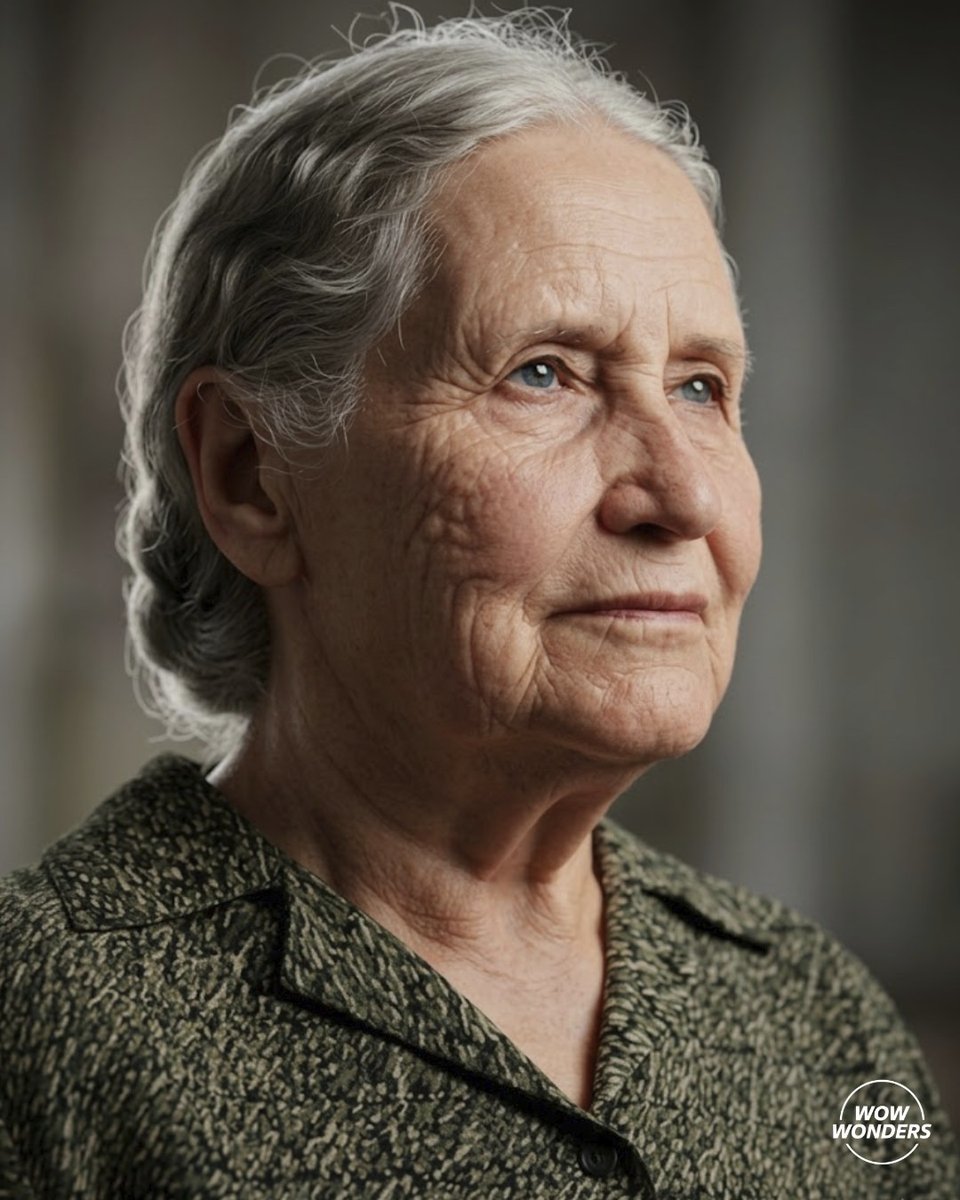
2
3
5
86

#Indio lee
Jóvenes Iracundos
#DorisLessing
Jun 10

El Indio no solo nos leía poesía o filosofía en Big Bang, él sabía mejor que nadie cómo abrazar nuestro inconformismo. Hoy lo escuchamos prestando su voz al "Manifiesto de los jóvenes iracundos", de Doris Lessing. Escucharlo leer esto hoy es recordar que él siempre supo de qué estábamos hechos.
🎧 Que no se apague nunca esa furia hermosa, Indio. Vení a refugiarte un rato en FM La Patriada.
9

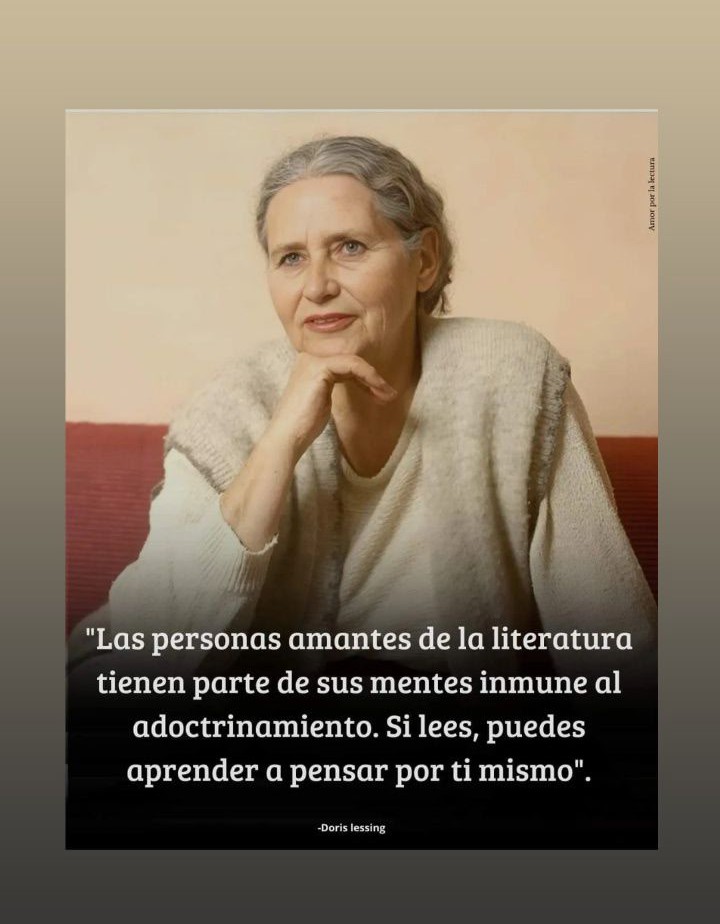

What I have that others don't have is perseverance. Perseverance is very important. It's not how skilled I am, but how consistently I apply myself to the task.
@DorisLessing100
#DorisLessing
1
2,484

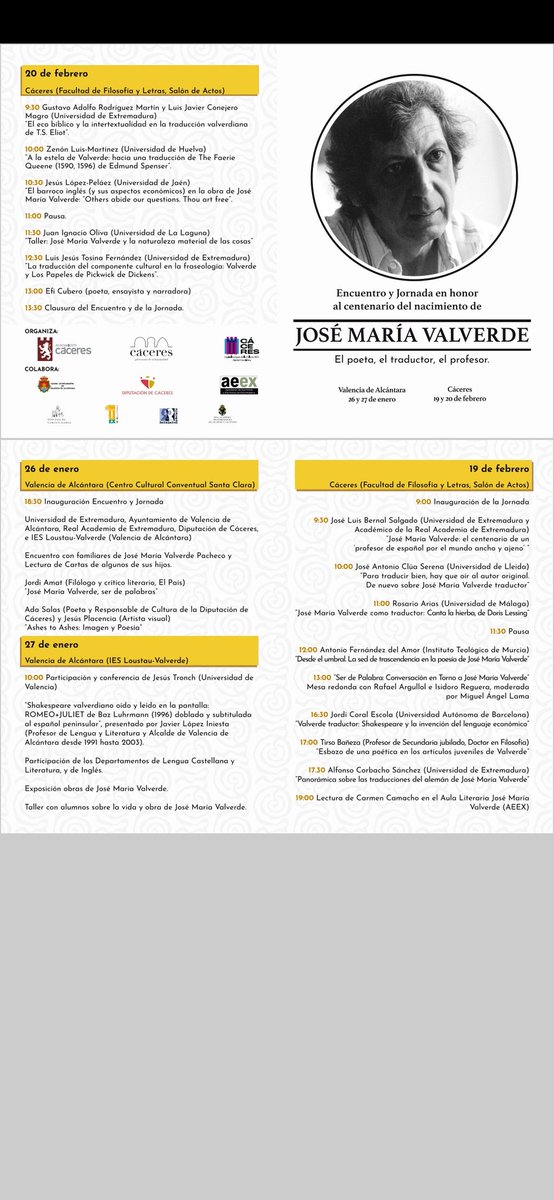
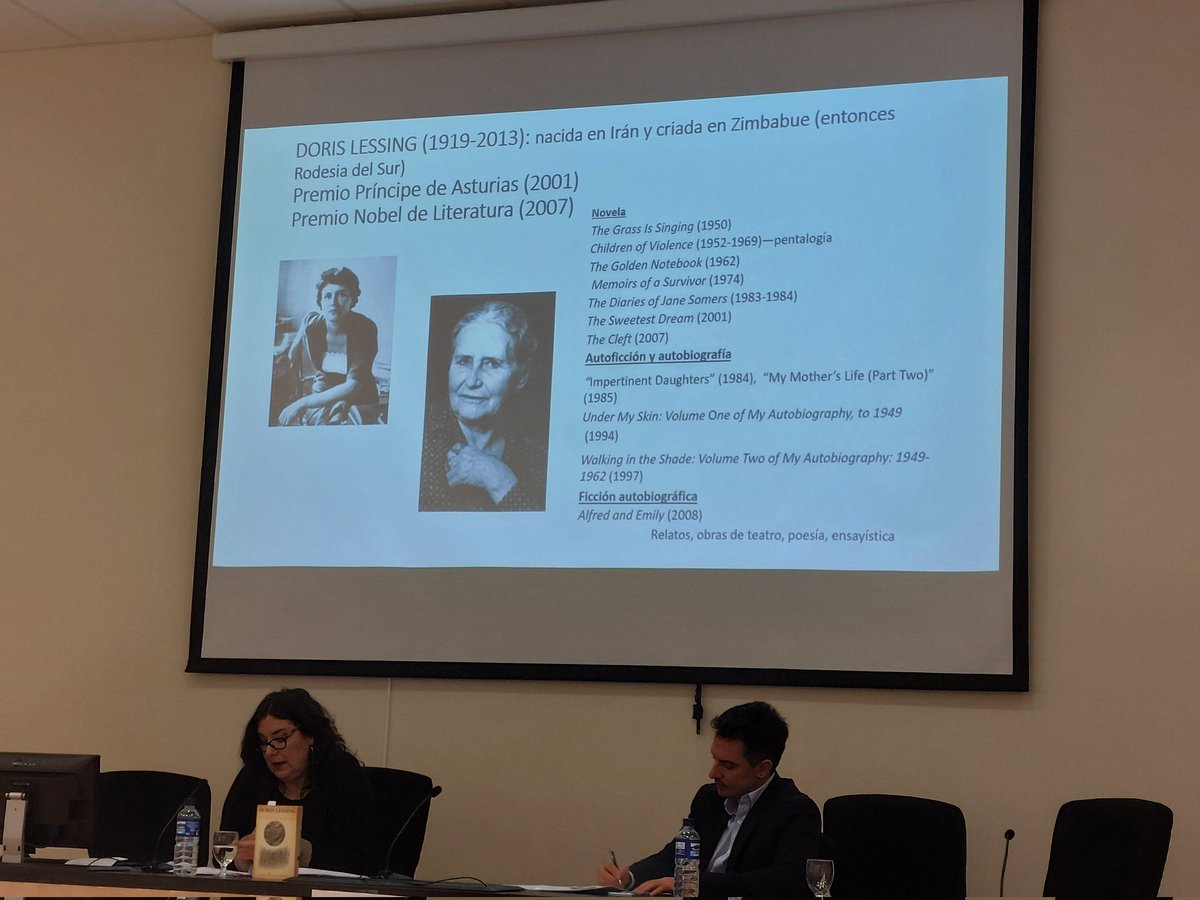
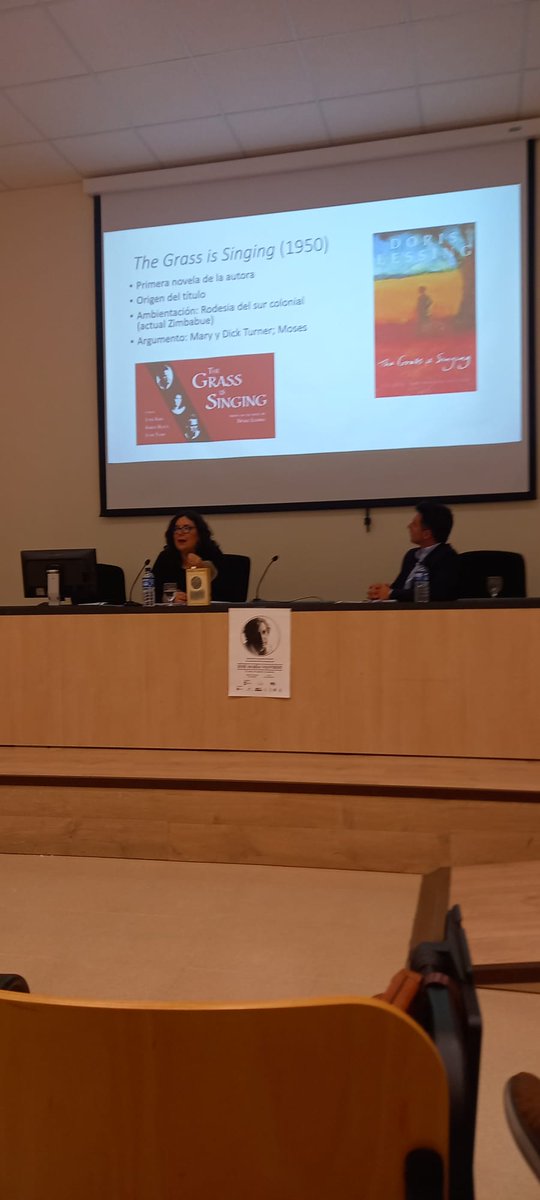
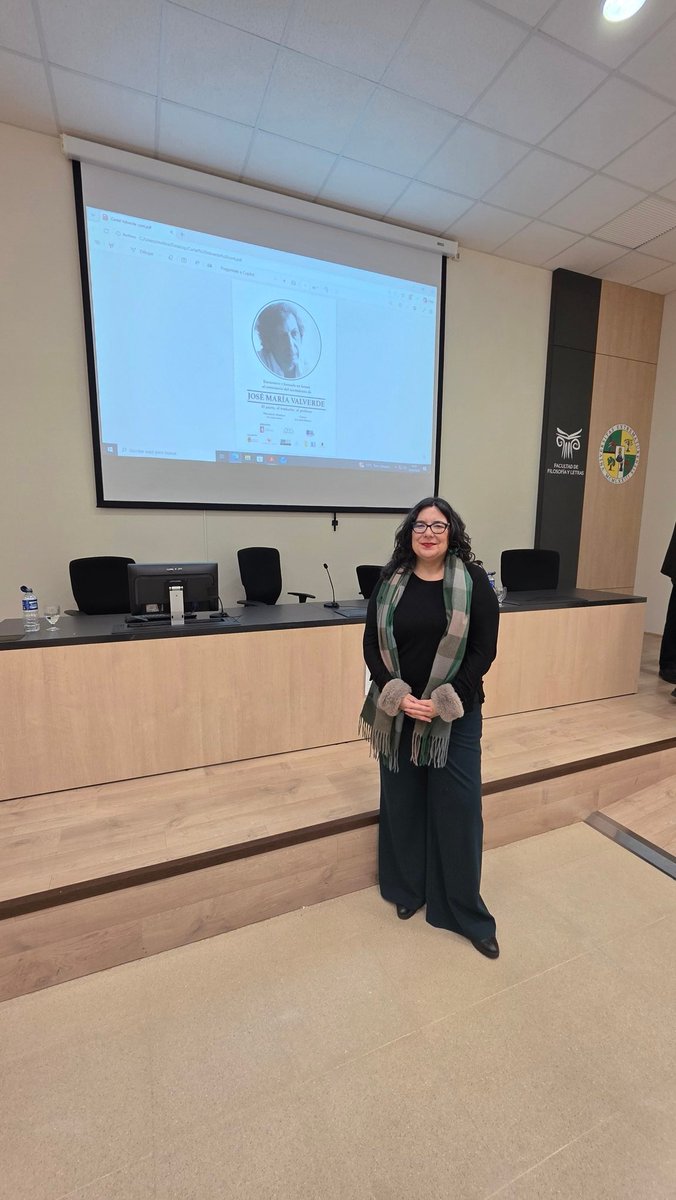
Muy agradecida a @conejeromagluis y Gabriel Moreno por la invitación a la Jornada dedicada a José M Valverde, en @infouex, en el centenario de su nacimiento. Disfruté mucho hablando sobre _Canta la hierba_, la traducción de la primera novela de #dorislessing
#encuentrovalverde
1
2
8
225

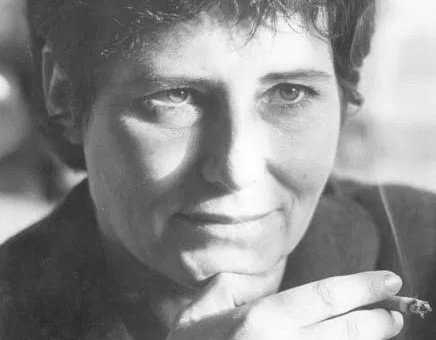
La #educación es fundamental “para liberar a la gente de lealtades ciegas, de la sumisión a eslóganes, a la retórica, a los líderes, a sentimientos grupales”.
Los valiosos cuadernos y aprendizajes de #DorisLessing wp.me/p2IeJF-7YG en @lecturass
2
13
25
424

Feb 11
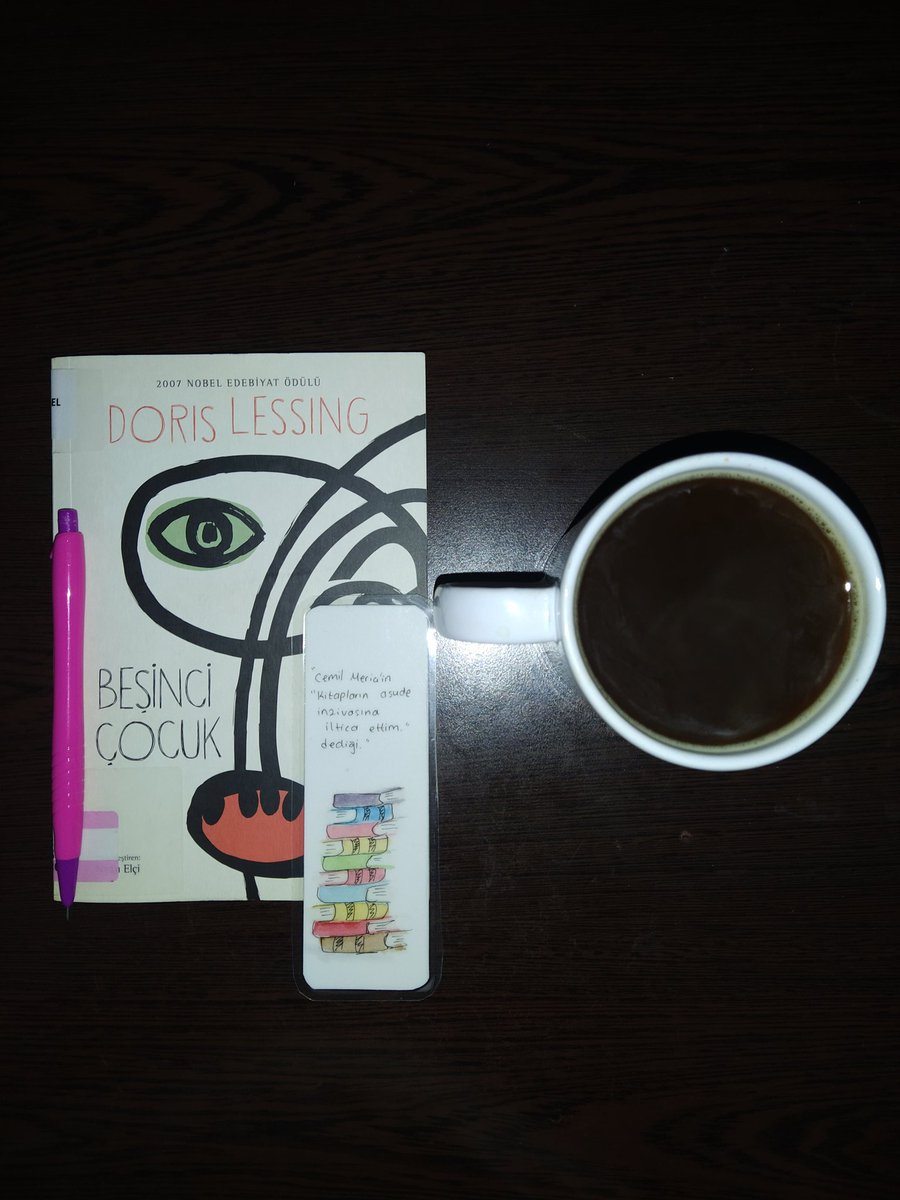
"Haddimizi bilmedik de onun için. Mutlu olabileceğimizi sandığımız için. Kendimiz karar verdik diye mutlu olabileceğimizi sandık.
#DorisLessing #BeşinciÇocuk #Okumakgüzeldir #KitapveKahve
1
29
236

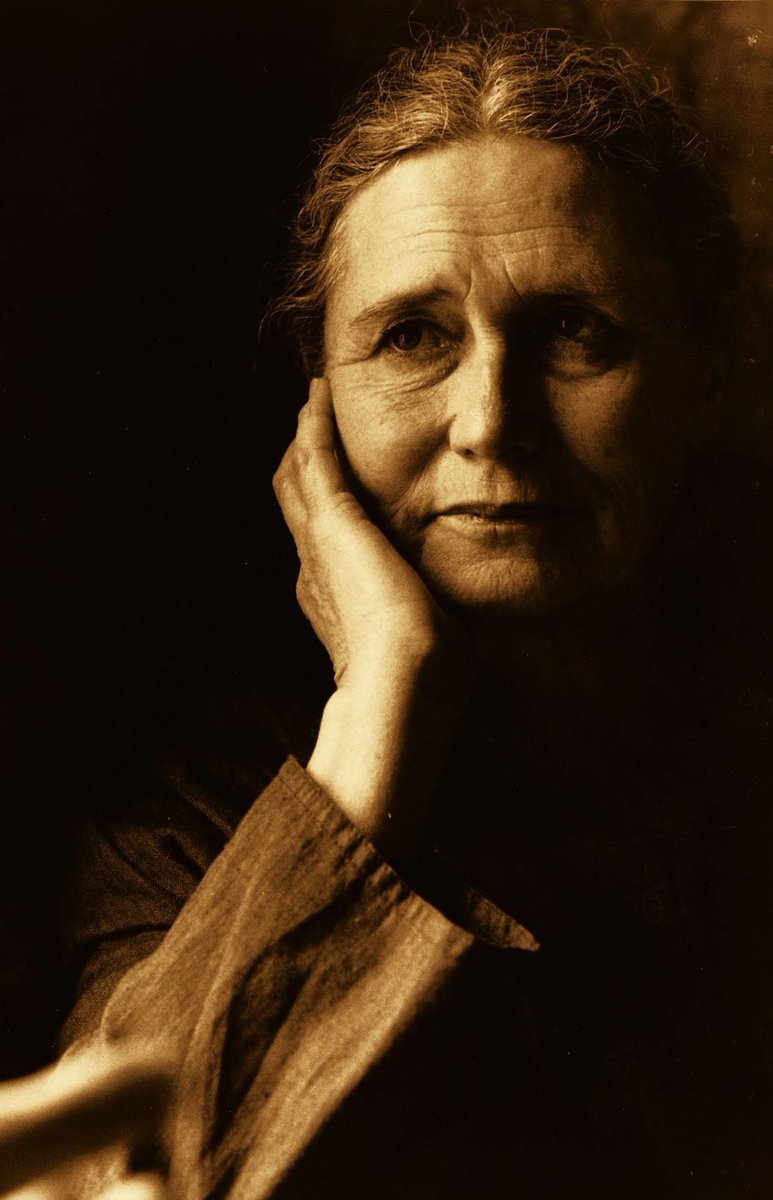
“A veces resulta difícil ver algo bueno o esperanzador en un mundo que cada vez parece más horroroso. Basta con oír las noticias para que una piense que está viviendo en un manicomio”.
#DorisLessing en uno de los ensayos de “Las cárceles que elegimos”.
lecturassumergidas.com/2018/…
1
5
5
265

Feb 6
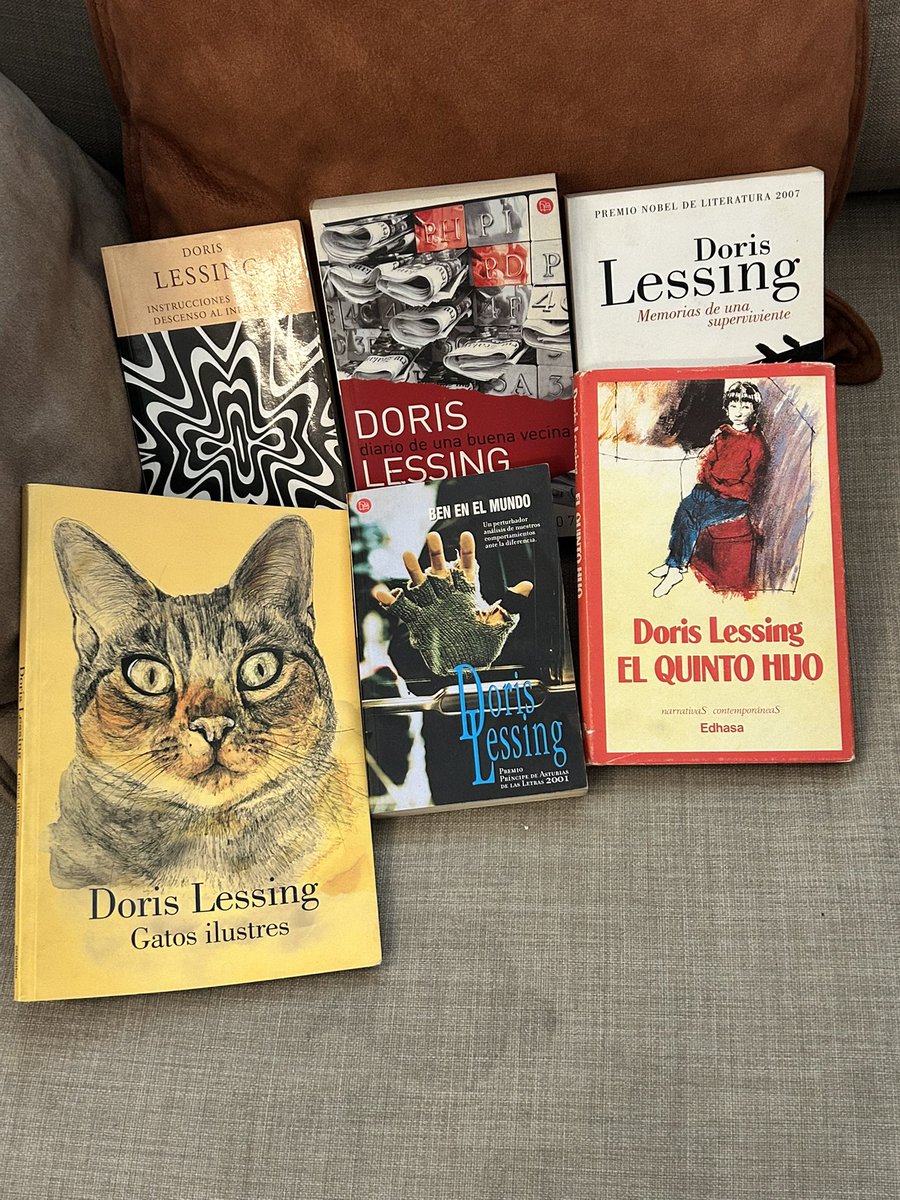
Fans de la enorme Doris Lessing: llegó al Pony una dotación de obras de la premio Nobel 2007: temáticas van del humor a la ciencia ficción, la filosofía, los gatos y el horror más visceral. Pueden irse en combo (les hacemos precio) o por separado. ¿Quién dijo yo? #dorislessing #Novela #Libro #elponydetroya
5
5
306

2
33
728



18 Nov 2025
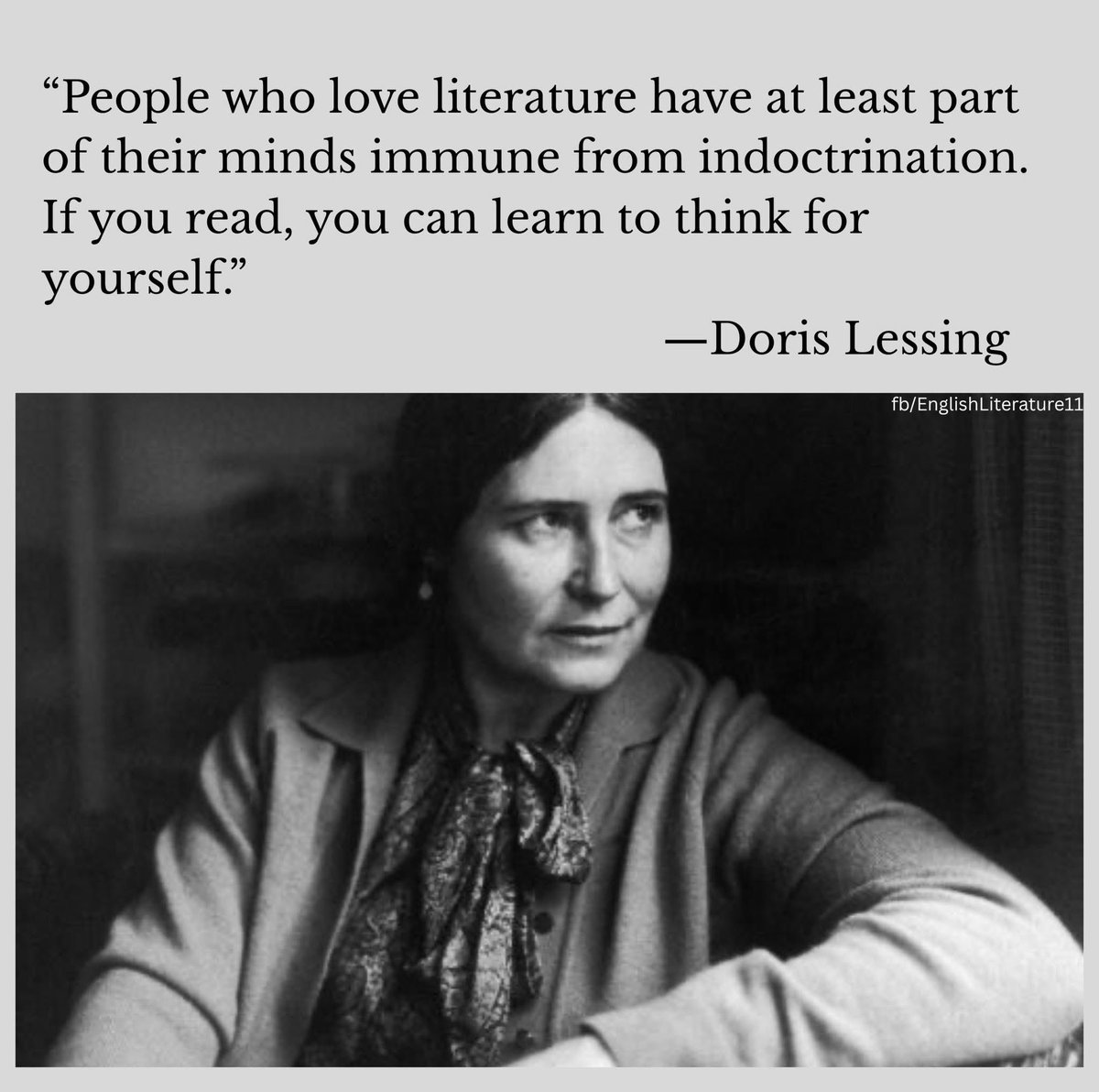
2007 Nobel Edebiyat Ödülü sahibi ve İngiliz edebiyatının en önemli yazarlarından Doris Lessing, 2013 yılında aramızdan ayrılmıştı.
''Yaşam, okunması gereken kitapları okumaya bile yetmiyor.''
#DorisLessing

3
45
18 Nov 2025
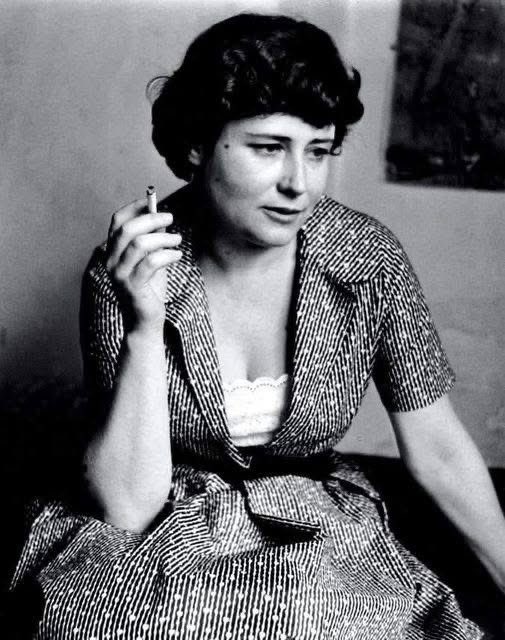
"Bütün hayatınız boyunca anladığınız bir şeyi ansızın başka türlü anlayıverirsiniz.
Buna öğrenmek denir işte."
#DorisLessing
2
42

17 Nov 2025
"Ai selvaggi veniva portata la civiltà, era così che loro
la vedevano, perché l'Impero britannico rappresentava
un vantaggio e un beneficio per il mondo intero."
#DorisLessing
#NobelPrize
#17novembre
2
39

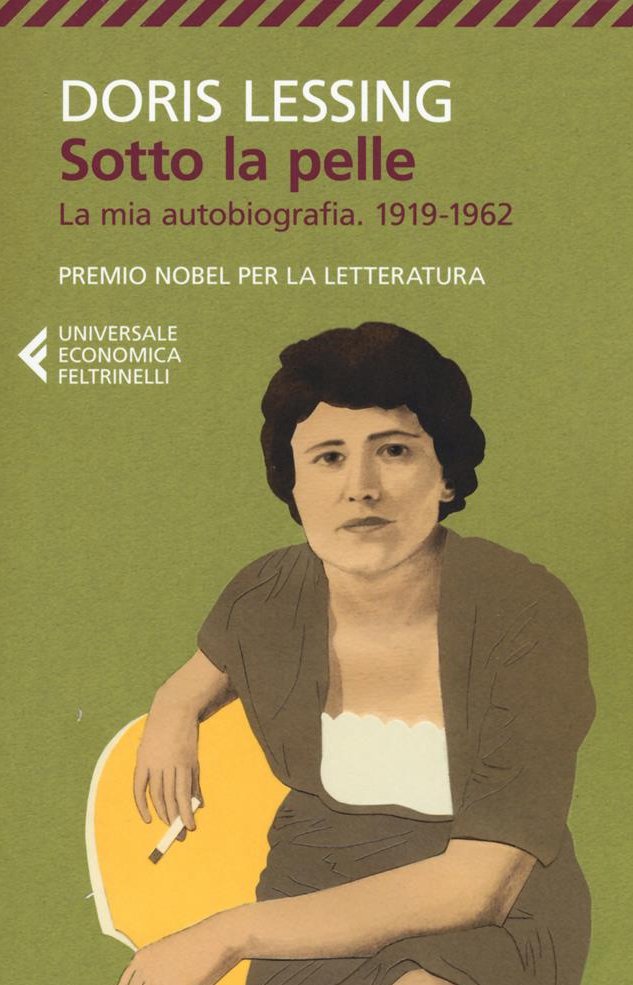
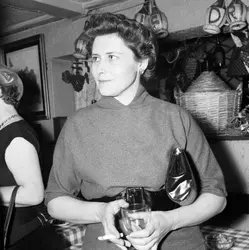
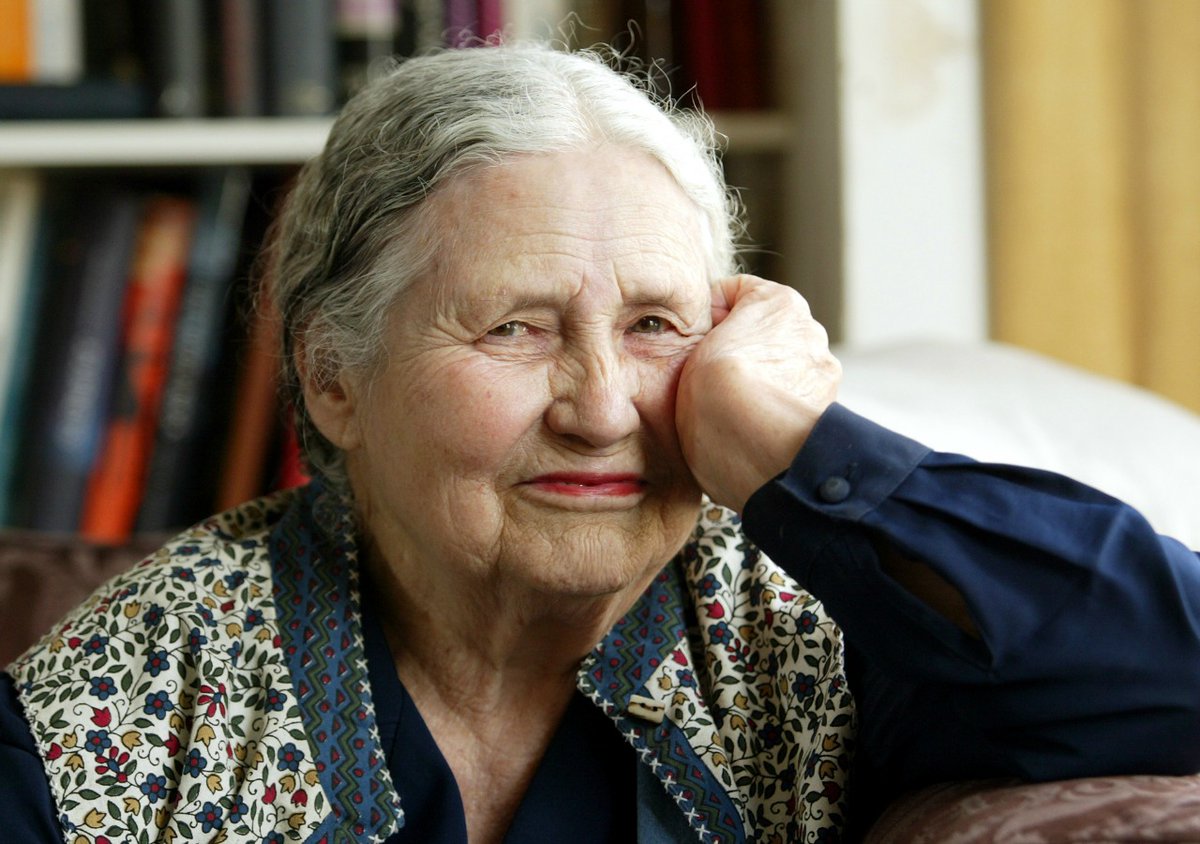
Il #17novembre 2013 moriva #DorisLessing. Fra le più grandi scrittrici del '900: anticipò temi come la donna in relazione a società, famiglia e politica; l’ingiustizia del sistema di potere politico dei bianchi. Nel '56 fu bandita da Zimbabwe e Sudafrica, dove tornò solo nel '95.
1
2
94

17 Nov 2025
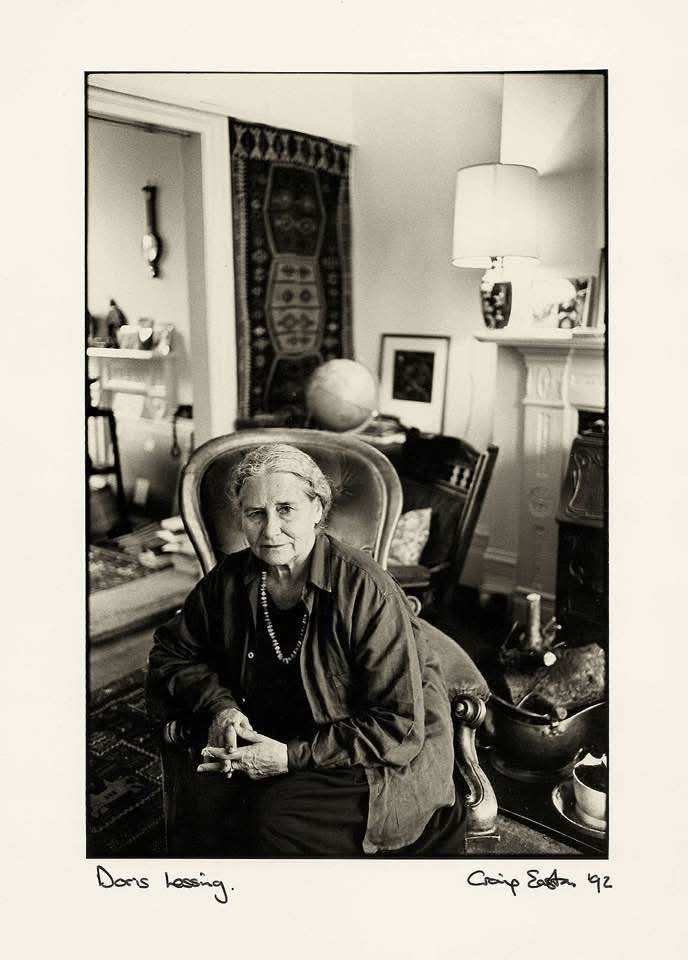
#DorisLessing 📚
#17novembre 2013 🥀
"Pensa
in modo sbagliato,
se vuoi,
ma in ogni caso
pensa
con la tua testa."
.
7
24
110
1,762

17 Nov 2025
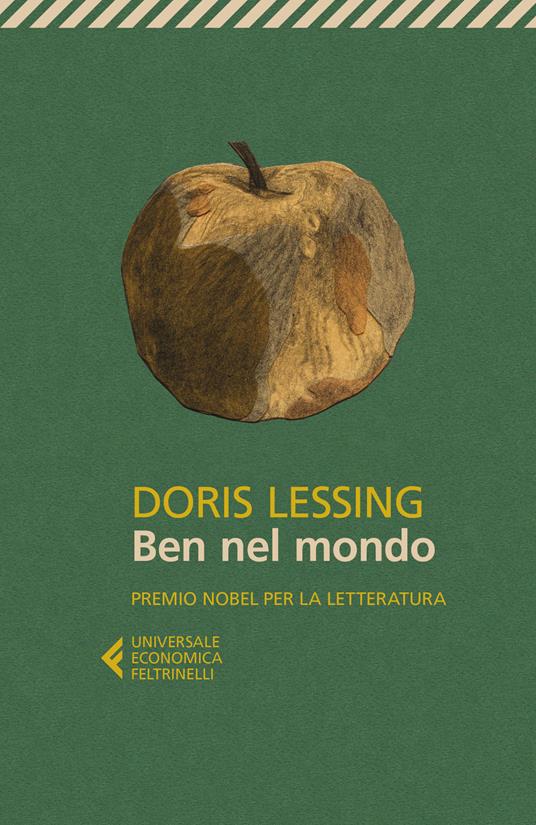
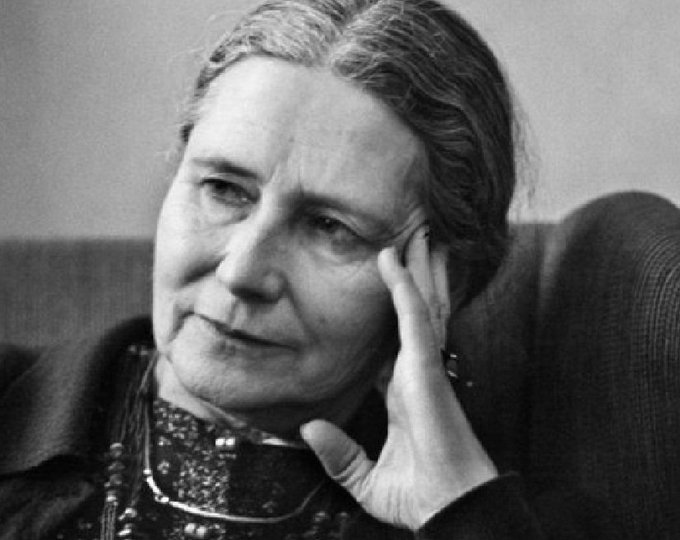
"...Ben, ma anche Teresa, devono sentirsi oppressi dal mondo ricco e intelligente in cui le persone potevano lanciarsi in aria sotto gli ombrelli e sentirsi al sicuro, perché le loro vite erano sempre state al sicuro".
Nel 2013 moriva #DorisLessing.
@feltrinellied
#17novembre.
14
42
2,443

17 Nov 2025
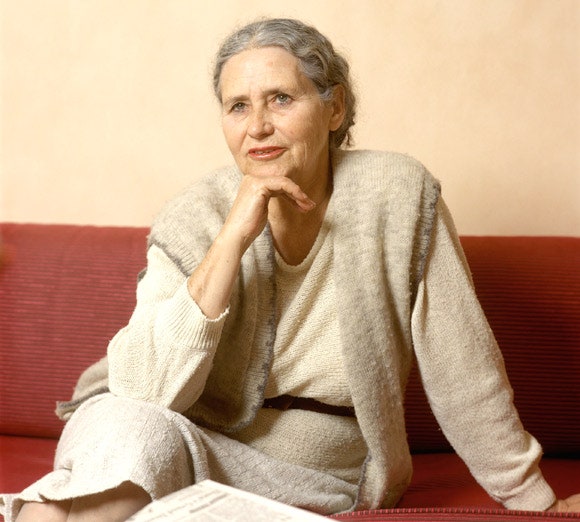
"Humanity's legacy of stories and storytelling is the most precious we have. All wisdom is in our stories and songs."
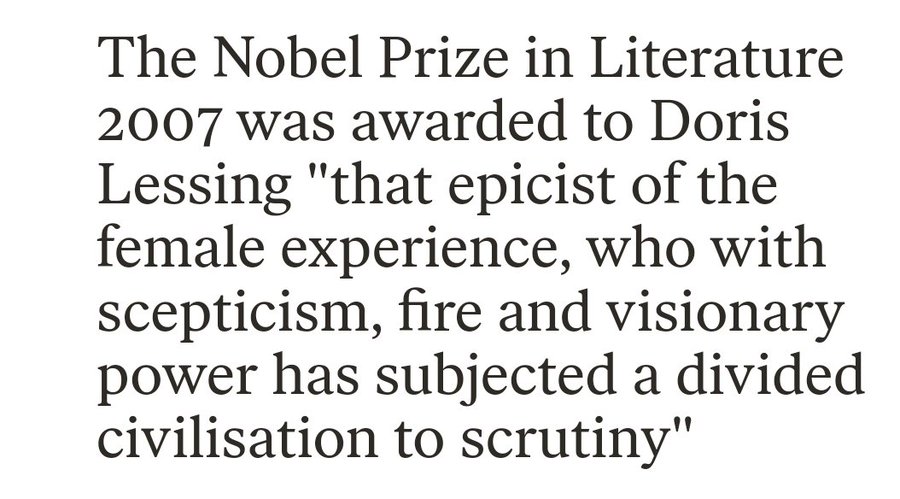
✒️ Remembering #DorisLessing, author and Nobel Laureate (2007), who #DOTD 17 Nov 2013.
Lessing's reaction to her Nobel win: ▶️youtu.be/vuBODHFBZ8k?si…]
2
5
145