
Check density EBMS 20% = 720 to 750 at 15 degree temperature
XP 100 EBMS 20 % = 760 to 770 at 15 degree temp
19
2,866
Ajitesh Shukla retweeted

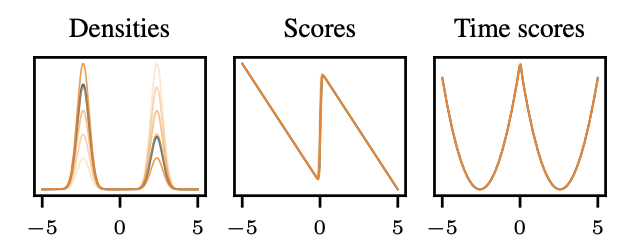
[🧵3/n] Training EBMs is hard, so most methods learn scores instead of densities. But scores are local: they miss global mass proportions. Here, orange densities change mode weights vs. the blue reference, yet score/time-score barely move. This is mode-weight blindness.
1
1
5
390

Jun 12
Fantastic work done in collaboration with @TonyRKOuYang during my visit at @CambridgeMLG. We reformulate learning energy-based diffusion models as solving a classification problem. EBMs are fundamental tools for model composition but also molecular applications.

Can we improve energy-based diffusion models by solving a classification task? 🤔
🚀 Excited to share DiffCLF, accepted at ICML 2026 🇰🇷! ! We predict a sample’s noise level, and recover densities as a by-product.
Joint work with @theh2o64 (co-lead) and @jmhernandez233. [🧵1/n]
1
8
526
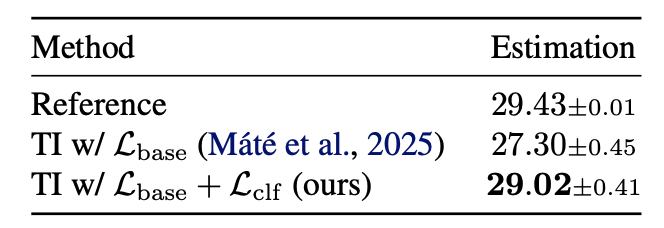
[🧵11/n] Finally, we train energy-based stochastic interpolants between all-atom alanine dipeptide in vacuum and implicit solvent. Using the learned EBMs in neural thermodynamic integration, DiffCLF improves solvation free-energy estimates.
1
1
1
409
[🧵6/n] We validate DiffCLF across several settings and applications: energy-based stochastic interpolants, inference-time composition, Boltzmann Generators, molecular sampling, and free-energy estimation.
✨Takeaway: learning better densities makes EBMs useful beyond generation
1
1
3
309

Jun 11
Building @metacognitionai , the cognition layer for AI agents and Emboided systems , working on EBMs and multiple verticals to bring the real human like cognition to AI
(Building with @PriGoistic and @venky1701 ) , wrote two papers , publishing at ICMNAI and ICACI
2
52

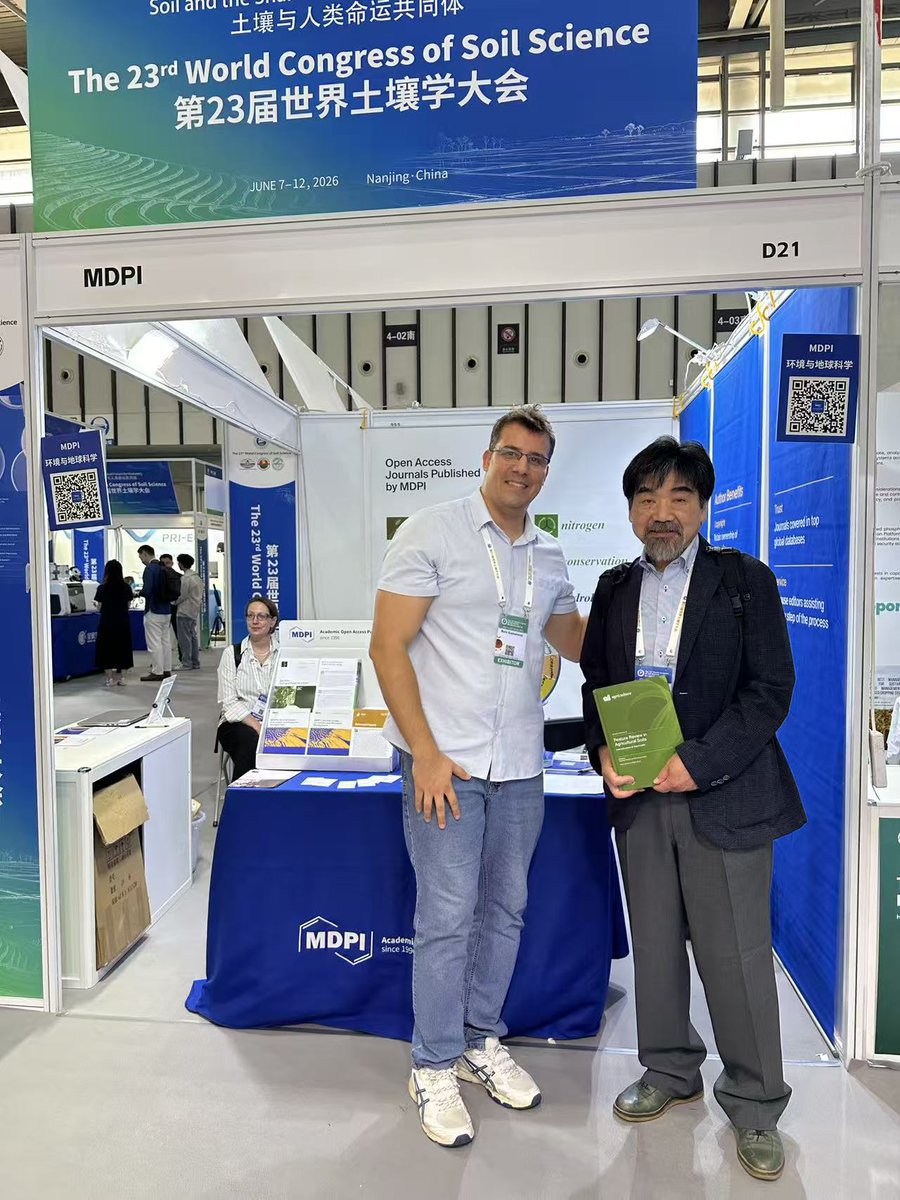
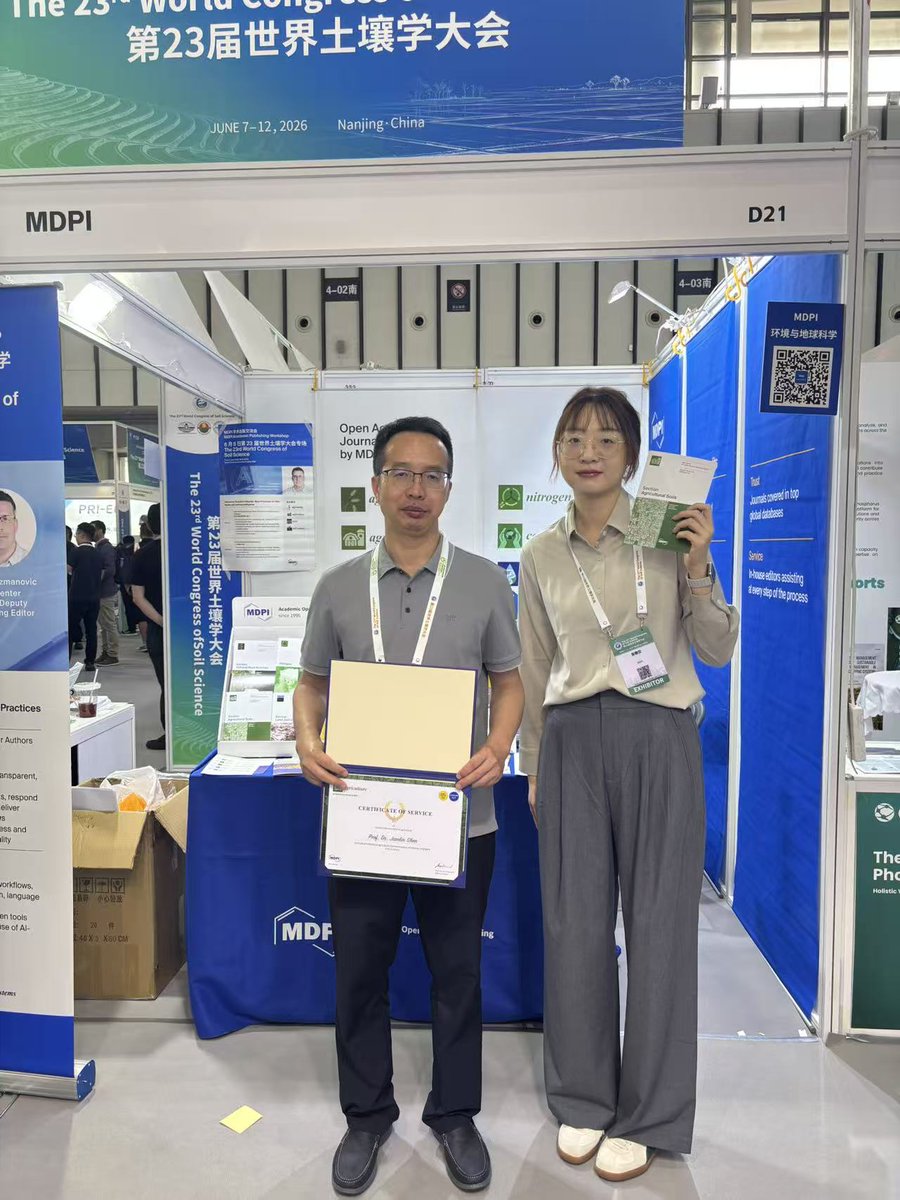
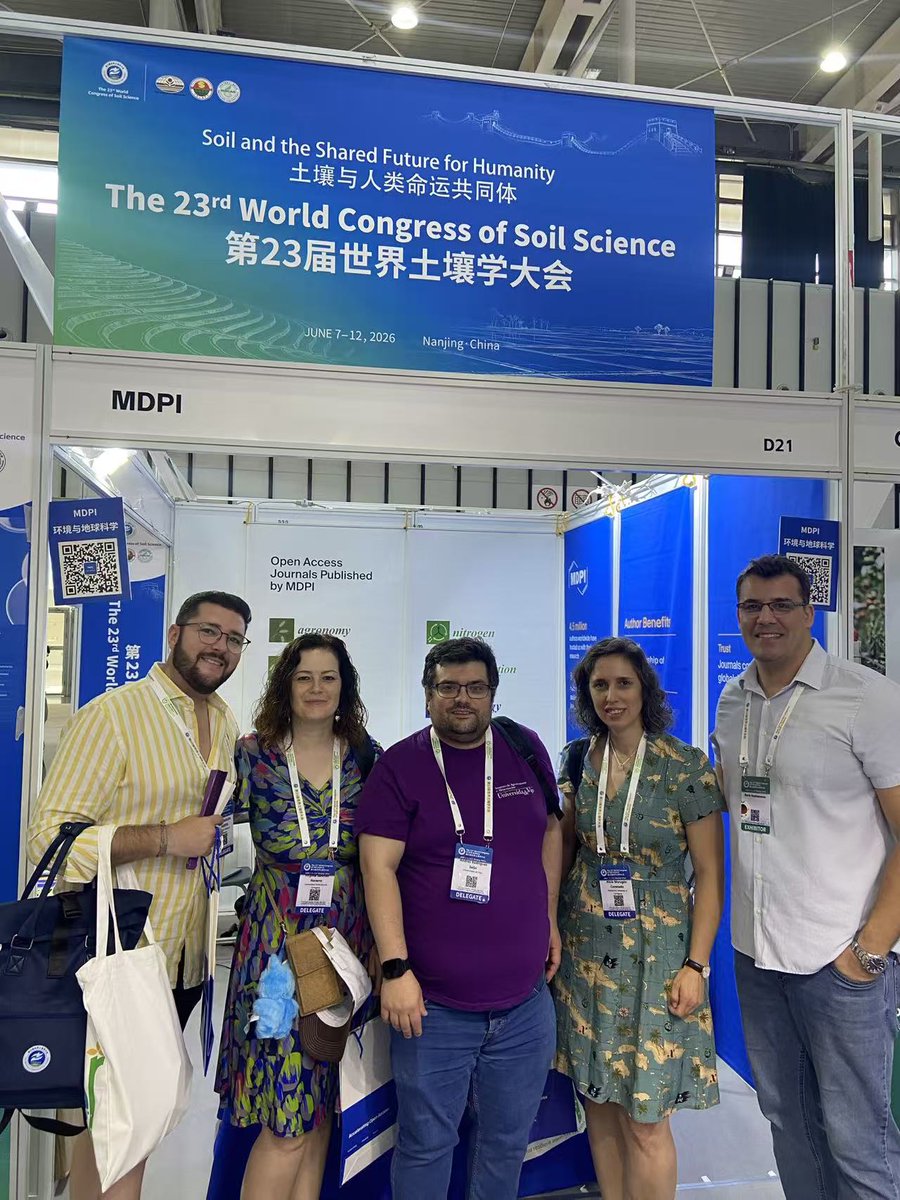
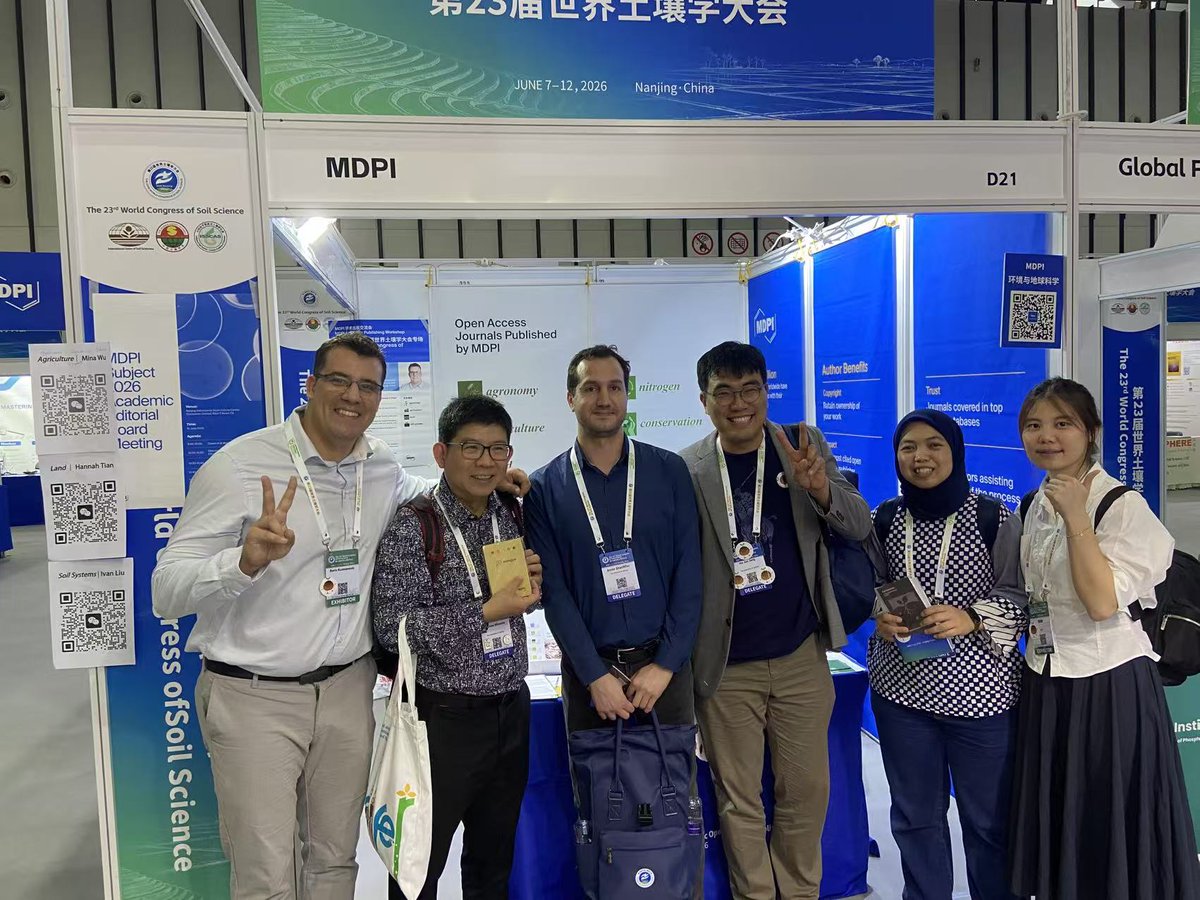
First two days at #WCSS2026! 🌍
Great conversations at our booth today with fellow soil scientists and several EBMs of @AgricultureMdpi. Thank you to everyone who stopped by. 💐
Visit us at #WCSS2026 booth #D21 👋
#SoilScience
1
62

Like for a broad and wiggly sense of the phrase, there are a bunch of categories of EBMs that might be doing "the same kind of thing" that parts of the brain are doing.
2
14

Mapping the Structural Bottlenecks of the AI Revolution | කෘතිම බුද්ධි විප්ලවයේ ඉදිරි ගමන අඩාල කරන ව්යුහාත්මක ගැටලු විශ්ලේෂණය
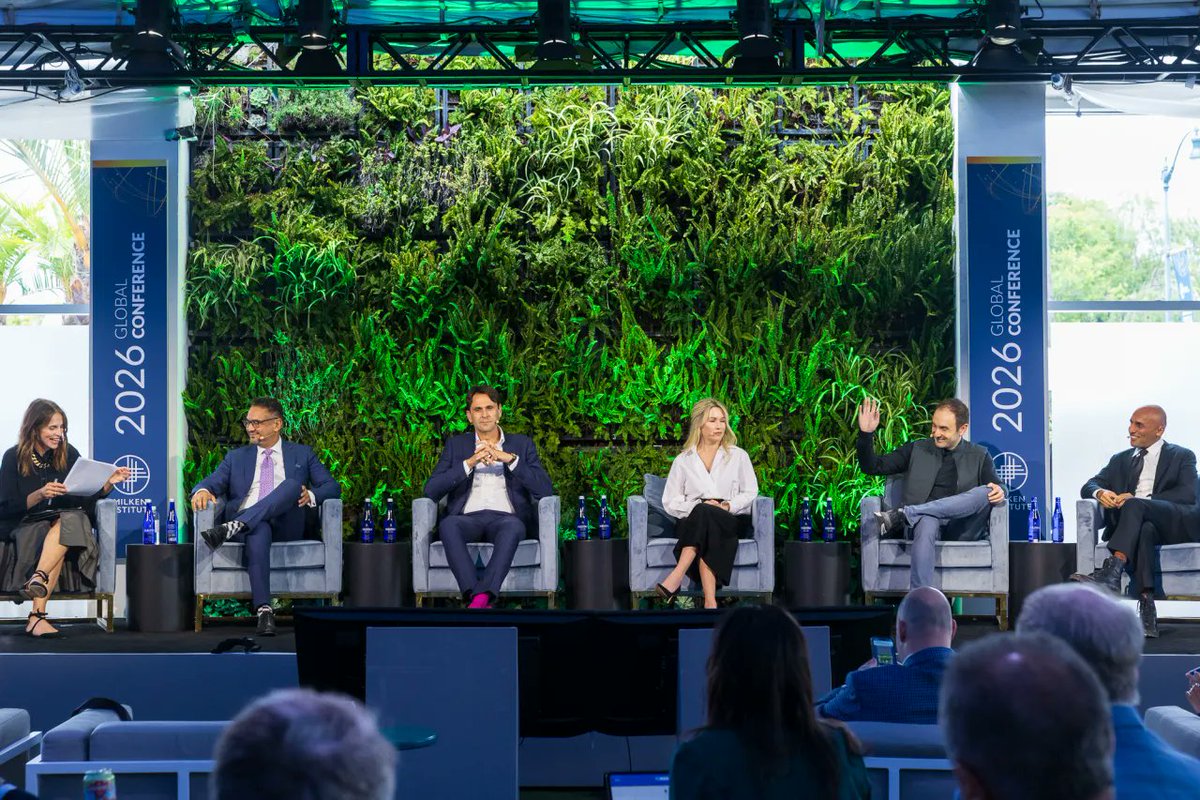
කෘත්රිම බුද්ධි (AI) සැපයුම් දාමයේ සෑම ස්තරයකටම සක්රීයව දායක වන ප්රමුඛ පෙළේ පුද්ගලයින් පස්දෙනෙකු බෙවර්ලි හිල්ස් හි පැවැති 'මිල්කන් ආයතනික ගෝලීය සමුළුවේදී' (Milken Institute Global Conference) විශේෂ සාකච්ඡාවකට එක්වුනා.
එහිදී ඔවුහු චිප් හිඟය (chip shortages), කක්ෂීය දත්ත මධ්යස්ථාන (orbital data centers) මෙන්ම මෙම තාක්ෂණයේ පදනම වී ඇති සමස්ත ව්යුහයම දෝෂසහගත විය හැකි බවට පවතින සම්භාවිතාව ඇතුළු පුළුල් පරාසයක කරුණු රැසක් පිළිබඳව අදහස් පලකලා
සංවාද මණ්ඩපය ක්ෂේත්රයේ දැවැන්තයින් පස්දෙනෙකුගෙන් සමන්විත වුනා.
1⃣ASML සමාගමේ ප්රධාන විධායක නිලධාරී (CEO) ක්රිස්ටොෆ් ෆොකෙට්;
2⃣Google Cloud හි ප්රධාන මෙහෙයුම් නිලධාරී (COO) ෆ්රැන්සිස් ඩිසූසා;
3⃣Applied Intuition හි සම-නිර්මාතෘ සහ ප්රධාන විධායක නිලධාරී කසර් යූනිස්;
4⃣Perplexity හි ප්රධාන ව්යාපාරික නිලධාරී දිමිත්රි ෂෙවෙලෙන්කෝ මෙන්ම,
5⃣Logical Intelligence' නමින් නව ව්යාපාරයක් (startup) ඇරඹූ ක්වොන්ටම් භෞතික විද්යාඥ ඊව් බොඩ්නියා ද වූහ.
ඔවුන් ඉදිරිපත් කල අදහස් වල සංශිප්තයක් පහත දැක්වෙනවා.
🔵චිප් සැපයුම් අර්බුදය: ඉදිරි වසර දෙකත් පහත් අතර කාලයේදී ලෝක වෙළඳපොළේ දියුණු අර්ධ සන්නායක සැපයුම සීමාකාරී වනු ඇතැයි ගණන් බලා ඇත. එහි ප්රතිඵලයක් ලෙස, ලොව දැවැන්තම ක්ලවුඩ් සහ දත්ත සේවා සපයන තාක්ෂණික සමාගම්වලට (hyperscalers) වුවද තමන්ට අවශ්ය සම්පූර්ණ චිප් ප්රමාණය සපුරා ගැනීමට නොහැකි වනු ඇත.
🔵ප්රායෝගික ලෝකයේ දත්ත සීමාවන්: ස්වයංක්රීය වාහන හෝ ඩ්රෝන තාක්ෂණය වැනි සැබෑ ලෝකය තුළ ක්රියාත්මක වන AI පද්ධති පුහුණු කිරීම සඳහා කෘතිමව නිර්මාණය කරන දත්ත ආකෘති (simulations) පමණක් ප්රමාණවත් නොවේ. මෙහිදී සැබෑ ලෝකයේ ප්රායෝගික දත්ත සපයා ගැනීමේ සීමාවන් විශාල අවහිරතාවක් මතු කරන අතර, එය හුදු පරිගණක ශක්තිය (computing power) ඉහළ නැංවීමෙන් පමණක් පහසුවෙන් ජයගත හැකි අර්බුදයක් නොවේ.
🔵බලශක්ති සහ තාප කළමනාකරණ අභියෝගය: චිප් සැපයුම් සීමාවන්ට පිටුපසින් ඇති දැවැන්තම බාධකය වන්නේ බලශක්ති අර්බුදයයි. මේ සඳහා විසඳුම් ලෙස, සුර්ය ශක්තිය වැනි අසීමිත බලශක්ති ප්රභවයන් වෙත ළඟාවීම සඳහා අභ්යවකාශය තුළ දත්ත මධ්යස්ථාන ඉදිකිරීමේ හැකියාව පවා සමාගම් විසින් ගවේෂණය කරමින් පවතී. නමුත්, වායුගෝලයක් නොමැති රික්ත අවකාශයකදී උත්පාදනය වන අධික තාපය විකිරණ ක්රියාවලිය හරහා පමණක් පිටකර හැරීමට සිදුවීම, මෙහි ඇති අතිශය සංකීර්ණ සහ දුෂ්කර ඉංජිනේරුමය අභියෝගයයි.
🔵මූල්ය තිරසාරභාවය සහ ඵලදායීතාව: තාක්ෂණික පද්ධති සඳහා වැයවන පරිගණක ශක්තිය හා බලශක්ති පිරිවැය ඉහළ යාමත් සමඟ, සමස්ත කර්මාන්තයම දැන් ඒකාබද්ධ සම-ඉංජිනේරුකරණ ප්රවේශයක් වෙත මාරු වෙමින් පවතී. ඒ අනුව, වැයවන බලශක්ති ඒකකයකට ලැබෙන කාර්යක්ෂමතාව (flops per watt) උපරිම කිරීමටත්, මේ සඳහා යන මහා පරිමාණ ප්රාග්ධන වියදම් පාලනය කරගැනීමටත්, විශේෂිත චිප්ස් සහ අදාළ මෘදුකාංග ආකෘති එකිනෙකාට අනුපූරක වන ලෙස එකටම සැලසුම් කිරීම (co-designing) වර්තමානයේ අත්යවශ්ය වී තිබේ.
🔵LLM තාක්ෂණයේ වර්ධනීය සීමාවන්: පවතින විශාල භාෂා ආකෘති තවදුරටත් ප්රමාණයෙන් විශාල කිරීමෙන් පමණක් බුද්ධිමත් පද්ධති නිර්මාණය කළ හැකිද යන ප්රශ්නය දැන් කර්මාන්තය තුළ මතු වී තිබේ. මේ හේතුවෙන්, දත්ත පෙළක ඊළඟ කොටස අනුමාන කරන සාම්ප්රදායික රටාවෙන් මිදී, භෞතික ලෝකයේ යථාර්ථයන් සහ රීතීන් ග්රහණය කරගත හැකි 'බලශක්ති පාදක ආකෘති' (EBMs) සංවර්ධනය කිරීමට පර්යේෂකයෝ දැන් පෙළඹෙමින් සිටිති.
🔵ආරක්ෂණ සහ පාලන අභියෝගය: හුදු තොරතුරු ගවේෂණයෙන් ඔබ්බට ගොස් ස්වාධීනව තීරණ ගනිමින් වැඩ කළ හැකි 'ඩිජිටල් නියෝජිතයන්' (AI agents) බවට AI තාක්ෂණය පත්වෙමින් තිබේ. මේ සමඟ ආයතනික රහස්යභාවය සහ ආරක්ෂාව සුරැකීම සඳහා නව ප්රවේශයන් අවශ්ය වේ. එහිදී පද්ධතියේ ක්රියාකාරිත්වය ස්ථර වශයෙන් පාලනය කිරීම (granular control) සහ අවසාන තීරණ සඳහා මිනිස් මැදිහත්වීම හා අනුමැතිය (human-in-the-loop) ලබාගැනීමේ ක්රමවේදයන් ස්ථාපිත කිරීම ආයතනික ආරක්ෂාව වෙනුවෙන් අද වන විට අතිශය තීරණාත්මක වී ඇත.
🔵භූ-දේශපාලනය සහ ජාතික ආරක්ෂාව: මෘදුකාංග මට්ටමේ පවතින AI මෙවලම්වලට වඩා, භෞතිකව ක්රියාත්මක වන ස්වයංක්රීය රොබෝ රථ හෝ යුදමය ඩ්රෝන වැනි AI පද්ධති වර්තමානයේ ලෝක දේශපාලනය තුළ සංකීර්ණ ස්වෛරීත්ව ගැටලු නිර්මාණය කර තිබේ. වෙනත් රටක තාක්ෂණික පාලනයට යටත් වූ මෙවැනි ස්වාධීන පද්ධති තමන්ගේ භූමිය තුළ හැසිරීමට ඉඩ දීම ජාතික ආරක්ෂාවට තර්ජනයක් ලෙස රටවල් දකින බැවින්, මේ පිළිබඳ ජාත්යන්තර මට්ටමේ දැඩි සීමා කිරීම් සහ ප්රතිපත්තිමය ගැටුම් වර්ධනය වෙමින් පවතී.
🔵තාක්ෂණික දෘඩාංග සහ ලෝක දේශපාලනය: වර්තමානයේ AI ක්ෂේත්රයේ බලතුලනය තීරණය වන්නේ මෘදුකාංගවලට වඩා මූලික මට්ටමේ දෘඩාංග නිෂ්පාදන හැකියාව මතයි. මෙයට හොඳම නිදසුන චීනයයි; ලොව දියුණුම චිප්ස් නිෂ්පාදනය සඳහා අත්යවශ්ය වන 'EUV ලිතෝග්රැෆි' තාක්ෂණයට ප්රවේශ වීමට චීනයට පනවා ඇති භූ-දේශපාලනික සීමාවන් හේතුවෙන්, එරට සමස්ත AI තාක්ෂණික පිම්ම මේ වන විට මන්දගාමී වී තිබේ.
🔵මානව ශ්රමය සහ AI පරිණාමය: කෘතිම බුද්ධියේ ආගමනය මිනිසාගේ සහජ බුද්ධිය සහ ස්වාධීන චින්තන ශක්තිය අඩපණ කරනු ඇතැයි යන බිය සමාජය තුළ පවතින බව සැබෑවකි. එහෙත්, මෙහි කාසියේ අනෙක් පැත්ත වන්නේ භෞතික ශ්රමය ඉල්ලා සිටින බරපතළ කර්මාන්තයන් මුහුණ දෙන දැවැන්ත ශ්රම අර්බුදයට AI හරහා ලැබෙන විසඳුමයි. මිනිසුන් සේවය කිරීමට මැලිවන කෘෂිකර්මාන්තය, පතල් ක්ෂේත්රය මෙන්ම දිගුදුර බර වාහන ධාවනය වැනි වෙහෙසකර රැකියාවල පවතින දරුණු ශ්රම හිඟය පියවා ගැනීමට, ස්වයංක්රීය AI පද්ධති භාවිතය වර්තමානයේ අත්යවශ්ය මෙන්ම ප්රායෝගික උපායමාර්ගයක් බවට පත්ව ඇත.
13

what if there's a breakthrough that makes AI as efficient as a human brain.
it could be energy based models EBMs or something else, but it's not far fetched to say the power generation limits may not be the bottleneck after all
109

I read the accessible arXiv HTML version.
Mode used: Paper Collision
Collision verdict: Partial collision
Failure tags: Descriptor Drift, Source Floor Risk, Pedagogical Overreach
What it is really doing:
It is not a research paper making a new technical claim. It is a compact mathematical primer that tries to connect PCA, PPCA, VAEs, diffusion, score models, flows, autoregressive models, GANs, WGANs, and energy-based models into one derivation-oriented path.
Strongest pressure point:
The book’s best move is sequencing. It starts with PCA and autoencoders, then uses probabilistic PCA as the bridge into latent-variable generative modelling, then ELBO/EM/variational inference, then VAEs, diffusion, score-based models, flows, GANs, and EBMs. That path is coherent.
Weakest pressure point:
The title promises “foundations,” but the book is selective rather than foundational in the full sense. It is strong on probabilistic/latent-variable/diffusion continuity, but less obviously foundational for today’s LLM-centered generative AI unless the autoregressive chapter carries more weight than the outline suggests.
Strongest revision direction:
It should state its boundary more sharply: this is a mathematical primer on major generative-model families, not a complete foundation for all generative AI. That would make the promise more defensible.
Verdict: useful pedagogical compression, not deep theoretical collision. Its value depends on clarity of derivation, not novelty.
1
794

May 31
Jepa and EBMs are about to make a wave in robotics outside Yan Lecunns lab
1
3
406

Even petrol pump owners themselves don't know what ethanol adulteration percentage is sent to them from OMCs depots and terminals @BPCLimited @HPCL @IndianOilcl , as it's a secret by @PetroleumMin and @MORTHIndia .
Invoice just says EBMS ETHANOL BLENDED MOTOR SPIRIT, NO %
2
209

May 29
And suddenly the world is now all about Recusive Learning systems..
Some are building Recursive Improvement Agents... some are using it for finding new information and stuffs.. and scaling it to startups.
SEALs and RLS are like ~4 years old architectures now and recent RLMs are just an recusive layer over existing MHTs.
I personally worked on the exact same field for more than a year or two.
Self Improving Architecture for Scientific Discovery based on Neuro- Symbolic Agents.
I build some architecture over RLS and Syllabus based learning over deepseek-math-7b abstract, quantised and reset its model weights and used the abstract learning dataset from @GoogleDeepMind
and build an RLHF pipeline over it.
Performance was on par with exisitinf Llama-7b and even gpt- o3 models but the issue was scaling, i built the architecture over energy landscapes and scaling EBMs is something still i struggle with alot coz im clueless how to do it.
And the dynamics of the model sustains on my architecture coz of the whole energy simulation and covergence principles.
These principles allowed generation of new data from exisiting input datas and hence a syllabus based learning.
But i knew in prod this wont work out and it didnt, bigger prompts and context window was a problem and many times it too way longer to reply on simple queries than even poorer models.
The outcome was simple:
- Simple tasks are faster on single pass than recursive approach.
- Works well on mathematical queries but struggled with language ( as a wrote a custom HMTT tokeniser )
- High Hallucination feeding issue, its like a vicious cycle if you dont have a proper Prediction Directing system.
and the biggest being scaling, i tried it on Qwen30B but didnt workout, maybe it was an architectural problem but i didnt go ahead with it.
The outcomes
- wrote 5 papers on self learning engines.
- RLS on prod is way far than today and RLS IS NOT CONTINUAL LEARNING.
here's the opensource codebase:
github.com/prigoistic/ananta…
1
2
3
148

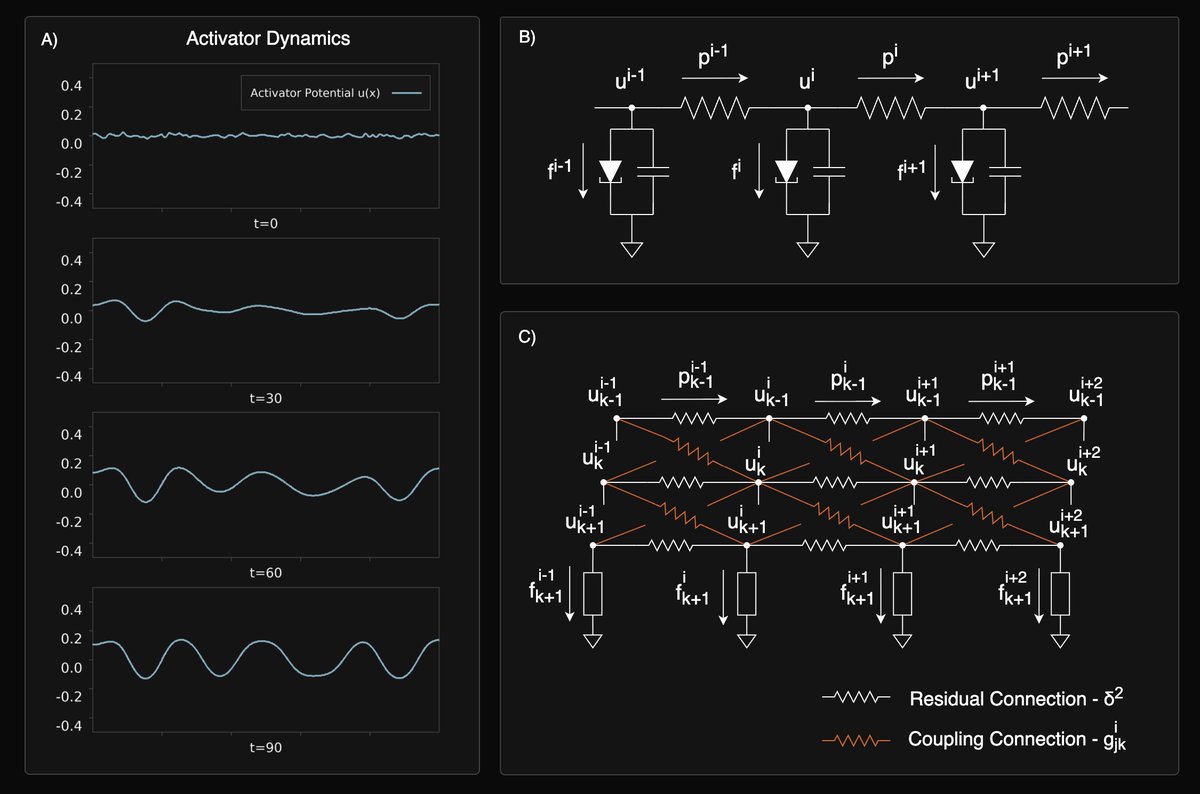
@juliarturc Hope you have time for a video about EBMs. Top-researcher find this to be very promising.
2
19


May 22
I’m buying @beffjezos ‘s Extropic chip the first chance I’m offered.
If you want to do AI in the most similar way you can to the human cortex, thermocompute running EBMs is the closest match.
Possible that some neuromorphic architectures could but the current arch isn’t it.
2
23
2,209

May 22
x.com/i/status/2057665860668… I guess this is also another one. Should I link this thread back to HRM ? Since arxiv.org/abs/2601.10679 seem to be a linking point but I fundamentally group EqR with hopfield/DEQ/EBMs while HRM/TRM more so with RNNs/UT or looped transformer
May 22

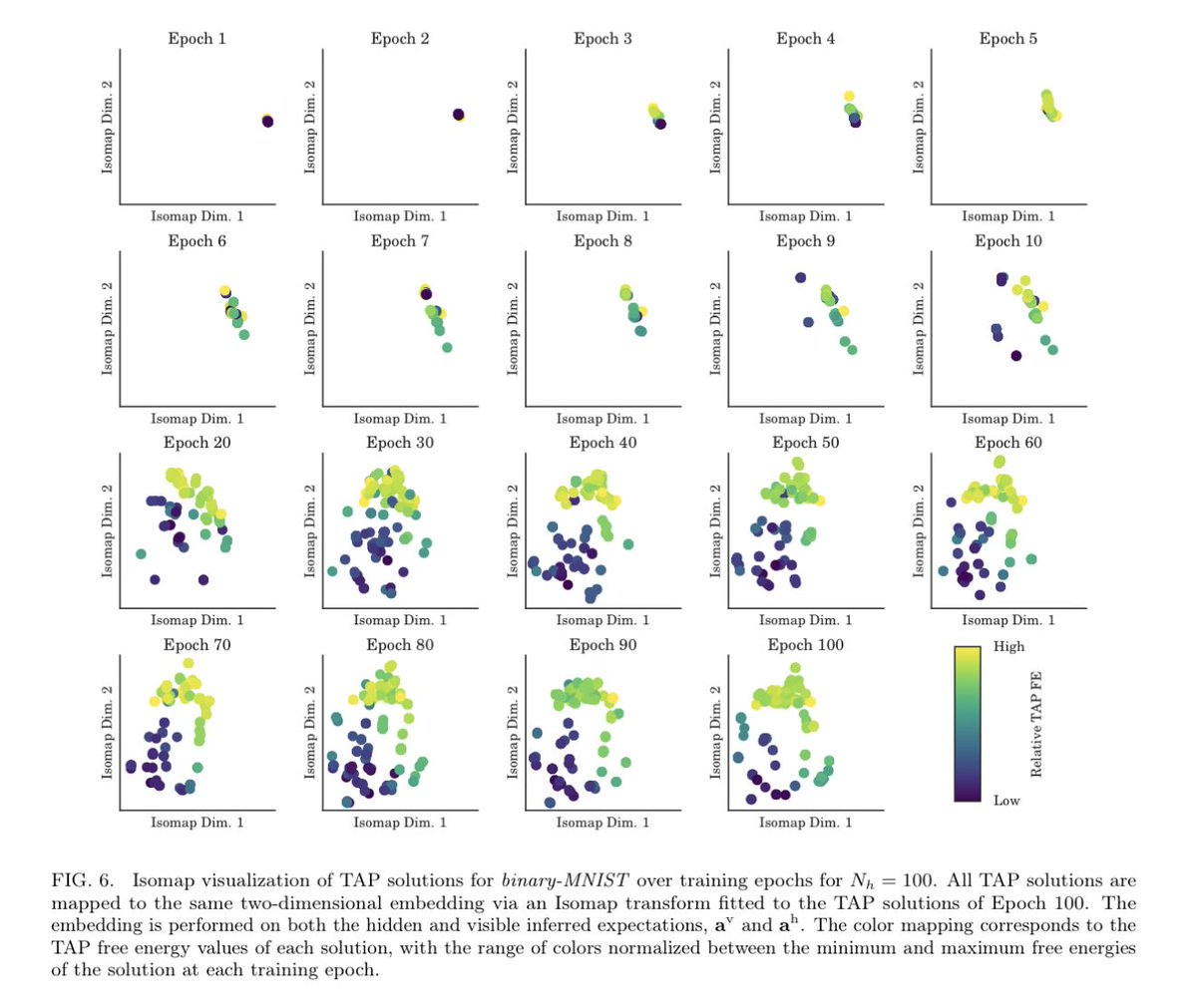
reminds me of TAP solutions in the approximate free energy for RBMs… iterate and find solutions.
but then again everything in the timeline is reminding me of iterated inference on neural machines these days. it was so beautiful when it worked…
1
1
2
194
May 22
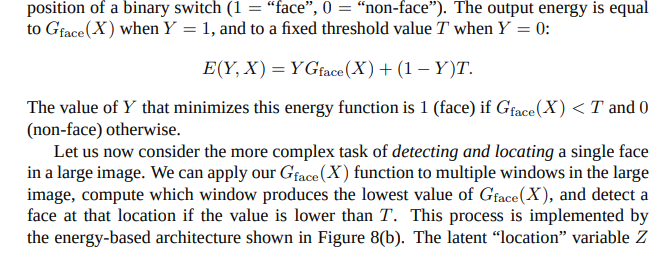
deep resemblance to EBMs from LeCun's EBMs lectures cs.nyu.edu/~sumit/publicatio… I wonder if it had any connection to MCMC/Langevin EBMs. Maybe it's all just implicit EBMs all the way down for optimal reasoning model but I might be schizoing too much now

2
1
8
1,424