
Jun 11
Excellent talk by @Xueyan_He on stress physiology in colorectal cancer. Fascinating insight into how glucocorticoids activate enteric glia cells (EGCs) to dysregulate the Wnt pathway, driving stem cell hyper-proliferation and CRC initiation. A stellar example of how treating cancer requires a whole-body physiological framework.
Jun 8

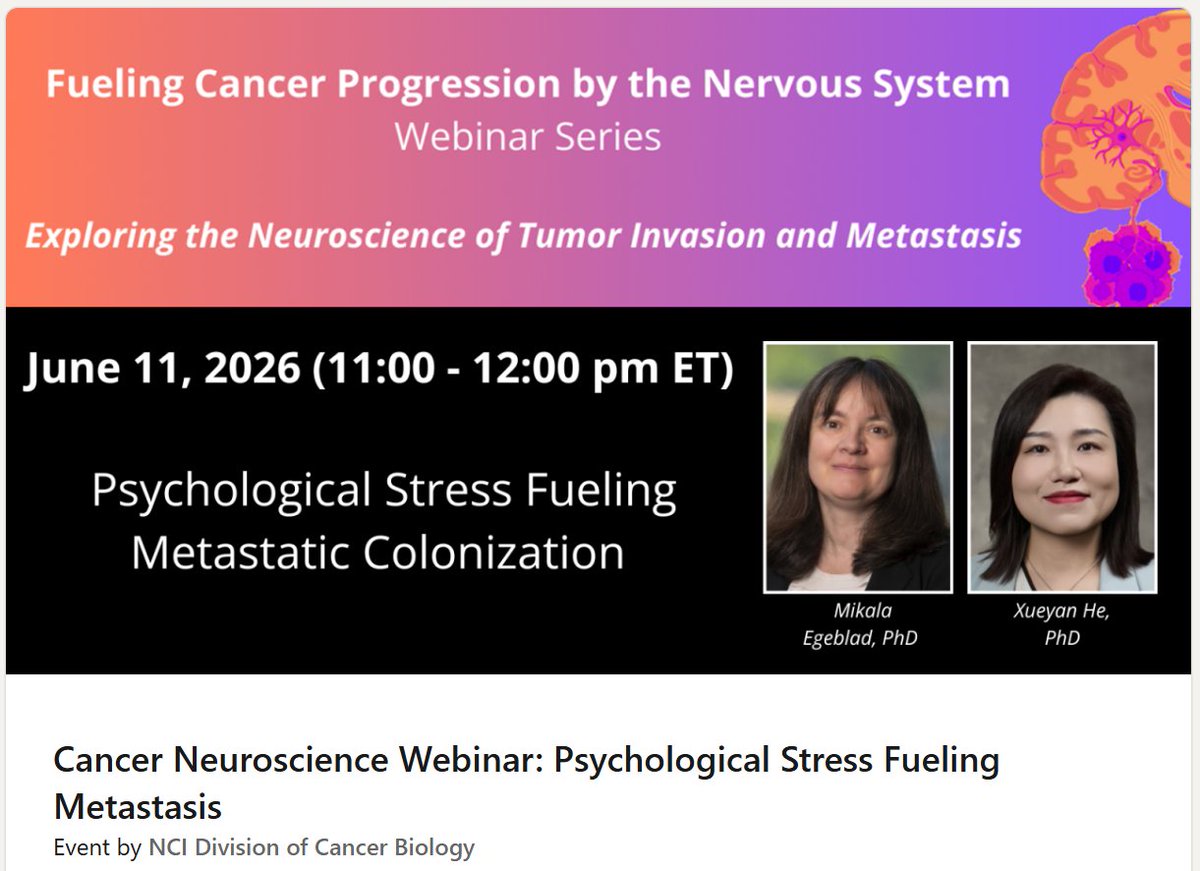
On June 11 from 11:00 – 12:00 pm ET, @megeblad & I will discuss how psychological stress drives #metastasis during a Fueling Cancer Progression by the Nervous System Webinar. Looking forward to seeing you online! 👇👇
events.cancer.gov/dcb/neuros… #NCICancerNeuroscience
@SitemanCenter
1
32

Jun 4
From the DeepDraft Archive: EGCS compliance under MARPOL Annex VI remains an operational, engineering, and documentation responsibility at sea.
thedeepdraft.com/2025/09/18/…
2
25

May 27
The Engineers Who Said No
[I loved this interview that @lexfridman did with @jean_kempf48856 and @kierank_ . Tons of great nuggets for founders and operators. I'm enclosing an executive summary below]
Jean-Baptiste Kempf (President of VideoLAN, creator of VLC) and Kieran Kunhya (FFmpeg developer), interviewed by Lex Fridman (Lex Fridman Podcast #496, May 6, 2026)
Summary: Two of the people who built the open source video stack that runs Netflix, YouTube, Chrome, OBS, Discord, and basically every video you have ever watched sit down to explain why they refused tens of millions of dollars to keep VLC clean, why "we don't care if you're a dog" is the most important rule in their community, and why public shaming on X is the only escalation channel volunteers have against trillion-dollar companies. The result is the strongest case yet that the internet's most critical infrastructure rests on a few dozen people whose primary skill is saying no.
1. The 5-Person Bottom Layer. Five core developers maintain VLC. Ten to fifteen maintain FFmpeg, which ships inside YouTube, Netflix, Chrome, Discord, OBS, and most smart TVs. Kempf puts the retention math plainly: a thousand contributors land patches over a project's lifetime, and ten stay. People change jobs, have children, get into accidents, drift away, and the runtime of civilization's video pipeline rests on whoever does not drift.
2. Maybe You're a Dog. The community has one rule for accepting contributions: is your code good. Kempf repeats it twice in the episode, almost verbatim: "Maybe you're a dog. I don't care." The patch is the only signal that counts. Teenagers have written more lines of assembly in FFmpeg than Google engineers, and the project shipped at that quality because the maintainers refused to let any other criterion in.
3. Saying No to the Toolbar. Kempf has turned down "dozens of millions of dollars" to keep VLC free of ads, several times. The offers came from spyware toolbars, search-engine hijacks, and in-app ad SDKs. The math was real: take the deal, get rich, and within three years someone forks VLC clean and the user trust collapses. His principle is about being able to live with himself: "I need to go to bed at night and be happy about what I've done."
4. The Clean Buyer Never Showed Up. Kempf is clear he would have taken a Netflix integration deal. The clean buyers never knocked. Every offer he received came from companies whose business model required burying the consent in license text nobody reads. The default state of being a popular free product is getting approached only by predators, and the founder's job is to recognize that pattern before the offer feels flattering.
5. The Nebraska Problem Has Names. XZ is maintained by one person. LibXML, the only library that parses XML at scale, is now unmaintained. Time zones for the entire industry run off one engineer. FFmpeg and VLC are, in Kempf's words, "not the worst" open source projects in this picture, which says everything about the rest.
6. AI Slop as Denial of Service. Google ran AI security scanners across FFmpeg, generated wordy high-severity reports on a 1990s game codec, handed the volunteers a standard 90-day disclosure deadline, and announced its AI's prowess to the press before the bugs were fixed. Kunhya's framing: bug discovery now has industrial-scale funding; bug fixing has none. The volume of reports has become a denial-of-service attack against the maintainers, executed by the same companies who use FFmpeg at millions-of-cores scale and contribute almost nothing back.
7. The Padlock Is Not Fort Knox. Kunhya's keeper analogy: a lock on a house is calibrated to what it protects, not to stop a nation state. Marking every integer overflow in a 1993 game codec as "high priority, scary, scary" trains the world to ignore the actual alarms when they fire. Severity inflation destroys the signal that severity is supposed to carry, and the security industry is now financially incentivized to keep crying wolf.
8. Spicy Tweets Are HR. VLC could not get a human at the Google Play Store to fix a year-old Android distribution bug. The only escalation that worked was tweeting that VLC was about to leave the Play Store and let 100 million Android users notice. The same maneuver worked on Microsoft. Kempf has no ISV rep, no Microsoft point of contact, no SLA, no inbox somebody answers; public shaming is the entire enterprise relations function of every project the internet depends on.
9. The OSPO Gap. A Microsoft Teams manager once filed a "high priority" bug on a public FFmpeg tracker, name-dropping Microsoft as if that obligated the volunteers, and offered "a few thousand dollars" for long-term support. He did not know what an Open Source Program Office was supposed to do, and his employer did not bother to tell him. The disconnect between procurement and engineering inside large companies is the rule, and open source maintainers eat that gap directly.
10. Excellence Because You Cannot Babysit Strangers. Linus Torvalds gets cited as the canonical harsh maintainer, but Kempf reframes the tone. Code review is brutal because the five people in the room are the ones who will own the patch forever after the contributor disappears. "We need excellence because we are very few to maintain something that is critical for the whole." Strictness in review is a survival policy when staffing is one percent of contributors.
11. Forks Are the Pressure Valve. The 2011 FFmpeg/Libav split looked like a community-destroying schism, then ended with FFmpeg absorbing Libav's best work and Libav fading. GCC went through the same thing with EGCS and came out stronger. The right to fork is the mechanism that lets governance disputes resolve without anyone holding the project hostage, which is why the open source license matters more than any feature roadmap.
12. Maintainer Burnout. The XZ supply-chain attack worked because the maintainer was harassed nonstop by the attackers until he handed over commit access just to be left alone. Kempf has received death threats in the mail, with white powder, for deprecating PowerPC support in VLC. The XZ playbook now sits in the open, AI is multiplying the volume of toxic interactions, and most companies that depend on open source still have no line item for hardening the humans who hold up the stack.
1
1
18
5,031
May 25
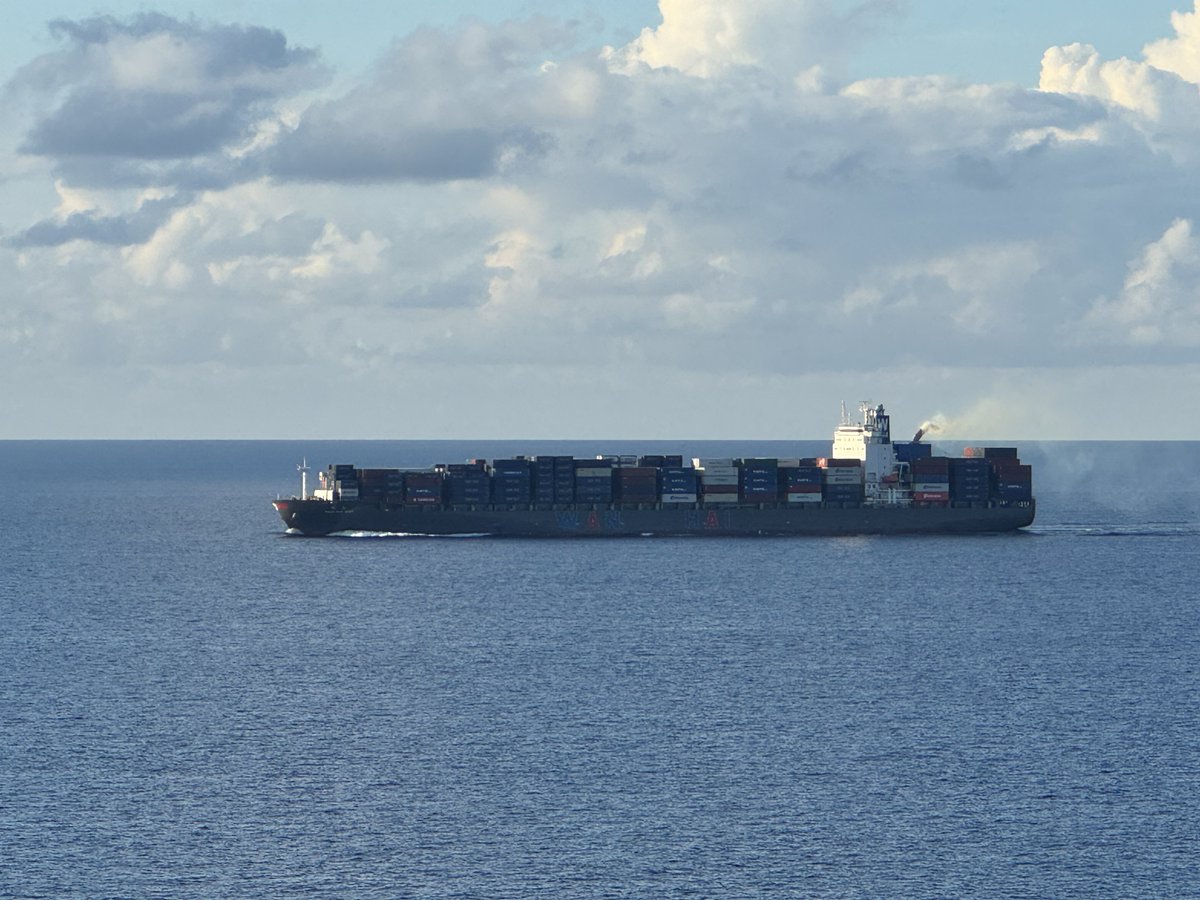
Took this today from sea.
Notice the exhaust.
A simple reminder that EGCS and MARPOL Annex VI are not just paperwork topics. They are very real, very visible, and very operational.
Wrote about this earlier on DeepDraft:
thedeepdraft.com/2025/09/18/…
3
115

my 10th year wishes
💜 The Conjuring chapter with Lorraine & Ed Warren as survivors, killer = The Nun/Valak
💜 anon mode removing the ability to chat better censor system
💜 muting players so you don't see their messages in future egcs either
💜 better friend system
May 14

It’s been ten years in The Fog, and that calls for a celebration!
We’ve got jam-packed weeks full of events, reveals, and so much more. Make sure you watch out for all those envelopes in the coming days.
2
7
392

May 10
DJ Raisei - 墜光の都市より (From the Lostlight City) [EGCS 2023 Semifinals Tieb... youtu.be/Gij3kcSOB9I?si=WUuw… @YouTubeより
めっちゃいい
1
1
307


May 5
$DHT Q1 2026 earnings: Record Rates and a Flawless Structural Setup
DHT Holdings delivered a monster quarter, with Q1 2026 shipping revenues Accelerating 58% YoY to $186.3M and Adjusted EBITDA more than doubling to $133.3M. The real story is the structural supply squeeze in the VLCC market, which has pushed daily spot rates into the stratosphere. DHT capitalized on this by not only capturing $91,700/day in the spot market but also aggressively locking in new one-year term charters at peak rates (up to $105,000/day). With Q2 spot bookings currently guided at an astronomical $168,300/day and a breakeven effectively at zero, DHT is printing cash and distributing it directly to shareholders via a $0.64 dividend.
Full article with charts - link in bio
🐂 𝗕𝘂𝗹𝗹 𝗖𝗮𝘀𝗲
𝗨𝗻𝗽𝗿𝗲𝗰𝗲𝗱𝗲𝗻𝘁𝗲𝗱 𝗥𝗮𝘁𝗲 𝗘𝗻𝘃𝗶𝗿𝗼𝗻𝗺𝗲𝗻𝘁: Spot rates are Accelerating violently. Q1 spot rates hit $91,700/day, and Q2 guidance points to $168,300/day for booked days. The market dynamics (aging fleet, limited orderbook, consolidation) are overwhelmingly in DHT's favor.
𝗕𝗿𝗲𝗮𝗸𝗲𝘃𝗲𝗻 𝗗𝗿𝗼𝗽𝘀 𝘁𝗼 𝗭𝗲𝗿𝗼: Because term time charter earnings are expected to fully cover all forecasted operating and financial costs in Q2, the spot P&L breakeven has dropped to $0. Every dollar earned in the spot market flows directly to the bottom line.
🐻 𝗕𝗲𝗮𝗿 𝗖𝗮𝘀𝗲
𝗣𝗲𝗮𝗸 𝗖𝘆𝗰𝗹𝗲 𝗥𝗶𝘀𝗸: Rates above $100k/day historically do not last forever. Any resolution to Middle East tensions or lifting of sanctions on Iran/Venezuela could instantly flush shadow fleet vessels back into the compliant market, crashing rates.
𝗙𝗹𝗲𝗲𝘁 𝗥𝗲𝗽𝗹𝗮𝗰𝗲𝗺𝗲𝗻𝘁 𝗕𝗼𝘁𝘁𝗹𝗲𝗻𝗲𝗰𝗸: DHT is selling older 2007-built vessels for $50M each, but replacing them is difficult. Newbuilds cost upwards of $130M with delivery slots pushed out to 2029, capping long-term capacity growth.
⚖️ 𝗩𝗲𝗿𝗱𝗶𝗰𝘁
🟢🟢 Very Bullish. Management correctly diagnosed the structural supply squeeze quarters ago. They are now flawlessly executing a strategy of harvesting peak spot rates while selectively locking in highly lucrative 1-year time charters to protect downside.
— • — • —
𝗧𝗵𝗲𝗺𝗲𝘀
New: 🟢🟢 𝗔𝘀𝘁𝗿𝗼𝗻𝗼𝗺𝗶𝗰𝗮𝗹 𝗦𝗽𝗼𝘁 𝗥𝗮𝘁𝗲 𝗔𝗰𝗰𝗲𝗹𝗲𝗿𝗮𝘁𝗶𝗼𝗻
Spot rates are Accelerating at a historic pace. DHT achieved $91,700/day in Q1 (up from $69,500 in 25Q4). More remarkably, Q2 guidance indicates 70% of available spot days are booked at $168,300/day. Even adjusting for profit-sharing inclusions in April, this demonstrates a market where charterers are panicking to secure tonnage.
🟢 𝗧𝗵𝗲 𝟳𝟱% 𝗦𝗽𝗼𝘁 𝗘𝘅𝗽𝗼𝘀𝘂𝗿𝗲 𝗥𝗲𝘃𝗲𝗿𝘀𝗮𝗹
Reversing course. During the Q4 2025 earnings call, management explicitly stated they were 'strategically shifting its fleet to approximately 75% spot market exposure by Q2 2026.' The Q1 2026 data blatantly contradicts this narrative: Q2 guidance projects 1,025 spot days out of 2,022 total days, equating to just 50.6% spot exposure. Management panicked upward, actively locking in time charters (Redwood at $105k, Taiga at $94k) instead of floating them. While financially sound at these rates, it proves management is timing the peak rather than trusting the spot market long-term.
🟢 𝗚𝗲𝗼𝗽𝗼𝗹𝗶𝘁𝗶𝗰𝗮𝗹 𝗕𝗼𝘁𝘁𝗹𝗲𝗻𝗲𝗰𝗸𝘀 𝗦𝘁𝗿𝗮𝗻𝗴𝗹𝗶𝗻𝗴 𝗦𝘂𝗽𝗽𝗹𝘆
A massive Macro tailwind: Regional hostilities involving Iran have added significant risk premiums. Furthermore, approximately 10% of the entire global VLCC fleet is currently paralyzed—either tied up with cargo waiting to exit the Middle East Gulf or waiting to load from Saudi Arabia's western export facilities. This effectively erases a tenth of global supply overnight.
🟢 𝗣𝗿𝗶𝘃𝗮𝘁𝗲 𝗖𝗼𝗻𝘀𝗼𝗹𝗶𝗱𝗮𝘁𝗶𝗼𝗻 𝗖𝗵𝗮𝗻𝗴𝗶𝗻𝗴 𝗠𝗮𝗿𝗸𝗲𝘁 𝗘𝗹𝗮𝘀𝘁𝗶𝗰𝗶𝘁𝘆
The market structure has been permanently altered by a private 'aggregator' that spent early 2025 acquiring ~120 ships, seizing an estimated 25% of the compliant tramping fleet. This consolidation has removed independent price-takers from the market, creating ruthless pricing discipline that is driving the current rate spikes.
New: ⚪ 𝗘𝗚𝗖𝗦 𝗧𝗲𝗰𝗵 𝗗𝗿𝗶𝘃𝗶𝗻𝗴 𝗙𝗹𝗲𝗲𝘁 𝗘𝗰𝗼𝗻𝗼𝗺𝗶𝗰𝘀
DHT's ongoing delivery of four newbuilds from Hanwha and Hyundai are fitted with state-of-the-art Exhaust Gas Cleaning Systems (EGCS). These scrubbers allow the vessels to burn cheaper high-sulfur fuel while remaining compliant, directly widening operating margins compared to older, non-fitted vessels currently scrambling in the spot market.
⚪ 𝗦𝗮𝗻𝗰𝘁𝗶𝗼𝗻𝘀 𝗡𝗼𝗿𝗺𝗮𝗹𝗶𝘇𝗮𝘁𝗶𝗼𝗻 𝗧𝗵𝗿𝗲𝗮𝘁
If geopolitical relations thaw and sanctions on Venezuelan or Iranian crude are lifted, the aging, non-compliant 'shadow fleet' could attempt to legitimize and re-enter the compliant trade pool. While management argues this would accelerate scrapping of sub-standard tonnage, in the short term, it would flood the market with available capacity and crush the current rate premium.
🔴 𝗚𝗿𝗼𝘄𝘁𝗵 𝗖𝗮𝗽𝗽𝗲𝗱 𝗯𝘆 𝗟𝗼𝗳𝘁𝘆 𝗔𝘀𝘀𝗲𝘁 𝗣𝗿𝗶𝗰𝗲𝘀
DHT is doing an excellent job selling aging assets at cycle highs (selling DHT Europe and China for $101.6M, DHT Bauhinia for $51.5M). However, reinvestment risk is high. With newbuilds priced at $130M and shipyard slots filled until 2029, DHT cannot easily grow its physical footprint without destroying shareholder value. Future growth is entirely dependent on rates, not volume.
— • — • —
𝗢𝘁𝗵𝗲𝗿 𝗞𝗣𝗜𝘀
𝗔𝗱𝗷𝘂𝘀𝘁𝗲𝗱 𝗡𝗲𝘁 𝗜𝗻𝗰𝗼𝗺𝗲 (𝟮𝟲𝗤𝟭): $𝟭𝟬𝟯.𝟰 𝗺𝗶𝗹𝗹𝗶𝗼𝗻
Accelerating dramatically. Even after stripping out the massive $60.0 million gain from selling DHT Europe and DHT China, ordinary net income hit $103.4 million (up from $24.3 million a year ago). This clean earnings metric directly dictates the $0.64 per share quarterly dividend.
𝗢𝗽𝗲𝗿𝗮𝘁𝗶𝗻𝗴 𝗖𝗮𝘀𝗵 𝗙𝗹𝗼𝘄 (𝟮𝟲𝗤𝟭): $𝟵𝟴.𝟳 𝗺𝗶𝗹𝗹𝗶𝗼𝗻
Accelerating from $59.2 million in 25Q1. This massive cash generation is comfortably covering the $66M dividend payout, while asset sales ($101M) easily covered the hefty $160M CapEx for the newbuild delivery installments.
𝗙𝗶𝗻𝗮𝗻𝗰𝗶𝗮𝗹 𝗟𝗲𝘃𝗲𝗿𝗮𝗴𝗲 / 𝗡𝗲𝘁 𝗗𝗲𝗯𝘁 (𝟮𝟲𝗤𝟭): $𝟯𝟳𝟵.𝟭 𝗺𝗶𝗹𝗹𝗶𝗼𝗻
Stable and highly secure. Despite drawing down $90M to pay for newbuilds, the company's cash pile swelled to $126.2M. With vessels valued on the books at $1.45B, leverage remains impeccably low, providing a massive safety net if rates eventually crash.
— • — • —
𝗚𝘂𝗶𝗱𝗮𝗻𝗰𝗲
𝗤𝟮 𝟮𝟬𝟮𝟲 𝗦𝗽𝗼𝘁 𝗥𝗮𝘁𝗲 𝗕𝗼𝗼𝗸𝗶𝗻𝗴𝘀: $𝟭𝟲𝟴,𝟯𝟬𝟬 𝗽𝗲𝗿 𝗱𝗮𝘆
Accelerating violently. Up from an already robust $91,700 in Q1. While management notes April includes 'estimated profit-sharing', a rate this high indicates severe panic among charterers to secure tonnage. 70% of available days are locked at this level.
𝗤𝟮 𝟮𝟬𝟮𝟲 𝗦𝗽𝗼𝘁 𝗣&𝗟 𝗕𝗿𝗲𝗮𝗸-𝗲𝘃𝗲𝗻: $𝟬
Accelerating profitability profile. Because DHT has locked in 997 term days at a highly lucrative $73,900/day, these guaranteed revenues completely cover all forecasted operating expenses and debt service for the entire fleet. Every spot dollar earned in Q2 is pure profit.
— • — • —
𝗞𝗲𝘆 𝗤𝘂𝗲𝘀𝘁𝗶𝗼𝗻𝘀
𝗧𝗵𝗲 𝗠𝗶𝘀𝘀𝗶𝗻𝗴 𝟳𝟱% 𝗦𝗽𝗼𝘁 𝗧𝗮𝗿𝗴𝗲𝘁
Last quarter you forcefully pounded the table on shifting the fleet to 75% spot exposure to capture market upside. Yet, Q2 guidance shows you at just 50.6% spot exposure after locking in multiple 1-year charters. Does this pivot indicate you believe we are currently at the absolute peak of the cycle?
𝗔𝗽𝗿𝗶𝗹 𝗣𝗿𝗼𝗳𝗶𝘁-𝗦𝗵𝗮𝗿𝗶𝗻𝗴 𝗠𝗲𝗰𝗵𝗮𝗻𝗶𝗰𝘀
The Q2 spot guidance of $168,300/day is staggering but carries a footnote about 'estimated profit-sharing' in April. How much of that $168K figure is a one-off April anomaly versus the base run-rate you expect for May and June?
𝗖𝗮𝗽𝗶𝘁𝗮𝗹 𝗔𝗹𝗹𝗼𝗰𝗮𝘁𝗶𝗼𝗻 𝗗𝗶𝗹𝗲𝗺𝗺𝗮
With the spot breakeven at zero and Q2 combined rates booked at $113,500/day, you are about to generate an unprecedented wall of cash. With asset prices too 'lofty' for acquisitions and buybacks paused, will 100% of this excess cash simply flow to the dividend, or are special dividends/aggressive debt paydowns on the table?
1
3
1,272

May 5
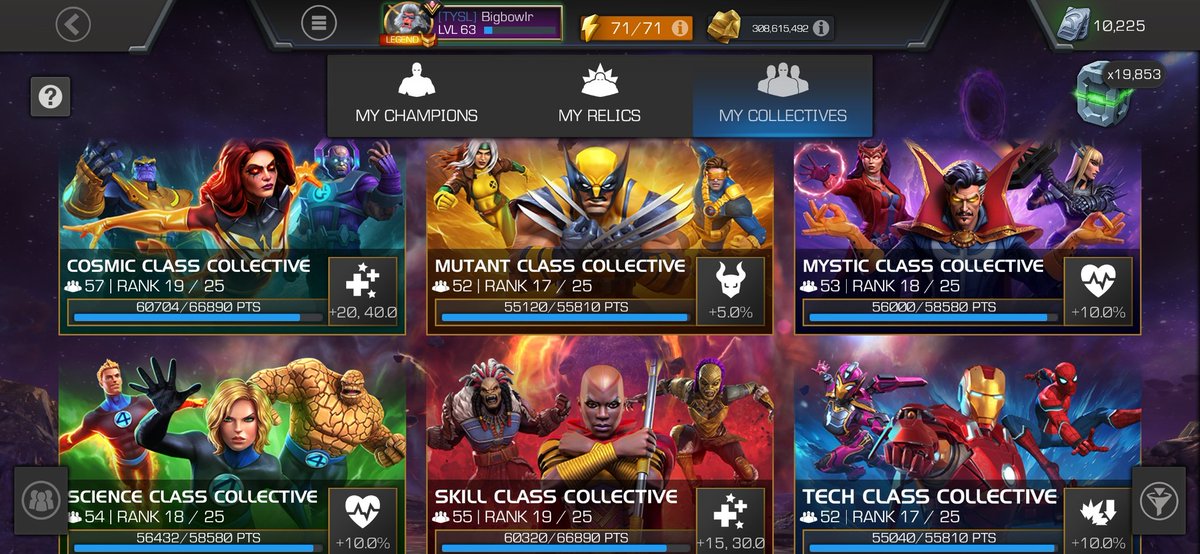
I got all the objectives so im happy. Pulled 7 Ascensions(got 4 from my 340 EGCs so that was lucky).
Now the goal is to r3 all the 6* Captains cause it doesnt require any important resources.
3
392


Apr 29
I remember 2.95 like it was yesterday (because it got replaced by EGCS).
3
749

Apr 29
A request for household items-who can help with order or sending Amazon egcs?

Cleaners pitched my mop & bucket; high time to replace them!
amazon.ca/hz/wishlist/ls/J0F…
3
2
26

similar to not all tunneling is a microaggression, but paired with other things in the match, it very well could be.
wsing for many is a silly thing, personally I get more positive/funny egcs with it
but I hate this sudden normalization of calling it that in the community
10
878

Apr 12
🚨Jollibee EGCs Giveaway Alert! 🐝✨
Get a chance to win Php 500 worth of Jollibee EGCs! we’re picking 10 winners across X, Facebook, Instagram & TikTok! 🎉
Make sure to follow all the mechanics for your entry to be valid.
Good luck, BLOOMs! ❤️
#JollibeeMixandMatchComboFanChallenge


Yiiiiie, alis na alis na ‘yan para mag-order ng fave Mix & Match n’ya! Tama ba, #JolliFAM? 😄
Reply to this thread with a pic of your choice, tag us @Jollibee, and use #JollibeeMixandMatchComboFanChallenge. ✨

34
125
5,844

Hit the nail right on the head. There's a big difference between trash talk and what's been going on in these EGCs.
Worst part is that the people that talk like this receive 0 consequences for their actions, so they just keep doing it over and over again.
3
64

Mar 27
the absolute state of egcs pooling while we're playtesting stuff
please send help
1
4
265


Mar 22
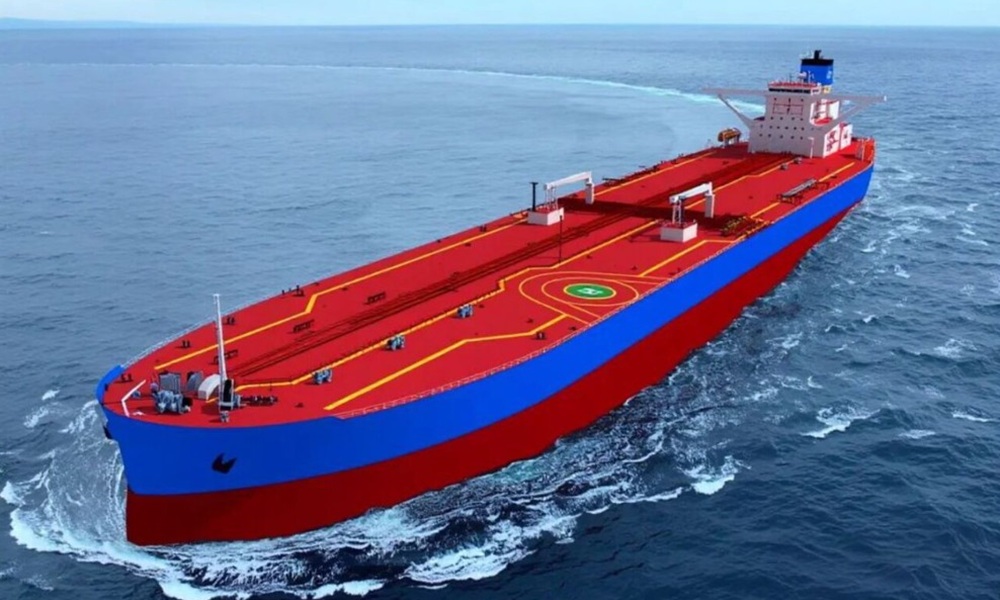
中国造船所がノルウェー企業からVLCCを4隻受注
DFで無くEGCS装備で1隻198億円、中々の船価

11
945
Mar 18
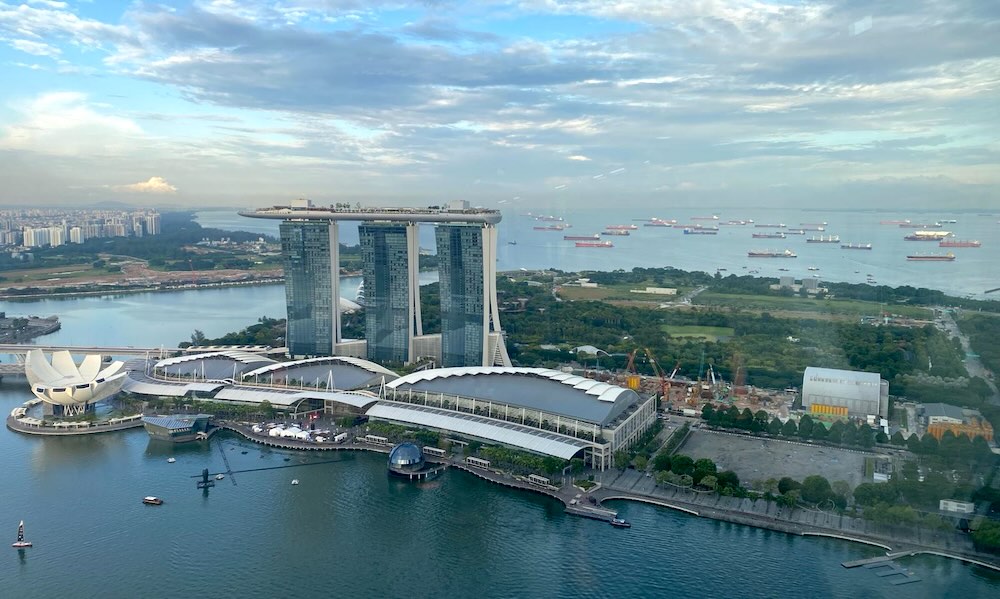
代替燃料使えてEGCS搭載している様な船だとこういう時には多少なりとも臨機応変に対応出来るメリットもあるな
まぁどの燃料もダメという時はなす術はないが
戦争が世界最大のバンカリング拠点を揺るがす
1
6
791

Here are our lucky winners from our recent giveaways 💜✨
Congratulations to the 3 winners of the MikBrent inspired Necklace or Bracelet by Chains & Gems, selected from our February 22 X Space donors. Your generosity and support truly mean so much to us and to our future projects for MikBrent.
And cheers as well to our winners of the Jollibee 500 EGCs for joining yesterday’s Jollibee trending party tag booster. The prizes have already been received. Thank you for bringing the energy and making it extra JOY!
Necklace and bracelet winners, please send us a DM to claim your prizes.
Until our next giveaway, MENTies 💜✨
— NangNongs of MikBrent 💳
#MikBrent #MikaSalamanca #BrentManalo

3
16
109
5,177