
28 Sep 2023
#today we happily conclude the➡️ #EMODnetBioTips ⬅️hashtag we created exactly one year ago to collate weekly tweets with tips on how to turn marine biodiversity occurrences into #FAIRdata
@VLIZnews @LifeWatchVLIZ @WRMarineSpecies @OBISNetwork @GBIF @tdwg @bodc @marineregions
3
101
14 Sep 2023
#EMODnetBioTips
#emoftable
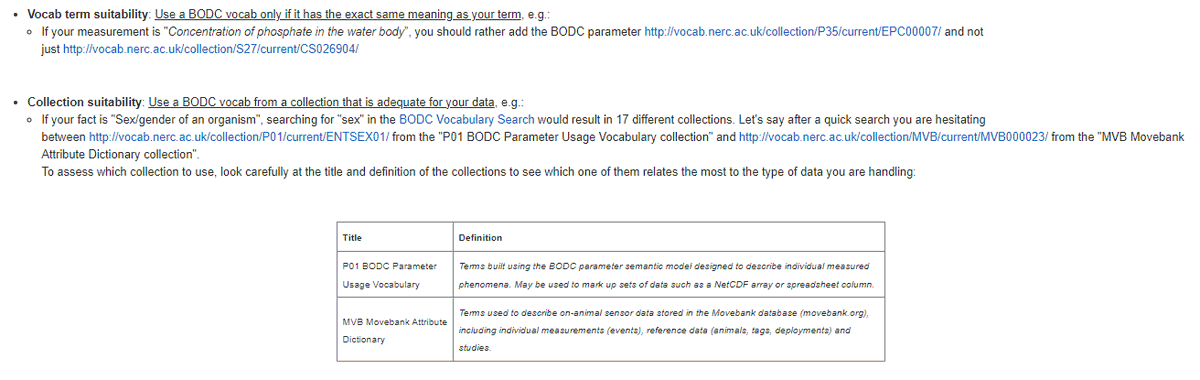
Check our @OceanteacherA course on "Contributing datasets to EMODnet Biology" to know more about how to choose the appropriate @bodc vocab terms:
➡️classroom.oceanteacher.org/m…
@VLIZnews @EMODnet #Biology @LifeWatchVLIZ #FAIRdata #OpenScience
2
2
164
7 Sep 2023
#EMODnetBioTips
#emoftable
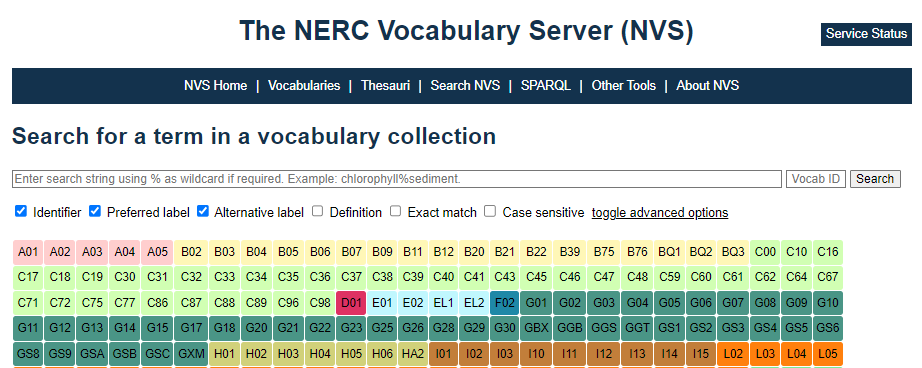
@bodc vocabulary terms are grouped in collections:
P01 -BODC Parameter Usage Vocabulary
S11 -Biological entity life stage terms
L05 -SeaDataNet device categories
P06 -Approved data storage units
.
.
.
@VLIZnews @EMODnet #Biology @LifeWatchVLIZ
1
3
176
24 Aug 2023
#EMODnetBioTips
#emoftable
The measurementType, measurementValue & measurementUnit fields must be used to document the parameter, value and unit respectively of a measurement or fact related to a specific occurrence or event record.
@VLIZnews @EMODnet #Biology @LifeWatchVLIZ

2
132
17 Aug 2023
#EMODnetBioTips
#occurrencetable
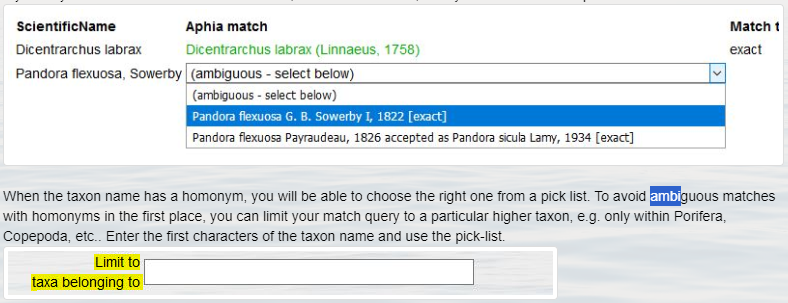
When using the @WRMarineSpecies taxon match tool, avoid ambiguous matches with homonyms by limiting your query to a particular taxon & checking the authorship and the classification with the originator
@VLIZnews @EMODnet #Biology @LifeWatchVLIZ
4
4
427
10 Aug 2023
#EMODnetBioTips
The potential-duplicate-record flag in rshiny.lifewatch.be/BioCheck… checks for occurrences of the same taxon & characteristics (sex, size, etc) under the same event.
Avoid it by ensuring that each occurrence is different
@VLIZnews @EMODnet #Biology @LifeWatchVLIZ

1
2
94
3 Aug 2023
#EMODnetBioTips
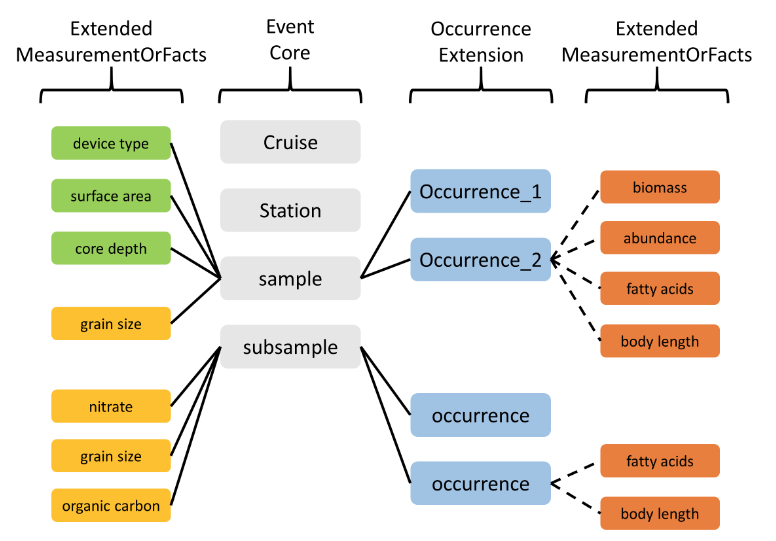
The Darwin Core eMoF table allows linking events & occurrences to assertions about them such as:
- organism quantities, descriptors & biometrics
- abiotic data
- sampling data
see tinyurl.com/eMoF-extension-t…
@VLIZnews @EMODnet #Biology @LifeWatchVLIZ @OBISNetwork
2
5
167
27 Jul 2023
#EMODnetBioTips
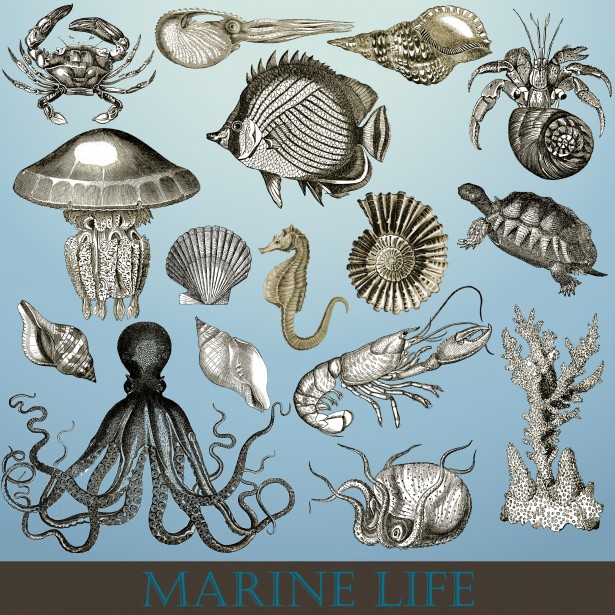
When standardizing your marine data (DwC), the 𝐎𝐜𝐜𝐮𝐫𝐫𝐞𝐧𝐜𝐞 table make up the core of biodiversity. It contains info about scientific names, catalog numbers, kingdom, or the name of the collectors.
@VLIZnews @EMODnet #Biology #marinescience #OpenScience
1
6
177
6 Jul 2023
#EMODnetBioTips
A controlled vocabulary provides consistency in the use of data, facilitating its reuse. Some widely used vocabularies in marine biodiversity are #WorMS for taxon names, #MarineRegions and #NERC vocabs.
@VLIZnews @EMODnet #Biology @LifeWatchVLIZ #DataManagement

2
3
189
30 Jun 2023
#EMODnetBioTips
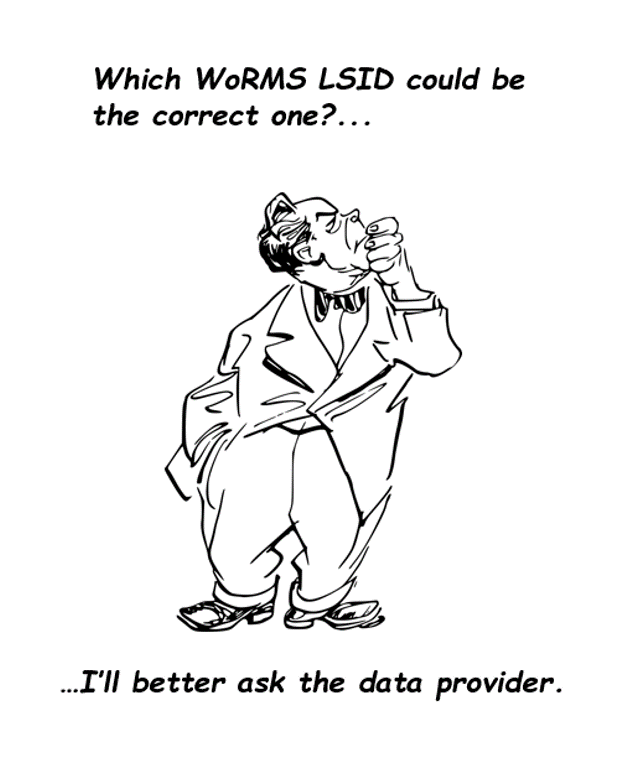
#occurrencetable When using the taxon match tool, sometimes you can encounter ambiguous matches. To identify the LSID, verify the name of the authority, the classification and the distribution with the data provider.
@VLIZnews @EMODnet #Biology @LifeWatchVLIZ
ALT Which WoRMS LSID could be the correct one? Better safe than sorry, ask the data provider.
4
3
545
4 May 2023
#EMODnetBioTips
In the following weeks, you will find more tips on the formatting and the how to's of each #eventtable #occurrencetable #emoftable, do not miss out!
@jmeesvliz @VLIZnews @EMODnet #Biology #datamanagement
4
1
2
351
31 Mar 2023
#EMODnetBioTips
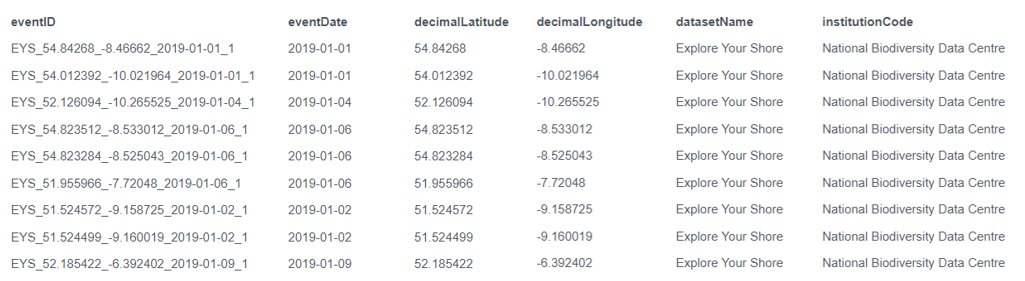
In the OBIS-ENV-DATA format (organized into 3 tables), the 𝐄𝐯𝐞𝐧𝐭 table contains general information about each one of the events, e.g., location, date, institution, dataset name & depth.
@VLIZnews @EMODnet #Biology #marinescience #OpenScience
1
3
2
402
3 Mar 2023
#EMODnetBioTips
To make sure the taxa are interoperable, you can match each taxon with a @marinespecies LSID. Follow a tutorial on how to match taxa in our course classroom.oceanteacher.org/m….
@EMODnet #Biology @jmeesvliz @VLIZnews @LifeWatchVLIZ #marinescience #OpenScience
1
1
2
468
23 Feb 2023
#EMODnetBioTips
In #EurOBIS & @EMODnet #Biology we use different stable terms and vocabs for the data to be 𝐢𝐧𝐭𝐞𝐫𝐨𝐩𝐞𝐫𝐚𝐛𝐥𝐞, give a look to Darwin Core terms in dwc.tdwg.org/terms
@jmeesvliz @VLIZnews @LifeWatchVLIZ #marinescience #OpenScience
📸Vardan Papikyan

3
3
276
9 Feb 2023
#EMODnetBioTips
A geographical reference is crucial for data. When sharing your data with us, please provide the coordinates in decimal degrees (WGS84 datum).
@jmeesvliz @VLIZnews @LifeWatchVLIZ @EMODnet #Biology #marinescience #OpenScience
1
3
3
313
2 Feb 2023
#EMODnetBioTips
If you cannot provide an exact date, please add a range, check how to in dwc.tdwg.org/terms/#dwc:even…. Try not to leave this field empty as it affects its discoverability.
@EMODnet #Biology @jmeesvliz @VLIZnews @LifeWatchVLIZ @tdwg #marinescience #OpenScience
3
1
170
26 Jan 2023
#EMODnetBioTips
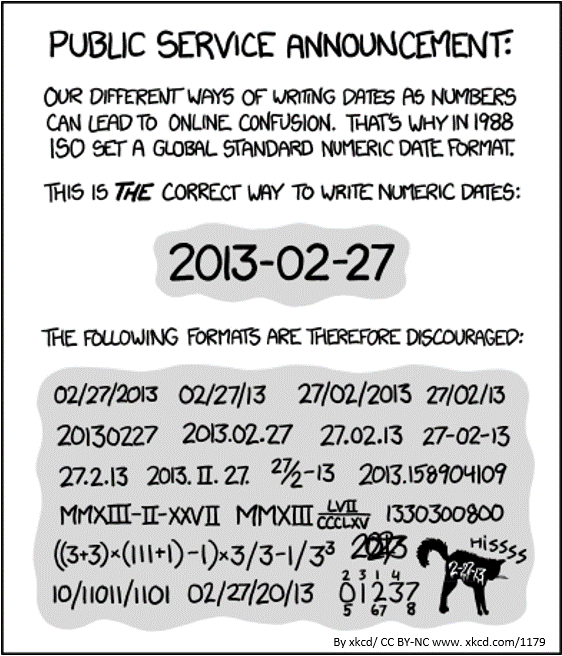
When sharing with us your data, please make sure the date-related fields are ISO 8601 compliant, e.g., March 2nd, 2018: the recommended data format is 2018-03-02 (YYYY-mm-dd).
@jmeesvliz @VLIZnews @LifeWatchVLIZ #marinescience #OpenScience @EMODnet #Biology
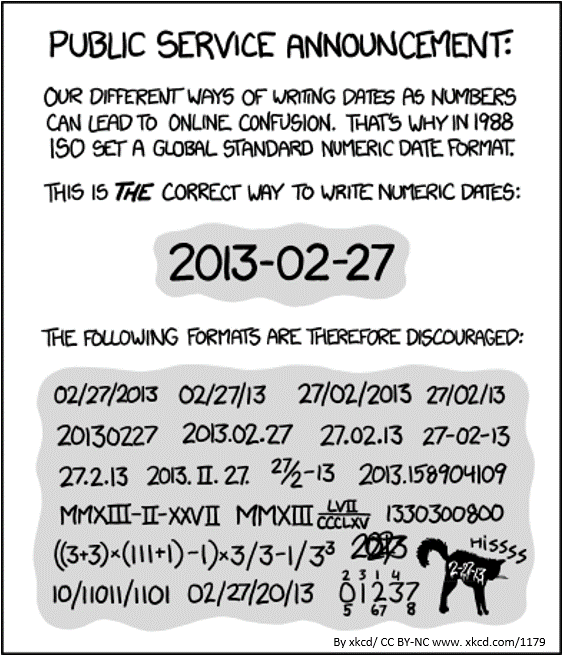
ALT Public service announcement: Our different ways of writing dates as numbers can lead to online confusion. That's why in 1998 ISO set a global standard numeric date format. This is the correct way to write numeric dates: YYYY-mm-dd. Other formats such as day/month/year, roman numerals or writing the date in your cat are therefore discouraged.
1
4
6
327
19 Jan 2023
#EMODnetBioTips
We encourage the creation of a 𝗗𝗢𝗜 for your dataset. A DOI is a unique and permanent link to facilitate its citation and tracking. This service is provided by us free of cost. #OpenScience
@jmeesvliz @EMODnet #Biology @VLIZnews @LifeWatchVLIZ #marinescience
7
15
776
12 Jan 2023
#EMODnetBioTips
When sending us your (meta)data to @EMODnet #Biology, you could create the 𝗰𝗶𝘁𝗮𝘁𝗶𝗼𝗻 using the format “Data creator person; Data creator institute; (year) Title. Identifier (if applicable).”
@jmeesvliz @VLIZnews @LifeWatchVLIZ #marinescience #OpenScience
7
4
453
5 Jan 2023
#EMODnetBioTips
In @EMODnet #Biology we include a specific metadata field, 𝐭𝐡𝐞𝐦𝐞𝐬, to relate each dataset to important biological groups. For example, Algae, Benthos, Phytoplankton, etc.
@jmeesvliz @VLIZnews @LifeWatchVLIZ #marinescience #OpenScience
6
11
731