Hopkins Malova retweeted

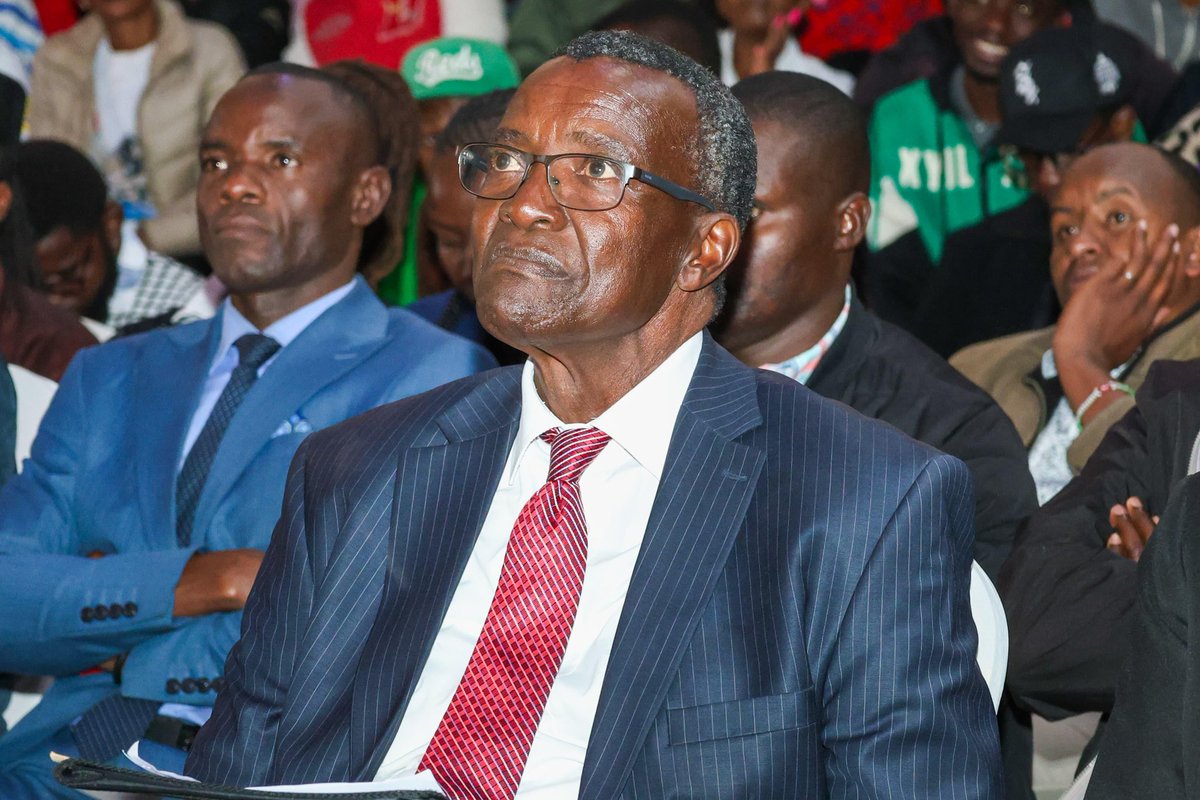
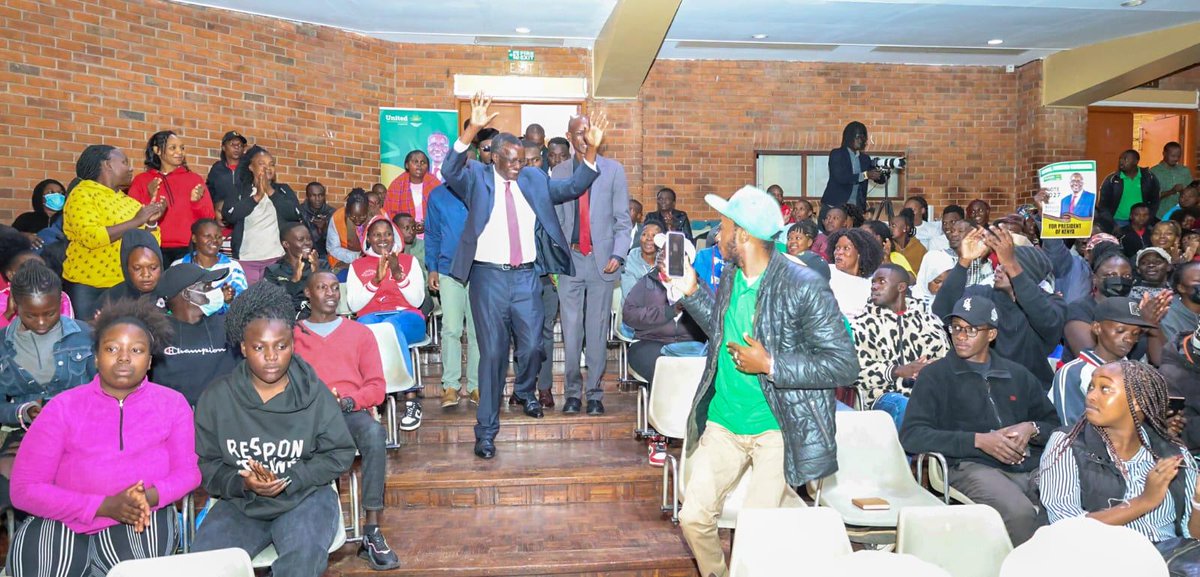
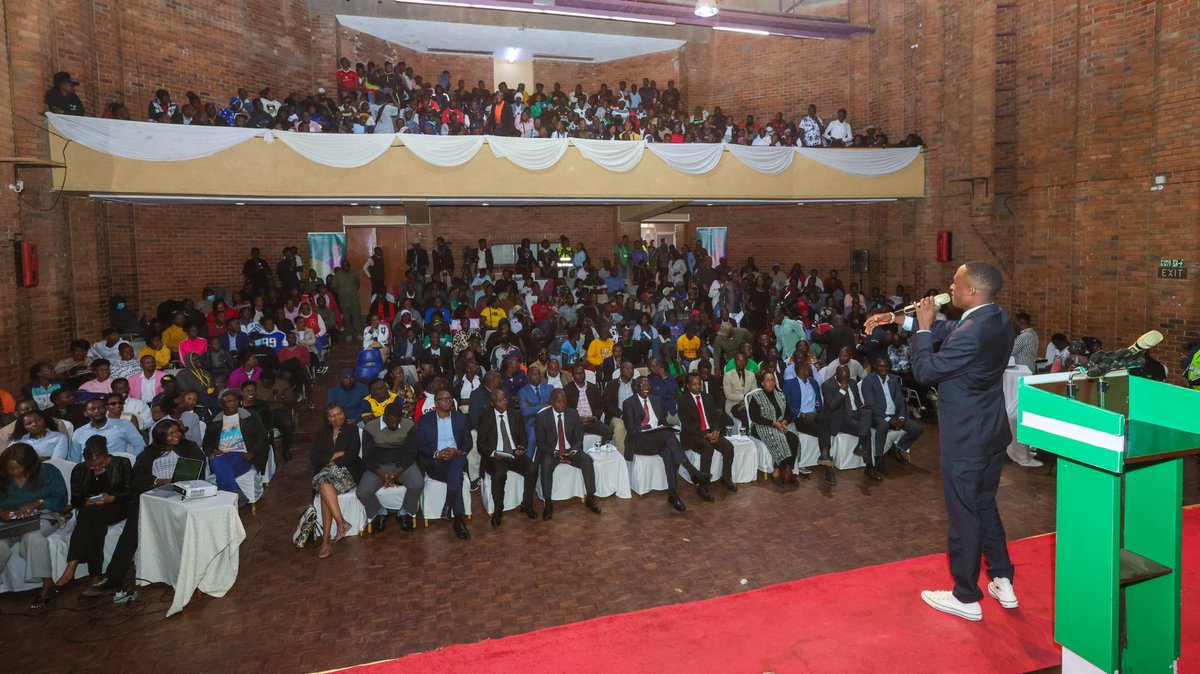
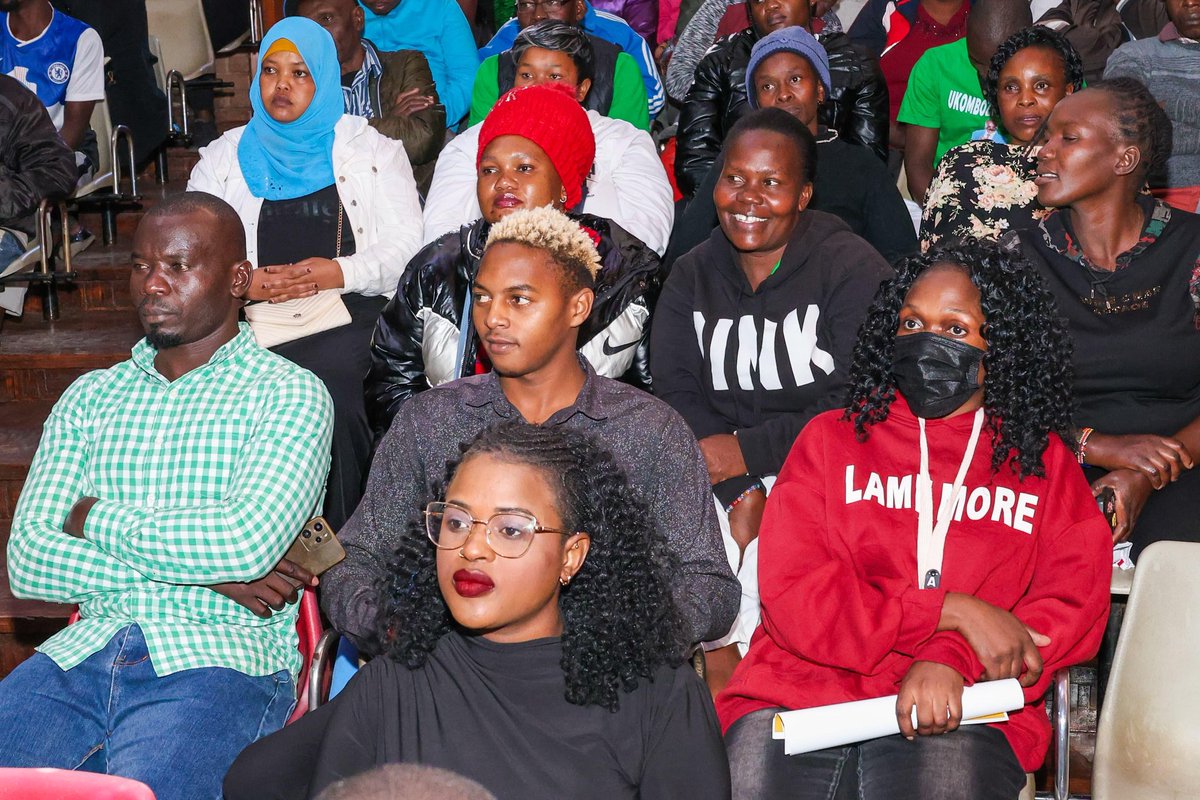
Kenya stands at a defining moment. We cannot normalize corruption, impunity, and the erosion of public institutions. The Constitution provides the path forward—our leaders must respect it, and citizens must defend it. @UGMParty @susan_lumumba @WuodApondi @ll #StateOfTheNation
1
2
6
twsgy™ retweeted

𝐓𝐡𝐞 𝐄𝐫𝐨𝐬𝐢𝐨𝐧 𝐨𝐟 𝐏𝐨𝐥𝐢𝐜𝐞 𝐎𝐛𝐣𝐞𝐜𝐭𝐢𝐯𝐢𝐭𝐲 𝐢𝐧 𝐇𝐲𝐛𝐫𝐢𝐝 𝐑𝐞𝐠𝐢𝐦𝐞𝐬: 𝐀𝐬𝐬𝐞𝐬𝐬𝐢𝐧𝐠 𝐭𝐡𝐞 𝐈𝐦𝐩𝐚𝐜𝐭 𝐨𝐟 𝐈𝐧𝐟𝐨𝐫𝐦𝐚𝐥 𝐏𝐨𝐰𝐞𝐫 𝐃𝐲𝐧𝐚𝐦𝐢𝐜𝐬, 𝐈𝐧𝐜𝐞𝐧𝐭𝐢𝐯𝐞 𝐒𝐭𝐫𝐮𝐜𝐭𝐮𝐫𝐞𝐬, 𝐚𝐧𝐝 𝐒𝐞𝐥𝐟-𝐏𝐫𝐞𝐬𝐞𝐫𝐯𝐚𝐭𝐢𝐨𝐧 𝐌𝐞𝐜𝐡𝐚𝐧𝐢𝐬𝐦𝐬 𝐨𝐧 𝐭𝐡𝐞 𝐒𝐭𝐚𝐭𝐮𝐭𝐨𝐫𝐲 𝐒𝐨𝐜𝐢𝐚𝐥 𝐂𝐨𝐧𝐭𝐫𝐚𝐜𝐭.
𝑭𝒐𝒓 𝒕𝒉𝒐𝒔𝒆 𝒑𝒖𝒓𝒔𝒖𝒊𝒏𝒈 𝒑𝒐𝒔𝒕𝒈𝒓𝒂𝒅𝒖𝒂𝒕𝒆 𝒔𝒕𝒖𝒅𝒊𝒆𝒔 𝒊𝒏 𝒂𝒓𝒆𝒂𝒔 𝒓𝒆𝒍𝒂𝒕𝒆𝒅 𝒕𝒐 𝒔𝒆𝒄𝒖𝒓𝒊𝒕𝒚 𝒂𝒏𝒅 𝒈𝒐𝒗𝒆𝒓𝒏𝒂𝒏𝒄𝒆, 𝑰 𝒉𝒂𝒗𝒆 𝒂 𝒈𝒓𝒆𝒂𝒕 𝒔𝒖𝒈𝒈𝒆𝒔𝒕𝒊𝒐𝒏 𝒂𝒃𝒐𝒖𝒕 𝒑𝒐𝒔𝒔𝒊𝒃𝒍𝒆 𝒓𝒆𝒔𝒆𝒂𝒓𝒄𝒉 𝒂𝒓𝒆𝒂𝒔, 𝒆𝒔𝒑𝒆𝒄𝒊𝒂𝒍𝒍𝒚 𝒊𝒇 𝒚𝒐𝒖 𝒂𝒓𝒆 𝒑𝒖𝒓𝒔𝒖𝒊𝒏𝒈 𝒔𝒐𝒄𝒊𝒂𝒍 𝒔𝒄𝒊𝒆𝒏𝒄𝒆𝒔 𝒂𝒕 𝒕𝒉𝒆 𝒑𝒐𝒔𝒕𝒈𝒓𝒂𝒅𝒖𝒂𝒕𝒆 𝒍𝒆𝒗𝒆𝒍.
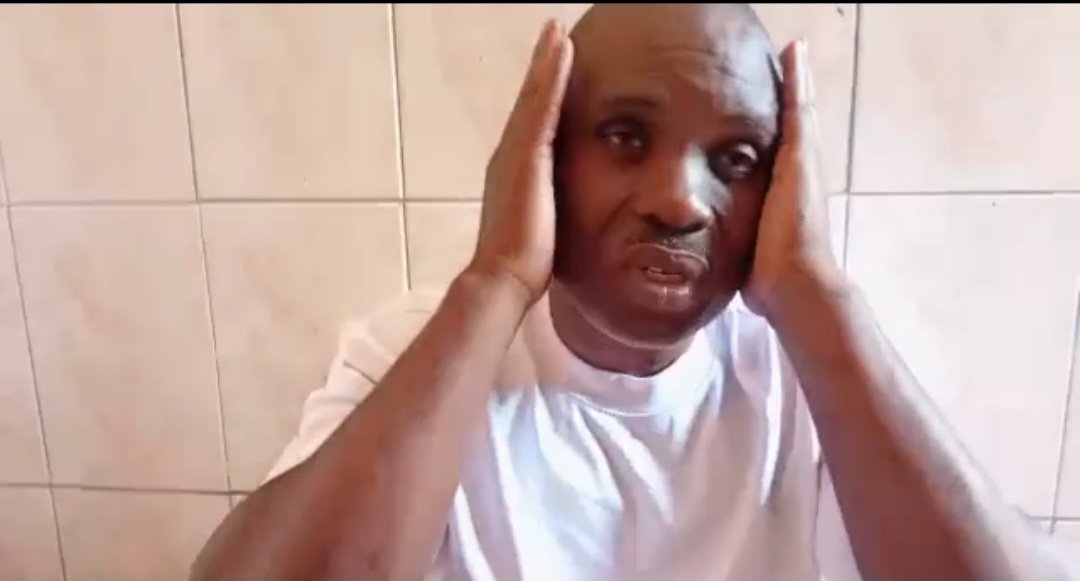
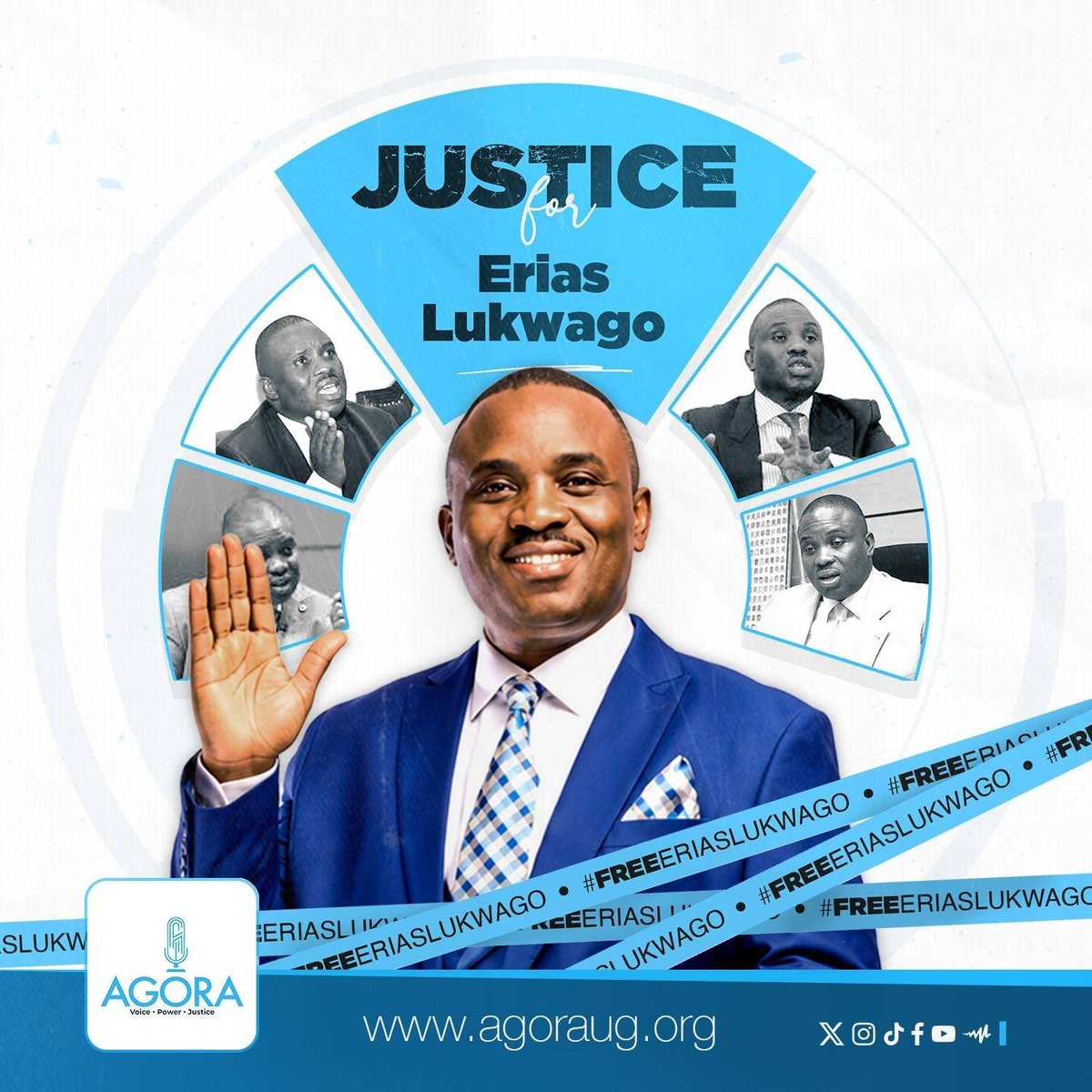
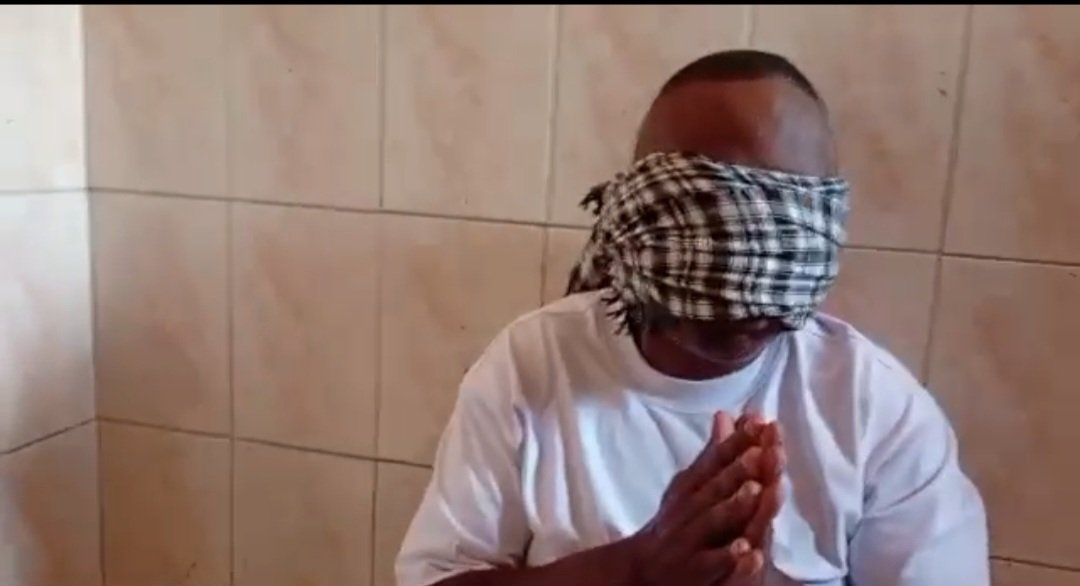
1/🏷️ Away from the Lukwago kidnapping story making headlines, for those pursuing postgraduate studies in security and governance, I have a major suggestion. The systemic refusal by all Kampala police stations to register the Lord Mayor's case offers a profound case study in how formal institutions collapse under informal power dynamics.
2/ 🏷️ The systemic refusal by Kampala police stations to register the Lord Mayor’s case is a perfect example in structural containment within hybrid regimes. Political theory dictates that a statutory social contract only exists when formal institutions possess the autonomy to enforce the law impartially.
3/ 🏷️ In a captured state, civilian law enforcement is forced to abandon its constitutional mandate to protect citizens and instead functions as a regime shield. Game theory explains this behavior: individual police commanders face an asymmetric payoff where upholding the law guarantees professional ruin.
4/ 🏷️ When a District Police Commander risks immediate demotion or retaliatory military arrest for logging a file, self-preservation overrides statutory duty. Think of civilian police desks in this environment as a firewall designed to process everyday civil noise while completely blocking high-level political signals.
5/🏷️ The long-term implication is catastrophic: when the law cannot enforce itself against informal armed actors, the state reverts to raw physical coercion. This trend creates an unsustainable trajectory where the general public completely loses faith in formal legal channels, accelerating a slide into systemic lawlessness.

2
9
14
2,794

1/5/2026
Thought Compendium~R.A.
┌──────────────────────────────────────────┐
│ EXTERNAL DRIVERS │
│ (Earth rotation, mantle convection, etc) │
└──────────────────────────────────────────┘
│
▼
┌──────────────────────────┐ ┌───────────────────────────────┐
│ INPUT: PLATE MOTION │ │ INPUT: WATER SEDIMENT │
│ Pacific Plate velocity │ │ into trench (hydration/flux) │
└──────────────────────────┘ └───────────────────────────────┘
│ │
└──────────────┬───────────────┘
▼
┌────────────────────────────┐
│ CORE PROCESS: SUBDUCTION │
│ - slab descent (steep) │
│ - slab pull / rollback │
└────────────────────────────┘
│
├───────────────► (A) STORAGE STATE
│ ┌─────────────────────┐
│ │ ENERGY STORAGE │
│ │ - locked segments │
│ │ - deep strain │
│ │ - thermal buildup │
│ └─────────────────────┘
│ │
│ ▼
│ ┌─────────────────────┐
│ │ RELEASE TRIGGERS │
│ │ - threshold reached │
│ │ - geometry shifts │
│ │ - fluid pulses │
│ └─────────────────────┘
│ │
▼ ▼
┌────────────────────────────┐ ┌───────────────────────────┐
│ OUTPUT 1: DEEP QUAKES │ │ OUTPUT 2: MAGMA GENERATION│
│ (in-slab, deep focus) │ │ (flux melting) │
└────────────────────────────┘ └───────────────────────────┘
│ │
│ ▼
│ ┌───────────────────────────┐
│ │ OUTPUT 3: SUBMARINE ERUPT │
│ │ (seamount growth/vents) │
│ └───────────────────────────┘
│ │
│ ▼
│ ┌───────────────────────────┐
│ │ OUTPUT 4: EMERGENCE PHASE │
│ │ (island breaches surface) │
│ └───────────────────────────┘
│ │
│ ▼
│ ┌───────────────────────────┐
│ │ OUTPUT 5: RETURN / LOSS │
│ │ - erosion │
│ │ - flank collapse │
│ │ - subsidence │
│ └───────────────────────────┘
│
▼
┌────────────────────────────────────┐
│ OUTPUT 6: ARC MIGRATION / RE-SITING │
│ (rollback shifts where "new land" │
│ forms; northward engine bias) │
└────────────────────────────────────┘
FEEDBACK LOOPS (system stabilizers amplifiers)
------------------------------------------------
1) Rollback Feedback (often amplifying):
Steeper slab → stronger rollback → more back-arc extension → more melt pathways
2) Construction vs Collapse Balance (often stabilizing):
Faster growth → steeper slopes → higher collapse risk → resets height
3) Hydration Pulse Feedback (episodic):
More fluids → more melt → more eruption → changes permeability → alters future fluid routing
LAGS (why it feels "cyclical" to observers)
------------------------------------------
- Deep slab processes: years → centuries
- Volcano construction to breach: decades → millennia
- Uplift/subsidence & reef terraces: thousands → millions of years
2

Systemic deprivation resulting from the prolonged blockade precipitates the current erosion of civil order in Gaza. While non-state actors present operational challenges, international legal frameworks prohibit the targeting of medical infrastructure.
1
7

Agree — and it's microstructure, not loyalty. A bridge asset has to absorb size without moving the price. At today's depth XRP can't, so routing fiat→$RLUSD→fiat is simply cheaper than bridging through it. The sandwich is what rational routing does right now.
The proof was yesterday: a single ~$2M market sell wicked $XRP ~6% on Binance spot. It snapped back in ~100ms — but that's market makers refilling the book, not resting depth a router can lean on mid-trade. $2M moving spot 6% is the opposite of bridge-grade liquidity.
This flips only when two gates clear: enough stablecoins proliferate that direct pairs fragment liquidity (a neutral hub beats N² pairs), AND XRP gets deep enough to BE the cheapest hub. Until then the sandwich isn't a verdict on XRP — it's the equilibrium before the depth arrives.
The one lane the sandwich can't serve: cross-currency routes where you don't want a US issuer's counterparty risk in the middle. That's where an issuer-less bridge has a structural reason — small today, grows only with dollar-trust erosion. Reading that honestly isn't hating, it's the map.
1
42

Very interesting conversation. I'd like to point out that the parallels between the US, UK (in particular), and other Western capitals in relation to the erosion of their citizens' civil liberties in order to bow to Israeli interests is striking. The MSM is silently complicit.
1
Abu Amelia al-Britanī retweeted

I’ll set aside what this policy is obviously actually about - the erosion of online anonymity and building the quiet infrastructure for silencing (and criminalising) dissent - and play ball by pretending it’s about child protection.
If you want to effectively safeguard children online (speaking as a former safeguarding practitioner among other things - though you don’t need to have any professional experience to see how catastrophically bad a policy this is), this is categorically the wrong approach.
Banning children from social media will not make them safer; it will make them invisible. They will inevitably find their way around the ban - in Australia, seven in ten children retained active accounts after the ban came into force - except now they will do so covertly, without parental oversight, while parents assume that their job has been outsourced to the state and that their child(ren) is not online and thus doesn’t require supervision.
The net effect is less supervision, not more, and a significantly more dangerous online environment for the very children the policy claims to protect.
This is basic stuff. That those who govern us do not understand second and third-order consequences is concerning - and I’m not referring to people who fully understand what is happening here (e.g. the Prime Minister), but instead the moronic people like the former Technology Secretary of State who was on GB News (The Late Show Live) just now who don’t seem to realise that kids are so much more tech savvy than them, and the nagging harridans and moronic Mumsnet cheerleaders.
Your average Gen Alpha kid will figure out a workaround relatively quickly and will soon be surfing the web unregulated and unsupervised. Congrats to everyone who advocated for this and those who continue to cheer it on. You are, with respect, idiots.
(And, again, this isn’t about protecting the kids at all, but instead about controlling adults’ internet usage).

If you outlaw social media for kids, parents will stop monitoring their online activity completely. But the kids - who are far more tech savvy - will just find a workaround (it takes 1 min to download a free VPN) and end up using social media *totally unregulated unsupervised*.
1
4
25
955
Aremo of Ile-ife retweeted

Jun 12
Better go contribute and save your lands from erosion. Lagos has offered you betterment. Respect that and stop being lousy. No one sends Ur papa.
16
62
923
37,860

Cheating isn’t the only thing that ends relationships. Often, it’s the slow erosion of trust, respect, and connection.
Here are some of the biggest relationship killers that aren’t technically cheating:
1. Lack of communication – Problems get buried instead of solved.
2. Taking each other for granted – Appreciation disappears, and effort fades.
3. Constant criticism – Feeling like nothing you do is ever good enough.
4. Emotional neglect – Being physically present but emotionally absent.
5. Broken trust – Repeated lies, broken promises, or hiding things.
6. Stonewalling – Shutting down or refusing to talk during conflicts.
7. Contempt – Eye-rolling, sarcasm, insults, or making your partner feel inferior.
8. Choosing everyone else first – Friends, work, hobbies, or family always come before your partner.
9. Never taking accountability – Blaming the other person for everything.
10. Inconsistent effort – One person carries the entire relationship.
11. Financial dishonesty – Secret debts, hidden spending, or lying about money.
12. Lack of intimacy – Not just sex, but hugs, affection, and emotional closeness.
13. Unresolved resentment – Small hurts pile up until love turns into bitterness.
14. Disrespecting boundaries – Ignoring your partner’s needs, privacy, or values.
15. Complacency – Assuming love will survive without nurturing it.
In many relationships, it’s not one dramatic event that ends things—it’s hundreds of small moments where one or both people stop making each other feel valued.
As the saying goes:
People rarely leave because of one mistake; they leave because they no longer feel seen, heard, respected, or loved.
1
46

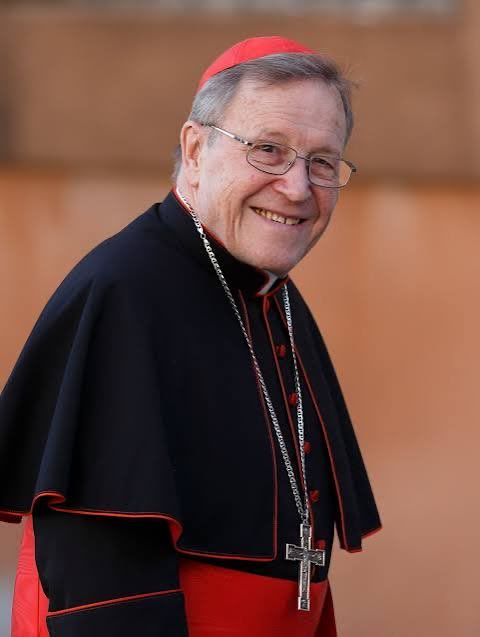
Walter Kasper Wants to Look Like a Saint, But His Ideas Have Always Came From Hell
There is something deeply ironic in hearing the leftist Cardinal Walter Kasper lament that theology has become obsessed with ecclesiological debates, structures, ministries, and endless discussions about reform while neglecting Christology.
For decades, Kasper himself was one of the principal architects of the theological climate that produced precisely this crisis. He belongs to the generation that emerged from the upheavals of Vatican II and spent years promoting the idea that the Church must constantly adapt herself to the modern world. Together with many of his contemporaries, he helped shift the focus away from the supernatural mission of the Church and toward an endless preoccupation with structures, dialogue, participation, and institutional reform.
Now, at ninety-three years of age, Kasper discovers that theology has forgotten Jesus Christ. Who helped create that situation? The German Synodal Path did not fall from the sky. It is the logical offspring of decades of theological experimentation, ambiguity, and accommodation. The obsession with democratizing the Church, redefining ministries, and reshaping Catholic doctrine did not arise in a vacuum. It emerged from intellectual currents that men like Kasper spent much of their lives legitimizing.
His criticism of the German Synodal Path resembles a man complaining about a fire while refusing to acknowledge that he helped ignite it. Equally revealing is Kasper's praise for Leo XIV. He speaks of a "discontinuity in continuity," expressing satisfaction that the new pontiff possesses a clearer style and a more structured manner of governing than Francis. Yet
the fundamental question is whether the revolutionary direction established under Francis is continuing, and the evidence is increasingly clear. Leo XIV has repeatedly embraced the language of synodality and has shown no intention of abandoning the ecclesial project inherited from his predecessor. The same synodal structures remain in place. The same emphasis on process remains. The same ambiguity remains.
Kasper was behind Francis' revolution, and Francis' and Leo XIV's Synod is not fundamentally different from the German Synodal Path; the Germans simply want greater autonomy. The Synodal Church promoted by Francis and now continued by Leo XIV is not renewing Catholicism. It is accelerating the erosion of Catholic identity. Every step that places process above doctrine, participation above truth, and adaptation above tradition weakens the Church's witness before the world.
The Bride of Christ does not need endless assemblies, committees, consultations, and synodal mechanisms. She needs the Faith that converted nations, produced saints, and sustained Catholic civilization for two thousand years.
1
22
Ibn Hamza retweeted

Rigasa Residents Commend Gov. Uba Sani Over ₦34 billion Erosion Project
After nearly 30 years of neglect, the people of Rigasa are finally experiencing relief. Yusuf Wada Muhammad, one of the Rigasa community leaders, described how severe gully erosion has destroyed millions in
1
7

25m
And it only happens deep inside the earth and are eventually exposed back to the surface after a process of subduction, uplift and erosion the combination of which requires vast epochs of time....far far FAR beyond the timeline alloted by the flood narrative.
3

27m
these bootlickers are the ones responsible for enabling the slow erosion of our freedoms and right to privacy
I've said for 10 years that access to the internet should require an IQ test - it would solve 99% of the world's problems
19

A chilling tale of ambition, control, and the slow erosion of self. For fans of dark fantasy and moral horror.
The Crown — When power demands perfection, the cost is everything you were.
The Crown is coming soon!
#thecrescentsaga #DarkFantasy #whattoreadnext
5


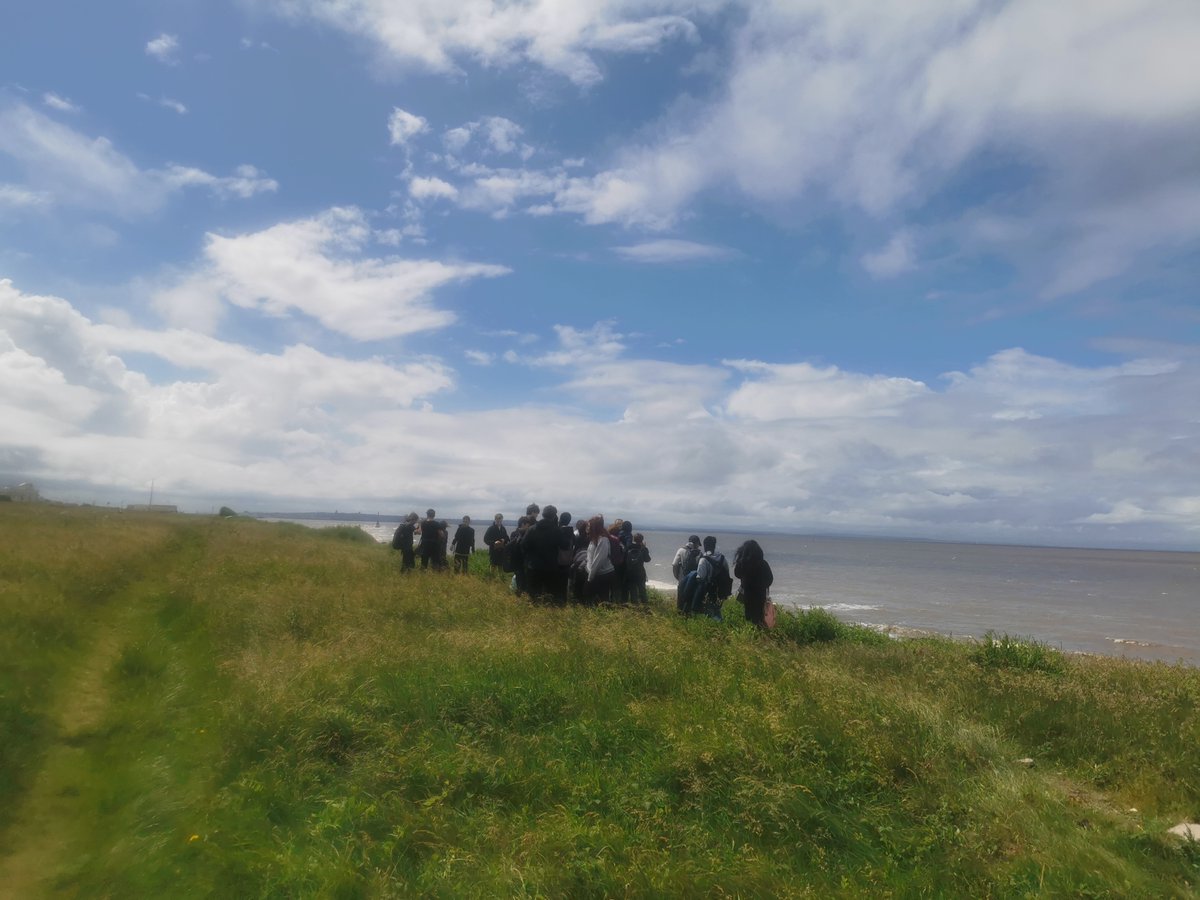
Year 8 geographers took learning beyond the classroom, exploring coastal erosion along the Sefton coastline.
From Crosby to Formby, they collected data, analysed coastal defences and saw geography in action – showing fantastic enthusiasm throughout 👏 #DixonsCroxteth
4


John Smith retweeted

Jun 15
He examines the Sphinx enclosure and sees something the mainstream narrative overlooks: classic water erosion patterns. The vertical fissures, the differential weathering between limestone layers, the unfinished excavation at the bottom. It all points to sheet flooding, not wind and sand. The upper limestone was quarried away because it was higher quality stone. The lower layer, completely different in consistency, was left partially excavated. Remove the accumulated sand and you would likely find an eroded landscape consistent with karst topography, limestone grikes formed by water moving across the surface. These are not chisel marks or construction debris. This is geology telling a story about climate, about water, about a landscape shaped by forces that predate the dynastic Egyptians by thousands of years.
11
31
416
32,402

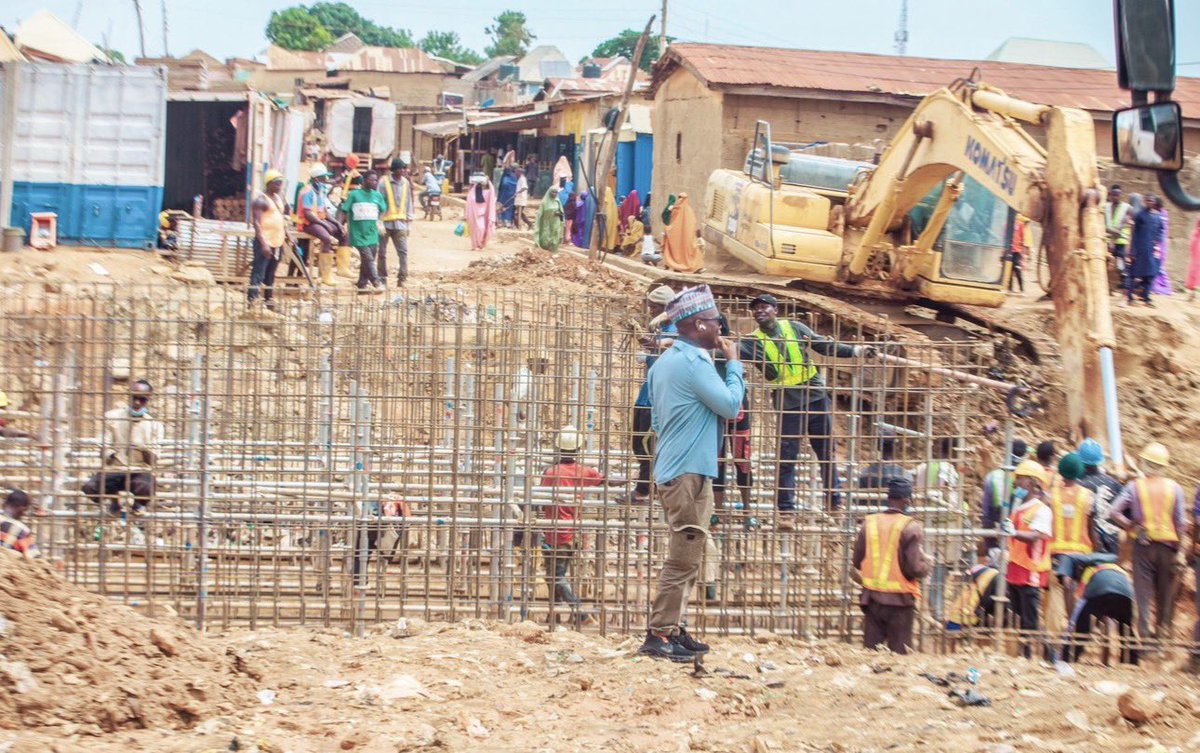
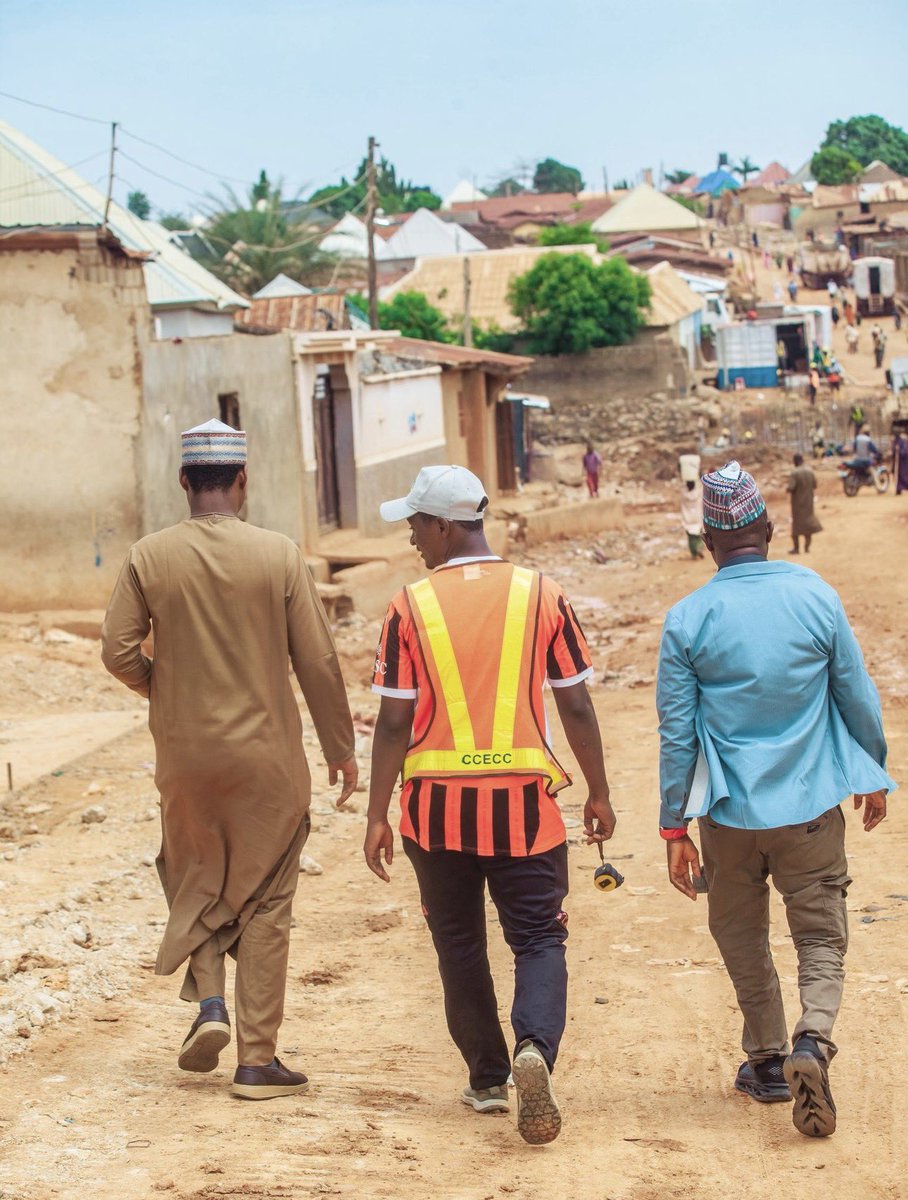
RIGASA EROSION IN KADUNA STATE: FARIN CIKI YA ZO oooooo.
2: The Gov of Kaduna State @ubasanius has unveiled a N34 billion intervention to tackle the gully erosion and environment degradation affecting RIGASA and neighboring communities in Kaduna South and Igabi LGAs.
3: The project will cover a 17 km corridor.
4: 30 years of a major environmental challenge, claiming lives and destroying property is set to end by this project.
5: I remembered when I visited RIGASA, I felt for the communities.
-(a): I am happy that the Gov @ubasanius has taken a proactive action to tackle erosion and continuing the ongoing road construction.
6: N2bn has been earmarked for compensation for 1200 households. @MOIKaduna @KadEnvironment @KepaOfficial @Abubakar_Buba01 @ishaqsamaila5 @isah_muaaz @IsahAbdullatif @isah_galadeema @Flakes4real2003 @Better_Kaduna @UbaSaniMedia_ @Updateboyx @amin_uba @isakalamy @zozaismail @flexiblenancy @FuturePOTN @isah_muaaz @abs_uiux @suleiman_qasim @InsideKaduna_ @Mainasaraa_ @governmentinubu @AboderinA @abbas_s_zubair @ui_shehu @HBMayana_ @mni_JJ @ahmed4rl
4
44
94
2,042