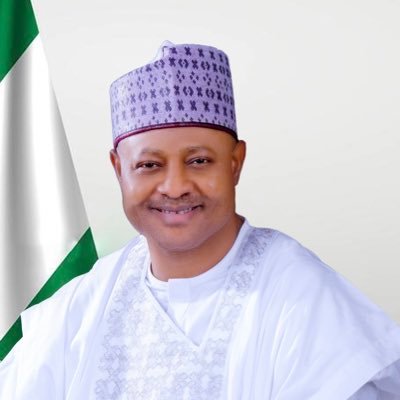
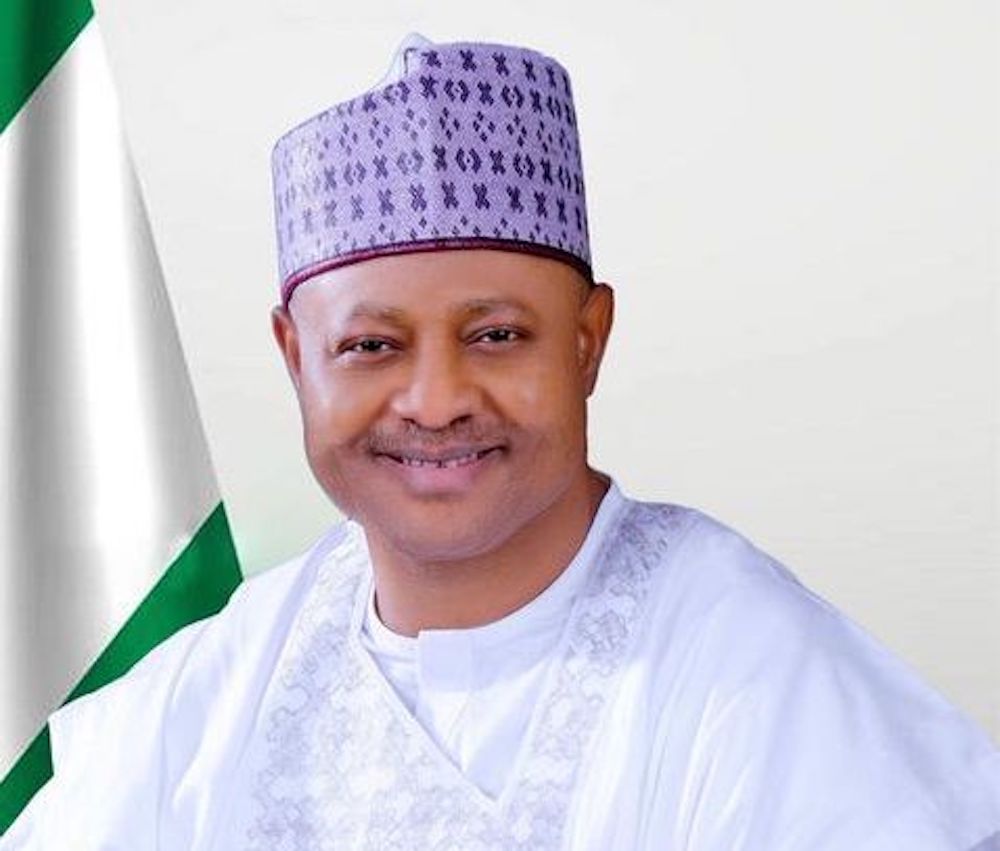
Executive Governor of Kaduna State.
Joined June 2012
- Tweets 6,555
- Following 312
- Followers 232,357
- Likes 1,437
2,224 Photos and videos
Pinned Tweet

29 May 2023
THE JOURNEY BEGINS
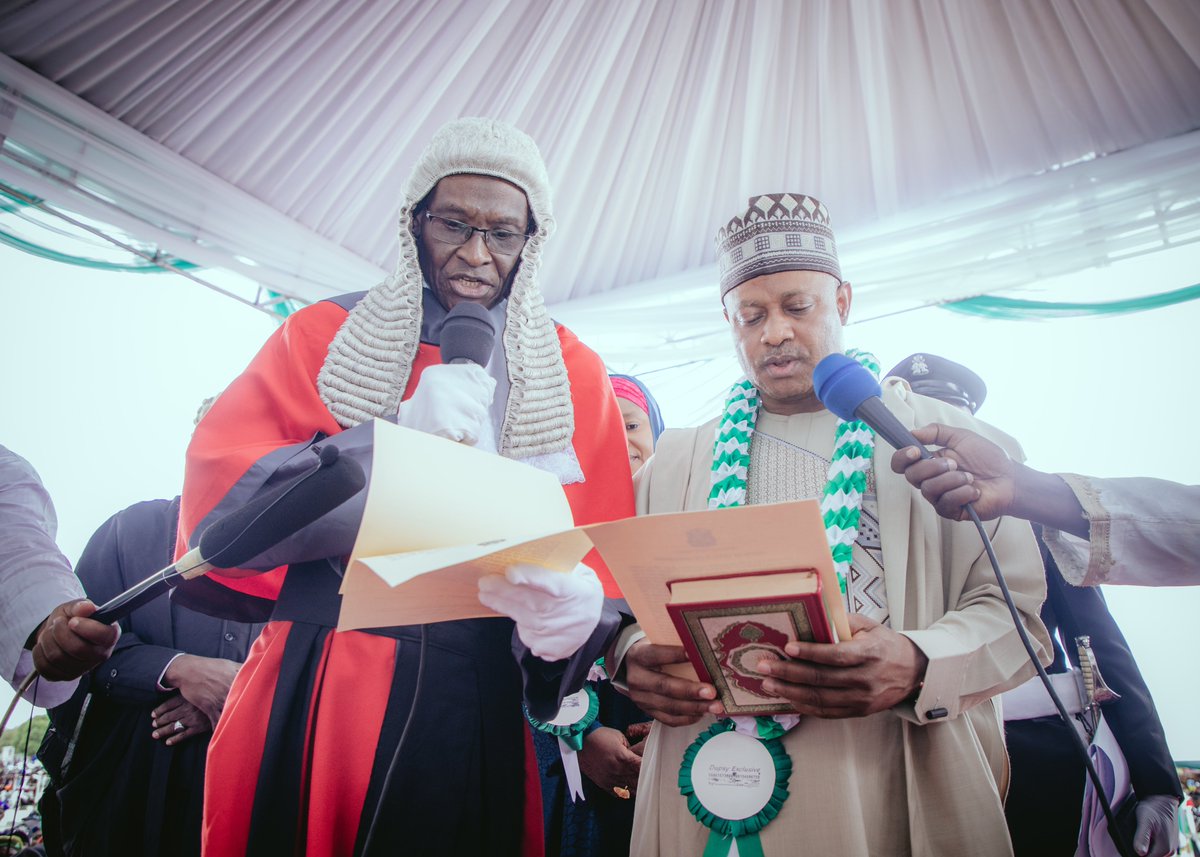
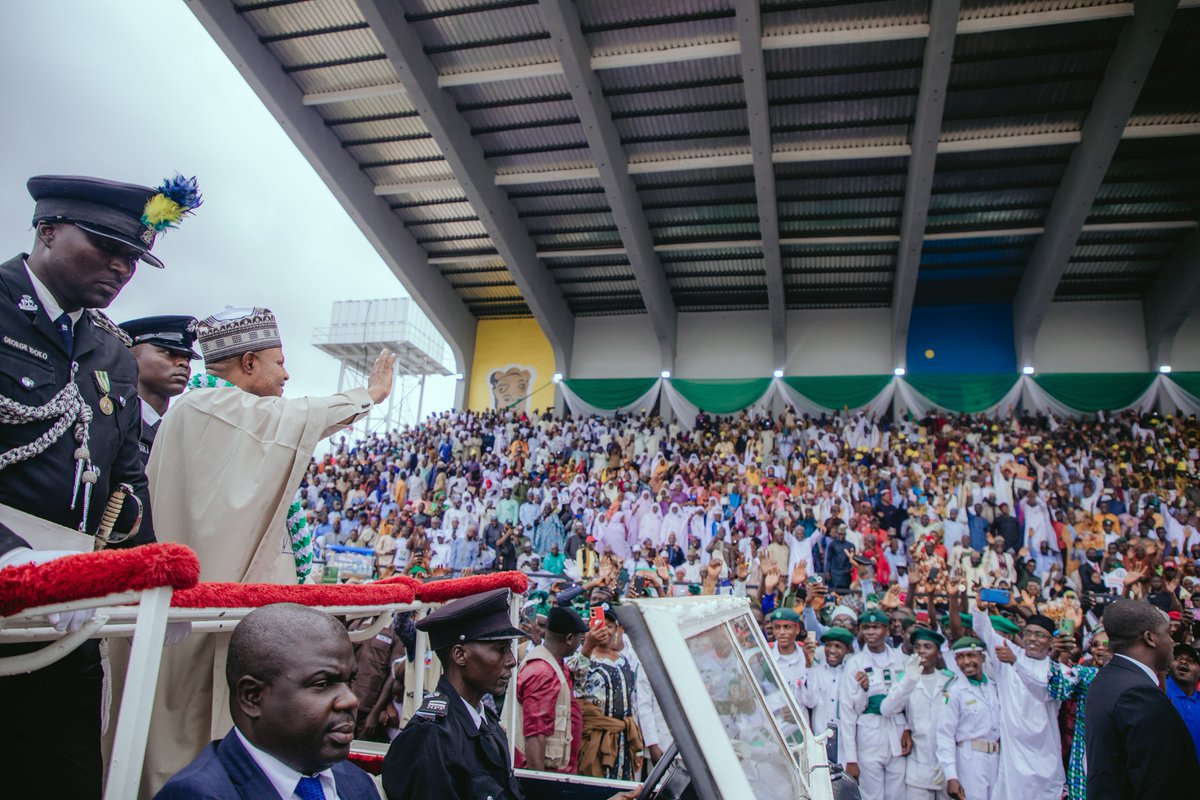
With the people as my witnesses and Almighty Allah as my guide, I took the oath of office today as the Governor of Kaduna State. The oath was administered on me by the Chief Judge of Kaduna State, Justice Tukur Muhammad Muazu.
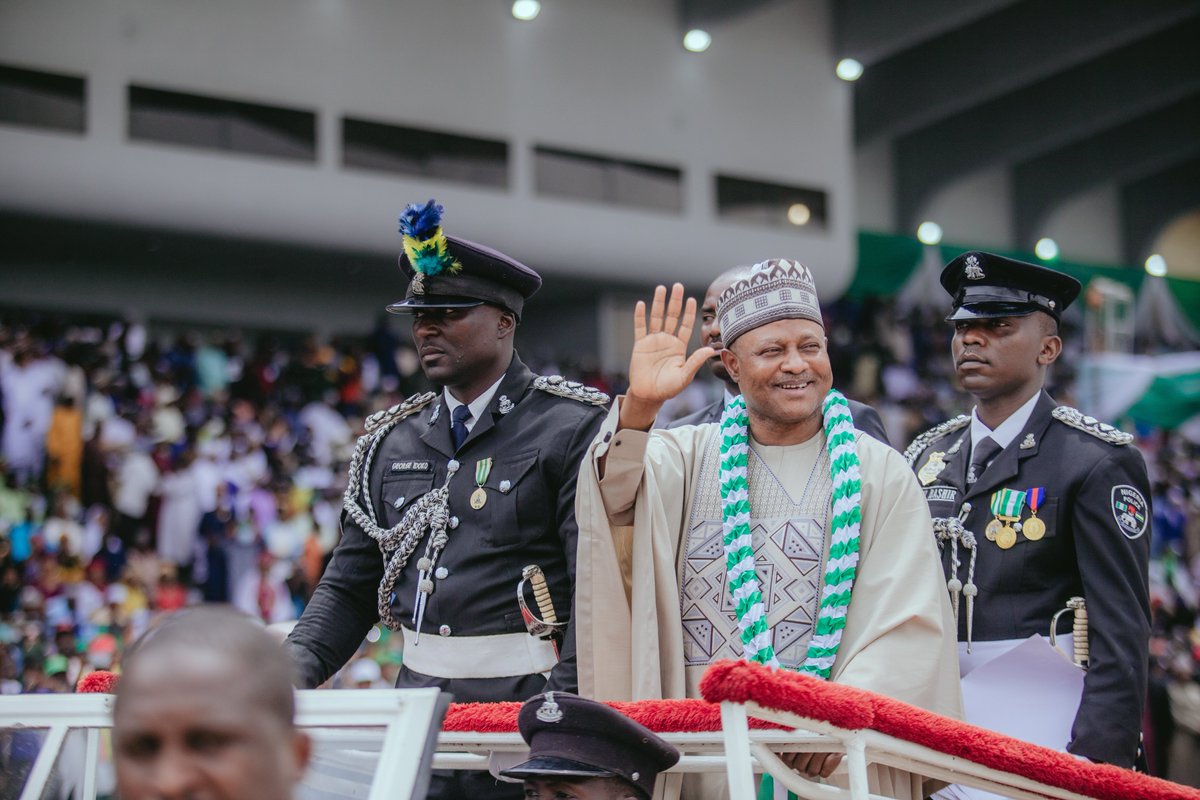
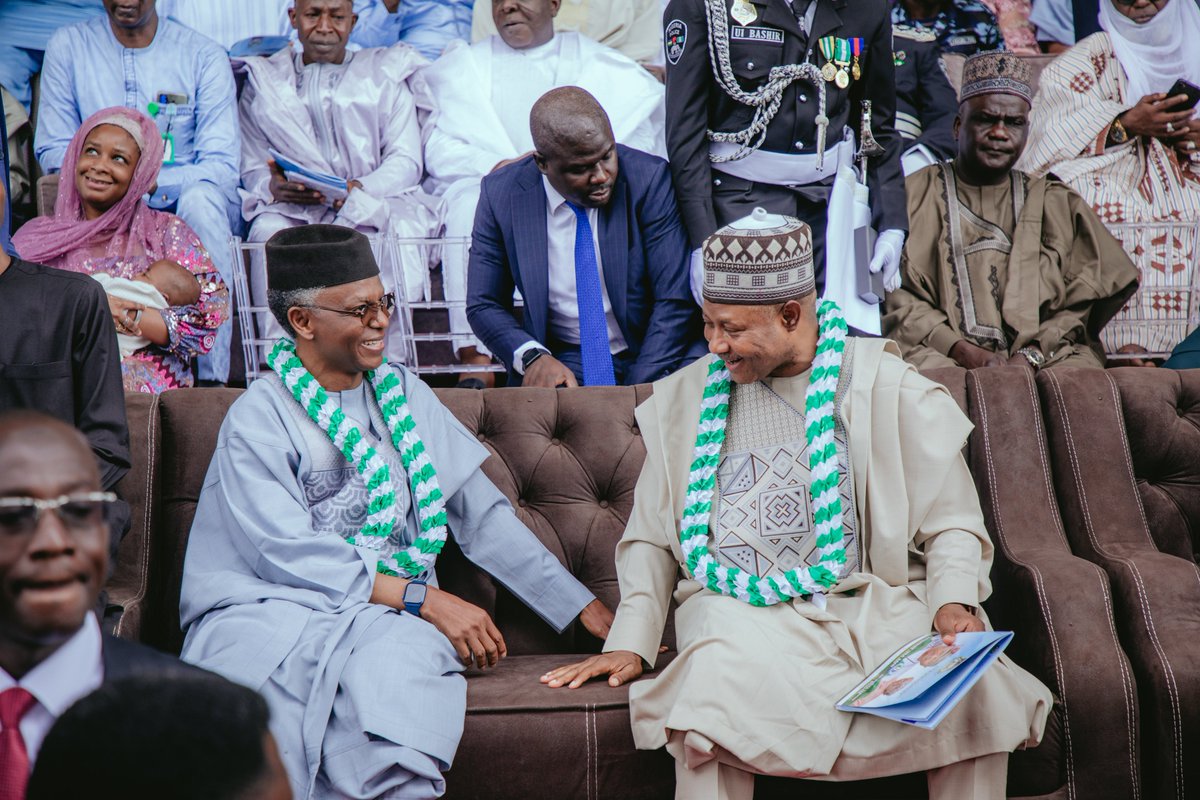
At the colourful ceremony which took place at Murtala Square, Kaduna, I pledged to uphold the Constitution, to serve the people selflessly and to be fair and just to all.
Under my watch, security and welfare of the people will be given top priority. With the support and cooperation of the people, and Allah's guidance, we shall succeed.
Thank you and God bless.
Long live Kaduna State.
Long live the Federal Republic of Nigeria.
Senator Uba Sani
Governor of Kaduna State.
May 29th, 2023.
716
1,257
4,616
444,289
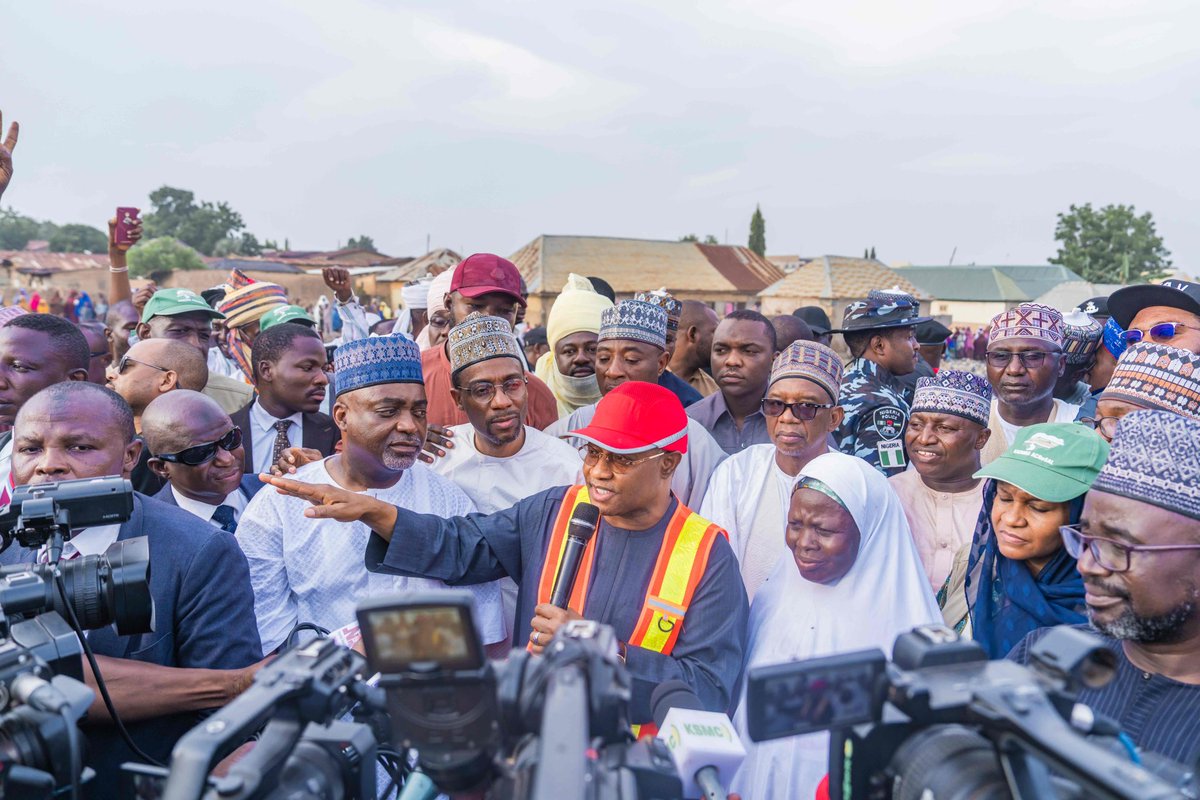
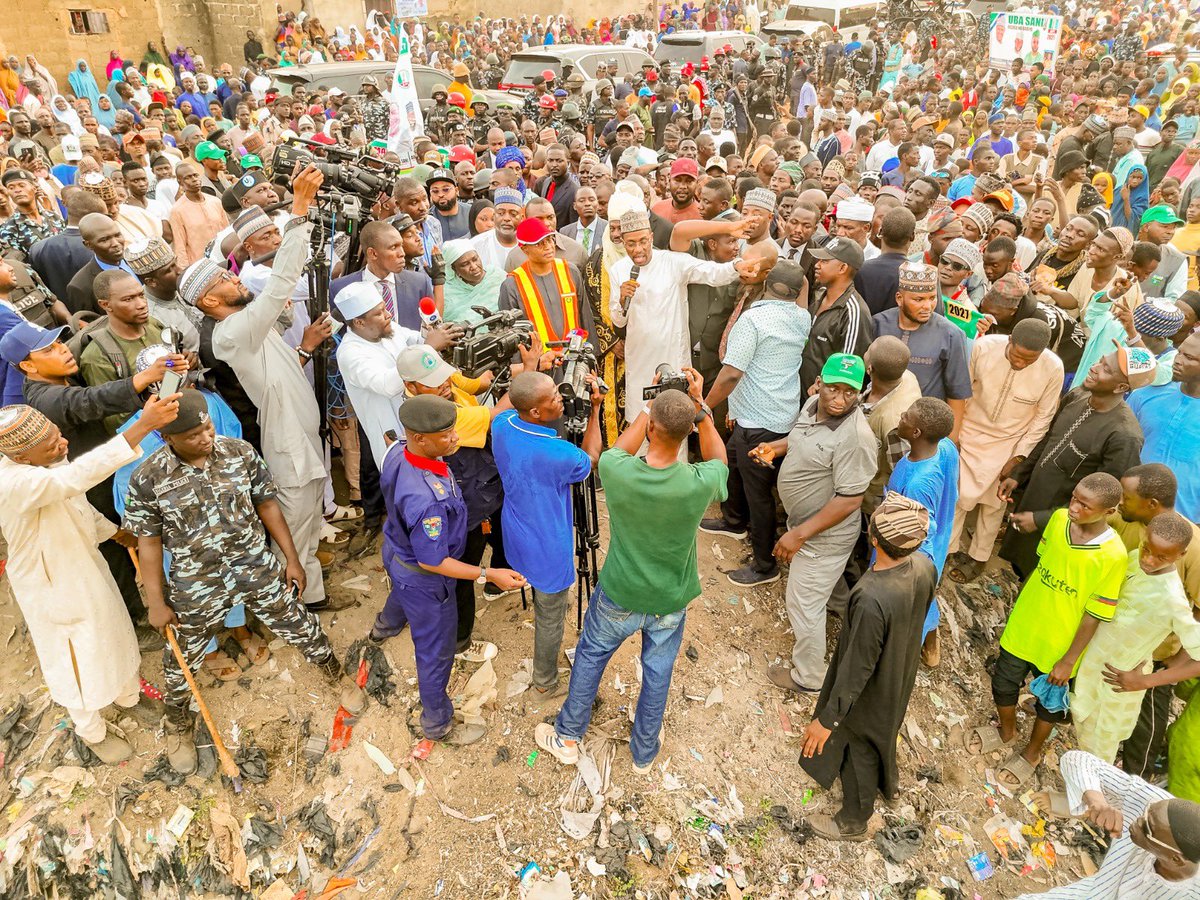
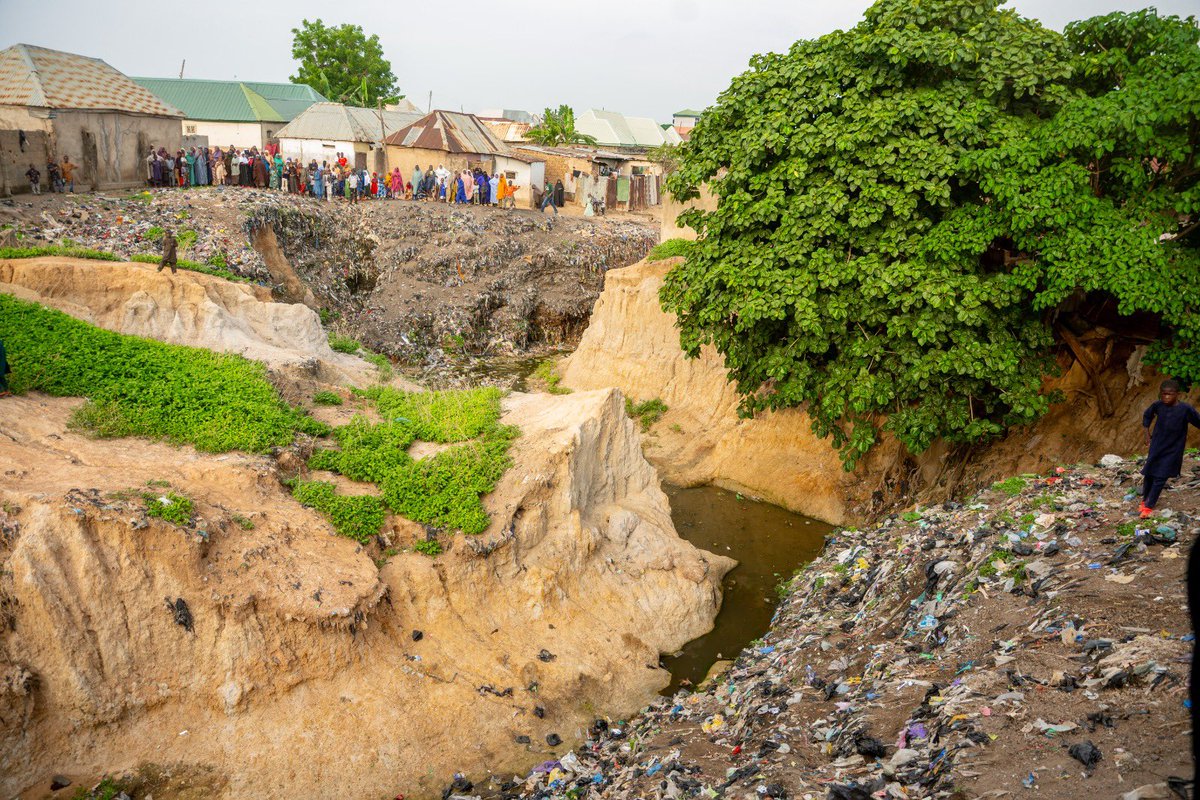
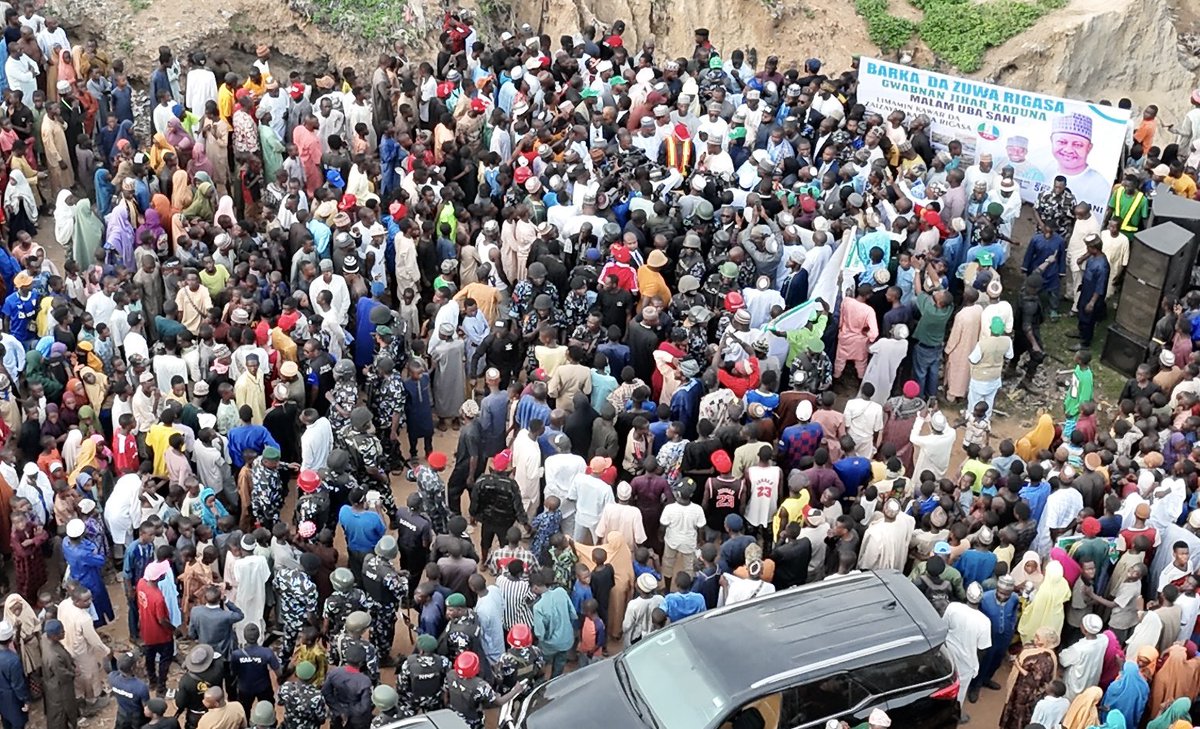
I recently conducted a thorough inspection of the environmental degradation and gully erosion site in Rigasa, Kaduna State, a pressing issue that has persisted for over 30 years. This relentless challenge has claimed lives, devastated livelihoods, and exposed communities to significant environmental hazards and safety risks, all without sufficient intervention.
In response, I am pleased to announce that the Kaduna State Government, through the Ministry of Environment and Natural Resources, will initiate a comprehensive intervention aimed at reclaiming degraded lands, restoring livelihoods, and fostering a healthier, safer environment for residents along the affected corridor.
This ambitious project will span a 17-kilometer stretch across the Igabi and Kaduna South Local Government Areas, covering Rigasa and other communities along the corridor, which are predominantly urban-poor communities that make significant contributions to the economic growth and development of Kaduna State. The project has an approved contract sum of N34 billion, and the necessary funding has been secured to ensure a seamless implementation process. Groundbreaking is scheduled to occur in two weeks, with project completion anticipated within 18 months.
While the construction will impact over 1,200 households, we have allocated more than N2 billion for compensation and resettlement support. This initiative will not only create direct and indirect employment opportunities but also stimulate economic activity and enhance the quality of life for our citizens. Upon completion, the project is expected to directly benefit and positively impact more than 2 million people living and working within the affected corridor and surrounding communities.
Senator Uba Sani, CON
Governor, Kaduna State.
102
193
207
2,364
Senator Uba Sani retweeted

Jun 12
Kaduna Has Made Significant Progress In Security And Education - Sani
I can only speak for Kaduna State, as each governor is responsible for their own state. However, under my governance, Kaduna has recorded progress in key sectors such as agriculture, security, education, and transportation. We have made significant improvements, especially in security. When I assumed office, about eight local government areas were affected by insecurity, and over 100 schools and several hospitals, particularly primary healthcare centres, were closed. Today, all our schools in Kaduna are open.
Uba Sani, Governor, Kaduna State
2
37
48
2,565
Senator Uba Sani retweeted
Jun 12
Nigeria Cannot Tackle Insecurity Without Creating State Police - Sani
We cannot effectively address the issues of insurgency, banditry, and kidnapping without decisive action. One of the key steps needed is the creation of state police. Only then can appropriate constitutional powers be granted to enable them to bear arms and respond more effectively to security challenges at the local level.
Uba Sani, Governor, Kaduna State
7
33
53
4,536
Senator Uba Sani retweeted
Jun 13
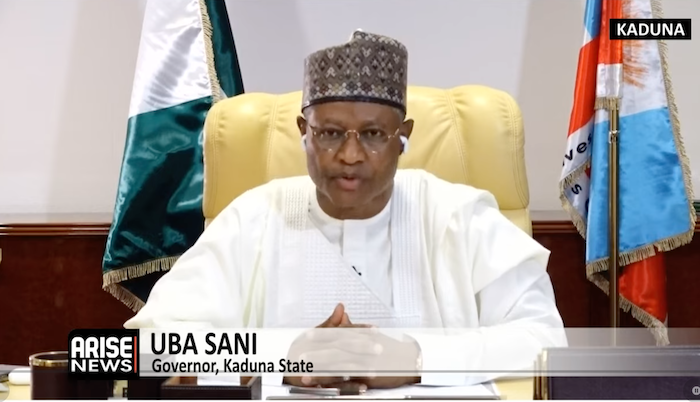
Governor Uba Sani says Nigeria’s democracy has not met expectations from the anti-military struggle, urges continued commitment to democratic ideals. ow.ly/4BJU106zCKq
4
31
49
3,088
Jun 13
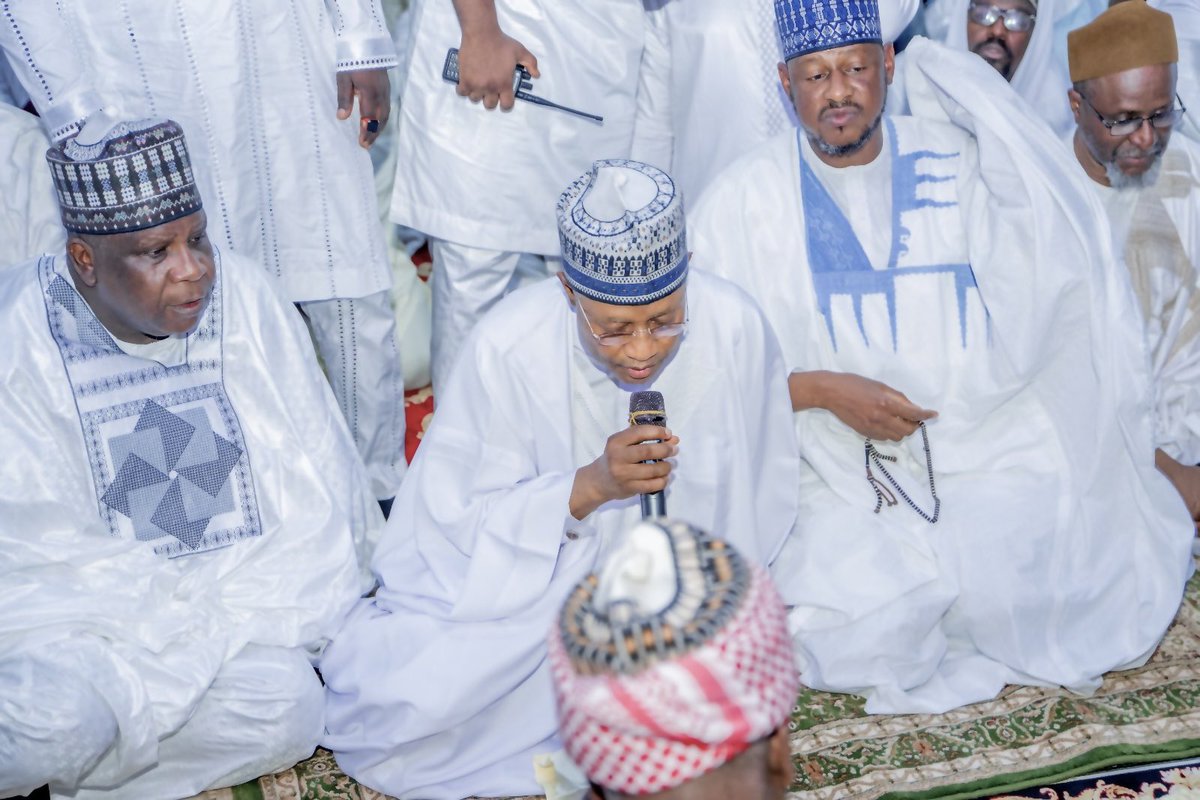
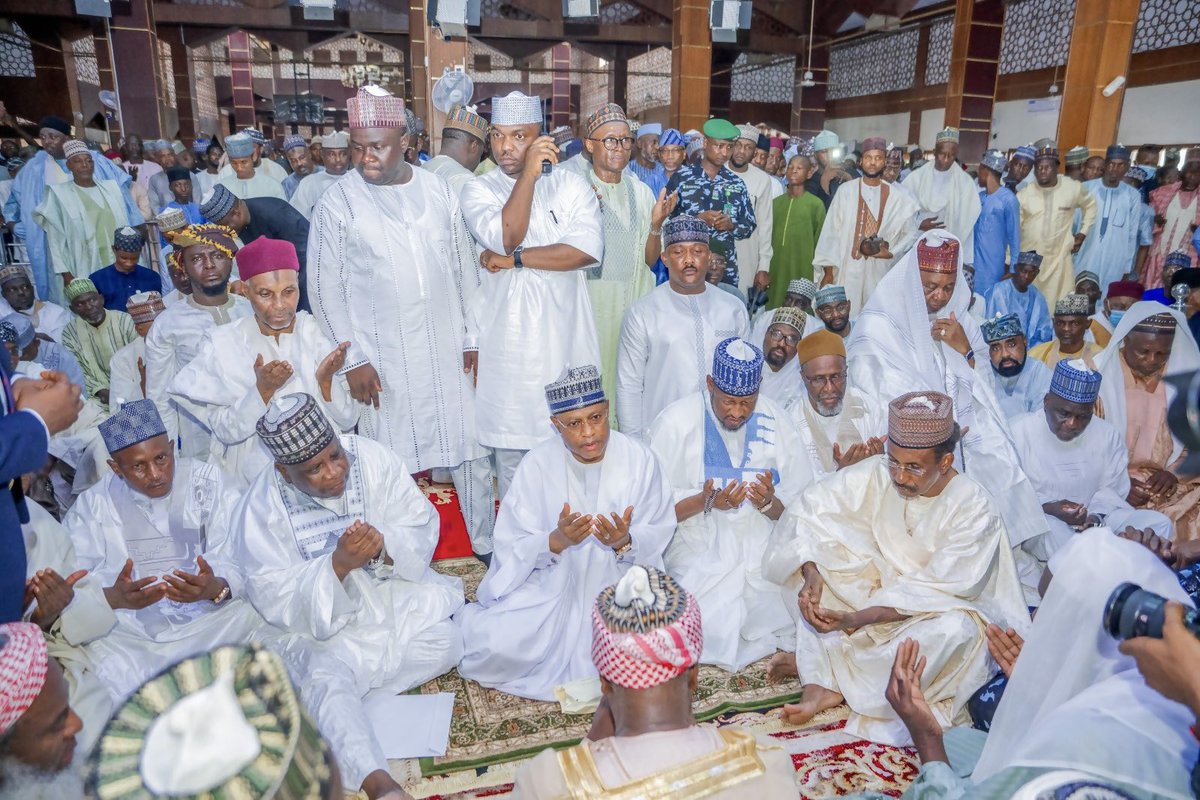
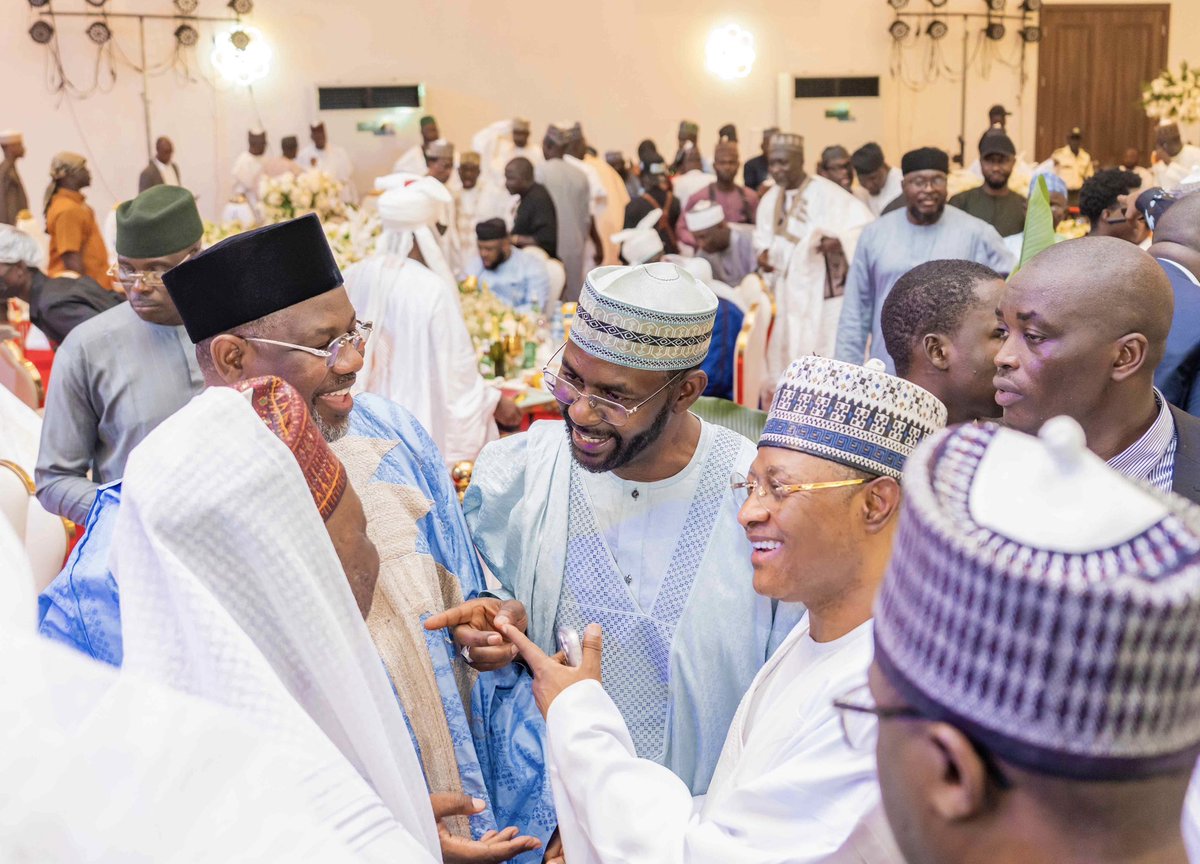
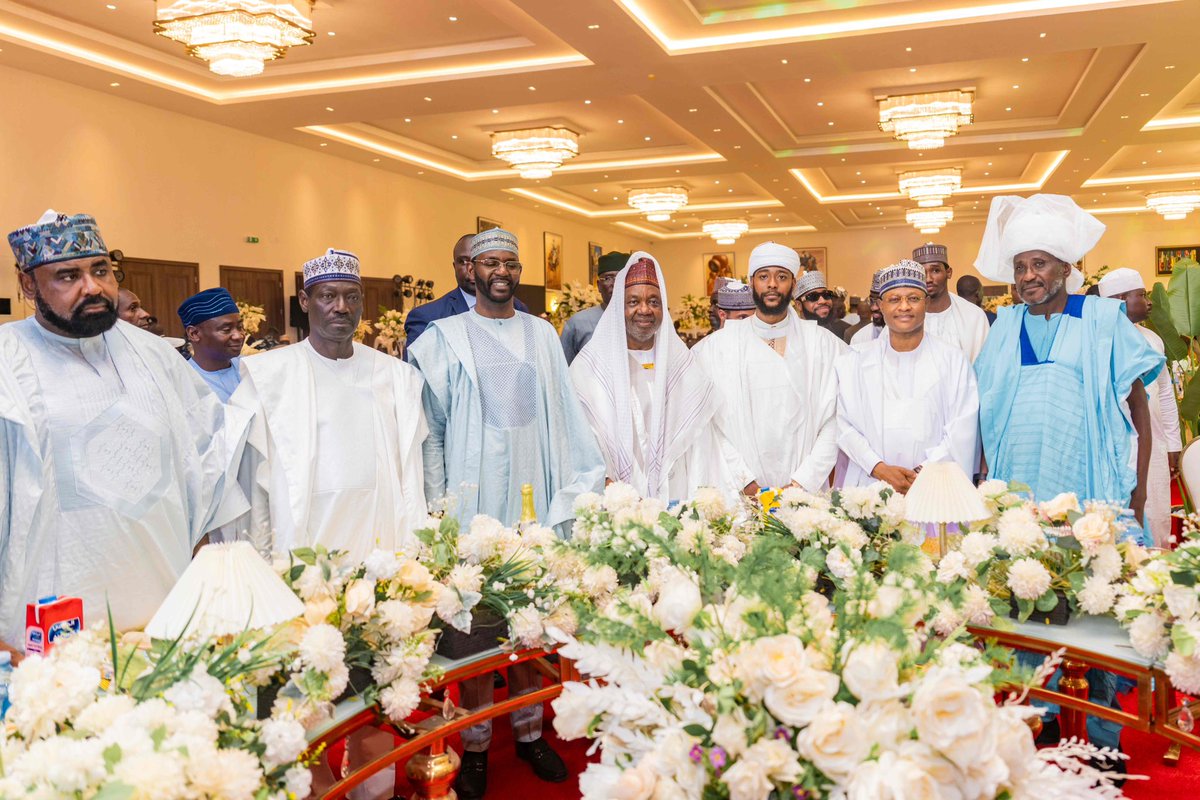
I had the honor of serving as Chief Host at the Wedding Fatiha of Zainab Yusuf Hamisu Abubakar and her groom, Ibrahim Iro Danfuloti, which took place shortly after Juma’at prayers at the Sultan Bello Mosque, Kaduna.
I was pleased to serve as the Waliyy of the bride, Zainab, the beloved daughter of my friend, Malam Yusuf Hamisu Abubakar (MaiRago), while my brother and colleague, Governor Dikko Umaru Radda, graciously served as the Wakil of the groom. Following the solemnization, I hosted distinguished guests at a reception held at the Abba Kyari Banquet Hall, Kaduna.
I wish the newlyweds a happy and blessed married life, and pray that Allah makes their union among the best. Ameen
54
146
219
14,777
Jun 12
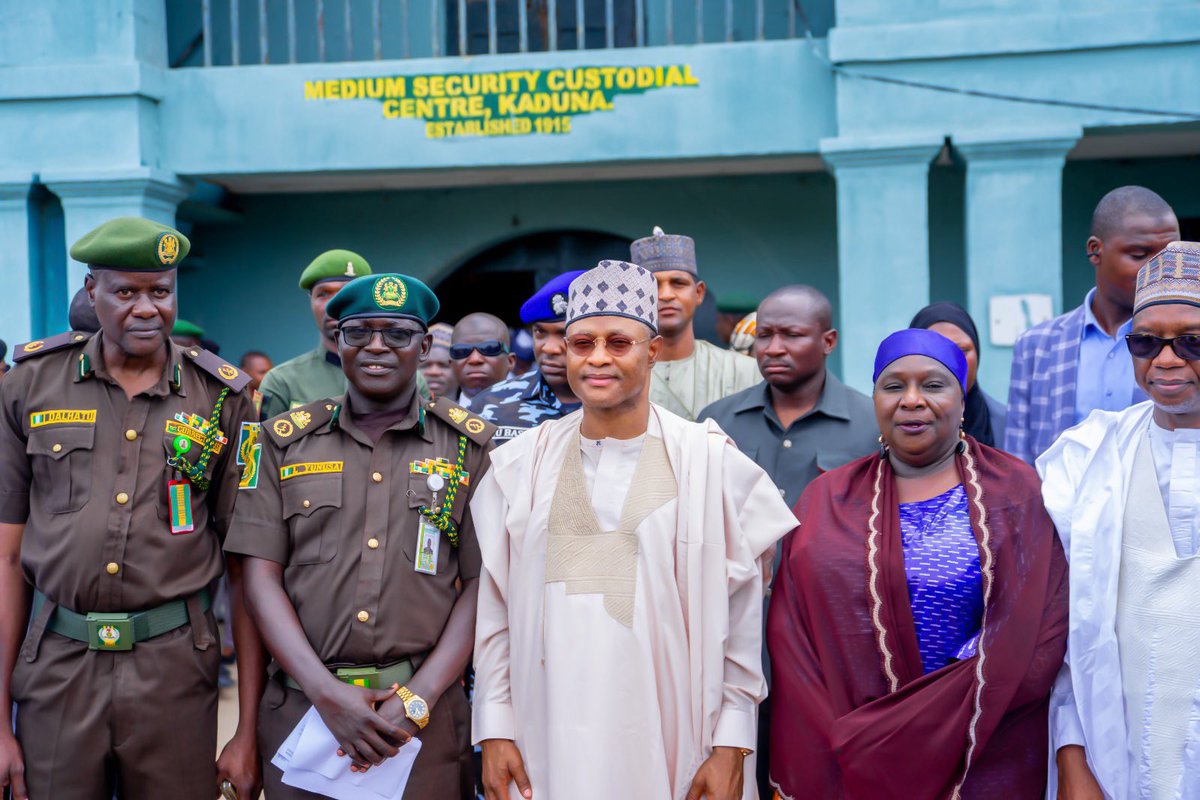
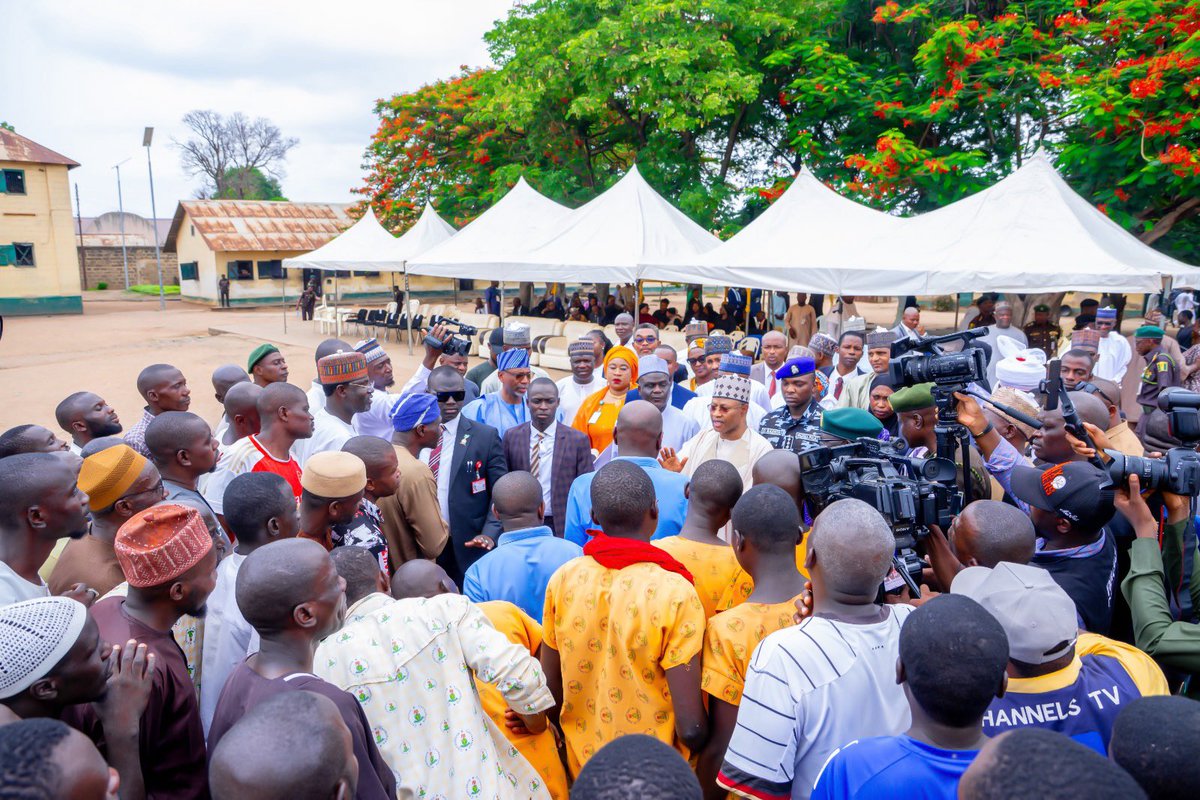
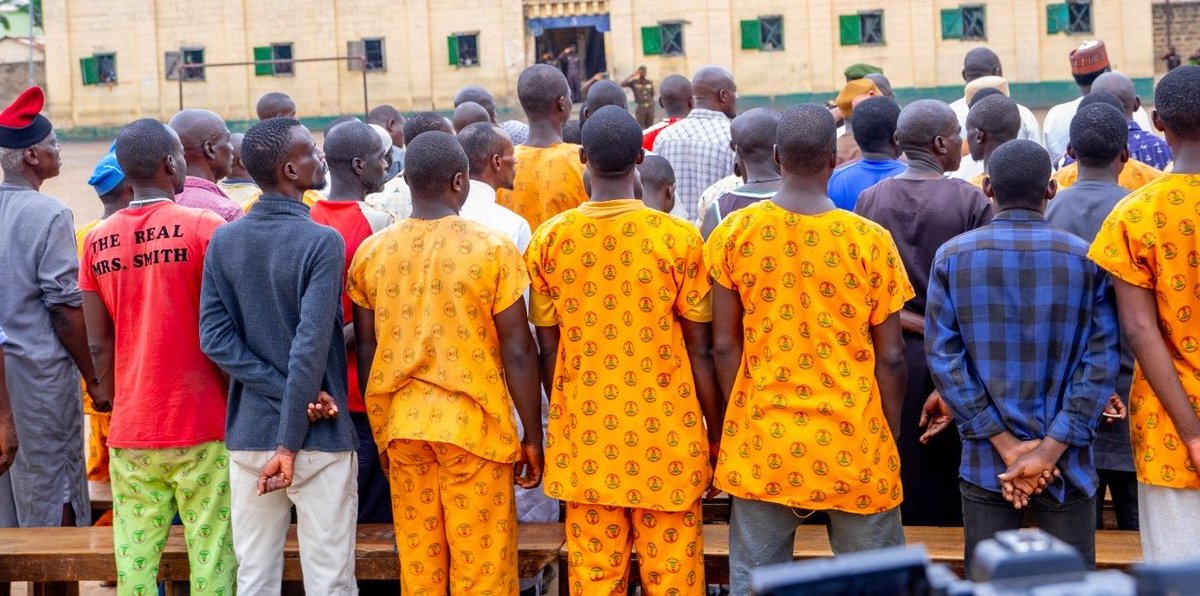
In exercising the Prerogative of Mercy bestowed upon me by the Constitution of the Federal Republic of Nigeria (1999, as amended), I am pleased to announce the granting of clemency to 97 eligible inmates of the Kaduna Medium Security Custodial Centre, as part of our 2026 Democracy Day celebrations. This decision embodies our unwavering commitment to justice, equity, and compassion, particularly for those vulnerable citizens whose socio-economic circumstances may have played a role in their incarceration. We firmly believe that every individual merits a second chance and the opportunity to rebuild their lives.
I implore the beneficiaries to embrace this opportunity with responsibility, to cultivate good character, and to acquire skills that will enable them to positively impact society. My administration is steadfast in its commitment to support their rehabilitation and reintegration. It is never too late for them to become valuable members of their families and communities.
I extend my sincere appreciation to the Judiciary, the Nigerian Correctional Service, the Legal Aid Council, security agencies, traditional and religious leaders, civil society organizations, and the Advisory Council on Prerogative of Mercy for their invaluable contributions to the success of this initiative. Together, we are forging a Kaduna State where justice is harmonized with mercy, where compassion enriches accountability, and where every citizen has the opportunity to contribute meaningfully to our collective growth and development.
In line with our administration’s commitment to enhancing the operations of the Kaduna Custodial Centre, I have directed the immediate deployment of essential medical supplies and the provision of an operational vehicle to bolster its effectiveness, as we identify and address other critical areas of need.
Senator Uba Sani, CON
Governor, Kaduna State.
June 12, 2026
52
166
189
13,863
Jun 12
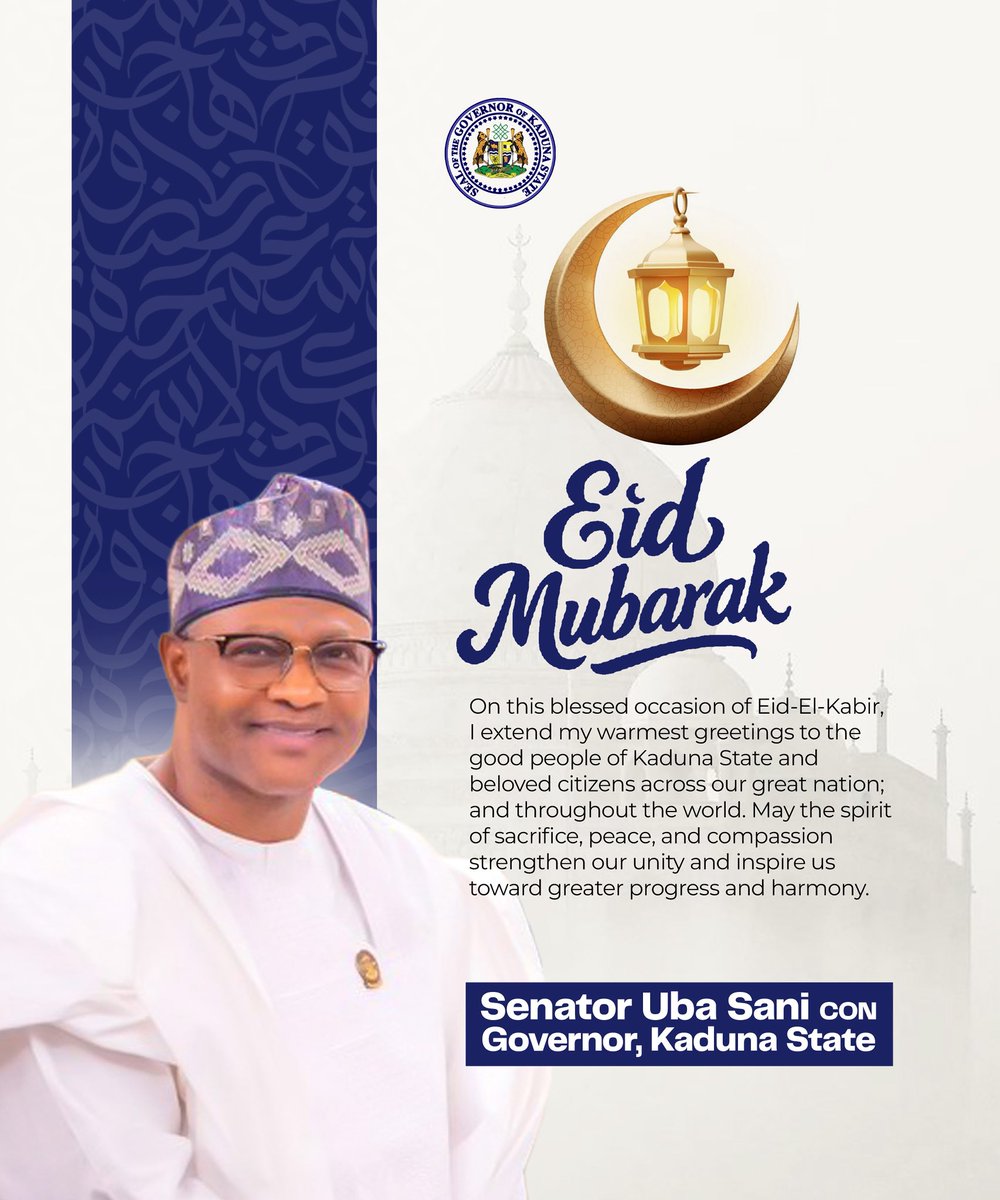
On this blessed day of Juma’ah, may Allah (SWT) surround us and our families with His mercy and blessings. May He accept our prayers and good deeds, forgive our sins, guide us on the straight path, and place barakah in our sustenance and efforts. May He grant us good health, peace, lawful provision, and success in this life and the Hereafter. May Allah bless our dear Kaduna State and Nigeria with peace, security, unity, prosperity, and righteous leadership. Ameen.
JUMA’AT MUBARAK
114
241
248
1,853
Senator Uba Sani retweeted
Jun 12
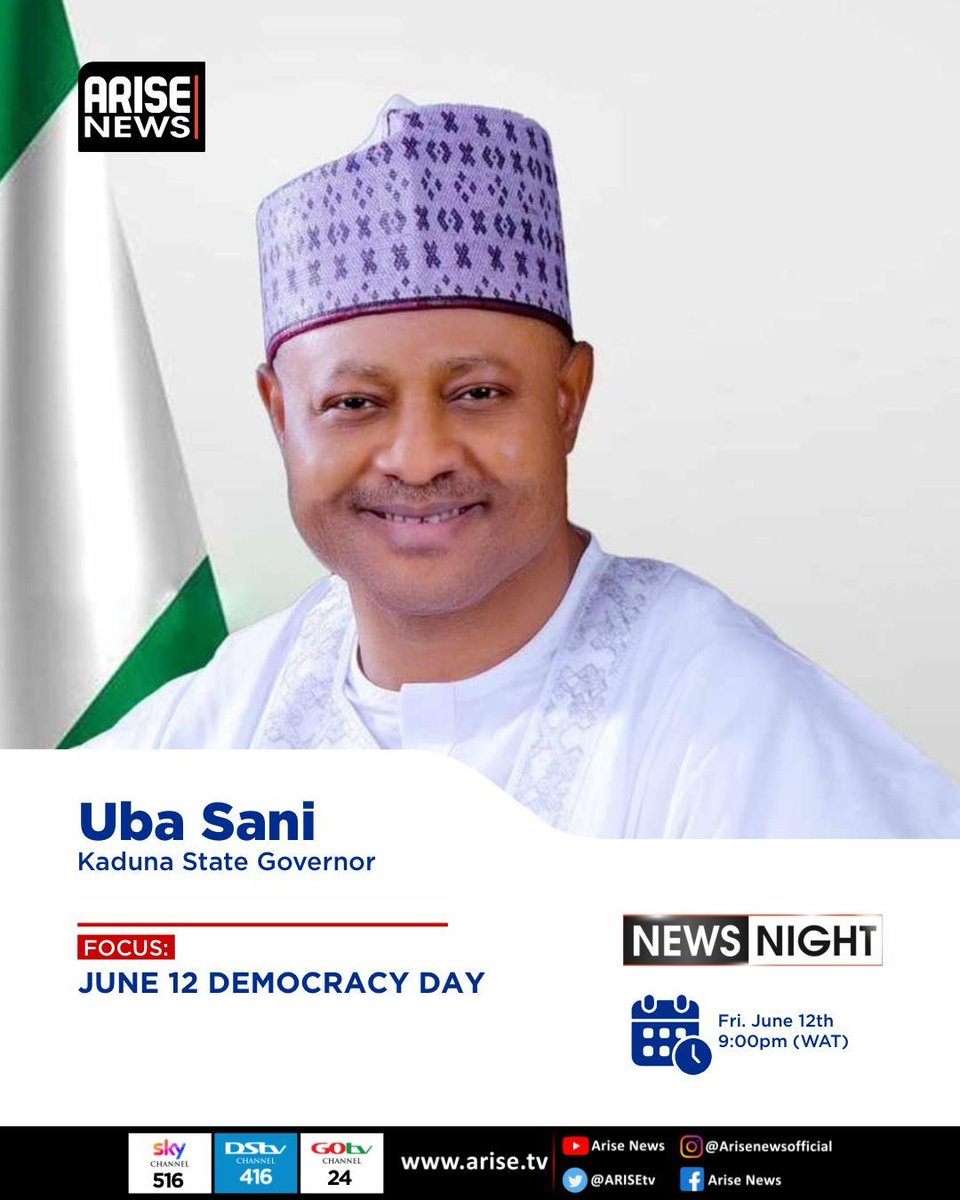
Join us on #NewsNight today at 9:00pm for an exclusive conversation with Uba Sani, Kaduna State Governor, as we discuss the significance of June 12 Democracy Day and the state of Nigeria’s democracy.
Click the link below to join the LIVESTREAM: https:// m.youtube.com/watch?v=TJ5V8K…
2
64
78
2,348
Jun 12
“DEMOCRACY DAY 2026: DEFENDING DEMOCRACY, STRENGTHENING UNITY, SECURING THE FUTURE”
My Esteemed Citizens of Kaduna State,
Today, on June 12, 2026, we stand in solidarity with our fellow Nigerians, both at home and abroad, to commemorate Democracy Day; a day that encapsulates sacrifice, courage, freedom, and national unity. This moment invites us to honour the countless men and women whose unwavering struggles have ensured that democratic governance prevails over authoritarianism. It is also a time for deep reflection on our nation’s journey, a celebration of our progress, and a renewed commitment to forge a stronger, more united, and prosperous Nigeria.
June 12 holds a singular place in the annals of our national history. The historic election of June 12, 1993, revealed the extraordinary capacity of Nigerians to transcend ethnic, religious, and regional divisions in pursuit of a shared national destiny. Though that democratic mandate was unjustly annulled, the sacrifices that ensued ignited a national movement, ultimately restoring constitutional rule and laying the foundation for the freedoms we cherish today.
As one who actively participated in the pro-democracy struggle, I reflect with profound respect and deep gratitude on the sacrifices made by luminaries such as the clear winner of the Presidential Election of June 12, 1993, Chief MKO Abiola, GCFR, Chief Gani Fawehinmi, SAN, GCON, Dr. Beko Ransome-Kuti, Hajiya Kudirat Abiola, His Excellency President Bola Ahmed Tinubu, GCFR, Col. Dangiwa Umar (Rtd) and many other patriots who risked their liberty, comfort, and, in some instances, their very lives in defense of democracy. Their courage serves as a timeless reminder that freedom is never free, and democracy must never be taken for granted.
This year’s celebration bears particular significance, as it marks over twenty-seven years of uninterrupted democratic governance under the Fourth Republic; the longest period of constitutional rule in Nigeria’s history. During this epoch, our nation has successfully conducted seven consecutive general elections, witnessed peaceful transfers of power at both national and sub-national levels, and demonstrated that democratic institutions can endure, adapt, and strengthen over time. The right of citizens to freely associate, organize, form political parties, forge alliances, contest elections, and engage in governance remains one of the crowning achievements of our democracy.
As we revel in these accomplishments, we must remain vigilant. Across Africa and particularly in our West African sub-region, constitutional governance has faced increasing pressure from anti-democratic forces, leading to unconstitutional changes in government. These developments remind us that democracy cannot thrive in complacency; it must be actively defended by citizens, institutions, and leaders who uphold the rule of law, constitutionalism, and the supremacy of the people's mandate.
Thus, we must resolutely reject all forms of anti-democratic tendencies and resist any romantic notions of military rule. While democracy may sometimes appear slow or imperfect, it remains the most effective system for managing our diversity, protecting fundamental rights, promoting accountability, and ensuring peaceful political succession. Under democracy, citizens enjoy the freedom to choose their leaders, express their opinions, and pursue change through constitutional means rather than coercion.
119
290
301
34,730
Jun 12
At this juncture, I wish to commend the Armed Forces of the Federal Republic of Nigeria and other security agencies for their unwavering commitment to constitutional order. In a region where democratic reversals have occurred, your professionalism, discipline, and loyalty to the Constitution have been exemplary. Your sacrifices in defending our territorial integrity, combating insecurity, and supporting democratic institutions have significantly contributed to the stability of our Republic. I encourage you to remain steadfast in your commitment to safeguarding our democracy and national sovereignty.
As we approach the 2027 General Elections, political activities are naturally gaining momentum across the country. While competition is both legitimate and essential in a democracy, we must ensure that partisan interests never overshadow the greater national interest. Elections will come and go, political fortunes will rise and fall, but Nigeria must remain united, peaceful, and indivisible.
This message bears particular significance for us in Kaduna State. Our state stands as a unique symbol of Nigeria’s diversity and is one of the nation’s most strategic sub-national entities. As the political capital of Northern Nigeria and a melting pot of ethnic, religious, and cultural identities, developments in Kaduna resonate far beyond our borders. Therefore, we bear the responsibility to exemplify democratic maturity, tolerance, and civility. What strengthens Kaduna strengthens Nigeria; what destabilizes Kaduna reverberates throughout the nation.
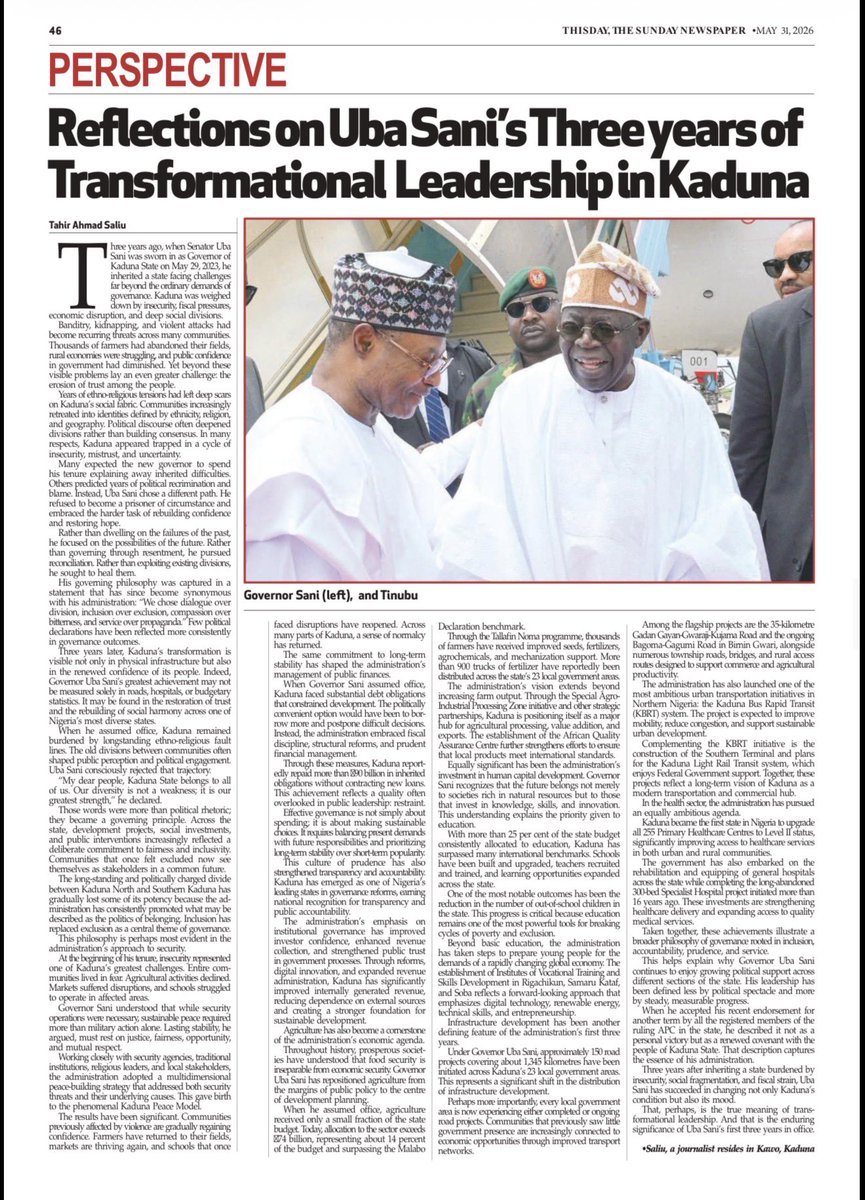
Since assuming office on May 29, 2023, our administration has remained true to the principles of inclusive governance, transparency, accountability, and citizen engagement. Through extensive consultations and people-oriented policies, we have pursued a development agenda focused on rural transformation, poverty alleviation, agricultural advancement, educational revitalization, healthcare expansion, infrastructure renewal, youth empowerment, and economic inclusion. Our objective is unequivocal: to ensure that the benefits of governance reach every community and every citizen, irrespective of location, faith, ethnicity, or social status.
At the national level, His Excellency, President Bola Ahmed Tinubu’s administration continues to implement reforms aimed at securing long-term economic stability, expanding opportunities, and laying the groundwork for sustainable growth and prosperity. We acknowledge that many Nigerians face economic hardships and insecurity. To our workers, farmers, traders, market women, students, artisans, and entrepreneurs, we hear your concerns and understand your challenges. Our administration remains resolute in our commitment to policies and programs that will enhance livelihoods, create opportunities, and deliver shared prosperity.
The ultimate test of democracy lies not merely in the conduct of elections but in the capacity of government to elevate the lives of its citizens. Our responsibility as leaders is thus twofold: to seek the mandate of the people and to justify that mandate through service, compassion, and tangible results. We must continue to combat poverty, create jobs, strengthen food security, promote social justice, & expand opportunities for all.
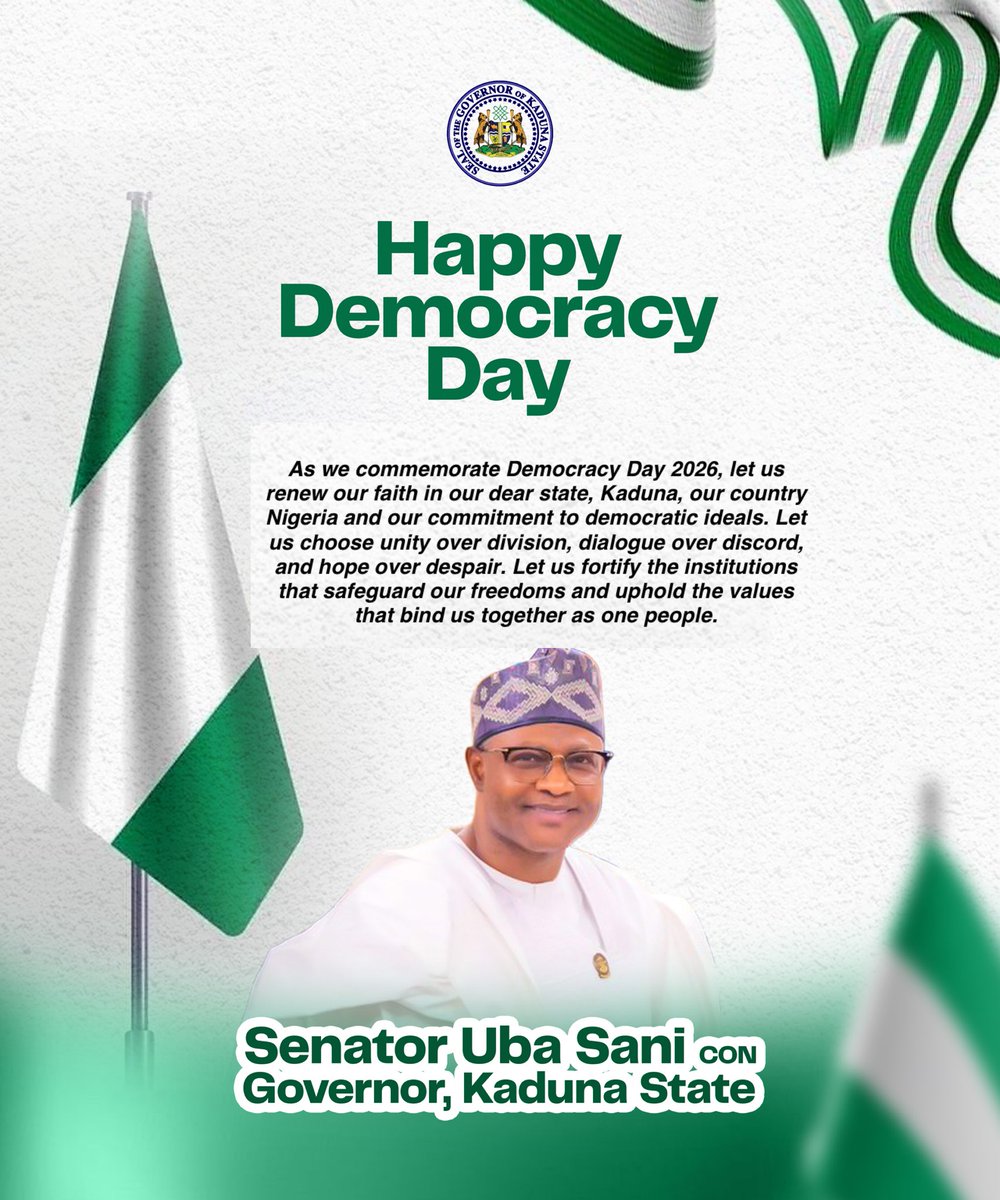
As we commemorate Democracy Day 2026, let us renew our faith in Nigeria and our commitment to democratic ideals. Let us choose unity over division, dialogue over discord, and hope over despair. Let us fortify the institutions that safeguard our freedoms & uphold the values that bind us together as one people.
The story of Nigeria is still being written. The future we envision will not be handed to us; it must be constructed through sacrifice, patriotism, & collective endeavor. If we remain united in purpose and steadfast in our commitment to democracy, there is no challenge we cannot overcome & no summit we cannot reach.
May the sacrifices of our heroes continue to inspire us.
Happy Democracy Day!
17
118
121
918
Jun 12
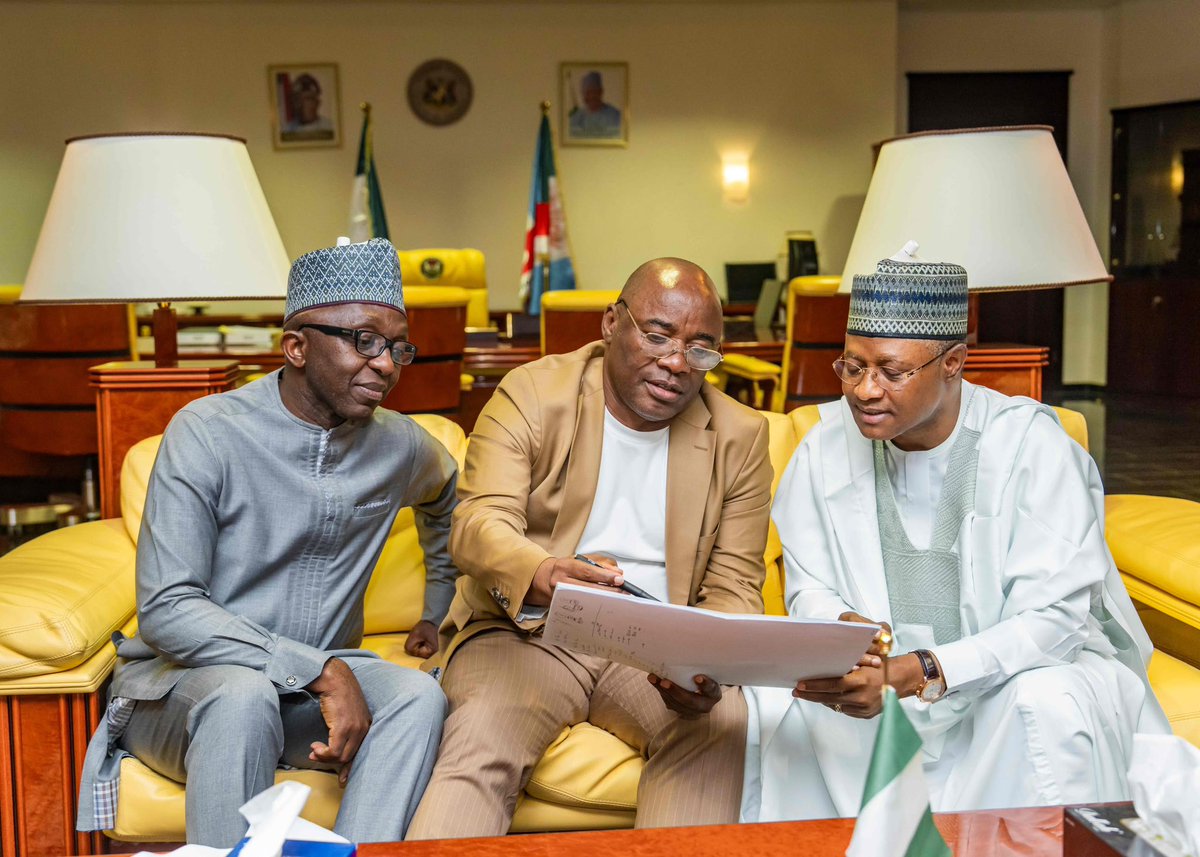
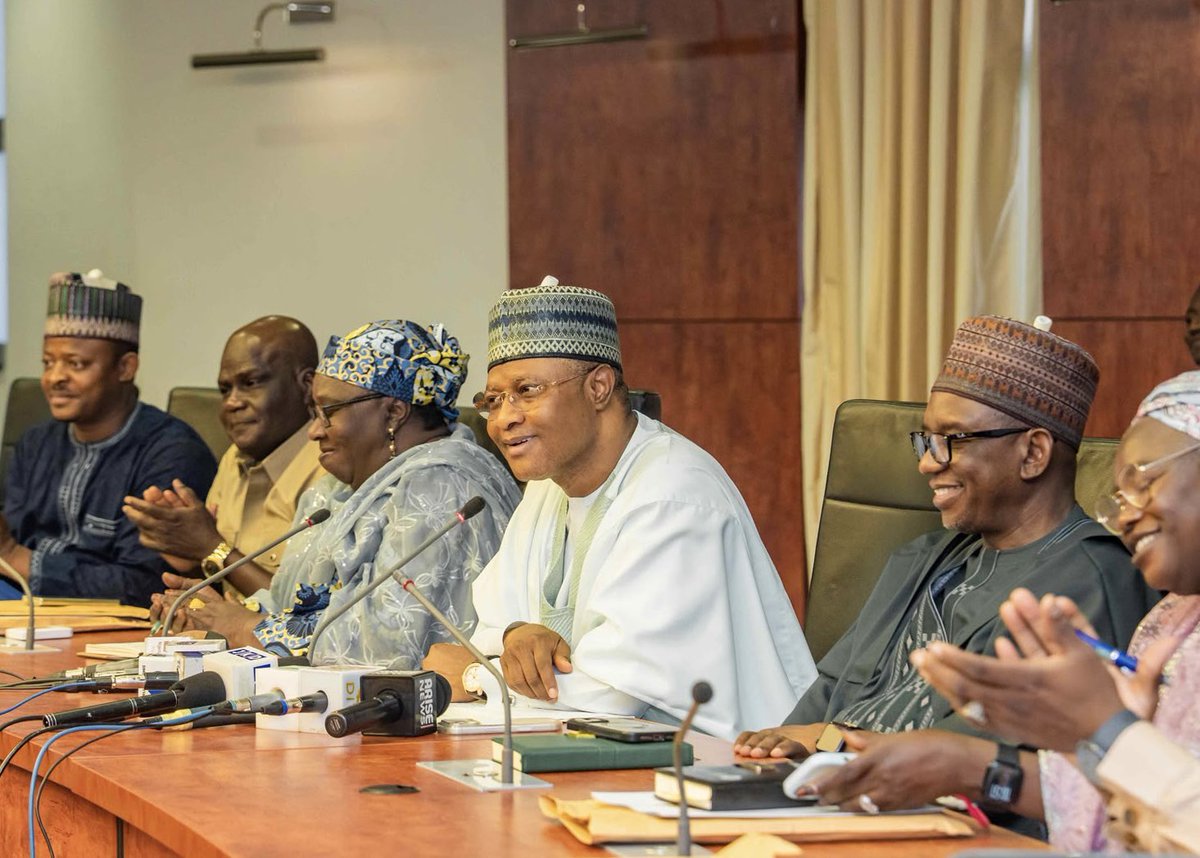
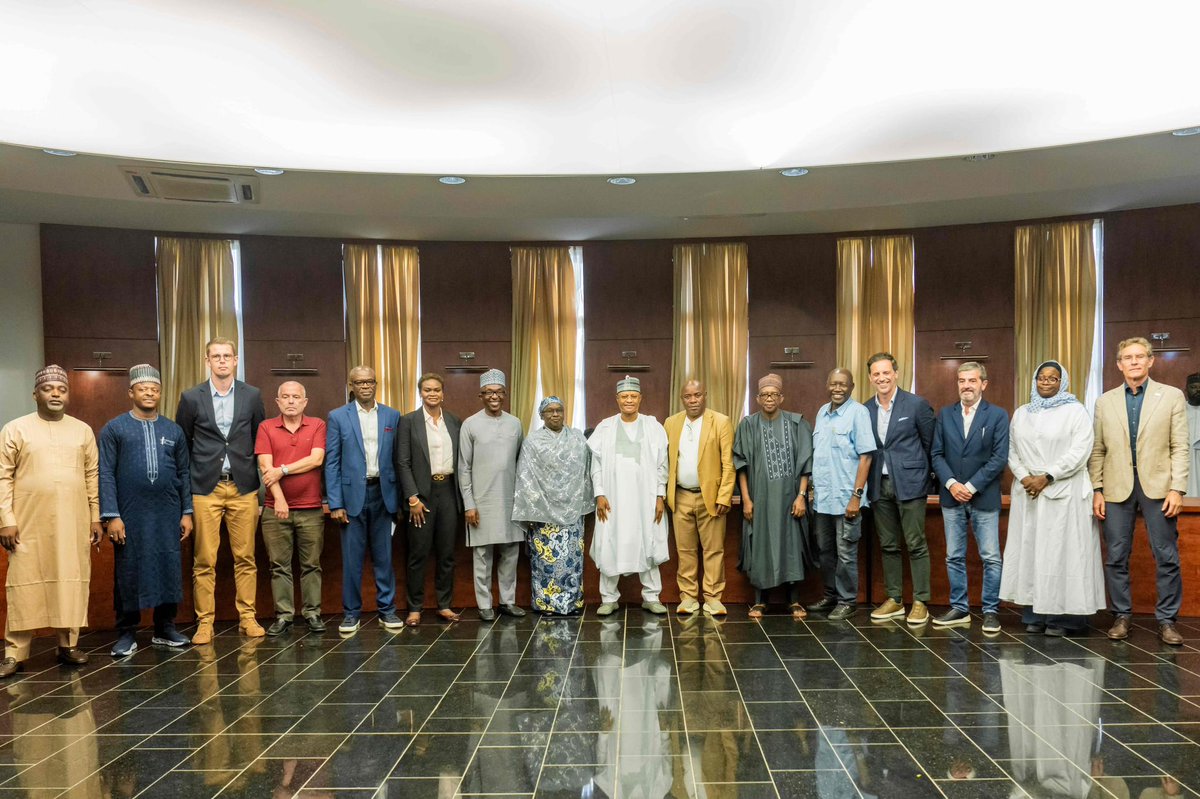
I am truly elated to welcome the Federal Government delegation, led by the Permanent Secretary of the Federal Ministry of Transport, Engr. Olufunso Adebiyi along with representatives from the Ministry of Finance Incorporated (MOFI) and our esteemed project contractor, Mota-Engil, on an important follow-up meeting on the Kaduna Light Rail Project.
This engagement presents a vital opportunity for both teams to harmonize our efforts and deepen our collaboration toward the successful realisation of this transformative initiative. I am heartened by the updates shared by the Federal Government team regarding the progress achieved thus far, underscoring our collective commitment to advancing modern transportation infrastructure in Kaduna State.
During their visit, the delegation undertook a reconnaissance tour of the project site, allowing stakeholders to assess developments firsthand and align on critical next steps.
I wish to extend my heartfelt gratitude to His Excellency, President Bola Ahmed Tinubu, GCFR, for his visionary leadership and unwavering support of infrastructure development in our dear state and indeed across the nation. We are especially appreciative of his approval of the N1 trillion funding for the 50KM Kaduna Light Rail Project and his commitment in ensuring that the contractors and project team moved swiftly into action.
We are equally encouraged that this visit demonstrates the readiness of all stakeholders for the groundbreaking ceremony, which is expected to take place in a month’s time. We remain grateful for the confidence placed in us by His Excellency, as the pilot state for this landmark project, which reinforces our status as a leading state in transportation innovation within Nigeria.
I also wish to acknowledge the delegation’s recognition of the Kaduna State Government’s cooperation and dedication. Together with our Federal Government partners and the project contractor, Mota-Engil, we remain resolute in our commitment to delivering the Kaduna Light Rail Project for the benefit of our citizens.
Senator Uba Sani, CON
Governor, Kaduna State
June 11, 2026
119
273
316
27,191
Jun 11
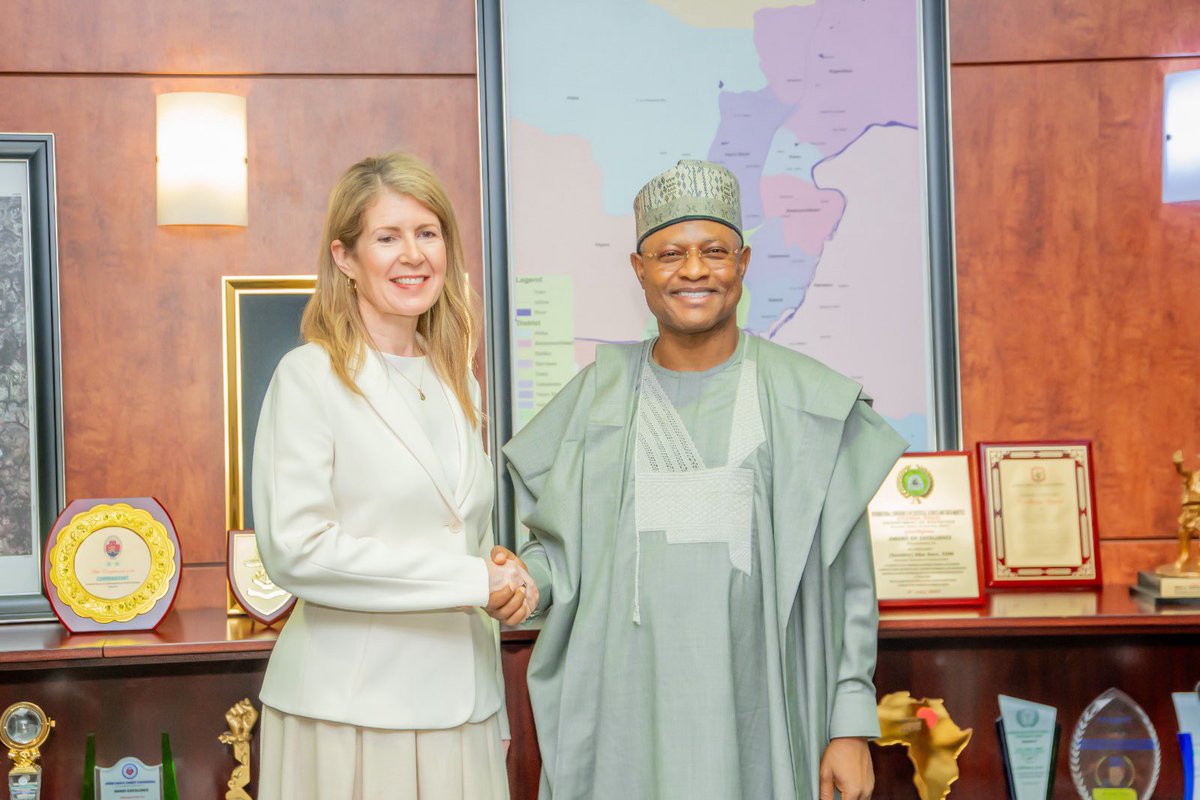
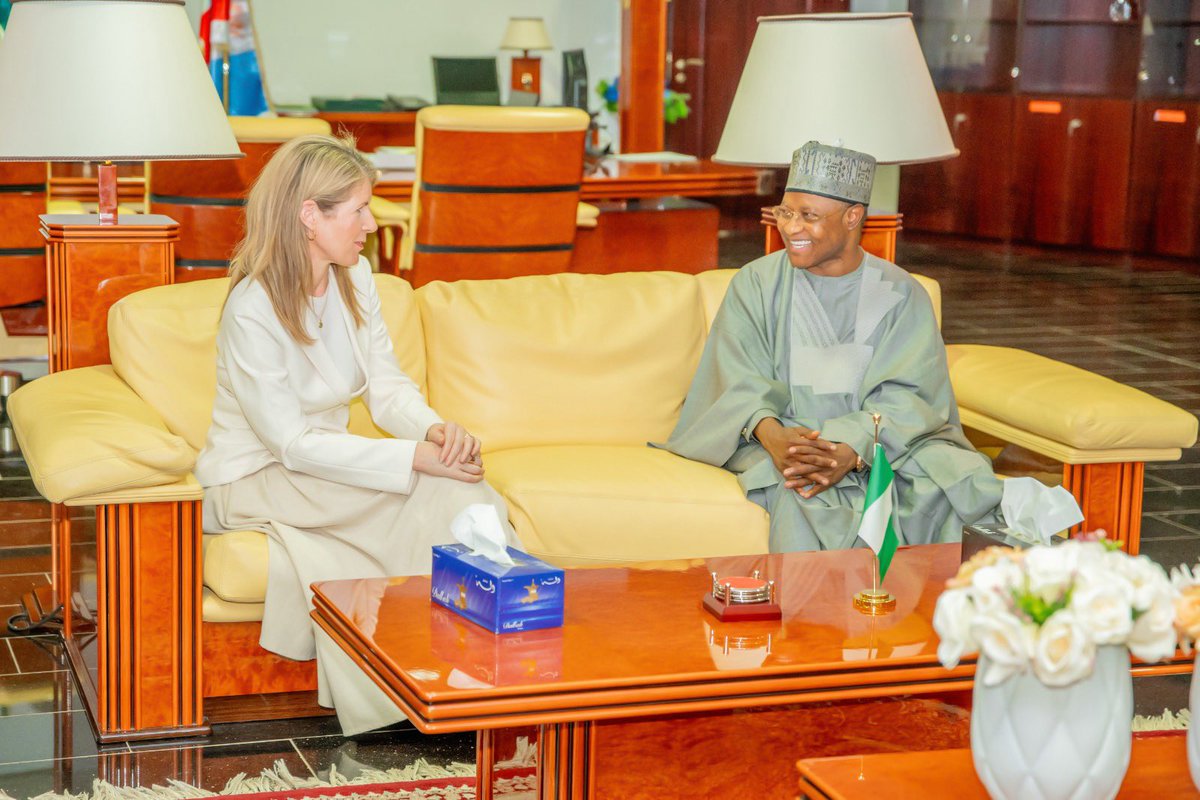
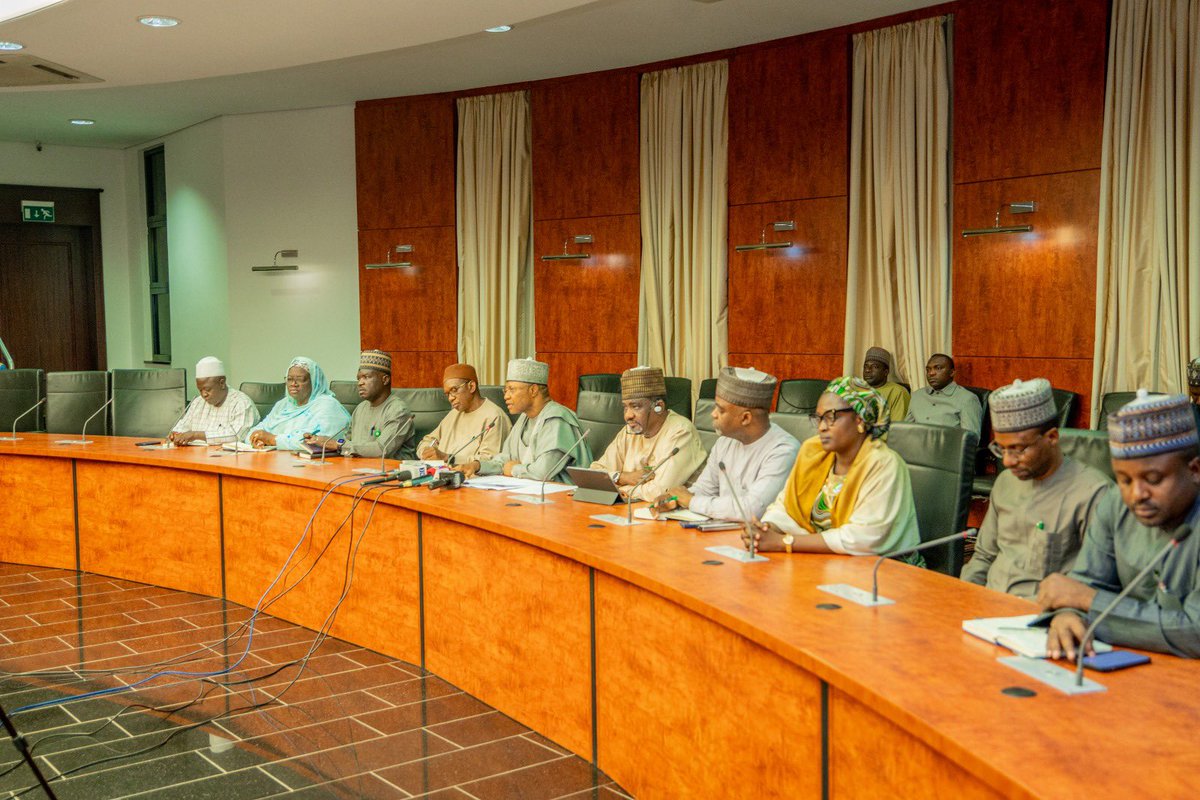
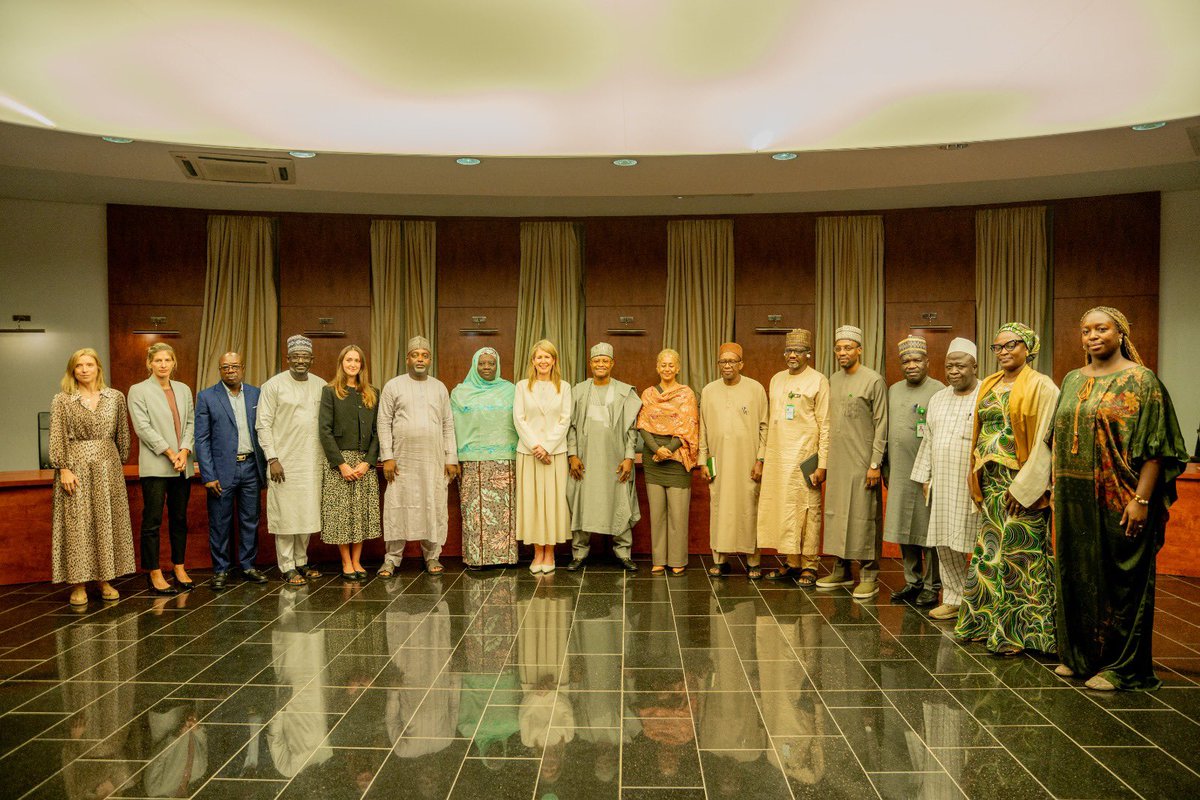
I was deeply honored to welcome Baroness Jenny Chapman, the United Kingdom’s Minister of State for Development and Africa, and her esteemed delegation which include the Development Director, Foreign, Commonwealth and Development Office (FCDO) Nigeria, Cynthia Rowe on a courtesy visit to Kaduna State. Her choice to make Kaduna her inaugural destination in Nigeria speaks volumes about the progress we have achieved and the trust that our international partners place in our development agenda, a sentiment she graciously acknowledged.
Our discussions offered a valuable opportunity to reflect on the enduring partnership between Kaduna State and the United Kingdom, which has significantly bolstered our institutions, enhanced governance, and advanced sustainable development. We also explored new avenues for collaboration, focused on promoting economic growth, creating opportunities for our citizens, and enhancing our resilience to emerging challenges.
I extended my heartfelt appreciation for the UK’s steadfast support over the years and reaffirmed Kaduna State’s commitment to partnerships that yield tangible benefits for our people. I underscored the importance of consolidating the gains from past interventions while pursuing innovative strategies for future cooperation.
The outcomes of our engagement leave me optimistic, and I am confident that this partnership will continue to flourish in the years to come, paving the way for a brighter future for Kaduna State.
Senator Uba Sani, CON
Governor, Kaduna State.
129
285
292
33,667
Jun 11
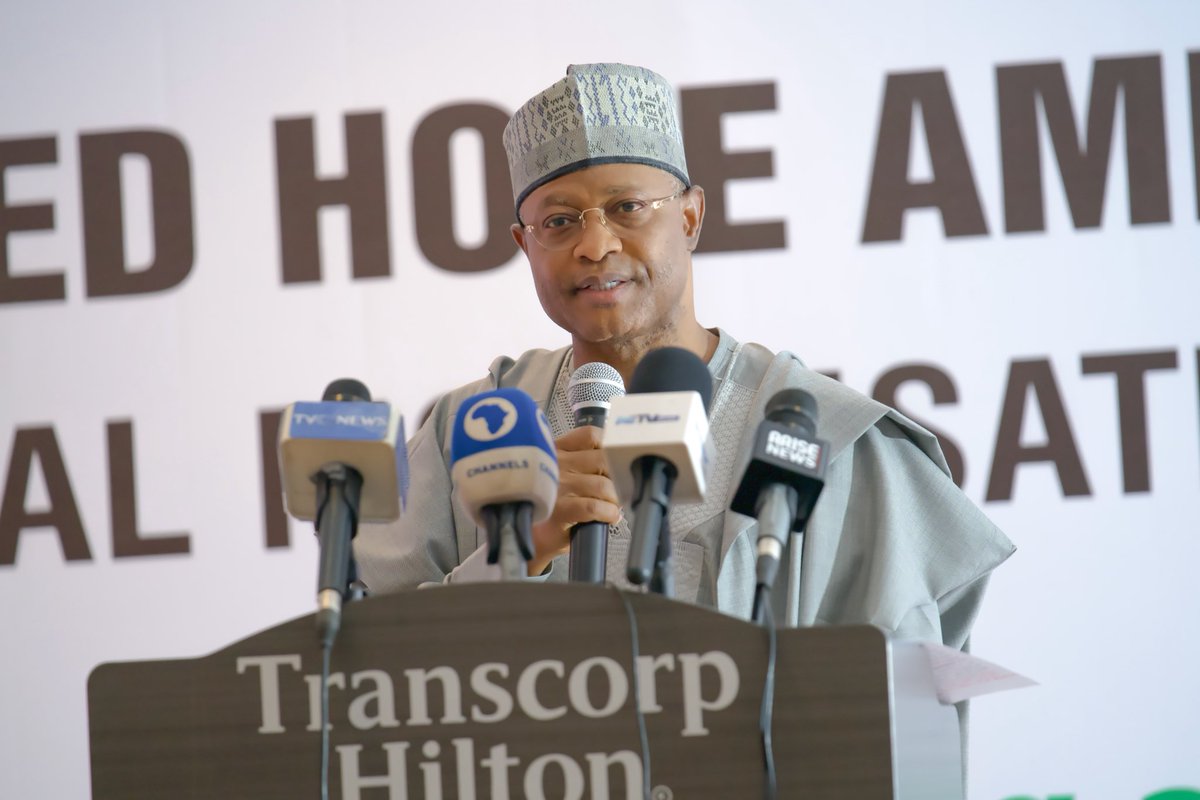
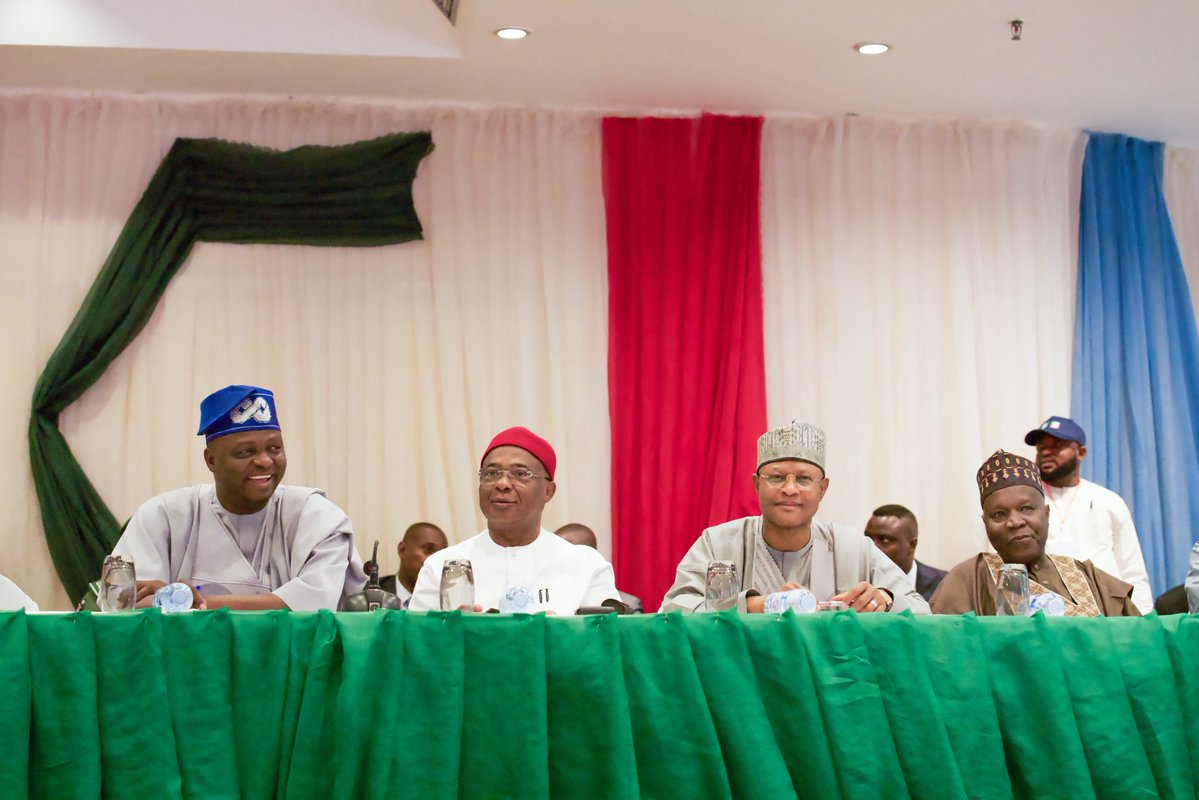
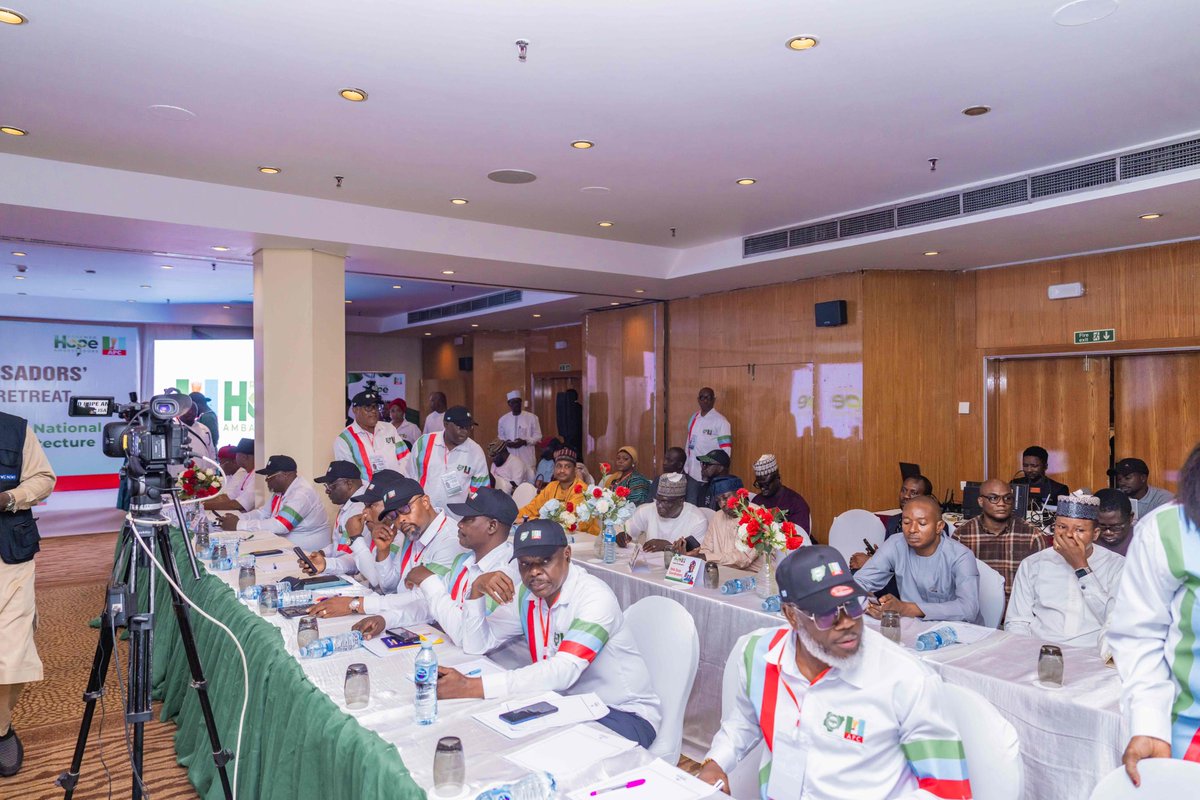
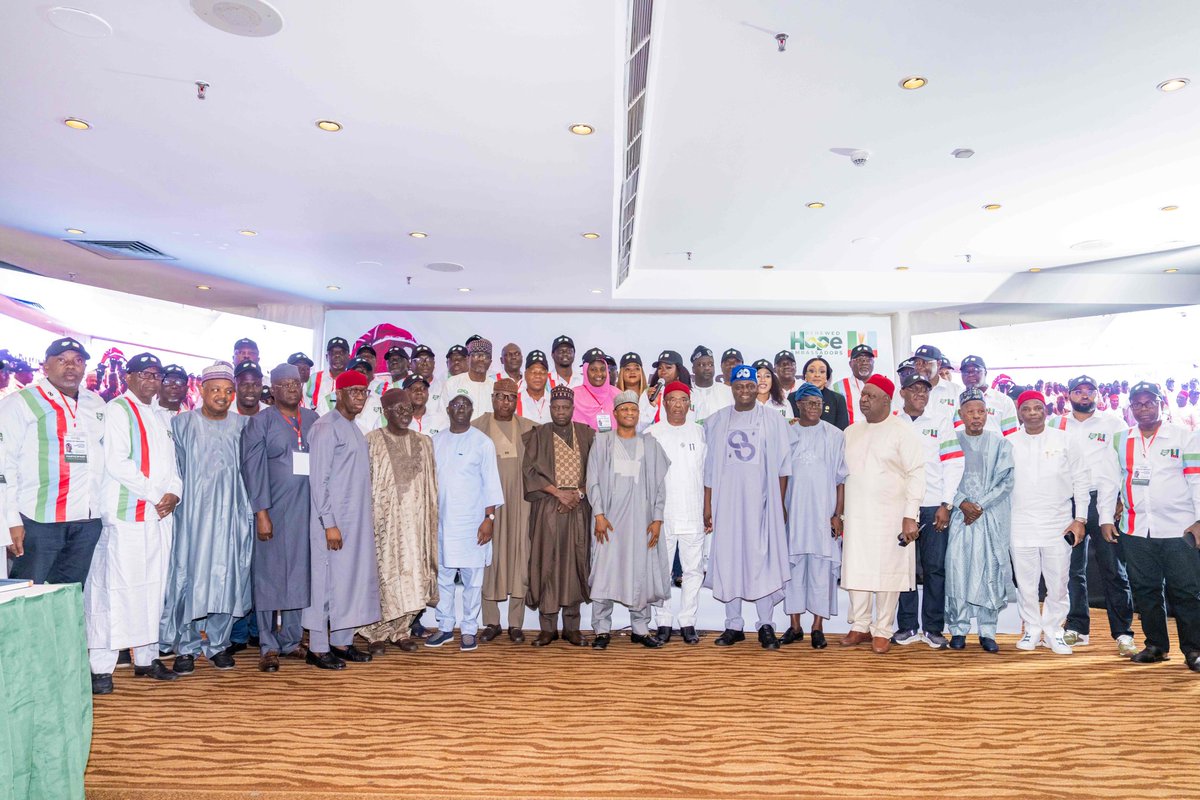
I had the distinct honour of delivering the welcome address at the Renewed Hope Ambassadors (RHA) Retreat for National Mobilisation in my capacity as Deputy Director-General, Party Outreach, Engagement, and Mobilisation. This retreat served as a vital forum for party leaders, governors, legislators, ministers, and other key stakeholders to cultivate a more cohesive approach to national mobilisation and grassroots engagement.
Our discussions were centered on enhancing the connection between governance and the citizenry, while establishing a unified framework for articulating the objectives and impact of the Renewed Hope Agenda across our nation.
A significant outcome of this gathering was the acknowledgment of His Excellency, President Bola Ahmed Tinubu, GCFR, whose bold reforms are steering our nation toward economic stabilization, infrastructure advancement, institutional resilience, and sustainable growth. It was a consensus among participants that these remarkable achievements must be strategically amplified and effectively communicated to reach Nigerians at the grassroots level.
As we concluded, we emerged with a renewed commitment to unity, coordination, and sustained engagement, all aimed at advancing national development and ensuring the enduring success of the Renewed Hope Agenda.
Senator Uba Sani, CON
Governor, Kaduna State.
63
201
223
40,848
Jun 11
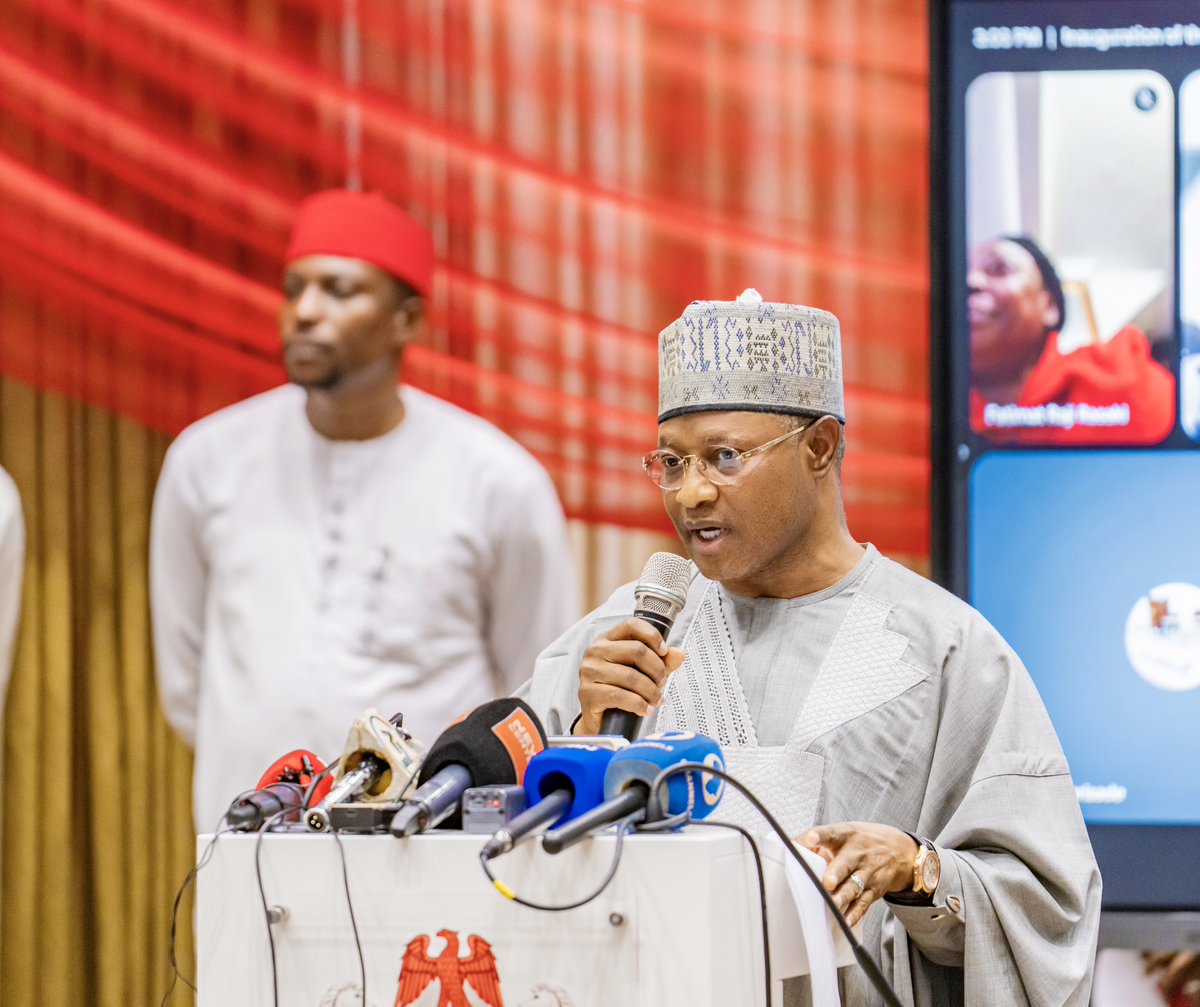
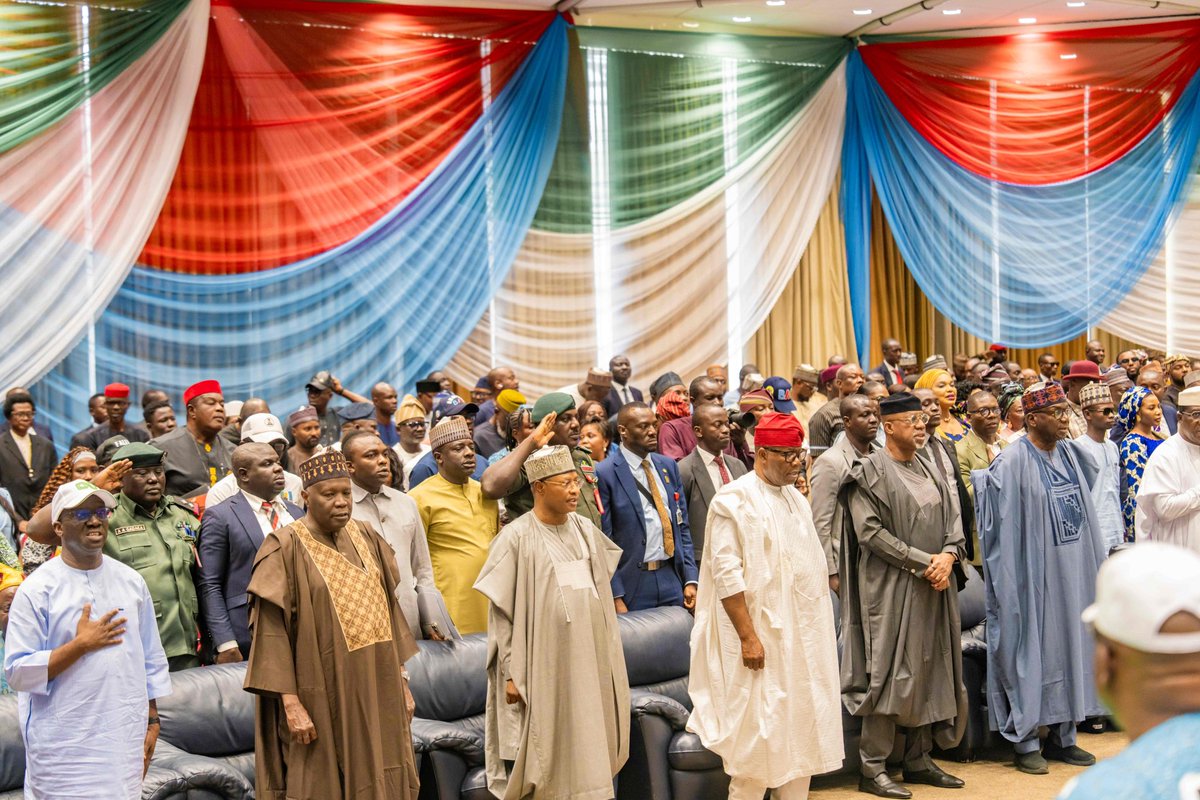
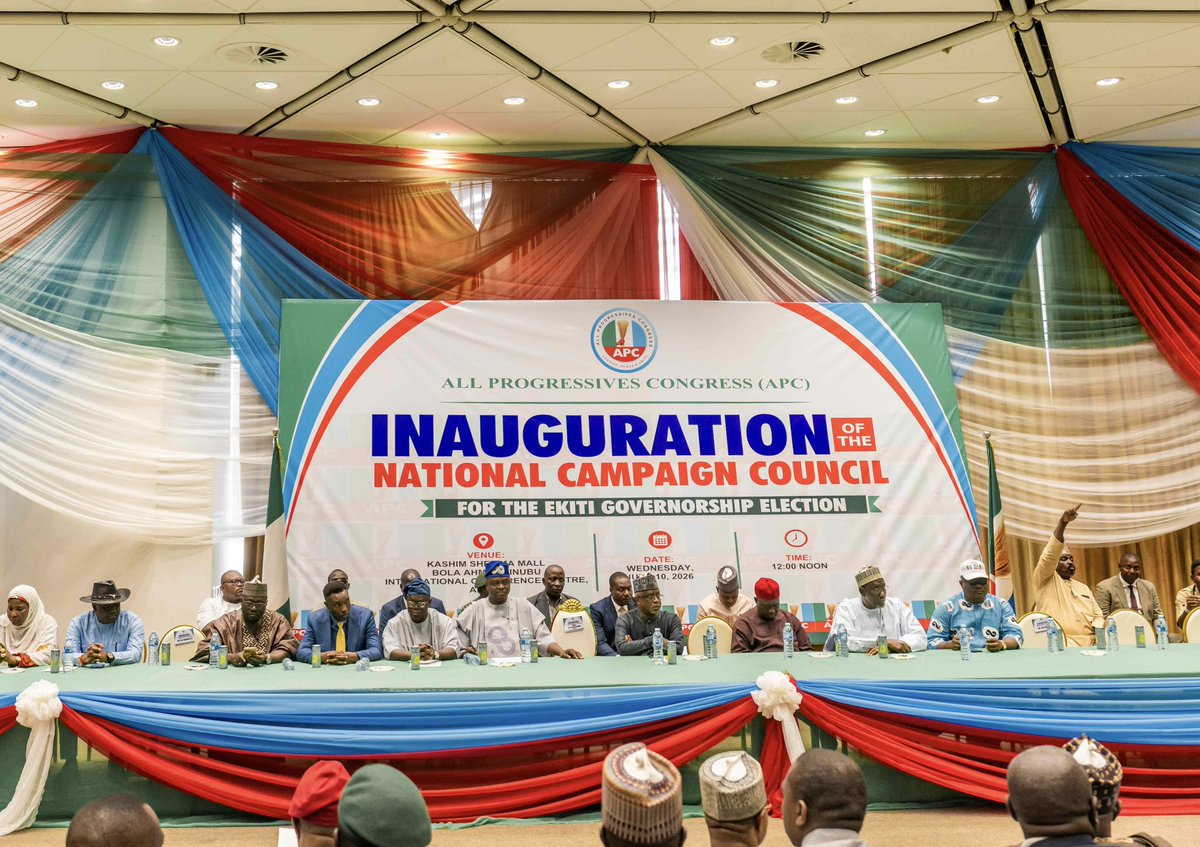
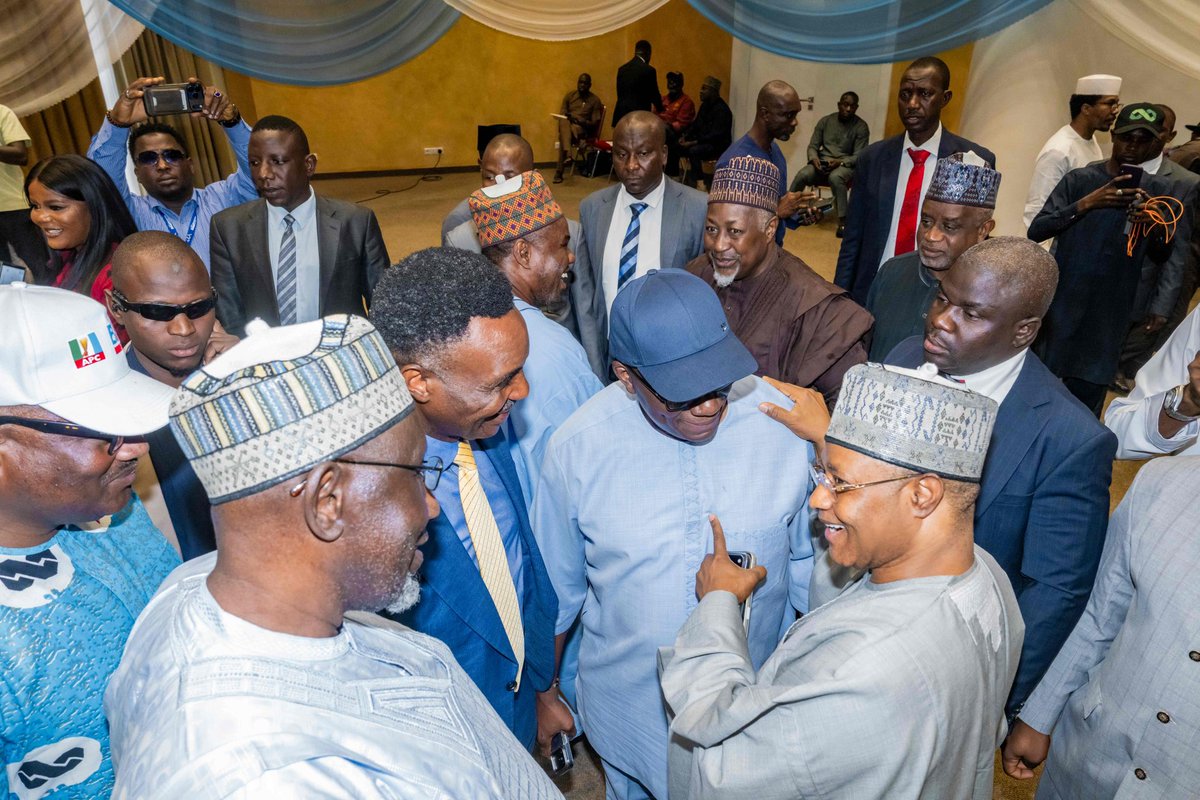
I am profoundly honoured to accept the role of Chairman of the National Campaign Council for the upcoming Ekiti State Governorship Election, a moment marked by the official inauguration conducted by the esteemed National Chairman of our great party, the All Progressives Congress (APC), Professor Nentawe Goshwe Yilwatda.
In this pivotal role, I am committed to a collaborative effort with fellow council members, party leaders, stakeholders, and supporters throughout Ekiti State. Our shared goal is to orchestrate a successful campaign that culminates in a resounding victory for Governor Biodun Oyebanji. His exemplary performance in office, wide-ranging acceptance, and the unparalleled support he commands from political leaders and stakeholders inspire confidence that the APC is poised for a historic triumph. Our ambition is clear: to secure an overwhelming mandate, aiming for a margin exceeding 500,000 votes in this crucial election.
We have laid a robust foundation, with strong grassroots structures established across all 16 Local Government Areas and 177 wards. The active engagement of youth, women, and other vital stakeholders positions us well to mobilize effectively and safeguard the impressive advancements achieved under the APC administration in Ekiti State.
I extend my heartfelt gratitude to His Excellency, President Bola Ahmed Tinubu, GCFR, for his visionary leadership and steadfast commitment to national development. His unwavering support for our party's growth is invaluable. I also sincerely thank the APC leadership for the trust they have placed in me. Together, we shall secure a decisive mandate for Governor Biodun Oyebanji and further the APC’s progressive vision for both Ekiti State and Nigeria as a whole.
Senator Uba Sani, CON
Governor, Kaduna State.
June 10, 2026
189
359
399
35,318
Senator Uba Sani retweeted

UPDATE: Governor @ubasanius, CON, @OfficialAPCNg Chairman of the Ekiti Governorship Election Campaign Council, was present at the inauguration of the 2026 Ekiti Governorship Election Campaign Council held at the Bola Ahmed Tinubu International Conference Centre, Abuja.
#Ekiti2026
3
103
112
1,097
Senator Uba Sani retweeted

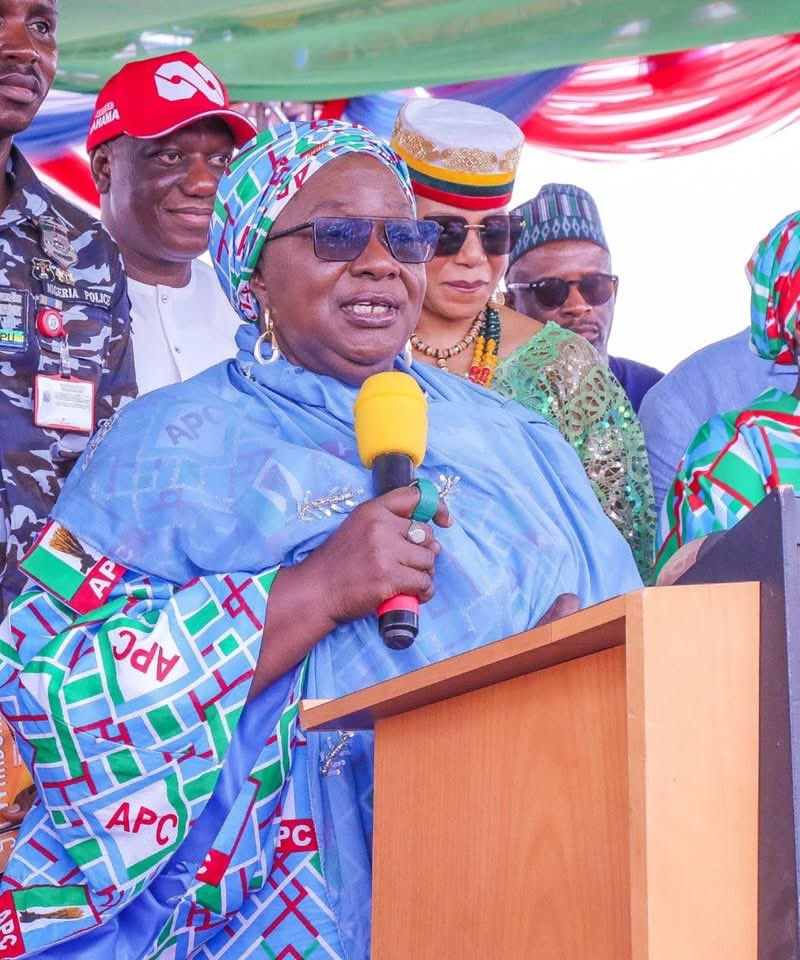
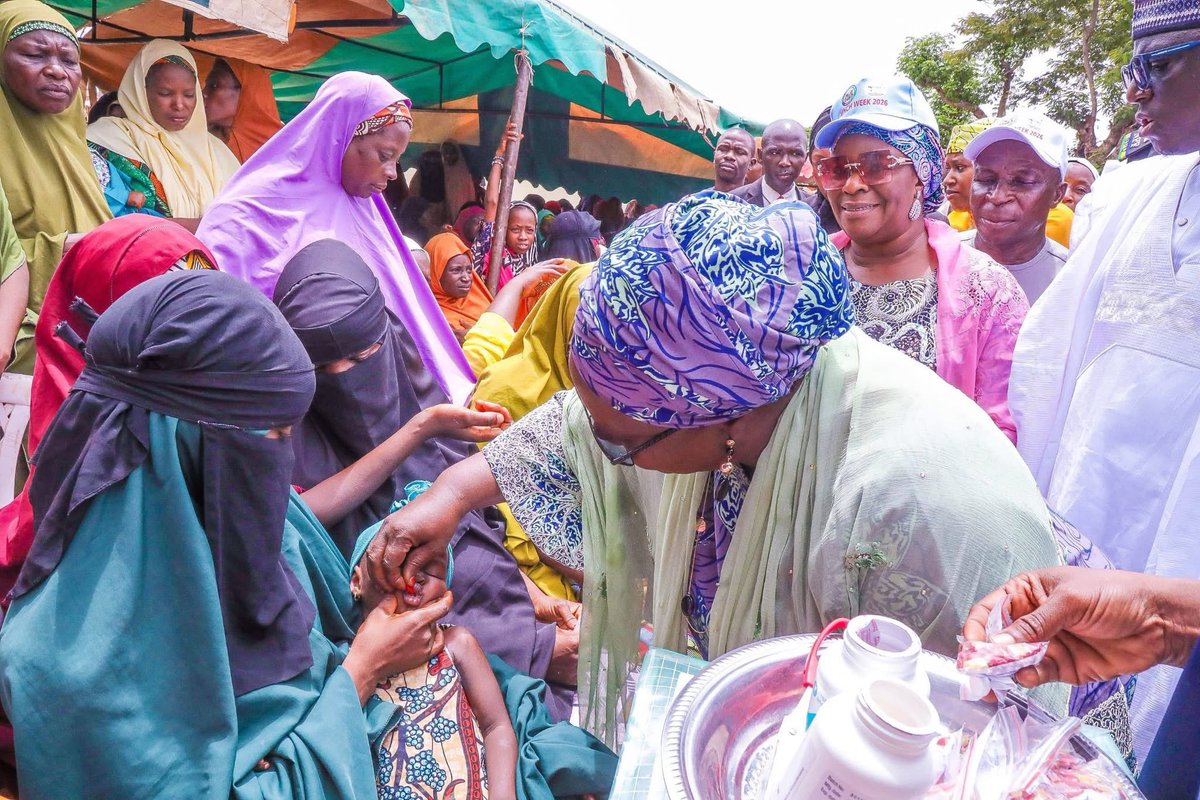
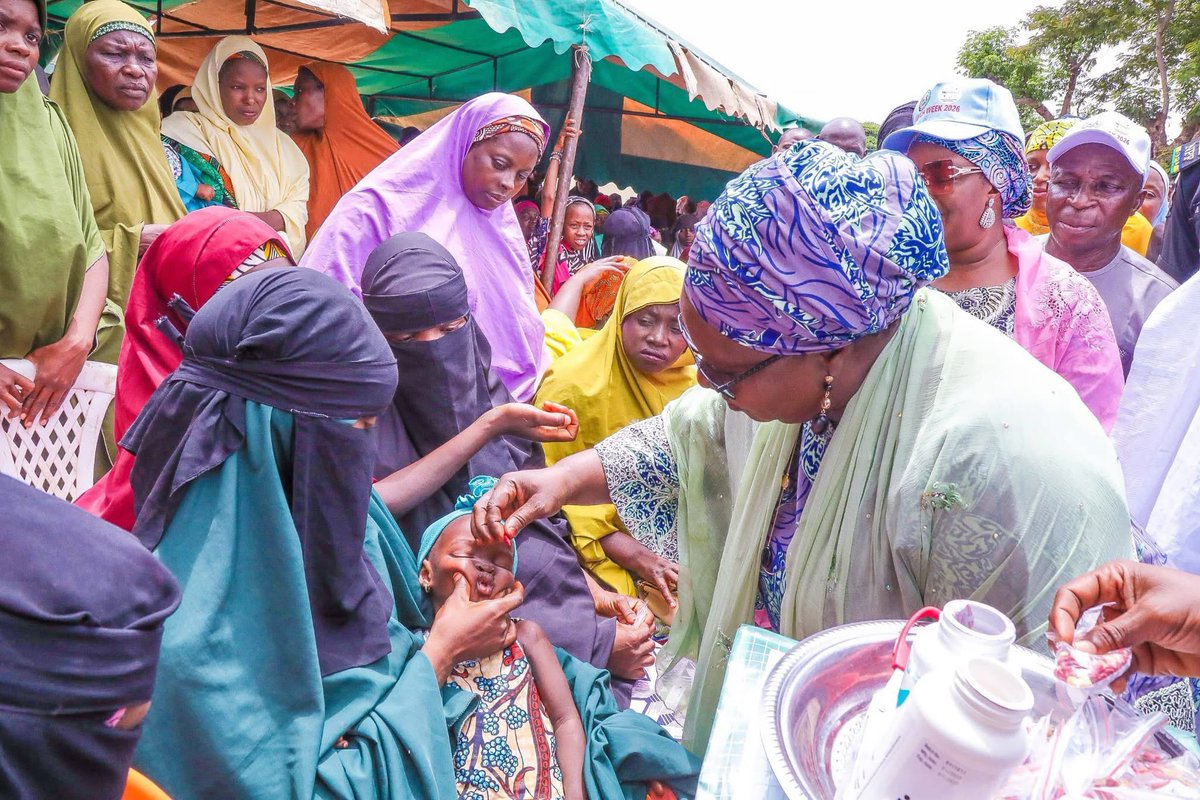
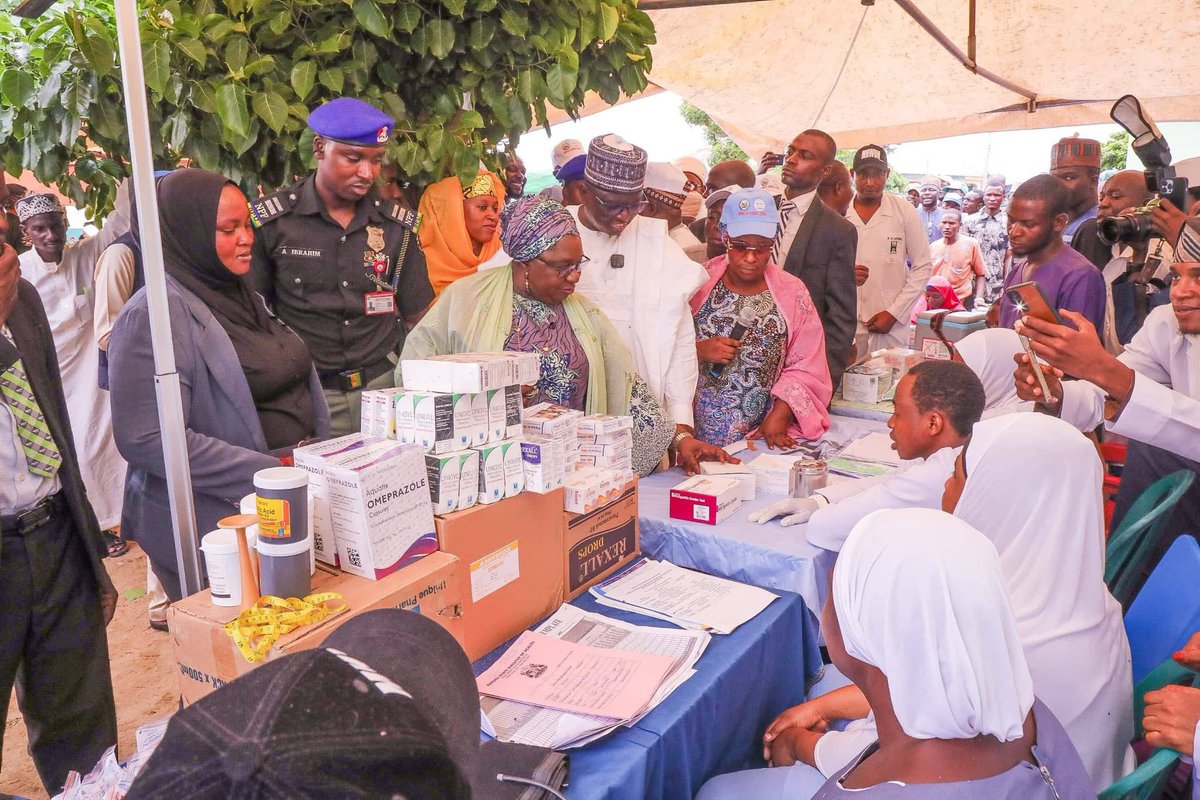
Kaduna has launched the 2026 Maternal, Newborn and Child Health Week & HPV Campaign, bringing life-saving services closer to communities. Representing HE @ubasanius, @DepGovKaduna urged parents to take advantage of the week to protect women and children from preventable diseases.
3
82
95
963
Senator Uba Sani retweeted

Jun 8
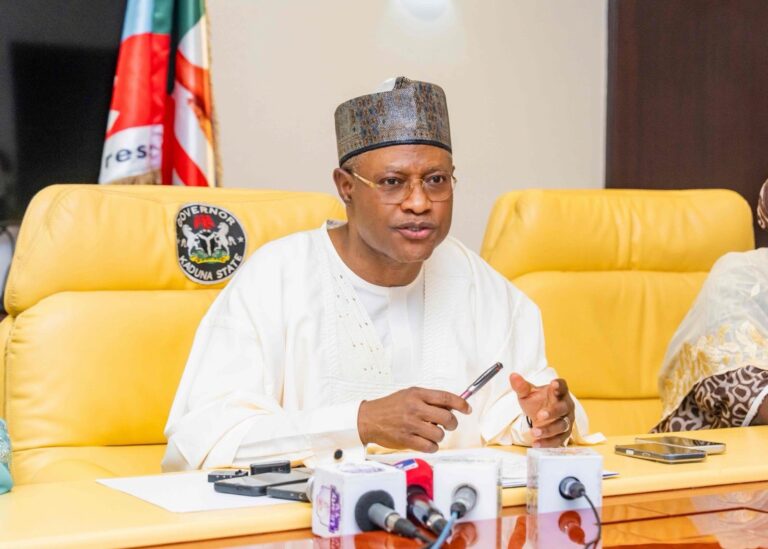
APC to inaugurate Uba Sani-led Ekiti governorship campaign council on Wednesday
The All Progressives Congress (APC) will on Wednesday inaugurate its national campaign council for the forthcoming Ekiti state governorship election.
Felix Morka, APC national publicity secretary, said the inauguration is scheduled to take place at the Kashim Shettima Hall of the Bola Ahmed Tinubu International Conference Centre in Abuja at 12 noon.
thecable.ng/apc-to-inaugurat…
5
73
92
2,153
Senator Uba Sani retweeted

Gov Sani, Defence Minister, CAN emphasise education as key tool to defeat banditry
thenationonlineng.net/gov-sa…
2
40
61
1,462
Senator Uba Sani retweeted

Jun 6
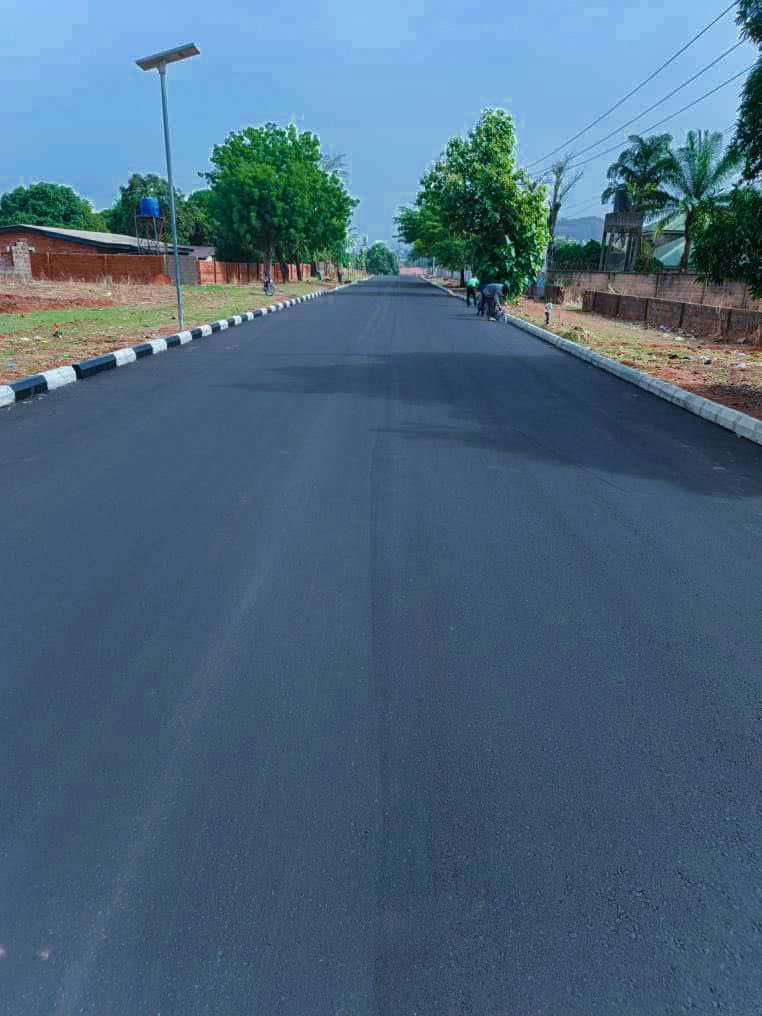
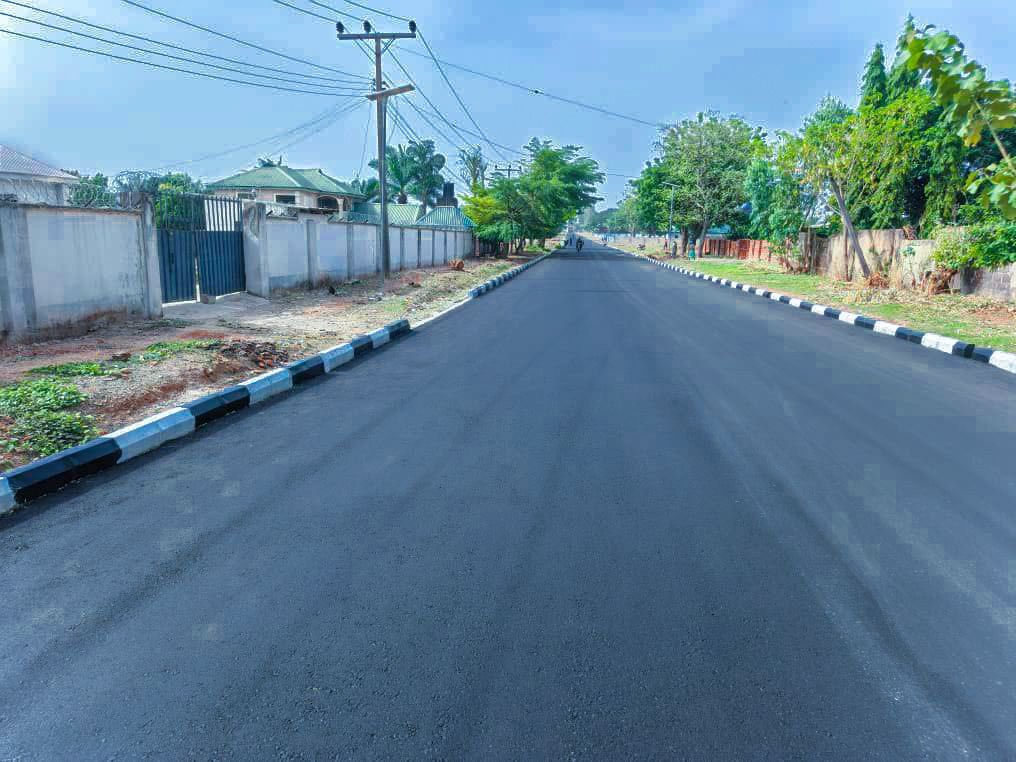
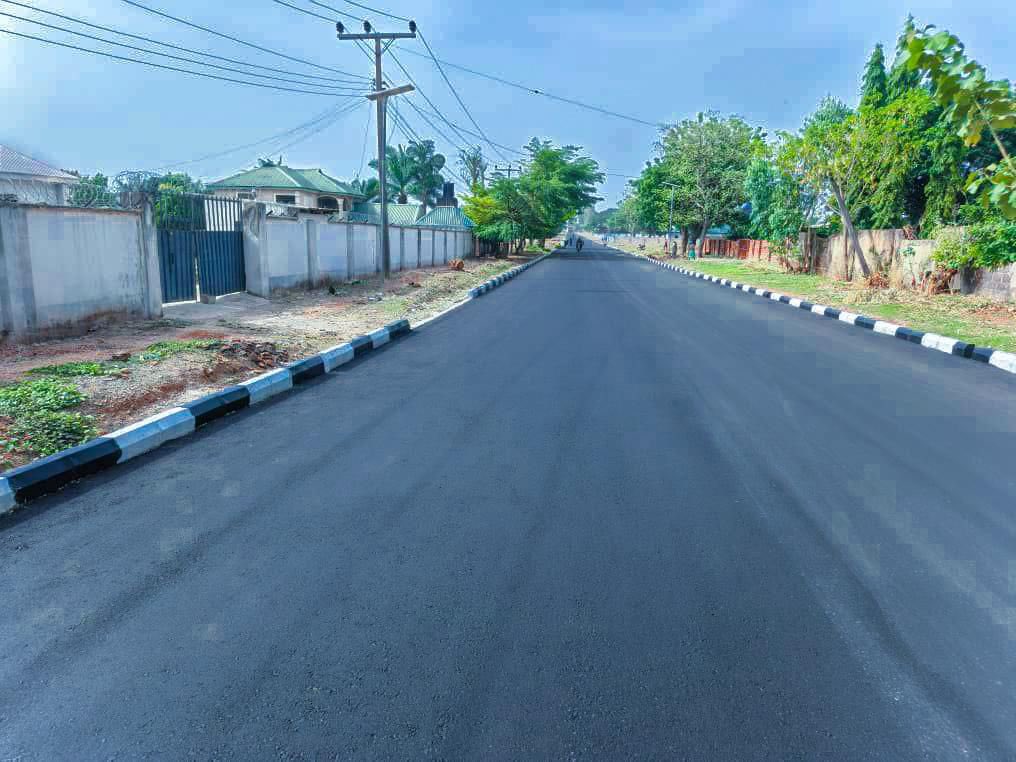
In March 2026, The administration of H.E Senator Uba Sani CON completed the reconstruction of Kwoi Township roads in Jaba LGA, Southern Kaduna.
The roads include: Audu Tilo Road, Sabon Gari Road, Dr. Sani Road, Hospital Road and Emir Road
#WorkingForKaduna
11
100
127
4,795
Senator Uba Sani retweeted

Jun 7
23 Awards in Three Years: Inside Uba Sani’s Governance Trajectory. By Nasir Dambatta In Nigerian politics, noise is cheap. Anyone with a microphone can claim wonders. But in Kaduna, the last three years under Governor Uba Sani haven’t been about ow.ly/NsV9106zryg
2
61
69
1,095