GTO_84 retweeted

The fact that the Epstein Estate ACTUALLY PAID a settlement to one of the women who alleged that Donald Trump raped her as a minor, and it was paid AFTER Epstein died, as told under oath by Epstein's longtime accountant, should be a more significant story. The fact that Trump said he wasn't ever on Epstein's plane and now we found out he was, should be a more significant story. The fact that senior officials gathered in the Situation Room to concoct and coordinate an Epstein coverup IS a significant story, and being treated as such, but in light of all the rest and his behavior throughout, it should be the end of his presidency.
32
2,154
6,235
60,353
Wizard Eyes 👀 retweeted

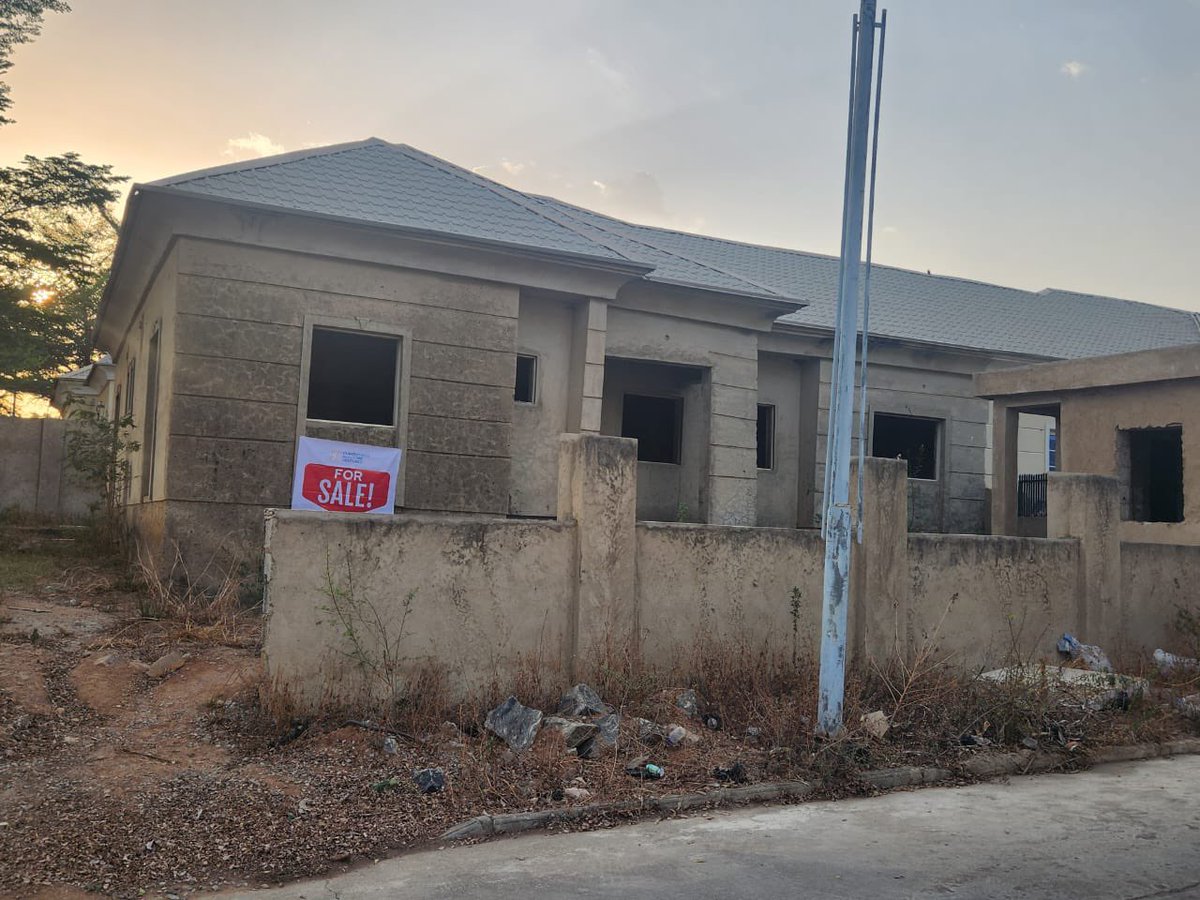
The outside view of the estate at night>>>
1
1
21

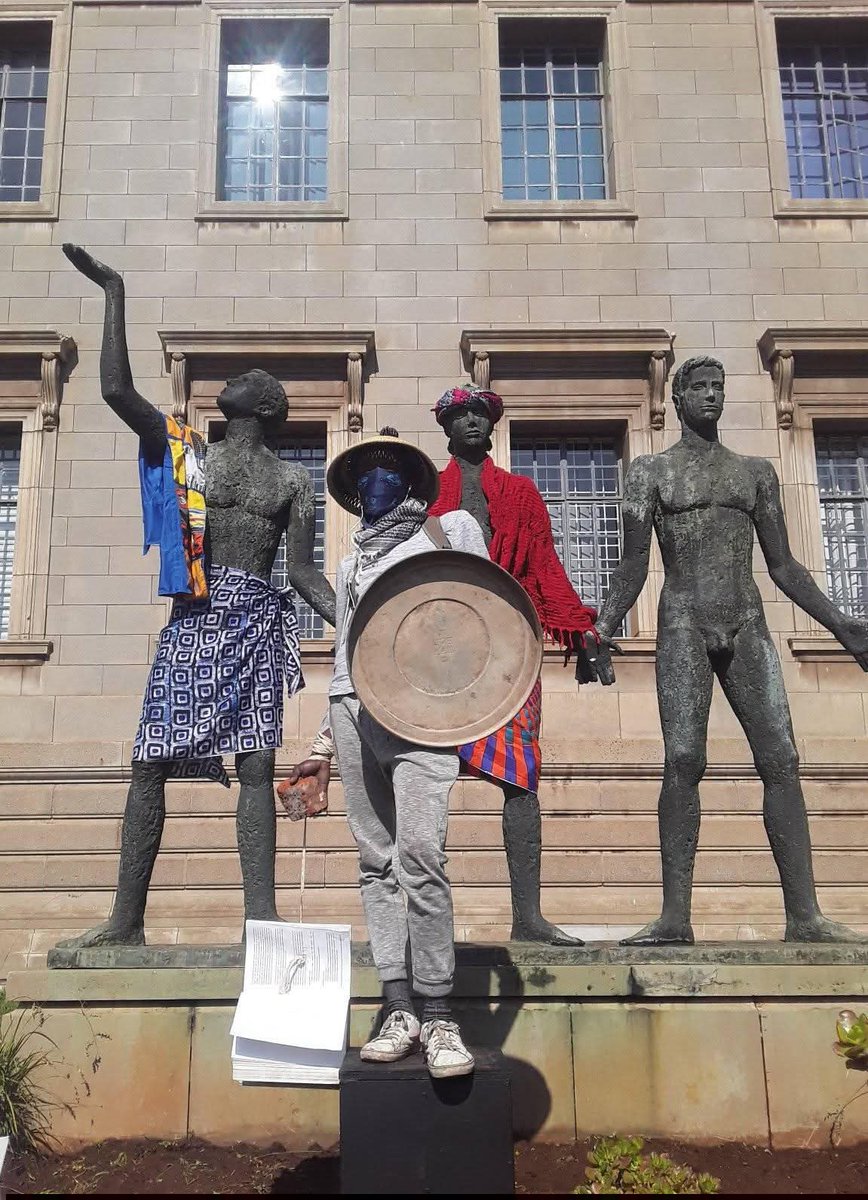
The Illusion of Benevolence when the Wealthy Visit the Township in Such a day as 16 June by Paul Noko
In many communities, there exists a recurring scene a wealthy uncle or auntie a politician arrives for a day, bringing with them an air of generosity, storytelling, and nostalgia. They sit among the residents, drinking, eating, and reminiscing about their childhoods spent in their grandmother’s house.
They share stories of humble beginnings, emphasizing how hard they worked or how fortunate they are now. Before leaving, they often offer words of hope and encouragement urging the community to pursue education and better opportunities, promising a brighter future through hard work and perseverance.
However, beneath this seemingly heartfelt gesture lies a complex web of social dynamics and unspoken truths. These visits, while seemingly generous, can sometimes serve as a reminder of the persistent inequalities that divide communities. The wealthy visitor departs, returning to their suburb or estate, leaving behind a lingering sense of disparity. Their departure is often accompanied by the comfort of luxury BMWs, Audis, Mercedes a sense that they have done their part, even if their actions have had little impact on the living conditions of those they visited.
The myth of good intentions. Such visits can evoke feelings of gratitude but also frustration. While sharing stories of their upbringing, their t and offering words of hope, these visitors rarely address the systemic issues that sustain inequality. Their presence, though well-meaning, can sometimes feel like a spectacle an act of charity that does little to challenge the structural barriers faced by the community.
The residents are left to walk home with T-shirt, a braai pack, many on foot embodying the reality of their daily struggles. The "educated revolutionaries" among them understand that true change requires more than storytelling and fleeting visits. It demands active engagement, investment, and a commitment to transforming conditions rather than merely acknowledging them.
The contrast of wealth and poverty. Watching the elders leave in luxury while the community walks in resilience highlights a stark contrast. It underscores a societal imbalance where wealth is concentrated in the hands of a few, and the everyday struggles of the many remain unaddressed. This disparity fosters feelings of neglect and frustration, as the community is reminded that the promise of opportunity often remains out of reach for many.
Moving beyond performative acts. Real change begins when the narrative shifts from charity to solidarity. It involves investing in education, infrastructure, healthcare, and economic opportunities that empower the community from within. It requires the wealthy not just to visit, tell stories, and leave, but to become active participants in the community’s development.
The journey toward genuine transformation is long and arduous, but it starts with recognizing that true progress involves shared responsibility. The community's resilience, ingenuity, and determination must be met with a commitment from all sectors of society to create lasting change.
The scene of a wealthy and politicians visitor leaving a township, leaving behind stories and hope, is emblematic of a larger issue the superficiality of gestures that fail to address deeper inequalities. To build a society where hope is not just a fleeting sentiment but a sustainable reality, there must be a collective effort to go beyond the surface. Education, investment, and genuine partnership are the keys to turning hope into tangible progress, ensuring that communities are not just visited but truly uplifted.

Tokenization needs more than just ownership. Transparency in real estate valuations is crucial for investors.
Robinson retweeted

🏡 FOR SALE – DIRECT BRIEF
📍 Fort Royal Estate, Airport Road, Abuja
🏠 3-Bedroom Semi-Detached Bungalow with Boys' Quarters (BQ)
🔨 Semi-Finished Property
✅ Located in a secure and well-planned estate
✅ Excellent opportunity for customization to taste
✅ Ideal for owner-occupiers and investors
💰 Price: ₦125 Million
📄 Direct Brief
For inspection and further enquiries, kindly contact us.
1
22
25
666
a j retweeted

Why was @priyankagandhi provided with a Lutyens bunglow in lodhi estate, ever since she married Robert. She was not holding any public office.
Why was Sonia Gandhi allowed to stay in 10, Janpath, post Rajiv Gandhi’s assassination.
@MrinalPande1 you hv been a journalist. Security covers are often given taking in to account the threat perception around a citizen.

What about the large security ring provided by the government to some Sangh leaders?
6
111
268
6,371

17s
📌 [NY Open Special Edition] USD/JPY Holds 160 Range Post-BoJ Rate Hike: US Housing Data Set to Arbitrate Real Yield Trajectory Ahead of Fed Edition
🌙 The Bullish Baton Passes to NY Open as Global Markets Parse Macro Repricing
The Tokyo cash session navigated a historic milestone today as the Bank of Japan executed its first 25bp rate hike in 31 years, lifting the policy rate to 1.00%. While the benchmark index printed an intra-day breach of the psychological 70,000 threshold, hitting 70,020.68, Nikkei 225 closed at 69,404.50 ( 0.13%), solidifying its record-high territory via relentless mega-cap tech demand. European bourses track this resilient tone, underpinned by the ongoing US-Iran peace MOU progress and subsequent energy stabilization.
Tonight, the macroeconomic center of gravity shifts cleanly to the 21:30 JST release of US May Housing Starts (Consensus: 1.43M) and Building Permits (Consensus: 1.42M). Coming immediately after the BoJ catalyst, this real-estate print serves as the ultimate arbiter for US Treasury yields and Dollar-Yen trajectories ahead of tomorrow's landmark Warsh FOMC debut.
🚨 1. Macro Plumbings: Yield Divergence & FX Volatility
・USD/JPY Tactical Zone: Spot anchors tightly within the 160.25-160.35 corridor. Despite the BoJ monetary tightening, deep structural yield differentials continue to absorb Yen bids, keeping the secular currency depreciation intact. The incoming housing print presents a clean binary outcome for tonight's session.
・Hot Data Scenario (Housing metrics exceed expectations):
Triggers an immediate structural push in the US 10-Year yield, igniting a broad-based Dollar bid. USD/JPY is projected to assault the 160.70-161.00 resistance band. Mitigate risk exposure by capping position sizes to 1/3 of normal parameters, targeting structural profit-taking above 161.20.
・Soft Data Scenario (Housing metrics indicate macro cooling):
Prompts a rapid unwinding of nominal yields and unleashes a risk-on Dollar divestment. Expect USD/JPY to drop sharply toward its key 159.00-159.50 macro support zone. For short-biased trades, establish a hard-stop parameters immediately above 160.80 to prevent exposure expansion.
📊 2. Cross-Asset Dynamics & Technical Clusters
・Gold (XAU/USD): Trading at the 4,340-4,350 range ( 0.7% intraday bounce). After capturing heavy institutional buy-side liquidity at the 4,170-4,200 floor, spot Gold maintains an upward bias. While structural inflation concerns and geopolitical hedges support the bid, the 4,370-4,400 horizontal supply wall will trigger fierce distribution. If hot data breaks spot below 4,300, pivot instantly back into a dip-buying stance within the 4,200 handle.
・US 10-Year Treasury Yield (Anchoring near 4.50%):
The structural daily chart shows minimal overbought signals, leaving a clean runway for a volatile swing between 4.40% and 4.60% depending on the data surprise. This yield volatility will immediately transmit into massive intraday fluctuations across the high-beta generative AI and semiconductor equity complexes.
💡 3. High-Priority Watchlist for Tonight’s Session
・The US 10-Year Yield USD/JPY Correlation Matrix
The defining edge tonight lies in the immediate post-print velocity of US nominal yields. A hot print maps directly into a spike in yields, generating a textbook equity/gold liquidation and a Dollar-buying squeeze. A soft print reverses this mechanics entirely. Institutional execution demands reducing pre-data inventory and scaling in on momentum post-print. Keep total size to 1/3 of your normal maximum and enforce hard stops meticulously.
The global market, having completely absorbed the BoJ historic rate card, now confronts the resilience of the US consumer wallet.
Disclaimer: This post is for informational purposes only and does not constitute investment advice. All trading decisions must be made based on your own judgment and risk tolerance.
x.com/i/status/2066871426075…

📌 【NYオープン直前特報】
日銀1.0%利上げ通過後のNY戦
今夜投下される米住宅指標のサポレジと、米金利連動型の迎撃スクリプト
🌙 まもなくNY市場オープン!今夜(6/16)の圧倒的な焦点
本日の東京市場は、日銀による31年ぶり水準の追加利上げ(1.0%へ引き上げ)という歴史的国策が投下されたものの、市場の事前コンセンサス通りだったことでパニックには至らず、日経平均株価は69,404.50円( 0.13%)とザラ場7万円大台突破の熱狂をこなして高値圏を維持しました。
このバトンを受け、欧州市場も米イラン和平進展に伴うエネルギー安定を背景に底堅く推移。
現在の米株先物市場はS&P500先物が7,559ドル付近で小幅なもみ合いを形成し、今夜の経済指標を前にエネルギーを充填しています。
今夜の最大の焦点は、21:30に投下される米5月住宅着工件数(予想1.43M)および建築許可件数(予想1.42M)です。
日銀イベントを無難に消化した直後だからこそ、この米マクロデータの強弱が、明晩のウォーシュFRB初陣FOMCに向けた米長期金利とドル円の方向性を決定づけます。
🚨 1. 為替・マクロの深層(地雷原のリアリティ)
・ドル円(USD/JPY)の現在地:160.25〜160.35円近辺
日銀が利上げを執行したにもかかわらず、日米の圧倒的な絶対金利差を背景に円安圧力が根強く残存しています。今夜の指標結果次第で、上値突破かディープな下押し調整かの二極化リスクを想定します。
・強指標(住宅市場が想定以上の高水準)の場合:
米10年債利回りが上方向に突き抜け、強烈なドル買い・円売りが再点火。
ドル円は160.70〜161.00円の上値レジスタンスへと急襲します。戦略的にはロットを通常の1/3以下に抑え、161.20円超えの真空地帯での利確を視野に入れます。
・弱指標(米経済の減速を示す低水準)の場合:
米金利の低下とともにリスクオンのドル売りが走り、ドル円は159.00〜159.50円の主要サポート領域まで一気に下押し。
ショートで迎撃する場合は、160.80円超えにタイトな逆指値(ストップ)を設置して防衛陣形を敷きます。
📊 2. マルチアセットの需給とテクニカルの歪み
・ゴールド(XAU/USD):4,340〜4,350ドル近辺( 0.7%前後の反発)
底値圏(4,170〜4,200ドル)で大口クジラの実需買いに支えられたのち、じり高の推移を継続。
中東の緊張緩和とインフレ警戒の押し目買いが交錯する中、目先の上値レジスタンスは4,370〜4,400ドルの節目。
今夜の米指標でドル高に振れて4,300ドルを割り込む局面があれば、再び4,200ドル台の強力なサポートでの仕込み待ちへ移行します。
・米10年債利回り(現在4.50%水準):
チャート上の過熱感は薄く、今夜の住宅指標のサプライズ次第で4.40%〜4.60%の広範なレンジへ振れる公算が大。
金利動向に極めて敏感な生成AI・大型ハイテク半導体株のボラティリティ急拡大に要警戒です。
💡 3. 今夜必ずチャートに入れるべき最優先監視アセット
・米10年債利回り + ドル円(USD/JPY)の相関
今夜のNY市場で勝敗を分けるのは、住宅指標発表直後の米長期金利の初動を最速で捉えることです。強指標で金利が跳ね上がれば株・金売り・ドル買いのフローが走り、弱指標ならその真逆の地殻変動が起きます。
プロの立ち回りは指標発表前のポジションを極限まで縮小し、ファクトを確認してからのスピード順張り。ロットを通常の3分の1以下に抑え、ミリ単位のストップ設定を徹底してください。
日銀の国策金利カードを平然とパツパツの買い需給で受け止めたマーケットが、今夜の米経済の底堅さをファクトチェックする運命のNYオープン。
明晩の歴史的なウォーシュFRBの初陣会合を前に、皆さんは今夜の住宅指標の数字を見て機動的にドル円のブレイクを狙いにいきますか?それともポジションを徹底的にスリムにしてキャッシュ比率最大で静観しますか?
※本投稿は情報提供およびチャート分析の解説を目的としたものであり、特定の投資行動を勧誘・指示するものではありません。投資の最終決定はご自身の判断と責任において行ってください。
x.com/i/status/2066819511437…

Gigi Gina retweeted

Just spoke with my friend/colleague @LarryOConnor about Newsom's finances and shady real estate transactions - catch up with six years of exclusive reporting and analysis here.
Mar 17

Read the entire series, including his sweetheart loans and problems paying property taxes on time:
redstate.com/jenvanlaar/2020…
3
21
49
1,320

26s
I’m currently living in Canada. It’s become increasingly unbearable over the last decade. I want to move to the USA but the current real estate market is horrible so I’m struggling to liquidate my properties. I hate the Liberal Party of Canada.
2
The Illusion of Benevolence when the Wealthy Visit the Township in Such a day as 16 June by Paul Noko
In many communities, there exists a recurring scene a wealthy uncle or auntie a politician arrives for a day, bringing with them an air of generosity, storytelling, and nostalgia. They sit among the residents, drinking, eating, and reminiscing about their childhoods spent in their grandmother’s house.
They share stories of humble beginnings, emphasizing how hard they worked or how fortunate they are now. Before leaving, they often offer words of hope and encouragement urging the community to pursue education and better opportunities, promising a brighter future through hard work and perseverance.
However, beneath this seemingly heartfelt gesture lies a complex web of social dynamics and unspoken truths. These visits, while seemingly generous, can sometimes serve as a reminder of the persistent inequalities that divide communities. The wealthy visitor departs, returning to their suburb or estate, leaving behind a lingering sense of disparity. Their departure is often accompanied by the comfort of luxury BMWs, Audis, Mercedes a sense that they have done their part, even if their actions have had little impact on the living conditions of those they visited.
The myth of good intentions. Such visits can evoke feelings of gratitude but also frustration. While sharing stories of their upbringing, their t and offering words of hope, these visitors rarely address the systemic issues that sustain inequality. Their presence, though well-meaning, can sometimes feel like a spectacle an act of charity that does little to challenge the structural barriers faced by the community.
The residents are left to walk home with T-shirt, a braai pack, many on foot embodying the reality of their daily struggles. The "educated revolutionaries" among them understand that true change requires more than storytelling and fleeting visits. It demands active engagement, investment, and a commitment to transforming conditions rather than merely acknowledging them.
The contrast of wealth and poverty. Watching the elders leave in luxury while the community walks in resilience highlights a stark contrast. It underscores a societal imbalance where wealth is concentrated in the hands of a few, and the everyday struggles of the many remain unaddressed. This disparity fosters feelings of neglect and frustration, as the community is reminded that the promise of opportunity often remains out of reach for many.
Moving beyond performative acts. Real change begins when the narrative shifts from charity to solidarity. It involves investing in education, infrastructure, healthcare, and economic opportunities that empower the community from within. It requires the wealthy not just to visit, tell stories, and leave, but to become active participants in the community’s development.
The journey toward genuine transformation is long and arduous, but it starts with recognizing that true progress involves shared responsibility. The community's resilience, ingenuity, and determination must be met with a commitment from all sectors of society to create lasting change.
The scene of a wealthy and politicians visitor leaving a township, leaving behind stories and hope, is emblematic of a larger issue the superficiality of gestures that fail to address deeper inequalities. To build a society where hope is not just a fleeting sentiment but a sustainable reality, there must be a collective effort to go beyond the surface. Education, investment, and genuine partnership are the keys to turning hope into tangible progress, ensuring that communities are not just visited but truly uplifted.
GetMoneyDre retweeted

19h
*Applies for an NYC real estate job*
"Dear hiring manager, I hate jews"
Announcement to everyone: "I'm the guy who hates jews" - sincerely, my full name and occupation
*Becomes un-hirable*
"The jews did this"
This is so ridiculous it has to be an elaborate bit lmao
Jun 13

Antisemitic Cornell student turns down interview because he's 'not interested in working for a Jew' trib.al/NRIMqqR

354
495
10,301
1,031,296

RT @THULANI__44: What job in South Africa is landing you the 2025 Ford Raptor and the Audi RS4 and a house in Midstream Estate, Centurion?…
11
LADY ANN retweeted

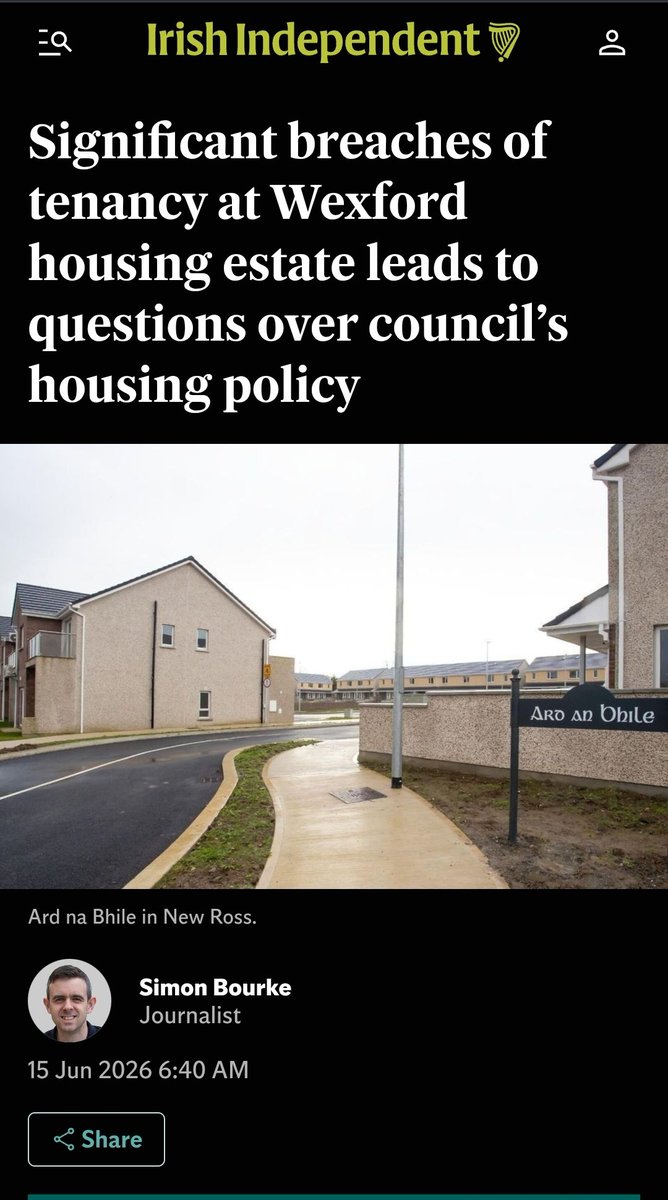
🇮🇪 Ireland - 16th June 2026
A Nigerian migrant who was handed social housing in Ard an Bhile estate, New Ross has been flagged for serious breaches 🇳🇬
This estate is just a few years old.
The Nigerian was inviting children into his car. Drinking whiskey & throwing bottles.


14
77
177
3,920
