
May 28
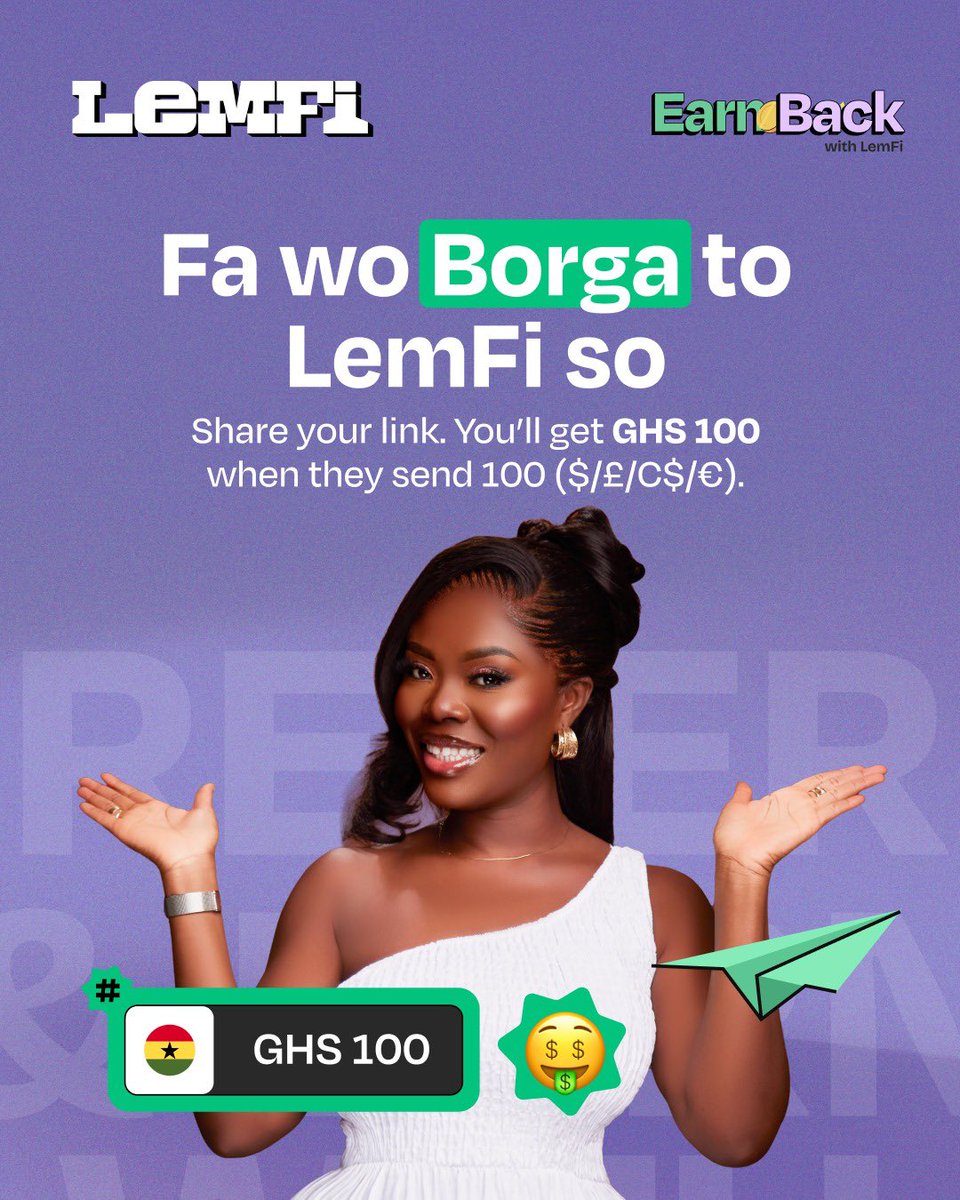
Chale, if you’re not using LemFi to send money home, then wyd??👀
Show your people abroad the LemFi way! Download EarnBack with LemFi on the Google Play Store or App Store and share your referral code or link. @UseLemfi
When they sign up with your referral code and send $100/£100/€100 to Ghana, you both get a bonus.
They enjoy:
• Zero transfer fees
• Competitive exchange rates
• Safe, reliable transfers every time
Start earning back with LemFi today!
More info in @uselemfi.africa’s bio.
#UseLemFi #EarnBackWithLemFi
4
3
35
2,508

May 26
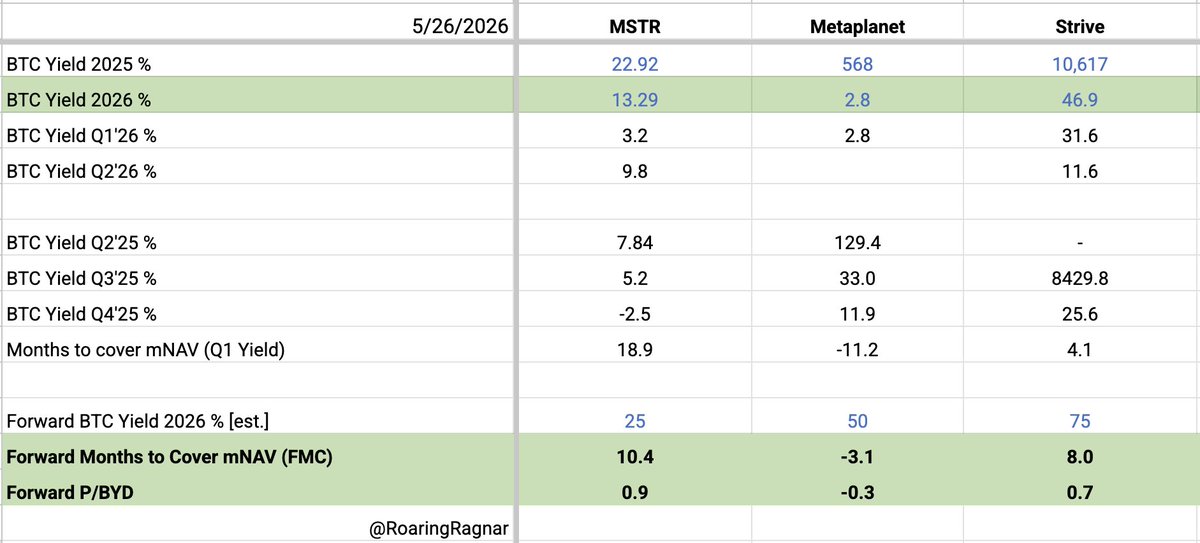
How to buy $ASST at 1x mNAV today.
Strive has generated a BTC Yield of 46.9% this year so far.
If they end the year at 75% BTC Yield, which is a realistic (and a bit sandbagged) assumption, it takes 8 months of holding $ASST until you earn back the full premium you pay today.
Which means that you can buy today, wait 8 months, and then your cost basis (in BTC terms) is at 1x mNAV.
The cool thing is, that this doesn't stop. Over time, your cost basis will drop to 0.5x mNAV or lower.
This is an excellent deal, if you ask me.
The earnback period will only increase from here, if they continue to perform like they are these days.
Just my 2 sats.
9
7
121
21,481
banks should start doing deals on revenue earnback
May 10

Back-of-envelope numbers for 1 gigawatt data center:
All-in Capex: ~$50 bn
Enterprise revenue generated: ~$25-30 bn/year
Electricity cost: $1-2 bn/year
~2 year payback.
The boom is real.
11
1,367

Apr 26
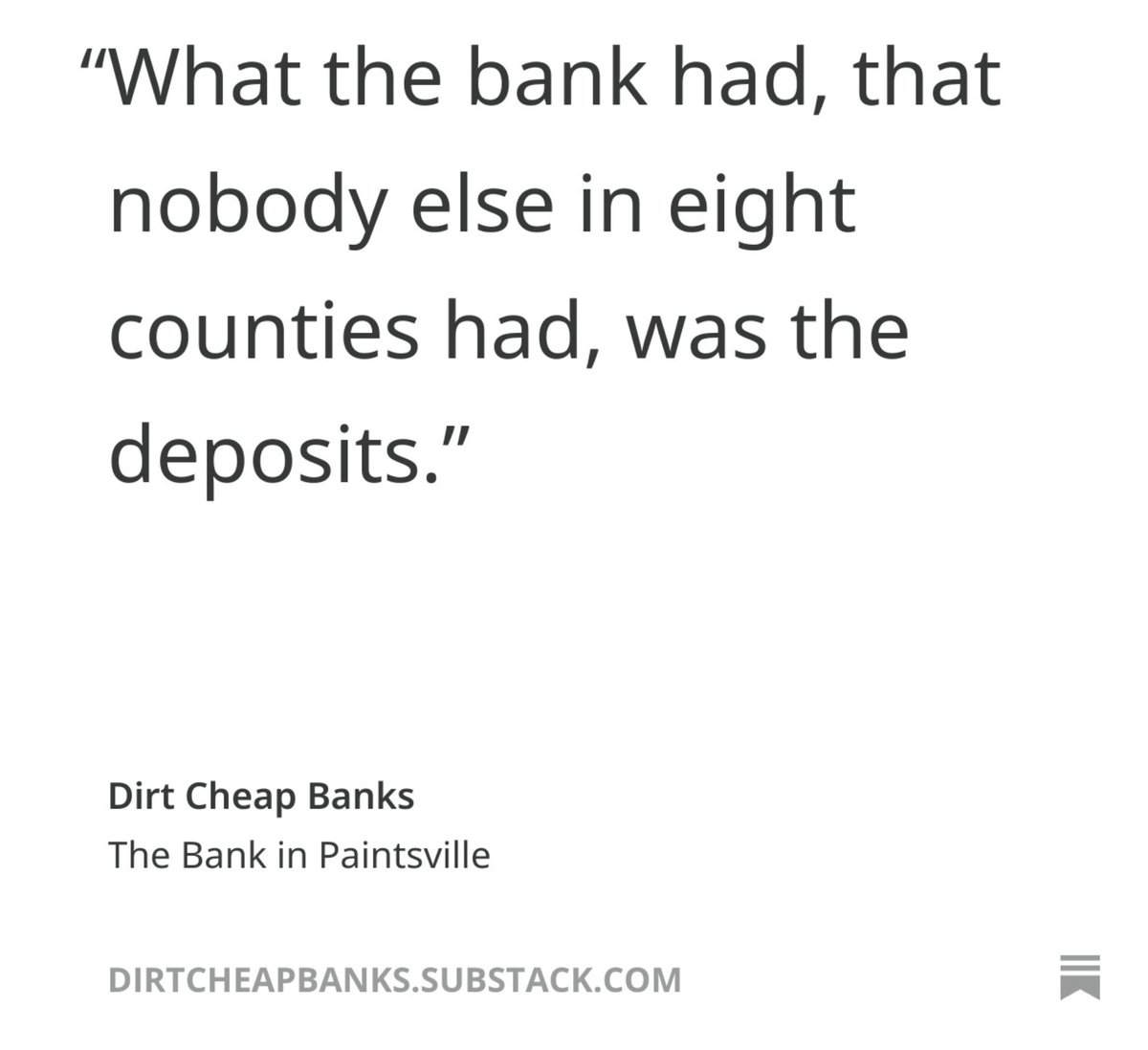
The 117-year-old bank that was organized in 1909 by men in waistcoats, in a coal town on a creek named for the iron pigment leached from its banks, gets folded into a $10 billion holding company in Marietta, Ohio, for $76.6 million paid mostly in stock, on a Tuesday morning, in April, in 2026, while the analysts on the Q1 earnings call ask polite questions about the IRR and the tangible book earnback and the Durbin threshold, and Tyler Wilcox answers them, accurately, in the language of contemporary American banking, which is the only language anyone speaks anymore, in this business, in any room where the decisions actually get made.
The deal is a good deal. The arithmetic is correct. The price is fair. The integration will go well. The synergies will be realized. The shareholders, on both sides, will be made whole or better. Tyler Wilcox will get a raise. Katie Bailey will get a raise. Leisha Maynard will retire comfortably. Carl will fish.
There were fourteen thousand of these in 1984. There are roughly four thousand now. There will be three thousand by 2035, and two thousand by 2045, and the math does not bend, the math has never bent, and one day, not soon but not never, the last one will close, and the lobby cookies will go, and the framed photograph from 1937 will come down for the last time and not go up again, and somewhere a man will fish, on a lake, alone, on a boat he bought with the proceeds, and he will not be sad exactly, because the deal was fair, and the price was right, and the bank, after all, had to go to someone, and going to Peoples is better than going to most. He will think about this, on the boat, while the sun goes down. Then he will reel in his line and motor back to the dock.
1
3
47
5,074

Mar 14
Here's what makes Texas different. Every one of those provisions is currently open for public comment. The forfeiture ratio. The grace periods. The earnback timelines. The disclosure requirements.
Utilities, consumer advocates, environmental groups, and developers all get the same filing deadline:
April 17.
1
2
15
3,079

You spend money every day.
But how often does that money come back to you?
Make your lifestyle work for you → [rodelife.com]
#RODELIFE #SmartSpending #EarnBack #SideHustle #SaveAndEarn #NetZeroLiving #ModernWealth #DigitalLifestyle #MoneyMindset #PassiveIncomePath

2
2
6


Jan 24
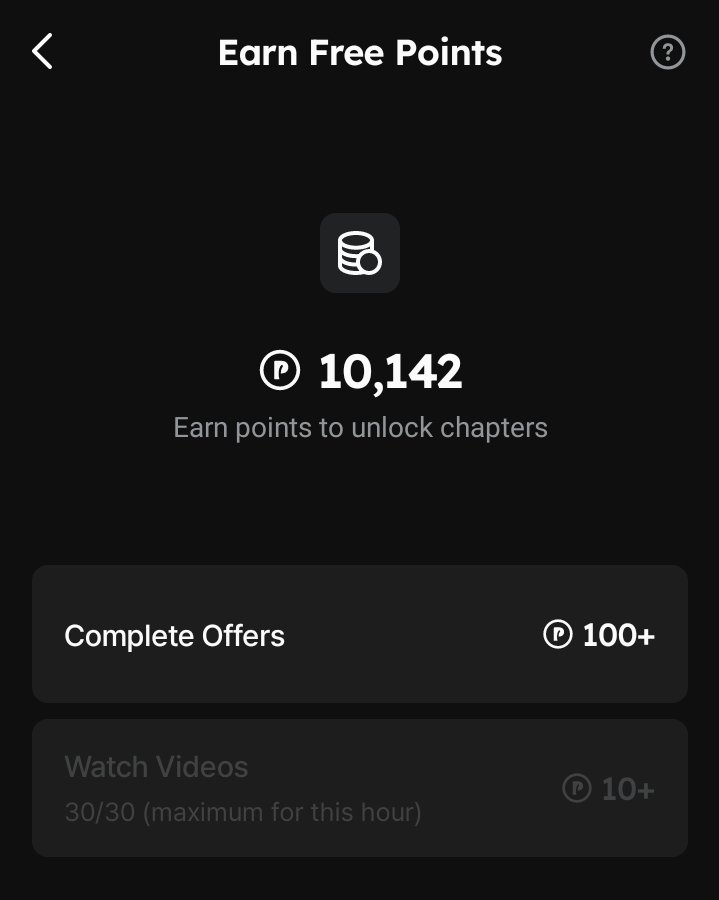
we're so baaaaccck
another year, another tappypoints grind
i have to earnback what ive used from few months ago lets goo
4
36
3,716

4 Dec 2025
Biggboss vera nethu mudinja Ena earnback pani kathunga nu sonaru
Ivununga Ena da Ada pathi kavala kooda Panama aaditu irukanga
#BiggBossTamil9
1
3
536

29 Oct 2025
"Investment" isn't the same as "earnback on benefits payments."
Surely you know this?
1
13

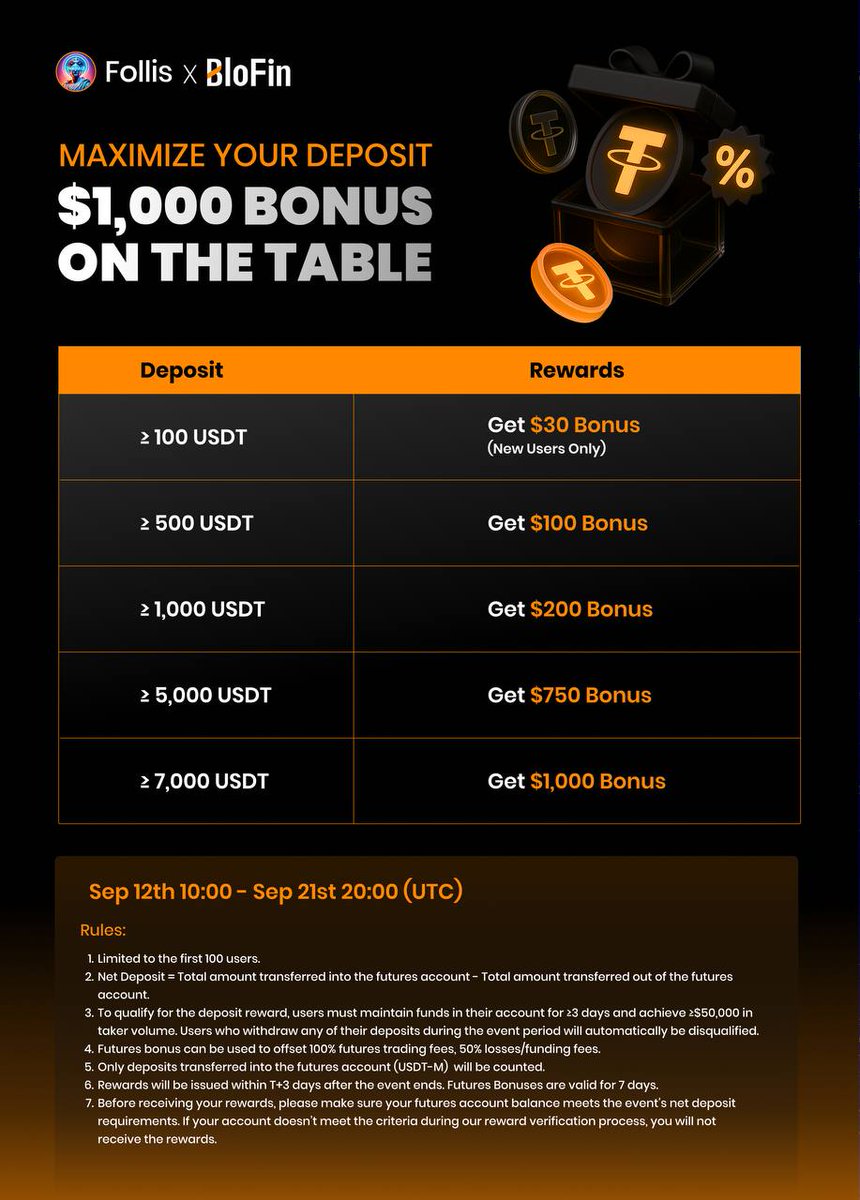
🟠 DEPOSIT BONUS 🟠
BloFin are giving a deposit bonus to anyone trading on the EARNBACK code
Deposit $$ and get free trading money, not a bad deal
EARNBACK code also gives a lifetime 25% fee kickback
Runs until end of next week
No KYC ✅
Register at partner.blofin.com/d/EARNBAC…
8
3
18
13,764

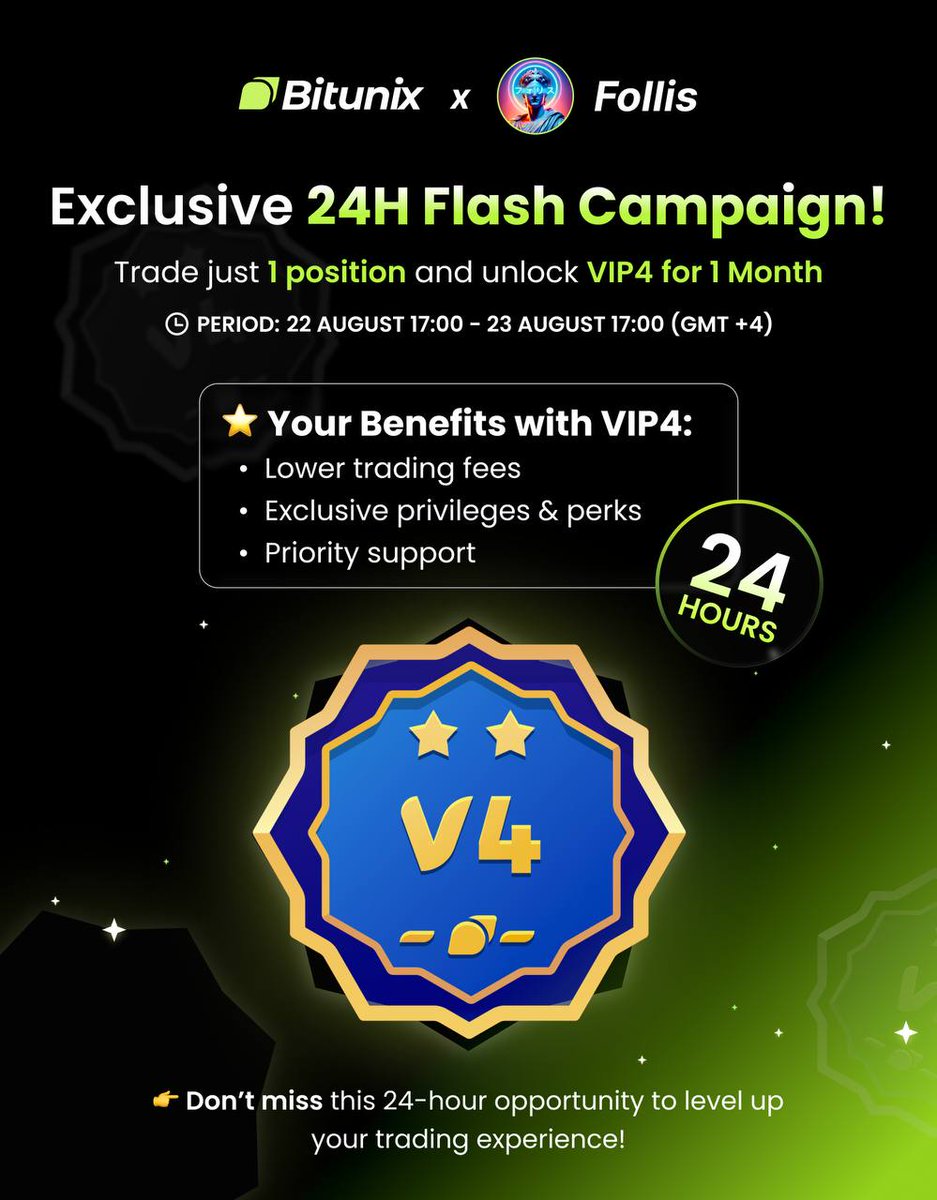
Bitunix running a flash promo for the next 24h ⚡️
Take just 1 trade and get VIP4 for a month
Gives a 40% discount on ALL trading fees
In addition to the 25% lifetime fee kickback you get from the EARNBACK code
Anyone on the EARNBACK ref is eligible ✅
bitunix.com/register?vipCode…
11
3
23
11,964
Today's sweaty mean reversion trade brought to you by @BloFin_Official
If you wanna check out BloFin for yourself, they're running a deposit volume bonus for the next 48h
Code EARNBACK (also kicks back 25% of all fees)
Details below

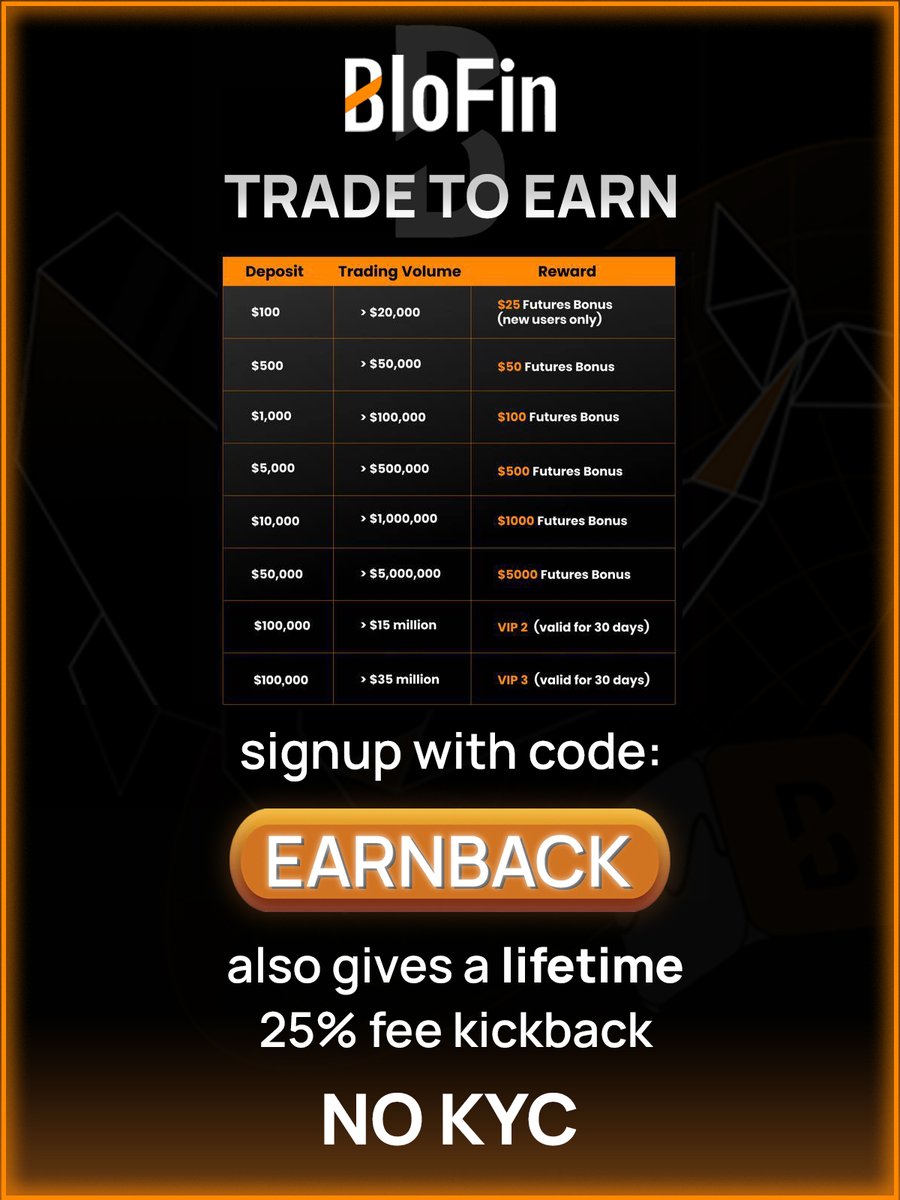
🟠 BONUS PROMO 🟠
The chads at BloFin are running a deposit volume promo for anyone trading on the EARNBACK code
Potential $5k futures bonus temp VIP status
EARNBACK code also gives a lifetime 25% fee kickback
No KYC ✅
Signup at partner.blofin.com/d/EARNBAC…
2
13
10,187
🟠 BONUS PROMO 🟠
The chads at BloFin are running a deposit volume promo for anyone trading on the EARNBACK code
Potential $5k futures bonus temp VIP status
EARNBACK code also gives a lifetime 25% fee kickback
No KYC ✅
Signup at partner.blofin.com/d/EARNBAC…
15
4
26
22,113

24 Jul 2025
🔗 $PNFP and $SNV to merge in transformative regional bank deal
📌 Deal Highlights
🔹 Total value: $8.6B (all-stock transaction)
🔹 Creates a leading regional banking franchise
🔹 Combined scale expected to drive operational synergies
📌 Financial Impact
🔹 20% EPS accretion
🔹 Earnback period: 2.6 years
🔹 Enhanced growth and profitability outlook
1
1
2
815

24 Jul 2025
1
16
1,547

Nine months might be the fastest tangible book value dilution earnback I've seen on a live deal. This is in the BankFirst/First National Bank & Trust Co (also what names!!!)
d18rn0p25nwr6d.cloudfront.ne…

2
335

22 Jul 2025
🎁$10 TO ONE RETWEET!🎁
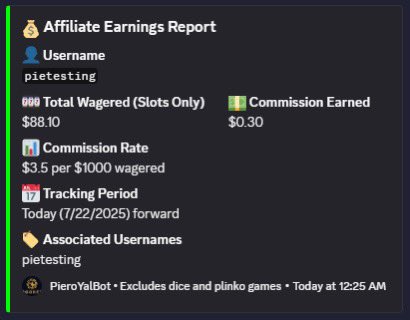
We now have made the first earnback roobet bot! Claim rakeback from your slot and house game wagers on roobet!
Dm me for more information!
Trademarked bot btw
13
40
37
1,333